• Home
  • About Us
  • Getting Finances Done
    • Hiring Advisors
    • Debt Management
    • Spending Plan
  • Insurance
    • Life Insurance
    • Health Insurance
    • Disability Insurance
    • Homeowners/Renters Insurance
  • Contact Us
  • Our Editorial Commitment

The Free Financial Advisor

You are here: Home / Archives for frozen accounts

Banks Are Closing Accounts — 4 Reasons It Could Happen to You

April 28, 2026 by Brandon Marcus Leave a Comment

Banks Are Closing Accounts — 4 Reasons It Could Happen to You
Image Source: Shutterstock.com

Banks don’t just hold money anymore—they actively monitor, analyze, and sometimes shut things down without warning. Account closures have become more common, and many people feel blindsided when it happens. One day, everything works fine, and the next, access disappears with little explanation.

That kind of disruption can throw off bill payments, savings plans, and everyday life in a heartbeat. Knowing why bank account closures happen can help avoid the frustration and keep finances running smoothly.

1. Suspicious Activity Can Raise Red Flags Fast and Trigger Immediate Account Reviews

Banks operate under strict regulations designed to catch fraud, money laundering, and unusual behavior. When an account suddenly shows activity that doesn’t match its normal pattern, automated systems flag it instantly. Large deposits, rapid transfers, or transactions in unfamiliar locations can all look suspicious—even if they’re completely legitimate. Financial institutions don’t wait around to investigate slowly; they often freeze or close accounts quickly to limit potential risk. This aggressive approach protects the bank but can leave account holders scrambling.

A common scenario involves someone selling a car, receiving a large payment, and depositing it without prior notice. The bank’s system may interpret that as potential fraud or laundering, especially if the account usually handles smaller amounts. Even something as simple as frequent transfers between multiple accounts can raise eyebrows. To reduce the risk, consistent communication with the bank helps, especially before making unusual transactions. Keeping activity predictable and documented makes it easier to avoid unnecessary closures.

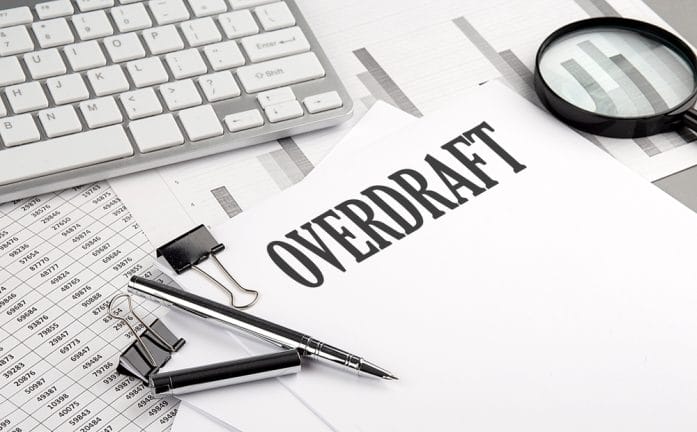
2. Repeated Overdrafts and Poor Account Management Signal Financial Risk to Banks

Banks want customers who manage money responsibly, and repeated overdrafts send the opposite message. When an account regularly dips into negative territory, it suggests instability and increases the bank’s risk exposure. Fees pile up, payments bounce, and the relationship starts to look more like a liability than an asset. Over time, the bank may decide that maintaining the account no longer makes sense. That decision often leads to sudden account termination rather than gradual warnings.

Consider someone who relies heavily on overdraft protection to cover everyday expenses. While that feature helps in the short term, it signals ongoing financial strain. Banks track these patterns closely, and too many incidents can push an account toward closure. Maintaining a buffer, setting up alerts, and adjusting spending habits can prevent this outcome. Consistent account management not only avoids fees but also reduces the likelihood of bank account closures tied to financial behavior.
Banks Are Closing Accounts — 4 Reasons It Could Happen to You
Image Source: Shutterstock.com

3. Inactive Accounts Can Get Closed Without Much Notice If They Sit Too Long

An account that sits untouched for months—or even years—doesn’t just fade into the background. Banks often classify inactive accounts as dormant, which introduces administrative and regulatory concerns. Eventually, they may close the account altogether or transfer funds to state authorities as unclaimed property. While that process follows legal guidelines, it can still surprise account holders who assumed their money would remain untouched indefinitely. Inactivity might seem harmless, but it carries real consequences.

Life changes often lead to forgotten accounts, especially after moving, switching banks, or changing jobs. A savings account opened years ago might slip through the cracks without regular attention. Logging in periodically, making small transactions, or setting reminders can keep accounts active. Even minimal engagement shows the bank that the account still serves a purpose. Staying proactive prevents unnecessary closures and keeps access to funds intact.

4. Violating Terms and Conditions Can Lead to Immediate Account Termination Without Warning

Every bank account comes with a long list of rules, and violating them can trigger swift action. These terms cover everything from acceptable transaction types to identity verification requirements. Using a personal account for business purposes, for example, can violate policies and raise compliance issues. Providing inaccurate information or failing to update personal details can also create problems. Banks enforce these rules strictly, and violations often result in account closure rather than a warning.

A practical example involves someone running a side hustle through a personal checking account. Frequent incoming payments and business-related transactions may conflict with the account’s intended use. The bank may view this as a compliance issue and shut the account down. Reading and following account terms might not feel exciting, but it plays a crucial role in maintaining access. Staying within the rules helps avoid unexpected disruptions and reduces the risk of bank account closures tied to policy violations.

Staying Ahead of Bank Account Closures

Bank account closures rarely happen without a reason, even if the explanation feels vague or frustrating. Patterns of behavior, account activity, and compliance with rules all play a role in how banks evaluate risk. Paying attention to these factors can make the difference between smooth financial management and sudden disruption. Small habits—like monitoring transactions, avoiding overdrafts, and keeping accounts active—add up quickly. Staying informed and proactive keeps control firmly in the account holder’s hands.

What steps have you taken to protect your bank accounts from unexpected closures? We want to hear your thoughts, so please share them in our comments section.

You May Also Like…

5 Digital Banking Changes That May Be Adding New Fees Without Notice

Banks Are Reducing Credit Limits for Older Customers During Risk Reviews

Banks Are Holding Cash Transfers Over $2,000 for Verification—What Seniors Need to Know

North Carolina’s Flat Tax Savings in 2026: Why Everyday Costs Still Matter

8 Hidden Fees That Can Eat Away at Your Retirement Savings

Brandon Marcus
Brandon Marcus

Brandon Marcus is a writer who has been sharing the written word since a very young age. His interests include sports, history, pop culture, and so much more. When he isn’t writing, he spends his time jogging, drinking coffee, or attempting to read a long book he may never complete.

Filed Under: Banking Tagged With: account termination, bank account closures, bank policies, banking rules, banking tips, Financial Security, fraud prevention, frozen accounts, money management, Personal Finance, Planning

10 Retirement Funds That Can Be Frozen by Court Orders

August 11, 2025 by Travis Campbell Leave a Comment

court
Image source: pexels.com

Retirement funds are supposed to be safe. You work for years, save money, and expect those funds to be there when you need them. But sometimes, a court can freeze your retirement accounts. This can happen for many reasons, like unpaid debts, divorce, or legal judgments. Knowing which retirement funds can be frozen by court orders helps you protect your savings. If you think your money is untouchable, you might be surprised. Here’s what you need to know about the types of retirement funds that can be frozen and what you can do about it.

1. 401(k) Plans

A 401(k) is one of the most common retirement funds. Many people think their 401(k) is safe from creditors. That’s true in some cases, but not all. Federal law protects 401(k) plans from most creditors. However, a court can freeze your 401(k) for things like unpaid child support, alimony, or federal tax debts. In divorce cases, a court can issue a Qualified Domestic Relations Order (QDRO) to split or freeze your 401(k). If you owe money to the IRS, they can also put a hold on your account. So, while your 401(k) is usually protected, it’s not immune.

2. Traditional IRAs

Traditional IRAs are another popular way to save for retirement. These accounts have some protection from creditors, but it’s not as strong as a 401(k). Federal bankruptcy law protects up to a certain amount in IRAs (currently about $1.5 million, but this can change). Outside of bankruptcy, state laws decide how much protection you get. Some states protect IRAs fully, while others don’t. Courts can freeze your IRA for things like divorce settlements, unpaid taxes, or certain lawsuits. If you’re worried about your IRA being frozen, check your state’s laws.

3. Roth IRAs

Roth IRAs work a lot like traditional IRAs when it comes to court orders. They have the same federal bankruptcy protection limit. Outside of bankruptcy, state laws control what happens. If you owe child support, alimony, or taxes, a court can freeze your Roth IRA. In divorce, a judge can order part of your Roth IRA to be given to your ex-spouse. If you’re sued and lose, your Roth IRA could be at risk, depending on where you live. Always know your state’s rules.

4. Pension Plans

Pension plans are often seen as untouchable, but that’s not always true. Most pensions are protected by the Employee Retirement Income Security Act (ERISA), which shields them from most creditors. But there are exceptions. Courts can freeze or split pensions in divorce cases. If you owe child support or alimony, a court can order payments from your pension. The IRS can also freeze your pension for unpaid taxes. If you have a government pension, different rules may apply. It’s smart to check with your plan administrator.

5. SEP IRAs

A Simplified Employee Pension (SEP) IRA is a retirement plan for self-employed people and small business owners. SEP IRAs have the same protections as traditional IRAs. That means they’re protected in bankruptcy up to the federal limit, but state laws decide what happens outside of bankruptcy. Courts can freeze SEP IRAs for divorce, child support, alimony, or tax debts. If you’re self-employed, don’t assume your SEP IRA is always safe.

6. SIMPLE IRAs

A Savings Incentive Match Plan for Employees (SIMPLE) IRA is another retirement plan for small businesses. Like SEP IRAs, SIMPLE IRAs have the same federal and state protections as traditional IRAs. Courts can freeze these accounts for unpaid debts, divorce settlements, or tax issues. If you’re part of a small business, make sure you know how your SIMPLE IRA is protected in your state.

7. Government Thrift Savings Plans (TSPs)

Thrift Savings Plans are retirement accounts for federal employees and military members. TSPs are protected from most creditors, but not all. Courts can freeze TSPs for child support, alimony, or federal tax debts. In divorce, a court can issue an order to split or freeze your TSP. If you have a TSP, it’s essential to know that it’s not entirely off-limits for court orders. The Federal Retirement Thrift Investment Board has more details on these rules.

8. 457(b) Plans

A 457(b) plan is a retirement account for state and local government workers and some nonprofits. These plans are usually protected from creditors, but courts can freeze them for child support, alimony, or tax debts. In divorce, a court can order a split of your 457(b) plan. If you work for the government or a nonprofit, don’t assume your retirement money is always safe.

9. 403(b) Plans

A 403(b) plan is a retirement account for teachers, hospital workers, and some nonprofit employees. Like 401(k)s, 403(b) plans are protected by ERISA, but there are exceptions. Courts can freeze 403(b) plans for divorce, child support, alimony, or tax debts. If you work in education or healthcare, make sure you understand how your 403(b) is protected. The U.S. Department of Labor has more information on these plans.

10. Inherited Retirement Accounts

If you inherit a retirement account, the protections are different. Inherited IRAs, for example, are not protected in bankruptcy. Courts can freeze inherited accounts for debts, divorce, or lawsuits. If you inherit a 401(k) or IRA, check the rules. You might not have the same protections as the original owner. This can catch people off guard, so always ask questions if you inherit a retirement fund.

Protecting Your Retirement: What You Can Do

Knowing that court orders can freeze retirement funds is important. The rules are complicated and depend on the type of account, the reason for the court order, and where you live. If you’re worried about your retirement funds, talk to a financial advisor or attorney. They can help you understand your risks and what steps you can take. Sometimes, moving funds to a more protected account or changing your state of residence can help. But don’t wait until you have a problem. Take action now to protect your retirement savings.

Have you ever had a retirement account frozen or know someone who has? Share your story or advice in the comments below.

Read More

10 Refund Delays Women Face After Retirement That Men Rarely Do

10 Refund Delays Women Face After Retirement That Men Rarely Do

Travis Campbell
Travis Campbell

Travis Campbell is a digital marketer/developer with over 10 years of experience and a writer for over 6 years. He holds a degree in E-commerce and likes to share life advice he’s learned over the years. Travis loves spending time on the golf course or at the gym when he’s not working.

Filed Under: Retirement Tagged With: 401(k), court orders, Debt, divorce, frozen accounts, IRA, legal issues, Pension, Planning, Retirement

Follow Us

Search this site:

Recent Posts

  • Can My Savings Account Affect My Financial Aid? by Tamila McDonald
  • 12 Ways Gen X’s Views Clash with Millennials… by Tamila McDonald
  • What Advantages and Disadvantages Are There To… by Jacob Sensiba
  • 10 Tactics for Building an Emergency Fund from Scratch by Vanessa Bermudez
  • Call 911: Go To the Emergency Room Immediately If… by Stephen Kanaval
  • 7 Weird Things You Can Sell Online by Tamila McDonald
  • 10 Scary Facts About DriveTime by Tamila McDonald

Copyright © 2026 · News Pro Theme on Genesis Framework