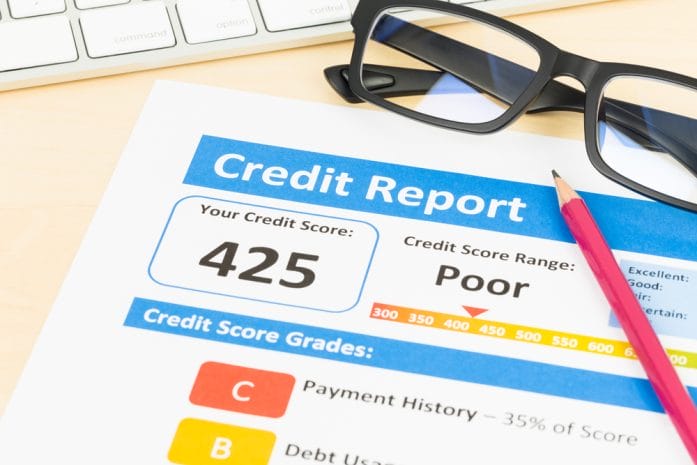
A frustrating trend has started creeping back into the financial lives of many consumers: old debts that seemed long gone are suddenly popping up on credit reports again. This isn’t a glitch or a random error—it’s often the result of collection agencies buying and reselling old debt accounts. That means a bill from years ago, possibly even one already resolved, can reappear and drag down a credit score without warning.
For anyone trying to build or repair credit, this can feel like taking two steps forward and three steps back. Really understanding why this happens and how to respond can make all the difference between lasting damage and a quick fix.
Why Old Debts Are Showing Up Again
Debt doesn’t just disappear when it gets sold—it changes hands, sometimes multiple times, and each new owner may attempt to collect. Collection agencies frequently bundle and sell unpaid accounts to other agencies, often for pennies on the dollar, which creates a cycle of repeated reporting. Each time a new agency takes over, they may re-report the debt to credit bureaus, even if the account is years old.
This practice can create confusion because the same debt might appear as a “new” collection entry. While laws like the Fair Credit Reporting Act limit how long debts stay on reports, resales can muddy the timeline and make it harder for consumers to track.
How This Impacts Your Credit Score
A reappearing debt can hit a credit score hard, especially if it shows up as a fresh collection account. Payment history makes up a significant portion of a credit score, so any negative mark can cause a noticeable drop. Even if the original debt aged close to its reporting limit, a newly reported collection can reset how lenders perceive risk. This can affect everything from loan approvals to interest rates, making borrowing more expensive or even impossible. For someone actively improving their credit, this kind of surprise can undo months of careful financial behavior.
The Legal Limits You Should Know
Credit reporting laws set clear boundaries, but those boundaries don’t always feel obvious in practice. Most negative items, including collections, can remain on a credit report for up to seven years from the original delinquency date. Debt collectors cannot legally reset that clock simply by reselling the account or re-reporting it.
However, they can update the account status, which may make the debt look newer than it actually is. Consumers who understand this distinction gain a major advantage when disputing inaccurate or misleading entries. Keeping records of original account dates becomes essential when dealing with these situations.
Steps to Take If an Old Debt Reappears
Quick action can prevent long-term damage when an old debt resurfaces on a credit report. Start by pulling a full credit report from all three major bureaus and identifying the exact entry in question. Next, verify the debt details, including the original delinquency date and the current collector’s information. If anything looks incorrect or outdated, file a dispute with the credit bureau and provide supporting documentation.
In some cases, contacting the collection agency directly can clarify whether the debt is valid or already resolved. Staying organized and persistent often leads to removal or correction of inaccurate entries.

How to Protect Yourself Going Forward
Preventing future surprises requires a proactive approach to credit monitoring and recordkeeping. Regularly checking credit reports helps catch suspicious or outdated entries before they cause major harm. Keeping copies of payment confirmations, settlement agreements, and correspondence with creditors provides valuable proof if disputes arise later.
Setting up alerts through credit monitoring services can also offer early warnings about changes. Consumers who stay informed and organized reduce the chances of being blindsided by old debts. A little vigilance now can save significant stress and money down the road.
Don’t Let Old Debts Rewrite Your Financial Story
Old debts may try to make a comeback, but they don’t have to define a financial future. Understanding how collection resales work gives consumers the power to challenge inaccurate reporting and protect their credit standing. Taking swift, informed action can stop errors from snowballing into bigger financial setbacks. Credit reports should reflect accurate, timely information—not recycled accounts that confuse lenders and borrowers alike. Staying alert and informed turns a frustrating situation into a manageable one with a clear path forward.
What steps have you taken to monitor or protect your credit report from outdated or incorrect debts? Share your experience in the comments below.
You May Also Like…
Maryland Seniors: Filing Errors on Local Tax Credits Are Causing Residents to Lose Key Savings
What Happens When You Ignore Your Credit Report for Years
10 Credit Report Errors That Saddled Retirees With Denied Loans
Why Some Credit Reports Are Withholding Important Data
Check Your Credit Report NOW—5 Signs of Identity Theft

Brandon Marcus is a writer who has been sharing the written word since a very young age. His interests include sports, history, pop culture, and so much more. When he isn’t writing, he spends his time jogging, drinking coffee, or attempting to read a long book he may never complete.
.png)
Leave a Reply