• Home
  • About Us
  • Getting Finances Done
    • Hiring Advisors
    • Debt Management
    • Spending Plan
  • Insurance
    • Life Insurance
    • Health Insurance
    • Disability Insurance
    • Homeowners/Renters Insurance
  • Contact Us
  • Our Editorial Commitment

The Free Financial Advisor

You are here: Home / Archives for Brandon Marcus

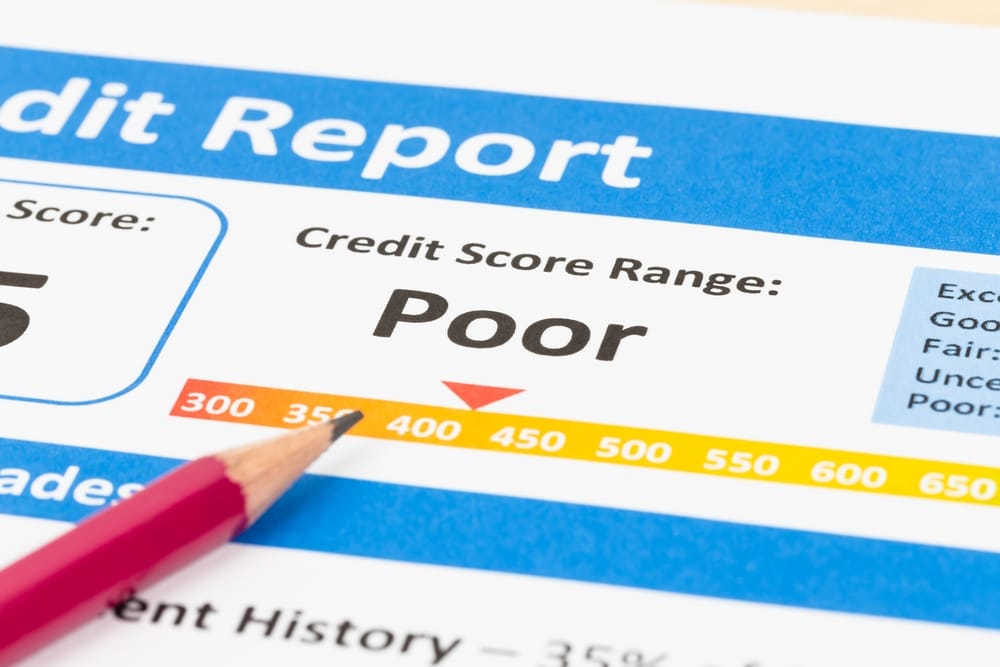
8 “Harmless” Daily Habits That Are Secretly Wrecking Your Credit Score

December 8, 2025 by Brandon Marcus Leave a Comment

Some “Harmless” Daily Habits That Are Secretly Wrecking Your Credit Score
Image Source: Shutterstock.com

Most people walk around feeling pretty confident about their credit—until one day they check it, and suddenly it’s limping along like it just ran a marathon in flip-flops. The truth is, your credit score isn’t only affected by the big stuff like missed payments or maxed-out cards. Sometimes it’s the tiny, everyday habits—the innocent ones you don’t even think twice about—that nibble away at your score until it’s begging for mercy.

These habits hide in plain sight, disguised as completely normal financial behavior, but behind the scenes they can cause chaos. If you’ve ever wondered why your score isn’t rising the way you expect, these sneaky culprits might be the reason.

1. Paying Bills A Few Days Late Because “It’s No Big Deal”

A bill that’s late by a few days might feel harmless, especially if you still intend to pay it within the same week. But lenders and credit systems don’t see “a few days” the way you do—they see inconsistency. Even though most creditors only report payments more than 30 days late, the pattern of last-minute scrambling can eventually lead to slip-ups. One forgetful day becomes a late payment penalty, and one penalty can become a percentage drop in your score. So even if you don’t get hit with a reportable late payment, cutting it close is a risky habit that can eventually bite.

2. Using Too Much Of Your Credit Limit Just Because You’ll Pay It Off

You might assume that as long as you pay your card in full each month, running your cards up to the limit doesn’t matter. But your credit utilization—the amount of credit you’re using compared to what you have available—gets calculated long before you make that payment. If your statement closes when your card is nearly maxed out, the credit bureaus think you’re living dangerously close to debt trouble. High utilization is one of the fastest ways to tank your score, even if you’re financially responsible. What feels like normal spending can look like credit chaos on paper.

3. Frequently Applying For Store Cards To Save Money At Checkout

That tempting “Save 20% today!” pitch at the register seems like a harmless reward. But each application triggers a hard inquiry on your credit report, and enough of them can make you look desperate for credit. Lenders don’t love the idea of someone grabbing multiple cards within short periods—it signals potential financial instability. Even if you never miss a payment on those store cards, the damage from repeated inquiries can linger. And once you have several rarely used cards, they can complicate your financial profile even more.

4. Closing Old Accounts Because You’re “Decluttering” Your Finances

It feels productive to close an old credit card you barely use, like tidying a drawer you never open. Unfortunately, your credit score sees things differently. Old accounts provide valuable credit history, and shutting them down shortens your average account age instantly. Not only that, but closing a card also reduces your overall available credit, raising your utilization—even if you didn’t increase your spending. What feels like simplification can accidentally look like a riskier credit pattern.

5. Ignoring Small Medical Bills Until They “Get Around” To You

Medical bills have a sneaky way of slipping into the shadows and then exploding into collections when you’re not looking. You might think waiting a month or two to handle them is harmless, especially if you’re expecting insurance adjustments.

But medical offices often hand unpaid balances over to collection agencies faster than you think. Once a bill hits collection status, even a tiny one, your credit takes the blow. Treat those little medical statements like precious gems—because ignoring them can cost far more than the original bill.

Some “Harmless” Daily Habits That Are Secretly Wrecking Your Credit Score
Image Source: Shutterstock.com

6. Relying On Autopay Without Double-Checking Anything

Autopay sounds like a gift from the financial gods—set it, forget it, never worry again. Except autopay is only as reliable as the card it charges, the bank account it pulls from, or the expiration date you forgot was approaching. A declined autopay due to insufficient funds or an expired card can lead to missed payments without you even noticing. By the time you catch the mistake, your credit report may already be flashing warning signs. Autopay helps, but ignoring it completely can backfire spectacularly.

7. Disputing Every Tiny Charge Instead Of Letting Things Process

It’s important to be vigilant with your money, but constantly disputing minor charges can create an unexpected ripple effect. While disputes are processed, the affected account may temporarily behave differently on your report, especially if payments are paused. If the dispute doesn’t go your way or creates confusion with your creditor, it can lead to missed payments or accidental delinquencies. Over time, this can make your financial behavior appear inconsistent or disorganized. Sometimes it’s better to allow a charge to clear and then clarify it calmly with the merchant rather than filing dispute after dispute.

8. Letting Subscriptions Auto-Renew Even When You Forget About Them

Subscriptions love quietly draining your account in the background. You may treat them as small, forgettable expenses, but collectively they can cause overdrafts, increased utilization, or missed payments if tied to certain accounts. What starts as a $9.99 auto-renew might snowball into insufficient funds, triggering fees or missed charges on other bills. Credit scoring systems see the symptoms, not the root cause—and the symptoms look like you’re not managing your money well. Keeping unused subscriptions running is like leaving a leaky faucet dripping onto your credit score.

Your Credit Score Reflects Habits, Not Just Big Mistakes

Most people assume credit scores crumble only when something huge goes wrong, but it’s often the small, sneaky habits that slowly chip away at them. The good news is that once you recognize these behaviors, they’re surprisingly easy to adjust. Awareness is half the battle—and the other half is building habits that help your score rise instead of sink.

If you’ve ever discovered one of these habits in your own life, you’re definitely not alone. Share your experiences, stories, or questions in the comments section below so others can learn from them too.

You May Also Like…

Expense Mindset: 5 Budgeting Habits High-Net Individuals Use

7 Money Habits We Wish We Started 10 Years Earlier

Financial Habits of People Who Never Stress About Money

8 Modern Habits That Baffle Older Generations

8 Times “0% Interest” Credit Cards Turn Into Financial Traps


Brandon Marcus
Brandon Marcus

Brandon Marcus is a writer who has been sharing the written word since a very young age. His interests include sports, history, pop culture, and so much more. When he isn’t writing, he spends his time jogging, drinking coffee, or attempting to read a long book he may never complete.

Filed Under: credit score Tagged With: bill, credit, credit cards, credit limit, credit repair, credit report, credit score, daily habits, habits, Money, money issues, paying bills

How to Teach Kids About Debt

December 8, 2025 by Brandon Marcus Leave a Comment

How to Teach Kids About Debt
Image Source: Pixabay.com

Kids are naturally curious, and they ask a million questions about everything—including money. While many parents focus on allowances, saving, and spending, debt often gets overlooked. It’s a tricky topic, but teaching children about it early can set them up for a lifetime of smart financial choices. Understanding debt isn’t just about numbers; it’s about making decisions, understanding consequences, and learning how to balance wants and needs. Let’s explore fun and practical ways to introduce kids to this essential money concept without overwhelming them.

Start With Simple Concepts First

Before you dive into credit cards and loans, kids need to grasp the basics of borrowing and repayment. Explain debt as borrowing something with the promise to return it later, whether it’s money, a toy, or even a favor. Use everyday examples like lending a sibling a toy or borrowing a pencil, then discuss what happens if it isn’t returned. This simple approach builds a foundation for understanding interest, repayment schedules, and responsible borrowing later on. Kids learn faster when they can see the principles applied in familiar situations.

Use Games And Activities To Make Debt Tangible

Interactive games can turn abstract financial ideas into something kids can experience. Create a pretend store where kids can “borrow” play money to buy items, then track what they owe and pay it back with interest. Board games or online simulations that mimic borrowing and paying off loans can make debt less intimidating. These activities help children visualize cause and effect, showing them that borrowing comes with responsibilities. Learning through play also keeps the experience fun rather than stressful.

Teach The Difference Between Good And Bad Debt

Not all debt is created equal, and it’s important for kids to understand that. Explain that borrowing money for things that help build future opportunities, like education or starting a small project, is often beneficial. On the other hand, borrowing for instant gratification, like toys or treats, can lead to problems if not managed carefully. Using stories or relatable examples makes this easier for children to grasp. Understanding this distinction early helps kids develop smart money habits as they grow.

Introduce The Concept Of Interest

Interest can seem like a confusing idea, but kids can understand it if you break it down simply. Explain that when you borrow money, you often have to pay back a little extra, which is the cost of borrowing. Use examples with small numbers, like lending $10 and asking for $11 back, to demonstrate how interest works. Visual aids, like charts or jars with coins, can help illustrate how debt grows over time if not managed carefully. This knowledge helps kids see why borrowing without planning can become tricky.

How to Teach Kids About Debt
Image Source: Pixabay.com

Set A Good Example With Your Own Money

Kids absorb lessons more from watching than from listening, so your actions matter. Share age-appropriate stories about how you manage bills, loans, or credit responsibly. Talk about mistakes you’ve made and how you corrected them, emphasizing learning rather than guilt. Demonstrating responsible borrowing, budgeting, and timely repayment creates a living example for children. They’re more likely to adopt good habits if they see them modeled consistently.

Encourage Saving Alongside Borrowing

Debt discussions work best when balanced with lessons about saving. Explain that saving money can reduce the need to borrow, making it easier to make choices without accumulating debt. Use visual tools like piggy banks or savings jars to make the concept tangible. You can also tie savings goals to small rewards, helping kids experience delayed gratification firsthand. Learning to save while understanding borrowing creates a strong financial foundation for the future.

Discuss The Consequences Of Unmanaged Debt

Understanding consequences is crucial to learning responsibility. Explain in simple terms what can happen if debt isn’t repaid, such as losing privileges or facing limits on future borrowing. Use hypothetical scenarios or stories to show how financial stress affects real people. Emphasize that while mistakes can happen, proactive planning and responsibility prevent long-term problems. Kids benefit from learning that debt is manageable when approached thoughtfully.

Make It Part Of Everyday Conversations

Debt doesn’t need to be a formal lecture—it can be woven into daily life. Talk about money choices during grocery shopping, family budgeting, or planning special purchases. Highlight decisions where borrowing might be tempting and discuss better alternatives together. Regular, natural conversations reduce fear and mystery around debt. Children who hear about money as a normal topic become more confident managing it.

Use Age-Appropriate Language And Concepts

Tailoring the complexity of your explanations is key. Younger children might need basic examples, while older kids can handle discussions about credit cards, loans, and interest rates. Avoid jargon and use relatable language, like comparing loans to borrowing toys or snacks. Reinforce concepts gradually, revisiting them over time as children mature. This scaffolding approach ensures understanding without overwhelming them.

Encourage Questions And Critical Thinking

Kids will inevitably have questions about debt, and encouraging them strengthens their learning. Ask open-ended questions like, “What would you do if you needed to borrow money?” or “How could saving first help you avoid debt?” Respond thoughtfully, even if their ideas seem off track, and guide them toward smart conclusions. Fostering curiosity helps children think critically about financial decisions. The ability to analyze options early leads to better money habits as they grow.

Building Financial Confidence Early

Teaching kids about debt isn’t about scaring them or overloading them with rules. It’s about giving them tools to understand borrowing, repayment, and financial consequences in a fun, engaging way. By using stories, games, examples, and real-life modeling, you can create a foundation of financial confidence that lasts a lifetime.

Have you tried teaching your kids about debt, or do you have creative ways to introduce money lessons?

You May Also Like…

10 Gen X Parenting Styles That Millennials Are Rejecting

7 Clever Ways Grandparents Save on Family Vacations

7 Ways to Finally Get Your Adult Kids Out of Your House

Here’s When It’s Okay To Let Kids Move Back Home To Pay Off Bills

11 Difficult Conversations to Have With Adult Children Who Need Cash


Brandon Marcus
Brandon Marcus

Brandon Marcus is a writer who has been sharing the written word since a very young age. His interests include sports, history, pop culture, and so much more. When he isn’t writing, he spends his time jogging, drinking coffee, or attempting to read a long book he may never complete.

Filed Under: Parenting & Family Tagged With: children., Debt, Family, family issues, financial choices, Money, money issues, parenting, parenting and children, parenting choices, teaching children, teaching kids

The Medical Bill Mistake That Can Cripple Your Credit for a Decade

December 8, 2025 by Brandon Marcus Leave a Comment

One Medical Bill Mistake That Can Cripple Your Credit for a Decade
Image Source: Pixabay.com

Medical bills have a sneaky way of turning ordinary people into financial thrill-seekers. One minute you’re walking out of the hospital with a prescription and a smile, the next you’re staring at a statement that reads like a foreign language and wondering if you accidentally adopted a small country. It’s not just the outrageous amounts that get people—it’s the subtle mistakes, overlooked paperwork, and billing snafus that can quietly snowball into years of credit damage.

Many people assume that paying something late or disputing a charge is minor, but when medical billing errors hit the credit bureaus, they can haunt you for a decade. Understanding how this happens, and how to fight back, is essential for anyone who wants to keep their financial life intact while navigating the complex world of healthcare.

Why Medical Bills Are Unlike Other Debts

Medical bills are unique because they often come unexpectedly, leaving little time for preparation or negotiation. Unlike a mortgage or car payment, which you plan for in advance, a surprise ER visit or sudden procedure can arrive with costs that rival a small down payment. Mistakes in coding, double-billing, or misapplied insurance payments make it easy to assume you owe more than you actually do. When these errors go unnoticed, they can be reported to credit agencies as delinquent debt, even if you intended to pay the correct amount on time. This is why medical bills require more attention and follow-up than almost any other type of expense.

How A Simple Billing Error Becomes A Credit Nightmare

Even minor errors on a medical bill can escalate quickly if left unchecked. A wrong date, an incorrect patient code, or a missed insurance adjustment can result in the bill being sent to collections. Once in collections, your credit report will show a negative mark, which can linger for up to ten years. Many people only discover this issue when they try to apply for a mortgage, car loan, or even a new credit card. What starts as a small oversight can turn into a decade-long headache that affects almost every area of financial life.

Insurance Confusion Makes Mistakes More Likely

Even when you have insurance, understanding what is covered and what isn’t can be like decoding a secret language. Policies are filled with deductibles, co-pays, out-of-network charges, and confusing terminology that even the most diligent patient can misinterpret. Hospitals and clinics sometimes submit claims incorrectly, leaving patients responsible for balances they should never have owed. Waiting for insurance adjustments without checking the statements can allow incorrect amounts to be reported to collections. Staying on top of every line item and communicating directly with both your insurer and provider is essential to prevent these errors from damaging your credit.

The Collections Trap Is Fast And Relentless

Once a medical bill enters collections, the damage can escalate faster than most people realize. Collection agencies report delinquent accounts to credit bureaus regularly, meaning even a small mistake can have an outsized impact. Unlike other types of debt, you often don’t receive multiple reminders before your account is reported. Many people are caught off guard, believing that “a few weeks late” won’t matter. By the time you discover the issue, the collections mark can already be reflected on your credit report, triggering higher interest rates, loan denials, and stress that lasts for years.

How To Spot And Fix Billing Mistakes Quickly

The key to preventing a decade of credit trouble is vigilance. Review every statement carefully, compare it to your insurance Explanation of Benefits, and verify that each charge is legitimate. If something looks wrong, contact the billing department immediately and request a corrected invoice. Keep meticulous records of every call, email, and response from the provider and insurance company. Prompt action can prevent a billing error from snowballing into a collection account and protect your credit score from unnecessary damage.

Negotiating And Disputing With Confidence

Even when a medical bill is accurate, there’s room for negotiation or dispute. Hospitals and collection agencies often have policies that allow for payment plans, financial assistance, or even reduced balances for prompt resolution. Disputing incorrect charges formally with your insurance or provider can halt collections and remove negative entries from your credit report. Being organized, polite, and persistent can yield better outcomes than you might expect. Taking control early transforms what could be a financial disaster into a manageable situation.

One Medical Bill Mistake That Can Cripple Your Credit for a Decade
Image Source: Pixabay.com

Why Regular Credit Checks Are Critical

Checking your credit report regularly is one of the smartest defenses against long-term damage from medical bills. Errors can appear on your report without your knowledge, sometimes months after the initial mistake. Regular monitoring allows you to spot discrepancies quickly and take action before they affect loan applications or interest rates. Many people delay checking their credit until they need a large loan, by which point errors can be entrenched. Staying proactive helps you correct mistakes before they spiral into decade-long issues.

Protecting Yourself From Future Mistakes

Education and organization are your best allies in preventing medical billing mistakes from ruining your credit. Keep a folder of all bills, insurance statements, and correspondence. Know the key dates for claims, payments, and insurance responses. Develop a habit of reviewing every charge, even small ones, and never assume an error will correct itself. By creating a system for vigilance, you reduce the risk of surprises that can linger for years. Financial peace of mind comes from consistent attention, not hope that everything is fine.

Take Action Before It’s Too Late

Medical bills may seem like just another part of adult life, but one small mistake can ripple through your financial world for a decade. Vigilance, record-keeping, and proactive communication are the keys to keeping your credit safe. Don’t wait until a loan denial or mortgage application shocks you into action—review, dispute, and negotiate before the damage is done. Have you or someone you know experienced a medical billing error that impacted credit? Share your thoughts, stories, or tips in the comments section below—we’d love to hear from you.

You May Also Like…

8 Shocking Costs of Ignoring Small Medical Bills

How Can Medical Bills Wipe Out Savings Faster Than a Market Crash

7 Outrageous Truths About Medical Debt

Could Ignoring Medical Debt Destroy Your Financial Future

Are Your Medical Wishes Legally Enforceable Across State Lines?


Brandon Marcus
Brandon Marcus

Brandon Marcus is a writer who has been sharing the written word since a very young age. His interests include sports, history, pop culture, and so much more. When he isn’t writing, he spends his time jogging, drinking coffee, or attempting to read a long book he may never complete.

Filed Under: Health & Wellness Tagged With: bill mistakes, bills, credit, credit repair, credit report, credit score, debt collection, doctor, doctors, health insurance, hospitals, medical bills, medical debt, medical expenses, spending mistakes

Refuse to Accept Mediocrity in Your Wealth Accumulation Strategy

December 8, 2025 by Brandon Marcus Leave a Comment

Refuse to Accept Mediocrity in Your Wealth Accumulation Strategy
Image Source: Pixabay.com

Money is a lot like a rollercoaster ride: thrilling, sometimes terrifying, and absolutely unforgiving if you’re not strapped in. Yet, far too many people approach wealth accumulation like a slow carousel, satisfied with steady but uninspiring returns. Settling for mediocrity in your financial strategy is like driving a Ferrari at twenty miles per hour—you have incredible potential, but you’re wasting it. If you truly want to build lasting wealth, you need to stop playing it safe and start playing it smart.

This isn’t about gambling recklessly or chasing get-rich-quick schemes; it’s about refusing to accept the financial status quo and demanding more from yourself and your strategy.

Stop Settling For Average Returns

Many investors think an average annual return is “good enough,” but here’s the kicker: average compounds into average, and average won’t get you to financial freedom fast. Settling for minimal growth is a slow road, and it costs more than money—it costs opportunity. Those who push for above-average performance often achieve more in less time because they harness compounding intelligently. The difference isn’t luck; it’s strategy, research, and the willingness to act decisively. If you want extraordinary results, your returns must reflect extraordinary thinking.

Embrace Risk With Calculated Confidence

Avoiding all risk might sound safe, but it’s actually one of the biggest traps in wealth building. Every lucrative opportunity carries some element of risk, and trying to eliminate it completely will limit your growth to stagnation. The key is not recklessness—it’s calculated risk, informed by research, planning, and historical data. Smart risk-takers understand that short-term fluctuations are part of the journey to long-term gains. By embracing risk wisely, you position yourself for higher returns without gambling away your future.

Diversify Without Diluting Your Focus

A diversified portfolio isn’t just a safety net—it’s a growth accelerator when done properly. But spreading yourself too thin across dozens of assets can dilute your returns and make tracking performance a nightmare. Instead, aim for strategic diversification: select complementary assets that balance growth potential with stability. Concentrate your efforts where you have knowledge and insight, and expand cautiously into areas that enhance your overall portfolio. A focused yet diversified strategy ensures your money is working hard, not meandering aimlessly.

Continuously Educate Yourself About Wealth

The moment you stop learning about finance, markets, and wealth-building strategies, you start losing ground. Knowledge compounds just like money: every book, seminar, or research article adds interest to your financial IQ. People who refuse to accept mediocrity invest in their education as much as in stocks or real estate. Understanding market trends, tax strategies, and behavioral finance keeps you ahead of the curve. Continuous learning turns reactive decisions into proactive wealth-building moves.

Refuse to Accept Mediocrity in Your Wealth Accumulation Strategy
Image Source: Pixabay.com

Automate Without Becoming Passive

Automation is one of the smartest tools in a wealth accumulation strategy, but many people misuse it. Automatically contributing to savings or investments is great—but setting it and forgetting it without review can lead to complacency. Wealth accumulation demands attention, even if it’s just quarterly or monthly check-ins to ensure everything aligns with your goals. Automation should free you to make informed strategic decisions, not lull you into financial slumber. Stay engaged, adjust when necessary, and let automation serve your strategy, not replace it.

Set Audacious But Achievable Goals

Mediocre strategies often stem from mediocre goals. Setting timid, easily achievable targets keeps your portfolio stagnant and your mindset constrained. The secret is to aim high while remaining realistic—goals should stretch your abilities and force you to innovate. Whether it’s achieving a certain net worth by a specific age or reaching a milestone in passive income, audacious goals ignite action. They provide a roadmap and a sense of urgency that mediocrity simply cannot inspire.

Monitor And Adjust Relentlessly

Wealth strategies are not set-it-and-forget-it endeavors. Markets shift, personal circumstances change, and strategies that worked yesterday may falter today. Successful wealth builders track performance meticulously, analyze results, and adjust tactics without hesitation. Ignoring data and failing to pivot is a sure path to mediocrity. By monitoring and adjusting relentlessly, you transform your strategy from a static plan into a dynamic, living system that adapts to maximize results.

Build Habits That Compound Like Interest

Money isn’t built in a single transaction; it’s built in habits repeated consistently over time. Saving a small percentage of every paycheck, reviewing investments weekly, and consistently seeking financial education might feel minor, but over months and years, they compound massively. Habitual diligence is the secret weapon against mediocrity because it turns intention into results. You can’t control every market swing, but you can control your habits. Building these compounding behaviors ensures that your financial progress accelerates naturally.

Surround Yourself With The Right Influences

The people and resources you surround yourself with can either elevate or hinder your wealth-building journey. Listening to naysayers, absorbing negative media, or relying on outdated advice encourages complacency. Conversely, mentorship, financial communities, and access to expert insights push you toward excellence. Your environment influences your mindset and decision-making more than you realize. If you want to refuse mediocrity, surround yourself with people and ideas that raise the bar.

Your Wealth Strategy Deserves More Than Mediocrity

Accepting mediocrity in your wealth accumulation strategy is like trying to run a marathon while walking—it slows you down, limits your potential, and keeps you from reaching the finish line efficiently. Extraordinary results come from extraordinary thinking, disciplined action, and the courage to aim higher than average. Stop letting fear, complacency, or lack of knowledge dictate your financial journey. Refuse to settle for “good enough” and demand a strategy that challenges, educates, and grows with you.

Share your thoughts, strategies, or personal wealth-building stories in the comments below, because we’d love to hear how you refuse mediocrity in your own financial journey.

You May Also Like…

7 Money Lessons Baby Boomers Taught That Still Build Wealth

7 Daily Habits That Quietly Build Wealth Without Effort

6 Astounding Discoveries About Hidden Mutual Fund Charges

The Military Money Mistake That Costs Young Service Members Dearly

7 Money Lessons Baby Boomers Taught That Still Build Wealth


Brandon Marcus
Brandon Marcus

Brandon Marcus is a writer who has been sharing the written word since a very young age. His interests include sports, history, pop culture, and so much more. When he isn’t writing, he spends his time jogging, drinking coffee, or attempting to read a long book he may never complete.

Filed Under: Wealth Building Tagged With: building wealth, diversify, financial habits, Money, money issues, saving money, saving strategy, Wealth, wealth accumulation, wealthy habits, wealthy people

7 Bold Assertions to Make About Your Financial Future Today

December 8, 2025 by Brandon Marcus Leave a Comment

Here Are Bold Assertions To Make About Your Financial Future Today
Image Source: Shutterstock.com

You can spend your life nervously watching your bank account like a hawk, or you can take control and boldly declare your financial future. The difference between the two is mindset. Making strong, confident assertions about your money isn’t arrogance—it’s a psychological hack that primes you for action.

When you verbalize and internalize your intentions, your brain starts scanning for opportunities instead of dwelling on obstacles. Today is the day to stop hesitating and start speaking your financial future into existence.

1. I Will Take Ownership Of Every Dollar I Earn

Financial freedom begins with ownership. Every paycheck, every tip, every bonus is a tool you can use to shape your life, not just a fleeting number on a screen. Owning your money means tracking it, understanding it, and deciding intentionally where it goes. It’s about feeling empowered, not guilty, when you make spending choices. Start today by reviewing your recent transactions and asking yourself which ones truly served your long-term goals.

Here Are Bold Assertions To Make About Your Financial Future Today
Image Source: Shutterstock.com

2. I Will Save Before I Spend

Saving isn’t a punishment; it’s a superpower. When you prioritize putting money aside, even just a small amount, you signal to yourself and the universe that you are serious about your financial growth. Treat it like a non-negotiable bill—you pay it first, and the rest becomes your playground. Over time, the compounding effect of this habit can transform your life in ways instant gratification never will. By saving before spending, you’re no longer reacting to money—you’re orchestrating it.

3. I Will Seek Knowledge Before Making Financial Decisions

Knowledge is the ultimate wealth multiplier. No matter how much money you have, without understanding how to manage, invest, or protect it, growth is limited. Reading articles, following experts, and studying trends turns fear into strategy. The more you know, the less chance you give impulsive habits a seat at your financial table. Start today by learning just one new principle that could improve your financial decision-making this week.

4. I Will Treat Debt As A Strategic Tool, Not A Trap

Debt has a bad reputation, but in the right context, it can be an ally rather than an enemy. Strategic debt—like investing in education, property, or business opportunities—can accelerate your wealth rather than hold you back. The key is knowing the difference between smart and toxic debt. By committing to responsible borrowing, you can use leverage to reach goals faster than you could relying solely on saved cash. Today, decide that debt will serve your plans, not sabotage them.

5. I Will Cultivate Multiple Streams Of Income

Relying on a single paycheck is like standing on one leg—you’ll wobble if anything shifts. Multiple streams of income create security, flexibility, and unexpected opportunities. Side hustles, investments, or monetizing a skill you love can diversify your earning potential. You don’t have to be an expert immediately; experimentation and small consistent steps matter more than perfection. Declare today that you will explore and nurture at least one new avenue for income this month.

6. I Will Make Investments That Align With My Values

Investing isn’t just about numbers; it’s about aligning your money with the life you want. Putting money into ventures that reflect your principles or passions makes the journey richer, more meaningful, and easier to stay committed to. Growth follows enthusiasm and dedication, and when your investments excite you, monitoring and learning about them feels less like a chore. This doesn’t mean ignoring risk—it means balancing strategy with purpose. Start today by researching one investment that resonates with both your financial goals and your values.

7. I Will Embrace A Mindset Of Abundance

Scarcity thinking keeps people trapped, while an abundance mindset fuels opportunity. Believing that there is enough wealth, success, and possibility for you allows you to take risks, seize opportunities, and collaborate rather than compete. When you frame your financial life as abundant, even setbacks feel temporary, and mistakes become lessons. This mindset shift is more powerful than any spreadsheet or budget planner. Commit today to viewing money as a tool, a challenge, and a resource for growth rather than a source of fear.

Speak Your Financial Future Into Existence

Bold assertions aren’t just words—they’re a way to reshape your habits, your thinking, and your life. Each statement above is a launchpad to take control, build confidence, and make intentional moves toward financial success. The future of your finances doesn’t have to be uncertain or reactive; it can be deliberate, exciting, and full of potential.

Which of these bold statements resonates with you the most? Share your thoughts, stories, or the commitments you’re making today in the comments section.

You May Also Like…

8 Tips for Talking With Your Partner About Health, Finances & Legacy

5 Warning Signs Your “Side Gig” Is Destroying Your Finances

Could Wealthy People Really Be Saving Money By Renting Instead of Buying

6 Weird Collectibles From the ’90s Worth Real Money Now

9 Outdated Pieces of Financial Advice That Are Now Dangerous


Brandon Marcus
Brandon Marcus

Brandon Marcus is a writer who has been sharing the written word since a very young age. His interests include sports, history, pop culture, and so much more. When he isn’t writing, he spends his time jogging, drinking coffee, or attempting to read a long book he may never complete.

Filed Under: Finance Tagged With: finance, finances, financial assertions, financial future, financial predictions, general finance, Money, money issues, predictions, saving money

4 Indispensable Resources for Finding Reputable, Local Experts

December 8, 2025 by Brandon Marcus Leave a Comment

There Are ndispensable Resources For Finding Reputable, Local Experts
Image Source: Shutterstock.com

Finding a trustworthy expert in your area can sometimes feel like searching for a needle in a haystack—except the haystack is full of flashy ads, conflicting reviews, and mysterious websites that seem to promise the world but deliver, well, who knows what. Whether you need a plumber, a financial advisor, a personal trainer, or even a local artist, the process can quickly become overwhelming. Luckily, there are resources out there that do the heavy lifting for you, connecting you with vetted professionals who are skilled, reliable, and, most importantly, real.

Knowing where to look and which tools to trust can save you hours of frustration and help you avoid costly mistakes. Time to explore four indispensable resources that make finding local experts faster, easier, and surprisingly enjoyable.

1. Professional Associations And Certification Boards

Professional associations and certification boards are goldmines when it comes to locating experts who actually know what they’re doing. These organizations often maintain directories of members, complete with their qualifications, specialties, and contact information.

Because membership usually requires meeting specific standards and continuing education, you can trust that the professionals listed are legitimate and accountable. For example, if you need a licensed therapist, checking with the American Psychological Association ensures you’re not accidentally hiring someone unqualified. Even if you don’t fully understand all the credentials, being listed in a reputable association is a clear signal of competence and credibility.

2. Local Review Platforms And Community Recommendations

Word of mouth still reigns supreme, and in the digital age, local review platforms make that word of mouth easier to access than ever. Sites like Yelp, Angie’s List, or Nextdoor allow real people in your community to share experiences with experts in a way that feels honest and unfiltered. While some reviews may be overly enthusiastic or unnecessarily harsh, patterns emerge when you read enough, giving you a reliable sense of an expert’s track record. Community recommendations also let you tap into the collective wisdom of neighbors and colleagues who have walked the same path. Combining online reviews with personal referrals is a strategy that helps you separate genuine experts from hype-driven pretenders.

3. Social Media Networks And Local Groups

Believe it or not, your favorite social media platforms can be surprisingly effective tools for finding reputable local experts. Facebook groups, LinkedIn communities, and even Instagram accounts dedicated to local business promotion can point you toward skilled professionals in your area. Engaging with these communities allows you to ask direct questions, see previous work, and sometimes interact with the expert before committing. The bonus is you can observe their reputation in real time, checking how they respond to questions, feedback, or complaints. Social media gives you a dynamic, interactive way to verify credibility while also discovering hidden gems you might not find through traditional searches.

4. Local Chambers Of Commerce And Networking Events

Chambers of commerce and local networking events are excellent resources for connecting with experts who take their reputation seriously. Members are typically vetted to some extent, and participation in these organizations signals a commitment to professional standards and community engagement. Attending events or consulting the chamber’s directory can help you find experts who are both reliable and invested in building trust locally.

The face-to-face interactions at networking events also give you an immediate sense of professionalism and approachability, something online profiles can’t fully capture. This approach is especially useful for specialized or niche services where personal recommendation and credibility matter most.

There Are ndispensable Resources For Finding Reputable, Local Experts
Image Source: Shutterstock.com

Finding The Right Expert Starts With The Right Resources

Locating reputable local experts doesn’t have to be a guessing game. Professional associations, community reviews, social media networks, and local chambers of commerce are all powerful tools to streamline the process and increase your confidence in the professionals you choose. By leveraging these resources, you can cut through the noise of unverified claims and flashy advertisements to find someone who is skilled, trustworthy, and aligned with your needs.

Have you ever discovered a fantastic local expert or had a particularly memorable search experience? Let us hear about it!

You May Also Like…

6 Tells That Give Away Expert Liars Instantly

5 Home Investment Plans That Legal Experts Say to Avoid

What Trusts Experts Say Should Never Share Digital Assets

Why Some Experts Say Remote Work Is Harming Mental Health More Than We Think

Demand Transparency From Every Single Professional You Ever Hire


Brandon Marcus
Brandon Marcus

Brandon Marcus is a writer who has been sharing the written word since a very young age. His interests include sports, history, pop culture, and so much more. When he isn’t writing, he spends his time jogging, drinking coffee, or attempting to read a long book he may never complete.

Filed Under: Lifestyle Tagged With: chamber or commerce, community, community recommendations, experts, hired help, hometown, Life, Lifestyle, local experts, local groups, local issues, local matters, online reviews, professionals, reviews, Social media, social media impact

7 Powerful Alternatives to Traditional Bonds That Offer Growth

December 8, 2025 by Brandon Marcus Leave a Comment

There Are Powerful Alternatives to Traditional Bonds That Offer Growth
Image Source: Shutterstock.com

Investing can feel like a balancing act—on one side, the steady, dependable returns of traditional bonds, and on the other, the thrilling but risky world of stocks. But what if you want the best of both worlds? Steady income plus the potential for growth? Thankfully, there’s a growing lineup of alternatives that don’t fit the old mold but can help you achieve your financial goals.

These options combine stability, flexibility, and sometimes a touch of excitement that plain old bonds just can’t deliver. Let’s explore seven powerful alternatives that are capturing the attention of savvy investors who want more than predictable yields.

1. Dividend-Paying Stocks That Generate Income

Dividend-paying stocks are a favorite among investors looking for both growth and steady cash flow. Unlike bonds, these stocks can increase in value over time, meaning you have the potential for capital appreciation while still collecting regular payouts. Companies that pay dividends are often established and financially healthy, which provides a layer of reliability. You can reinvest dividends to compound growth, effectively turbocharging your long-term returns. For those willing to research and diversify, dividend stocks can serve as a dynamic alternative to the fixed, slow-moving returns of traditional bonds.

2. Real Estate Investment Trusts That Offer Stability

Real Estate Investment Trusts, or REITs, let you invest in income-producing properties without buying a building yourself. They often distribute a significant portion of earnings as dividends, providing steady cash flow similar to bonds. However, they also offer potential appreciation if property values rise, giving you a growth component that bonds generally lack. REITs can cover various sectors, from commercial offices to apartments, spreading risk across different real estate markets. This makes them a compelling option for investors seeking income with a side of long-term growth potential.

3. Peer-To-Peer Lending Platforms For Direct Returns

Peer-to-peer lending platforms have transformed the way individuals can earn interest on their money. Instead of lending to banks or corporations, you lend directly to people or small businesses, often at higher interest rates than traditional bonds offer. While this does carry some risk, many platforms offer diversification options that spread your loans across multiple borrowers. Returns can be surprisingly strong, and many investors find the personal aspect of lending adds an engaging, hands-on element. With careful selection and risk management, P2P lending can be both lucrative and rewarding for those seeking alternatives to bonds.

4. Corporate Bonds With Higher Yield Potential

Not all bonds are created equal, and corporate bonds can provide opportunities that traditional government bonds don’t. High-yield corporate bonds, sometimes called “junk bonds,” carry more risk but often offer much higher returns. Even investment-grade corporate bonds can deliver better yields than Treasuries while still maintaining a relatively safe profile. By carefully selecting companies with strong financial health, investors can enjoy income plus potential appreciation if interest rates decline or the company grows. This makes certain corporate bonds a viable, growth-oriented alternative for those who want a little more excitement than the ultra-safe government options.

There Are Powerful Alternatives to Traditional Bonds That Offer Growth
Image Source: Shutterstock.com

5. Preferred Stocks That Blend Income And Growth

Preferred stocks occupy a unique space between stocks and bonds, offering characteristics of both. They typically pay fixed dividends, making them attractive for income-seeking investors, but their market value can also fluctuate, creating growth potential. Many preferred shares are issued by large, stable companies, which reduces some of the volatility you’d experience with common stocks. Investors often find that preferred stocks provide a balance of safety, income, and upside potential. This hybrid quality makes them a fascinating alternative for those looking to stretch beyond traditional bonds.

6. Bond Funds With Dynamic Investment Strategies

If you like the idea of bonds but want more growth potential, bond funds might be the perfect solution. These funds pool money from multiple investors and invest in a variety of fixed-income securities, spreading risk and creating a more dynamic portfolio. Many bond funds actively manage duration, credit quality, and sector exposure, which can help enhance returns in different market conditions. Investors benefit from professional management while still accessing regular income streams. This approach offers a sophisticated alternative to buying individual bonds, giving both income and growth potential in a single package.

7. Inflation-Protected Securities That Grow With Time

Inflation-protected securities, like TIPS in the United States, are designed to shield your investments from the eroding effects of inflation. Their principal adjusts with the inflation rate, ensuring your purchasing power grows alongside rising prices. While they provide safety like traditional bonds, they also offer a growth element tied to economic conditions, which can outperform standard fixed-interest bonds in certain periods. Investors who worry about losing value to inflation find these securities particularly attractive. By combining security and real growth potential, inflation-protected securities are a smart choice for a forward-thinking portfolio.

Diversify Beyond Traditional Bonds

Traditional bonds have their place, but they aren’t the only route to reliable income and growth. By exploring dividend stocks, REITs, P2P lending, corporate bonds, preferred stocks, bond funds, and inflation-protected securities, investors can build portfolios that are both resilient and rewarding. Each option has its own risk and reward profile, but all offer opportunities to earn more than the slow, steady pace of government bonds alone.

What about you? Have you tried any of these alternatives, or do you have other growth-oriented strategies you love? Share your thoughts, experiences, or tips in the comments section.

You May Also Like…

4 Essential Rules of Thumb for Buying Individual Stocks Safely

These 5 Stocks Only Perform Well When The Entire Stock Market Does

8 Clues You Shouldn’t Be Investing In The Stock Market Right Now

7 Bizarre Investment Scenarios That Clients Have Really Asked About

5 Expert Warnings About “Get Rich Quick” Investment Schemes


Brandon Marcus
Brandon Marcus

Brandon Marcus is a writer who has been sharing the written word since a very young age. His interests include sports, history, pop culture, and so much more. When he isn’t writing, he spends his time jogging, drinking coffee, or attempting to read a long book he may never complete.

Filed Under: Investing Tagged With: bonds, corporate bonds, divident, Financial Growth, invest, investing, lending, lending money, making money, Money, money issues, peer-to-peer, Real estate, Real Estate Investment, stock market, stocks, traditional bonds, yield

10 Things Parents Do That Accidentally Raise Financially Irresponsible Kids

December 8, 2025 by Brandon Marcus Leave a Comment

There Are Certain Things Parents Do That Accidentally Raise Financially Irresponsible Kids
Image Source: Shutterstock.com

Raising kids is hard. Raising financially responsible kids? That’s a whole different level of challenge. Parents often think they’re teaching lessons about money, but sometimes their actions backfire spectacularly. From innocent habits to seemingly harmless “shortcuts,” kids pick up more than we realize.

Understanding what behaviors might be quietly sabotaging financial literacy can make all the difference between raising a savvy saver and a perpetually broke adult.

1. Giving Unlimited Allowance Without Guidance

Handing your child money without rules might feel generous, but it often backfires. Kids need structure to learn budgeting, saving, and prioritizing their spending. When money is endless, they don’t understand its value or how to manage it responsibly. Unlimited allowance can also create the expectation that money is always available without effort. Teaching limits and encouraging saving early creates a foundation for smarter financial decisions later.

2. Paying For Every Mistake

Parents naturally want to protect their children from hardship, but covering every error teaches them the wrong lesson. If a child forgets to pay for lunch or damages a personal item, rescuing them every time removes the consequences of poor choices. Responsibility grows through trial and error, not handouts. Kids who never experience small setbacks may struggle to handle real financial mistakes as adults. Learning the balance between support and accountability is key for building independence.

3. Using Money As A Reward Or Punishment

Rewarding good behavior with gifts or taking money away for misbehavior sends mixed messages. It teaches children to associate money with emotional validation rather than its practical purpose. Kids might grow up seeing money as a tool for manipulation instead of a resource to manage. This approach can also encourage short-term thinking rather than long-term planning. Consistency and discussion about money’s real purpose are far more effective than using it as emotional leverage.

4. Not Modeling Healthy Financial Habits

Children learn more from watching than listening, which makes parental behavior critical. Parents who complain about debt, overspend impulsively, or ignore budgets are teaching these behaviors unconsciously. Kids absorb these patterns and often repeat them without question. Being transparent about goals, mistakes, and responsible spending demonstrates practical lessons. Modeling thoughtful financial decision-making is more powerful than any lecture or instruction.

5. Avoiding Conversations About Money

Many parents shy away from talking about money, thinking it’s too complex or stressful for kids. The result? Children grow up with curiosity but no guidance. Avoiding these conversations makes money feel taboo or mysterious, which can lead to fear, confusion, or poor decisions. Kids benefit when parents explain income, expenses, saving, and even investing in age-appropriate ways. Open communication builds confidence and lifelong financial literacy.

There Are Certain Things Parents Do That Accidentally Raise Financially Irresponsible Kids
Image Source: Shutterstock.com

6. Giving Expensive Gifts To Cover Attention

Parents sometimes buy expensive toys or gadgets to compensate for time spent away from children. While it may create short-term happiness, it can also teach kids that money can replace effort, attention, or relationships. They might develop materialistic tendencies and equate happiness with consumption. This mindset makes budgeting and saving less meaningful later in life. Demonstrating non-monetary ways to solve problems or show love encourages a healthier relationship with money.

7. Letting Kids Overspend On Credit Cards

Allowing teenagers or young adults free rein with credit cards without proper guidance can create long-term debt habits. Kids often don’t fully grasp interest, minimum payments, or long-term consequences. Overspending early can normalize borrowing and set them up for financial stress later. Teaching careful tracking, responsible borrowing, and repayment early creates respect for credit. Credit is a tool, not an endless resource, and early education can prevent lifelong mistakes.

8. Ignoring The Importance Of Saving

Parents sometimes emphasize spending on fun activities but neglect to show kids how to save for future goals. Without learning the habit of saving, children may struggle to prioritize or delay gratification. Even small, consistent saving teaches discipline, patience, and planning. Demonstrating saving through jars, accounts, or goal-based funds makes abstract concepts concrete. Early exposure to saving fosters habits that will last a lifetime.

9. Protecting Kids From Small Financial Challenges

Shielding children from small financial frustrations like losing a toy deposit or managing a minor subscription fee removes natural learning opportunities. These experiences teach consequences and problem-solving skills. Children who never face minor setbacks may be unprepared for adult financial challenges. Experiencing small financial obstacles in a safe environment allows them to build resilience. Letting kids handle minor issues gradually teaches independence and confidence.

10. Making Everything About Instant Gratification

Parents often rush to satisfy a child’s wants immediately, from treats to toys to experiences. While it’s tempting, this fosters a sense of entitlement and impatience with financial planning. Kids may learn to expect instant results and struggle with delayed gratification in saving or investing later. Encouraging goal-setting, earning rewards, or saving for desired items creates valuable life skills. Patience and planning around money teach them that effort pays off, not just instant satisfaction.

Raising Financially Smart Kids Takes Awareness

Parenting is full of good intentions, but even the most caring actions can inadvertently foster financial irresponsibility. From overprotecting to overspending, these habits can shape children’s money mindset long before they understand banking, interest, or budgets. Awareness of these behaviors—and making small, intentional adjustments—can help children grow into financially savvy adults.

Have you noticed any of these habits in your parenting or in others? Share your thoughts, stories, or strategies in the comments section.

You May Also Like…

10 Gen X Parenting Styles That Millennials Are Rejecting

10 Things You Should Never Say to a Brand-New Parent

7 Clever Ways Grandparents Save on Family Vacations

Navigating the Sandwich Generation: Caring for Kids, Aging Parents & Yourself

When Is It Time to Stop Supporting My Fully Grown Adult Children Financially?


Brandon Marcus
Brandon Marcus

Brandon Marcus is a writer who has been sharing the written word since a very young age. His interests include sports, history, pop culture, and so much more. When he isn’t writing, he spends his time jogging, drinking coffee, or attempting to read a long book he may never complete.

Filed Under: Parenting & Family Tagged With: allowance, expensive gifts, families, Family, family issues, family money, financial choices, financial habits, financial punishment, financially irresponsible, healthy financial habits, Money, money as a reward, money issues, parent choices, parenting, parenting and family, parenting choices, parents, raising a kid, Saving, saving money

9 Side Hustles That Sound Great but Are a Complete Waste of Your Time

December 8, 2025 by Brandon Marcus Leave a Comment

Some Side Hustles That Sound Great but Are a Complete Waste of Your Time
Image Source: Shutterstock.com

Making extra money on the side has become the ultimate goal for many, especially when rent is high, student loans are lurking, and avocado toast seems more like a necessity than a luxury. The internet is overflowing with “brilliant” side hustles that promise big paychecks with little effort, but the reality? Some of them are downright traps. You might start full of hope and end up frustrated, exhausted, or worse—losing more money than you earn.

While a few side hustles are legitimate goldmines, others are basically modern myths designed to make you think you’re hustling while you’re really spinning your wheels. Here’s a roundup of nine side hustles that sound amazing but will probably waste your time.

1. Flipping Low-Quality Items On Online Marketplaces

Flipping items online seems simple: buy cheap, sell high, and pocket the difference. In reality, hunting for bargains, listing products, taking photos, and waiting for buyers can be exhausting. Many items simply don’t sell, and shipping costs eat into your profits faster than you can calculate. On top of that, dealing with returns, complaints, and scammers can make the process feel like a part-time customer service nightmare. Unless you have an eye for rare collectibles or high-demand goods, this hustle often ends up costing more time and stress than it’s worth.

2. Taking Online Surveys For Cash

Online surveys are pitched as an easy way to earn money while lounging on your couch. The catch? Each survey pays so little that your hourly rate is barely above zero. Many platforms require you to qualify for surveys, which wastes even more time, and some surveys get disqualified after you’ve spent 20 minutes filling them out. You’ll rarely get a payout fast, and some platforms have high minimum thresholds before you can cash out. Essentially, you’re working for pennies when your time could be invested in higher-value side hustles.

3. Mystery Shopping Adventures

Mystery shopping is often marketed as glamorous—get paid to shop, dine, or visit places and report back. In reality, reimbursements rarely cover your costs, and the promised “full payment” is often delayed or conditional. You’re basically running errands for companies without true compensation, and many tasks require strict documentation that can be frustrating to collect. Travel, time, and effort all stack up while your bank account barely sees any benefit. Unless you truly enjoy window-shopping for free and can stomach slow payments, it’s a side hustle that’s more hassle than reward.

4. Selling Your Crafts On Handmade Marketplaces

If you’re creative, selling your crafts might seem like a dream hustle—turning hobbies into income. The challenge is that handmade marketplaces are oversaturated, meaning even high-quality items can get lost among thousands of listings. Fees and commissions from the platform eat into your profit margins, and marketing yourself requires a completely separate skill set. Customers expect custom work and fast shipping, which can make your creative hobby feel more like a full-time job. Many artists find that the time spent managing an online shop outweighs the money they actually make.

5. Participating In Affiliate Marketing Without An Audience

Affiliate marketing promises passive income by promoting products and earning a commission. It sounds simple until you realize that without a large, engaged audience, your links won’t generate clicks—or commissions. Building that audience takes months or years of consistent content creation and promotion, which is far more work than people initially expect. Some affiliates also run into niche saturation, where competition is stiff and profits are minimal. Without a strategic platform or loyal followers, you’re essentially shouting into the void with no reward.

6. Teaching Classes On Random Skill Platforms

Online teaching platforms tempt you with the idea that your knowledge can earn money on autopilot. But you’ll soon find out that attracting students requires marketing, scheduling, and responding to endless inquiries. Platforms also take a substantial cut of your earnings, and competition is fierce, especially in common subjects. Time spent filming videos, prepping lessons, and troubleshooting tech issues can quickly outpace the money earned. Unless you already have a built-in audience or a truly unique skill, this hustle can feel more like busy work than a profitable venture.

Some Side Hustles That Sound Great but Are a Complete Waste of Your Time
Image Source: Shutterstock.com

7. Becoming A Social Media Influencer Overnight

Everyone dreams of the influencer lifestyle: sponsorships, free products, and a flood of followers. The reality is brutal: building an engaged following takes years, consistent content creation, and heavy marketing savvy. Algorithms constantly change, engagement can plummet overnight, and brands are picky about who they collaborate with. Many hopeful influencers burn out before they see any return on investment. If your plan is to become an overnight sensation, you’ll likely end up frustrated, broke, and exhausted.

8. Participating In Focus Groups That Pay In Vouchers

Focus groups sound enticing—you share opinions and get paid. But most only pay in store credits, gift cards, or points that may never match your effort. Scheduling conflicts and limited spots make participation inconsistent, and some companies even cancel at the last minute. Travel or time spent preparing reports can outweigh any tangible benefit, leaving you feeling like you worked for free. In the end, focus groups often feel like a time-consuming chore masquerading as a fun side gig.

9. Dropshipping From Overseas Suppliers

Dropshipping is pitched as a low-effort e-commerce goldmine: sell products without ever handling inventory. Unfortunately, shipping times, supplier errors, and customer complaints can make this model a logistical nightmare. Margins are razor-thin, and competition is fierce, which means your advertising costs can swallow profits whole. Returns, refunds, and delayed shipments add stress that far outweighs the “hands-off” appeal. Many people start dropshipping thinking they’ll make a quick fortune and end up learning harsh lessons about effort, patience, and marketing skills.

Know Where Your Time Goes

Side hustles can be a fantastic way to earn extra cash, but not every opportunity is worth chasing. The nine hustles outlined here might look enticing online, but in reality, they often drain your energy, time, and sometimes even your money. The key is to be realistic about the work required versus the reward. True side hustles that generate meaningful income require strategy, effort, and sometimes a little bit of luck—but they should never make you feel trapped or endlessly frustrated.

Have you tried any of these hustles? Share your experiences, horror stories, or wins in the comments section below.

You May Also Like…

7 Side Hustles Compatible with a Slower Pace

Generate Extra Monthly Cash Flow Starting With These Side Hustle Ideas

10 Financial Risks of Starting a Side Hustle Too Quickly

Side Hustles That Look Legit—Until They Break Tax Laws

How to Transition From Full-Time Work to ‘Semi-Retirement’ Smoothly

Brandon Marcus
Brandon Marcus

Brandon Marcus is a writer who has been sharing the written word since a very young age. His interests include sports, history, pop culture, and so much more. When he isn’t writing, he spends his time jogging, drinking coffee, or attempting to read a long book he may never complete.

Filed Under: side hustles Tagged With: affiliate marketing, dropshipping, employment, focus groups, gig economy, hustle culture, job, job search, jobs, mystery shopping, online classes, online jobs, parttime work, selling crafts, side gig, side hustle, side hustles, Social media, social media influencer, teacher, teaching, waste of time, work

Make a Bold Statement About Your Commitment to Economic Security.

December 8, 2025 by Brandon Marcus Leave a Comment

Make a Bold Statement About Your Commitment to Economic Security
Image Source: Shutterstock.com

Most people talk about wanting financial stability, but very few make a bold, unmistakable declaration that they’re serious about securing their future. The truth is, economic security isn’t just about saving money—it’s about showing up for your financial life with intention, confidence, and a willingness to build something long-lasting.

Whether you’re striving to protect your family, upgrade your lifestyle, or simply sleep better at night, making a strong commitment to your financial wellbeing is one of the most empowering moves you can make. And when you approach it with energy, clarity, and a little personality, it becomes less of a chore and more of a defining part of who you are. So let’s dive into how you can make your financial commitment as bold and unmistakable as the goals you’re chasing.

1. Embrace Financial Transparency

Being transparent with yourself about your financial habits is one of the most liberating first steps toward economic security. It means taking an honest look at your income, spending, debts, and savings without sugarcoating or dodging the details. When you face the numbers head-on, you gain a clearer understanding of what needs attention and what’s already working in your favor. Transparency also helps eliminate the emotional fog that often clouds money decisions, giving you sharper insight and control. The bolder you are about acknowledging your financial reality, the more power you gain to improve it.

2. Build Habits That Support Long-Term Stability

Economic security doesn’t happen by accident—it grows from smart, steady habits practiced consistently. Whether it’s tracking your spending, automating your savings, or reviewing your financial goals monthly, these routines build structure into your money life. The more reliable your habits become, the easier it is to stay grounded during financial ups and downs. Over time, these patterns evolve into a protective framework that supports your future, even during unexpected setbacks. Every strong habit is another bold declaration that you’re actively choosing stability, not leaving it to chance.

3. Strengthen Your Income With Skill And Strategy

If you truly want to make a bold statement about your economic future, expanding your income is one of the sharpest strategies available. Increasing your skill set not only opens new career paths but also boosts your confidence and adaptability in an unpredictable job market. Whether you’re learning a new software, pursuing a certification, or exploring a side venture, each improvement increases your earning potential. Income growth isn’t just about money—it’s about building resilience and ensuring you can weather financial storms. With every skill you sharpen, you turn your commitment into meaningful, measurable progress.

4. Protect Yourself With Smart Safety Nets

Economic security requires preparing for the unexpected, and that means building safety nets strong enough to catch you before you fall too far. An emergency fund, for example, gives you breathing room during job loss, medical bills, or sudden repairs. Insurance—whether health, home, or life—helps shield you from catastrophic financial damage when life takes an unexpected turn. These protective layers don’t eliminate risk, but they dramatically reduce the impact it can have on your long-term plans. When you invest in safety nets, you’re making a clear, bold statement that your financial wellbeing is worth defending.

5. Set Goals That Inspire Action

There’s something powerful about financial goals that make you feel excited, motivated, and determined. Vague intentions rarely create momentum, but specific targets give your efforts direction and purpose. When you know exactly what you want—whether it’s paying off debt, buying a home, or reaching a certain savings milestone—you’re far more likely to take consistent action. Bold goals serve as energy boosters, turning financial planning into a mission instead of an obligation. With each goal you set, you reinforce your commitment to building a secure and vibrant financial future.

Make a Bold Statement About Your Commitment to Economic Security
Image Source: Shutterstock.com

6. Adopt a Proactive Mindset

Economic security thrives when you stop reacting to money problems and start anticipating them with confidence. A proactive mindset allows you to make decisions before circumstances force your hand, giving you greater control over outcomes. Instead of scrambling during emergencies, you prepare early, plan ahead, and adjust before issues escalate. This approach not only reduces stress but also strengthens your financial resilience in meaningful ways. By choosing proactivity over passivity, you empower yourself to create stability instead of waiting for it to arrive.

7. Celebrate Progress And Stay Future-Focused

Recognizing your achievements—big or small—is essential for staying motivated on your financial journey. Celebrations reinforce positive habits, making it easier to stay disciplined and engaged over time. When you acknowledge your progress, you also remind yourself that economic security isn’t a distant dream but an evolving reality. Staying future-focused means keeping your eye on what still lies ahead while appreciating how far you’ve already come. This balance of gratitude and ambition becomes a powerful force that propels you toward long-term financial confidence.

Your Future Deserves Boldness

Economic security isn’t just about money—it’s about deciding that you’re worthy of stability, confidence, and a future you can depend on. When you take bold actions, build supportive habits, and strengthen your financial mindset, you’re making a powerful statement about your dedication to long-term wellbeing. Every step you take speaks volumes about the life you’re committed to creating.

What bold moves have you made toward your own financial security? Share your thoughts, experiences, or personal stories in the comments below.

You May Also Like…

Did You Know Social Security Has a Hidden Bonus for Widowers?

9 Powerful Techniques to Master Your Money Emotions Wisely

7 Bizarre Investment Scenarios That Clients Have Really Asked About

When Your Parents Take Your Paycheck: 6 Signs You’re Being Emotionally Manipulated

7 Spending Habits That Are Actually Emotional Crutches


Brandon Marcus
Brandon Marcus

Brandon Marcus is a writer who has been sharing the written word since a very young age. His interests include sports, history, pop culture, and so much more. When he isn’t writing, he spends his time jogging, drinking coffee, or attempting to read a long book he may never complete.

Filed Under: Lifestyle Tagged With: emotional awareness, emotional intelligence, emotional security, emotions, future, Life, Lifestyle, trust

  • « Previous Page
  • 1
  • …
  • 94
  • 95
  • 96
  • 97
  • 98
  • Next Page »

Follow Us

Search this site:

Recent Posts

  • Can My Savings Account Affect My Financial Aid? by Tamila McDonald
  • 12 Ways Gen X’s Views Clash with Millennials… by Tamila McDonald
  • What Advantages and Disadvantages Are There To… by Jacob Sensiba
  • 10 Tactics for Building an Emergency Fund from Scratch by Vanessa Bermudez
  • Call 911: Go To the Emergency Room Immediately If… by Stephen Kanaval
  • 7 Weird Things You Can Sell Online by Tamila McDonald
  • 10 Scary Facts About DriveTime by Tamila McDonald

Copyright © 2026 · News Pro Theme on Genesis Framework