• Home
  • About Us
  • Getting Finances Done
    • Hiring Advisors
    • Debt Management
    • Spending Plan
  • Insurance
    • Life Insurance
    • Health Insurance
    • Disability Insurance
    • Homeowners/Renters Insurance
  • Contact Us
  • Our Editorial Commitment

The Free Financial Advisor

You are here: Home / Archives for Brandon Marcus

Credit Card Interest Rates Average 23.79% in January 2026 Despite Fed Rate Cuts

February 1, 2026 by Brandon Marcus Leave a Comment

Credit Card Interest Rates Average 23.79% in January 2026 Despite Fed Rate Cuts
Image source: shutterstock.com

Credit card bills that feel like an uninvited roommate? You’re not imagining it. In January 2026, the average interest rate on credit cards sat at a jaw‑dropping 23.79%. That’s the kind of number that turns a quick lunch swipe into a months‑long relationship with interest charges.

Even though the Federal Reserve has rolled out rate cuts to make borrowing easier, your credit card company seems blissfully unfazed. If you’ve ever wondered why your card’s APR barely budges no matter what the Fed does, buckle up — because this story is a lot more interesting (and a bit more maddening) than most financial headlines want you to believe.

Why Your Credit Card Won’t Bow to the Fed (Yes, Really!)

The Federal Reserve sets the federal funds rate, and that influences some interest rates in the economy. But credit card APRs? They’re like that rebellious cousin at a family reunion who does whatever they want. While the Fed trimmed rates throughout 2025 to ease pressure on consumers and businesses, credit card rates barely flinched.

That’s because card issuers don’t automatically pass along the Fed’s discounts — especially not to folks already carrying a balance. Instead, banks build hefty markups into what they charge, and that spread doesn’t shrink just because the Fed nudges rates lower. It’s not that issuers are evil (well, maybe sometimes), it’s just capitalism in action: high rates are very profitable.

What 23.79% Really Means for Your Wallet

Seeing a number like 23.79% on your statement doesn’t just sound high — it is high. When you carry a $1,000 balance at that APR, interest adds up fast. Those percentage points translate to real dollars paid every single month you don’t pay in full. Even making “just” the minimum payment can leave you in debt for years and cost you more than you originally charged — sometimes double if you’re not careful.

Why are these rates so sticky? Part of the story is that consumers — collectively — owe a mind‑boggling amount in credit card debt. Americans carry over a trillion dollars in revolving credit card balances, and nearly half of cardholders owe interest from month to month. That means credit card companies know there’s a big, profitable pool of borrowers who’ll pay interest, and they have little incentive to cut rates deeply unless competition forces them to.

How to Fight Back Against High APRs (It’s Not All Doom)

Okay, so the news feels a bit grim. But don’t panic — there are smart ways to take control of this situation. It sounds simple, but paying even a bit extra each month keeps more money out of the issuer’s pocket and shortens the life of your debt. If your credit is strong, you may qualify for cards with APRs significantly below the average. That difference can mean substantial savings over time. You should also work to avoid late fees and penalty APR hikes by using autopay. Some issuers still jack up your rate if you miss a payment.

These aren’t magic wands, but they do give you ways to win a little leverage in a system that feels tilted toward banks. Whether you’re wrestling with existing debt or trying to avoid it in the first place, learning to play by the rules — and occasionally outsmart them — can make a huge difference.

Credit Card Interest Rates Average 23.79% in January 2026 Despite Fed Rate Cuts
Image source: shutterstock.com

The Question at the Heart of It All

Here’s the million‑dollar (or trillion‑dollar) question: if the Fed can cut rates, but credit card companies don’t lower what you pay, then who actually controls what you owe? The interplay between central bank policy and consumer lending rates is complex and often counterintuitive, but it’s a reminder that your financial choices still matter.

Have you ever tried a balance transfer, negotiation, or other strategy to beat high credit card APRs — and did it actually work out? Drop your experience below; your insight could help someone reading this right now.

You May Also Like…

Could Rising Interest Rates Force You To Delay Retirement Longer Than Planned?

7 Ways Credit Card Debt Builds Faster Than Expected

10 Reasons Your Credit Card Fraud Claim Was Denied—and What You Can Do About It

7 Signs Your Credit Card Debt Is Dangerously Out of Control

Why Closing an Old, Unused Credit Card Can Wreck Your Credit Score

Brandon Marcus
Brandon Marcus

Brandon Marcus is a writer who has been sharing the written word since a very young age. His interests include sports, history, pop culture, and so much more. When he isn’t writing, he spends his time jogging, drinking coffee, or attempting to read a long book he may never complete.

Filed Under: credit cards Tagged With: average APR 2026, balance transfer strategies, consumer borrowing, credit, credit card, Credit card debt, credit card interest, credit card issuers, credit cards, Fed policy impact, Federal Reserve rate cuts, high interest rates, how to save money, personal finance tips

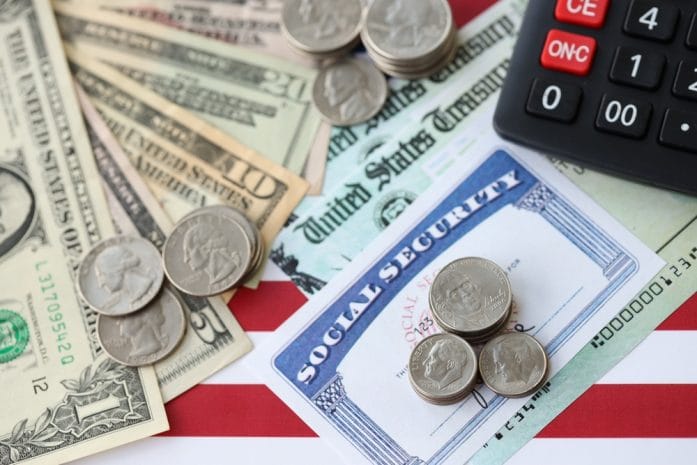
The Medicare Part B Increase That’s Reducing Social Security Checks By About $185/Month in 2026

February 1, 2026 by Brandon Marcus Leave a Comment

The Medicare Part B Increase That's Reducing Social Security Checks by $185/Month in 2026
Image source: shutterstock.com

If you’re retired, planning to retire, or even just watching your future finances with one wary eye, here’s a headline that deserves your attention. A potential Medicare Part B premium increase in 2026 could translate into Social Security checks shrinking by as much as $185 per month for some Americans, and that kind of hit isn’t just a budgeting inconvenience, it’s a lifestyle shift.

This isn’t about fearmongering or flashy numbers; it’s about understanding how Medicare and Social Security are financially intertwined in ways most people never learn until it hurts.

How Medicare Part B Quietly Eats Into Your Social Security

Medicare Part B premiums are automatically deducted from Social Security checks for most beneficiaries, which means you don’t “feel” the bill, you just feel the smaller deposit. That setup makes increases feel sneaky, because there’s no invoice, no warning email, and no dramatic moment when you swipe a card. When premiums rise, your Social Security income effectively falls, even if your benefit technically stayed the same.

Eventually, that creates a psychological disconnect where people think Social Security is shrinking, when in reality Medicare is just taking a bigger bite. This is especially painful for retirees on fixed incomes who already budget down to the dollar. The system is convenient, but convenience comes at the cost of transparency, and that’s where a lot of the frustration begins.

Why Some People Could See a $185 Monthly Hit in 2026

The $185 figure is approximate and varies, and it’s important to note that it doesn’t come from a universal premium hike for everyone but from how Medicare Part B interacts with income-based surcharges known as IRMAA (Income-Related Monthly Adjustment Amount).

Higher-income retirees already pay more for Part B, and if premiums rise while IRMAA brackets also adjust, the combined increase can be massive. That’s how some beneficiaries could realistically see their Social Security checks reduced by around $185 per month. It’s not because of one single change, but because of stacked increases.

For people near income thresholds, even small financial shifts can push them into higher premium tiers. Add rising healthcare costs and inflation pressures, and the math starts working against you fast.

The “Hold Harmless” Rule—and Why It Won’t Save Everyone

There’s a rule called the “hold harmless” provision that protects many beneficiaries from seeing their Social Security checks drop due to Medicare premium increases.

Sounds comforting, right? The problem is that not everyone qualifies for this protection, especially higher-income retirees and people subject to IRMAA surcharges. For example, new enrollees, people who don’t have premiums deducted from Social Security, and higher earners often fall outside this safety net. That creates a two-tier reality where some people are shielded while others absorb the full financial impact.

What This Means for Retirement Planning Right Now

The financial decisions you make now shape how vulnerable you’ll be when these increases land. Income planning suddenly matters more than just investment returns, because your reported income can directly change your healthcare costs. Smart retirees are starting to think in terms of income thresholds, tax strategies, and timing withdrawals to avoid jumping into higher Medicare brackets. It’s a lot to keep in mind, but it all adds up.

Remember, this isn’t about gaming the system. Instead, it’s about understanding it well enough to avoid accidental penalties. Talking to a financial advisor who understands Medicare is becoming just as important as having one who understands investing.

The Medicare Part B Increase That's Reducing Social Security Checks by $185/Month in 2026
Image source: shutterstock.com

The Real Story Behind That $185 Number

The most important thing to understand is that not everyone will see a steep reduction, but some absolutely could, and that distinction matters. This isn’t a universal policy change or a flat-rate increase hitting every retiree equally. It’s the result of how Medicare pricing, income-based adjustments, and Social Security deductions overlap.

For higher-income retirees or those near IRMAA thresholds, the financial impact can feel sudden and brutal. For others, the change might be modest or barely noticeable. The real issue isn’t the exact number. It’s how unpredictable and opaque the system feels to the people living inside it.

The Wake-Up Call No One Wants, But Everyone Needs

This potential Medicare Part B increase is about how fragile fixed-income security can really be. A system designed to provide stability can still deliver financial shocks if you’re not prepared for how its many complex parts connect.

Social Security and Medicare don’t operate in isolation. They’re financially intertwined in ways that directly affect real lives and real budgets.

Are you already factoring Medicare premium increases into your retirement planning, or would a surprise $185 hit completely derail your monthly budget?

You May Also Like…

The Sunshine State Squeeze: Why Florida Retirees are Seeing Smaller Social Security Checks This Week

The COLA Theft: Why Half of Your Social Security Raise Just Vanished into Medicare This Morning

11 Roth Conversion “Cliffs” in 2025 That Accidentally Hike Your Medicare IRMAA

Medicare Now Covers Mental Health Sessions Without Cost-Sharing—Are You Using It Yet?

Why Some Seniors Are Being Dropped From Their Medicare Plans Silently

Brandon Marcus
Brandon Marcus

Brandon Marcus is a writer who has been sharing the written word since a very young age. His interests include sports, history, pop culture, and so much more. When he isn’t writing, he spends his time jogging, drinking coffee, or attempting to read a long book he may never complete.

Filed Under: social security Tagged With: financial planning for retirees, government policy, healthcare costs, IRMAA, Medicare Part B, Medicare premiums, retirement income, retirement planning, senior finances, Social Security, Social Security benefits

California FAIR Plan Exposure Doubles to $650 Billion — 35.8% Rate Hike Requested

February 1, 2026 by Brandon Marcus Leave a Comment

California FAIR Plan Exposure Doubles to $650 Billion — 35.8% Rate Hike Requested
Image source: shutterstock.com

California’s wildfire crisis just hit a new financial flashpoint, and it’s not happening in the forests — it’s happening in the insurance system. The California FAIR Plan, the state’s insurer of last resort, has seen its exposure explode to a staggering $650 billion, more than double what it carried just a few years ago. At the same time, the plan is requesting a 35.8% rate hike, setting off alarm bells for homeowners, regulators, and anyone who cares about housing stability in wildfire-prone areas.

This isn’t just an insurance industry story — it’s a housing story, a climate story, and a cost-of-living story all rolled into one. If you live in California, know someone who does, or care about the future of insurability in high-risk regions, this matters more than you might think.

How the FAIR Plan Went From Safety Net to Financial Giant

The FAIR Plan was never designed to be a massive insurer. It was meant to be a backup option—a last resort for homeowners who couldn’t get coverage in the private market. But as wildfire risks intensified and major insurers pulled back from high-risk areas, the FAIR Plan became less of a safety net and more of a primary provider for hundreds of thousands of Californians.

That shift is exactly why exposure has ballooned to $650 billion. Exposure doesn’t mean cash in the bank—it means the total value of properties the FAIR Plan is on the hook to cover if disaster strikes. In plain English: if a catastrophic wildfire season hits hard, the financial responsibility would be massive, fast, and incredibly complex to manage.

The 35.8% Rate Hike Request: What It Really Means for Homeowners

A 35.8% rate hike sounds like a headline number, but for real people, it translates into painful monthly reality. That’s not a minor adjustment — that’s a major cost shift for families who already struggle with housing affordability, taxes, utilities, and maintenance costs.

For many homeowners using the FAIR Plan, this isn’t optional insurance. It’s not a “shop around and find a better deal” situation. It’s literally the only option available, which means price sensitivity becomes almost irrelevant. People pay because they have to, not because they want to.

This creates a tough emotional and financial bind. People are already living in areas that carry wildfire risk, and now they’re facing rising premiums that feel less like a service and more like a survival tax.

A System Under Pressure: Why This Isn’t Just an Insurance Problem

What’s happening with the FAIR Plan isn’t isolated. It’s a symptom of a system under stress. Climate risk is colliding with financial risk, regulatory structures, and housing demand in ways that traditional insurance models weren’t built to handle.

Insurance depends on predictability. Wildfires, however, are becoming less predictable, more intense, and more destructive. When risk becomes harder to model, insurers become more cautious. Insurers become more cautious, coverage shrinks. When coverage shrinks, public or semi-public systems like the FAIR Plan absorb the overflow.

California FAIR Plan Exposure Doubles to $650 Billion — 35.8% Rate Hike Requested
Image source: shutterstock.com

What Comes Next for California’s Housing and Insurance Future

The doubling of exposure and the rate hike request signal something deeper than a temporary spike. California is entering an era where insurance availability and affordability will shape where people can realistically live, not just where they want to live.

This doesn’t mean the end of high-risk communities. But it does mean adaptation becomes essential. Fire-resistant construction, smarter land use planning, better evacuation infrastructure, and large-scale mitigation strategies are no longer optional extras — they’re economic necessities.

When Insurance Becomes Infrastructure: The Real Wake-Up Call

The FAIR Plan’s $650 billion exposure isn’t just a number — it’s a warning signal. It tells us that insurance is no longer just a financial product. It’s becoming a form of critical infrastructure in climate-risk regions. When that infrastructure strains, everything connected to it feels the pressure.

What do you think? Should California rethink how insurance, housing, and climate risk are connected, or are we just watching a broken system stretch itself to the breaking point? Drop your thoughts in the comments and join the conversation.

You May Also Like…

The Hidden Cost of Rent Control in California

FireAid Concert Raises a Staggering $100 Million for LA Wildfire Relief—Here’s How It Happened

Regulation Watch: 8 Compliance Changes That May Affect Advisory Fees

The Home Insurance Review Clause That’s Triggering Surprise Policy Cancellations in 2026

14 Costly Disasters That Happen When You Renovate Without a Permit

Brandon Marcus
Brandon Marcus

Brandon Marcus is a writer who has been sharing the written word since a very young age. His interests include sports, history, pop culture, and so much more. When he isn’t writing, he spends his time jogging, drinking coffee, or attempting to read a long book he may never complete.

Filed Under: Lifestyle Tagged With: California FAIR Plan, California homeowners, climate risk, disaster resilience, housing affordability, Housing Market, insurance crisis, insurance rates, property insurance, wildfire exposure, wildfire insurance, wildfire zones

Why Major Insurers Are Quietly Canceling 2026 Policies Using Satellite Photos

February 1, 2026 by Brandon Marcus Leave a Comment

Why Major Insurers Are Quietly Canceling 2026 Policies Using Satellite Photos
Image source: shutterstock.com

One day, you may open your mailbox expecting junk mail and maybe a coupon for pizza, and instead find a crisp, official letter from your insurance company saying they’re ending your policy. No claim. No accident. Just a snapshot taken from space—or so they say.

It sounds like the setup to a pulp thriller where Big Brother has upgraded from street cameras to satellites, but this is the real world of home insurance in 2026. Nobody wants their roof to be judged by a fly‑over photo, yet that’s exactly the high‑tech twist unfolding in the market right now.

When Underwriting Goes Up… Literally

You might have heard insurance companies send inspectors for a property visit back in the day—someone with a clipboard driving up your driveway, taking pictures of the roof, the siding, and maybe complimenting your landscaping.

Well, those days are fading fast. Today, insurers are tapping aerial imagery sourced from satellites, drones, and AI‑analyzed photos to evaluate risk and make decisions about your policy without ever stepping foot on your lawn. It’s faster, cheaper, and increasingly common—but also controversial.

Instead of a local adjuster inspecting one house at a time, companies can scan thousands of rooftops in minutes. But like any technology, it has limitations—and that’s where things get messy for homeowners.

The “Satellite Snapshot” That Can Sink Your Policy

Companies are sometimes basing non‑renewals, cancellations, or rate hikes on what they see from above. If a roof looks discolored, shadows make it appear damaged, or nearby trees cast ominous silhouettes, algorithms might flag those as risk factors. In some cases, insurers have even issued letters demanding repairs based on these aerial images—or sent non‑renewal notices without any physical inspection.

To be clear, aerial imagery can be a valid tool for assessing property condition, and many insurers pair it with additional checks before making a final call. But rapid data processing and AI scoring systems have, in some instances, triggered policy actions before a human reviews the case—which leaves homeowners scrambling for answers.

Why Major Insurers Are Quietly Canceling 2026 Policies Using Satellite Photos
Image source: shutterstock.com

The Invisible Premium Pressure Pump

It’s not just about cancellations. Insurance costs have been climbing for years, and the trend is continuing into 2026. Some data suggests average policies are still rising significantly, putting pressure on homeowners’ wallets. While not every insurer is dropping policies en masse, this combination of rising costs and tighter underwriting can feel like a “trap” when you get hit with a surprise non‑renewal or hefty price jump at renewal time.

This pressure is partly driven by higher claim costs nationwide and the need for insurers to rebalance their portfolios. By focusing on micro‑risks at the ZIP‑code or even property level, companies are making decisions in what feels like hyper‑local detail—sometimes with minimal explanation.

What Rights You Have (And What You Don’t)

So what happens when you get one of these letters? First, it’s important to know that insurers can non‑renew policies at the end of a term for many reasons, but they usually give notice.

Some states and regulators have issued guidelines urging carriers to use aerial photos responsibly and to share them with policyholders, allowing homeowners to contest inaccuracies. These measures stem from documented cases where outdated or misleading images led to erroneous policy actions.

But for now, your rights vary depending on where you live, and many homeowners find themselves in unfamiliar territory when contesting a non‑renewal. That makes being proactive—and informed—all the more important.

How You Can Fight Back (And Stay Insured)

Don’t panic, but do pay attention. If you receive a non‑renewal or an unexpected rate hike, there’s a strategy that can help.

If your insurer used an aerial photo to make a decision, request to see it. Knowing the exact image and timestamp gives you a fighting chance to correct errors or explain changes. Many insurers will comply if asked—even if they aren’t required to.

Keep up‑to‑date photographs, repair receipts, and professional inspection reports. If an aerial image looks misleading, your own documentation can counter it. It’s like having your own high‑def rebuttal ready.

If you can’t convince one insurer to renew, start shopping for others before your policy expires. A gap in coverage can be costly and make future coverage harder to find.

Understanding the New High‑Tech Insurance Reality

Home insurance in 2026 isn’t your parents’ old policy anymore. With satellites, drones, and AI tightening the underwriting microscope, the industry has entered a new era where a pixel in the sky can influence your financial security. But armed with knowledge, documentation, and a proactive mindset, you don’t have to be at the mercy of unseen eyes.

What’s the craziest insurance letter you’ve ever received? Have you ever been hit with a non‑renewal or rate hike based on imagery you thought was unfair? Share your story below.

You May Also Like…

The Tax Document Most Homeowners Fail to Update That Triggers Surprise Liens

How to File an Insurance Claim After a Car Accident (Step-by-Step Guide to Maximizing Your Payout)

The Home Insurance Review Clause That’s Triggering Surprise Policy Cancellations in 2026

7 Fine-Print Exclusions in Your Homeowner’s Policy That Could Cost You Everything

The Florida Insurance Trap: Why “Safe” Neighborhoods Are Facing a $500 Monthly Payment Hike This Week

Brandon Marcus
Brandon Marcus

Brandon Marcus is a writer who has been sharing the written word since a very young age. His interests include sports, history, pop culture, and so much more. When he isn’t writing, he spends his time jogging, drinking coffee, or attempting to read a long book he may never complete.

Filed Under: Lifestyle Tagged With: 2026 insurance trends, aerial imagery, Consumer Protection, drone inspections, Home, homeowner, homeowners, homeowners insurance, homeownership, homeownership tips, insurance premiums, Life, Lifestyle, policy cancellation, satellite photos, underwriting technology

Student Loan Wage Garnishment Could Return After 5-Year Pause — 15% of Paychecks at Risk

February 1, 2026 by Brandon Marcus Leave a Comment

Student Loan Wage Garnishment Could Return After 5-Year Pause — 15% of Paychecks at Risk
Image source: shutterstock.com

If you thought that chapter of your financial life was closed, think again. After a nearly five‑year hiatus triggered by the pandemic, the federal government is toying with the idea of restarting wage garnishment for people with defaulted student loans — and this time the stakes feel real.

Imagine opening your paycheck and seeing up to 15% of your hard‑earned money vanish before you even blink. That’s what millions of borrowers could be facing in 2026, and yes — this affects real people with real paychecks. But before you panic or scroll past, stick with me: our article will break down what could be happening, why it’s happening, and what options you might have if you’re looking at that garnishment notice.

Why Wage Garnishment Is Back — Or Was Supposed To Be

For the first time since the pandemic, the Department of Education began sending out wage‑garnishment warning notices to borrowers in default — a signal that collections were about to restart. For nearly five years, federal student loan collections (including wage garnishment, tax refund offsets, and benefit seizures) were frozen to give borrowers breathing room.

But here’s the twist: after sending those notices, the government hit pause again. According to multiple January 2026 reports, the administration delayed the actual restart of wage garnishment while it finalizes new repayment rules and collection procedures. Borrowers are now in a kind of pre‑garnishment limbo — the warning letters went out, but the paycheck deductions haven’t begun yet.

That doesn’t mean you’re in the clear. The notices are real, the intent to restart collections is real, and borrowers with loans 270+ days past due are still the group being targeted for the next phase once the pause officially lifts.

What “15% of Your Paycheck” Will Look Like When Garnishment Actually Starts

Even though garnishment hasn’t resumed yet, the rules you’ll face once it does are unchanged. Federal law still allows the government to take up to 15% of your disposable pay. That means the amount left after mandatory tax withholdings.

If your take‑home pay is $1,000 per period, that could mean up to $150 disappearing before you ever see it. And while federal protections require that garnishment leave you with at least 30 times the federal minimum wage per week, that still doesn’t soften the blow for most households.

The bottom line: the garnishment mechanism is ready to go — it just hasn’t been switched back on yet. But that could change at any moment and when it does, millions will be on the hook.

Student Loan Wage Garnishment Could Return After 5-Year Pause — 15% of Paychecks at Risk
Image source: shutterstock.com

Who’s at Risk — And Who’s Safe (For Now)

No one is currently having wages garnished, but borrowers in default are on the front line once the restart date is finalized.

You’re at risk if:

  • Your federal loans are in default (270+ days past due)
  • You’ve received a pre‑garnishment notice
  • You haven’t responded to outreach from your servicer

You’re safe for now if:

  • You’re in good standing
  • You’re on an income‑driven repayment plan
  • You’re actively communicating with your servicer
  • You’re in the process of consolidating or rehabilitating your loans

And remember: the law requires the government to send formal notice before any garnishment begins — which is exactly what happened in early 2026. The only reason garnishment hasn’t resumed is because the administration temporarily delayed the final step.

Real‑Life Strategies to Dodge the Garnishment Bullet

If you’re staring down the possibility of having money taken straight from your paycheck, there are concrete steps you can take now.

Check your default status: Log into your federal student aid account or contact your servicer to see exactly where you stand. Knowing is half the battle.

Get current or consolidate: If your loans are in default, you may be able to bring them back into good standing through consolidation or rehabilitation programs — which can stop garnishment in its tracks if you act promptly.

Explore income‑driven repayment plans: These can lower your monthly payment amounts and reduce the odds of default in the future.

Respond to notices immediately: Ignore the letter, and you’re basically handing over 15% of your paycheck. Make sure that you respond quickly to avoid that outcome.

Why This Matters Even During the Delay

Even though garnishment hasn’t restarted yet, the warning letters signal a major shift in federal policy. After years of leniency, the government is preparing to re‑activate the full collections system — wage garnishment, tax refund offsets, and benefit reductions.

Millions of borrowers are behind on payments, and the government is clearly moving toward a stricter enforcement phase. The delay doesn’t erase the intent — it just buys borrowers a little more time to act before the 15% paycheck hit becomes real.

Your Money, Your Move — Navigate It Smartly

Whether you’d be directly affected by wage garnishment or you’d watch someone you care about navigate the maze, this potential policy shift underscores one truth: you don’t have to be passive about your loans. Engage with your servicer, explore repayment options, and take action before that garnishment notice turns into a payday surprise.

What part of the possible return of wage garnishment worries you most — the financial impact, the notice process, or the broader policy change? Share your thoughts in the comments!

You May Also Like…

Will I Ever Be Able to Afford a House With My Current Student Loan Burden?

These Are 9 Of The Worst Financial Mistakes College Students Make

8 Outrageous Truths About Student Loan Repayments

6 Hidden Dangers of Taking Out Student Loans Too Young

8 Ways You Should Never Use Student Loan Money For

Brandon Marcus
Brandon Marcus

Brandon Marcus is a writer who has been sharing the written word since a very young age. His interests include sports, history, pop culture, and so much more. When he isn’t writing, he spends his time jogging, drinking coffee, or attempting to read a long book he may never complete.

Filed Under: Education Tagged With: collections, defaulted loans, Education, federal debt, government policy, income‑driven repayment, loan rehabilitation, paycheck, Personal Finance, Planning, student debt, student loans, wage garnishment

8 Ways Baby Boomers Should Leave Their Inheritance That Helps Families Keep The Peace

January 31, 2026 by Brandon Marcus Leave a Comment

These Are 8 Ways Baby Boomers Should Leave Their Inheritance That Helps Families Keep The Peace
Image source: shutterstock.com

When it comes to inheritance, many baby boomers dream of leaving a legacy that doesn’t come wrapped in tension, fights, or awkward family dinners. Yet, studies consistently show that disputes over money are one of the top reasons families clash after a loved one passes away.

The good news is, with some thoughtful planning and a sprinkle of creativity, you can leave your loved ones not just financial security, but also harmony, understanding, and maybe even a few smiles along the way.

1. Be Transparent and Talk About Money Like an Adult

Avoiding the “money talk” might feel polite in the moment, but silence often fuels speculation, resentment, and sibling rivalry. Research shows that families who openly discuss inheritances are far less likely to experience conflict. Transparency doesn’t mean you have to share every single detail of your finances, but explaining your intentions and reasoning behind your decisions can work wonders.

Sit down with your kids or trusted relatives, and outline the goals of your inheritance plan. Frame it around values, like fairness and support, rather than just dollars and cents. Even if the conversation feels awkward at first, it will reduce surprises later—and let’s face it, surprises are way better when they involve birthday gifts, not contested wills.

2. Consider Equal Distribution, But With a Twist

Many boomers default to splitting assets equally, assuming fairness equals harmony. While equality has its benefits, fairness sometimes requires nuance. For instance, one child may need more financial help due to student loans, medical bills, or housing challenges.

Structuring your inheritance to reflect real-life needs—while still being as transparent as possible—can prevent misunderstandings and hard feelings. You can also add personal touches, like leaving certain sentimental items to specific family members who value them most. It’s like leaving a bit of your personality in the will, which makes the inheritance feel less like a spreadsheet and more like a story that honors your relationships.

3. Use Trusts to Avoid Probate Drama

Probate is often a long, complicated, and sometimes expensive legal process that can make an inheritance a source of tension. Setting up trusts allows you to control how your assets are distributed and when, bypassing much of the probate headache. You can even create conditions, like funding education or healthcare needs first, before releasing remaining funds.

Trusts give you the power to leave instructions while keeping things private, reducing the chances of disputes that often happen when family members feel left in the dark. Plus, it’s a sophisticated, peacekeeping approach that turns what could be a messy legal process into a smooth, well-orchestrated plan.

4. Include Charitable Giving to Unite Instead of Divide

Including charitable donations in your estate plan isn’t just about generosity—it can also reduce friction among family members. When part of your inheritance goes to causes you care about, it can shift the focus from money to shared values. You might even involve your children in choosing the charities, giving everyone a sense of purpose and collaboration.

Studies have shown that philanthropic planning can strengthen family bonds and foster a sense of shared legacy. So, a little giving not only benefits the world but also keeps sibling rivalry at bay. Think of it as turning potential drama into a family mission.

5. Keep Communication Updated With Life Changes

Life is messy, unpredictable, and constantly evolving. A will you wrote ten years ago might not reflect your current relationships or financial situation. Regularly reviewing and updating your estate plan ensures your intentions remain clear and relevant. This habit also gives your family a sense of stability—they won’t be left guessing if old plans still apply.

Update your plans after major events like marriages, divorces, births, or deaths. Keeping everyone informed in a gentle, respectful way can prevent misunderstandings and unintentional hurt feelings, making your legacy one of clarity and care rather than confusion and conflict.

6. Personal Letters Can Add Heart to Hard Assets

Inheritance isn’t just about money—it’s also about the stories, values, and memories you leave behind. Writing personal “legacy” letters to accompany your will or gifts adds context and emotional depth to your decisions. You can explain why certain assets go to specific people, share advice, or recount favorite memories.

These letters can transform a financial transaction into a heartfelt gesture, helping your family see your intentions in a more human light. Sometimes, a few heartfelt sentences can soothe tensions more than pages of legal jargon ever could. Think of it as leaving a little bit of yourself along with the inheritance.

These Are 8 Ways Baby Boomers Should Leave Their Inheritance That Helps Families Keep The Peace
Image source: shutterstock.com

7. Appoint a Neutral Executor to Keep Things Calm

Family members often clash when the executor is a sibling or someone with personal stakes in the inheritance. Choosing a neutral, professional executor—such as an attorney or trust company—can prevent accusations of bias or favoritism.

A third-party executor ensures that your wishes are carried out objectively, reducing the likelihood of disputes. It also allows family members to grieve and honor your memory without getting tangled in administrative headaches. This one small choice can make a huge difference in keeping your family’s peace intact during what is already a challenging time.

8. Embrace Flexibility and Leave Room for Dialogue

Even the best-laid plans can’t anticipate every emotion or reaction. Leaving room for open dialogue and flexibility in your inheritance strategy is a smart move. Let your heirs know they can discuss concerns or request clarifications with the executor or family advisor. Being approachable and willing to explain your decisions not only shows respect for your family’s feelings but also keeps misunderstandings from festering into conflict.

In the end, inheritance is about more than money—it’s about relationships, trust, and the legacy of how you cared for your loved ones while you were still around to see it.

Making Your Legacy About Love, Not Conflict

Inheritance doesn’t have to be a minefield of family tension and arguments. By planning thoughtfully, communicating openly, and balancing fairness with flexibility, baby boomers can leave a legacy that strengthens bonds rather than breaks them. Your inheritance can become a testament not just to what you leave behind, but how you nurtured the people who matter most while you were here.

What steps are you considering to ensure your family inherits peace along with property? Are there creative ways you’ve seen people handle this that worked wonders—or disasters—to avoid?

You May Also Like…

The Estate Planning Shortcut That Saves Time but Costs Families More in the Long Run

The Inheritance Mistakes That Turn Siblings Into Legal Enemies After a Parent Dies

5 Inheritance Tricks That Make Your Heirs Love You Forever

7 Excuses Millennials Use to Delay Estate Planning (and Why It’s Risky)

12 Financial Moves Baby Boomers Are Making Right Now and So Should You

Brandon Marcus
Brandon Marcus

Brandon Marcus is a writer who has been sharing the written word since a very young age. His interests include sports, history, pop culture, and so much more. When he isn’t writing, he spends his time jogging, drinking coffee, or attempting to read a long book he may never complete.

Filed Under: Estate Planning Tagged With: avoiding family conflict, baby boomers, Boomers, Estate planning, family finances, family harmony, financial advice, inheritance planning, Legacy Planning, Money and Relationships, wills and trusts

10 Warning Signs You’re Closer to Financial Collapse Than You Realize

January 31, 2026 by Brandon Marcus Leave a Comment

10 Warning Signs You’re Closer to Financial Collapse Than You Realize
Image source: shutterstock.com

We like to think we’re in control of our money, but let’s be honest: for many of us, financial stability is more like juggling flaming swords while riding a unicycle on a tightrope. One slip, and it can all come crashing down. Yet, financial collapse doesn’t always announce itself with a loud alarm—sometimes, it sneaks in quietly, disguised as “little problems” that feel manageable at first. The trick is knowing the warning signs before they spiral into full-blown crises.

If you’ve ever wondered whether your money habits are putting you at risk, it’s time for your wake-up call.

1. Living Paycheck to Paycheck Is Your Normal

If your bank balance is a constant reminder of how much you owe or have to scrape together until next Friday, you’re already in a precarious position.

Living paycheck to paycheck isn’t just stressful—it’s financially risky. The danger is that one unexpected expense—a car repair, medical bill, or even a surprise home repair—can instantly push you into debt.

2. Credit Card Debt Is Growing Faster Than Your Savings

Credit cards can feel like magic when used responsibly, but they’re also financial landmines if interest starts piling up. High-interest debt is often the silent killer of financial health because it grows faster than most savings accounts. The average U.S. credit card APR hovers a little higher than 20%, meaning that even modest balances can balloon quickly.

If your minimum payments are just keeping the balance steady or, worse, growing, that’s a major warning sign. Tackling this means creating a realistic debt repayment plan—whether it’s the snowball method, paying smallest balances first, or the avalanche method, prioritizing high-interest debt. Ignoring it now will make future you wish you had acted yesterday.

3. You Can’t Track Where Your Money Goes

If you have no idea how much you’re spending on coffee, streaming subscriptions, or takeout, you’re not alone—but it’s dangerous. Budgeting isn’t just about restricting yourself; it’s about control and awareness. “Small” expenses add up faster than most realize.

To fight financial chaos, track your spending for a month using an app or a simple spreadsheet. Seeing the numbers in black and white can be shocking—but it’s also empowering, helping you redirect money to savings or debt repayment rather than disappearing into tiny leaks.

4. You Rely on Credit for Basics

If a grocery run, gas fill-up, or utility bill routinely requires using a credit card, that’s a glaring red flag. Relying on borrowed money for essentials is a clear sign that income isn’t meeting expenses. Over time, this reliance not only fuels debt but also erodes financial confidence.

Financial experts advise having at least a small emergency fund so that basic needs aren’t contingent on credit. Even saving just $40 to $50 a week can create a buffer that prevents credit dependence and stops a small hiccup from snowballing into a crisis.

5. You’ve Skipped or Deferred Bills More Than Once

Skipping bills might feel like a temporary relief, but it comes with long-term consequences. Missed payments can damage your credit score, trigger late fees, and eventually make insurance, loans, and even rent more expensive.

If deferring bills has become routine, it signals financial instability. Consider automated payments or a prioritized bill schedule to avoid missing deadlines. Even setting aside a small “buffer fund” specifically for bills can prevent the stress of juggling deadlines and help you regain control of your finances.

10 Warning Signs You’re Closer to Financial Collapse Than You Realize
Image source: shutterstock.com

6. You Don’t Have an Emergency Fund

No emergency fund? That’s like driving a car with no seatbelt. Emergencies happen—always—and not having a financial cushion leaves you vulnerable to unexpected events. Experts recommend at least three months of living expenses, though starting with a smaller fund is better than nothing.

Even saving spare change or $10 a week creates a mental and financial safety net. Think of it as a shield that keeps minor setbacks from turning into full-blown financial disasters.

7. You’re Using Retirement Money for Today’s Expenses

Dipping into retirement accounts to cover day-to-day spending may seem harmless, but it’s a slippery slope. Early withdrawals often come with penalties and taxes, not to mention lost compound growth that can cost you hundreds of thousands over a lifetime.

If you find yourself relying on retirement funds, it’s time to reassess spending habits, cut unnecessary expenses, and look for alternative income sources. Financial security in your later years depends on protecting these accounts today.

8. You Feel Constant Financial Anxiety

Money stress isn’t just an emotional problem—it’s a health risk. Studies show chronic financial stress contributes to sleep disorders, high blood pressure, and even depression. If you’re lying awake at night worrying about bills, debt, or income, take it seriously.

Track your expenses, set goals, and speak with a financial advisor if necessary. Reducing financial anxiety isn’t just about numbers—it’s about reclaiming peace of mind and creating a sustainable financial future.

9. You’re Ignoring Inflation and Rising Costs

The cost of living continues to climb, and ignoring inflation can quietly erode your purchasing power. Not adjusting your budget to account for inflation can make it seem like your income stretches further than it actually does, masking financial strain.

Stay proactive: review your spending annually and adjust goals, savings, and debt repayment plans to keep pace with rising costs.

10. You Avoid Thinking About Your Financial Future

Procrastination is a stealthy enemy of financial stability. If planning for retirement, taxes, or long-term expenses fills you with dread or is constantly postponed, that avoidance can amplify risks.

Financial literacy is your superpower—invest in it. Whether it’s reading books, listening to podcasts, or consulting with a financial planner, knowing the rules of the game keeps you ahead of potential collapse. Even small, consistent steps today can prevent catastrophic consequences tomorrow.

Take Control Before It’s Too Late

Financial collapse doesn’t always arrive with a siren or flashing lights. Often, it creeps in quietly, one skipped payment, one unchecked credit card, one overlooked expense at a time. By spotting these warning signs early, you gain the opportunity to course-correct, build resilience, and secure your future.

Awareness is the first step; action is what turns knowledge into protection. Start today! Track your spending, tackle debt, build that emergency fund, and embrace financial literacy. Your future self will thank you.

What financial warning signs have you ignored, and what steps will you take today to stop them from spiraling? Share your thoughts in the comments.

You May Also Like…

6 Warning Signs That Your Credit Card Is A Problem

8 Job-Scam Red Flags Everyone Needs to Know in 2025

Why Monthly Bills Are Rising Even for Households That Haven’t Changed Spending

Why Does Interest Rate Talk Suddenly Affect Everyday Spending

Debt Alert: 6 Ways Holiday Spending Could Trigger a January Credit Score Crisis

Brandon Marcus
Brandon Marcus

Brandon Marcus is a writer who has been sharing the written word since a very young age. His interests include sports, history, pop culture, and so much more. When he isn’t writing, he spends his time jogging, drinking coffee, or attempting to read a long book he may never complete.

Filed Under: Finance Tagged With: Budgeting Tips, Credit card debt, credit cards, debt repayment strategies, emergency funds, finance, financial anxiety, financial collapse, Financial Red Flags, financial warning signs, inflation impact, money management, Personal Finance, warning signs

8 Choices Rich People Will Never Make, But Poor People Make Everyday

January 31, 2026 by Brandon Marcus Leave a Comment

These Are 8 Choices Rich People Will Never Make, But Poor People Make Everyday
Image source: shutterstock.com

Have you ever wondered why some people seem to effortlessly climb the financial ladder while others stay stuck on the same rung for years? It’s not luck, genetics, or secret handshakes—it’s choices. Wealthy people don’t stumble into riches; they make deliberate, sometimes uncomfortable decisions every single day that protect and grow their money.

Meanwhile, habits that might seem harmless or convenient to the average person can quietly drain income, time, and opportunities. By examining the differences in mindset and action, you can start steering your own life toward financial freedom. So grab your coffee, buckle up, and get ready to learn eight choices rich people never make—and why these decisions matter more than you think.

1. Ignoring the Power of Compound Interest

You’ve probably heard of compound interest, but ignoring it is one of the most common financial traps. Poorer individuals often leave their money in checking accounts or spend windfalls immediately, missing out on decades of potential growth. Wealthy people, on the other hand, invest consistently, letting even modest sums snowball over time. A dollar invested wisely today can be worth ten, twenty, or even a hundred dollars decades later. It’s not magic—it’s patience, discipline, and smart financial planning.

Start small if you need to; even $50 a week invested in index funds can grow substantially over 30 years. Don’t wait for the “perfect moment” because, in investing, time is your superpower.

2. Living Paycheck to Paycheck

It may feel normal to spend every dollar you earn, but living paycheck to paycheck is a choice with huge consequences. Emergencies, unexpected expenses, or sudden job loss can create financial chaos. Wealthy individuals prioritize building a safety net before indulging in luxuries. They understand that security isn’t about cutting all fun—it’s about controlling the chaos.

Creating a buffer of even three to six months’ worth of expenses can be life-changing. Once you’ve built a cushion, you’ll find yourself making bolder, smarter financial decisions without the constant stress.

3. Ignoring the Difference Between Assets and Liabilities

A Ferrari may look impressive on Instagram, but it’s not an asset—it’s a liability. Poorer people often confuse possessions with wealth, buying things that depreciate while ignoring investments that generate income. Rich people focus on acquiring assets: rental properties, stocks, businesses, and intellectual property that put money in their pocket while they sleep. The key distinction is cash flow versus consumption.

Learning the difference can help you shift your spending habits, turning purchases into tools for growth rather than traps for debt. Start small—invest in something that earns rather than something that merely impresses.

4. Letting Small Debts Snowball Into Big Problems

Carrying credit card balances or payday loans may seem manageable at first, but high-interest debt grows like a snowball rolling downhill. Wealthy people rarely, if ever, allow debt to pile up—they pay off balances aggressively or avoid unnecessary debt altogether. They understand that a few hundred dollars in interest today can become thousands over time.

Debt is not inherently bad; strategic borrowing for education, property, or business is smart. The difference is avoiding high-interest, low-value obligations that quietly rob your financial future. Track every loan, interest rate, and due date—awareness alone can save you thousands.

5. Failing to Prioritize Learning and Self-Improvement

Rich people are lifelong students. They read, attend seminars, hire mentors, and continually expand their knowledge and skills. Many people struggling financially neglect personal development, assuming school or formal training is enough. But skills, knowledge, and strategic thinking compound over time just like money.

The more you know, the better decisions you make, whether in investments, career moves, or starting your own business. Even dedicating 20 minutes a day to learning can set you apart in the long run. Knowledge isn’t just power—it’s financial leverage.

6. Reacting Instead of Planning

Poor financial choices are often reactive: paying bills at the last minute, splurging after a stressful week, or following impulse trends. Wealthy people plan ahead, budgeting and projecting cash flow, taxes, and expenses months or even years in advance. Strategic foresight prevents stress and maximizes opportunity.

Planning doesn’t mean eliminating fun; it means scheduling indulgences, investments, and emergencies thoughtfully. A little preparation can turn chaos into control and stress into opportunity. Start with one aspect of your finances—like monthly spending—and build a habit of proactive management.

7. Ignoring Health as a Wealth Factor

Money and health are more connected than most realize. Poor health leads to expensive medical bills, lost income, and reduced quality of life, yet many people neglect diet, exercise, and mental wellness. Wealthy individuals treat health as an investment, not an afterthought. Regular exercise, preventive care, and stress management aren’t just about feeling good—they save money and protect your ability to earn.

Think of your body as a high-yield asset; maintaining it pays dividends in energy, productivity, and longevity. Small, consistent choices—like walking, drinking water, or reducing sugar—compound into major savings over time.

These Are 8 Choices Rich People Will Never Make, But Poor People Make Everyday
Image source: shutterstock.com

8. Chasing Instant Gratification Over Long-Term Rewards

If it feels urgent to buy the latest gadget, a designer bag, or take a luxury vacation, you’re not alone—but wealthy people resist the temptation. They understand the long-term payoff of delayed gratification: investing, saving, or pursuing education instead of fleeting pleasure. Psychology studies show that the ability to delay rewards is strongly correlated with financial success.

Each choice to prioritize future gains over immediate satisfaction adds up, creating freedom and wealth over time. Start small by waiting 24 hours before major purchases—you’ll be surprised how often the urge fades.

Stop Letting Everyday Decisions Control Your Financial Future

Money doesn’t magically appear in bank accounts; it’s the sum of countless small choices, repeated day after day. Wealthy people are deliberate, informed, and disciplined about how they handle money, time, and energy. By avoiding the eight mistakes above, you can take control of your financial destiny. Start by identifying just one habit to change this week. Turn your financial awareness into action and watch your life transform over time.

What’s the one daily choice you make that could be quietly draining your potential wealth? Share your thoughts in the comments.

You May Also Like…

7 Lesser-Known Ways Rich People Protect Their Money

7 “Boring” Businesses That Make People Quietly Rich

Why Wealthy Families Are Moving Cash Out of Traditional Banks Before Jan 31st

Legacy Design: 5 Ways to Pass on Wealth Without Passing on Pressure

10 Traits the Rich and Poor Surprisingly Share

Brandon Marcus
Brandon Marcus

Brandon Marcus is a writer who has been sharing the written word since a very young age. His interests include sports, history, pop culture, and so much more. When he isn’t writing, he spends his time jogging, drinking coffee, or attempting to read a long book he may never complete.

Filed Under: Spending Habits Tagged With: compound interest, Debt Management, financial freedom, financial habits, financial literacy, investing, lifestyle choices, money tips, Personal Finance, saving money, Wealth Building, wealth mindset

7 Ways Rising Costs Affect Everyday Decisions

January 31, 2026 by Brandon Marcus Leave a Comment

These Are 7 Ways Rising Costs Affect Everyday Decisions
Image source: shutterstock.com

We’ve all felt it—the creeping pinch at checkout, the quiet shock of a higher gas bill, the subtle disappointment when your favorite latte suddenly costs a little more. Rising costs aren’t just numbers on a spreadsheet; they infiltrate the tiny, everyday choices we make, often without us even realizing it.

From deciding whether to dine out or cook at home, to reevaluating weekend adventures or luxury splurges, inflation quietly nudges our habits. Knowing how these shifts affect us can help us make smarter, sometimes even surprising decisions that protect our wallets—and maybe even our sanity.

1. Grocery Shopping Gets Strategic (and Sometimes Sneaky)

The humble grocery trip has transformed into a tactical mission. When prices climb, shoppers become sleuths, hunting for discounts, comparing unit prices, and sometimes even switching to store brands. The cost of staples like eggs, milk, or bread has been steadily rising in recent years due to supply chain issues and inflationary pressures. This often encourages people to plan meals more carefully, buy in bulk, or lean on coupons and loyalty programs.

But the ripple effect is bigger than just budgeting—it can change our diets. Some shoppers might swap fresh produce for frozen options, which are often cheaper and longer-lasting, or skip premium items entirely. On a brighter note, this frugal creativity can spark new culinary adventures, inspiring recipes that use pantry staples more inventively than ever before.

2. Dining Out or Staying In Becomes a Calculated Decision

Restaurants aren’t immune to rising costs either. Menu prices tend to climb when ingredient, labor, and utility expenses rise, and suddenly that Friday night takeout feels like a luxury splurge. Many people respond by becoming more selective, choosing restaurants strategically, hunting for deals, or opting for smaller portions. The result? Family nights might shift from dining out to hosting homemade pizza parties or experimenting with gourmet recipes at home.

Interestingly, some diners report rediscovering the joy of cooking because of it—transforming a necessity into an opportunity to bond and save. Even beverage choices get influenced: a fancy cocktail might get swapped for a simple homemade mocktail, proving that creativity often thrives when budgets tighten.

3. Transportation Choices Are Rewritten in Real Time

Gasoline prices are a classic example of how rising costs dictate daily decisions. Commuters may rethink their usual routines, opting for public transit, carpooling, biking, or even walking when possible. Beyond commuting, rising fuel costs can influence bigger life choices, like where to live or work, and whether weekend road trips are still feasible.

These pressures can spark environmentally friendly behaviors almost by accident. Choosing a bike over a car, or consolidating errands to save fuel, can reduce carbon footprints while easing financial strain.

These Are 7 Ways Rising Costs Affect Everyday Decisions
Image source: shutterstock.com

4. Entertainment Becomes About Value (Not Just Fun)

Rising costs have reshaped how we think about leisure and entertainment. Movie tickets, streaming subscriptions, and concert prices all factor into decisions about how to spend free time. People may weigh the value of experiences more carefully, seeking free or low-cost alternatives such as local events, hiking trips, or DIY movie nights at home.

The upside? Many people report getting more creative with entertainment, discovering hobbies and experiences they might have overlooked when money felt more abundant. This shift doesn’t just save cash; it often leads to richer, more personalized ways to spend downtime.

5. Home Energy Bills Spark Smart Adjustments

Heating, cooling, and electricity costs have been climbing steadily, encouraging households to rethink how they use energy. Simple habits like adjusting thermostats, switching to energy-efficient bulbs, or unplugging devices when not in use suddenly become more than just good ideas—they become smart money moves. Homeowners may even invest in bigger changes, such as improved insulation or smart home technology, which reduces long-term expenses.

These choices can feel like small sacrifices, but they often result in surprisingly significant savings over time. In essence, rising energy costs force us to become more conscious consumers, balancing comfort with efficiency in ways we might never have considered otherwise.

6. Travel Plans Are Reviewed (and Sometimes Postponed)

Vacations and getaways are often among the first luxuries to feel the impact of rising costs. Airline tickets, hotel rates, and even meals abroad can become prohibitive, prompting travelers to rethink when, where, and how they journey. Many people turn to alternatives like road trips, off-season travel, or “staycations” to keep the experience alive while reducing the financial hit. Some travelers find that exploring nearby attractions leads to hidden gems they would never have discovered otherwise.

The travel landscape is becoming more creative, with a focus on maximizing experience per dollar. This cost-conscious approach often leads to more meaningful, less hurried trips, because planning becomes intentional rather than spontaneous.

7. Savings and Spending Habits Shift Instantly

One of the most invisible—but powerful—ways rising costs affect everyday life is by reshaping how people save and spend. Faced with inflation, some individuals feel the urge to increase emergency funds or retirement contributions, even while cutting back on discretionary spending. Others may make small but frequent adjustments, like quitting coffee or postponing new clothing purchases.

The key is awareness: understanding the connection between rising costs and personal finances can empower smarter choices. While it can feel restrictive at first, this heightened awareness often cultivates long-term financial resilience, transforming reactive spending into proactive planning.

Living Smart in a World of Rising Prices

Rising costs don’t just influence the big purchases—they ripple through the tiny decisions we make every day, from the meals we eat to how we entertain ourselves. While inflation can feel frustrating, it also offers a chance to rethink habits, prioritize spending, and embrace creativity in unexpected ways. By paying attention to the subtle impacts, we can turn economic pressure into smarter, more intentional decision-making.

What about you? How have rising costs nudged the choices you make daily, and what creative solutions have you discovered to stretch your budget without sacrificing fun? Share your strategies in the comments

You May Also Like…

9 Surprising Costs That Appear With New Technology

5 Surprising Costs Older Parents Face When Raising Kids Later in Life

Expense Trap: 7 Inflation Surprises That Sneak Up on Middle-Aged Investors

8 Bold Strategies for Investing During Periods of High Inflation

Why Do People Underestimate the True Cost of Living Longer

Brandon Marcus
Brandon Marcus

Brandon Marcus is a writer who has been sharing the written word since a very young age. His interests include sports, history, pop culture, and so much more. When he isn’t writing, he spends his time jogging, drinking coffee, or attempting to read a long book he may never complete.

Filed Under: Lifestyle Tagged With: Budgeting Tips, consumer habits, Cost of living, dining out, energy savings, Entertainment, everyday items, grocery shopping, Inflation, Life, Lifestyle, Personal Finance, rising costs, transportation, travel tips

Why Estate Plans Written Before 2020 Are Failing Families Today

January 31, 2026 by Brandon Marcus Leave a Comment

Why Estate Plans Written Before 2020 Are Failing Families Today
Image source: shutterstock.com

If your estate plan hasn’t been touched since 2019, it might be quietly plotting chaos for your family. Estate planning sounds boring, almost clinical—but when your will or trust is outdated, it can unleash a storm of confusion, financial headaches, and even family disputes.

Life changes, tax laws shift, and new financial tools emerge, meaning a plan that worked perfectly in 2018 might be a ticking time bomb today. Whether you’re a seasoned investor, a parent, or simply someone who wants to protect their loved ones, understanding why your old estate plan might be failing is essential. Don’t wait for a crisis to realize your family’s safety net has holes.

Life Changes Fast—Has Your Estate Plan Kept Up?

Remember when 2020 seemed like the start of the next decade’s big changes? Well, it was. Since then, countless families have experienced major shifts: marriages, divorces, births, deaths, and relocations. Even if you haven’t moved, the value of your home, investments, or retirement accounts might have changed dramatically.

If your estate plan hasn’t reflected these shifts, your assets could end up in the wrong hands, your heirs could face unexpected taxes, or your intentions might simply be ignored. Updating your estate plan isn’t just a legal chore—it’s a necessary check-in to ensure the blueprint you wrote years ago still makes sense in today’s world. In short, life evolves, and your plan must evolve with it.

Tax Laws Aren’t What They Used To Be

Estate taxes might not dominate dinner conversation, but they can devastate families if overlooked. In 2020, the federal estate tax exemption was $11.58 million per individual, and it’s risen since. Failing to adjust your plan for current exemptions, annual gift limits, or state-specific rules could result in unnecessarily high taxes for your heirs.

Beyond federal law, many states have updated inheritance rules that you need to stay up-to-date on, and outdated trusts may no longer provide the tax protections they promised. A plan that looked brilliant in 2019 might now be riddled with loopholes or blind spots. If you think taxes are boring, try explaining to your children why they lost part of their inheritance—updating your plan prevents these awkward, painful conversations.

Digital Assets Are the New Frontier—and Your Old Plan Ignores Them

Back in 2019, most estate plans didn’t consider digital assets beyond online banking. Today, digital lives are massive: social media accounts, cryptocurrency wallets, cloud storage, and even NFTs. Without explicit instructions, your heirs could struggle—or even fail—to access accounts, unlock funds, or manage online properties.

Courts and companies increasingly demand specific directions in wills and trusts for digital assets. Failing to update your plan could leave your family locked out of assets you didn’t even think were valuable. The digital world moves fast, and your estate plan should sprint right alongside it.

Healthcare Directives and Powers of Attorney May Be Outdated

Many people draft healthcare directives and powers of attorney early, then forget them. Since 2020, medical technology, telehealth, and long-term care options have expanded. Outdated directives may not reflect your current wishes, leaving doctors and family members guessing in high-stress situations. For instance, a power of attorney written before telehealth was mainstream may not allow an agent to manage digital medical portals or virtual care decisions.

Ensuring these documents reflect your current preferences is critical—not just for avoiding confusion, but for keeping control in your hands when you can’t speak for yourself.

Why Estate Plans Written Before 2020 Are Failing Families Today
Image source: shutterstock.com

Family Dynamics Can Shift Without Warning

Families change, and often faster than legal documents adapt. Divorces, remarriages, blended families, or estranged relationships can render old plans confusing—or even contentious. Without updates, your estate plan might unintentionally favor one family branch over another, spark disputes, or trigger legal challenges that drain resources.

A 2019 will likely doesn’t consider modern blended-family realities, like stepchildren or cohabiting partners. Regular reviews and updates after key life events allow you to balance fairness, intention, and protection, ensuring your legacy doesn’t become a battleground.

Modern Estate Tools Are Game-Changers

The estate planning landscape has evolved dramatically since 2019. Tools like revocable and irrevocable trusts, charitable remainder trusts, and even life insurance strategies can optimize asset protection and tax benefits.

If your plan hasn’t been updated, you may be missing opportunities to shield assets from taxes, provide for heirs efficiently, or even support charitable goals while you’re alive. Think of it like upgrading your phone: the old model still works, but the new one unlocks features you didn’t even know existed. Staying current ensures your plan works smarter, not harder.

Don’t Let Your Legacy Become a Mystery Novel

Outdated estate plans are like mystery novels written decades ago—you don’t know what plot twists could leave your family puzzled, upset, or financially hurt. Life evolves, laws evolve, technology evolves, and your estate plan must evolve too.

If your plan was drafted before 2020, now is the perfect time to revisit it, update it, and ensure it works in today’s world. Don’t let your legacy become an unsolvable puzzle. Protect your loved ones, safeguard your assets, and leave behind clarity instead of chaos.

How old is your estate plan, and what surprises might it be hiding for your family? Share your thoughts in the comments below.

You May Also Like…

The Estate Planning Shortcut That Saves Time but Costs Families More in the Long Run

How a Solid Estate Plan Can Protect Your Finances

Why Young People Don’t Think About Estate Planning

7 Excuses Millennials Use to Delay Estate Planning (and Why It’s Risky)

10 Financial Tradeoffs Families Are Making Quietly

Brandon Marcus
Brandon Marcus

Brandon Marcus is a writer who has been sharing the written word since a very young age. His interests include sports, history, pop culture, and so much more. When he isn’t writing, he spends his time jogging, drinking coffee, or attempting to read a long book he may never complete.

Filed Under: Estate Planning Tagged With: 2026 updates, digital assets, Estate plan, Estate planning, family finance, healthcare directives, Inheritance, modern estate planning, powers of attorney, taxes, trusts, will and testament, wills

  • « Previous Page
  • 1
  • …
  • 126
  • 127
  • 128
  • 129
  • 130
  • …
  • 158
  • Next Page »

Follow Us

Search this site:

Recent Posts

  • Can My Savings Account Affect My Financial Aid? by Tamila McDonald
  • 12 Ways Gen X’s Views Clash with Millennials… by Tamila McDonald
  • What Advantages and Disadvantages Are There To… by Jacob Sensiba
  • Call 911: Go To the Emergency Room Immediately If… by Stephen Kanaval
  • 7 Weird Things You Can Sell Online by Tamila McDonald
  • 10 Scary Facts About DriveTime by Tamila McDonald
  • How to Avoid NJ Exit Tax by Jacob Sensiba

Copyright © 2026 · News Pro Theme on Genesis Framework