• Home
  • About Us
  • Toolkit
  • Getting Finances Done
    • Hiring Advisors
    • Debt Management
    • Spending Plan
  • Insurance
    • Life Insurance
    • Health Insurance
    • Disability Insurance
    • Homeowners/Renters Insurance
  • Contact Us
  • Privacy Policy
  • Risk Tolerance Quiz

The Free Financial Advisor

You are here: Home / Archives for financial planning for retirees

The Medicare Part B Increase That’s Reducing Social Security Checks By About $185/Month in 2026

February 1, 2026 by Brandon Marcus Leave a Comment

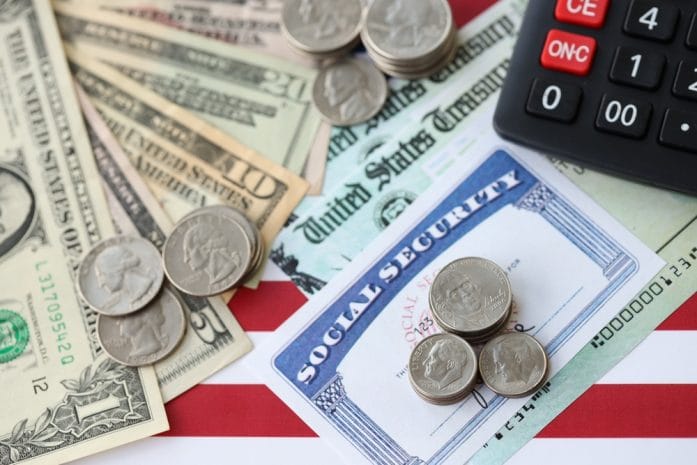
The Medicare Part B Increase That's Reducing Social Security Checks by $185/Month in 2026

Image source: shutterstock.com

If you’re retired, planning to retire, or even just watching your future finances with one wary eye, here’s a headline that deserves your attention. A potential Medicare Part B premium increase in 2026 could translate into Social Security checks shrinking by as much as $185 per month for some Americans, and that kind of hit isn’t just a budgeting inconvenience, it’s a lifestyle shift.

This isn’t about fearmongering or flashy numbers; it’s about understanding how Medicare and Social Security are financially intertwined in ways most people never learn until it hurts.

How Medicare Part B Quietly Eats Into Your Social Security

Medicare Part B premiums are automatically deducted from Social Security checks for most beneficiaries, which means you don’t “feel” the bill, you just feel the smaller deposit. That setup makes increases feel sneaky, because there’s no invoice, no warning email, and no dramatic moment when you swipe a card. When premiums rise, your Social Security income effectively falls, even if your benefit technically stayed the same.

Eventually, that creates a psychological disconnect where people think Social Security is shrinking, when in reality Medicare is just taking a bigger bite. This is especially painful for retirees on fixed incomes who already budget down to the dollar. The system is convenient, but convenience comes at the cost of transparency, and that’s where a lot of the frustration begins.

Why Some People Could See a $185 Monthly Hit in 2026

The $185 figure is approximate and varies, and it’s important to note that it doesn’t come from a universal premium hike for everyone but from how Medicare Part B interacts with income-based surcharges known as IRMAA (Income-Related Monthly Adjustment Amount).

Higher-income retirees already pay more for Part B, and if premiums rise while IRMAA brackets also adjust, the combined increase can be massive. That’s how some beneficiaries could realistically see their Social Security checks reduced by around $185 per month. It’s not because of one single change, but because of stacked increases.

For people near income thresholds, even small financial shifts can push them into higher premium tiers. Add rising healthcare costs and inflation pressures, and the math starts working against you fast.

The “Hold Harmless” Rule—and Why It Won’t Save Everyone

There’s a rule called the “hold harmless” provision that protects many beneficiaries from seeing their Social Security checks drop due to Medicare premium increases.

Sounds comforting, right? The problem is that not everyone qualifies for this protection, especially higher-income retirees and people subject to IRMAA surcharges. For example, new enrollees, people who don’t have premiums deducted from Social Security, and higher earners often fall outside this safety net. That creates a two-tier reality where some people are shielded while others absorb the full financial impact.

What This Means for Retirement Planning Right Now

The financial decisions you make now shape how vulnerable you’ll be when these increases land. Income planning suddenly matters more than just investment returns, because your reported income can directly change your healthcare costs. Smart retirees are starting to think in terms of income thresholds, tax strategies, and timing withdrawals to avoid jumping into higher Medicare brackets. It’s a lot to keep in mind, but it all adds up.

Remember, this isn’t about gaming the system. Instead, it’s about understanding it well enough to avoid accidental penalties. Talking to a financial advisor who understands Medicare is becoming just as important as having one who understands investing.

The Medicare Part B Increase That's Reducing Social Security Checks by $185/Month in 2026

Image source: shutterstock.com

The Real Story Behind That $185 Number

The most important thing to understand is that not everyone will see a steep reduction, but some absolutely could, and that distinction matters. This isn’t a universal policy change or a flat-rate increase hitting every retiree equally. It’s the result of how Medicare pricing, income-based adjustments, and Social Security deductions overlap.

For higher-income retirees or those near IRMAA thresholds, the financial impact can feel sudden and brutal. For others, the change might be modest or barely noticeable. The real issue isn’t the exact number. It’s how unpredictable and opaque the system feels to the people living inside it.

The Wake-Up Call No One Wants, But Everyone Needs

This potential Medicare Part B increase is about how fragile fixed-income security can really be. A system designed to provide stability can still deliver financial shocks if you’re not prepared for how its many complex parts connect.

Social Security and Medicare don’t operate in isolation. They’re financially intertwined in ways that directly affect real lives and real budgets.

Are you already factoring Medicare premium increases into your retirement planning, or would a surprise $185 hit completely derail your monthly budget?

You May Also Like…

The Sunshine State Squeeze: Why Florida Retirees are Seeing Smaller Social Security Checks This Week

The COLA Theft: Why Half of Your Social Security Raise Just Vanished into Medicare This Morning

11 Roth Conversion “Cliffs” in 2025 That Accidentally Hike Your Medicare IRMAA

Medicare Now Covers Mental Health Sessions Without Cost-Sharing—Are You Using It Yet?

Why Some Seniors Are Being Dropped From Their Medicare Plans Silently

Brandon Marcus
Brandon Marcus

Brandon Marcus is a writer who has been sharing the written word since a very young age. His interests include sports, history, pop culture, and so much more. When he isn’t writing, he spends his time jogging, drinking coffee, or attempting to read a long book he may never complete.

Filed Under: social security Tagged With: financial planning for retirees, government policy, healthcare costs, IRMAA, Medicare Part B, Medicare premiums, retirement income, retirement planning, senior finances, Social Security, Social Security benefits

6 Ways the “One Big Beautiful Bill” Could Backfire on Retirees

August 15, 2025 by Catherine Reed Leave a Comment

6 Ways the "One Big Beautiful Bill" Could Backfire on Retirees

Image source: 123rf.com

If you’re a retiree or planning for your golden years, you want every new piece of legislation to bolster—not threaten—your nest egg. But while the One Big Beautiful Bill is touted as a win for seniors, it may carry surprising risks that could destabilize your finances, coverage, or long-term security. In this article, you’ll uncover six ways the One Big Beautiful Bill could backfire on retirees—and, more importantly, what you can do to guard against those downsides.

1. Inflation Risks Could Erode Fixed Income

Even though the One Big Beautiful Bill promises more support for retirees, it could fuel inflation pressures that chip away at fixed monthly incomes. Price increases in essentials like groceries, utilities, and healthcare could shrink your purchasing power. That means the same Social Security check might not stretch as far. It’s important to recognize how inflation eats into benefits and plan accordingly. Consider flexible expenses and inflation-protected investments as buffers.

2. Healthcare Costs Might Rise Unexpectedly

Under the One Big Beautiful Bill, policy changes might shift costs from government programs onto retirees directly. You could face higher premiums, copays, or cost-sharing, even if coverage seems robust at first glance. For someone living on a fixed budget, even small increases in healthcare spending can force difficult trade-offs. Being proactive about comparing plans and costs can help you avoid unpleasant surprises. Don’t wait until the policy is in full swing to reassess your healthcare budget.

3. Benefit Eligibility Could Tighten Over Time

While the One Big Beautiful Bill may initially expand eligibility, lawmakers often tighten the criteria later on. That means you might qualify today but find yourself cut off from benefits in a few years. Changes like income thresholds or asset limits could impact retirees unexpectedly. It pays to stay informed and engaged with advocacy groups pushing to preserve protections for seniors. Keep tabs on potential adjustments so you can act before it’s too late.

4. Long-Term Care Funding Could Be Undermined

Long-term care needs are a real possibility for many retirees—and the One Big Beautiful Bill may not adequately reinforce funding in that area. If support for nursing care or in-home assistance falters, you might end up paying out of pocket or sacrificing quality care. That gap could erode savings or force difficult decisions about living arrangements. Planning ahead with savings, insurance, or support networks can help mitigate that exposure. Don’t let a policy oversight leave your care needs unaddressed.

5. Tax Implications May Catch You Off Guard

Although the One Big Beautiful Bill may include tax breaks tailored for retiree income streams, the devil is always in the fine print. New thresholds or blended tax rules might lead to unexpected liabilities on pensions, IRAs, or Social Security. Even minor changes to how income is taxed can add up over time, especially for couples or individuals with multiple income sources. Familiarize yourself with potential tax scenarios and consider consulting a tax professional. Being proactive could save you money—or at least avoid nasty surprises come tax season.

6. Reduced Protections Could Emerge Under the Radar

At first glance, the One Big Beautiful Bill may appear to strengthen retiree protections. Yet riders or related legislation can quietly chip away at critical safeguards—think consumer protections, fraud oversight, or coverage mandates. Such slow erosions can weaken your defenses against scams, price-gouging, or subpar services. Stay alert to secondary bills and regulatory rollbacks that may bypass headlines. Taking action early—through advocacy or education—can help preserve these safety nets.

Your Retiree Safety Net Ahead

Retirement should be a time of comfort and confidence—not uncertainty. While the One Big Beautiful Bill may sound optimistic, understanding the ways it could backfire gives you the power to safeguard your future. By staying vigilant, planning ahead, and staying informed, you can turn potential pitfalls into protection.

What concerns do you have about the One Big Beautiful Bill and its impact on your retirement security? Share your thoughts in the comments below!

Read More:

10 Silent Pension Shifts That Lower Your First Distribution Check

6 Retirement Plans That Kick You Off Federal Aid Without Notice

Catherine Reed
Catherine Reed

Catherine is a tech-savvy writer who has focused on the personal finance space for more than eight years. She has a Bachelor’s in Information Technology and enjoys showcasing how tech can simplify everyday personal finance tasks like budgeting, spending tracking, and planning for the future. Additionally, she’s explored the ins and outs of the world of side hustles and loves to share what she’s learned along the way. When she’s not working, you can find her relaxing at home in the Pacific Northwest with her two cats or enjoying a cup of coffee at her neighborhood cafe.

Filed Under: Retirement Tagged With: 6 ways the "one big beautiful bill" could backfire on retirees, debt consolidation risks, financial planning for retirees, retirement planning, senior finances

FOLLOW US

Search this site:

Recent Posts

  • Can My Savings Account Affect My Financial Aid? by Tamila McDonald
  • 12 Ways Gen X’s Views Clash with Millennials… by Tamila McDonald
  • What Advantages and Disadvantages Are There To… by Jacob Sensiba
  • Call 911: Go To the Emergency Room Immediately If… by Stephen Kanaval
  • 10 Tactics for Building an Emergency Fund from Scratch by Vanessa Bermudez
  • 7 Weird Things You Can Sell Online by Tamila McDonald
  • 10 Scary Facts About DriveTime by Tamila McDonald

Copyright © 2026 · News Pro Theme on Genesis Framework