• Home
  • About Us
  • Getting Finances Done
    • Hiring Advisors
    • Debt Management
    • Spending Plan
  • Insurance
    • Life Insurance
    • Health Insurance
    • Disability Insurance
    • Homeowners/Renters Insurance
  • Contact Us
  • Our Editorial Commitment

The Free Financial Advisor

You are here: Home / Archives for IRS

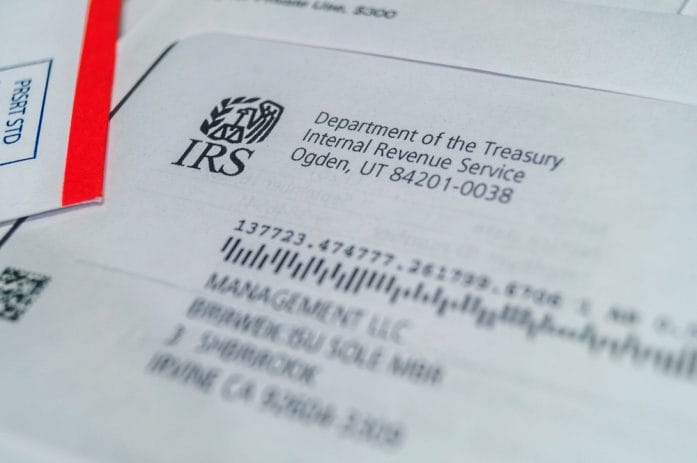
8 Tax Moves That Save You When You Can’t Pay the IRS on Time

November 17, 2025 by Travis Campbell Leave a Comment

tax
Image source: shutterstock.com

The start of tax season can create panic because your financial records do not align with your expected results. The feeling of being unable to pay your IRS debt becomes overwhelming, but you can prevent it from getting out of hand. You can reduce expenses through various financial strategies that help you stay penalty-free while gaining control over your money. The combination of IRS payment plans with strategic actions helps you to manage your financial situation effectively, rather than letting it deteriorate into a dire state. The correct strategy allows you to defend your money while maintaining your mental serenity.

1. Set Up an IRS Payment Plan

An IRS payment plan is often the fastest way to steady the situation. It reduces stress because you know the debt won’t go into harsher collection methods. Many people qualify without much hassle, and the application can be completed online.

The monthly payments stay flexible, which helps if your income shifts. Even if interest continues, slowing down penalties is still a win. The IRS payment plan also signals a good-faith effort, which matters if issues come up later.

2. Ask for a Short-Term Extension

Sometimes you don’t need a long repayment window. A short-term extension gives you up to 180 days to pay the full amount. This option works well if cash is coming soon, like a bonus, sale, or expected payout.

You avoid the setup fees tied to longer arrangements. Penalties don’t disappear, but they stay limited. It’s a simple move that keeps you out of deeper trouble while you pull money together.

3. Request Penalty Abatement

Penalty abatement can significantly reduce the impact. If you have a clean tax record for the past few years, you might qualify for a first-time abatement. The IRS removes certain penalties while still charging interest on the debt.

This is worth exploring when an IRS payment plan is already in place, but the added charges feel punishing. If you had a serious illness or another hardship, reasonable cause abatement might also apply. Every dollar that drops off makes repayment easier.

4. Adjust Your Withholding for Next Year

It’s easy to fall behind again if nothing changes. Adjusting your withholding helps prevent a repeat. A small shift in each paycheck spreads the tax burden over the year instead of all at once.

You can use a calculator or the guidance offered on the official IRS website to fine-tune your numbers. Once adjusted, your next season feels more predictable. It’s not exciting, but it steadies the long-term picture.

5. Reduce the Bill With Available Credits

Before settling on what you owe, double-check if you missed any credits. People often overlook energy improvements, education credits, or income-based reductions. Claiming even one of these can lower the balance and shrink the pressure.

If you work with a tax professional, ask them to scan for missed credits. If you prepare your own return, review updated rules since they change often. Even small credits have a noticeable impact when cash is tight.

6. File Even If You Can’t Pay

Filing late triggers harsh penalties. Filing on time avoids that, even when the money isn’t ready. The IRS separates the act of filing from the act of paying, which surprises many people.

You might still be nervous about the balance, but filing first limits damage. After that step, you can explore an IRS payment plan or extension. Staying current with your returns also prevents the IRS from estimating your tax for you, which usually turns out worse.

7. Use a Partial Payment Agreement

A partial payment agreement works like a long-term installment plan, but the final payoff may be less than the full balance. The IRS reviews your income and expenses closely before approving it. It’s not a quick fix, but it can help when your budget leaves almost no room.

Because finances change, the IRS checks in every couple of years to reassess. If things improve, payments may increase. Still, for someone truly struggling, this structure provides breathing room.

8. Explore an Offer in Compromise

Some taxpayers qualify for an Offer in Compromise, which settles the debt for less than the total amount. It’s strict and only applies when full payment is unrealistic. You must show that paying in full would create long-term financial strain.

The process requires good documentation and patience. While not fast, it can be life-changing if approved. You can review guidelines through the Taxpayer Advocate Service before deciding if it fits your situation.

Staying Steady After the First Shock

Your primary objective following the initial period of financial stress should focus on identifying upcoming financial problems. The IRS payment plan helps you handle your current year tax debts, but you need to build solid financial practices to safeguard your long-term financial security. You should track your income fluctuations while keeping a minimal tax fund and update your tax withholdings based on any changes in your personal situation.

The tax system may appear unyielding, but you have various options. Your knowledge of available tools helps you move from being trapped to developing self-assurance. What particular step did you perform after getting a tax bill that exceeded your current financial resources?

What to Read Next…

  • 5 Account Transfers That Unexpectedly Trigger IRS Penalties
  • 9 Mistakes That Turned Wealth Transfers Into IRS Nightmares
  • 7 Ill Advised Advisor Tips That Trigger IRS Audits
  • 6 Tax Breaks That Vanished Before Anyone Noticed
  • Are You Reading The Right Fine Print On Your Tax Refund?
Travis Campbell
Travis Campbell

Travis Campbell is a digital marketer/developer with over 10 years of experience and a writer for over 6 years. He holds a degree in E-commerce and likes to share life advice he’s learned over the years. Travis loves spending time on the golf course or at the gym when he’s not working.

Filed Under: tax tips Tagged With: IRS, money management, Personal Finance, tax debt, taxes

The Gig Economy Tax Nightmare: Why So Many Freelancers End Up Owing the IRS

October 30, 2025 by Travis Campbell Leave a Comment

taxes
Image source: shutterstock.com

The gig economy continues to grow rapidly as more people choose to work as freelancers. Flexible hours and the chance to be your own boss are appealing. Freelancers discover a surprising truth about taxes when they need to file their taxes. The gig economy tax nightmare is real, and it’s catching thousands of independent workers off guard. Freelancers who work independently will often discover they need to pay the IRS more than their initial estimates, which can result in substantial additional amounts.

Why does this happen? The situation resulted from a combination of public confusion, insufficient preparation, and complex tax regulations. The following explanation identifies the primary reasons gig workers face tax issues, helping you avoid these common mistakes.

1. No Taxes Withheld Upfront

Traditional employees have federal and state taxes withheld from every paycheck. Freelancers, on the other hand, usually receive the full amount for every job. Platforms like Uber, DoorDash, or Upwork don’t automatically deduct taxes. That means it’s up to you to set money aside for the IRS. This is a core part of the gig economy tax nightmare. It’s easy to forget, and even easier to spend the money you should be saving for taxes. Many freelancers don’t realize the IRS expects them to pay quarterly. By the time April comes, the tax bill can be overwhelming.

2. Misunderstanding Self-Employment Tax

Gig workers are considered self-employed. This means you’re responsible for both the employer and employee portions of Social Security and Medicare taxes. That’s a total of 15.3% on top of your regular income tax. Many freelancers focus only on income tax and forget about self-employment tax. The result? They seriously underestimate how much they owe. When the IRS calculates the full amount, the bill can be hundreds or even thousands of dollars more than expected.

3. Inconsistent Income Makes Planning Hard

Unlike a steady paycheck, gig work income can fluctuate from month to month. Some months are great, others are slow. This makes it hard to predict how much to set aside for taxes. Many freelancers guess or wait until the end of the year to figure it out. But the IRS doesn’t care if your income is unpredictable. If you don’t make estimated payments on time, you could get hit with penalties and interest. This unpredictability is a major part of the gig-economy tax nightmare for many independent workers.

4. Overlooking Deductible Expenses

Freelancers can deduct business expenses, which lowers taxable income. But many gig workers don’t track these costs or don’t realize what counts as a deductible expense. Missed deductions mean you pay more tax than necessary. Common expenses include mileage, supplies, home office costs, and even part of your phone bill. Not keeping good records or not knowing the rules means you leave money on the table—and that’s money that could help cover your tax bill.

5. Confusion Over 1099 Forms and Reporting

Freelancers often receive multiple 1099-NEC or 1099-K forms from clients and platforms. Some income might not be reported at all if it’s under $600, but you’re still legally required to report it. Many gig workers don’t realize this and fail to include all their earnings. The IRS gets copies of those forms, and mismatches can trigger audits or penalties. This confusion adds to the gig economy tax nightmare and makes tax time stressful for freelancers.

6. Not Making Estimated Quarterly Tax Payments

The IRS expects self-employed workers to pay taxes throughout the year, not just in April. If you owe more than $1,000 in taxes, you’re supposed to make estimated payments quarterly. Many freelancers skip this step, either because they don’t know about it or because cash flow is tight. Missing these payments can lead to penalties and interest. By the time you file your tax return, you may owe a lot more than just your original tax bill. This is a painful surprise for many in the gig economy.

7. State and Local Taxes Are Easy to Forget

Federal taxes are only part of the story. Many states also require estimated payments or have their own tax rules for freelancers. Some cities and counties also impose business taxes or licenses. If you don’t keep up, you could owe back taxes at the state or local level as well.

Staying on top of all these requirements is tough, especially if you work gigs in multiple states. This adds another layer to the gig economy tax nightmare, making it even more complicated for freelancers to stay compliant.

How to Tame the Gig Economy Tax Nightmare

The gig economy tax nightmare doesn’t have to be inevitable. Most financial experts recommend reserving a portion of each payment for taxes, typically 25% to 30%. Use a separate savings account if possible. Every business expense needs to be tracked, regardless of size, and all receipts should be stored either digitally or physically. You should make quarterly payments to both the IRS and your state government, even though your income levels change throughout the year. You should use a tax professional or reputable tax software when you are unsure about tax rules or payment amounts.

The gig economy offers people independence, but they must handle all the responsibilities that come with it. Freelancers who understand the tax rules for their work can plan their finances to avoid unexpected tax bills, which often leave gig economy workers owing money to the IRS.

Have you experienced a gig economy tax nightmare? What specific actions have you taken to prevent tax problems when working as a freelancer? Share your story in the comments!

What to Read Next…

  • 5 Account Transfers That Unexpectedly Trigger IRS Penalties
  • 7 Ill Advised Advisor Tips That Trigger IRS Audits
  • 9 Mistakes That Turned Wealth Transfers Into IRS Nightmares
  • What Tax Preparers Aren’t Warning Pre Retirees About in 2025
  • 6 Tax Breaks That Vanished Before Anyone Noticed
Travis Campbell
Travis Campbell

Travis Campbell is a digital marketer/developer with over 10 years of experience and a writer for over 6 years. He holds a degree in E-commerce and likes to share life advice he’s learned over the years. Travis loves spending time on the golf course or at the gym when he’s not working.

Filed Under: Tax Planning Tagged With: 1099, freelancers, gig economy, IRS, Self-employment, tax planning, taxes

Can Your Taxes Be Cut In Half By You Simply Incorporating Your Name?

October 26, 2025 by Travis Campbell Leave a Comment


It’s tempting to think you can slash your tax bill by simply incorporating your name. You may have heard stories or seen ads claiming that turning yourself into a corporation will cut your taxes in half. With tax rates and rules always changing, it’s easy to see why this idea gets attention. Who wouldn’t want to pay less to the IRS? But is it really that simple? Before you rush to file paperwork, let’s look at what’s actually possible, what’s legal, and what you need to know about using incorporation as a tax strategy.

This topic matters because making the wrong move can cost you more in the long run. Not only might you miss out on real tax savings, but you could also face penalties if you get it wrong. Let’s break down the facts about whether incorporating your name can truly cut your taxes in half—and what you should consider instead.

1. What Does Incorporating Your Name Really Mean?

The idea behind “incorporating your name” is that you form a legal business entity—like an LLC or S corporation—using your own name as the company name. Some people believe that doing so magically transforms their personal income into business income, qualifying them for new tax breaks. But the IRS doesn’t see it that way. Incorporating your name by itself doesn’t turn your personal finances into business finances.

To benefit from business tax rules, you must actually run a legitimate business. This means offering products or services, tracking income and expenses, and following legal requirements. If you just create a company with your name and don’t operate an actual business, you won’t qualify for business tax treatment. In short, simply incorporating your name won’t automatically cut your taxes in half.

2. How Business Structures Affect Your Taxes

Business entities such as sole proprietorships, partnerships, LLCs, and corporations have different tax rules. When you incorporate, you may be able to take advantage of certain deductions, like business expenses, retirement plan contributions, or health insurance premiums. These deductions can reduce your taxable income, but only if you have real business activity.

Many people want to incorporate for tax savings, but the benefits depend on your situation. For example, an S corporation can let you split your income between salary and distributions, potentially lowering self-employment taxes. However, the IRS scrutinizes unreasonable compensation and expects you to pay yourself a reasonable wage if you work for your corporation.

Incorporating also comes with costs—state fees, payroll taxes, accounting, and compliance. Sometimes, these costs outweigh the tax benefits, especially for small or part-time businesses.

3. Can You Really Cut Your Taxes In Half?

Some promoters claim you can cut your taxes in half by simply incorporating. In reality, this is rarely the case. While certain business structures can lower your tax bill, the savings are usually modest unless you have significant business income. For most people, especially those with regular W-2 jobs, incorporating their name without actual business activity offers little to no benefit.

If you want to incorporate for tax savings, you need to meet strict requirements. The IRS can reclassify “business” income as personal income if you don’t have a legitimate business purpose. That means you could owe back taxes, interest, and penalties. It’s important to be honest about your income sources and follow all legal guidelines.

For some, like consultants or freelancers with steady business earnings, incorporating can help reduce taxes through deductions and retirement plans. But for most people, the idea that you can cut your taxes in half by incorporating your name is more myth than reality.

4. The Risks of Improper Incorporation

Forming a business entity without a real business purpose can get you into trouble. The IRS and state tax agencies know people try to incorporate for tax savings without doing any actual business. If you’re audited and can’t show legitimate business activity, you could face hefty fines and back taxes.

There are other risks, too. Incorporating means you must file separate tax returns, keep business records, and follow corporate formalities. Failing to do so can lead to penalties or even “piercing the corporate veil,” where you lose the legal protections of your company. If you’re hoping to incorporate for tax savings, make sure you understand all the rules and responsibilities that come with it.

5. Smarter Ways to Reduce Your Tax Bill

If your goal is to pay less tax, there are more effective (and legal) ways to do it. You can maximize retirement contributions, claim all eligible deductions, and use tax-advantaged accounts like HSAs or IRAs. If you run a real business, consider whether an LLC or S corporation structure makes sense based on your income and expenses.

Work with a qualified tax professional who can review your situation and recommend the best approach. Incorporate for tax savings only if it fits your business and financial goals. Don’t fall for shortcuts or promises that sound too good to be true.

What You Should Remember About Incorporating for Tax Savings

The bottom line: you can’t cut your taxes in half just by incorporating your name. To truly benefit, you must operate a real business and follow the rules. Incorporating for tax savings can help some people, but it’s not a magic fix for everyone. Weigh the costs, risks, and responsibilities before making a decision.

If you’re serious about lowering your tax bill, focus on proven strategies and get advice from a professional. Incorporating your name alone won’t do the trick. What questions do you have about incorporating for tax savings? Share your thoughts in the comments below!

What to Read Next…

  • 6 Tax Moves That Backfire After You Sell A Property
  • What Tax Preparers Aren’t Warning Pre Retirees About In 2025
  • Are You Reading The Right Fine Print On Your Tax Refund?
  • 5 Ways Missing One Tax Form Can Cost Your Heirs Thousands
  • 6 Overlooked Retirement Age Triggers That Can Spike Your Tax Bill
Travis Campbell
Travis Campbell

Travis Campbell is a digital marketer/developer with over 10 years of experience and a writer for over 6 years. He holds a degree in E-commerce and likes to share life advice he’s learned over the years. Travis loves spending time on the golf course or at the gym when he’s not working.

Filed Under: Technology Tagged With: business structure, incorporation, IRS, LLC, S corporation, tax savings, tax strategies

Could Ignoring Tax Penalties Cost You More Than Debt

September 27, 2025 by Catherine Reed Leave a Comment

Could Ignoring Tax Penalties Cost You More Than Debt
Image source: 123rf.com

When people think about financial struggles, debt usually takes center stage. Credit cards, loans, and overdue bills are easy to recognize as problems, but tax penalties are often overlooked. The reality is that ignoring tax penalties can snowball into bigger financial consequences than many forms of debt. From draining your paycheck to adding stress during tax season, these charges hit harder than most expect. Here are several reasons why underestimating tax penalties can lead to even more serious setbacks than traditional debt.

1. Tax Penalties Accumulate Faster Than Interest

Unlike credit card debt, which has a fixed interest rate, tax penalties can accumulate at an alarming pace. The IRS imposes both failure-to-file and failure-to-pay penalties, and they often apply simultaneously. This means you can be hit with multiple charges on the same tax bill, causing the balance to balloon quickly. In some cases, the penalties grow faster than credit card interest, making them harder to escape. That’s why taking care of tax penalties promptly is crucial for keeping financial stress under control.

2. They Can Trigger Wage Garnishment

Credit card companies and lenders usually need court approval to garnish your wages. The IRS, on the other hand, has the authority to act much faster when it comes to unpaid tax penalties. If left unresolved, they can seize a portion of your paycheck or even levy your bank account. This aggressive collection tactic can destabilize your monthly budget and make it difficult to cover daily expenses. Ignoring tax penalties not only adds financial pressure but also reduces your control over your income.

3. Tax Penalties Put Assets at Risk

While debt collectors can threaten lawsuits, tax agencies can place liens directly on your property. When tax penalties remain unpaid, the IRS may claim rights to your home, car, or other valuable assets. These liens not only create immediate problems but also damage your credit score for years to come. Unlike other forms of debt, this level of authority makes tax penalties uniquely damaging. Protecting your property means dealing with these obligations before they spiral out of control.

4. These Penalties Complicate Loan Applications

Having regular debt is one thing, but carrying unresolved tax penalties is another issue entirely. Lenders view outstanding tax obligations as a major red flag when reviewing applications for mortgages, auto loans, or even business credit. This can make borrowing money for important milestones far more difficult. Even if you are approved, interest rates might be higher to offset the perceived risk. Tax penalties not only cost money today but also limit future financial opportunities.

5. They Don’t Go Away Easily

Most debts can be negotiated, consolidated, or even discharged in bankruptcy. Tax penalties, however, rarely qualify for these types of relief. The IRS has long-term collection power, and outstanding amounts can linger for decades until fully resolved. This means ignoring tax penalties doesn’t just delay the problem; it extends the financial burden indefinitely. Addressing them directly is often the only way to regain peace of mind.

6. Tax Penalties Affect Business Owners More Severely

For individuals running a business, tax penalties can be even more damaging. Unpaid payroll taxes, for example, carry stiff penalties that can cripple operations. The IRS may hold business owners personally liable, even if the company itself is struggling. This means your personal assets could be at stake along with your professional reputation. Entrepreneurs who ignore tax penalties risk more than just money—they risk the survival of their entire business.

7. These Penalties Create Long-Term Stress

Carrying traditional debt is stressful, but tax penalties add a unique layer of anxiety. The threat of audits, liens, garnishments, and legal action looms constantly until the balance is resolved. This ongoing pressure can spill over into other areas of life, affecting relationships and overall well-being. Unlike regular bills, there’s no ignoring the IRS once they begin enforcement actions. Tackling tax penalties quickly can lift an enormous emotional weight off your shoulders.

Taking Tax Penalties Seriously Saves You Later

Debt may feel like the bigger monster, but tax penalties often cut deeper, faster, and longer than other financial problems. They affect your paycheck, your property, and even your peace of mind. By addressing them as soon as possible, you protect your finances from long-term damage and avoid falling into a cycle that’s hard to escape. Treating these penalties with urgency ensures you stay in control of your money and your future.

Have you ever been surprised by the high cost of tax penalties? Share your story and insights in the comments below!

What to Read Next…

  • What Happens When Small Business Owners Skip Taxes
  • 9 Lesser-Known Costs of Owning Investment Property
  • What Happens When You Save Too Much in the Wrong Accounts
  • 8 Shocking Costs of Delaying Retirement
  • 5 Dangerous Myths About Owning a Home
Catherine Reed
Catherine Reed

Catherine is a tech-savvy writer who has focused on the personal finance space for more than eight years. She has a Bachelor’s in Information Technology and enjoys showcasing how tech can simplify everyday personal finance tasks like budgeting, spending tracking, and planning for the future. Additionally, she’s explored the ins and outs of the world of side hustles and loves to share what she’s learned along the way. When she’s not working, you can find her relaxing at home in the Pacific Northwest with her two cats or enjoying a cup of coffee at her neighborhood cafe.

Filed Under: Tax Planning Tagged With: Debt Management, IRS, money tips, Personal Finance, Planning, tax penalties, taxes

7 Deposit Slip Inconsistencies That Cause Tax Trouble

August 23, 2025 by Travis Campbell Leave a Comment

deposit slips
Image source: pexels.com

Most people think of deposit slips as routine paperwork, but they play a bigger role during tax season than you might expect. Deposit slips are often the first place the IRS or your accountant looks for clues about your income. If your bank deposit records don’t match what you report, it raises red flags. Even unintentional mistakes can lead to audits, penalties, or worse. Understanding the main deposit slip inconsistencies that cause tax trouble is key to keeping your finances clean and stress-free. Let’s break down the most common issues so you can avoid headaches and keep your tax records airtight.

1. Mismatched Deposit Amounts

One of the most frequent deposit slip inconsistencies that cause tax trouble is when amounts on deposit slips don’t match the actual amounts deposited. Maybe you wrote the wrong number or transposed digits. Even small errors can draw scrutiny if your bank records and reported income don’t align. The IRS uses automated systems to compare your deposit activity to your tax filings. If a pattern of mismatches emerges, you could face questions about unreported income or mistakes in your bookkeeping. Double-checking your deposit slips before submitting them can save you a lot of hassle down the road.

2. Missing or Incomplete Information

Leaving out details like account numbers, dates, or payee information is another common mistake. Incomplete deposit slips can make it difficult to track the source and purpose of each deposit, especially if you’re ever audited. For business owners and freelancers, this is especially risky because the IRS expects clear records of all incoming funds. If you can’t clearly show where your money came from, the IRS may assume it’s taxable income and assess penalties. Always fill out deposit slips completely, even if you’re in a rush.

3. Combining Personal and Business Funds

Mixing personal and business deposits on a single slip or into the same account is a classic mistake. This deposit slip inconsistency that causes tax trouble can muddy the waters when you need to separate business income from personal funds. If you’re self-employed or run a side business, the IRS expects you to keep these streams separate. Failing to do so can result in disallowed deductions, lost write-offs, or even an audit. Consider opening a separate business checking account and using individual deposit slips for each type of income to keep things clear.

4. Unexplained Cash Deposits

Large or frequent cash deposits without an obvious source can also trigger tax trouble. The IRS is always on the lookout for unreported income, and unexplained cash activity stands out. If you regularly deposit cash from informal work, gifts, or sales, make sure you can document the source. Keep receipts, invoices, or written explanations with your bank records. If you can’t explain where your cash deposits came from, the IRS may treat them as taxable income or even suspect money laundering. Be proactive in labeling and recording each cash deposit.

5. Wrong Dates on Deposit Slips

Accidentally writing the wrong date on your deposit slip can create confusion, especially at tax time. The IRS and your accountant rely on accurate timelines to match deposits to specific transactions or tax years. If your deposit slip shows a different date than your bank statement, it can complicate audits or financial reviews. This is especially important for year-end deposits that might affect which tax year the income is counted in. Always double-check the date before handing in your deposit slip, and keep copies for your records.

6. Duplicate Deposits or Double Counting

Sometimes, people accidentally deposit the same check twice or record a deposit in their accounting software more than once. This deposit slip inconsistency that causes tax trouble can inflate your reported income and lead to overpaying taxes. It also creates confusion if you’re ever audited, as you’ll have to explain the duplicate entries. To avoid this, track each deposit carefully and reconcile your bank statements with your accounting records every month. If you spot a duplicate, correct it right away and document the fix.

7. Failing to Record Non-Taxable Deposits Properly

Not all money you deposit is taxable income. Insurance payouts, loan proceeds, or transfers from other accounts should be recorded separately. If you mix these with regular income on your deposit slip, you risk paying tax on money you shouldn’t. This is a deposit slip inconsistency that causes tax trouble because the IRS may see a higher total deposit amount and assume it’s all taxable. Use the memo or details section of your deposit slip to note the nature of each deposit. Keep backup documentation with your tax files to show the true source of any large or unusual deposits.

Staying Ahead of Deposit Slip Issues

Being proactive about your deposit slip inconsistencies that cause tax trouble can save you from audits and penalties. Take time to review your deposit slips for accuracy, completeness, and clarity before submitting them. Keep supporting documents organized and accessible. If you’re unsure how to categorize a deposit, ask a tax professional or consult resources like IRS recordkeeping guidelines.

Have you ever run into tax trouble because of a deposit slip mistake? Share your experience or questions in the comments below.

Read More

5 Ways Missing One Tax Form Can Cost Your Heirs Thousands

8 Minor Asset Transfers That Can Cause Major Tax Trouble

Travis Campbell
Travis Campbell

Travis Campbell is a digital marketer/developer with over 10 years of experience and a writer for over 6 years. He holds a degree in E-commerce and likes to share life advice he’s learned over the years. Travis loves spending time on the golf course or at the gym when he’s not working.

Filed Under: Tax Planning Tagged With: audits, banking, deposit slips, IRS, recordkeeping, taxes

10 Fields in Tax Returns That Raise IRS Eyebrows

August 17, 2025 by Travis Campbell Leave a Comment

tax
Image source: pexels.com

Filling out your tax return can feel like navigating a minefield. Every year, millions of Americans worry about which numbers might catch the IRS’s attention. Some fields in tax returns are more likely to flag an audit or prompt further questions. Knowing which areas raise IRS eyebrows helps you prepare a more accurate return and avoid unnecessary stress. This guide shines a spotlight on the top 10 fields in tax returns that the IRS scrutinizes most closely, so you can file with confidence and minimize audit risk. Let’s look at what makes these fields stand out and how you can address them.

1. Income Reporting Mismatches

The IRS receives copies of your W-2s, 1099s, and other income documents directly from employers and financial institutions. If the income you report on your tax return doesn’t match these records, it’s a huge red flag. Even small discrepancies can prompt the IRS to take a closer look. Double-check that every dollar earned is accounted for, especially if you have multiple jobs or sources of freelance income. Accurate income reporting is crucial for avoiding unnecessary IRS scrutiny.

2. Large Charitable Contributions

Claiming big charitable deductions relative to your income is one of the most common fields in tax returns that raises IRS eyebrows. The IRS compares your claimed donations to statistical averages for your income bracket. If your contributions seem unusually high, you may be asked to provide receipts or documentation. To stay safe, keep detailed records for every donation, including receipts, acknowledgment letters, and proof of payment.

3. Home Office Deductions

The home office deduction is tempting, especially with more people working remotely. However, this is another tax return field that gets close attention. The IRS wants to ensure your space qualifies as a “regular and exclusive” work area. Claiming a large home office deduction or writing off a significant portion of your home’s expenses increases your audit risk. Take care to measure your workspace accurately and keep records of your calculations and expenses.

4. Unusually High Business Expenses

If you’re self-employed or own a small business, reporting high business expenses can raise questions. Expenses should be ordinary and necessary for your industry. Large deductions for travel, meals, or entertainment—especially compared to your reported income—will stand out. Be ready to provide receipts, invoices, and a clear explanation if the IRS comes calling. Consistent, detailed records are your best defense.

5. Earned Income Tax Credit (EITC) Claims

The Earned Income Tax Credit is a valuable benefit for many working families, but it’s also a frequent source of errors and fraud. Because of this, the IRS pays close attention to EITC claims. Incorrectly reporting income, dependents, or filing status can result in delays or audits. Double-check eligibility requirements and proof of income before claiming this credit. The IRS provides a helpful EITC assistant tool to guide you through the process.

6. Schedule C Losses Year After Year

Reporting losses on Schedule C for your business for several years in a row is another field in tax returns that raises IRS eyebrows. The IRS expects most businesses to turn a profit eventually. If you continually report losses, they may suspect you’re operating a hobby rather than a legitimate business. To avoid problems, keep thorough records and be prepared to show a profit motive, such as marketing efforts or business plans.

7. Large Deductions for Medical Expenses

Medical expense deductions can only be claimed for unreimbursed costs that exceed a certain percentage of your adjusted gross income. Substantial deductions here, especially without supporting documentation, are a common audit trigger. Save receipts, invoices, and insurance statements for all medical expenses you deduct. If your medical deductions are unusually high, consider adding an explanation statement to your return.

8. Real Estate Losses

Rental property owners often claim losses to offset other income, but this is an area where the IRS pays close attention. Passive activity loss rules limit how much you can deduct each year, unless you qualify as a real estate professional. If you claim large real estate losses, be ready to show your hours worked and keep detailed logs of activities. Review the IRS guidance on passive activities to ensure your deductions are legitimate.

9. Foreign Bank Accounts and Assets

If you have money in foreign accounts, you’re required to report them on your tax return and, in many cases, file additional forms like the FBAR. Omitting or underreporting foreign assets is a major audit trigger, and penalties can be severe. Make sure to disclose all qualifying accounts and consult a tax professional if you’re unsure about the rules. Transparency is key when dealing with international finances.

10. Rounded Numbers Everywhere

Filing a tax return filled with round numbers—like $500 for office supplies or $2,000 for travel—can make the IRS suspicious. Real expenses rarely add up to perfect multiples of ten or a hundred. While rounding to the nearest dollar is fine, avoid estimating or guessing. Use actual numbers from your receipts and records for all fields in tax returns that could be questioned.

Staying Under the IRS Radar

Understanding which fields in tax returns raise IRS eyebrows gives you a head start on filing accurately and confidently. Pay extra attention to these areas, keep detailed documentation, and avoid the temptation to inflate or estimate numbers. The more precise and honest you are, the less likely you’ll attract unwanted attention from the IRS.

Have you ever had an IRS inquiry about your tax return? What tips do you have for keeping your tax return audit-proof? Share your experience and advice in the comments!

Read More

5 Account Transfers That Unexpectedly Trigger IRS Penalties

Are You Reading The Right Fine Print On Your Tax Refund?

Travis Campbell
Travis Campbell

Travis Campbell is a digital marketer/developer with over 10 years of experience and a writer for over 6 years. He holds a degree in E-commerce and likes to share life advice he’s learned over the years. Travis loves spending time on the golf course or at the gym when he’s not working.

Filed Under: Tax Planning Tagged With: charitable contributions, deductions, EITC, IRS, Real estate, self-employed, tax audit, tax return

What Happens if You Use Tax Software After Fraudulent Activity?

August 15, 2025 by Travis Campbell Leave a Comment

tax software
Image source: pexels.com

If you’ve ever worried about tax fraud, you’re not alone. Tax fraud can happen to anyone, and it’s a real headache. Maybe you found out someone used your Social Security number. Maybe you noticed a strange tax return filed in your name. Now, you’re wondering: what happens if you use tax software after fraudulent activity? This question matters because the wrong move can make things worse. Tax software is supposed to make life easier, but after fraud, it can get complicated fast. Here’s what you need to know if you’re thinking about using tax software after you’ve been hit by fraud.

1. Your Return Might Get Rejected

If someone has already filed a tax return using your information, the IRS will flag your Social Security number. When you try to file your own return through tax software, you might get an error message. The software will tell you that the IRS has already received a return with your details. This is a clear sign of tax fraud. At this point, you can’t just keep clicking “submit.” The IRS won’t accept two returns with the same Social Security number. You’ll need to take extra steps to fix the problem.

2. You’ll Need to Prove Your Identity

After fraud, the IRS wants to make sure you’re really you. If your return is rejected, you’ll likely need to verify your identity. Tax software can’t do this for you. The IRS might send you a letter asking you to call or visit a local office. Sometimes, you’ll need to use the IRS Identity Verification Service online. This process can take time and patience. You’ll need documents like your driver’s license, passport, or other ID. Until you prove who you are, your tax return will be on hold.

3. Filing Electronically May Not Be an Option

Tax software is built for electronic filing. But after fraud, e-filing might not work. If your Social Security number is flagged, the IRS will block electronic returns. The software will tell you to print your return and mail it in. This slows everything down. Paper returns take longer to process, and you might wait months for your refund. It’s frustrating, but it’s the safest way to make sure your real return gets to the IRS.

4. You’ll Need to File an Identity Theft Affidavit

If you suspect or know you’re a victim of tax fraud, you need to file IRS Form 14039, the Identity Theft Affidavit. Most tax software can’t do this automatically. You’ll have to download the form, fill it out, and mail it with your paper return. This tells the IRS you’re a victim and need help. The IRS will then investigate and put extra protections on your account.

5. Your Refund Will Be Delayed

After fraud, don’t expect a quick refund. The IRS needs time to sort out what happened. They’ll compare the fraudulent return with your real one. This can take weeks or even months. Tax software might show you an estimated refund date, but it won’t be accurate. The IRS will contact you if it needs more information. Be patient and keep checking your mail and IRS account for updates.

6. You Might Need to Contact the IRS Directly

Tax software is great for simple returns, but it can’t solve fraud. If you run into problems, you’ll need to call the IRS. Be ready for long wait times. When you get through, explain your situation clearly. Have your documents ready, including your last tax return, ID, and any IRS letters. The IRS can walk you through the next steps and tell you what to do next. You can also check the Federal Trade Commission’s identity theft resources for more help.

7. You’ll Need to Watch for More Fraud

Once you’ve been hit by tax fraud, you’re at higher risk for more problems. Criminals might try to use your information again. The IRS might give you an Identity Protection PIN (IP PIN) to use on future returns. This is a six-digit number that helps stop fraud. Tax software will ask for your IP PIN if you have one. Never share this number with anyone. Keep an eye on your credit reports and watch for suspicious activity.

8. You May Need to Update Your Tax Software Account

If you used tax software before the fraud, your account could be at risk. Change your password right away. Turn on two-factor authentication if it’s available. Check your account for any strange activity, like returns you didn’t file. If you see anything odd, contact the software company’s support team. They can help secure your account and guide you on what to do next.

9. You’ll Have to Be Extra Careful Next Year

After fraud, tax season gets more stressful. Start early next year. Gather your documents and file as soon as you can. The sooner you file, the less chance a criminal has to file before you. Use your IP PIN if you have one. Keep your tax software and computer updated to protect your information. Stay alert for phishing emails or fake IRS calls.

10. You Might Need Professional Help

Sometimes, tax fraud gets complicated. If you feel overwhelmed, consider talking to a tax professional. They can help you file your return, deal with the IRS, and protect your information. Some tax software companies offer audit support or identity theft help, but it’s not always enough. A professional can give you peace of mind and make sure you’re doing everything right.

Moving Forward After-Tax Fraud

Using tax software after fraudulent activity isn’t simple. You’ll face roadblocks, delays, and extra steps. But you can get through it. Stay organized, follow the IRS’s instructions, and protect your information. The most important thing is to act quickly and not ignore the problem. Tax fraud is stressful, but you can take control and get back on track.

Have you ever dealt with tax fraud or had trouble using tax software after identity theft? Share your story or tips in the comments below.

Read More

Are You Reading the Right Fine Print on Your Tax Refund?

6 Overlooked Retirement Age Triggers That Can Spike Your Tax Bill

Travis Campbell
Travis Campbell

Travis Campbell is a digital marketer/developer with over 10 years of experience and a writer for over 6 years. He holds a degree in E-commerce and likes to share life advice he’s learned over the years. Travis loves spending time on the golf course or at the gym when he’s not working.

Filed Under: tax tips Tagged With: identity theft, IRS, Personal Finance, refund delay, security, tax filing, tax fraud, tax return, tax software

Are You Reading the Right Fine Print on Your Tax Refund?

August 13, 2025 by Travis Campbell Leave a Comment

tax
Image source: pexels.com

Tax season can feel like a relief when you see that refund number pop up. But before you start planning how to spend it, there’s something you need to know. The fine print on your tax refund isn’t just legal jargon—it can affect how much money you actually get, how fast you get it, and what happens if there’s a mistake. Many people skip over the details, thinking it’s all standard stuff. But missing the right fine print can cost you time, money, or even trigger an audit. If you want to keep more of your refund and avoid headaches, it’s time to pay attention to what’s really in the details.

1. The Real Timeline for Your Tax Refund

You might expect your tax refund to arrive in a week or two. Sometimes it does. But the fine print often says it can take longer, especially if you file late, claim certain credits, or make a mistake. The IRS says most refunds arrive within 21 days, but that’s not a guarantee. If you file a paper return, it can take much longer. And if your return gets flagged for review, you could wait months. Always check the actual timeline in the fine print so you know what to expect. Don’t make big plans with your refund money until it’s in your account.

2. Fees That Eat Into Your Refund

Some tax preparers and online services offer to take their fee out of your refund. It sounds easy, but the fine print can hide extra charges. You might pay a “refund transfer” fee or other processing costs. These fees can add up fast and shrink your refund. If you use a prepaid debit card, there may be more fees for withdrawals or balance checks. Read every line about fees before you agree. If you’re not sure what you’re paying, ask for a breakdown. Keeping more of your refund starts with knowing where your money is going.

3. Refund Advances Aren’t Free Money

Some companies offer a “refund advance”—a loan based on your expected refund. It’s tempting if you need cash fast. But the fine print matters here. Some advances come with high interest rates or hidden fees. Even if the advance is “no fee,” you may be required to use their tax prep service, which could cost more than you’d pay elsewhere. If your refund is delayed or smaller than expected, you could owe money back. Always read the terms before you sign up for a refund advance. Make sure you understand what happens if things don’t go as planned.

4. Direct Deposit Details Can Make or Break Your Refund

Direct deposit is the fastest way to get your tax refund. But the fine print on your tax form asks for your bank account and routing numbers. If you enter the wrong numbers, your refund could go to someone else or get delayed for weeks. The IRS won’t fix this quickly. Double-check your account details before you file. Some banks also have rules about accepting tax refunds, especially if the name on the refund doesn’t match the account. Read your bank’s policy and the IRS instructions to avoid problems.

5. Offsets: When Your Refund Gets Taken

You might be counting on your full refund, but the fine print says the government can take it to pay certain debts. This is called an “offset.” If you owe back taxes, child support, or federal student loans, your refund can be reduced or taken entirely. The IRS will send you a notice, but it may come after your refund is already gone. If you’re worried about offsets, check your status before you file. The Bureau of the Fiscal Service has information on how offsets work and what you can do if your refund is taken.

6. Amended Returns and Corrections

Mistakes happen. If you realize you made an error after filing, you may need to file an amended return. The fine print explains how this works. Amended returns take longer to process—sometimes up to 16 weeks or more. If you’re owed more money, you’ll have to wait. If you owe, you may face penalties or interest. Always read the instructions for amending a return. Don’t ignore mistakes, but don’t rush to file an amendment without checking the rules. The IRS website has clear steps for fixing errors.

7. State Refunds Have Their Own Rules

Federal and state tax refunds aren’t the same. Each state has its own process, timeline, and fine print. Some states take longer to issue refunds. Others may offset your refund for unpaid state debts. The rules for direct deposit, fees, and corrections can be different from the IRS. Always read the fine print on your state tax return. If you move or change banks, update your information with both the IRS and your state tax agency.

8. Identity Verification and Delays

The IRS and some states use identity verification to prevent fraud. If your return is flagged, you may get a letter asking for more information. The fine print explains what you need to do and how long it might take. If you don’t respond quickly, your refund will be delayed. Sometimes, you’ll need to verify your identity online or by phone. Keep an eye on your mail and email after you file. Respond to any requests right away to keep your refund on track.

9. What Happens If Your Refund Is Lost or Stolen

It’s rare, but refunds can get lost or stolen. The fine print tells you how to report a missing refund and what steps to take. If you used direct deposit, your bank may be able to help. If you got a paper check, you’ll need to contact the IRS and possibly file a claim. This process can take weeks or months. Always keep copies of your tax return and any correspondence. If you move, update your address with the IRS to avoid lost checks.

10. Watch Out for Tax Scams

Scammers target people waiting for tax refunds. The fine print often warns you not to share personal information with anyone who contacts you about your refund. The IRS will never call, email, or text you to ask for your Social Security number or bank details. If you get a suspicious message, don’t respond. Report it to the IRS. Protect your refund by keeping your information private and using secure methods to file your taxes.

The Fine Print Is Your Refund’s Safety Net

Reading the right fine print on your tax refund isn’t just about following rules. It’s about protecting your money, avoiding delays, and making sure you get what you’re owed. Every year, people lose out because they skip the details. Take a few extra minutes to read the fine print. It can save you time, stress, and money.

Have you ever missed something important in the fine print on your tax refund? Share your story or tips in the comments.

Read More

8 Documents That Can Help Heirs Avoid Court Battles

How Heirs Can Lose Property When Titles Aren’t Reviewed Carefully

Travis Campbell
Travis Campbell

Travis Campbell is a digital marketer/developer with over 10 years of experience and a writer for over 6 years. He holds a degree in E-commerce and likes to share life advice he’s learned over the years. Travis loves spending time on the golf course or at the gym when he’s not working.

Filed Under: tax tips Tagged With: IRS, Personal Finance, refund delays, tax filing, tax refund, tax return, tax scams, tax season, tax tips

7 IRS-Style Threat Scams Still Confusing Homeowners This Year

August 10, 2025 by Travis Campbell Leave a Comment

scams
Image source: pexels.com

Every year, scammers find new ways to trick homeowners. IRS-style threat scams are some of the most common. These scams use fear, urgency, and official-sounding language to get people to hand over money or personal information. Many homeowners think they can spot a scam, but these tactics keep getting more convincing. If you own a home, you need to know what to watch for. Here are seven IRS-style threat scams that are still confusing homeowners this year.

1. Fake IRS Phone Calls

Scammers often call homeowners pretending to be IRS agents. They say you owe back taxes and threaten arrest if you don’t pay right away. These calls can sound real. The caller may know your name, address, or even the last four digits of your Social Security number. They might use a fake caller ID to look like the IRS. The scammer will demand payment by wire transfer, prepaid debit card, or gift card. The real IRS will never call and threaten you or demand payment over the phone. If you get a call like this, hang up. Don’t give out any information.

2. Phony Tax Lien Letters

Some scammers send letters that look like official IRS notices. These letters claim you have a tax lien on your home. They use IRS logos, legal language, and even fake case numbers. The letter will say you must pay immediately to avoid losing your home. Sometimes, the letter includes a phone number or website. If you call or visit the site, you’ll be pressured to pay. The IRS does send letters, but they never threaten to seize your home without due process. If you get a letter like this, check the IRS’s official website for contact information. Don’t use the phone number or website in the letter.

3. Threatening Emails

Email scams are getting more common. Scammers send emails that look like they’re from the IRS. The message says you owe taxes or there’s a problem with your return. It may threaten legal action or property seizure. The email will ask you to click a link or download an attachment. If you do, you could end up with malware on your computer or give away your personal information. The IRS does not use email to contact taxpayers about bills or refunds. If you get an email like this, don’t click any links. Delete the message right away.

4. Fake Property Tax Collectors

Some scammers pretend to be from your local tax office. They call or send letters saying you owe property taxes. They threaten foreclosure if you don’t pay now. These scammers may use public records to make their threats sound real. They might even show up at your door. Real tax offices will send official notices and give you time to respond. They won’t demand payment by phone or ask for gift cards. If you get a suspicious call or letter, contact your local tax office directly using the number on their official website.

5. Bogus “Tax Settlement” Offers

You might get a call or letter offering to “settle” your tax debt for a fee. The scammer claims to work with the IRS or a tax relief company. They promise to reduce your debt if you pay them first. These offers often use urgent language and threaten legal action. Some even use fake IRS forms. The IRS does have programs for settling tax debt, but you must apply directly. No one can guarantee to settle your debt for a fee upfront.

6. Social Security Number Threats

Some scammers say your Social Security number is “suspended” because of unpaid taxes. They threaten to freeze your bank accounts or seize your home. The caller may sound official and use scare tactics. They’ll ask you to confirm your Social Security number or other personal details. The IRS and Social Security Administration do not suspend numbers or threaten to freeze accounts over the phone. If you get a call like this, hang up. Never give out your Social Security number to someone who calls you.

7. Fake IRS Lawsuit Notices

A newer scam involves calls or letters saying the IRS is suing you. The message says you must pay now to avoid court or losing your home. The scammer may use legal terms and claim to have filed a lawsuit in your county. They’ll pressure you to pay by wire transfer or gift card. The IRS does not call or email to threaten lawsuits. Legal action always starts with official letters and gives you a chance to respond. If you get a notice like this, check with the IRS or your local court before taking any action.

Staying Safe: What Homeowners Need to Know

IRS-style threat scams are not going away. Scammers use fear and confusion to get what they want. The best way to protect yourself is to know how the IRS really works. The IRS will never call, email, or text to demand payment or threaten arrest. They always send official letters first and give you a chance to respond. If you’re not sure if a message is real, contact the IRS or your local tax office using information from their official websites. Don’t use phone numbers or links from suspicious messages. Stay alert, and talk to friends or family if you’re unsure. Scammers count on people acting fast out of fear. Take your time and check before you act.

Have you or someone you know been targeted by an IRS-style threat scam? Share your story or tips in the comments below.

Reed More

5 Account Transfers That Unexpectedly Trigger IRS Penalties

Why More Heirs Are Suing Over “Surprise” Trusts in 2025

Travis Campbell
Travis Campbell

Travis Campbell is a digital marketer/developer with over 10 years of experience and a writer for over 6 years. He holds a degree in E-commerce and likes to share life advice he’s learned over the years. Travis loves spending time on the golf course or at the gym when he’s not working.

Filed Under: safety Tagged With: homeowner scams, IRS, IRS scams, Personal Finance, property tax, scam prevention, tax fraud, tax scams

Could a Bank Freeze Your Account Without Telling You?

August 9, 2025 by Travis Campbell Leave a Comment

money freeze
Image source: unsplash.com

Finding your card declined at the checkout feels shocking. A frozen account can stop paychecks and block bills. Why would a bank freeze your account and not warn you? This matters because access to cash is basic for daily life. Read clear steps and rights so you can act fast.

1. What does a bank freeze mean

A bank freeze can be a temporary hold or a full block on withdrawals. The bank may still allow deposits but stop outgoing payments. Different freezes carry different fixes and timelines. Ask what type of freeze it is and how long it will last. If the bank is wrong, quick proof usually speeds release.

2. When banks can freeze your account without notice

Banks freeze your account without prior notice in several cases. If the bank receives a sealed court order, it might have to act quietly. Law enforcement can also request secrecy during an investigation. A bank’s terms of service often give it broad authority to act against fraud. That power means you may not get a warning before access stops.

3. How fraud detection triggers a freeze

Automated systems scan transactions for odd patterns. Large or rapid deposits, strange payees, or foreign activity can trip alarms. False positives are common; many customers spend weeks restoring access. A Consumer Financial Protection Bureau review found that banks sometimes froze accounts for long periods and provided inadequate guidance. A 2024 review found customers sometimes waited weeks and received little guidance. This can ruin plans; keep contact info and document everything.

4. Court orders, levies, and creditor actions

Courts can order a freeze if a creditor wins a judgment. The IRS can also levy bank accounts for unpaid taxes. Those legal freezes often come with formal notices and case numbers. When a creditor acts, you will usually get legal papers showing the claim. If you receive a levy, talk to the creditor or the court clerk about exemptions.

5. What notifications and rights to expect

You should get notice when a creditor freezes your account, but not always when law enforcement is involved. Banks must follow rules and state laws about protected funds like Social Security in many cases. Keep records of communications and ask for the reason in writing. Ask which funds are protected in your state and how to file a claim. Protected funds often include recent federal benefits and some state payments.

6. If a bank freezes your account, do this

Call the bank immediately and ask why access is blocked. Request written notice, a case number, and the name of the department handling the freeze. If the freeze follows suspicious activity, provide proof of a legitimate source for deposits. If a court order caused it, get the case details and consult an attorney or free legal aid. Freeze cards, change passwords, and monitor for new charges. Ask for a supervisor if the customer service representative cannot give clear next steps.

7. Steps to reduce the risk of a surprise freeze

Tell your bank about large deposits or travel plans in advance. Keep clear records of big payments and receipts you can show quickly. Use separate accounts for business and personal funds to avoid confusing transaction patterns. Consider a second bank for payroll or an emergency buffer to avoid a single point of failure. Review your bank’s account agreement so you know their procedures. Set alerts for large transactions and unusual logins. Keep a short folder of tax forms, sale agreements, or payroll records to show where money came from.

Protect access: the one thing that matters

If you want to avoid a surprise freeze of your account, keep fast, clear proof of where big deposits came from. Call your bank, show documents, and ask for written timelines. If access does not return, press for the order number and get legal help quickly. Keep an emergency plan: a second bank, cash reserves, or a trusted friend who can help with bills. Banks must balance stopping crime with your right to use your money; being prepared shortens the pain. If the bank froze your account wrongly, keep calm and collect proof. Tell the bank you will escalate the issue unless they set a timeline to unfreeze your account. You can mention a Consumer Financial Protection Bureau complaint if you get no help. Filing a complaint can speed a response when a bank freezes your account without a clear reason. Document dates, names, and what the bank said. Then file a complaint at the CFPB or seek local legal aid. See background on common freezes at Investopedia and read reporting about banks’ poor notice practices. Act early. A few documents and calls often get accounts working again. Keep a basic cash buffer for emergencies. Do it today. Now.

Have you ever had a bank lock or freeze your account? Share what happened below.

Read More

What Happens When Your Bank Changes the Terms Without Warning?

What Are Banks Really Doing With Your Personal Spending Data?

Travis Campbell
Travis Campbell

Travis Campbell is a digital marketer/developer with over 10 years of experience and a writer for over 6 years. He holds a degree in E-commerce and likes to share life advice he’s learned over the years. Travis loves spending time on the golf course or at the gym when he’s not working.

Filed Under: Banking Tagged With: account freeze, banking, CFPB, consumer rights, financial advice, fraud, frozen account, IRS, legal help, money access

  • « Previous Page
  • 1
  • …
  • 8
  • 9
  • 10
  • 11
  • 12
  • Next Page »

Follow Us

Search this site:

Recent Posts

  • Can My Savings Account Affect My Financial Aid? by Tamila McDonald
  • 12 Ways Gen X’s Views Clash with Millennials… by Tamila McDonald
  • What Advantages and Disadvantages Are There To… by Jacob Sensiba
  • 10 Tactics for Building an Emergency Fund from Scratch by Vanessa Bermudez
  • Call 911: Go To the Emergency Room Immediately If… by Stephen Kanaval
  • 7 Weird Things You Can Sell Online by Tamila McDonald
  • 10 Scary Facts About DriveTime by Tamila McDonald

Copyright © 2026 · News Pro Theme on Genesis Framework