• Home
  • About Us
  • Toolkit
  • Getting Finances Done
    • Hiring Advisors
    • Debt Management
    • Spending Plan
  • Insurance
    • Life Insurance
    • Health Insurance
    • Disability Insurance
    • Homeowners/Renters Insurance
  • Contact Us
  • Risk Tolerance Quiz
  • Our Editorial Commitment

The Free Financial Advisor

You are here: Home / Archives for account freeze

7 Financial Red Flags That Could Freeze Your Accounts Without Warning

May 15, 2026 by Brandon Marcus Leave a Comment

7 Financial Red Flags That Could Freeze Your Accounts Without Warning
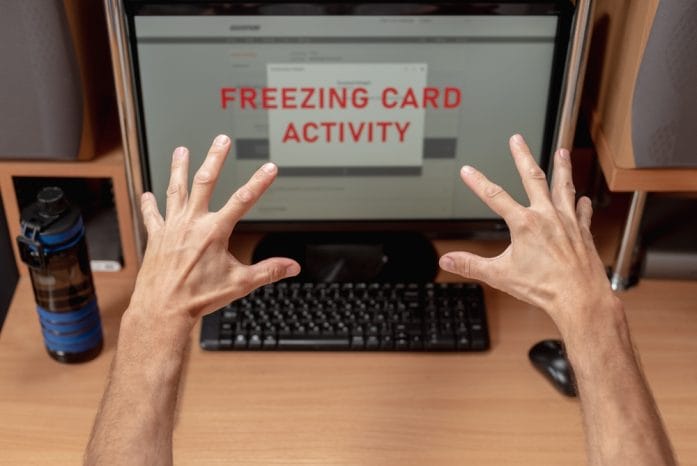
A bank notifying its customer that their bank card is being frozen – Shutterstock

Some bank account freezes feel random from the outside, but banks rarely act without a reason. Financial institutions in the U.S. use automated systems and compliance rules that flag unusual activity fast. A single unusual deposit, transfer, or pattern shift can trigger a review that locks access temporarily. That interruption can hit at the worst possible moment, like payday or rent week. Knowing what triggers those red flags helps prevent frustrating and stressful surprises.

Modern banking relies heavily on fraud detection and anti-money-laundering systems that scan activity 24/7. These systems do not care about intent; they care about patterns, consistency, and risk signals. Even normal behavior changes can look suspicious when compared to a long history of “typical” spending.

1. Large or Unusual Deposits That Break Your Normal Pattern

Banks pay close attention when deposits suddenly spike far above normal income levels. A $500 paycheck history followed by a $10,000 deposit often triggers an automatic review. Systems flag the change because fraud and money laundering often start with unexpected cash inflows. Even legitimate windfalls, like selling a car or receiving a gift, can cause temporary holds. Consistency matters more than the source in many automated checks.

Small steps help reduce issues when large deposits occur. Notifying the bank ahead of time or keeping documentation ready can speed up verification. Regular patterns build trust with financial systems over time. Sudden changes without context create friction that can freeze access temporarily. Predictability protects account access more than most people realize.

2. Frequent Transfers Between Unrelated Accounts

Moving money back and forth between accounts that do not share obvious connections raises suspicion. Banks look for layering patterns that sometimes signal laundering or fraud. Multiple quick transfers in short time windows increase the risk score in monitoring systems. Even harmless “balancing” between personal accounts can trigger automated alerts. Systems do not always distinguish convenience from risk behavior.

Staying consistent with transfer patterns helps reduce unnecessary flags. Keeping transfers limited to known accounts and clear purposes builds a cleaner financial footprint. Sudden bursts of activity between unrelated accounts often prompt review teams to step in. That review can temporarily restrict access while verification takes place. Simple, steady habits help avoid that disruption.

3. Mismatched Personal Information or Identity Changes

Banks freeze accounts when identity details do not match their records. A new address, name change, or outdated Social Security information can all trigger alerts. Even minor mismatches between documents and account profiles can cause verification holds. Fraud prevention systems prioritize identity accuracy above all else. Any inconsistency signals potential account takeover risk.

Updating information quickly after life changes prevents unnecessary disruptions. Moving, marriage, or legal name updates should always reflect in banking profiles immediately. Delays in updating records often confuse automated systems. That confusion can temporarily lock access until verification completes. Clean, current records keep accounts running smoothly.

4. Suspicious Online or Cross-Border Activity

Banks closely monitor logins and transactions that originate from unfamiliar locations. A sudden login from another state or country can trigger security freezes. International purchases or transfers also raise flags when they do not match past behavior. Fraud systems often assume account compromise first and investigate later. That protective approach prioritizes safety over convenience.

Travel notifications or consistent usage patterns help reduce interruptions. Regular international activity should appear predictable in account history. Sudden changes in geography create uncertainty for fraud detection tools. Temporary freezes often follow until identity confirmation occurs. Predictability across locations keeps access stable.

5. Repeated Chargebacks or Payment Disputes

High numbers of chargebacks signal risk to banks and payment processors. Fraudulent transactions, disputes, or refunds can all contribute to this pattern. Even legitimate customer disputes can raise a merchant’s or account holder’s risk score. Too many reversals suggest instability or potential abuse of payment systems. Banks react quickly to protect themselves from liability.

Keeping transactions clean and well-documented reduces dispute frequency. Clear communication with buyers or merchants helps prevent misunderstandings. Each chargeback adds weight to a risk profile that banks track closely. A high dispute rate can lead to account restrictions or freezes. Stable payment behavior builds long-term account trust.

6. Overdraft Abuse or Negative Balance Patterns

Frequent overdrafts signal financial instability to banking systems. Repeated negative balances suggest risk of default or misuse. Even small overdrafts, when constant, create concern for account health. Banks may step in to limit exposure or enforce restrictions. Patterns matter more than isolated incidents.

Maintaining a buffer balance helps avoid these issues entirely. Monitoring spending habits reduces accidental overdrafts that trigger alerts. Financial systems track consistency and discipline over time. Repeated strain on accounts increases the chance of restrictions. Stability keeps accounts in good standing.
7 Financial Red Flags That Could Freeze Your Accounts Without Warning
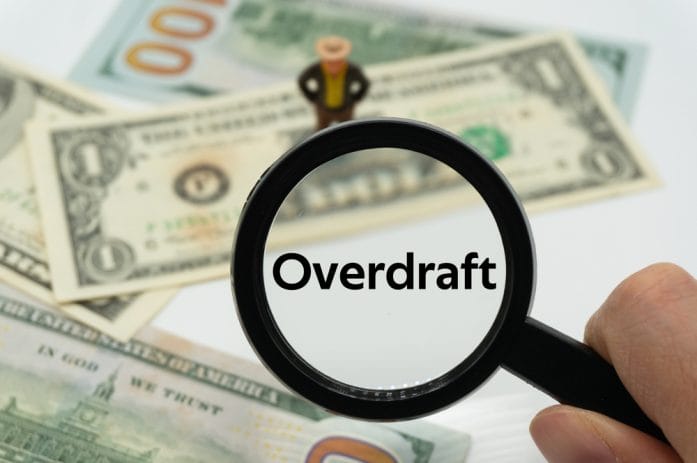
A magnifying glass looking at an overdrafted account – Shutterstock

7. Inactive Accounts Suddenly Reactivated with High Activity

Dormant accounts that suddenly show heavy activity often trigger automatic freezes. Banks expect inactivity to remain consistent unless properly updated. A sudden burst of transactions after months of silence appears suspicious. Fraudsters often target dormant accounts because monitoring decreases over time. Systems react quickly to protect against unauthorized access.

Reactivating accounts gradually helps avoid unnecessary interruptions. Updating banks before using old accounts prevents confusion. Even legitimate activity can look risky when it breaks long inactivity streaks. Verification steps often follow sudden usage spikes. Controlled reactivation keeps access smooth and uninterrupted.

Protecting Your Account Access

Banks do not freeze accounts randomly; they respond to patterns that signal risk. Most red flags come from changes in behavior, not actual wrongdoing. Small habits like consistency, updated information, and predictable transactions reduce friction with financial systems. Awareness of how banks interpret activity helps prevent sudden disruptions. Financial stability starts with understanding how those systems “see” money movement.

A few mindful adjustments can keep accounts active, secure, and accessible without stress. Predictability builds trust with banking systems over time. Even simple awareness of these seven red flags prevents most unexpected freezes. Financial confidence grows when account behavior stays clean and consistent. Staying ahead of these triggers protects access when it matters most.

What financial habits have caused the most unexpected banking issues in your everyday life? Hop into our comments to chat about it.

You May Also Like…

California Alert: Why Random Amazon Packages Are a Red Flag for Identity Theft in Santa Clara County

Dormancy Rule: Accounts Inactive for 3–5 Years Can Be Sent to the State

How a Greener Home Can Boost Your Bank Account

What To Look For When Opening A Bank Account For Your Teen

8 Rules Around Health Savings Accounts That Still Confuse Seniors

Brandon Marcus
Brandon Marcus

Brandon Marcus is a writer who has been sharing the written word since a very young age. His interests include sports, history, pop culture, and so much more. When he isn’t writing, he spends his time jogging, drinking coffee, or attempting to read a long book he may never complete.

Filed Under: Finance Tagged With: account freeze, AML laws, banking, banking rules, banking tips, credit behavior, direct deposit, financial mistakes, Financial Security, fraud alerts, money management, Personal Finance

8 At-Risk Accounts Awaiting Freeze Without Notification

August 18, 2025 by Travis Campbell Leave a Comment

freeze
Image source: pexels.com

Most people assume they’ll always get a heads-up before any of their financial accounts are frozen. The reality? Many at-risk accounts can be frozen without warning, leaving you suddenly locked out of your own money. This can disrupt your life, delay bill payments, and even impact your credit score. Understanding which accounts are most at risk is crucial for protecting your finances. If you’re not actively monitoring your accounts, you could find yourself facing a freeze without any notification—and a lot of unnecessary stress.

1. Bank Checking Accounts

Your checking account is the hub of your financial life. But if you fall behind on certain debts, a creditor or even a government agency can obtain a court order to freeze your account. This often happens without any advance notice. You might not realize your account is at risk until your debit card is declined or checks start bouncing. Keeping an eye on your balance and any legal communications can help you avoid this unpleasant surprise. The risk of an account freeze increases if you ignore collection notices or legal summons related to unpaid debts.

2. Savings Accounts

Savings accounts feel secure, but they’re not immune. If a bank suspects fraud or receives a legal order related to unpaid taxes, child support, or other debts, your savings can be frozen instantly. The worst part? You typically won’t get prior warning. It’s smart to regularly review your account for unusual activity and ensure you’re in good standing with required payments. If you rely on your savings for emergencies, an unexpected freeze could put you in a tight spot.

3. Brokerage Accounts

Brokerage accounts can be frozen for several reasons, including suspicious trading activity, regulatory investigations, or disputes over account ownership. If your broker detects anything unusual, they may lock you out while they investigate. Sometimes, you’ll only find out when you try to make a trade or withdraw funds. Since these accounts often hold large sums, an account freeze here can have a major impact on your financial plans. Stay in touch with your broker and check your statements for anything out of the ordinary.

4. PayPal and Digital Wallets

PayPal, Venmo, and other digital wallets are convenient, but they’re also at risk. These platforms have automated fraud detection systems that can freeze your funds without prior notice. A single flagged transaction, a spike in activity, or a disputed payment can trigger a freeze. If you use digital wallets for business or to receive payments, this can be especially disruptive. Always read the terms of service and respond promptly to any messages from the platform.

5. Retirement Accounts

While retirement accounts like IRAs and 401(k)s have some legal protections, they can still be frozen under certain circumstances. Divorce settlements, IRS levies, or court orders related to unpaid taxes may result in a hold on your account. You might not get advance notice, especially if the freeze is for legal reasons. This can complicate your retirement planning and may delay required distributions. To avoid surprises, keep your beneficiary information up to date and address any legal issues promptly.

6. Credit Card Accounts

Credit card issuers can freeze your account if they detect suspicious activity, missed payments, or changes in your credit profile. You may not receive a warning, and your card can be declined without explanation at checkout. An account freeze on your credit card can be especially embarrassing and inconvenient. Monitor your statements for unfamiliar charges and always pay at least the minimum by the due date. If your card is frozen, contact the issuer right away to resolve the issue.

7. Utility and Service Provider Accounts

Utility accounts, such as electricity, water, or internet, can be frozen if payments are missed or if there’s suspected fraud. Many providers won’t send multiple warnings before suspending service or locking your online account. This can make it hard to pay bills or access important information. Set up payment reminders and check for messages from your service providers to avoid accidental freezes. If you move or change your contact details, update them everywhere to keep receiving notifications.

8. Health Savings Accounts (HSAs)

HSAs are a great way to save for medical expenses, but they’re vulnerable to freezes if there’s a dispute about account ownership, suspicious transactions, or a legal order. You may log in only to find your funds inaccessible. Since many people depend on their HSA for healthcare costs, an account freeze can be more than just an inconvenience—it can delay necessary medical care. Review your HSA activity regularly and respond quickly to any requests for documentation from your provider.

Stay Vigilant to Prevent Account Freezes

Being proactive is the best way to avoid an unexpected account freeze. Regularly check your accounts, set up alerts, and respond promptly to any suspicious activity or official notices. Keep your contact information current across all your financial institutions so you never miss an important message.

Have you ever experienced an account freeze without warning? Share your story or tips in the comments below!

Read More

Could a Bank Freeze Your Account Without Telling You?

7 Bank Terms That Let Institutions Freeze Funds Without Warning

Travis Campbell
Travis Campbell

Travis Campbell is a digital marketer/developer with over 10 years of experience and a writer for over 6 years. He holds a degree in E-commerce and likes to share life advice he’s learned over the years. Travis loves spending time on the golf course or at the gym when he’s not working.

Filed Under: Banking Tagged With: account freeze, bank accounts, credit cards, digital wallets, Financial Security, Personal Finance, retirement accounts

Numbers That Trigger Freeze Reviews on Your Retirement Accounts

August 13, 2025 by Travis Campbell Leave a Comment

retirement
Image source: unsplash.com

Retirement accounts are supposed to be safe. You work hard, save, and expect your money to be there when you need it. But sometimes, your account can get frozen. This means you can’t access your funds until the issue is resolved. It’s frustrating, especially if you need the money right away. Knowing which numbers or activities can trigger a freeze review on your retirement accounts can help you avoid problems. Here’s what you need to watch for and why it matters.

1. Large, Unusual Withdrawals

If you suddenly take out a big chunk of money from your retirement account, your provider may flag it. This is especially true if the amount is much higher than your usual withdrawals. Financial institutions watch for this because it can signal fraud or unauthorized access. For example, if you usually withdraw $1,000 a month and suddenly request $25,000, that’s a red flag. The account may be frozen while they check if the request is legitimate. If you plan to make a large withdrawal, call your provider first. This can help prevent a freeze review and save you time.

2. Multiple Transfers in a Short Time

Moving money between accounts is normal. But if you make several transfers in a short period, it can look suspicious. Retirement account providers use algorithms to spot patterns that might indicate money laundering or fraud. For example, transferring funds from your 401(k) to an IRA, then to another account, all within a week, can trigger a freeze review. If you need to move money, try to space out your transfers. And keep records of why you’re moving the funds. This can help if your account is reviewed.

3. Reaching Age-Based Milestones

Certain ages matter for retirement accounts. When you turn 59½, you can take penalty-free withdrawals from IRAs and 401(k)s. At age 72, you must start taking required minimum distributions (RMDs) from most retirement accounts. If you miss an RMD or take out more than allowed, your account may be flagged for review. Providers want to make sure you’re following IRS rules. If you’re not sure about the rules for your age, check the IRS guidelines. Staying informed can help you avoid a freeze.

4. Incorrect or Suspicious Account Information

Simple mistakes can cause big problems. If your account information doesn’t match what’s on file, your provider may freeze your account. This can happen if you change your name, address, or Social Security number and forget to update your account. It can also happen if someone tries to access your account with the wrong information. Always double-check your details. If you move or change your name, update your retirement accounts right away. This helps prevent freeze reviews caused by mismatched information.

5. Unusual Contribution Patterns

Most people contribute to their retirement accounts on a regular schedule. If you suddenly make a much larger contribution than usual, or if you make several contributions in a short time, your provider may take a closer look. This is to prevent illegal activities like money laundering. For example, if you usually contribute $500 a month and suddenly deposit $10,000, that could trigger a freeze review. If you get a bonus or inheritance and want to contribute more, let your provider know in advance. This can help avoid unnecessary delays.

6. International Transactions

Sending money to or from foreign accounts can raise red flags. Retirement account providers are required to follow strict rules to prevent illegal activities. If you make a withdrawal or transfer involving an international bank, your account may be frozen for review. This is especially true if you haven’t done this before. If you need to move money internationally, contact your provider first. They can tell you what documentation you’ll need and help you avoid a freeze.

7. Beneficiary Changes After Major Life Events

Changing your beneficiaries is normal after big life events like marriage, divorce, or the birth of a child. But if you make frequent or unusual changes, your provider may review your account. This is to prevent fraud or disputes after your death. For example, if you change your beneficiary several times in a year, that could trigger a freeze review. Always keep your beneficiary information up to date, but avoid making unnecessary changes. If you need to update your beneficiaries, provide clear documentation.

8. Mismatched Tax Reporting

Tax season can bring surprises. If the numbers reported by your retirement account provider don’t match what you report on your tax return, the IRS may flag your account. This can lead to a freeze while the issue is sorted out. For example, if your 1099-R form shows a different withdrawal amount than what you report, expect questions. Always check your tax forms for accuracy. If you spot a mistake, contact your provider right away.

9. Suspicious Login Activity

Online security is a big deal. If your provider notices logins from unusual locations or devices, they may freeze your account to protect you. For example, if you usually log in from your home in Texas and there’s a login from another country, that’s a red flag. Use strong passwords and enable two-factor authentication. If you travel, let your provider know. This can help prevent unnecessary freeze reviews.

10. Court Orders or Legal Actions

Sometimes, your account can be frozen because of legal issues. This can include divorce settlements, bankruptcy, or court orders. If your provider receives a legal notice, they must freeze your account until the issue is resolved. If you’re involved in a legal dispute, talk to your provider. They can explain what to expect and what documents you’ll need.

Staying Ahead of Freeze Reviews

Freeze reviews on retirement accounts can be stressful, but most are preventable. Watch for the numbers and activities that trigger reviews. Keep your information up to date. Communicate with your provider before making big changes. And always keep good records. By staying alert, you can keep your retirement savings safe and accessible.

Have you ever had your retirement account frozen? What happened, and how did you resolve it? Share your story in the comments.

Read More

10 Net Worth Assumptions in Retirement Calculators That Are Unrealistic

6 Margin Account Risks That Sneakily Empty Retirement Payouts

Travis Campbell
Travis Campbell

Travis Campbell is a digital marketer/developer with over 10 years of experience and a writer for over 6 years. He holds a degree in E-commerce and likes to share life advice he’s learned over the years. Travis loves spending time on the golf course or at the gym when he’s not working.

Filed Under: Retirement Tagged With: account freeze, account security, beneficiary changes, Planning, retirement accounts, retirement withdrawals, tax reporting

Could a Bank Freeze Your Account Without Telling You?

August 9, 2025 by Travis Campbell Leave a Comment

money freeze
Image source: unsplash.com

Finding your card declined at the checkout feels shocking. A frozen account can stop paychecks and block bills. Why would a bank freeze your account and not warn you? This matters because access to cash is basic for daily life. Read clear steps and rights so you can act fast.

1. What does a bank freeze mean

A bank freeze can be a temporary hold or a full block on withdrawals. The bank may still allow deposits but stop outgoing payments. Different freezes carry different fixes and timelines. Ask what type of freeze it is and how long it will last. If the bank is wrong, quick proof usually speeds release.

2. When banks can freeze your account without notice

Banks freeze your account without prior notice in several cases. If the bank receives a sealed court order, it might have to act quietly. Law enforcement can also request secrecy during an investigation. A bank’s terms of service often give it broad authority to act against fraud. That power means you may not get a warning before access stops.

3. How fraud detection triggers a freeze

Automated systems scan transactions for odd patterns. Large or rapid deposits, strange payees, or foreign activity can trip alarms. False positives are common; many customers spend weeks restoring access. A Consumer Financial Protection Bureau review found that banks sometimes froze accounts for long periods and provided inadequate guidance. A 2024 review found customers sometimes waited weeks and received little guidance. This can ruin plans; keep contact info and document everything.

4. Court orders, levies, and creditor actions

Courts can order a freeze if a creditor wins a judgment. The IRS can also levy bank accounts for unpaid taxes. Those legal freezes often come with formal notices and case numbers. When a creditor acts, you will usually get legal papers showing the claim. If you receive a levy, talk to the creditor or the court clerk about exemptions.

5. What notifications and rights to expect

You should get notice when a creditor freezes your account, but not always when law enforcement is involved. Banks must follow rules and state laws about protected funds like Social Security in many cases. Keep records of communications and ask for the reason in writing. Ask which funds are protected in your state and how to file a claim. Protected funds often include recent federal benefits and some state payments.

6. If a bank freezes your account, do this

Call the bank immediately and ask why access is blocked. Request written notice, a case number, and the name of the department handling the freeze. If the freeze follows suspicious activity, provide proof of a legitimate source for deposits. If a court order caused it, get the case details and consult an attorney or free legal aid. Freeze cards, change passwords, and monitor for new charges. Ask for a supervisor if the customer service representative cannot give clear next steps.

7. Steps to reduce the risk of a surprise freeze

Tell your bank about large deposits or travel plans in advance. Keep clear records of big payments and receipts you can show quickly. Use separate accounts for business and personal funds to avoid confusing transaction patterns. Consider a second bank for payroll or an emergency buffer to avoid a single point of failure. Review your bank’s account agreement so you know their procedures. Set alerts for large transactions and unusual logins. Keep a short folder of tax forms, sale agreements, or payroll records to show where money came from.

Protect access: the one thing that matters

If you want to avoid a surprise freeze of your account, keep fast, clear proof of where big deposits came from. Call your bank, show documents, and ask for written timelines. If access does not return, press for the order number and get legal help quickly. Keep an emergency plan: a second bank, cash reserves, or a trusted friend who can help with bills. Banks must balance stopping crime with your right to use your money; being prepared shortens the pain. If the bank froze your account wrongly, keep calm and collect proof. Tell the bank you will escalate the issue unless they set a timeline to unfreeze your account. You can mention a Consumer Financial Protection Bureau complaint if you get no help. Filing a complaint can speed a response when a bank freezes your account without a clear reason. Document dates, names, and what the bank said. Then file a complaint at the CFPB or seek local legal aid. See background on common freezes at Investopedia and read reporting about banks’ poor notice practices. Act early. A few documents and calls often get accounts working again. Keep a basic cash buffer for emergencies. Do it today. Now.

Have you ever had a bank lock or freeze your account? Share what happened below.

Read More

What Happens When Your Bank Changes the Terms Without Warning?

What Are Banks Really Doing With Your Personal Spending Data?

Travis Campbell
Travis Campbell

Travis Campbell is a digital marketer/developer with over 10 years of experience and a writer for over 6 years. He holds a degree in E-commerce and likes to share life advice he’s learned over the years. Travis loves spending time on the golf course or at the gym when he’s not working.

Filed Under: Banking Tagged With: account freeze, banking, CFPB, consumer rights, financial advice, fraud, frozen account, IRS, legal help, money access

9 Retirement Accounts That Freeze When a Name Is Misspelled

August 2, 2025 by Travis Campbell Leave a Comment

retirement
Image source: unsplash.com

When you think about retirement accounts, you probably picture steady growth, compound interest, and a future where your money is safe. But there’s a detail that can throw a wrench in your plans: a simple name misspelling. It sounds minor, but it can freeze your retirement accounts, block transactions, and delay your access to funds. This isn’t just a paperwork headache. It can mean missed investment opportunities, tax penalties, or even trouble when you need your money most. Many people are unaware of the strict requirements financial institutions have for matching names exactly. If you’re planning for retirement, or already managing your accounts, you need to know which accounts are most at risk and how to protect yourself.

Here are nine retirement accounts that can freeze up if your name is misspelled—and what you can do about it.

1. 401(k) Plans

A 401(k) is one of the most common retirement accounts. But if your name is misspelled on your employer’s records or with the plan administrator, your contributions might not post correctly. Sometimes, the account can be frozen until the error is fixed. This can delay rollovers, withdrawals, or even employer matches. Always check your pay stubs and account statements for accuracy. If you spot a mistake, contact your HR department and the plan provider right away. Fixing it early can save you a lot of trouble later.

2. Traditional IRAs

Traditional IRAs are popular for their tax benefits. But they’re also strict about identity verification. A misspelled name can trigger a freeze, especially if you try to transfer funds or take a distribution. The IRS requires exact matches between account records and your Social Security information. If there’s a mismatch, your transaction could be rejected or delayed. Review your IRA paperwork and online profile. Make sure your name matches your legal documents. If you’ve changed your name, update it with your provider as soon as possible.

3. Roth IRAs

Roth IRAs offer tax-free growth, but they’re not immune to administrative errors. A misspelled name can stop contributions, block rollovers, or even cause tax reporting issues. Financial institutions use automated systems to match names and Social Security numbers. If there’s a discrepancy, your account could be flagged or frozen. Double-check your account details every year, especially after life events like marriage or divorce. If you find a problem, call your provider and ask what documents they need to correct it.

4. 403(b) Plans

If you work for a school, hospital, or nonprofit, you might have a 403(b) plan. These retirement accounts are similar to 401(k)s but are managed by different types of employers. Name errors can happen during onboarding or when switching jobs. If your name is misspelled, your contributions might not be credited, or your account could be locked. This can be a big problem if you’re trying to consolidate accounts or take a loan. Keep copies of your account statements and check them for errors. If you see a mistake, report it to your HR department and the plan administrator.

5. SEP IRAs

Self-employed people and small business owners often use SEP IRAs. These accounts have fewer employees involved, but that doesn’t mean fewer mistakes. A misspelled name can freeze your account, especially during tax season or when making contributions. The IRS is strict about matching names and Social Security numbers for SEP IRAs. If you notice a problem, contact your provider and provide proof of your correct name. Keep your business and personal records up to date to avoid confusion.

6. SIMPLE IRAs

SIMPLE IRAs are designed for small businesses, but they come with their own paperwork. A name error can block contributions or distributions, and it can take weeks to fix. This is especially frustrating if you need to access your money quickly. Review your account setup documents and make sure your name is spelled correctly everywhere. If you change your name, notify your employer and the account provider as soon as possible.

7. Pension Plans

Traditional pension plans are less common now, but many people still rely on them. Large organizations manage these retirement accounts, and errors can happen when records are transferred or updated. A misspelled name can delay benefit payments or even cause your account to be suspended. If you’re nearing retirement, request a copy of your pension records and check every detail. If you find a mistake, contact the plan administrator and ask for written confirmation when it’s fixed.

8. Thrift Savings Plans (TSP)

Federal employees and military personnel use Thrift Savings Plans. The government manages these accounts, and they require exact name matches for all transactions. A misspelled name can freeze your account, block loans, or delay withdrawals. The TSP website has resources for correcting errors, but the process can be slow. Check your account regularly and update your information after any life changes.

9. Annuities

Annuities are insurance products that provide income in retirement. They’re often used alongside other retirement accounts. But insurance companies are strict about identity verification. A misspelled name can freeze your annuity, delay payments, or cause tax reporting problems. If you buy an annuity, review your contract and statements for errors. If you spot a mistake, contact your agent or the insurance company right away. For more on annuity rules, see FINRA’s annuity guide.

Why Details Matter for Your Retirement Accounts

A small mistake can have big consequences. Retirement accounts are designed to protect your money, but they rely on accurate information. A misspelled name can freeze your funds, delay payments, and create tax headaches. It’s easy to overlook, but checking your account details now can save you stress and money later. Take a few minutes to review your retirement accounts. Make sure your name matches your legal documents everywhere. If you find a problem, fix it before it becomes a bigger issue.

Have you ever had a retirement account freeze because of a name error? Share your story or tips in the comments below.

Read More

10 Financial Questions That Could Undo Your Entire Retirement Plan

How Many of These 8 Retirement Mistakes Are You Already Making?

Travis Campbell
Travis Campbell

Travis Campbell is a digital marketer/developer with over 10 years of experience and a writer for over 6 years. He holds a degree in E-commerce and likes to share life advice he’s learned over the years. Travis loves spending time on the golf course or at the gym when he’s not working.

Filed Under: Retirement Tagged With: account freeze, account security, money management, name misspelling, Personal Finance, Planning, retirement accounts, retirement savings, Retirement Tips

FOLLOW US

Search this site:

Recent Posts

  • Can My Savings Account Affect My Financial Aid? by Tamila McDonald
  • 12 Ways Gen X’s Views Clash with Millennials… by Tamila McDonald
  • What Advantages and Disadvantages Are There To… by Jacob Sensiba
  • 10 Tactics for Building an Emergency Fund from Scratch by Vanessa Bermudez
  • Call 911: Go To the Emergency Room Immediately If… by Stephen Kanaval
  • 7 Weird Things You Can Sell Online by Tamila McDonald
  • 10 Scary Facts About DriveTime by Tamila McDonald

Copyright © 2026 · News Pro Theme on Genesis Framework