• Home
  • About Us
  • Toolkit
  • Getting Finances Done
    • Hiring Advisors
    • Debt Management
    • Spending Plan
  • Insurance
    • Life Insurance
    • Health Insurance
    • Disability Insurance
    • Homeowners/Renters Insurance
  • Contact Us
  • Risk Tolerance Quiz
  • Our Editorial Commitment

The Free Financial Advisor

You are here: Home / Archives for tax fraud

Waiting on a Refund? New IRS Identity Flags Are Pulling More Returns

May 10, 2026 by Brandon Marcus Leave a Comment

Waiting on a Refund? New IRS Identity Flags Are Pulling More Returns
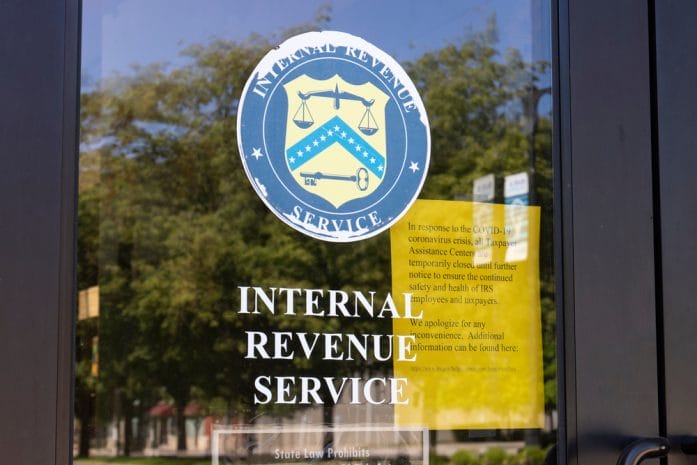
Front door to an IRS office – Shutterstock

Tax season already comes with enough stress to power an entire coffee industry, but this year many taxpayers hit an extra speed bump after filing their returns. Refunds that normally show up within a couple of weeks suddenly stalled out, and confusion spread fast when IRS notices started landing in mailboxes. Some people discovered the agency flagged their returns for identity verification, while others watched their refund status sit frozen with little explanation.

The delays left plenty of households frustrated, especially families counting on refunds to cover bills, pay down debt, or finally tackle that home repair hanging over their heads since last summer. The IRS says the tougher screening process helps stop tax fraud, but for honest taxpayers the experience often feels like getting stuck in airport security because someone else tried to sneak something suspicious onto the plane.

Why the IRS Suddenly Tightened Identity Checks

Tax scams exploded over the last several years, and criminals keep getting smarter about stealing personal information. Fraudsters use stolen Social Security numbers, fake W-2 forms, and even artificial intelligence-generated documents to file bogus returns before real taxpayers submit theirs. The IRS responded by adding stronger identity filters that automatically flag returns showing unusual activity or inconsistencies. A return might trigger extra review because it came from a new bank account, included a different address, or showed income patterns that sharply changed from previous years. Those filters catch millions of fraudulent attempts annually, but they also snag legitimate taxpayers who simply changed jobs, moved, or updated financial information.

The crackdown intensified after the IRS reported billions of dollars in attempted refund fraud in recent filing seasons. Identity thieves target refunds because direct deposits move fast, and stolen money often disappears before authorities can react. IRS systems now compare current filings against historical tax records, employer data, and fraud risk models in real time. That means even small discrepancies can send a return into manual review territory. While the agency insists the additional checks protect taxpayers overall, the growing number of flagged returns created a frustrating bottleneck during peak filing months.

The Most Common Reasons Refunds Get Flagged

One of the biggest triggers involves mismatched personal information. A typo in a Social Security number, a name that does not exactly match Social Security Administration records, or a birthdate entered incorrectly can stop processing cold. Taxpayers who recently married, divorced, or legally changed their names often encounter this issue because databases do not always update instantly. Even something as simple as switching from direct deposit to a paper check may raise a temporary red flag if the IRS notices a sudden pattern change. The system looks for anything that appears unusual compared to previous returns.

Gig workers and side hustlers also land under extra scrutiny more often now. Freelance income, online selling, and app-based work create complicated reporting situations because third-party forms sometimes arrive late or contain errors. The IRS increasingly cross-checks reported income against 1099 forms and employer submissions before releasing refunds. If information does not line up perfectly, the agency may pause the refund until someone verifies the details manually. Taxpayers claiming certain credits, including the Earned Income Tax Credit or Additional Child Tax Credit, may also face additional review because those programs historically attract fraud attempts.

What Happens After the IRS Flags a Return

Most taxpayers first notice trouble when the “Where’s My Refund?” tracker stops updating normally. Instead of showing a refund approval date, the tool may display a message saying the return requires further review. Shortly afterward, the IRS often sends a letter requesting identity verification through the agency’s online system or over the phone. Some taxpayers must confirm prior-year filing details, while others need photo identification and financial account information ready before proceeding. The process sounds simple on paper, but delays often pile up because millions of people receive similar notices during busy filing periods.

The timeline varies wildly depending on the issue involved. Some taxpayers complete verification and receive refunds within a couple of weeks, while others wait several months for processing to finish. IRS staffing shortages and outdated technology still create major slowdowns despite modernization efforts. Phone lines regularly back up during tax season, and many taxpayers struggle to reach a live representative for clarification. That communication gap fuels anxiety because people often worry the delay signals an audit or larger financial problem when the issue simply involves identity confirmation.

Waiting on a Refund? New IRS Identity Flags Are Pulling More Returns
The IRS website on a smartphone – Shutterstock

How Taxpayers Can Avoid Refund Delays

Accuracy matters more than ever when filing a return this year. Double-checking Social Security numbers, banking information, and employer data before hitting submit can dramatically reduce the chances of triggering a review. Filing electronically instead of mailing paper returns also helps because digital systems catch certain errors immediately. Tax professionals recommend gathering all tax forms before filing rather than rushing to submit early with incomplete information. An amended return often creates far bigger headaches than waiting an extra week for missing paperwork.

Taxpayers can also strengthen account security to reduce fraud risks tied to identity theft. Creating an IRS online account allows users to monitor filings and notices more closely throughout the year. The IRS Identity Protection PIN program adds another layer of security by requiring a unique six-digit code before a return can process. Criminals cannot easily file fake returns without that PIN, even if they steal someone’s Social Security number. Experts also encourage people to freeze credit reports and watch financial accounts carefully because tax fraud frequently overlaps with broader identity theft activity.

What’s Behind Longer Refund Waits?

The growing number of identity checks reflects a larger shift in how tax enforcement works in the digital age. Financial systems move faster than ever, but criminals exploit that speed just as aggressively as legitimate consumers do. The IRS faces enormous pressure to release refunds quickly while also stopping fraudulent claims before money disappears permanently. That balancing act creates tension because taxpayers understandably expect timely refunds after filing correctly. Nobody enjoys waiting weeks longer for money that already belongs to them.

What has your experience with IRS refund delays been this year, and do tougher identity checks feel worth the extra wait? Please give your advice and guidance below in our comments.

You May Also Like…

Tennessee Residents Still Pay Federal Taxes on Investment Income Despite State Changes

Why Wills Need Updating Before the 2026 Tax Sunset

Selling a Long-Term Home Can Lead to Capital Gains Taxes—Even for Retirees

Texas Has No Income Tax — But Property Taxes Can Get Close To 2% in Some Areas

Missing This IRS Filing Deadline Leads to Automatic Penalties—No Exceptions

Brandon Marcus
Brandon Marcus

Brandon Marcus is a writer who has been sharing the written word since a very young age. His interests include sports, history, pop culture, and so much more. When he isn’t writing, he spends his time jogging, drinking coffee, or attempting to read a long book he may never complete.

Filed Under: tax tips Tagged With: financial news, identity protection, identity theft, IRS, IRS verification, Personal Finance, refund processing, refund status, tax filing tips, tax fraud, tax refunds, tax return delays, taxes 2026

The “Dirty Dozen”: The 12 Tax Scams the IRS Is Warning All Americans About

October 17, 2025 by Catherine Reed Leave a Comment

The "Dirty Dozen": The 12 Tax Scams the IRS Is Warning All Americans About
Image source: shutterstock.com

Every year, the IRS releases a “Dirty Dozen” list—a public warning to taxpayers about the latest and most dangerous tax scams circulating across the country. These scams target both individuals and tax professionals, aiming to steal personal information, refunds, or even entire identities. From fake charities to shady “tax experts,” these schemes evolve quickly, preying on confusion and trust. Understanding how these scams work is your best defense against falling victim. Here are the 12 tax scams the IRS wants every American to watch out for this year.

1. Email and Text Phishing Attacks

Phishing remains one of the most common tax scams the IRS warns about every year. Scammers send fake emails claiming to be from the IRS or tax preparation companies, luring victims with promises of refunds or threats of legal action. These emails often contain links that lead to fake websites or malware downloads. A newer twist, called “smishing,” uses text messages to do the same thing. The IRS never contacts taxpayers by email, text, or social media, so delete any suspicious message immediately.

2. Bad Social Media Tax Advice

Social media platforms have become breeding grounds for misleading tax information. Some videos and posts encourage taxpayers to misuse legitimate forms—like the W-2—to claim fake credits or refunds. This trend is especially common on platforms like TikTok, where “tax hack” videos spread quickly. The IRS has made it clear that following this bad advice can result in hefty fines or even criminal charges. Always rely on verified information from the IRS website or licensed tax professionals.

3. IRS Online Account Assistance Scams

Another fast-growing tax scam involves fake “helpers” who offer to set up your IRS online account for you. The scammers claim to simplify the process but instead use it to steal your personal information. Once they gain access, they can file fraudulent tax returns in your name and collect your refund. The IRS emphasizes that setting up an online account is free and easy to do yourself at IRS.gov. If someone offers this “service,” it’s almost certainly a con.

4. Fake Charities That Exploit Generosity

Whenever disaster strikes or headlines highlight humanitarian crises, fake charities start popping up. Scammers create convincing websites or social media pages to collect donations that never reach real victims. In some cases, they use the opportunity to steal your credit card or banking details. Before donating, always verify that the organization is registered with the IRS’s Tax Exempt Organization Search tool. Remember—if the group pressures you to donate immediately, it’s probably a fake.

5. False Fuel Tax Credit Claims

Some dishonest tax preparers or online influencers encourage taxpayers to claim the fuel tax credit even when they’re not eligible. This credit is intended only for off-highway business use, like farming or construction—not personal vehicles. Filing for it incorrectly can trigger audits or penalties. The IRS has seen a rise in fake promotions encouraging people to use Form 4136 to boost refunds. Always confirm your eligibility before claiming any specialized tax credit.

6. Bogus Sick Leave and Family Leave Credits

A newer addition to the list of tax scams involves people falsely claiming pandemic-era credits that no longer apply. Fraudulent social media posts tell taxpayers to use Form 7202 to get large refunds for sick leave or family leave—even if they were employees, not self-employed. These credits were only valid for income earned during 2020 and 2021. Filing for them now is illegal and could lead to repayment demands or penalties. The IRS continues to flag this growing issue across multiple states.

7. The Fake Self-Employment Tax Credit

Scammers are also pushing a nonexistent “Self-Employment Tax Credit” on social media. They falsely claim that gig workers and freelancers can receive payments of up to $32,000 as part of a government relief program. In reality, no such credit exists. Fraudsters use this tactic to collect personal information or charge upfront fees to “file” on your behalf. The IRS warns that any credit related to self-employment income is highly specific and must follow official eligibility guidelines.

8. False Household Employment Tax Claims

In this scam, taxpayers fabricate household employees—like nannies or caregivers—and file Schedule H to claim fake sick or family leave wages. Some even claim refunds for taxes they never paid. It might sound harmless, but this scheme is outright fraud. The IRS can quickly verify whether these employees exist, and those caught filing false claims can face steep penalties. Always file based on real employment and accurate income records.

9. The Overstated Withholding Scheme

One of the more complex tax scams on the IRS radar involves falsifying W-2 or 1099 forms to inflate income and withholding. Scammers claim that by exaggerating these amounts, taxpayers can get massive refunds. But once the IRS reviews the forms and finds no matching employer data, those refunds are frozen and flagged for investigation. This scam can also involve multiple form types, including W-2G and 1099-DIV. Submitting falsified tax information is a quick path to fines or prosecution.

10. Misleading “Offer in Compromise” Mills

The Offer in Compromise (OIC) program helps taxpayers settle debts with the IRS, but scammers exploit it through aggressive “OIC mills.” They promise to wipe away your tax debt for a large upfront fee, even if you don’t qualify. These companies rarely deliver, leaving victims deeper in financial trouble. Taxpayers can check their eligibility for free through the official IRS Offer in Compromise Pre-Qualifier tool. If someone guarantees forgiveness for a price, it’s a clear red flag.

11. Ghost Tax Return Preparers

Not all tax preparers are trustworthy. “Ghost preparers” complete returns for clients but refuse to sign or include their IRS Preparer Tax Identification Number (PTIN), as required by law. Many charge fees based on the refund amount—an illegal practice that often leads to fraudulent filings. If a preparer won’t sign your return, don’t use them. Always choose certified professionals with transparent pricing and verifiable credentials.

12. New Client and Spear Phishing Attacks on Tax Pros

Cybercriminals have shifted their focus to tax professionals through spear phishing attacks. They pretend to be new clients and send emails that contain malicious links or attachments. Once opened, these links infect systems and expose sensitive client data. This scam is particularly dangerous because it affects both tax professionals and their clients. The IRS urges professionals to verify all new contacts and use multi-factor authentication to protect sensitive accounts.

Staying Safe from the “Dirty Dozen” Threats

The IRS updates its Dirty Dozen list every year to help taxpayers stay one step ahead of evolving scams. The biggest takeaway is simple: if something sounds too good to be true, it probably is. Protect yourself by verifying all sources, filing honestly, and consulting legitimate tax professionals when in doubt. Staying alert and skeptical is the best defense against losing your money—or your identity—to these sophisticated fraudsters.

Have you ever come across one of these tax scams or spotted suspicious activity during tax season? Share your experience or advice in the comments below!

What to Read Next…

6 Reasons the IRS Is Flagging More Trusts in 2025

The Financial Clue That Tells the IRS You’re Hiding Assets

6 Credit Card Reward Scams That Cost You More Than You Earn

What Happens When Joint Account Owners Fall Into Scams Together?

8 Email Formats That Signal a Financial Scam in Disguise

Catherine Reed
Catherine Reed

Catherine is a tech-savvy writer who has focused on the personal finance space for more than eight years. She has a Bachelor’s in Information Technology and enjoys showcasing how tech can simplify everyday personal finance tasks like budgeting, spending tracking, and planning for the future. Additionally, she’s explored the ins and outs of the world of side hustles and loves to share what she’s learned along the way. When she’s not working, you can find her relaxing at home in the Pacific Northwest with her two cats or enjoying a cup of coffee at her neighborhood cafe.

Filed Under: tax tips Tagged With: cybersecurity, financial safety, IRS scams, Personal Finance, phishing, tax fraud, tax season tips, taxes

What Happens if You Use Tax Software After Fraudulent Activity?

August 15, 2025 by Travis Campbell Leave a Comment

tax software
Image source: pexels.com

If you’ve ever worried about tax fraud, you’re not alone. Tax fraud can happen to anyone, and it’s a real headache. Maybe you found out someone used your Social Security number. Maybe you noticed a strange tax return filed in your name. Now, you’re wondering: what happens if you use tax software after fraudulent activity? This question matters because the wrong move can make things worse. Tax software is supposed to make life easier, but after fraud, it can get complicated fast. Here’s what you need to know if you’re thinking about using tax software after you’ve been hit by fraud.

1. Your Return Might Get Rejected

If someone has already filed a tax return using your information, the IRS will flag your Social Security number. When you try to file your own return through tax software, you might get an error message. The software will tell you that the IRS has already received a return with your details. This is a clear sign of tax fraud. At this point, you can’t just keep clicking “submit.” The IRS won’t accept two returns with the same Social Security number. You’ll need to take extra steps to fix the problem.

2. You’ll Need to Prove Your Identity

After fraud, the IRS wants to make sure you’re really you. If your return is rejected, you’ll likely need to verify your identity. Tax software can’t do this for you. The IRS might send you a letter asking you to call or visit a local office. Sometimes, you’ll need to use the IRS Identity Verification Service online. This process can take time and patience. You’ll need documents like your driver’s license, passport, or other ID. Until you prove who you are, your tax return will be on hold.

3. Filing Electronically May Not Be an Option

Tax software is built for electronic filing. But after fraud, e-filing might not work. If your Social Security number is flagged, the IRS will block electronic returns. The software will tell you to print your return and mail it in. This slows everything down. Paper returns take longer to process, and you might wait months for your refund. It’s frustrating, but it’s the safest way to make sure your real return gets to the IRS.

4. You’ll Need to File an Identity Theft Affidavit

If you suspect or know you’re a victim of tax fraud, you need to file IRS Form 14039, the Identity Theft Affidavit. Most tax software can’t do this automatically. You’ll have to download the form, fill it out, and mail it with your paper return. This tells the IRS you’re a victim and need help. The IRS will then investigate and put extra protections on your account.

5. Your Refund Will Be Delayed

After fraud, don’t expect a quick refund. The IRS needs time to sort out what happened. They’ll compare the fraudulent return with your real one. This can take weeks or even months. Tax software might show you an estimated refund date, but it won’t be accurate. The IRS will contact you if it needs more information. Be patient and keep checking your mail and IRS account for updates.

6. You Might Need to Contact the IRS Directly

Tax software is great for simple returns, but it can’t solve fraud. If you run into problems, you’ll need to call the IRS. Be ready for long wait times. When you get through, explain your situation clearly. Have your documents ready, including your last tax return, ID, and any IRS letters. The IRS can walk you through the next steps and tell you what to do next. You can also check the Federal Trade Commission’s identity theft resources for more help.

7. You’ll Need to Watch for More Fraud

Once you’ve been hit by tax fraud, you’re at higher risk for more problems. Criminals might try to use your information again. The IRS might give you an Identity Protection PIN (IP PIN) to use on future returns. This is a six-digit number that helps stop fraud. Tax software will ask for your IP PIN if you have one. Never share this number with anyone. Keep an eye on your credit reports and watch for suspicious activity.

8. You May Need to Update Your Tax Software Account

If you used tax software before the fraud, your account could be at risk. Change your password right away. Turn on two-factor authentication if it’s available. Check your account for any strange activity, like returns you didn’t file. If you see anything odd, contact the software company’s support team. They can help secure your account and guide you on what to do next.

9. You’ll Have to Be Extra Careful Next Year

After fraud, tax season gets more stressful. Start early next year. Gather your documents and file as soon as you can. The sooner you file, the less chance a criminal has to file before you. Use your IP PIN if you have one. Keep your tax software and computer updated to protect your information. Stay alert for phishing emails or fake IRS calls.

10. You Might Need Professional Help

Sometimes, tax fraud gets complicated. If you feel overwhelmed, consider talking to a tax professional. They can help you file your return, deal with the IRS, and protect your information. Some tax software companies offer audit support or identity theft help, but it’s not always enough. A professional can give you peace of mind and make sure you’re doing everything right.

Moving Forward After-Tax Fraud

Using tax software after fraudulent activity isn’t simple. You’ll face roadblocks, delays, and extra steps. But you can get through it. Stay organized, follow the IRS’s instructions, and protect your information. The most important thing is to act quickly and not ignore the problem. Tax fraud is stressful, but you can take control and get back on track.

Have you ever dealt with tax fraud or had trouble using tax software after identity theft? Share your story or tips in the comments below.

Read More

Are You Reading the Right Fine Print on Your Tax Refund?

6 Overlooked Retirement Age Triggers That Can Spike Your Tax Bill

Travis Campbell
Travis Campbell

Travis Campbell is a digital marketer/developer with over 10 years of experience and a writer for over 6 years. He holds a degree in E-commerce and likes to share life advice he’s learned over the years. Travis loves spending time on the golf course or at the gym when he’s not working.

Filed Under: tax tips Tagged With: identity theft, IRS, Personal Finance, refund delay, security, tax filing, tax fraud, tax return, tax software

7 IRS-Style Threat Scams Still Confusing Homeowners This Year

August 10, 2025 by Travis Campbell Leave a Comment

scams
Image source: pexels.com

Every year, scammers find new ways to trick homeowners. IRS-style threat scams are some of the most common. These scams use fear, urgency, and official-sounding language to get people to hand over money or personal information. Many homeowners think they can spot a scam, but these tactics keep getting more convincing. If you own a home, you need to know what to watch for. Here are seven IRS-style threat scams that are still confusing homeowners this year.

1. Fake IRS Phone Calls

Scammers often call homeowners pretending to be IRS agents. They say you owe back taxes and threaten arrest if you don’t pay right away. These calls can sound real. The caller may know your name, address, or even the last four digits of your Social Security number. They might use a fake caller ID to look like the IRS. The scammer will demand payment by wire transfer, prepaid debit card, or gift card. The real IRS will never call and threaten you or demand payment over the phone. If you get a call like this, hang up. Don’t give out any information.

2. Phony Tax Lien Letters

Some scammers send letters that look like official IRS notices. These letters claim you have a tax lien on your home. They use IRS logos, legal language, and even fake case numbers. The letter will say you must pay immediately to avoid losing your home. Sometimes, the letter includes a phone number or website. If you call or visit the site, you’ll be pressured to pay. The IRS does send letters, but they never threaten to seize your home without due process. If you get a letter like this, check the IRS’s official website for contact information. Don’t use the phone number or website in the letter.

3. Threatening Emails

Email scams are getting more common. Scammers send emails that look like they’re from the IRS. The message says you owe taxes or there’s a problem with your return. It may threaten legal action or property seizure. The email will ask you to click a link or download an attachment. If you do, you could end up with malware on your computer or give away your personal information. The IRS does not use email to contact taxpayers about bills or refunds. If you get an email like this, don’t click any links. Delete the message right away.

4. Fake Property Tax Collectors

Some scammers pretend to be from your local tax office. They call or send letters saying you owe property taxes. They threaten foreclosure if you don’t pay now. These scammers may use public records to make their threats sound real. They might even show up at your door. Real tax offices will send official notices and give you time to respond. They won’t demand payment by phone or ask for gift cards. If you get a suspicious call or letter, contact your local tax office directly using the number on their official website.

5. Bogus “Tax Settlement” Offers

You might get a call or letter offering to “settle” your tax debt for a fee. The scammer claims to work with the IRS or a tax relief company. They promise to reduce your debt if you pay them first. These offers often use urgent language and threaten legal action. Some even use fake IRS forms. The IRS does have programs for settling tax debt, but you must apply directly. No one can guarantee to settle your debt for a fee upfront.

6. Social Security Number Threats

Some scammers say your Social Security number is “suspended” because of unpaid taxes. They threaten to freeze your bank accounts or seize your home. The caller may sound official and use scare tactics. They’ll ask you to confirm your Social Security number or other personal details. The IRS and Social Security Administration do not suspend numbers or threaten to freeze accounts over the phone. If you get a call like this, hang up. Never give out your Social Security number to someone who calls you.

7. Fake IRS Lawsuit Notices

A newer scam involves calls or letters saying the IRS is suing you. The message says you must pay now to avoid court or losing your home. The scammer may use legal terms and claim to have filed a lawsuit in your county. They’ll pressure you to pay by wire transfer or gift card. The IRS does not call or email to threaten lawsuits. Legal action always starts with official letters and gives you a chance to respond. If you get a notice like this, check with the IRS or your local court before taking any action.

Staying Safe: What Homeowners Need to Know

IRS-style threat scams are not going away. Scammers use fear and confusion to get what they want. The best way to protect yourself is to know how the IRS really works. The IRS will never call, email, or text to demand payment or threaten arrest. They always send official letters first and give you a chance to respond. If you’re not sure if a message is real, contact the IRS or your local tax office using information from their official websites. Don’t use phone numbers or links from suspicious messages. Stay alert, and talk to friends or family if you’re unsure. Scammers count on people acting fast out of fear. Take your time and check before you act.

Have you or someone you know been targeted by an IRS-style threat scam? Share your story or tips in the comments below.

Reed More

5 Account Transfers That Unexpectedly Trigger IRS Penalties

Why More Heirs Are Suing Over “Surprise” Trusts in 2025

Travis Campbell
Travis Campbell

Travis Campbell is a digital marketer/developer with over 10 years of experience and a writer for over 6 years. He holds a degree in E-commerce and likes to share life advice he’s learned over the years. Travis loves spending time on the golf course or at the gym when he’s not working.

Filed Under: safety Tagged With: homeowner scams, IRS, IRS scams, Personal Finance, property tax, scam prevention, tax fraud, tax scams

Here’s What You Should Do If Your Accountant Has Plead Guilty to Tax Fraud

January 18, 2021 by Tamila McDonald Leave a Comment

tax fraud

If your accountant pleads guilty to tax fraud, they’ve done more than make an honest mistake. Tax fraud involves the willful attempt to reduce the filer’s tax obligation through false statements, documents, or claims. These include  underreporting income, inflating deductions, and similar acts. Tax fraud is a crime and is treated seriously. However, the impact your tax preparer’s actions have on you can vary. If your accountant pleads guilty to tax fraud. Here’s what you need to do.

Understand Your Responsibility

First and foremost, it’s critical to understand your level of responsibility when it comes to your taxes. Regardless of who prepares your documents. You are ultimately responsible for your tax return. If you benefited from your accountant’s actions, and those actions were deemed fraudulent. There will be ramifications. This is true even if you weren’t aware of your tax preparer’s illegal acts.

Know What Can Occur

The exact ramifications you’ll face for fraudulent tax returns prepared by your accountant will vary depending on your situation. If you can prove that you had no knowledge of the fraud and played no role in it being committed. The impact is usually purely financial. The IRS will require you to pay any taxes that should have been paid had the returns been correct. Additionally, you may owe interest on the back amount, as well.

If you did play an active role in the fraud. The outcome could be different. Along with having to pay the amount owed. You could face criminal charges. The exact nature of the charges would depend on your fraudulent actions. If found guilty, you could owe additional fines and penalties or even end up with jail time.

Gather and Review Your Tax Returns

Once you know that your accountant has pled guilty. You should gather up every past tax return they handled. While the IRS can only audit your returns for three years. A guilty plea on the part of your accountant can extend the review window. Thus, giving the IRS the ability to look at more past filings.

The IRS will review these returns to look for fraudulent activity and other discrepancies. So it’s wise to start that process yourself. As a result, it’s best to review every one you possibly can. Which allows you to identify fraudulent activity and estimate the impact.

Usually, you want to conduct reviews yourself. However, you may also want to enlist help from a tax professional. This is especially true if you aren’t fully aware of tax law or don’t understand some of the information contained in your return. Who you turn to for assistance is up to you.  Although you may want to consult with a tax attorney or a reputable tax accountant as a starting point.

Consider Amending Past Returns

If during your review you find fraudulent information on your returns. You may want to amend them. Using Form 1040-X, you can submit updated tax calculations, allowing you to correct the issues proactively.

However, you should only file the amendments proactively if you have not received a notification that an issue has already been identified by the IRS. If you’ve received a notice that a given tax year’s return has already been reviewed and a decision regarding whether additional money is owed is being (or has already been) made. Filing an amended return may either not be necessary or could complicate the situation further.

If you’re uncertain about whether to amend a past return after your accountant pleads guilty to tax fraud. Consult with an expert. A tax attorney could provide you with guidance. Thus, helping you determine which approach is best based on your current situation.

Don’t Avoid the IRS

While you may want to take time to review any tax returns that may be impacted by fraud, don’t actively avoid the IRS. Generally speaking, it’s better to engage sooner rather than later.

Precisely how you may want to engage could vary depending on any communications you’ve received from the IRS. If you’ve been notified about specific dollar amounts of back taxes being owed or other penalties related to your returns, the process may be fairly simple. If you don’t disagree with their assessment and they aren’t pursuing criminal charges against you, you may choose to simply pay the amount (or make payment arrangements if the amount is too large to cover) to end the matter.

However, if you disagree with the assessment or are concerned about criminal liability, you might want to contact a tax attorney first. While this can cost a tidy sum of money, it ensures you have access to a professional who understands the nuances of what you’re going through and can speak to the IRS on your behalf.

Additionally, if you’re simply uncomfortable speaking with the IRS, you can enlist support from a tax lawyer. They can help you navigate the situation and find a reasonable resolution.

Exploring Additional Legal Avenues

If your tax accountant’s actions left you with a significant financial liability, you might want to consider suing the preparer for damages. While this can be costly in its own right, as you usually need assistance from an attorney, it is an option on the table.

Whether it’s the right move for you will depend on the nuances of your case. Additionally, you may want to take the accountant’s financial situation into consideration. If the accountant has no way to pay any amount awarded – either through cash, assets, or other sources – even if you win, you may not see any financial reward for the favorable judgment. This could leave you in a tougher situation, as you could still be responsible for your attorney’s fees, at a minimum.


Have you ever worked with an accountant who was later convicted of tax fraud? Has your accountant ever put you in a sticky financial situation? Share your thoughts in the comments below.


Read More:

  • What Happens If You File Taxes Wrong? Everything You Need to Know
  • 6 Reasons Why You Should Always Get Your Taxes Done Early

Should You Report Income from the Sale of Your Home on Your Income Taxes?

Tamila McDonald
Tamila McDonald

Tamila McDonald is a U.S. Army veteran with 20 years of service, including five years as a military financial advisor. After retiring from the Army, she spent eight years as an AFCPE-certified personal financial advisor for wounded warriors and their families. Now she writes about personal finance and benefits programs for numerous financial websites.

Filed Under: tax tips Tagged With: accountant, tax fraud

FOLLOW US

Search this site:

Recent Posts

  • Can My Savings Account Affect My Financial Aid? by Tamila McDonald
  • 12 Ways Gen X’s Views Clash with Millennials… by Tamila McDonald
  • What Advantages and Disadvantages Are There To… by Jacob Sensiba
  • 10 Tactics for Building an Emergency Fund from Scratch by Vanessa Bermudez
  • Call 911: Go To the Emergency Room Immediately If… by Stephen Kanaval
  • 7 Weird Things You Can Sell Online by Tamila McDonald
  • 10 Scary Facts About DriveTime by Tamila McDonald

Copyright © 2026 · News Pro Theme on Genesis Framework