• Home
  • About Us
  • Getting Finances Done
    • Hiring Advisors
    • Debt Management
    • Spending Plan
  • Insurance
    • Life Insurance
    • Health Insurance
    • Disability Insurance
    • Homeowners/Renters Insurance
  • Contact Us
  • Our Editorial Commitment

The Free Financial Advisor

You are here: Home / Archives for refund delay

IRS Paper Return Processing Is Now Taking Up to 6 Months — Here’s the Faster Option

June 6, 2026 by Brandon Marcus Leave a Comment

IRS Paper Return Processing Is Now Taking Up to 6 Months — Here's the Faster Option
IRS paper tax returns can take up to six months to process, while electronic filing often delivers refunds in under 21 days. Choosing e-file with direct deposit helps taxpayers avoid long delays and get money faster. Shutterstock

Tax season already brings enough stress without adding months of waiting for a refund. The Internal Revenue Service now reports that paper tax returns can take up to six months to process, creating long delays for millions of filers. That timeline can turn a simple refund into a waiting game that stretches well into the year. Many taxpayers still choose paper filing out of habit, comfort, or uncertainty about digital tools. However, the gap between paper and electronic filing has never looked wider than it does right now.

The good news centers on one simple shift that changes everything: filing electronically instead of mailing paperwork. The IRS continues to push digital filing because it reduces errors, speeds up processing, and delivers refunds much faster. While paper returns move through manual sorting and scanning, electronic returns enter the system instantly. That difference alone explains why some refunds arrive in weeks while others take half a year. Choosing the right method now plays a bigger role than ever in financial timing and planning.

Why Paper Tax Returns Now Take Up to Six Months

Paper tax returns move through a slow and manual system that adds delay at every step. The IRS receives millions of mailed returns during peak season, and staff must physically open, sort, and scan each envelope. Even small backlogs grow quickly when staffing levels and seasonal demand collide. A single missing form or math error can send a paper return into a correction queue that lasts weeks. The entire process depends on human handling, which naturally creates bottlenecks during busy months.

The IRS confirms that paper processing can take up to 180 days, especially during peak filing periods. That timeline does not include additional delays caused by identity verification checks or amended information. The system prioritizes electronic submissions because they reduce manual work and improve accuracy. Paper returns also face higher chances of transcription errors when staff manually enter data into the system. Every extra step adds friction that slows down the refund clock.

What Slows Down Paper Filings at the IRS

Manual entry remains one of the biggest slowdowns in paper tax processing at the Internal Revenue Service. Staff must read handwritten or printed forms and transfer information into digital systems, which increases the risk of mistakes. Even small errors can trigger additional reviews or correction cycles that extend processing time. Peak tax season overloads these manual processes, leading to long queues that build up behind the scenes. The entire system struggles to keep pace when millions of paper returns arrive at once.

Verification steps also contribute to delays when information does not match IRS records exactly. Returns with missing signatures, incorrect Social Security numbers, or unclear documentation often move into review status. Fraud prevention checks add another layer of review, especially for returns claiming certain credits or deductions. Each review step adds days or even weeks depending on workload and staffing. Paper filing simply cannot move through these safeguards as quickly as electronic filing systems.

The Faster Option That Gets Refunds Moving Quickly

Electronic filing stands out as the fastest and most reliable way to submit tax returns today. The IRS processes e-filed returns within days because the system automatically checks for common errors before submission. Direct deposit adds another speed boost by sending refunds straight to bank accounts without postal delays. Many taxpayers receive refunds in less than 21 days when filing electronically with accurate information. That difference can matter significantly for households planning budgets, bills, or debt payments.

Tax software platforms and authorized preparers streamline the entire process even further. These tools flag mistakes in real time and reduce the chance of rejection or review delays. The IRS Free File program also provides no-cost electronic filing options for eligible taxpayers, making the switch accessible for nearly everyone. Unlike paper filing, electronic submissions enter the system instantly and bypass manual handling steps. That speed advantage makes e-filing the clear winner for anyone who wants faster refunds and fewer headaches.

How to Avoid Long Delays Next Tax Season

Preparation plays a huge role in avoiding delays and keeping refunds on track. Taxpayers who organize documents early reduce the risk of errors that trigger IRS reviews. Choosing electronic filing over paper submission remains the single most effective way to cut waiting time. Double-checking personal information, bank details, and income forms helps prevent processing interruptions. The IRS system rewards accuracy and speed, and electronic filing delivers both in one streamlined process.

Awareness of deadlines and filing options also helps taxpayers avoid last-minute mistakes. Many delays happen simply because filers rush or overlook simple errors on paper forms. Switching to digital tools eliminates most of those risks and provides instant confirmation of receipt. The Internal Revenue Service continues to expand online services, making digital filing more secure and user-friendly each year. Staying ahead of the system rather than waiting on it creates a smoother tax season experience.

The Key Shift That Changes Refund Timelines

The difference between a six-month wait and a three-week refund often comes down to one decision: paper or electronic filing. The IRS continues to modernize its systems, but paper returns still rely on outdated manual processes. Electronic filing offers speed, accuracy, and convenience that paper simply cannot match today. Taxpayers who switch methods gain more control over their financial timing and reduce unnecessary stress. That small change can transform tax season from a long wait into a fast turnaround.

Call-to-Action: Have you noticed longer refund delays in recent years, or switched from paper filing to e-file? Share your experience in the comments below.

You May Also Like…

What Most Users Still Don’t Know About Venmo, PayPal, and Their Taxes

Refunds Are Being Frozen Over a New IRS Identity Flag — And It’s Happening to More Filers Than Ever

Texas Has No Income Tax — But Property Taxes Can Get Close To 2% in Some Areas

Property Taxes Are Catching Homeowners Off Guard — Especially After Buying or Renovating

The IRS Is Cracking Down on Side Hustle Income Again in 2026

Brandon Marcus
Brandon Marcus

Brandon Marcus is a writer who has been sharing the written word since a very young age. His interests include sports, history, pop culture, and so much more. When he isn’t writing, he spends his time jogging, drinking coffee, or attempting to read a long book he may never complete.
Filed Under: tax tips Tagged With: e-file, Financial Tips, IRS, paper tax return, refund delay, tax filing, tax refund, tax season

The IRS Is Sending More “Math Error” Notices—Here’s What They Really Mean

May 12, 2026 by Brandon Marcus 1 Comment

The IRS Is Sending More “Math Error” Notices—Here’s What They Really Mean
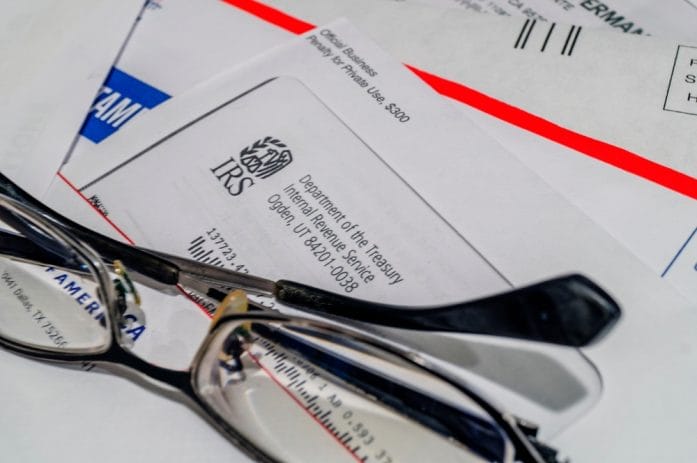
Letters from the IRS – Shutterstock

Tax season already brings enough stress without surprise mail from the IRS landing in the mailbox. Lately, more Americans have received something called a “math error notice,” and it often sparks confusion, frustration, and a little bit of panic. These notices do not always signal major trouble, but they do mean the IRS spotted something on a return that needs attention. The twist? Many of these “errors” do not come from simple math mistakes at all.

The IRS now uses automated systems more aggressively than ever, which means small mismatches can trigger big-looking letters. A missing form, a mismatched number, or even a typo can set off the system. That shift leaves many taxpayers wondering what went wrong and what to do next. The good news? These notices follow a structure, and once taxpayers understand how they work, the situation becomes far less intimidating.

What an IRS Math Error Notice Actually Means

A math error notice sounds dramatic, but it does not automatically mean a taxpayer did anything wrong. The IRS uses this label for any adjustment it makes to a tax return without launching a full audit. That adjustment might come from simple miscalculations, but it often stems from missing information or mismatched records. The agency corrects the return and then sends the notice explaining the change. Taxpayers usually see changes to refunds or balances owed after the adjustment.

These notices often reflect automated system decisions rather than human review. The IRS compares reported income, credits, and deductions against its internal databases. When something does not line up, the system flags it immediately. The result shows up in the form of a letter rather than a conversation. That process speeds things up, but it also increases confusion for taxpayers who expect a traditional review process.

Why the IRS Sends More Notices Now Than Before

The IRS continues to expand automation to handle millions of tax returns each year. Staffing shortages and increased filing volume push the agency toward faster digital review systems. Those systems scan returns quickly and flag anything that looks inconsistent. That efficiency leads to more math error notices, even when taxpayers did not actually make a mistake.

Modern tax rules also play a role in the increase. Credits like the Child Tax Credit and Earned Income Tax Credit require precise eligibility checks. Even small discrepancies in income reporting or dependent information can trigger adjustments. The IRS also receives third-party data from employers, banks, and financial institutions. When that data does not match a filed return, the system reacts immediately, which often results in a notice.

The Most Common Triggers Behind These Notices

Several common issues consistently trigger IRS math error notices, even for careful filers. One major cause involves mismatched Social Security numbers or dependent information. Another frequent trigger comes from incorrect income reporting compared to W-2 or 1099 forms submitted by employers. Even a small typo in a number can create a mismatch that the system flags.

Tax credits also create a large share of these notices. Families who claim dependents or education credits often face adjustments when documentation does not fully match IRS records. Math mistakes still happen too, especially when taxpayers calculate deductions manually instead of relying on software. The IRS system does not distinguish intent—it simply reacts to inconsistencies. That reality makes accuracy more important than ever during filing season.

What to Do When a Math Error Notice Arrives

An IRS notice can feel intimidating, but it does not require panic. The first step involves carefully reading the entire letter and identifying exactly what the IRS changed. The notice typically explains the adjustment, the reason behind it, and the resulting tax difference. Taxpayers should compare that information directly with their original return to spot the mismatch.

If the taxpayer disagrees with the change, they can respond with supporting documentation. That might include corrected forms, receipts, or employer records. The IRS allows a specific timeframe to dispute the adjustment, so timing matters. If the taxpayer agrees with the notice, they can simply accept the change and pay any additional tax owed. Either way, ignoring the notice creates bigger problems down the road.

How Taxpayers Can Avoid Future Math Error Notices

Preventing these notices starts with careful preparation and accurate recordkeeping. Taxpayers who rely on organized documents reduce the chance of mismatches significantly. Using tax software also helps catch common errors before submission. These systems cross-check data and flag inconsistencies before the IRS ever sees the return.

Double-checking every Social Security number, income entry, and credit claim makes a major difference. Taxpayers should also match their records with official IRS documents like W-2s and 1099s. Filing early can help too, since it gives more time to correct issues before deadlines. Careful attention upfront often prevents stressful mail later.

The IRS Is Sending More “Math Error” Notices—Here’s What They Really Mean
The front glass door of an IRS office – Shutterstock

What This Really Means for Taxpayers Going Forward

IRS math error notices continue to rise because the tax system now relies heavily on automation and data matching. That shift increases efficiency but also raises the chances of small discrepancies triggering official letters. Most notices do not signal serious wrongdoing, but they do require attention and action. Taxpayers who stay organized and respond quickly usually resolve issues without major complications. The key takeaway centers on accuracy, documentation, and timely response rather than fear of the notice itself.

What do you think—should the IRS simplify these notices to make them easier for everyday taxpayers to understand? Give us your opinions below in the comments.

You May Also Like…

7 “Trigger Words” the IRS Uses to Flag Returns Faster

Waiting on a Refund? New IRS Identity Flags Are Pulling More Returns

How the IRS’s New Digital Asset Form Could Affect Casual Crypto Users

The IRS’s New 1099-K Threshold Could Catch Side Hustlers Off Guard

California Prop 19 Alert: Why Heirs Are Receiving Supplemental Property Tax Bills

Brandon Marcus
Brandon Marcus

Brandon Marcus is a writer who has been sharing the written word since a very young age. His interests include sports, history, pop culture, and so much more. When he isn’t writing, he spends his time jogging, drinking coffee, or attempting to read a long book he may never complete.

Filed Under: tax tips Tagged With: American taxpayers, IRS, IRS audit, IRS letters, IRS notice explanation, math error notice, refund delay, tax mistakes, tax refunds, tax season, tax tips

What Happens if You Use Tax Software After Fraudulent Activity?

August 15, 2025 by Travis Campbell Leave a Comment

tax software
Image source: pexels.com

If you’ve ever worried about tax fraud, you’re not alone. Tax fraud can happen to anyone, and it’s a real headache. Maybe you found out someone used your Social Security number. Maybe you noticed a strange tax return filed in your name. Now, you’re wondering: what happens if you use tax software after fraudulent activity? This question matters because the wrong move can make things worse. Tax software is supposed to make life easier, but after fraud, it can get complicated fast. Here’s what you need to know if you’re thinking about using tax software after you’ve been hit by fraud.

1. Your Return Might Get Rejected

If someone has already filed a tax return using your information, the IRS will flag your Social Security number. When you try to file your own return through tax software, you might get an error message. The software will tell you that the IRS has already received a return with your details. This is a clear sign of tax fraud. At this point, you can’t just keep clicking “submit.” The IRS won’t accept two returns with the same Social Security number. You’ll need to take extra steps to fix the problem.

2. You’ll Need to Prove Your Identity

After fraud, the IRS wants to make sure you’re really you. If your return is rejected, you’ll likely need to verify your identity. Tax software can’t do this for you. The IRS might send you a letter asking you to call or visit a local office. Sometimes, you’ll need to use the IRS Identity Verification Service online. This process can take time and patience. You’ll need documents like your driver’s license, passport, or other ID. Until you prove who you are, your tax return will be on hold.

3. Filing Electronically May Not Be an Option

Tax software is built for electronic filing. But after fraud, e-filing might not work. If your Social Security number is flagged, the IRS will block electronic returns. The software will tell you to print your return and mail it in. This slows everything down. Paper returns take longer to process, and you might wait months for your refund. It’s frustrating, but it’s the safest way to make sure your real return gets to the IRS.

4. You’ll Need to File an Identity Theft Affidavit

If you suspect or know you’re a victim of tax fraud, you need to file IRS Form 14039, the Identity Theft Affidavit. Most tax software can’t do this automatically. You’ll have to download the form, fill it out, and mail it with your paper return. This tells the IRS you’re a victim and need help. The IRS will then investigate and put extra protections on your account.

5. Your Refund Will Be Delayed

After fraud, don’t expect a quick refund. The IRS needs time to sort out what happened. They’ll compare the fraudulent return with your real one. This can take weeks or even months. Tax software might show you an estimated refund date, but it won’t be accurate. The IRS will contact you if it needs more information. Be patient and keep checking your mail and IRS account for updates.

6. You Might Need to Contact the IRS Directly

Tax software is great for simple returns, but it can’t solve fraud. If you run into problems, you’ll need to call the IRS. Be ready for long wait times. When you get through, explain your situation clearly. Have your documents ready, including your last tax return, ID, and any IRS letters. The IRS can walk you through the next steps and tell you what to do next. You can also check the Federal Trade Commission’s identity theft resources for more help.

7. You’ll Need to Watch for More Fraud

Once you’ve been hit by tax fraud, you’re at higher risk for more problems. Criminals might try to use your information again. The IRS might give you an Identity Protection PIN (IP PIN) to use on future returns. This is a six-digit number that helps stop fraud. Tax software will ask for your IP PIN if you have one. Never share this number with anyone. Keep an eye on your credit reports and watch for suspicious activity.

8. You May Need to Update Your Tax Software Account

If you used tax software before the fraud, your account could be at risk. Change your password right away. Turn on two-factor authentication if it’s available. Check your account for any strange activity, like returns you didn’t file. If you see anything odd, contact the software company’s support team. They can help secure your account and guide you on what to do next.

9. You’ll Have to Be Extra Careful Next Year

After fraud, tax season gets more stressful. Start early next year. Gather your documents and file as soon as you can. The sooner you file, the less chance a criminal has to file before you. Use your IP PIN if you have one. Keep your tax software and computer updated to protect your information. Stay alert for phishing emails or fake IRS calls.

10. You Might Need Professional Help

Sometimes, tax fraud gets complicated. If you feel overwhelmed, consider talking to a tax professional. They can help you file your return, deal with the IRS, and protect your information. Some tax software companies offer audit support or identity theft help, but it’s not always enough. A professional can give you peace of mind and make sure you’re doing everything right.

Moving Forward After-Tax Fraud

Using tax software after fraudulent activity isn’t simple. You’ll face roadblocks, delays, and extra steps. But you can get through it. Stay organized, follow the IRS’s instructions, and protect your information. The most important thing is to act quickly and not ignore the problem. Tax fraud is stressful, but you can take control and get back on track.

Have you ever dealt with tax fraud or had trouble using tax software after identity theft? Share your story or tips in the comments below.

Read More

Are You Reading the Right Fine Print on Your Tax Refund?

6 Overlooked Retirement Age Triggers That Can Spike Your Tax Bill

Travis Campbell
Travis Campbell

Travis Campbell is a digital marketer/developer with over 10 years of experience and a writer for over 6 years. He holds a degree in E-commerce and likes to share life advice he’s learned over the years. Travis loves spending time on the golf course or at the gym when he’s not working.

Filed Under: tax tips Tagged With: identity theft, IRS, Personal Finance, refund delay, security, tax filing, tax fraud, tax return, tax software

Follow Us

Search this site:

Recent Posts

  • Can My Savings Account Affect My Financial Aid? by Tamila McDonald
  • 12 Ways Gen X’s Views Clash with Millennials… by Tamila McDonald
  • What Advantages and Disadvantages Are There To… by Jacob Sensiba
  • 10 Tactics for Building an Emergency Fund from Scratch by Vanessa Bermudez
  • Call 911: Go To the Emergency Room Immediately If… by Stephen Kanaval
  • 7 Weird Things You Can Sell Online by Tamila McDonald
  • 10 Scary Facts About DriveTime by Tamila McDonald

Copyright © 2026 · News Pro Theme on Genesis Framework