• Home
  • About Us
  • Toolkit
  • Getting Finances Done
    • Hiring Advisors
    • Debt Management
    • Spending Plan
  • Insurance
    • Life Insurance
    • Health Insurance
    • Disability Insurance
    • Homeowners/Renters Insurance
  • Contact Us
  • Risk Tolerance Quiz
  • Our Editorial Commitment

The Free Financial Advisor

You are here: Home / Archives for IRS audit

The IRS Is Cracking Down on Side Hustle Income Again in 2026

May 18, 2026 by Brandon Marcus Leave a Comment

The IRS Is Cracking Down on Side Hustle Income Again in 2026
A man on his bike, working for DoorDash – Shutterstock

The side hustle economy keeps booming across the United States, but the IRS now watches every dollar more closely than ever before. Gig apps, online marketplaces, and payment platforms continue to fuel extra income streams for millions of Americans, and tax rules struggle to keep up with that rapid growth. In 2026, the IRS steps up enforcement efforts that target unreported or underreported side hustle earnings with sharper reporting systems and tighter compliance checks. Freelancers, part-time sellers, rideshare drivers, and digital creators all feel the impact of these changes in real time.

Financial transparency no longer feels optional, especially when platforms automatically share income data with federal systems. This shift forces everyday earners to pay closer attention to how money moves through their accounts. Side income still offers opportunity, but the rules now demand far more precision and documentation than before.

Why the IRS Is Zeroing In on Side Hustle Income in 2026

The IRS focuses heavily on side hustle income because millions of Americans now rely on gig work as either supplemental or primary income. Platforms like Etsy, Uber, DoorDash, and PayPal automatically track transactions, which makes underreporting easier for the IRS to detect. Technology upgrades inside federal systems now allow faster matching of reported income versus actual payments received. Tax gaps widen when people forget or misunderstand reporting requirements, especially with multiple income streams. The IRS responds by tightening enforcement to close those gaps and boost overall compliance.

This crackdown does not target small earners unfairly, but it does require more accuracy from everyone participating in the gig economy. The agency now uses advanced data matching tools that flag inconsistencies within seconds instead of months. Digital payment networks feed structured reports directly into IRS databases, which reduces blind spots significantly. Side hustle growth created a massive shift in the tax landscape, and enforcement now catches up with that reality. Anyone earning outside a traditional paycheck now faces higher scrutiny and clearer expectations.

What Counts as Taxable Side Hustle Income Today

Taxable side hustle income includes far more than people often realize, and that confusion creates serious risk during tax season. Any money earned from freelance work, online sales, gig driving, or digital services qualifies as taxable income under IRS rules. Even casual selling through apps or marketplaces counts when profits exceed minimal thresholds. Cash payments, digital transfers, and platform deposits all fall under reporting requirements when tied to services or goods. The IRS treats side income the same as traditional wages when it comes to taxable responsibility.

Many people still assume small earnings fall outside reporting rules, but that assumption leads to penalties over time. Hobby income may seem informal, yet consistent profit-making activity pushes it into taxable territory quickly. Expenses tied to side hustles may reduce taxable income, but proper recordkeeping becomes essential. The IRS expects clear documentation that shows both income and legitimate business costs. Without records, deductions disappear, and tax liability increases faster than expected.

New Reporting Rules That Catch More Freelancers Off Guard

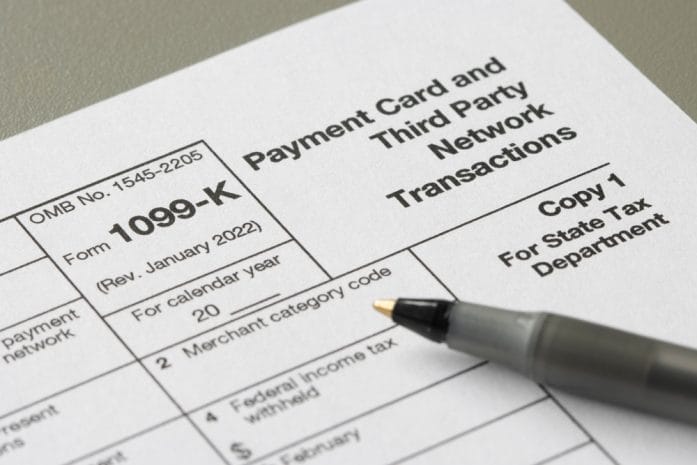
New reporting rules continue to expand across digital payment platforms, and those changes affect freelancers at every income level. The IRS pushes stricter 1099-K reporting standards that require third-party payment processors to report more transactions than ever before. Even smaller payments now trigger reporting when cumulative activity reaches lower thresholds. This change increases visibility for freelancers who rely on apps for client payments. Financial platforms now act as direct reporting intermediaries between users and the IRS.

These updates often surprise part-time earners who never considered themselves business operators. A few hundred dollars per month from multiple clients can now generate official tax documents automatically. Freelancers who rely on Venmo, PayPal, Cash App, or similar tools now receive far more detailed reporting statements. The IRS uses this data to cross-check self-reported income with platform submissions. Mismatches trigger notices quickly, which leaves little room for oversight or error.
The IRS Is Cracking Down on Side Hustle Income Again in 2026
A blank 1099-K form – Shutterstock

Smart Ways to Stay Ahead of IRS Scrutiny Without Panic

Strong organization helps side hustlers stay ahead of IRS expectations without feeling overwhelmed during tax season. Clear tracking systems for income and expenses create an immediate safety net when filing returns. Many earners use spreadsheets or accounting apps to separate personal and business transactions effectively. Consistent recordkeeping reduces stress and prevents last-minute scrambling when tax documents arrive. Organized finances also help identify deductions that reduce overall taxable income.

Professional guidance can also help clarify confusing rules without adding unnecessary stress. Tax professionals often spot deductions and reporting strategies that casual filers miss entirely. Estimated tax payments help prevent large surprises when filing deadlines arrive. Separate business accounts create cleaner financial records and reduce the risk of mixing personal spending with taxable income. Careful planning gives side hustlers more control and fewer surprises when IRS notices appear.

What This Crackdown Means for Everyday Earners Moving Forward

The 2026 IRS crackdown signals a long-term shift toward full visibility in the gig economy rather than a short-term enforcement wave. Side hustles remain a powerful income tool, but they now operate inside a much stricter reporting environment. Digital payment tracking continues to eliminate gaps that once allowed informal earnings to go unnoticed. Workers who adapt quickly gain more stability and fewer tax-season surprises. Those who ignore the changes risk penalties, interest charges, and unnecessary stress.

What changes stand out most in your own side hustle experience, and how do you plan to adjust going forward?

You May Also Like…

The IRS’s “Math Error” Notice Could Cost You More Than You Think

IRS Audit Rates Are Increasing for Middle-Income Earners—Here’s Why

The IRS’s New 1099-K Threshold Could Catch Side Hustlers Off Guard

7 Side Hustles Compatible with a Slower Pace

Side Hustles That Look Legit—Until They Break Tax Laws

Brandon Marcus
Brandon Marcus

Brandon Marcus is a writer who has been sharing the written word since a very young age. His interests include sports, history, pop culture, and so much more. When he isn’t writing, he spends his time jogging, drinking coffee, or attempting to read a long book he may never complete.


Filed Under: Lifestyle Tagged With: 1099-K, 2026 taxes, freelance income, gig economy, IRS, IRS audit, PayPal reporting, self-employment tax, side hustle, small business income, tax season, taxes, Venmo taxes

The IRS’s “Math Error” Notice Could Cost You More Than You Think

May 17, 2026 by Brandon Marcus Leave a Comment

The IRS’s “Math Error” Notice Could Cost You More Than You Think
A letter from the IRS – Shutterstock

The IRS rarely makes big announcements without consequences hiding behind the fine print, and the “Math Error” notice stands out as one of the most overlooked. This notice often arrives after a tax return review and signals that something on a return does not add up according to IRS systems. Many taxpayers assume it means a simple typo or harmless correction, but the reality can feel much sharper once the numbers change.

Refunds shrink, balances jump, and penalties can appear faster than expected. The biggest surprise comes from how quickly the IRS can adjust a return without needing a full audit. That speed leaves little room for hesitation or confusion. A small mistake on paper can snowball into a costly financial shift if no one responds in time.

What the IRS Math Error Notice Really Means

The IRS sends a math error notice when its automated systems detect discrepancies in calculations, credits, or reported income. The agency does not need to open a full audit to make adjustments, which allows it to correct returns rapidly. These changes often involve missed income, incorrect dependents, or miscalculated credits like the Child Tax Credit or Earned Income Tax Credit. The notice explains the adjustment and shows how the IRS changed the return. Many taxpayers miss the importance of the response window, which usually lasts only 60 days.

The IRS treats this notice as a legal adjustment unless the taxpayer responds with proof or disagreement. That detail matters because silence locks in the change automatically. Taxpayers often overlook the fact that the IRS already assumes its calculation stands correct unless challenged. The notice may appear routine, but it carries real financial consequences that demand immediate attention. A quick review can reveal whether the IRS made a simple correction or a costly mistake.

Why a Small IRS Adjustment Can Turn Into a Bigger Bill

A math error notice rarely stays small once penalties and interest enter the picture. The IRS recalculates the return based on its findings and immediately adjusts the refund or balance owed. Interest starts accruing on unpaid amounts, even if the taxpayer disagrees with the adjustment. That timeline creates pressure because delays increase the final amount due. Many taxpayers underestimate how fast those extra charges grow.

The financial impact often surprises people because the IRS does not wait for confirmation before applying changes. A refund that looked solid on paper can shrink by hundreds or even thousands of dollars overnight. A balance due can also appear out of nowhere when credits get removed or reduced. The system prioritizes speed and correction over negotiation at this stage. That structure means quick action becomes the only real defense against rising costs.

Common Triggers That Lead to IRS Math Error Notices

Several common filing issues trigger these notices every tax season. Incorrect Social Security numbers for dependents often lead the list, especially when parents mix up digits during filing. Misreported income from W-2s or 1099s also creates mismatches between IRS records and tax returns. Taxpayers sometimes claim credits without meeting eligibility rules, which instantly flags the return. Even small math mistakes in manual entries can trigger automatic corrections.

The IRS also flags returns when filing status does not match supporting documentation. For example, claiming head of household status without qualifying criteria often leads to adjustments. Missing or duplicate income entries create another major trigger point. Tax software reduces some errors, but it does not eliminate taxpayer input mistakes. Careful review before filing can prevent many of these issues from ever reaching the IRS system.

The IRS’s “Math Error” Notice Could Cost You More Than You Think
A woman reading a letter from the IRS – Shutterstock

How to Respond Before the IRS Locks In the Change

The IRS gives taxpayers a limited window to respond, and that window plays a critical role in protecting refunds or reducing balances owed. A taxpayer can agree with the notice and accept the correction, or disagree and submit documentation to support the original return. Supporting records might include W-2 forms, dependent verification, or corrected 1099 statements. Clear and organized evidence increases the chance of reversing the adjustment. Speed matters because delays often strengthen the IRS position.

Tax professionals often recommend responding immediately instead of waiting to gather information later. The IRS already assumes the adjustment stands, so silence removes negotiation power. A written response with clear proof can reopen the case for review. Many taxpayers regain lost refunds simply by providing missing or corrected documentation. A proactive response often changes the outcome entirely.

Protecting Yourself From IRS Math Error Surprises in the Future

Taxpayers reduce risk significantly when they double-check every entry before submitting a return. Accuracy in Social Security numbers, income reporting, and credit eligibility prevents most math error notices. Reviewing IRS transcripts after filing also helps catch mismatches early. Filing early gives more time to fix issues before deadlines close response windows. Small habits like these create a strong defense against unexpected adjustments.

Tax filing software helps, but it does not replace careful human review. Many errors still come from rushed inputs or assumptions about eligibility rules. Organized recordkeeping throughout the year makes tax season smoother and less stressful. Staying alert to IRS mail notices ensures quick responses when issues arise. A careful approach keeps money where it belongs instead of letting corrections drain it away.

What steps would make tax season feel less stressful and more predictable for your household? We want to hear your thoughts below in our comments.

You May Also Like…

The IRS Is Sending More “Math Error” Notices—Here’s What They Really Mean

7 “Trigger Words” the IRS Uses to Flag Returns Faster

7 New IRS Changes That Could Delay Your 2026 Tax Refund

6 Mistakes People Make When Appealing an IRS Identity Check

Estate Portability Warning: Why One IRS Form Protects a Surviving Spouse’s $15M Exemption

Brandon Marcus
Brandon Marcus

Brandon Marcus is a writer who has been sharing the written word since a very young age. His interests include sports, history, pop culture, and so much more. When he isn’t writing, he spends his time jogging, drinking coffee, or attempting to read a long book he may never complete.

Filed Under: tax tips Tagged With: IRS, IRS audit, IRS correspondence, IRS notice, math error notice, money tips, Personal Finance, tax filing, tax penalties, tax refund, tax return mistakes

The IRS Is Sending More “Math Error” Notices—Here’s What They Really Mean

May 12, 2026 by Brandon Marcus Leave a Comment

The IRS Is Sending More “Math Error” Notices—Here’s What They Really Mean
Letters from the IRS – Shutterstock

Tax season already brings enough stress without surprise mail from the IRS landing in the mailbox. Lately, more Americans have received something called a “math error notice,” and it often sparks confusion, frustration, and a little bit of panic. These notices do not always signal major trouble, but they do mean the IRS spotted something on a return that needs attention. The twist? Many of these “errors” do not come from simple math mistakes at all.

The IRS now uses automated systems more aggressively than ever, which means small mismatches can trigger big-looking letters. A missing form, a mismatched number, or even a typo can set off the system. That shift leaves many taxpayers wondering what went wrong and what to do next. The good news? These notices follow a structure, and once taxpayers understand how they work, the situation becomes far less intimidating.

What an IRS Math Error Notice Actually Means

A math error notice sounds dramatic, but it does not automatically mean a taxpayer did anything wrong. The IRS uses this label for any adjustment it makes to a tax return without launching a full audit. That adjustment might come from simple miscalculations, but it often stems from missing information or mismatched records. The agency corrects the return and then sends the notice explaining the change. Taxpayers usually see changes to refunds or balances owed after the adjustment.

These notices often reflect automated system decisions rather than human review. The IRS compares reported income, credits, and deductions against its internal databases. When something does not line up, the system flags it immediately. The result shows up in the form of a letter rather than a conversation. That process speeds things up, but it also increases confusion for taxpayers who expect a traditional review process.

Why the IRS Sends More Notices Now Than Before

The IRS continues to expand automation to handle millions of tax returns each year. Staffing shortages and increased filing volume push the agency toward faster digital review systems. Those systems scan returns quickly and flag anything that looks inconsistent. That efficiency leads to more math error notices, even when taxpayers did not actually make a mistake.

Modern tax rules also play a role in the increase. Credits like the Child Tax Credit and Earned Income Tax Credit require precise eligibility checks. Even small discrepancies in income reporting or dependent information can trigger adjustments. The IRS also receives third-party data from employers, banks, and financial institutions. When that data does not match a filed return, the system reacts immediately, which often results in a notice.

The Most Common Triggers Behind These Notices

Several common issues consistently trigger IRS math error notices, even for careful filers. One major cause involves mismatched Social Security numbers or dependent information. Another frequent trigger comes from incorrect income reporting compared to W-2 or 1099 forms submitted by employers. Even a small typo in a number can create a mismatch that the system flags.

Tax credits also create a large share of these notices. Families who claim dependents or education credits often face adjustments when documentation does not fully match IRS records. Math mistakes still happen too, especially when taxpayers calculate deductions manually instead of relying on software. The IRS system does not distinguish intent—it simply reacts to inconsistencies. That reality makes accuracy more important than ever during filing season.

What to Do When a Math Error Notice Arrives

An IRS notice can feel intimidating, but it does not require panic. The first step involves carefully reading the entire letter and identifying exactly what the IRS changed. The notice typically explains the adjustment, the reason behind it, and the resulting tax difference. Taxpayers should compare that information directly with their original return to spot the mismatch.

If the taxpayer disagrees with the change, they can respond with supporting documentation. That might include corrected forms, receipts, or employer records. The IRS allows a specific timeframe to dispute the adjustment, so timing matters. If the taxpayer agrees with the notice, they can simply accept the change and pay any additional tax owed. Either way, ignoring the notice creates bigger problems down the road.

How Taxpayers Can Avoid Future Math Error Notices

Preventing these notices starts with careful preparation and accurate recordkeeping. Taxpayers who rely on organized documents reduce the chance of mismatches significantly. Using tax software also helps catch common errors before submission. These systems cross-check data and flag inconsistencies before the IRS ever sees the return.

Double-checking every Social Security number, income entry, and credit claim makes a major difference. Taxpayers should also match their records with official IRS documents like W-2s and 1099s. Filing early can help too, since it gives more time to correct issues before deadlines. Careful attention upfront often prevents stressful mail later.

The IRS Is Sending More “Math Error” Notices—Here’s What They Really Mean
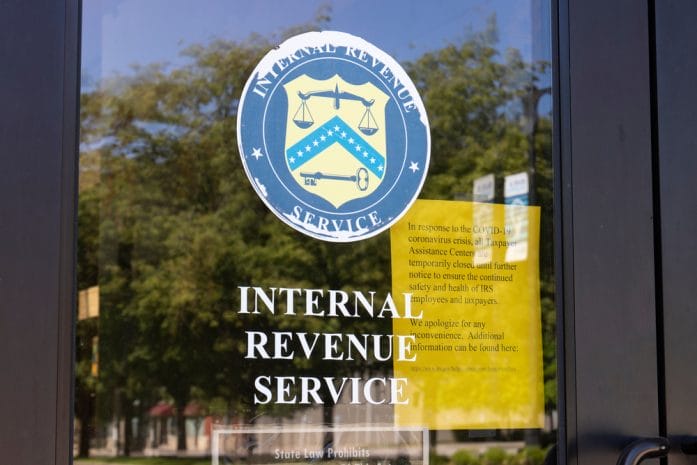
The front glass door of an IRS office – Shutterstock

What This Really Means for Taxpayers Going Forward

IRS math error notices continue to rise because the tax system now relies heavily on automation and data matching. That shift increases efficiency but also raises the chances of small discrepancies triggering official letters. Most notices do not signal serious wrongdoing, but they do require attention and action. Taxpayers who stay organized and respond quickly usually resolve issues without major complications. The key takeaway centers on accuracy, documentation, and timely response rather than fear of the notice itself.

What do you think—should the IRS simplify these notices to make them easier for everyday taxpayers to understand? Give us your opinions below in the comments.

You May Also Like…

7 “Trigger Words” the IRS Uses to Flag Returns Faster

Waiting on a Refund? New IRS Identity Flags Are Pulling More Returns

How the IRS’s New Digital Asset Form Could Affect Casual Crypto Users

The IRS’s New 1099-K Threshold Could Catch Side Hustlers Off Guard

California Prop 19 Alert: Why Heirs Are Receiving Supplemental Property Tax Bills

Brandon Marcus
Brandon Marcus

Brandon Marcus is a writer who has been sharing the written word since a very young age. His interests include sports, history, pop culture, and so much more. When he isn’t writing, he spends his time jogging, drinking coffee, or attempting to read a long book he may never complete.
Filed Under: tax tips Tagged With: American taxpayers, IRS, IRS audit, IRS letters, IRS notice explanation, math error notice, refund delay, tax mistakes, tax refunds, tax season, tax tips

7 “Trigger Words” the IRS Uses to Flag Returns Faster

May 11, 2026 by Brandon Marcus Leave a Comment

9 “Trigger Words” the IRS Uses to Flag Returns Faster
An IRS agent looking over a rule book – Shutterstock

Tax season turns even calm people into nervous wrecks once the word “audit” enters the conversation. The IRS relies on automated systems that scan millions of returns every year, and certain words, phrases, and claims immediately attract extra attention. A return does not need fraud to trigger scrutiny because unusual deductions, massive losses, and sloppy reporting often spark the same reaction.

Smart taxpayers know the biggest danger usually comes from exaggerated claims that fail to match income, industry standards, or reported expenses. Let’s discuss seven trigger words and phrases that push returns higher on the IRS radar.

1. “Home Office” Still Makes the IRS Take a Hard Look

The home office deduction saves real money, but it also attracts intense IRS scrutiny because taxpayers frequently stretch the rules beyond reality. A legitimate deduction requires a space used exclusively and regularly for business, which means the kitchen table beside a pile of homework usually fails the test. Freelancers, consultants, and remote workers often trigger problems when they claim huge percentages of rent, utilities, or internet costs without accurate measurements or documentation.

The IRS computer system compares home office deductions against income levels and industry averages, so oversized claims jump off the screen fast. A graphic designer who earns $35,000 but deducts half the house as office space practically sends an engraved invitation for questions. Clear floor plans, utility bills, and organized records dramatically lower the odds of trouble.

2. “Charitable Donations” Can Raise Eyebrows Quickly

Charitable deductions sound generous, but inflated claims often spark IRS suspicion because taxpayers frequently overestimate the value of donated items. Clothing donations create one of the biggest issues since people routinely assign luxury-store prices to faded sweaters and old shoes. The IRS expects receipts, written acknowledgments, and realistic valuations, especially when deductions exceed a few hundred dollars.

Large cash donations also attract attention when they look wildly inconsistent with reported income. Someone earning $45,000 who suddenly claims $20,000 in donations will almost certainly trigger additional scrutiny. Tax experts often recommend keeping photos, receipts, and donation logs because organized records stop small questions from becoming giant problems.

3. “Business Losses” Often Trigger Extra Attention

The IRS understands that businesses lose money sometimes, but repeated annual losses create suspicion fast. Small side hustles frequently cross into dangerous territory when taxpayers treat hobbies like businesses just to rack up deductions. A photography business that reports losses for six straight years while generating barely any revenue looks less like entrepreneurship and more like creative accounting.

The agency pays especially close attention to businesses involving travel, entertainment, horses, collectibles, or online influencing because taxpayers often blur personal and business expenses. Clear invoices, contracts, profit goals, and marketing activity help prove legitimate business intent. Strong documentation gives taxpayers a fighting chance if the IRS starts asking tough questions.

Between aggressive deduction claims and inconsistent income reports, many taxpayers accidentally create patterns that automated IRS systems flag within seconds. The agency’s software compares similar occupations, income brackets, and deduction averages, so unusual numbers rarely hide for long. Honest taxpayers still win by keeping organized records, filing accurate information, and avoiding exaggerated write-offs that look too good to believe.

4. “Cryptocurrency” Sends Instant Signals to the IRS

Cryptocurrency reporting exploded into a major IRS focus after years of underreported gains and confusion about digital assets. Bitcoin, Ethereum, and meme coins may feel futuristic, but the IRS treats them like taxable property with strict reporting rules. Every sale, trade, or conversion can create taxable events, even when taxpayers never cash out into traditional dollars.

The IRS now asks direct crypto questions on federal tax returns, which means skipping details can create major risks. Crypto exchanges regularly share customer data with tax authorities, so missing transactions rarely stay invisible forever. Taxpayers who track every transaction carefully and use accurate gain calculations usually avoid the nightmare of surprise penalties later.

5. “Round Numbers” Make Returns Look Suspicious

Perfectly rounded deductions often signal guesswork instead of accurate bookkeeping, and IRS systems notice those patterns immediately. Expenses listed as exactly $5,000 for travel, $2,000 for meals, and $7,000 for supplies create a return that feels manufactured rather than documented. Real financial records almost always include uneven totals because actual receipts rarely land on perfect numbers.

Tax preparers constantly warn clients about this mistake because sloppy estimates can snowball into bigger credibility problems. The IRS may start questioning every deduction once a return looks padded with convenient guesses. Detailed logs, bank statements, and expense-tracking apps create a much stronger defense than rough estimates scribbled together at midnight before filing deadlines.

9 “Trigger Words” the IRS Uses to Flag Returns Faster
Unfinished tax returns – Shutterstock

6. “Cash Income” Creates Serious Audit Risk

Cash-heavy businesses face intense IRS attention because underreporting remains incredibly common in industries that rely on tips or direct payments. Restaurants, salons, construction jobs, rideshare gigs, and flea market sales often generate income streams that taxpayers forget or intentionally ignore. The IRS compares income reports against industry averages, credit card records, and even public lifestyle clues when numbers appear suspiciously low.

A bartender who reports tiny income while financing luxury vacations and expensive car payments practically waves a red flag in front of auditors. Digital payment platforms like Venmo, PayPal, and Cash App also report more transaction data than many taxpayers realize. Accurate income reporting protects taxpayers far better than gambling against increasingly sophisticated tracking systems.

7. “Dependent Claims” Spark Plenty of IRS Disputes

Dependents save taxpayers serious money, which explains why the IRS aggressively reviews questionable claims every year. Divorced parents often trigger disputes when both parties attempt to claim the same child on separate returns. College students, elderly relatives, and adult children also create confusion when financial support arrangements become murky or inconsistent.

The IRS looks closely at residency, support percentages, and custody agreements when reviewing dependent claims. Incorrect filings can delay refunds for months while the agency sorts out conflicting information. Accurate records, signed agreements, and careful communication prevent emotional family disputes from turning into expensive tax problems.

More Than Fear: Smart Filing Wins Every Time

The IRS does not target taxpayers randomly because automated systems search for inconsistencies, exaggerated deductions, and patterns that fail basic credibility tests. Most audits start with simple mismatches between reported income, deductions, and supporting records rather than dramatic criminal schemes straight from a movie. Taxpayers who keep organized paperwork, report income honestly, and avoid aggressive shortcuts usually move through tax season without major trouble.

Fear causes plenty of people to panic about ordinary deductions, but legitimate claims backed by strong documentation rarely create lasting issues. Smart taxpayers treat tax returns like financial blueprints instead of marketing brochures designed to impress the government with giant write-offs.

Which IRS trigger word surprises you the most, and which one seems easiest for taxpayers to mess up?

You May Also Like…

6 Mistakes People Make When Appealing an IRS Identity Check

Waiting on a Refund? New IRS Identity Flags Are Pulling More Returns

7 New IRS Changes That Could Delay Your 2026 Tax Refund

New York’s Rent-Audit Increase: Why More Seniors Are Getting Verification Letters

7 Common Deductions That Are Getting More Scrutiny From the IRS

Brandon Marcus
Brandon Marcus

Brandon Marcus is a writer who has been sharing the written word since a very young age. His interests include sports, history, pop culture, and so much more. When he isn’t writing, he spends his time jogging, drinking coffee, or attempting to read a long book he may never complete.

Filed Under: tax tips Tagged With: cryptocurrency taxes, deductions, financial advice, freelance income, IRS, IRS audit, Personal Finance, saving advice, small business taxes, tax filing, tax mistakes, tax return, taxes

Unreported Income: How the IRS Finds Out (and What It Costs You)

April 14, 2026 by Brandon Marcus Leave a Comment

Unreported Income: How the IRS Finds Out (and What It Costs You)
Image Source: Shutterstock.com

The fastest way to turn a good year into a financial nightmare involves ignoring income that never makes it onto a tax return. That decision might feel harmless in the moment, especially when the money comes from a side gig, freelance project, or cash payment that seems invisible. Yet the system watching those dollars does not blink, forget, or lose track nearly as often as people assume. The IRS operates with a wide network of reporting systems, matching tools, and digital trails that quietly connect the dots long after the money lands in a bank account.

The real shock does not come from getting caught, though that part stings. The shock hits when the bill arrives, stacked with penalties, interest, and sometimes legal consequences that stretch far beyond the original amount owed. What started as a small omission can snowball into something that reshapes financial plans for years. Understanding how the IRS finds unreported income and what happens next does more than satisfy curiosity. It can save serious money, stress, and long-term damage.

The Paper Trail Never Sleeps

Money rarely disappears as cleanly as it feels in the moment. Every paycheck, freelance payment, and digital transfer leaves behind a trail, and the IRS relies heavily on third-party reporting to track it all. Employers submit W-2 forms, businesses send out 1099s, and payment platforms report transactions that cross certain thresholds. These documents flow straight to the IRS, which then compares them against filed tax returns using automated systems designed to flag mismatches quickly and efficiently.

That matching process does not require suspicion or a tip. It runs automatically, scanning for gaps between reported income and what third parties have already disclosed. When numbers do not line up, the system raises a red flag, often triggering a notice or further review. Even small discrepancies can get attention, especially when they repeat across multiple years or involve consistent underreporting patterns.

Digital payments have made tracking even easier. Platforms that handle online sales, gig work, or peer-to-peer transfers often report earnings directly to the IRS, especially when activity exceeds reporting thresholds. Bank deposits can also draw attention when they look inconsistent with reported income levels. A lifestyle that suggests higher earnings than what appears on paper can spark closer scrutiny, particularly during audits.

Ignoring this reality creates risk that grows over time. The IRS does not need to catch everything immediately because it can revisit past returns within a certain timeframe. That means unreported income from years ago can still come back into focus, especially if newer filings raise questions. Staying consistent and accurate with income reporting eliminates the mismatch that triggers these deeper investigations.

When the Numbers Don’t Match, the Bills Begin

Once the IRS identifies unreported income, the process shifts from quiet detection to active collection. The agency typically sends a notice outlining the discrepancy and proposing additional tax owed based on the information it received from third parties. That notice does not arrive as a gentle suggestion. It comes with a calculated amount that includes not just the missing tax, but penalties and interest that have already started accumulating.

The most common penalty involves failure to report income accurately, which can add a significant percentage to the original tax bill. Interest continues to build daily, increasing the total amount owed the longer the balance remains unpaid. In more serious cases, especially when the IRS believes someone intentionally concealed income, penalties can rise sharply and even include fraud-related charges.

Audits can follow, especially when discrepancies appear large or repeated. During an audit, the IRS examines financial records in detail, looking for additional inconsistencies or patterns of underreporting. That process demands time, documentation, and often professional assistance, all of which add another layer of cost and stress.

The financial hit rarely stops at taxes and penalties. Unresolved tax debt can lead to liens, which attach to property and affect credit, or levies, which allow the IRS to seize assets or garnish wages. These enforcement actions do not happen overnight, but they remain firmly within the IRS toolkit when taxpayers fail to address outstanding balances. Acting quickly after receiving a notice can limit damage and open the door to payment plans or other resolution options.

Cash, Side Hustles, and the Myth of “Invisible” Income

Cash income often feels like it exists outside the system, but that assumption creates one of the most common and costly mistakes in tax reporting. The IRS requires reporting all income, regardless of whether it comes with a formal document like a 1099 or arrives in cash. That includes tips, freelance work, small business earnings, and even occasional side jobs that bring in extra money throughout the year.

Banking habits can expose unreported cash faster than expected. Regular deposits that do not match reported income can raise questions, especially when they appear consistent over time. Financial institutions also maintain records that can support IRS inquiries during audits, making it harder to explain unexplained income after the fact.

Online marketplaces and gig platforms have tightened reporting rules in recent years, reducing the gray areas that once allowed some earnings to slip through unnoticed. As reporting thresholds evolve, more transactions fall under mandatory disclosure, increasing the likelihood that the IRS already has a record of those earnings before a tax return gets filed.

Treating all income as reportable from the start removes uncertainty and reduces risk. Keeping organized records, tracking expenses, and setting aside money for taxes throughout the year helps avoid last-minute surprises. Those habits also make it easier to respond confidently if the IRS ever asks questions about income sources or financial activity.

Smart Moves That Keep Trouble Off the Radar

Staying compliant with tax laws does not require perfection, but it does demand attention and consistency. Filing accurate returns based on complete income records forms the foundation of that effort. Using tax software or working with a qualified professional can help identify gaps and ensure that all reportable income makes it onto the return.

Responding quickly to IRS notices can prevent small issues from escalating. Ignoring a letter does not make it disappear, and delays often increase penalties and interest. Addressing concerns early, even when they involve errors, shows good faith and can lead to more manageable resolutions.

Setting aside a portion of income for taxes throughout the year creates a financial buffer that reduces stress when filing season arrives. This approach works especially well for freelancers, contractors, and anyone with variable income streams. Estimated tax payments can also help avoid underpayment penalties and keep accounts current. Maintaining clear records strengthens any defense against potential audits. Receipts, invoices, bank statements, and expense logs provide the documentation needed to support reported income and deductions. Organized records not only simplify tax filing but also create confidence when dealing with any IRS inquiries.

Unreported Income: How the IRS Finds Out (and What It Costs You)
Image Source: Shutterstock.com

The Real Cost of Cutting Corners

Skipping income on a tax return might save money in the short term, but that decision rarely holds up under scrutiny. The IRS has built systems designed to detect discrepancies, and those systems continue to improve as more financial activity moves into digital spaces. What feels like a small omission can quickly evolve into a larger financial burden once penalties, interest, and enforcement actions come into play.

What strategies have worked best for you when handling tricky income situations, or what lessons have come from close calls with tax reporting? Give us your thoughts, insights, or experiences in the comments.

You May Also Like…

IRS Audits Very Few Returns — But These 5 Triggers Put You at Risk

The IRS Doesn’t Warn You Twice — Tax Deadlines That Could Cost You Thousands

The IRS Letter You Shouldn’t Ignore and What To Do If You Get One

Penalty Traps: Everyday Actions That Trigger IRS Fines

The IRS Is Sending More “Math Error” Notices — Why You Could Owe Without Realizing It

Brandon Marcus
Brandon Marcus

Brandon Marcus is a writer who has been sharing the written word since a very young age. His interests include sports, history, pop culture, and so much more. When he isn’t writing, he spends his time jogging, drinking coffee, or attempting to read a long book he may never complete.

Filed Under: Tax Planning Tagged With: financial advice, income reporting, IRS, IRS audit, money mistakes, Personal Finance, tax audit, tax compliance, tax penalties, tax tips, taxes, unreported income

8 Financial Moves That Trigger Gift Tax Audits

August 20, 2025 by Travis Campbell Leave a Comment

tax plan
Image source: pexels.com

Gift taxes might sound like something only the ultra-wealthy have to worry about, but the reality is a bit different. The IRS keeps a close eye on large gifts, and certain financial moves can put you on their radar. Ignoring the rules or making mistakes with gift tax reporting could trigger an audit, leading to stress and potential penalties. Understanding which actions might lead to a gift tax audit is key to avoiding trouble. By knowing what to watch for, you can keep your finances—and your peace of mind—in good shape. Let’s break down eight financial moves most likely to trigger a gift tax audit.

1. Giving Large Cash Gifts Without Reporting

If you hand over a large sum of money—anything above the annual exclusion amount—to someone, it’s not just a generous gesture. The IRS expects you to report gifts over $17,000 per recipient (for 2024). Failing to file Form 709 for these large cash gifts is one of the quickest ways to raise red flags. The agency cross-checks bank transfers and other financial activity, so skipping reporting can easily lead to a gift tax audit.

Even if you think the recipient won’t report it, banks and financial institutions often do. Large withdrawals or deposits can prompt the IRS to look closer at your transactions, especially if you make a habit of giving substantial gifts.

2. Transferring Real Estate to Family for Less Than Market Value

Giving a house or property to a loved one for far less than what it’s worth is a classic move that can invite scrutiny. The IRS sees the difference between the market value and the sale price as a gift. If you transfer real estate and underreport its value or skip the paperwork, you’re risking a gift tax audit. Appraisals and proper documentation are essential if you want to avoid problems down the road.

This rule applies to vacation homes, rental properties, and even land. It’s tempting to help out a family member with a “sweetheart deal,” but if the numbers don’t add up, the IRS may step in to investigate the true nature of the transaction.

3. Paying Tuition or Medical Bills Improperly

Paying someone else’s tuition or medical expenses can be excluded from gift tax, but only if you pay the institution or provider directly. Writing a check to your grandchild or friend to cover their bills doesn’t qualify. If you don’t follow the rules and try to claim these payments as exempt, the IRS could audit your gift tax filings.

Always pay the school or medical provider directly if you want to take advantage of this exception. Otherwise, your well-intentioned help could end up being counted as a taxable gift.

4. Making Repeated Gifts Just Below the Reporting Threshold

Some people try to avoid the gift tax audit by giving multiple gifts just under the annual exclusion to the same person. While staying under the limit is allowed, a pattern of regular, just-below-threshold gifts can look suspicious. The IRS may see this as an attempt to sidestep gift tax rules and decide to investigate further.

If you’re making a series of gifts that add up to a large amount, keep detailed records and be prepared to explain your intentions. Transparency is your best defense here.

5. Forgiving Large Loans to Friends or Family

It’s common to lend money to loved ones, but if you later forgive the loan, the IRS may view this as a gift. If the forgiven amount exceeds the annual exclusion, you’re required to report it. Skipping this step increases your risk of a gift tax audit, especially if the original loan was significant.

Document the terms of any loan you make and what happens if you forgive the debt. Proper paperwork can help you avoid misunderstandings—and trouble with the IRS.

6. Gifting Business Interests or Shares

Transferring business shares or ownership stakes to family or friends is another move that often triggers a gift tax audit. Valuing a business is complicated, and underreporting the value to reduce taxes is a common mistake. The IRS pays close attention to these transactions, especially when family businesses are involved.

If you plan to gift business interests, get a professional appraisal. Accurate documentation can protect you from unwanted attention and possible penalties.

7. Using Complex Trusts for Gifting

Trusts can be a smart way to manage assets and gifts but using them incorrectly can draw IRS scrutiny. Complex trust structures, especially those that lack clear documentation or involve large sums, are a frequent target for gift tax audits. The IRS wants to make sure these vehicles aren’t being used to hide gifts or avoid taxes.

If you’re considering a trust for gifting, consult a qualified estate planner or tax professional. Mistakes here can be costly and time-consuming to fix.

8. Failing to Report Gifts to Non-Citizens or Non-Residents

Gift tax rules differ for gifts to non-citizens and non-residents. The thresholds and exemptions can be much lower, and special forms are often required. Missing these details or failing to report such gifts can quickly trigger a gift tax audit. The IRS keeps a close watch on international transfers due to concerns about tax evasion and money laundering.

If you’re making gifts to someone outside the U.S., be sure to research the rules carefully. You can find helpful information on the IRS’s gift tax page and from professional advisors familiar with cross-border issues.

Protecting Yourself from a Gift Tax Audit

Staying on the right side of gift tax rules is all about understanding what the IRS looks for. Keep thorough records, file the proper forms, and don’t try to skirt the rules with creative accounting. If you’re unsure, consult a tax professional. Taking proactive steps can help you avoid the stress and expense of a gift tax audit.

Have you ever had to report a large gift or faced questions from the IRS? Share your experiences or questions in the comments below!

Read More

The Estate Planning Loophole That Now Flags You For Audit

7 Ill Advised Advisor Tips That Trigger IRS Audits

Travis Campbell
Travis Campbell

Travis Campbell is a digital marketer/developer with over 10 years of experience and a writer for over 6 years. He holds a degree in E-commerce and likes to share life advice he’s learned over the years. Travis loves spending time on the golf course or at the gym when he’s not working.

Filed Under: Tax Planning Tagged With: Estate planning, financial compliance, gift tax, IRS audit, real estate gifts, tax reporting

6 IRS Letters That Could Signal Trouble — Even If You Think You Filed Correctly

August 17, 2025 by Catherine Reed Leave a Comment

6 IRS Letters That Could Signal Trouble — Even If You Think You Filed Correctly
Image source: 123rf.com

Few things create more anxiety than receiving unexpected mail from the IRS. Even if you are confident your tax return was accurate and submitted on time, certain notices can indicate potential problems. These letters often require a timely response and may involve additional documentation, payments, or explanations. Knowing the meaning behind 6 IRS letters that could signal trouble — even if you think you filed correctly — can help you respond quickly and reduce the risk of escalating issues. Here’s what each of these notices typically means and why they matter.

1. CP2000: Proposed Changes to Your Return

The CP2000 is one of the most common letters on the list of 6 IRS letters that could signal trouble — even if you think you filed correctly. It means the IRS’s records, such as W-2s or 1099s reported by employers or financial institutions, do not match the income or deductions listed on your return. While it is not an official audit, it often results in proposed changes that can increase your tax bill. Sometimes these discrepancies are due to missing forms or reporting errors by third parties. Even if you believe you reported everything correctly, it’s important to review the details and respond promptly.

2. CP14: Unpaid Taxes Notice

Receiving a CP14 means the IRS believes you owe unpaid taxes for a specific year. This can happen if the IRS adjusted your return after processing it, or if payments were not properly applied. On the list of 6 IRS letters that could signal trouble — even if you think you filed correctly — this one is critical because ignoring it can lead to penalties and interest. Sometimes, the issue stems from a simple clerical error or timing mismatch in processing payments. Verifying your records and contacting the IRS quickly can help resolve the matter before it escalates.

3. CP501 or CP503: Balance Due Reminders

These letters are follow-ups to an initial unpaid tax notice and are part of the collection process. In the context of the 6 IRS letters that could signal trouble — even if you think you filed correctly — they indicate the IRS believes you still have an outstanding balance. CP501 is a friendly reminder, while CP503 is more urgent, warning that further action will be taken if you don’t respond. Even if you are certain your taxes were paid, it’s possible the payment was misapplied or a return adjustment was made without your knowledge. The sooner you address the notice, the easier it is to avoid further collection efforts.

4. CP504: Notice of Intent to Levy

Among the 6 IRS letters that could signal trouble — even if you think you filed correctly — the CP504 is one of the most serious. It means the IRS intends to seize certain assets, such as state tax refunds, to satisfy a debt it believes you owe. This letter is a precursor to more aggressive collection actions, including wage garnishments or bank levies. Sometimes, the problem is a result of unaddressed earlier notices that you did not receive or did not realize required a response. Immediate action is needed to protect your assets and resolve the alleged balance.

5. Letter 566: Examination Audit Notice

A Letter 566 means your return has been selected for an examination, which is the IRS term for an audit. As part of the 6 IRS letters that could signal trouble — even if you think you filed correctly — this notice should never be ignored. The audit may be a correspondence audit handled by mail, or it could require an in-person meeting. Even if your filing was accurate, audits can be time-consuming and require substantial documentation to prove your reported income and deductions. Responding promptly and accurately is key to minimizing stress and potential adjustments.

6. Letter 1058: Final Notice of Intent to Levy and Notice of Your Right to a Hearing

This is one of the most urgent letters in the list of 6 IRS letters that could signal trouble — even if you think you filed correctly. It means the IRS is preparing to take collection action against your wages, bank accounts, or other property. The letter also informs you of your right to request a Collection Due Process hearing, which is your last chance to dispute the debt before the levy occurs. Even if you believe the balance is wrong, failing to act quickly can result in immediate financial consequences. Legal or tax professional assistance is strongly recommended at this stage.

Staying Calm and Taking Action Quickly

While receiving any of the 6 IRS letters that could signal trouble — even if you think you filed correctly — can be unsettling, the most important step is to act promptly. Most issues can be resolved with the right documentation and communication, especially if they stem from misunderstandings or clerical errors. Ignoring the notices only increases penalties, interest, and the risk of enforced collection. Start by reading each letter carefully. Then, gather your records and respond within the given time frame. That way, you can protect your rights and finances. Preparedness and quick action are your best defenses.

Have you ever received one of these IRS letters unexpectedly? Share your experience in the comments to help others understand how to handle them.

Read More:

7 Ill-Advised Advisor Tips That Trigger IRS Audits

6 Tax Breaks That Vanished Before Anyone Noticed

Catherine Reed
Catherine Reed

Catherine is a tech-savvy writer who has focused on the personal finance space for more than eight years. She has a Bachelor’s in Information Technology and enjoys showcasing how tech can simplify everyday personal finance tasks like budgeting, spending tracking, and planning for the future. Additionally, she’s explored the ins and outs of the world of side hustles and loves to share what she’s learned along the way. When she’s not working, you can find her relaxing at home in the Pacific Northwest with her two cats or enjoying a cup of coffee at her neighborhood cafe.

Filed Under: Tax Planning Tagged With: CP2000, CP504, IRS audit, IRS letters, IRS notices, tax filer, tax problems, tax resolution, tax return

7 Ill-Advised Advisor Tips That Trigger IRS Audits

August 11, 2025 by Travis Campbell Leave a Comment

taxes
Image source: pexels.com

Tax season can be stressful. You want to get every deduction you deserve, but you also want to avoid trouble with the IRS. Many people turn to financial advisors for help, trusting their expertise. But not every tip is a good one. Some well-meaning advice can actually put you in the IRS’s crosshairs. If you’re not careful, following the wrong guidance can lead to an audit, penalties, or worse. Here’s what you need to know about the advisor tips that can trigger an IRS audit—and how to avoid them.

1. “Just Round Up Your Expenses”

It sounds harmless. Your advisor says, “Don’t worry about the exact numbers. Just round up your business expenses.” But the IRS looks for patterns. If your tax return is full of neat, round numbers—like $500 for office supplies or $2,000 for travel—it stands out. Real expenses are rarely that tidy. The IRS uses software to spot these patterns, and too many round numbers can flag your return for review. Always use actual amounts from receipts or statements. If you estimate, keep it as close to the real number as possible. This simple step can help you avoid unnecessary attention.

2. “Claim a Home Office Deduction—Everyone Does It”

The home office deduction is tempting. Your advisor might say, “You work from home, so claim the deduction. Everyone does it.” But the IRS has strict rules. Your home office must be used regularly and exclusively for business. If you use your dining room table for work and family meals, it doesn’t qualify. Claiming a home office deduction when you don’t meet the requirements is a common audit trigger. The IRS knows this deduction is often abused.

3. “Take the Mileage Deduction—No One Checks”

Mileage deductions can save you money, but only if you follow the rules. Some advisors say, “Just estimate your business miles. No one checks.” That’s risky. The IRS often asks for a mileage log if you claim this deduction. If you can’t provide one, your deduction could be denied. You need to track your miles with dates, destinations, and purposes. Apps can help, but even a notebook works. Don’t guess. If you drive for business, keep a log. If you don’t, don’t claim the deduction. It’s that simple.

4. “Report All Side Income as Hobby Income”

Maybe you sell crafts online or do freelance work. Your advisor might suggest, “Just call it hobby income. You won’t owe as much tax.” But the IRS treats hobby income and business income differently. If you make money with the intent to profit, it’s a business. Reporting business income as hobby income can lead to penalties and an audit. The IRS looks for patterns, like repeated losses or large deductions. If you’re running a business, report it as such. You can learn more about the difference on the IRS website. Don’t try to hide business income as a hobby.

5. “Max Out Charitable Deductions—They Never Check”

Charitable giving is great, but inflating your deductions is not. Some advisors say, “Just claim the maximum allowed. The IRS never checks.” That’s not true. The IRS compares your charitable deductions to your income. If your donations seem unusually high, your return could be flagged. Always keep receipts and documentation for every donation. If you donate items, get a written acknowledgment from the charity. Don’t round up or guess. Only claim what you actually gave. If you’re audited, you’ll need proof.

6. “Write Off Personal Expenses as Business Costs”

This is a classic mistake. Your advisor says, “Just put your personal expenses on the business. It’s all deductible.” But the IRS is strict about what counts as a business expense. Personal costs—like family vacations, groceries, or your home internet—are not deductible unless they’re used exclusively for business. Mixing personal and business expenses is a red flag. If you’re audited, you’ll need to show that each expense was necessary and ordinary for your business. Keep personal and business spending separate. When in doubt, don’t deduct it.

7. “Don’t Report Small Cash Payments”

Cash payments can be hard to track, but that doesn’t mean you can ignore them. Some advisors say, “If it’s under $600, you don’t have to report it.” That’s not true. All income, no matter how small, must be reported. The IRS has ways to track cash income, especially if you deposit it in your bank account. Failing to report cash payments is a common audit trigger. If you receive cash, keep a record. Report it on your tax return. It’s better to pay a little more in taxes than to face penalties for underreporting income.

Staying Audit-Free: Smart Habits Matter More Than Shortcuts

The best way to avoid an IRS audit is to be honest and thorough. Don’t cut corners, even if your advisor says it’s okay. Use real numbers, keep good records, and follow the rules. If something feels off, trust your gut. The IRS is always updating its methods, and what worked last year might not work now. Good habits protect you more than risky shortcuts. If you’re ever unsure, get a second opinion or check the IRS website for guidance. Staying audit-free isn’t about luck—it’s about making smart choices every year.

What’s the worst tax advice you’ve ever received? Share your story in the comments below.

Read More

5 Ways Missing One Tax Form Can Cost Your Heirs Thousands

What the IRS Can Still Seize Even After Death

Travis Campbell
Travis Campbell

Travis Campbell is a digital marketer/developer with over 10 years of experience and a writer for over 6 years. He holds a degree in E-commerce and likes to share life advice he’s learned over the years. Travis loves spending time on the golf course or at the gym when he’s not working.

Filed Under: Tax Planning Tagged With: audit triggers, financial advisor, home office, IRS audit, Small business, Tax Deductions, tax mistakes, tax tips

FOLLOW US

Search this site:

Recent Posts

  • Can My Savings Account Affect My Financial Aid? by Tamila McDonald
  • 12 Ways Gen X’s Views Clash with Millennials… by Tamila McDonald
  • What Advantages and Disadvantages Are There To… by Jacob Sensiba
  • 10 Tactics for Building an Emergency Fund from Scratch by Vanessa Bermudez
  • Call 911: Go To the Emergency Room Immediately If… by Stephen Kanaval
  • 7 Weird Things You Can Sell Online by Tamila McDonald
  • 10 Scary Facts About DriveTime by Tamila McDonald

Copyright © 2026 · News Pro Theme on Genesis Framework