• Home
  • About Us
  • Getting Finances Done
    • Hiring Advisors
    • Debt Management
    • Spending Plan
  • Insurance
    • Life Insurance
    • Health Insurance
    • Disability Insurance
    • Homeowners/Renters Insurance
  • Contact Us
  • Our Editorial Commitment

The Free Financial Advisor

You are here: Home / Archives for American taxpayers

8 Tax Filing Habits That Are Quietly Triggering Refund Delays

May 17, 2026 by Brandon Marcus Leave a Comment

8 Tax Filing Habits That Are Quietly Triggering Refund Delays
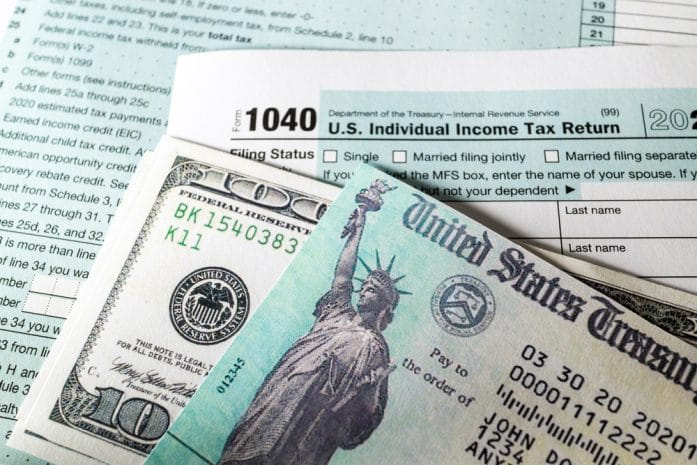
A tax refund on top of a 1040 form – Shutterstock

Tax season often feels like a race against the clock, but rushing through it can quietly cost time instead of saving it. Many Americans expect their refunds to land quickly, yet small mistakes frequently push those payments into long delays. The IRS processes millions of returns, and even minor errors can bump a file into the “needs review” pile. That delay can stretch from days into weeks, especially during peak filing season. Smart filing habits can make the difference between a smooth refund and a frustrating wait.

Understanding what slows down refunds gives taxpayers a real advantage. Most delays don’t come from audits or major issues but from simple, preventable missteps. These habits often repeat year after year, creating unnecessary stress for households counting on their refund. Fixing them early helps ensure the IRS processes returns without interruptions.

1. Rushing Through Early Filing Without Double-Checking Details

Filing early can speed up refunds, but rushing through forms creates costly mistakes that slow everything down. Many taxpayers enter incorrect numbers, skip sections, or forget to review auto-filled data from tax software. The IRS system flags inconsistencies quickly, which forces manual review and delays processing. A careful second look before submitting reduces these risks significantly. Accuracy always beats speed when it comes to tax filing.

Taking a few extra minutes to review Social Security numbers, income entries, and spelling prevents major setbacks. Simple errors in these areas often trigger rejection or adjustment notices. A calm, deliberate filing approach keeps refunds moving through the system without interruption.

2. Entering Incorrect Personal Information

Small identity errors often create surprisingly long refund delays. A mismatched name, wrong Social Security number, or outdated address can stop processing instantly. The IRS must verify identity before releasing any funds, and mismatches slow that verification process. Even a missing middle initial can create unnecessary complications. Precision matters more than most taxpayers realize.

Taxpayers should always compare their return details with official documents before submitting. W-2 forms, Social Security cards, and government IDs should match exactly. Consistency across all records helps the IRS approve refunds without additional review steps.

3. Miscalculating Income or Forgetting Tax Forms

Income reporting errors rank among the most common causes of refund delays. Missing a W-2, 1099, or side income entry creates mismatches in IRS systems. The agency cross-checks employer submissions, and discrepancies trigger automatic holds. Even small underreporting mistakes can slow down refund approval. Accuracy in income reporting keeps the process smooth.

Taxpayers should gather all income documents before starting their return. Double-checking totals against employer statements helps prevent mismatches. Organized records reduce confusion and help filings move through quickly.

4. Providing Incorrect Bank Account Information

Direct deposit speeds up refunds, but incorrect banking details can completely derail them. A wrong digit in an account or routing number sends refunds into processing limbo. The IRS may reject the deposit or send a paper check instead, which takes much longer. These errors often go unnoticed until the refund fails to arrive. Precision in banking information protects refund timing.

Reviewing account numbers carefully before submitting prevents unnecessary delays. Taxpayers should avoid copying outdated information from previous years. Updated banking details ensure refunds land in the correct account without interruption.

5. Ignoring IRS Letters or Requests for Verification

IRS notices often require quick action, yet many taxpayers delay responding or overlook them entirely. These letters usually request identity confirmation or missing documentation. Ignoring them freezes refund processing until the issue gets resolved. The longer the delay in response, the longer the refund sits on hold. Fast replies keep the process moving.

Reading all IRS mail carefully helps avoid unnecessary setbacks. Responding with the correct documents ensures faster resolution. Staying alert to these notices prevents refunds from getting stuck in review cycles.
8 Tax Filing Habits That Are Quietly Triggering Refund Delays
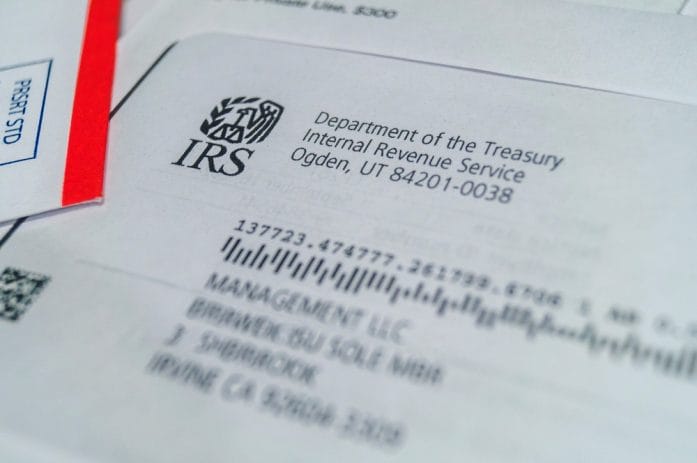
A letter from the IRS – Shutterstock

6. Choosing the Wrong Filing Status

Filing status mistakes can change refund calculations and trigger processing delays. Selecting the wrong category, such as single instead of head of household, often creates mismatches with IRS records. These errors may require manual correction before the refund gets released. Even small misunderstandings of eligibility rules can slow everything down. Correct filing status ensures smoother processing.

Taxpayers should review IRS guidelines before selecting their status. Life changes like marriage, divorce, or dependents can affect eligibility. Accurate selection helps avoid unnecessary corrections later.

7. Missing Out on Supporting Documents for Deductions

Claiming deductions without proper documentation often leads to refund delays. The IRS may request proof for charitable donations, education expenses, or business costs. Without records, the agency pauses processing until verification arrives. This step can stretch refunds out for weeks. Organized documentation speeds up approval.

Keeping receipts and records throughout the year simplifies filing. Taxpayers who prepare early reduce the risk of missing important proof. Strong documentation supports faster and cleaner processing.

8. Using Outdated or Incompatible Tax Software

Old or unreliable tax software can create hidden filing errors that delay refunds. Software updates often include new tax law changes, and outdated versions may miscalculate returns. Submission errors from technical glitches also trigger IRS rejections. These issues often confuse taxpayers who assume everything submitted correctly. Reliable software reduces these risks.

Updating software before filing ensures accurate calculations and smooth submission. Choosing trusted platforms helps prevent technical interruptions. A stable digital filing process leads to faster refund approval.

A Smarter Filing Mindset That Keeps Refunds Moving

Tax refund delays rarely come from one major issue; they usually come from a pattern of small, avoidable habits. Careful attention to details like personal information, income accuracy, and documentation dramatically improves processing speed. The IRS system works efficiently when returns arrive clean and complete. Taxpayers who slow down slightly during filing often get paid faster in the end. Smart preparation consistently beats rushed submission every time.

What tax filing habit has caused the most frustration for you in past seasons, and what strategies help prevent it now?

You May Also Like…

The IRS Is Sending More “Math Error” Notices—Here’s What They Really Mean

7 “Trigger Words” the IRS Uses to Flag Returns Faster

6 Mistakes People Make When Appealing an IRS Identity Check

Waiting on a Refund? New IRS Identity Flags Are Pulling More Returns

Refunds Are Being Frozen Over Missing Bank Details—And Some Filers Won’t Get Paid for Weeks

Brandon Marcus
Brandon Marcus

Brandon Marcus is a writer who has been sharing the written word since a very young age. His interests include sports, history, pop culture, and so much more. When he isn’t writing, he spends his time jogging, drinking coffee, or attempting to read a long book he may never complete.


Filed Under: tax tips Tagged With: American taxpayers, direct deposit issues, filing taxes, Financial Tips, IRS, IRS processing, money management, refund delays, tax credits, tax filing mistakes, tax refunds, tax season

Car Loan Interest Deductions Are Returning—But Millions May Not Qualify

May 16, 2026 by Brandon Marcus Leave a Comment

Car Loan Interest Deductions Are Returning—But Millions May Not Qualify
A car loan application form in an envelope – Shutterstock

The idea of deducting car loan interest from taxes is suddenly back in the spotlight, and it’s stirring up excitement across the financial world. For years, most Americans haven’t been able to write off interest on personal auto loans, but new policy discussions could reopen that door in a limited way. At first glance, this sounds like a win for everyday drivers dealing with rising vehicle prices and stubborn interest rates.

However, the fine print tells a very different story that could leave a huge portion of borrowers on the outside looking in. As lawmakers debate changes, millions of Americans are watching closely to see whether relief actually applies to their situation.

Why Car Loan Interest Deductions Are Back in the Conversation

A growing push in Washington has revived the discussion around tax relief tied to vehicle financing costs. Lawmakers supporting the idea argue that modern car prices have climbed so sharply that interest payments now feel like a second car bill for many households. Under proposed frameworks, some borrowers could deduct a portion of the interest paid on qualified auto loans during tax season. Supporters say this change would help middle-class families manage inflation-driven transportation costs more effectively. Critics, however, warn that the rules could become too narrow to provide meaningful relief for most drivers.

This renewed interest in deductions does not apply universally to all car buyers or all loans. Instead, proposals tend to focus on specific vehicle types, income levels, or loan structures that meet strict criteria. Financial analysts point out that similar deductions in the past, such as those tied to business use of vehicles, required detailed documentation and careful recordkeeping. That means the modern version would likely come with equally strict requirements from the IRS. As excitement builds, experts continue to stress that “returning” does not mean “widely available.”

Who Might Actually Qualify for the Deduction

Eligibility discussions currently center on narrow borrower groups rather than the general public. Some proposals suggest focusing on taxpayers who use their vehicles for documented work-related purposes, such as gig drivers or small business owners. Others hint at income caps that could exclude higher-earning households entirely. The IRS would likely require proof of loan interest payments, vehicle usage logs, and possibly even employer verification. That combination of requirements already signals a limited pool of qualifying taxpayers.

Many everyday drivers could find themselves surprised by how many conditions they fail to meet. A standard commuter who uses a car solely for personal transportation would likely fall outside the qualifying group. Even households with significant auto loan interest payments might not qualify if their income exceeds proposed thresholds. Tax professionals warn that eligibility rules tend to tighten quickly once programs move from discussion to implementation. That reality could turn what sounds like broad tax relief into a highly targeted benefit.

Why Millions of Drivers Could Miss Out

Even if car loan interest deductions return in some form, structural limits could exclude a large portion of American borrowers. One major barrier involves how personal auto loans differ from business-related vehicle expenses in tax law. Historically, the IRS has treated personal interest payments as non-deductible unless tied directly to income-producing activity. That framework is unlikely to disappear completely, even if new rules expand exceptions. As a result, only specific categories of drivers may see any tax benefit at all.

Another major issue comes from documentation requirements that many taxpayers simply do not track. Mileage logs, loan breakdowns, and usage records often go uncollected by average households. Without those records, even eligible taxpayers could lose access to deductions during audits or filing reviews. Tax experts also point out that software and preparer confusion could further reduce participation. When complexity rises, participation usually drops, leaving benefits unused by those who qualify on paper.

How Borrowers Can Prepare for Possible Tax Changes

Financial advisors recommend that drivers start organizing loan documents now rather than waiting for final legislation. That includes keeping detailed records of interest statements from lenders and tracking how vehicles are used throughout the year. Borrowers who use vehicles for side gigs or freelance work should separate personal and business mileage as clearly as possible. This preparation could make a significant difference if deduction rules eventually include work-related usage. Staying organized also helps prevent last-minute stress during tax season.

Tax planning strategies may also shift if these deductions become reality. Some households could reconsider how they structure auto financing, especially if shorter loan terms or specific lenders qualify for better tax treatment. Others may evaluate whether refinancing makes sense if interest deductions offset part of their payments. However, financial experts caution against making major decisions based on speculation alone. Waiting for official IRS guidance remains the safest approach before adjusting long-term financial plans.

Car Loan Interest Deductions Are Returning—But Millions May Not Qualify
A man showing a client specifics about a car loan – Shutterstock

What This Tax Shift Could Really Mean for Drivers

The return of car loan interest deductions sounds like a financial breakthrough, but the reality likely comes with strict limits and heavy conditions. Policy discussions continue to focus on targeted relief rather than universal tax breaks, which means many Americans could see no change at all. Even for those who qualify, paperwork and documentation requirements could complicate the benefit. That gap between expectation and reality often defines tax policy shifts like this one. As debates continue, clarity from lawmakers and the IRS will determine whether this becomes meaningful relief or just another narrowly tailored rule.

What do you think? Should car loan interest be tax deductible for all drivers, or only specific groups? Give us your opinion below in our comments.

You May Also Like…

7 Outrageous Truths About Car Loans Nobody Talks About

9 Ways to Manage Car Loan Debt

The $900 Monthly Car Payment: Why Shorter Loans Can Be a Smart Move (And Why Your Neighbors Might Be Misled)

Title Loan Hell: 10 Reasons No One Should Borrow Against Their Car Title

How to Get a Vehicle Loan: Tips for the Credit-Challenged Car Buyer

Brandon Marcus
Brandon Marcus

Brandon Marcus is a writer who has been sharing the written word since a very young age. His interests include sports, history, pop culture, and so much more. When he isn’t writing, he spends his time jogging, drinking coffee, or attempting to read a long book he may never complete.
Filed Under: Car Tagged With: American taxpayers, auto loans, budgeting, car loan, consumer debt, deductions, interest rates, IRS, Personal Finance, Planning, tax credits, Tax Deductions, vehicle financing

The IRS Is Sending More “Math Error” Notices—Here’s What They Really Mean

May 12, 2026 by Brandon Marcus 1 Comment

The IRS Is Sending More “Math Error” Notices—Here’s What They Really Mean
Letters from the IRS – Shutterstock

Tax season already brings enough stress without surprise mail from the IRS landing in the mailbox. Lately, more Americans have received something called a “math error notice,” and it often sparks confusion, frustration, and a little bit of panic. These notices do not always signal major trouble, but they do mean the IRS spotted something on a return that needs attention. The twist? Many of these “errors” do not come from simple math mistakes at all.

The IRS now uses automated systems more aggressively than ever, which means small mismatches can trigger big-looking letters. A missing form, a mismatched number, or even a typo can set off the system. That shift leaves many taxpayers wondering what went wrong and what to do next. The good news? These notices follow a structure, and once taxpayers understand how they work, the situation becomes far less intimidating.

What an IRS Math Error Notice Actually Means

A math error notice sounds dramatic, but it does not automatically mean a taxpayer did anything wrong. The IRS uses this label for any adjustment it makes to a tax return without launching a full audit. That adjustment might come from simple miscalculations, but it often stems from missing information or mismatched records. The agency corrects the return and then sends the notice explaining the change. Taxpayers usually see changes to refunds or balances owed after the adjustment.

These notices often reflect automated system decisions rather than human review. The IRS compares reported income, credits, and deductions against its internal databases. When something does not line up, the system flags it immediately. The result shows up in the form of a letter rather than a conversation. That process speeds things up, but it also increases confusion for taxpayers who expect a traditional review process.

Why the IRS Sends More Notices Now Than Before

The IRS continues to expand automation to handle millions of tax returns each year. Staffing shortages and increased filing volume push the agency toward faster digital review systems. Those systems scan returns quickly and flag anything that looks inconsistent. That efficiency leads to more math error notices, even when taxpayers did not actually make a mistake.

Modern tax rules also play a role in the increase. Credits like the Child Tax Credit and Earned Income Tax Credit require precise eligibility checks. Even small discrepancies in income reporting or dependent information can trigger adjustments. The IRS also receives third-party data from employers, banks, and financial institutions. When that data does not match a filed return, the system reacts immediately, which often results in a notice.

The Most Common Triggers Behind These Notices

Several common issues consistently trigger IRS math error notices, even for careful filers. One major cause involves mismatched Social Security numbers or dependent information. Another frequent trigger comes from incorrect income reporting compared to W-2 or 1099 forms submitted by employers. Even a small typo in a number can create a mismatch that the system flags.

Tax credits also create a large share of these notices. Families who claim dependents or education credits often face adjustments when documentation does not fully match IRS records. Math mistakes still happen too, especially when taxpayers calculate deductions manually instead of relying on software. The IRS system does not distinguish intent—it simply reacts to inconsistencies. That reality makes accuracy more important than ever during filing season.

What to Do When a Math Error Notice Arrives

An IRS notice can feel intimidating, but it does not require panic. The first step involves carefully reading the entire letter and identifying exactly what the IRS changed. The notice typically explains the adjustment, the reason behind it, and the resulting tax difference. Taxpayers should compare that information directly with their original return to spot the mismatch.

If the taxpayer disagrees with the change, they can respond with supporting documentation. That might include corrected forms, receipts, or employer records. The IRS allows a specific timeframe to dispute the adjustment, so timing matters. If the taxpayer agrees with the notice, they can simply accept the change and pay any additional tax owed. Either way, ignoring the notice creates bigger problems down the road.

How Taxpayers Can Avoid Future Math Error Notices

Preventing these notices starts with careful preparation and accurate recordkeeping. Taxpayers who rely on organized documents reduce the chance of mismatches significantly. Using tax software also helps catch common errors before submission. These systems cross-check data and flag inconsistencies before the IRS ever sees the return.

Double-checking every Social Security number, income entry, and credit claim makes a major difference. Taxpayers should also match their records with official IRS documents like W-2s and 1099s. Filing early can help too, since it gives more time to correct issues before deadlines. Careful attention upfront often prevents stressful mail later.

The IRS Is Sending More “Math Error” Notices—Here’s What They Really Mean
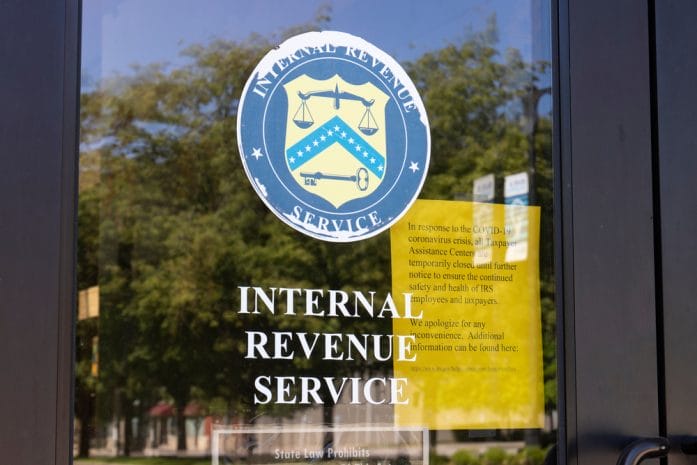
The front glass door of an IRS office – Shutterstock

What This Really Means for Taxpayers Going Forward

IRS math error notices continue to rise because the tax system now relies heavily on automation and data matching. That shift increases efficiency but also raises the chances of small discrepancies triggering official letters. Most notices do not signal serious wrongdoing, but they do require attention and action. Taxpayers who stay organized and respond quickly usually resolve issues without major complications. The key takeaway centers on accuracy, documentation, and timely response rather than fear of the notice itself.

What do you think—should the IRS simplify these notices to make them easier for everyday taxpayers to understand? Give us your opinions below in the comments.

You May Also Like…

7 “Trigger Words” the IRS Uses to Flag Returns Faster

Waiting on a Refund? New IRS Identity Flags Are Pulling More Returns

How the IRS’s New Digital Asset Form Could Affect Casual Crypto Users

The IRS’s New 1099-K Threshold Could Catch Side Hustlers Off Guard

California Prop 19 Alert: Why Heirs Are Receiving Supplemental Property Tax Bills

Brandon Marcus
Brandon Marcus

Brandon Marcus is a writer who has been sharing the written word since a very young age. His interests include sports, history, pop culture, and so much more. When he isn’t writing, he spends his time jogging, drinking coffee, or attempting to read a long book he may never complete.
Filed Under: tax tips Tagged With: American taxpayers, IRS, IRS audit, IRS letters, IRS notice explanation, math error notice, refund delay, tax mistakes, tax refunds, tax season, tax tips

Follow Us

Search this site:

Recent Posts

  • Can My Savings Account Affect My Financial Aid? by Tamila McDonald
  • 12 Ways Gen X’s Views Clash with Millennials… by Tamila McDonald
  • What Advantages and Disadvantages Are There To… by Jacob Sensiba
  • 10 Tactics for Building an Emergency Fund from Scratch by Vanessa Bermudez
  • Call 911: Go To the Emergency Room Immediately If… by Stephen Kanaval
  • 7 Weird Things You Can Sell Online by Tamila McDonald
  • 10 Scary Facts About DriveTime by Tamila McDonald

Copyright © 2026 · News Pro Theme on Genesis Framework