• Home
  • About Us
  • Toolkit
  • Getting Finances Done
    • Hiring Advisors
    • Debt Management
    • Spending Plan
  • Insurance
    • Life Insurance
    • Health Insurance
    • Disability Insurance
    • Homeowners/Renters Insurance
  • Contact Us
  • Privacy Policy
  • Risk Tolerance Quiz

The Free Financial Advisor

You are here: Home / Archives for CP2000

6 IRS Notices That Can Lead to Unexpected Tax Bills

April 16, 2026 by Brandon Marcus Leave a Comment

6 IRS Notices That Can Lead to Unexpected Tax Bills

Image Source: Shutterstock.com

That letter from the IRS doesn’t just sit around quietly in the mailbox—it practically hums with anxiety and pressure. Most people assume they’ve done everything right when they file taxes, so any official notice feels like a mistake or, worse, a looming financial hit. The truth is, IRS notices often flag very real issues, and ignoring them can turn a small discrepancy into a much bigger bill.

Really knowing what these notices mean can save you a ton of money, stress, and a whole lot of back-and-forth with the government. There is no better time to break down common IRS notices that can lead to unexpected tax bills—and what to do when they show up.

1. CP2000: The Mismatch That Triggers a Bill

The CP2000 notice ranks as one of the most common IRS notices people receive, and it usually comes as a surprise. It shows up when the IRS finds a mismatch between reported income and information from employers, banks, or brokers. For example, someone might forget to include a freelance 1099 or investment income, which the IRS already has on file. The notice proposes a correction, often adding tax, interest, and sometimes penalties. Responding quickly with documentation or agreement can prevent the issue from escalating further.

2. CP14: The Balance Due Wake-Up Call

The CP14 notice makes things very clear—it states that taxes are owed and payment is due. This type of IRS notice often arrives when a return shows a balance that hasn’t been paid in full. It includes the original amount owed plus penalties and interest that have already started to grow. Ignoring it doesn’t make it disappear; it only increases the total due over time. Setting up a payment plan or paying the balance quickly can minimize additional costs and stress.

3. CP501: The Friendly Reminder That Isn’t So Friendly

The CP501 notice follows up on an unpaid balance, and it’s less gentle than it sounds. This IRS notice signals that the account remains unpaid after the initial request for payment. It may feel repetitive, but it serves as a warning that the IRS is tracking the debt closely.

Remember, continued inaction can lead to more aggressive collection efforts, including liens or levies. Taking action at this stage still leaves room for flexible solutions like installment agreements.

4. CP503: The Urgency Is Getting Real

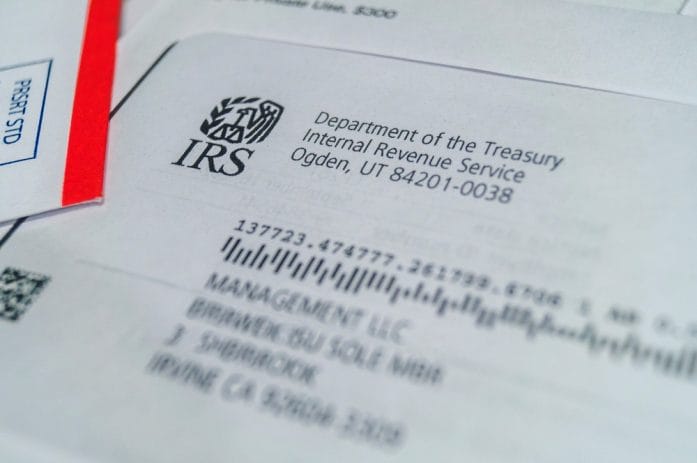
The CP503 notice raises the stakes and adds urgency to the situation. It indicates that previous notices haven’t resulted in payment or communication. At this point, the IRS starts preparing for more serious collection actions if the issue remains unresolved. This IRS notice often emphasizes deadlines more strongly, making it clear that time is running out. Reaching out to the IRS or a tax professional at this stage can help avoid severe consequences.
6 IRS Notices That Can Lead to Unexpected Tax Bills

Image Source: Shutterstock.com

5. CP504: Final Notice Before Collection Action

The CP504 notice marks a turning point where things can get serious fast. It warns that the IRS intends to levy certain assets, such as state tax refunds, if the balance remains unpaid. Unlike earlier IRS notices, this one carries a clear threat of enforcement action. It doesn’t mean immediate seizure of property, but it signals that the process has begun. Acting immediately by paying, appealing, or arranging a payment plan can stop further escalation.

6. Letter 525: Audit Results That Change Everything

Letter 525 arrives after an audit and outlines proposed changes to a tax return. This IRS notice often includes adjustments that increase taxable income or disallow deductions. The result usually leads to a higher tax bill, along with potential penalties. Taxpayers have the option to agree or challenge the findings, but deadlines matter. Consulting a tax professional can make a huge difference in navigating this complex situation and potentially reducing the impact.

When a Letter Turns Into Leverage

IRS notices don’t have to spiral into financial chaos, but they demand attention and action. Each notice tells a story about what the IRS sees and what it expects next, and ignoring that message almost always makes things worse. Staying organized with tax documents, double-checking returns, and responding quickly to any IRS notices can prevent small issues from becoming major expenses.

Many people find that early action leads to more flexible solutions, including payment plans or reduced penalties. Have you ever received one of these IRS notices, and how did you handle it? Let’s share our stories and helpful insights in the comments below.

You May Also Like…

Unreported Income: How the IRS Finds Out (and What It Costs You)

5 Hidden Triggers That Can Turn Your Tax Refund Into an IRS Audit

The IRS Doesn’t Warn You Twice — Tax Deadlines That Could Cost You Thousands

IRS Refund Delays Surge: Incorrect Bank Info Is Triggering Weeks-Long Payment Holds

Penalty Traps: Everyday Actions That Trigger IRS Fines

Brandon Marcus
Brandon Marcus

Brandon Marcus is a writer who has been sharing the written word since a very young age. His interests include sports, history, pop culture, and so much more. When he isn’t writing, he spends his time jogging, drinking coffee, or attempting to read a long book he may never complete.

Filed Under: Tax Planning Tagged With: CP2000, financial advice, IRS letters, IRS notices, Personal Finance, saving money, tax audit, tax bills, tax tips, taxes

6 IRS Letters That Could Signal Trouble — Even If You Think You Filed Correctly

August 17, 2025 by Catherine Reed Leave a Comment

6 IRS Letters That Could Signal Trouble — Even If You Think You Filed Correctly

Image source: 123rf.com

Few things create more anxiety than receiving unexpected mail from the IRS. Even if you are confident your tax return was accurate and submitted on time, certain notices can indicate potential problems. These letters often require a timely response and may involve additional documentation, payments, or explanations. Knowing the meaning behind 6 IRS letters that could signal trouble — even if you think you filed correctly — can help you respond quickly and reduce the risk of escalating issues. Here’s what each of these notices typically means and why they matter.

1. CP2000: Proposed Changes to Your Return

The CP2000 is one of the most common letters on the list of 6 IRS letters that could signal trouble — even if you think you filed correctly. It means the IRS’s records, such as W-2s or 1099s reported by employers or financial institutions, do not match the income or deductions listed on your return. While it is not an official audit, it often results in proposed changes that can increase your tax bill. Sometimes these discrepancies are due to missing forms or reporting errors by third parties. Even if you believe you reported everything correctly, it’s important to review the details and respond promptly.

2. CP14: Unpaid Taxes Notice

Receiving a CP14 means the IRS believes you owe unpaid taxes for a specific year. This can happen if the IRS adjusted your return after processing it, or if payments were not properly applied. On the list of 6 IRS letters that could signal trouble — even if you think you filed correctly — this one is critical because ignoring it can lead to penalties and interest. Sometimes, the issue stems from a simple clerical error or timing mismatch in processing payments. Verifying your records and contacting the IRS quickly can help resolve the matter before it escalates.

3. CP501 or CP503: Balance Due Reminders

These letters are follow-ups to an initial unpaid tax notice and are part of the collection process. In the context of the 6 IRS letters that could signal trouble — even if you think you filed correctly — they indicate the IRS believes you still have an outstanding balance. CP501 is a friendly reminder, while CP503 is more urgent, warning that further action will be taken if you don’t respond. Even if you are certain your taxes were paid, it’s possible the payment was misapplied or a return adjustment was made without your knowledge. The sooner you address the notice, the easier it is to avoid further collection efforts.

4. CP504: Notice of Intent to Levy

Among the 6 IRS letters that could signal trouble — even if you think you filed correctly — the CP504 is one of the most serious. It means the IRS intends to seize certain assets, such as state tax refunds, to satisfy a debt it believes you owe. This letter is a precursor to more aggressive collection actions, including wage garnishments or bank levies. Sometimes, the problem is a result of unaddressed earlier notices that you did not receive or did not realize required a response. Immediate action is needed to protect your assets and resolve the alleged balance.

5. Letter 566: Examination Audit Notice

A Letter 566 means your return has been selected for an examination, which is the IRS term for an audit. As part of the 6 IRS letters that could signal trouble — even if you think you filed correctly — this notice should never be ignored. The audit may be a correspondence audit handled by mail, or it could require an in-person meeting. Even if your filing was accurate, audits can be time-consuming and require substantial documentation to prove your reported income and deductions. Responding promptly and accurately is key to minimizing stress and potential adjustments.

6. Letter 1058: Final Notice of Intent to Levy and Notice of Your Right to a Hearing

This is one of the most urgent letters in the list of 6 IRS letters that could signal trouble — even if you think you filed correctly. It means the IRS is preparing to take collection action against your wages, bank accounts, or other property. The letter also informs you of your right to request a Collection Due Process hearing, which is your last chance to dispute the debt before the levy occurs. Even if you believe the balance is wrong, failing to act quickly can result in immediate financial consequences. Legal or tax professional assistance is strongly recommended at this stage.

Staying Calm and Taking Action Quickly

While receiving any of the 6 IRS letters that could signal trouble — even if you think you filed correctly — can be unsettling, the most important step is to act promptly. Most issues can be resolved with the right documentation and communication, especially if they stem from misunderstandings or clerical errors. Ignoring the notices only increases penalties, interest, and the risk of enforced collection. Start by reading each letter carefully. Then, gather your records and respond within the given time frame. That way, you can protect your rights and finances. Preparedness and quick action are your best defenses.

Have you ever received one of these IRS letters unexpectedly? Share your experience in the comments to help others understand how to handle them.

Read More:

7 Ill-Advised Advisor Tips That Trigger IRS Audits

6 Tax Breaks That Vanished Before Anyone Noticed

Catherine Reed
Catherine Reed

Catherine is a tech-savvy writer who has focused on the personal finance space for more than eight years. She has a Bachelor’s in Information Technology and enjoys showcasing how tech can simplify everyday personal finance tasks like budgeting, spending tracking, and planning for the future. Additionally, she’s explored the ins and outs of the world of side hustles and loves to share what she’s learned along the way. When she’s not working, you can find her relaxing at home in the Pacific Northwest with her two cats or enjoying a cup of coffee at her neighborhood cafe.

Filed Under: Tax Planning Tagged With: CP2000, CP504, IRS audit, IRS letters, IRS notices, tax filer, tax problems, tax resolution, tax return

FOLLOW US

Search this site:

Recent Posts

  • Can My Savings Account Affect My Financial Aid? by Tamila McDonald
  • 12 Ways Gen X’s Views Clash with Millennials… by Tamila McDonald
  • What Advantages and Disadvantages Are There To… by Jacob Sensiba
  • Call 911: Go To the Emergency Room Immediately If… by Stephen Kanaval
  • 10 Tactics for Building an Emergency Fund from Scratch by Vanessa Bermudez
  • 7 Weird Things You Can Sell Online by Tamila McDonald
  • 10 Scary Facts About DriveTime by Tamila McDonald

Copyright © 2026 · News Pro Theme on Genesis Framework