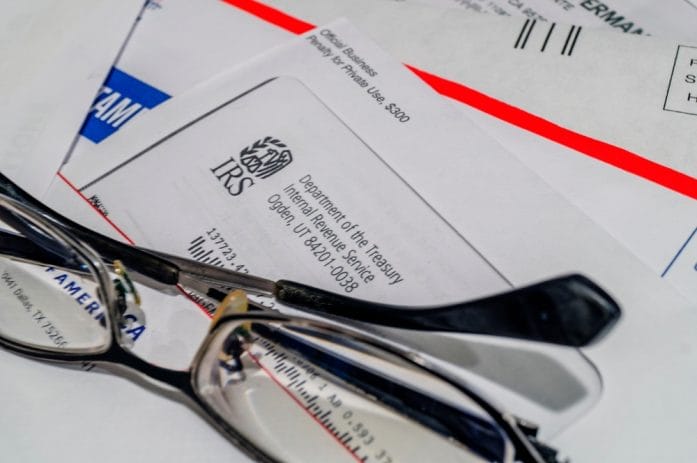
Tax season already brings enough stress without surprise mail from the IRS landing in the mailbox. Lately, more Americans have received something called a “math error notice,” and it often sparks confusion, frustration, and a little bit of panic. These notices do not always signal major trouble, but they do mean the IRS spotted something on a return that needs attention. The twist? Many of these “errors” do not come from simple math mistakes at all.
The IRS now uses automated systems more aggressively than ever, which means small mismatches can trigger big-looking letters. A missing form, a mismatched number, or even a typo can set off the system. That shift leaves many taxpayers wondering what went wrong and what to do next. The good news? These notices follow a structure, and once taxpayers understand how they work, the situation becomes far less intimidating.
What an IRS Math Error Notice Actually Means
A math error notice sounds dramatic, but it does not automatically mean a taxpayer did anything wrong. The IRS uses this label for any adjustment it makes to a tax return without launching a full audit. That adjustment might come from simple miscalculations, but it often stems from missing information or mismatched records. The agency corrects the return and then sends the notice explaining the change. Taxpayers usually see changes to refunds or balances owed after the adjustment.
These notices often reflect automated system decisions rather than human review. The IRS compares reported income, credits, and deductions against its internal databases. When something does not line up, the system flags it immediately. The result shows up in the form of a letter rather than a conversation. That process speeds things up, but it also increases confusion for taxpayers who expect a traditional review process.
Why the IRS Sends More Notices Now Than Before
The IRS continues to expand automation to handle millions of tax returns each year. Staffing shortages and increased filing volume push the agency toward faster digital review systems. Those systems scan returns quickly and flag anything that looks inconsistent. That efficiency leads to more math error notices, even when taxpayers did not actually make a mistake.
Modern tax rules also play a role in the increase. Credits like the Child Tax Credit and Earned Income Tax Credit require precise eligibility checks. Even small discrepancies in income reporting or dependent information can trigger adjustments. The IRS also receives third-party data from employers, banks, and financial institutions. When that data does not match a filed return, the system reacts immediately, which often results in a notice.
The Most Common Triggers Behind These Notices
Several common issues consistently trigger IRS math error notices, even for careful filers. One major cause involves mismatched Social Security numbers or dependent information. Another frequent trigger comes from incorrect income reporting compared to W-2 or 1099 forms submitted by employers. Even a small typo in a number can create a mismatch that the system flags.
Tax credits also create a large share of these notices. Families who claim dependents or education credits often face adjustments when documentation does not fully match IRS records. Math mistakes still happen too, especially when taxpayers calculate deductions manually instead of relying on software. The IRS system does not distinguish intent—it simply reacts to inconsistencies. That reality makes accuracy more important than ever during filing season.
What to Do When a Math Error Notice Arrives
An IRS notice can feel intimidating, but it does not require panic. The first step involves carefully reading the entire letter and identifying exactly what the IRS changed. The notice typically explains the adjustment, the reason behind it, and the resulting tax difference. Taxpayers should compare that information directly with their original return to spot the mismatch.
If the taxpayer disagrees with the change, they can respond with supporting documentation. That might include corrected forms, receipts, or employer records. The IRS allows a specific timeframe to dispute the adjustment, so timing matters. If the taxpayer agrees with the notice, they can simply accept the change and pay any additional tax owed. Either way, ignoring the notice creates bigger problems down the road.
How Taxpayers Can Avoid Future Math Error Notices
Preventing these notices starts with careful preparation and accurate recordkeeping. Taxpayers who rely on organized documents reduce the chance of mismatches significantly. Using tax software also helps catch common errors before submission. These systems cross-check data and flag inconsistencies before the IRS ever sees the return.
Double-checking every Social Security number, income entry, and credit claim makes a major difference. Taxpayers should also match their records with official IRS documents like W-2s and 1099s. Filing early can help too, since it gives more time to correct issues before deadlines. Careful attention upfront often prevents stressful mail later.
What This Really Means for Taxpayers Going Forward
IRS math error notices continue to rise because the tax system now relies heavily on automation and data matching. That shift increases efficiency but also raises the chances of small discrepancies triggering official letters. Most notices do not signal serious wrongdoing, but they do require attention and action. Taxpayers who stay organized and respond quickly usually resolve issues without major complications. The key takeaway centers on accuracy, documentation, and timely response rather than fear of the notice itself.
What do you think—should the IRS simplify these notices to make them easier for everyday taxpayers to understand? Give us your opinions below in the comments.
You May Also Like…
7 “Trigger Words” the IRS Uses to Flag Returns Faster
Waiting on a Refund? New IRS Identity Flags Are Pulling More Returns
How the IRS’s New Digital Asset Form Could Affect Casual Crypto Users
The IRS’s New 1099-K Threshold Could Catch Side Hustlers Off Guard
California Prop 19 Alert: Why Heirs Are Receiving Supplemental Property Tax Bills

Brandon Marcus is a writer who has been sharing the written word since a very young age. His interests include sports, history, pop culture, and so much more. When he isn’t writing, he spends his time jogging, drinking coffee, or attempting to read a long book he may never complete.
I do understand. But, so many of the ppl that was trying to get commission pertaining to the marketplace insurance was signing ppl up for it w/o their consent and caused confusion that lead to these things that helded up my taxes and it’s called fraud. I was told by the IRS and marketplace agents this was happening. I responded in a timely manner and with was requested and and have confirmation. And it has been more then 60 days. That they tell you in the letter that you have to wait until they do something. But, they still are not doing anything to release my taxes. No fair, not fair at all.