
The side hustle economy keeps booming across the United States, but the IRS now watches every dollar more closely than ever before. Gig apps, online marketplaces, and payment platforms continue to fuel extra income streams for millions of Americans, and tax rules struggle to keep up with that rapid growth. In 2026, the IRS steps up enforcement efforts that target unreported or underreported side hustle earnings with sharper reporting systems and tighter compliance checks. Freelancers, part-time sellers, rideshare drivers, and digital creators all feel the impact of these changes in real time.
Financial transparency no longer feels optional, especially when platforms automatically share income data with federal systems. This shift forces everyday earners to pay closer attention to how money moves through their accounts. Side income still offers opportunity, but the rules now demand far more precision and documentation than before.
Why the IRS Is Zeroing In on Side Hustle Income in 2026
The IRS focuses heavily on side hustle income because millions of Americans now rely on gig work as either supplemental or primary income. Platforms like Etsy, Uber, DoorDash, and PayPal automatically track transactions, which makes underreporting easier for the IRS to detect. Technology upgrades inside federal systems now allow faster matching of reported income versus actual payments received. Tax gaps widen when people forget or misunderstand reporting requirements, especially with multiple income streams. The IRS responds by tightening enforcement to close those gaps and boost overall compliance.
This crackdown does not target small earners unfairly, but it does require more accuracy from everyone participating in the gig economy. The agency now uses advanced data matching tools that flag inconsistencies within seconds instead of months. Digital payment networks feed structured reports directly into IRS databases, which reduces blind spots significantly. Side hustle growth created a massive shift in the tax landscape, and enforcement now catches up with that reality. Anyone earning outside a traditional paycheck now faces higher scrutiny and clearer expectations.
What Counts as Taxable Side Hustle Income Today
Taxable side hustle income includes far more than people often realize, and that confusion creates serious risk during tax season. Any money earned from freelance work, online sales, gig driving, or digital services qualifies as taxable income under IRS rules. Even casual selling through apps or marketplaces counts when profits exceed minimal thresholds. Cash payments, digital transfers, and platform deposits all fall under reporting requirements when tied to services or goods. The IRS treats side income the same as traditional wages when it comes to taxable responsibility.
Many people still assume small earnings fall outside reporting rules, but that assumption leads to penalties over time. Hobby income may seem informal, yet consistent profit-making activity pushes it into taxable territory quickly. Expenses tied to side hustles may reduce taxable income, but proper recordkeeping becomes essential. The IRS expects clear documentation that shows both income and legitimate business costs. Without records, deductions disappear, and tax liability increases faster than expected.
New Reporting Rules That Catch More Freelancers Off Guard
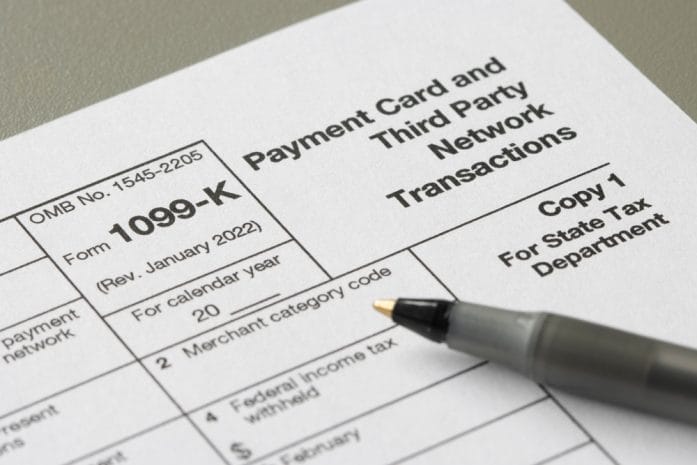
New reporting rules continue to expand across digital payment platforms, and those changes affect freelancers at every income level. The IRS pushes stricter 1099-K reporting standards that require third-party payment processors to report more transactions than ever before. Even smaller payments now trigger reporting when cumulative activity reaches lower thresholds. This change increases visibility for freelancers who rely on apps for client payments. Financial platforms now act as direct reporting intermediaries between users and the IRS.
These updates often surprise part-time earners who never considered themselves business operators. A few hundred dollars per month from multiple clients can now generate official tax documents automatically. Freelancers who rely on Venmo, PayPal, Cash App, or similar tools now receive far more detailed reporting statements. The IRS uses this data to cross-check self-reported income with platform submissions. Mismatches trigger notices quickly, which leaves little room for oversight or error.
Smart Ways to Stay Ahead of IRS Scrutiny Without Panic
Strong organization helps side hustlers stay ahead of IRS expectations without feeling overwhelmed during tax season. Clear tracking systems for income and expenses create an immediate safety net when filing returns. Many earners use spreadsheets or accounting apps to separate personal and business transactions effectively. Consistent recordkeeping reduces stress and prevents last-minute scrambling when tax documents arrive. Organized finances also help identify deductions that reduce overall taxable income.
Professional guidance can also help clarify confusing rules without adding unnecessary stress. Tax professionals often spot deductions and reporting strategies that casual filers miss entirely. Estimated tax payments help prevent large surprises when filing deadlines arrive. Separate business accounts create cleaner financial records and reduce the risk of mixing personal spending with taxable income. Careful planning gives side hustlers more control and fewer surprises when IRS notices appear.
What This Crackdown Means for Everyday Earners Moving Forward
The 2026 IRS crackdown signals a long-term shift toward full visibility in the gig economy rather than a short-term enforcement wave. Side hustles remain a powerful income tool, but they now operate inside a much stricter reporting environment. Digital payment tracking continues to eliminate gaps that once allowed informal earnings to go unnoticed. Workers who adapt quickly gain more stability and fewer tax-season surprises. Those who ignore the changes risk penalties, interest charges, and unnecessary stress.
What changes stand out most in your own side hustle experience, and how do you plan to adjust going forward?
You May Also Like…
The IRS’s “Math Error” Notice Could Cost You More Than You Think
IRS Audit Rates Are Increasing for Middle-Income Earners—Here’s Why
The IRS’s New 1099-K Threshold Could Catch Side Hustlers Off Guard
7 Side Hustles Compatible with a Slower Pace
Side Hustles That Look Legit—Until They Break Tax Laws

Brandon Marcus is a writer who has been sharing the written word since a very young age. His interests include sports, history, pop culture, and so much more. When he isn’t writing, he spends his time jogging, drinking coffee, or attempting to read a long book he may never complete.