A side hustle can look like a golden ticket in a financial plan, but every dollar earned does not always make it into the savings account. Platform charges, payment processing costs, software subscriptions, taxes, and business expenses can nibble away at extra income before that money reaches bigger goals.
Many people track the exciting part of a side gig, such as revenue from selling products, freelancing, tutoring, or driving services. The tricky part comes when small fees hide in the background like tiny money leaks in a garden hose.
Side Hustle Income Looks Bigger Before Fees Enter the Picture
A financial plan should treat side hustle income differently from a regular paycheck because the gross amount rarely tells the whole story. A freelancer who earns thousands from a project might celebrate the milestone, but that number does not reflect payment fees, software costs, supplies, or tax obligations. A person selling handmade items online might discover that shipping materials and marketplace charges take a surprising bite from each sale. These expenses can change how much money actually supports savings, debt payments, or investments. Tracking the true profit helps turn a side hustle from a hopeful idea into a reliable financial tool.
Many side hustlers make the mistake of counting every incoming dollar as available spending money. A better approach separates revenue from profit and treats fees like regular business expenses instead of annoying surprises. A simple spreadsheet can reveal patterns, such as which services cost the most or which projects deliver the strongest returns. Even a notebook can work if it captures income, expenses, and dates consistently. The goal involves creating a realistic picture of what the side hustle contributes to the bigger financial plan.
Small Fees Can Create Big Changes Over Time
Fees rarely arrive with flashing warning signs and dramatic music playing in the background. Instead, they appear as small charges that feel harmless when viewed one at a time. A payment processor might take a percentage of a transaction, a website might charge a monthly fee, or a scheduling app might require a subscription. Each expense seems manageable, but several small costs can reshape the final numbers. A careful review can uncover opportunities to cut waste without hurting the side hustle itself.
The smartest side hustlers review their expenses the same way they review their income. Someone who sells digital products may compare platform fees with alternative services, while a consultant may decide whether a premium software tool saves enough time to justify its price. A cost does not automatically represent a bad choice if it creates more value than it consumes. The important question asks whether each fee helps the side hustle grow or simply tags along for the ride. That small habit can keep extra income working harder.
Taxes And Expenses Need A Spot In The Financial Plan
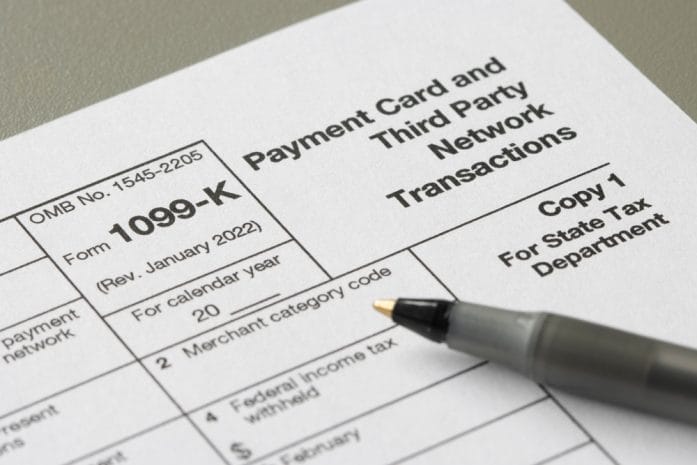
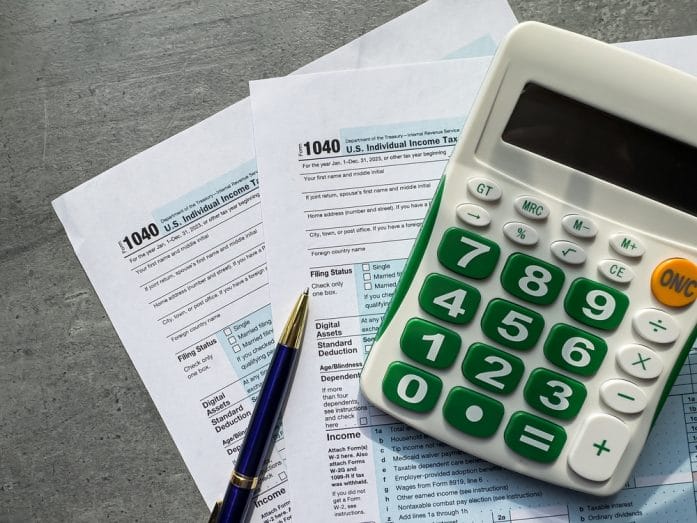
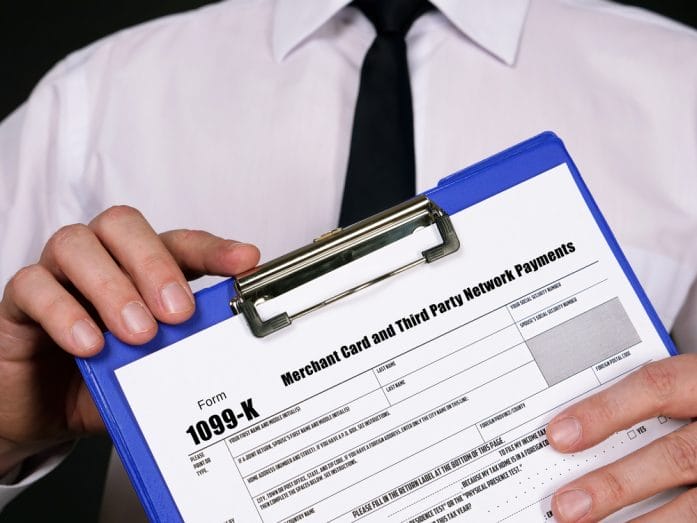
Side hustle money can create tax responsibilities, and a financial plan should leave room for those obligations. Independent workers often need to set aside money throughout the year because taxes do not disappear just because the income arrives through a different channel. Keeping separate records for earnings and expenses makes tax preparation much smoother. Receipts, invoices, and account statements can become valuable tools when organizing the numbers. A messy pile of forgotten charges can turn tax season into a scavenger hunt nobody requested.
Business expenses can also affect the real value of a side hustle. A photographer might purchase equipment, a craft seller might buy materials, or a writer might pay for professional tools that support the work. Those costs deserve attention because they influence how much the side hustle actually adds to the household budget. Accurate records also help identify which activities provide the best return for the time and money invested. A financial plan works better when it reflects reality instead of a best-case scenario.
A Better Money Plan Tracks The Whole Side Hustle Journey
A strong financial plan does more than celebrate extra income because it examines the entire path from earning money to using it. The plan should include revenue, fees, expenses, taxes, and the goals connected to the side hustle. Someone building an emergency fund might direct profits differently from someone saving for retirement or paying down debt. Clear goals help decide where the money should go after the fees leave their mark. The side hustle becomes a strategy instead of just a stream of random payments.
Regular checkups keep the plan fresh as the side hustle changes. A person who starts with a small weekend project might later add new tools, raise prices, or change platforms. Those changes can introduce new costs that the original plan never considered. Reviewing the numbers every few months helps catch problems early and highlights opportunities for improvement. The best financial plans grow alongside the people who use them.
The Real Side Hustle Number Hides Beyond The Paycheck
The biggest lesson comes from looking past the headline income number and finding the money that actually stays. A side hustle can strengthen a financial plan, but only when the plan counts every fee along the way. Small expenses deserve attention because they shape the final results. Careful tracking turns confusing numbers into useful information. The true value of a side hustle appears after the costs leave the stage.
Smart money management does not require complicated systems or fancy software. It requires honesty about what comes in, what goes out, and what goals matter most. A few minutes of recordkeeping can prevent unpleasant surprises later. The side hustle that looks successful on paper should also make sense in real life. That is where the extra income starts doing its most important work.
What fees have surprised you the most when managing a side hustle, and what tricks have helped you keep more of your earnings?
You May Also Like…
Side Hustle Income From Last Summer Is Catching Up With Filers Right Now
The IRS Is Cracking Down on Side Hustle Income Again in 2026
Gig Workers Who Didn’t Set Aside Taxes Last Summer Are Facing Bills Right Now
Many Social Security Recipients Pay Taxes on Their Benefits — Most Are Surprised
10 Financial Risks of Starting a Side Hustle Too Quickly

Brandon Marcus is a writer who has been sharing the written word since a very young age. His interests include sports, history, pop culture, and so much more. When he isn’t writing, he spends his time jogging, drinking coffee, or attempting to read a long book he may never complete.