• Home
  • About Us
  • Toolkit
  • Getting Finances Done
    • Hiring Advisors
    • Debt Management
    • Spending Plan
  • Insurance
    • Life Insurance
    • Health Insurance
    • Disability Insurance
    • Homeowners/Renters Insurance
  • Contact Us
  • Privacy Policy
  • Risk Tolerance Quiz

The Free Financial Advisor

You are here: Home / Archives for financial mistakes

13 Essential Steps to Repair Damage From Past Financial Mistakes

October 8, 2025 by Catherine Reed Leave a Comment

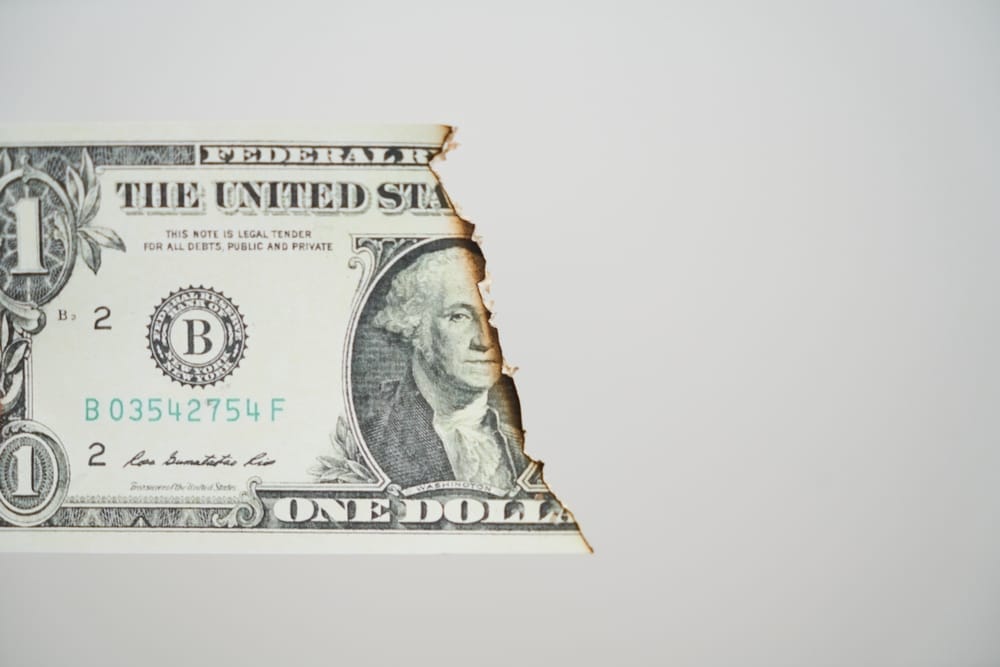
13 Essential Steps to Repair Damage From Past Financial Mistakes

Image source: 123rf.com

Everyone makes money missteps at some point. Maybe it was a maxed-out credit card, a bad investment, or ignoring savings when times were tight. The good news is that financial recovery is always possible with a clear plan and consistent effort. Understanding how to fix the damage caused by past financial mistakes can help you rebuild stability and regain confidence in your financial future. These thirteen essential steps can get you back on track and keep you there for good.

1. Face Your Past Financial Mistakes Honestly

The first step toward recovery is acknowledging what went wrong. Avoiding your money problems only allows them to grow, but facing them gives you power to change. Review your spending habits, debts, and any poor financial decisions with honesty—not shame. Understanding how those past financial mistakes happened helps you prevent repeating them. Once you face reality, you can focus on solutions instead of regrets.

2. Assess Your Current Financial Situation

Before you can fix anything, you need a clear picture of where you stand. Gather recent statements, review your credit report, and list every debt and account balance. Seeing the numbers in front of you can be intimidating, but it’s necessary for progress. Knowing exactly how your past financial mistakes affected your current situation allows for more targeted action. This step turns vague worry into measurable goals.

3. Build a Realistic Monthly Budget

A budget is your roadmap to recovery. Start by tracking income and essential expenses, then allocate what’s left toward debt repayment and savings. It’s not about punishment—it’s about regaining control. A well-designed budget helps you avoid repeating the same past financial mistakes that caused chaos before. When every dollar has a purpose, you start steering your finances instead of being steered by them.

4. Prioritize High-Interest Debt

Debt with high interest rates is like a financial anchor that keeps you from moving forward. Focus first on paying off credit cards and personal loans with the steepest interest costs. Reducing this burden will free up money faster for other goals. The longer high-interest debt lingers, the more damage from past financial mistakes compounds. Paying it down aggressively accelerates both financial freedom and peace of mind.

5. Start Rebuilding Your Credit Score

Your credit score reflects your financial reliability, and improving it can open better opportunities down the road. Begin by paying bills on time and keeping credit card balances low. Avoid taking on new debt unless absolutely necessary. Over time, consistent effort can undo much of the harm from past financial mistakes. As your score improves, so will your access to affordable loans and financial flexibility.

6. Create a Small Emergency Fund

Unexpected expenses often derail financial recovery. Even a modest emergency fund—$500 to $1,000 at first—can prevent you from sliding backward. Use it for true emergencies, not convenience purchases. Having this cushion reduces stress and dependence on credit cards. Building an emergency fund is one of the simplest ways to avoid repeating past financial mistakes.

7. Negotiate With Creditors

If you’re struggling to make payments, don’t hide from your lenders. Contact them to explain your situation and explore hardship programs, payment plans, or settlement options. Creditors often prefer working with you rather than losing your account entirely. Negotiating new terms can make debt repayment far more manageable. It’s a proactive step toward repairing the effects of past financial mistakes.

8. Cut Unnecessary Expenses

You don’t have to eliminate all joy from your life—but you do need to prioritize. Review your spending for recurring charges, unused subscriptions, or impulse buys that drain your budget. Even small cuts can add up quickly over time. Redirect that money toward rebuilding your savings or paying off debt. Trimming expenses helps you reverse the habits that contributed to past financial mistakes.

9. Automate Good Financial Habits

Automation helps you stay consistent, even when motivation fades. Set up automatic transfers to savings, debt payments, and bills to stay ahead. This removes the temptation to skip or delay essential tasks. Automation turns recovery into routine, helping undo the chaos of past financial mistakes. When good habits run on autopilot, financial stability becomes much easier to maintain.

10. Seek Professional Guidance

Sometimes outside help makes all the difference. A certified financial planner, credit counselor, or debt advisor can help you create a personalized recovery plan. They can also identify strategies you might overlook, such as consolidation or restructuring options. If your past financial mistakes feel too heavy to manage alone, getting expert support can provide clarity and direction. Professional insight transforms uncertainty into action.

11. Focus on Long-Term Goals

It’s easy to feel discouraged when progress is slow, but big change takes time. Set realistic, motivating goals such as becoming debt-free, saving for retirement, or improving credit by a certain number of points. Every small milestone proves you’re moving forward. The discipline you build by correcting past financial mistakes strengthens your ability to reach future successes. Focus on consistency rather than perfection.

12. Avoid Quick-Fix Solutions

Be wary of offers that promise instant debt relief or “credit repair.” Many of these solutions cost more than they help. Real progress requires patience and transparency, not shortcuts. Falling for financial gimmicks can create a new round of problems. Remember, the damage from past financial mistakes took time to build—repairing it will, too, but lasting results are worth it.

13. Celebrate Every Win Along the Way

Progress deserves recognition, no matter how small. Whether it’s paying off a single debt or sticking to your budget for three months, celebrate those victories. Each success reinforces your commitment and confidence. Repairing the effects of past financial mistakes is a journey, not a punishment. Recognizing growth keeps you motivated to keep improving.

Turning Regret Into Financial Resilience

Your financial past doesn’t define your future—it prepares you for it. Every step you take toward repairing mistakes builds discipline and awareness that lasts a lifetime. The key is not perfection but persistence and learning from what went wrong. By turning past financial mistakes into motivation, you can create a stronger, smarter financial foundation. The best comeback stories start with a single intentional step forward.

What strategies have helped you recover from past financial mistakes? Which step do you think makes the biggest difference? Share your thoughts in the comments below!

What to Read Next…

8 Important Lessons Learned From Others’ Financial Mistakes

What Happens When Small Debts Spiral Out of Control

Could Ignoring Credit Reports Be the Most Costly Mistake

8 Major Myths About Debt Forgiveness That Are Totally False

7 Major Mistakes in DIY Tax Filing

Catherine Reed
Catherine Reed

Catherine is a tech-savvy writer who has focused on the personal finance space for more than eight years. She has a Bachelor’s in Information Technology and enjoys showcasing how tech can simplify everyday personal finance tasks like budgeting, spending tracking, and planning for the future. Additionally, she’s explored the ins and outs of the world of side hustles and loves to share what she’s learned along the way. When she’s not working, you can find her relaxing at home in the Pacific Northwest with her two cats or enjoying a cup of coffee at her neighborhood cafe.

Filed Under: Personal Finance Tagged With: budgeting, credit repair, debt recovery, financial mistakes, Financial Tips, money management, Personal Finance, Planning, saving money

7 Honest Moments When I Realized My Financial Life Was Broken

October 7, 2025 by Travis Campbell Leave a Comment

money

Image source: pexels.com

It’s easy to think you have your financial life together—until reality proves otherwise. I used to believe budgeting was enough, that credit cards were harmless if paid on time, and that my emergency fund could wait. But over the years, a string of honest, sometimes painful moments forced me to see just how broken my financial life really was. Each realization stung, but facing them head-on helped me make real changes. If you’re reading this, maybe you’re on a similar journey. Here are seven moments that opened my eyes, and what they taught me about fixing a broken financial life.

1. The Day My Card Was Declined at the Grocery Store

Standing in line, watching the cashier bag my groceries, I felt a wave of embarrassment when my debit card was declined. I’d always told myself I was careful with spending, but the truth was I hadn’t checked my balance in weeks. That moment was a wake-up call. My financial life was broken if I couldn’t even buy food without anxiety.

It forced me to confront my avoidance. I started tracking every dollar, and I set up alerts so I’d never be caught off guard again. Ignoring my bank account didn’t make money problems disappear—it just made them worse.

2. Realizing My Credit Card Debt Wasn’t Temporary

I used to treat my credit card like a safety net. I’d pay it off “soon”—or so I thought. One day, I totaled the balances from three cards and realized I owed more than two months’ salary. The interest alone was eating up my minimum payments. My financial life was broken because I’d normalized living beyond my means.

This moment taught me that credit card debt is a trap, not a tool. I had to get honest with myself, stop using the cards, and make a real plan to pay them off. It wasn’t quick, but facing the numbers changed everything.

3. Skipping Medical Care Because I Couldn’t Afford It

When I put off a doctor’s visit for months because I was worried about the bill, I realized something was seriously wrong. Health should never be a luxury, but for a while, it was. My financial life was broken if I had to choose between my well-being and my wallet.

This forced me to look at my spending priorities. I started budgeting for health expenses, even if it meant cutting back elsewhere. I also researched more affordable care options, like community clinics and telehealth. No one should have to gamble with their health for the sake of money.

4. Not Knowing Where My Money Was Going

At tax time, I tried to figure out where my income had gone over the past year. I had nothing to show for it: no savings, no investments, and no idea how I’d spent thousands of dollars. My financial life was broken because I was living on autopilot, letting money slip through my fingers.

I started using a simple budgeting app to track every expense. It was eye-opening to see how small, daily purchases added up. Knowing where my money went gave me the control I’d been missing.

5. Borrowing from Friends and Family—Again

Asking for help once is understandable. But when I found myself borrowing money from friends and family for the third time in a year, shame set in. My financial life was broken if I couldn’t handle emergencies on my own.

This was the push I needed to build an emergency fund—even if it started with just $10 a week. I also learned to say no to unnecessary expenses, and to communicate honestly with loved ones about my financial goals.

6. Ignoring Retirement Because It Felt Too Far Away

For years, I told myself I’d start saving for retirement “later.” But every year, “later” got pushed further away. The day I turned 35 and realized I had nothing set aside for the future, it hit me: my financial life was broken if I kept borrowing from my own future.

That realization led me to open a retirement account and automate small contributions. Even $25 a month felt like progress. Small steps now make a big difference later.

7. Feeling Constant Anxiety About Money

The biggest sign my financial life was broken wasn’t a single event, but a constant feeling. Anxiety about bills, guilt after spending, stress about the future—it all added up. Money worries crept into my sleep and my relationships. I realized I needed to take my mental health as seriously as my bank balance.

Seeking support made a huge difference. I talked with others who’d been through similar struggles, and I learned that financial stress is common—and manageable.

What I Learned from a Broken Financial Life

Each of these honest moments was a turning point. Admitting my financial life was broken wasn’t easy, but it was necessary. I learned that small, consistent changes matter more than big, dramatic gestures. Tracking spending, building an emergency fund, and prioritizing retirement are all possible—even if you start small.

If you see yourself in any of these moments, know you’re not alone. Facing a broken financial life is hard, but it’s the first step to building a healthier, more secure future. What’s one honest moment that changed your own financial path? Share your story in the comments below.

What to Read Next…

  • 10 Signs You’re Living Above Your Means Without Realizing
  • Are These 6 Helpful Budget Tips Actually Ruining Your Finances?
  • 7 Financial Assumptions That Collapse After One Health Emergency
  • 5 Things That Instantly Decrease Your Credit Score by 50 Points
  • 7 Hidden Fees That Aren’t Labeled as Fees at All
Travis Campbell
Travis Campbell

Travis Campbell is a digital marketer/developer with over 10 years of experience and a writer for over 6 years. He holds a degree in E-commerce and likes to share life advice he’s learned over the years. Travis loves spending time on the golf course or at the gym when he’s not working.

Filed Under: Personal Finance Tagged With: budgeting, Debt, emergency fund, financial anxiety, financial mistakes, Personal Finance, Retirement

8 Important Lessons Learned From Others’ Financial Mistakes

October 2, 2025 by Travis Campbell Leave a Comment

financial mistake

Image source: pexels.com

Learning from others’ financial mistakes can be one of the smartest ways to avoid money troubles yourself. When you pay attention to the errors people make with their money, you gain insight without having to experience the pain firsthand. Stories of financial missteps are everywhere: friends, family, and news headlines. By reflecting on these situations, you can spot patterns and rethink your own approach. The key is to remain open-minded and utilize these lessons to develop smarter habits. Here are eight important lessons learned from others’ financial mistakes that can help you make better decisions and protect your future.

1. Don’t Ignore the Power of a Budget

One of the most common financial mistakes is not having a budget. Many people spend without tracking where their money goes, only to wonder why their bank account is empty at the end of the month. A budget isn’t just about restriction—it’s about awareness. By seeing how much comes in and goes out, you can make informed choices and avoid overspending. Building a budget helps you prioritize needs over wants and can reveal opportunities to save.

2. Avoid High-Interest Debt Traps

Credit cards and payday loans can seem like easy solutions in a pinch, but they often come with high interest rates. One lesson learned from others’ financial mistakes is that debt can quickly spiral out of control. Paying only the minimum on your credit card means you’ll pay a lot more in interest over time. Before borrowing, always read the fine print and understand the true cost. If you’re already in debt, focus on paying it down as quickly as possible and avoid adding new balances.

3. Build an Emergency Fund Early

Many people regret not setting aside money for emergencies. Life is unpredictable—medical bills, car repairs, or job loss can happen with little warning. Without a safety net, you might be forced to rely on credit or loans. An emergency fund gives you peace of mind and flexibility. Start small if necessary, but make saving at least three to six months’ worth of expenses a priority. This lesson is repeated in countless stories of financial hardship and recovery.

4. Start Retirement Savings Sooner Rather Than Later

One of the biggest financial mistakes people make is waiting too long to save for retirement. Time is your greatest ally due to compounding interest. Even modest contributions in your twenties can grow significantly by retirement age. If you delay, you have to save much more each month to catch up. Make use of employer-sponsored plans or open an IRA. The earlier you start, the less you have to worry about your future security.

5. Don’t Underestimate the Impact of Lifestyle Inflation

It’s tempting to spend more as your income grows—upgrading cars, moving to a bigger home, or dining out more often. But this lifestyle inflation can erode the benefits of higher pay. Many people find themselves still living paycheck to paycheck despite earning more. One important lesson learned from others’ financial mistakes is to keep living below your means, even when you get a raise. Redirect extra income toward savings or investments instead of spending it all.

6. Get Educated Before Investing

Investing without understanding what you’re doing is risky. Chasing hot stock tips or following the crowd can lead to big losses. Many people have made costly mistakes by not doing their homework or by putting money into things they didn’t understand. Take time to learn the basics of investing and diversify your portfolio. Knowledge is your best defense against avoidable losses.

7. Protect Yourself with Adequate Insurance

Skipping insurance to save money can backfire badly. Medical emergencies, accidents, or natural disasters can wipe out your savings if you’re not covered. Many people only realize the importance of insurance after facing huge bills they can’t pay. Health, auto, home, and life insurance are all critical layers of protection. Review your coverage regularly to make sure it fits your needs and update it as your life changes.

8. Don’t Put Off Talking About Money

Money conversations can feel uncomfortable but avoiding them leads to confusion and mistakes. Whether it’s with a partner, family member, or financial advisor, honest discussions are vital. Many financial mistakes stem from assumptions or a lack of communication. Set clear goals together, share information, and ask questions. If you’re not sure where to start, resources like these money talk tips can help you open up the conversation.

Applying Lessons Learned from Others’ Financial Mistakes

Reviewing these important lessons learned from others’ financial mistakes can help you avoid the same pitfalls. Whether it’s building an emergency fund, budgeting, or getting educated before investing, each lesson represents a chance to do better. Mistakes don’t have to be your own to be valuable learning from the experiences of others is both wise and practical. Stay curious and keep adapting as your financial situation changes.

What’s the most valuable lesson you’ve learned from someone else’s financial misstep? Share your story in the comments below!

What to Read Next…

  • 10 Money Mistakes People Make After Losing a Spouse
  • How Many of These 8 Middle Class Habits Are Keeping You Poor
  • Are These 8 Money Saving Tricks Actually Keeping You Broke
  • 10 Ways You’re Wasting Money Just Trying to Keep Up Appearances
  • 8 Things Rich People Never Finance and You Shouldn’t Either
Travis Campbell
Travis Campbell

Travis Campbell is a digital marketer/developer with over 10 years of experience and a writer for over 6 years. He holds a degree in E-commerce and likes to share life advice he’s learned over the years. Travis loves spending time on the golf course or at the gym when he’s not working.

Filed Under: Personal Finance Tagged With: budgeting, Debt, financial mistakes, investing, money lessons, Personal Finance, Retirement

8 Strange Investments That Rarely Pay Off

September 30, 2025 by Catherine Reed Leave a Comment

8 Strange Investments That Rarely Pay Off

Image source: 123rf.com

When people think of investing, they usually picture stocks, real estate, or retirement accounts. But in the search for quick profits or unique opportunities, some individuals pour money into unconventional ideas that promise big returns. While these might sound exciting at first, most of them drain wallets rather than build wealth. Chasing unusual opportunities often distracts from proven strategies that actually grow financial security. Here are eight strange investments that rarely pay off and why they’re riskier than they appear.

1. Collectible Beanie Babies

In the 1990s, many believed Beanie Babies were a ticket to fortune. Some stuffed animals briefly sold for thousands, fueling the idea that prices would only rise. The market eventually collapsed, leaving people with closets full of plush toys worth only a few dollars each. Scarcity and hype drove early profits, but demand never lasted. Beanie Babies are one of the most famous strange investments that rarely pay off.

2. Timeshares in Vacation Resorts

Buying into a timeshare often feels like owning a piece of paradise. Salespeople promise affordability, flexibility, and long-term value. In reality, owners face annual maintenance fees, limited scheduling, and poor resale value. Many people struggle to even give away their timeshares later. Timeshares are one of the classic strange investments that rarely pay off for families.

3. Rare Coins and Stamps Without Expertise

Coins and stamps can hold historical and monetary value, but only if purchased with expert knowledge. Many casual buyers overpay for items with little long-term demand. The market is niche and highly unpredictable, making it easy for novices to lose money. Without proper certification and appraisal, collections often fetch far less than expected. For most people, this is one of the strange investments that rarely pay off.

4. Celebrity Memorabilia

Autographs, costumes, or props tied to celebrities often lure collectors hoping to cash in later. While certain items gain value, most memorabilia fades in popularity. Market demand shifts quickly, and what seems priceless today may be forgotten tomorrow. Sellers also face authenticity issues that reduce resale potential. Celebrity memorabilia stands out as one of the strange investments that rarely pay off consistently.

5. Penny Stocks Promising Quick Riches

Penny stocks attract investors with dreams of overnight success. Shares are cheap, making it seem easy to strike gold. Unfortunately, most of these companies lack stability or long-term prospects. Prices are highly volatile, often manipulated, and rarely lead to real profits. Penny stocks remain one of the strange investments that rarely pay off for inexperienced investors.

6. Wine and Whiskey Collections

Fine wines and rare whiskeys can appreciate in value, but only under specific conditions. Proper storage, authentication, and market timing are essential for success. Many buyers lack the facilities or expertise to preserve bottles long enough to profit. Counterfeits and changing tastes add even more risk. For most people, alcohol collections are among the strange investments that rarely pay off.

7. Startup Schemes from Friends or Family

Supporting a loved one’s business idea feels noble, but it rarely delivers returns. Most small startups fail within the first few years, wiping out initial investments. Emotional ties make it harder to walk away when the business struggles. Investors may lose both money and relationships in the process. Personal startup funding is one of the most emotionally charged strange investments that rarely pay off.

8. Lottery Tickets as “Investments”

Many people buy lottery tickets weekly, convincing themselves it’s a form of investment. The odds of winning big are astronomically low, and most winnings barely cover the cost of play. Over time, consistent spending on tickets drains household budgets. The lottery offers entertainment but should never be viewed as financial strategy. It’s the ultimate example of strange investments that rarely pay off.

Why Proven Investments Still Win

While unconventional ideas may seem exciting, they usually bring disappointment instead of profit. Strange investments that rarely pay off often rely on hype, speculation, or unrealistic promises. In contrast, proven strategies like diversified portfolios, real estate, and retirement accounts steadily build wealth. The key to long-term success is consistency, not chasing shortcuts. By avoiding distractions, families can focus on financial security that lasts.

Have you ever fallen into one of these strange investments that rarely pay off? Share your story and lessons learned in the comments below.

What to Read Next…

10 Investments That Are Rarely Talked About That Could Make You Rich

7 Weird Investments People Regret Buying

9 Lesser-Known Costs of Owning Investment Property

7 Retirement Accounts With Fees So High They Cancel Out the Growth

6 Weird Costs of Collecting Antiques

Catherine Reed
Catherine Reed

Catherine is a tech-savvy writer who has focused on the personal finance space for more than eight years. She has a Bachelor’s in Information Technology and enjoys showcasing how tech can simplify everyday personal finance tasks like budgeting, spending tracking, and planning for the future. Additionally, she’s explored the ins and outs of the world of side hustles and loves to share what she’s learned along the way. When she’s not working, you can find her relaxing at home in the Pacific Northwest with her two cats or enjoying a cup of coffee at her neighborhood cafe.

Filed Under: Investing Tagged With: bad investments, financial mistakes, money tips, Personal Finance, Risky Investments, strange investments that rarely pay off, Wealth Building

What Happens When You Never Update Your Beneficiaries

September 30, 2025 by Travis Campbell Leave a Comment

documents

Image source: pexels.com

When was the last time you checked the beneficiary information on your financial accounts? For many, it’s easy to forget this small but crucial detail. Yet, failing to update your beneficiaries can have big consequences. Life changes like marriage, divorce, births, and deaths can quickly make old designations outdated. If you never update your beneficiaries, your money or assets might end up in the wrong hands. To avoid unnecessary stress and confusion for your loved ones, it’s essential to keep this information current. Let’s examine what actually happens if you never update your beneficiaries.

1. Assets May Go to the Wrong Person

The most direct consequence of ignoring your beneficiary designations is that your assets could end up with someone you no longer intend. For example, if you listed an ex-spouse as the beneficiary on your life insurance policy and never updated it, that person could receive the payout—even if you’ve remarried. This applies to retirement accounts, bank accounts, and even some investment accounts. Once you pass away, the company managing the account will follow the instructions on file, not your current wishes.

2. Family Disputes and Legal Battles

When your beneficiaries are outdated, it can lead to family disputes. If your loved ones expect to inherit but find out the funds are going elsewhere, hard feelings are almost inevitable. In some cases, this leads to legal challenges. Family members may try to contest the beneficiary designation in court, but these cases are rarely successful. The law usually upholds written beneficiary forms, even if your will says otherwise. This can cause lasting rifts in families and drain resources on legal fees.

3. Your Estate Plan Gets Undermined

Many people spend time and money creating an estate plan, but neglecting to update beneficiaries can sabotage those efforts. Beneficiary designations on accounts like IRAs and 401(k)s override what’s written in your will. If you never update your beneficiaries, your estate plan may not work as you intended. This can complicate things for your executor and delay the transfer of assets. It could also mean your assets don’t support the people or causes you care about most.

4. Minor Children Could Miss Out

If you list your children as beneficiaries and never revisit those choices, problems can arise as they grow up or if your family changes. If you have additional children later and forget to add them, those children could be left out entirely. In some cases, listing a minor as a beneficiary can create complications, since minors can’t directly receive inherited assets. The court may appoint a guardian, which takes time and money. Reviewing your designations ensures all your children are protected and treated fairly.

5. Tax Consequences and Delays

Failing to update your beneficiaries can also create tax headaches. For example, if your estate becomes the default beneficiary because you never updated your forms, the assets may be subject to higher estate taxes or forced into probate. This process can take months or even years, delaying access to funds your loved ones may need. Some accounts, like retirement plans, offer tax advantages when passed directly to a spouse or qualified beneficiary. If you never update your beneficiaries, you could miss out on these benefits.

6. Charitable Plans Can Fall Through

If you hope to leave a portion of your assets to a charity, not updating your beneficiaries can derail those plans. Maybe you named a charity years ago, but that organization no longer exists, or your interests have changed. Without an update, your money could be misdirected or become entangled in legal red tape. A quick review ensures your donations support the causes you care about now, not those from your past.

7. Changes in Law or Policy

Financial institutions sometimes change their policies, and laws governing beneficiary designations can also evolve. If you never update your beneficiaries, your old forms might become invalid or incomplete. This can create confusion or delays when it’s time for your loved ones to access your assets. Regularly reviewing your designations keeps your wishes clear and compliant with current rules.

What You Can Do Now

Updating your beneficiaries is one of the easiest ways to protect your legacy. Set a reminder to review these designations every year, especially after major life events. Contact your bank, insurance company, or retirement plan provider to get the proper forms. It usually takes just a few minutes to make changes, and you can often do it online.

Staying on top of your beneficiary information ensures your assets go where you want—without confusion, delay, or legal trouble. Have you checked your beneficiary designations recently? If not, what’s stopping you? Share your thoughts or questions in the comments below!

What to Read Next…

  • 5 Beneficiary Errors That Can’t Be Corrected After Death
  • 9 Beneficiaries Who Lost Everything Because of One Signature Error
  • Forgetting to Update What Documents That Break Estate Distribution
  • What Happens If You Forget to Update Your Will Before Moving States
  • 7 Estate Plan Updates That Must Be Made Before 2026
Travis Campbell
Travis Campbell

Travis Campbell is a digital marketer/developer with over 10 years of experience and a writer for over 6 years. He holds a degree in E-commerce and likes to share life advice he’s learned over the years. Travis loves spending time on the golf course or at the gym when he’s not working.

Filed Under: Estate Planning Tagged With: beneficiaries, Estate planning, family finance, financial mistakes, legal issues, life insurance, retirement accounts

7 Shocking Money Habits That Keep the Middle Class Broke

September 29, 2025 by Catherine Reed Leave a Comment

7 Shocking Money Habits That Keep the Middle Class Broke

Image source: 123rf.com

The middle class often feels caught between financial stability and financial struggle. While they earn enough to cover the basics and enjoy small luxuries, many still live paycheck to paycheck. The surprising reality is that certain financial behaviors hold them back from building long-term wealth. These money habits that keep the middle class broke often feel harmless in the moment but add up over time. By recognizing these patterns, families can make smarter choices that lead to lasting financial security.

1. Relying on Credit Cards for Everyday Expenses

One of the most damaging money habits that keep the middle class broke is using credit cards to cover daily spending. While credit cards offer convenience and rewards, balances grow quickly when bills aren’t paid in full. High interest rates turn small purchases into long-term debts that eat away at income. Over time, families may pay thousands more than the original purchase price. Relying on credit for basics is a financial trap that prevents real progress.

2. Overspending on Cars

Cars are often viewed as status symbols, but they depreciate rapidly. Many middle-class families buy expensive vehicles with long loan terms, leaving them stuck with payments that outlast the car’s true value. Insurance, maintenance, and gas only add to the cost. This money could instead go toward investments or savings. Overspending on vehicles is one of the most common money habits that keep the middle class broke.

3. Neglecting Retirement Savings

Putting off retirement contributions is another habit that drains long-term wealth. Many in the middle class focus on short-term expenses, promising themselves they’ll “catch up later.” Unfortunately, time is the most valuable factor in building retirement accounts through compound interest. Missing out on early contributions means losing years of growth. Neglecting retirement is one of the money habits that keep the middle class broke well into their later years.

4. Falling for Lifestyle Inflation

As incomes rise, so do spending habits. Instead of using raises to pay down debt or save, many families upgrade homes, clothes, and vacations. While these upgrades feel deserved, they prevent wealth from accumulating. The cycle of earning more but always spending more leaves families stuck in the same financial position. Lifestyle inflation is a subtle but powerful money habit that keeps the middle class broke.

5. Ignoring Emergency Savings

An unexpected car repair, medical bill, or job loss can devastate a household without savings. Many middle-class families don’t keep an emergency fund, relying instead on credit cards or loans. This creates a cycle of debt that becomes difficult to escape. Even small contributions to savings accounts can help prevent this spiral. Failing to prepare for emergencies is one of the riskiest money habits that keep the middle class broke.

6. Prioritizing Appearances Over Wealth

Keeping up with friends, neighbors, or social media trends leads many to overspend. Middle-class families often buy bigger homes, pricier clothes, or the latest gadgets to appear successful. Unfortunately, these purchases drain income that could be invested or saved. The appearance of wealth doesn’t translate into financial security. Prioritizing image is one of the money habits that keep the middle class broke and struggling quietly.

7. Avoiding Financial Education

Many people never take the time to learn about budgeting, investing, or debt management. Without knowledge, they rely on trial and error, which often leads to costly mistakes. Schools rarely teach personal finance in depth, leaving families unprepared for real-world money decisions. Seeking financial education can change the trajectory of a household’s future. Avoiding it remains one of the most overlooked money habits that keep the middle class broke.

Breaking the Cycle of Financial Struggles

The middle class doesn’t have to stay stuck in patterns that hold them back. By addressing these money habits that keep the middle class broke, families can shift from surviving to thriving. Building emergency funds, living below income levels, and investing early create a foundation for long-term security. Small, intentional changes compound over time into meaningful results. Breaking these habits is the first step toward true financial freedom.

Which of these money habits that keep the middle class broke do you think is the most common? Share your thoughts in the comments below.

What to Read Next…

7 Strange Truths About Middle-Class Spending Habits

What Happens When You Trust the Wrong People With Money

5 Surprising Risks of Keeping Large Savings at Home

Could A Pet’s Surgery Push You Into Debt

6 Silent Money Leaks in the Average Household

Catherine Reed
Catherine Reed

Catherine is a tech-savvy writer who has focused on the personal finance space for more than eight years. She has a Bachelor’s in Information Technology and enjoys showcasing how tech can simplify everyday personal finance tasks like budgeting, spending tracking, and planning for the future. Additionally, she’s explored the ins and outs of the world of side hustles and loves to share what she’s learned along the way. When she’s not working, you can find her relaxing at home in the Pacific Northwest with her two cats or enjoying a cup of coffee at her neighborhood cafe.

Filed Under: money management Tagged With: Debt Management, financial mistakes, Lifestyle Inflation, middle class struggles, money habits that keep the middle class broke, Personal Finance, Wealth Building

10 Weird Money Habits That Quietly Destroy Savings

September 28, 2025 by Catherine Reed Leave a Comment

10 Weird Money Habits That Quietly Destroy Savings

Image source: 123rf.com

Everyone wants to save more money, yet many people unknowingly sabotage themselves with everyday choices. It’s not always the big expenses that ruin financial plans—it’s often the little quirks and routines we never think twice about. Strange as it sounds, certain money habits can drain your bank account without you realizing it. These subtle mistakes add up month after month, leaving you wondering where your savings went. Here are ten common money habits that quietly erode savings, along with tips on how to break free from them.

1. Always Buying the Latest Tech

One of the most expensive money habits is constantly upgrading to the newest gadgets. Whether it’s smartphones, tablets, or smartwatches, the pressure to stay current can be overwhelming. Even when your current device works perfectly, you may convince yourself you “need” the latest version. The costs of frequent upgrades quietly add up, pulling money away from long-term savings goals. Waiting a few years between purchases can save thousands over time.

2. Paying for Unused Subscriptions

Subscriptions can be sneaky because they seem affordable individually, but collectively, they become one of the worst money habits. Many people sign up for streaming services, apps, or monthly boxes they hardly ever use. Since the charges are automatic, they often go unnoticed on bank statements. Over time, those forgotten subscriptions erode your savings little by little. Reviewing your accounts regularly helps eliminate wasteful spending.

3. Chasing Every Sale

Sales are supposed to save money, but one of the most common money habits is overspending during them. Shoppers often buy items they don’t really need simply because they’re discounted. This behavior leads to clutter at home and less money in the bank. The illusion of saving makes people ignore the fact that they’re still spending. Being selective about sales prevents financial drain disguised as a bargain.

4. Dining Out on “Small” Occasions

Grabbing a quick lunch, coffee, or takeout may not seem like a big deal. But repeated often, this money habit becomes a massive drain. Spending $10 here and $15 there adds up to hundreds each month. Many people underestimate how much of their income is spent on casual dining. Cooking more meals at home is one of the simplest ways to boost savings.

5. Keeping Too Much Cash at Home

Some people feel safer holding large amounts of cash instead of keeping it in the bank. While this might provide peace of mind, it’s actually a dangerous money habit. Cash stored at home doesn’t earn interest, can be easily lost, and is vulnerable to theft. Over time, this choice robs you of the chance to grow your savings. Depositing extra cash in a high-yield account is far smarter.

6. Ignoring Loose Change

It may seem insignificant, but ignoring coins or small bills is a subtle money habit that can eat into your savings. Tossing change aside or leaving it scattered around means you’re constantly dismissing value. Over the course of a year, these little amounts could add up to hundreds of dollars. Treating every cent as meaningful builds stronger financial discipline. Rolling change or using savings apps can turn forgotten money into real progress.

7. Shopping Without a List

Impulse buying is one of the oldest money habits that drains wallets, especially at the grocery store. Without a list, it’s easy to grab extras you don’t need or duplicate items already at home. These “just in case” purchases inflate bills and waste food. The small overages add up quickly, destroying savings goals. A simple shopping list keeps spending under control and prevents waste.

8. Paying Only the Minimum on Credit Cards

Many people fall into the trap of making only the minimum payments on their credit cards. This money habit helps balances grow while interest accumulates. Even small purchases can take years to pay off when only the minimum is met. The long-term cost of interest quietly drains money you could be saving. Prioritizing higher payments is key to avoiding this silent financial killer.

9. Overusing Rewards Programs

Rewards programs can seem like a great way to save, but they often encourage unnecessary spending. Many people develop money habits where they buy items just to earn points, cash back, or perks. The truth is, these benefits rarely outweigh the cost of overspending. What feels like free money is really just an incentive to shop more. Using rewards responsibly prevents them from becoming a trap.

10. Ignoring Budget Tracking

Perhaps the most damaging of all money habits is failing to track your spending. Without awareness, it’s easy to underestimate how much you spend on food, entertainment, or small luxuries. This lack of clarity allows savings to slip away unnoticed. Many people don’t realize they’re overspending until they see the numbers in front of them. Regularly reviewing budgets keeps savings goals on track.

Awareness Is the First Step to Change

Weird money habits often feel harmless in the moment, but their quiet impact can be devastating over time. From chasing sales to ignoring small expenses, these behaviors chip away at financial security. The good news is that identifying them gives you the power to stop the leaks and rebuild your savings. Small changes made consistently can transform your financial future. The key is replacing destructive routines with habits that grow your wealth instead of draining it.

Which money habits have you noticed affecting your savings the most? Share your thoughts and stories in the comments below!

What to Read Next…

  • 7 Strange Truths About Middle-Class Spending Habits
  • 6 Silent Money Drains in Everyday Shopping
  • 5 Surprising Risks of Keeping Large Savings at Home
  • 10 Weird Ways Rich People Waste Money Without Thinking Twice
  • Why Do People Get Trapped by “Buy Now Pay Later” Schemes
Catherine Reed
Catherine Reed

Catherine is a tech-savvy writer who has focused on the personal finance space for more than eight years. She has a Bachelor’s in Information Technology and enjoys showcasing how tech can simplify everyday personal finance tasks like budgeting, spending tracking, and planning for the future. Additionally, she’s explored the ins and outs of the world of side hustles and loves to share what she’s learned along the way. When she’s not working, you can find her relaxing at home in the Pacific Northwest with her two cats or enjoying a cup of coffee at her neighborhood cafe.

Filed Under: money management Tagged With: budgeting, Debt Management, financial mistakes, hidden expenses, money habits, Personal Finance, saving tips

10 Times People Lost Savings by Trusting Friends

September 26, 2025 by Catherine Reed Leave a Comment

10 Times People Lost Savings by Trusting Friends

Image source: 123rf.com

Trust is the foundation of many relationships, but when money gets involved, even the closest friendships can crumble. All too often, people have lost savings by trusting friends with investments, loans, or business ventures that seemed safe at first. The heartbreak isn’t only financial—it’s also emotional, as broken trust can linger long after the money is gone. By looking at real-life scenarios where friendships and finances collided, we can better understand how to protect ourselves. Here are ten common ways people have lost savings by trusting friends, and how to avoid making the same mistakes.

1. Lending Without Clear Agreements

One of the most common ways people lost savings by trusting friends is through informal loans. A friend might promise to repay quickly, but without a written agreement, repayment often drags or never happens. Many borrowers genuinely intend to pay back, but life circumstances change, leaving lenders empty-handed. Without interest or collateral, these loans rarely benefit the lender in the long run. Setting clear terms in writing can prevent confusion and protect both sides.

2. Investing in Unproven Business Ideas

Another scenario where people lost savings is when friends pitch “can’t-miss” business opportunities. Excitement and loyalty often override good judgment, leading people to pour money into untested ventures. Too often, these businesses fail due to poor planning or lack of market research. The financial hit is painful, but the emotional strain of supporting a struggling friend can be worse. Always research before investing, even when the pitch comes from someone you trust.

3. Co-Signing on Loans

Many individuals have lost savings after co-signing a loan for a friend who failed to make payments. Once the friend defaults, the co-signer is legally responsible for the balance. This not only drains savings but can also damage credit scores. What starts as a supportive gesture quickly becomes a financial trap. Co-signing should be reserved for situations where you’re prepared to take on the full responsibility yourself.

4. Falling for “Insider” Tips

Friends sometimes claim to have insider knowledge about stocks, cryptocurrency, or real estate. Acting on these unverified tips has caused countless people to lose savings quickly. Markets are unpredictable, and what seems like a sure thing often collapses overnight. Trusting without doing personal research leads to financial vulnerability. Relying on professional advice is safer than risking money on friendly speculation.

5. Covering a Friend’s Debt

Some people lost savings by helping a friend pay off existing debts, hoping to give them a fresh start. While well-intentioned, this approach often backfires when the friend doesn’t change poor spending habits. Instead of improving, the cycle of debt continues, leaving the helper with depleted funds. Emotional appeals can cloud financial judgment in these cases. Offering non-financial support, like budgeting help, is often more effective.

6. Joint Ventures Without Contracts

Starting a business with friends may sound exciting, but without contracts, it’s a recipe for disaster. Many people lost savings when profits were mismanaged or responsibilities weren’t clearly defined. Disagreements over money or direction can quickly sour friendships. A legally binding agreement outlines expectations and protects everyone’s investment. Skipping this step often leads to financial and personal losses.

7. Funding Lifestyle Choices

Sometimes, friends ask for money not to start businesses, but to maintain lifestyles. Whether it’s covering rent, vacations, or luxury purchases, these requests drain savings fast. Many people later regret financing someone else’s comfort while sacrificing their own security. The risk is higher because these funds rarely generate returns. Helping friends find sustainable financial solutions is better than being their personal bank.

8. Getting Dragged into Scams

Sadly, friends can unintentionally rope others into scams they’ve fallen for themselves. Pyramid schemes and “get-rich-quick” investments often spread through social circles. People lost savings by trusting friends who truly believed they were sharing opportunities. Once the scam collapses, both the investor and the friend feel betrayed. Researching independently before handing over money can prevent these painful outcomes.

9. Mixing Housing and Friendship

Agreeing to be a roommate or landlord to a friend has cost many people their savings. Missed rent payments or property damage can create financial strain and strain the friendship. Evicting a friend or asking for unpaid bills is both awkward and costly. Even with close friends, rental agreements and deposits should be enforced. Treating the arrangement like any other business deal ensures fairness.

10. Ignoring Red Flags Out of Loyalty

Perhaps the most heartbreaking cases of lost savings happen when people ignore warning signs. Friends struggling with addiction, gambling, or poor money habits often ask for financial help. Out of loyalty, people hand over funds they can’t afford to lose. The result is financial loss and continued enabling of destructive behaviors. Recognizing red flags and setting firm boundaries is essential for protecting both money and relationships.

Learning to Protect Both Money and Friendships

The truth is, many people have lost savings by trusting friends in ways that felt generous at the moment but devastating later. Trust doesn’t need to vanish from friendships, but it does need to be paired with healthy boundaries and sound financial practices. Protecting your money doesn’t mean you love your friends less—it means you’re safeguarding your future while still being supportive. By learning from these situations, you can avoid repeating painful mistakes. After all, true friendships should never come at the cost of your financial stability.

Have you ever lost savings by trusting friends with money? How did you handle the situation, and what lessons did you learn? Share your thoughts in the comments.

What to Read Next…

What Happens When You Trust the Wrong People With Money

6 Times Helping Family Financially Ends in Regret

The Financial Advice That Works—But Almost No One Follows

6 Financial Risks That Appear After Moving in With Someone

5 Unsettling Truths About Payday Loan Companies

Catherine Reed
Catherine Reed

Catherine is a tech-savvy writer who has focused on the personal finance space for more than eight years. She has a Bachelor’s in Information Technology and enjoys showcasing how tech can simplify everyday personal finance tasks like budgeting, spending tracking, and planning for the future. Additionally, she’s explored the ins and outs of the world of side hustles and loves to share what she’s learned along the way. When she’s not working, you can find her relaxing at home in the Pacific Northwest with her two cats or enjoying a cup of coffee at her neighborhood cafe.

Filed Under: money management Tagged With: Debt, financial boundaries, financial mistakes, investments, lost savings, money and friendships, trusting friends

9 Financial Dangers of Ignoring Property Taxes

September 26, 2025 by Catherine Reed Leave a Comment

9 Financial Dangers of Ignoring Property Taxes

Image source: 123rf.com

Property ownership comes with responsibilities, and one of the most critical is paying your taxes on time. While it may seem tempting to put off or overlook these payments, the consequences can be severe and long-lasting. Ignoring property taxes can snowball into bigger financial problems that threaten not just your property but your overall financial security. Understanding the risks ahead of time can help you avoid costly mistakes and protect one of your most valuable assets.

1. Accumulating Penalties and Interest

One of the first dangers of ignoring property taxes is the rapid build-up of penalties and interest. Counties and municipalities often tack on late fees that grow larger the longer you wait. What starts as a manageable bill can quickly spiral into an overwhelming debt. These added costs make it even harder to catch up once you fall behind. The longer you delay, the deeper the financial hole becomes.

2. Risk of a Tax Lien

When you stop paying, your local government can place a lien on your property. This legal claim ensures they can eventually collect what is owed. A tax lien can prevent you from selling or refinancing your home until the debt is cleared. It also attaches to your property record, leaving a permanent mark on your financial history. Ignoring property taxes long enough guarantees you will face this major obstacle.

3. Damage to Your Credit Score

Although property tax delinquencies themselves don’t always appear directly on your credit report, the consequences can still harm your credit. If the government sells your debt to a collection agency, the unpaid taxes become a collection account that damages your score. A lower credit score makes it harder to qualify for loans, credit cards, or favorable interest rates. Your financial reputation suffers, even if you eventually catch up. Ignoring property taxes can jeopardize your creditworthiness for years.

4. Difficulty Selling Your Home

Selling a property with unpaid taxes is nearly impossible. Buyers won’t want to take on the extra debt, and lenders won’t approve mortgages tied to tax liens. This makes it much harder to move, downsize, or cash out equity. Even if you find a buyer, you’ll likely have to pay the taxes plus penalties before closing the sale. Ignoring property taxes essentially locks you into ownership until you resolve the debt.

5. Foreclosure Threats

One of the most severe consequences of ignoring property taxes is the possibility of foreclosure. If you remain delinquent long enough, the government has the authority to sell your home at auction to recover the taxes owed. Losing your property over unpaid taxes can happen faster than you think. Unlike mortgage foreclosures, tax foreclosures often give fewer opportunities to catch up. This devastating outcome highlights why timely payment is crucial.

6. Loss of Equity

When the government sells your property at auction for back taxes, the sale price may be much lower than market value. This means you lose the equity you’ve built, which could have been one of your biggest financial assets. Years of mortgage payments and home improvements can be wiped out instantly. By ignoring property taxes, you risk handing over hard-earned wealth to cover a debt that was once manageable. Protecting your equity starts with staying current on your tax bill.

7. Higher Future Tax Burdens

Falling behind on taxes can actually make future bills more expensive. In addition to penalties and interest, some jurisdictions raise rates or add fees for delinquent accounts. This creates a snowball effect, where each year’s taxes become harder to manage. Before long, a homeowner may find themselves drowning in debt with no easy way out. Ignoring property taxes now only guarantees bigger bills later.

8. Limited Access to Refinancing Options

Homeowners often rely on refinancing to lower interest rates or tap into equity, but unpaid taxes complicate this process. Lenders see delinquent property taxes as a red flag and are unlikely to approve loans. Even if you qualify, you’ll likely face higher interest rates and less favorable terms. This limits your financial flexibility and ability to use your home as a tool for wealth building. Ignoring property taxes closes doors that could otherwise help you get ahead.

9. Legal Costs and Stress

Finally, ignoring property taxes often brings legal trouble and significant stress. Collection actions, court hearings, and foreclosure notices take an emotional toll. Hiring attorneys to fight back or negotiate repayment only adds more costs. The constant pressure of looming debt can affect not only your finances but also your health and family life. Staying current on your taxes avoids this cycle of legal and personal strain.

Safeguarding Your Financial Future

The dangers of ignoring property taxes are clear: from penalties and liens to foreclosure and lost equity, the risks pile up quickly. Staying proactive with your payments is the simplest way to protect both your home and your financial stability. If you’re struggling, reaching out for assistance programs or negotiating a payment plan is far better than doing nothing. By taking action early, you keep your property secure and safeguard your long-term financial health.

Have you ever faced difficulties paying property taxes, or found ways to manage them better? Share your experience in the comments.

What to Read Next…

What Happens When Small Business Owners Skip Taxes

9 Lesser-Known Costs of Owning Investment Property

6 Silent Money Leaks in the Average Household

7 Strange Truths About Middle-Class Spending Habits

These Debts First: 5 Debts You Should Always Pay Off First

Catherine Reed
Catherine Reed

Catherine is a tech-savvy writer who has focused on the personal finance space for more than eight years. She has a Bachelor’s in Information Technology and enjoys showcasing how tech can simplify everyday personal finance tasks like budgeting, spending tracking, and planning for the future. Additionally, she’s explored the ins and outs of the world of side hustles and loves to share what she’s learned along the way. When she’s not working, you can find her relaxing at home in the Pacific Northwest with her two cats or enjoying a cup of coffee at her neighborhood cafe.

Filed Under: Real Estate Tagged With: financial mistakes, foreclosure risks, homeownership risks, ignoring property taxes, property tax dangers, property tax liens, real estate finance

8 Hidden Dangers of Letting Family Borrow Your Credit Card

September 25, 2025 by Catherine Reed Leave a Comment

8 Hidden Dangers of Letting Family Borrow Your Credit Card

Image source: 123rf.com

It’s natural to want to help loved ones when they’re in a tight spot, and one of the quickest ways is offering your credit card. While it may feel like a kind gesture, this decision can backfire in ways you never expected. The truth is, letting family borrow your credit card puts your finances, credit score, and relationships at risk. What starts as a short-term favor can spiral into long-term problems. Here are eight hidden dangers you should know before handing over your card.

1. Overspending Without Limits

One of the biggest dangers of letting family borrow your credit card is losing control over spending. Even with the best intentions, it’s easy for someone to swipe more than they planned. Small purchases quickly add up, leaving you with a larger balance than expected. Since you’re responsible for the account, the debt becomes your burden. Lack of boundaries makes overspending one of the most common risks.

2. Missed Payments Hurt Your Credit Score

When balances increase because of someone else’s spending, it can strain your ability to pay on time. Missed or late payments are among the most damaging factors to your credit score. Letting family borrow your credit card means you’re trusting them not only with money but with your financial reputation. A single late payment can linger on your credit report for years. Protecting your score should always come before family favors.

3. Strained Family Relationships

Money and family often don’t mix well, and credit cards make the situation even trickier. If a loved one can’t pay you back, resentment builds quickly. Letting family borrow your credit card can turn into ongoing conflict and awkward conversations. The relationship may suffer long after the bill is paid. Preserving family harmony is often more valuable than extending credit.

4. Unexpected Fees and Interest Charges

Credit card companies don’t care who made the charges—they care who owns the account. Letting family borrow your credit card puts you on the hook for late fees, over-limit charges, and high interest if balances aren’t managed. Even if your relative promises to cover the costs, delays can trigger penalties. Over time, these fees compound into serious financial strain. What feels like a small favor can snowball into debt.

5. Risk of Identity Theft or Fraud

Even if you trust your family member, mistakes can happen. They might accidentally lose your card, enter it on an insecure website, or leave it somewhere vulnerable. Letting family borrow your credit card increases the chances of your account being compromised. Once stolen, thieves can rack up charges that take months to dispute. The risk of fraud is a hidden but very real danger.

6. Legal Responsibility Falls on You

No matter who makes the charges, the law holds you accountable as the cardholder. Letting family borrow your credit card does not shift financial responsibility to them. If they can’t pay, creditors will come after you, not them. This can lead to collections, damaged credit, or even legal action. Understanding your liability is critical before sharing your card.

7. Setting a Costly Precedent

When you allow one family member to use your card, others may expect the same treatment. Letting family borrow your credit card once can set a precedent that’s hard to undo. Soon, you may face repeated requests, creating ongoing financial pressure. Saying no after saying yes once can also cause tension. This pattern can leave you stretched thin financially and emotionally.

8. Difficulty Rebuilding Trust in Finances

If the arrangement goes wrong, it can take years to repair the damage. Letting family borrow your credit card may seem like an easy favor, but once trust is broken, both financially and personally, it’s hard to rebuild. You may hesitate to help in the future, even when situations are genuine. Worse, you could end up more protective or secretive with your finances. The long-term emotional cost is often overlooked but very real.

Protecting Yourself Means Protecting Relationships

Helping family is important but letting family borrow your credit card exposes you to financial and personal risks that often outweigh the benefits. Debt, damaged credit, and strained relationships can last much longer than the short-term help you provided. Instead of offering your card, consider safer alternatives like helping with a budget, offering direct assistance, or co-signing only when you’re truly prepared. Protecting your financial health ensures you can continue to support loved ones in healthier, more sustainable ways.

Have you ever experienced the downsides of letting family borrow your credit card? Share your story in the comments below.

What to Read Next…

6 Dangerous Myths About Credit Card Rewards

Could Owning Too Many Credit Cards Destroy Your Score

5 Silent Costs of Ignoring Credit Monitoring

These Debts First: 5 Debts You Should Always Pay Off First

5 Sneaky Financial Costs of Cosigning a Loan

Catherine Reed
Catherine Reed

Catherine is a tech-savvy writer who has focused on the personal finance space for more than eight years. She has a Bachelor’s in Information Technology and enjoys showcasing how tech can simplify everyday personal finance tasks like budgeting, spending tracking, and planning for the future. Additionally, she’s explored the ins and outs of the world of side hustles and loves to share what she’s learned along the way. When she’s not working, you can find her relaxing at home in the Pacific Northwest with her two cats or enjoying a cup of coffee at her neighborhood cafe.

Filed Under: credit cards Tagged With: credit card risks, credit score protection, family finances, financial mistakes, letting family borrow your credit card, Money and Relationships

  • « Previous Page
  • 1
  • 2
  • 3
  • 4
  • …
  • 6
  • Next Page »

FOLLOW US

Search this site:

Recent Posts

  • Can My Savings Account Affect My Financial Aid? by Tamila McDonald
  • 12 Ways Gen X’s Views Clash with Millennials… by Tamila McDonald
  • What Advantages and Disadvantages Are There To… by Jacob Sensiba
  • 10 Tactics for Building an Emergency Fund from Scratch by Vanessa Bermudez
  • Call 911: Go To the Emergency Room Immediately If… by Stephen Kanaval
  • 7 Weird Things You Can Sell Online by Tamila McDonald
  • 10 Scary Facts About DriveTime by Tamila McDonald

Copyright © 2026 · News Pro Theme on Genesis Framework