• Home
  • About Us
  • Getting Finances Done
    • Hiring Advisors
    • Debt Management
    • Spending Plan
  • Insurance
    • Life Insurance
    • Health Insurance
    • Disability Insurance
    • Homeowners/Renters Insurance
  • Contact Us
  • Our Editorial Commitment

The Free Financial Advisor

You are here: Home / Archives for credit

8 “Harmless” Daily Habits That Are Secretly Wrecking Your Credit Score

December 8, 2025 by Brandon Marcus Leave a Comment

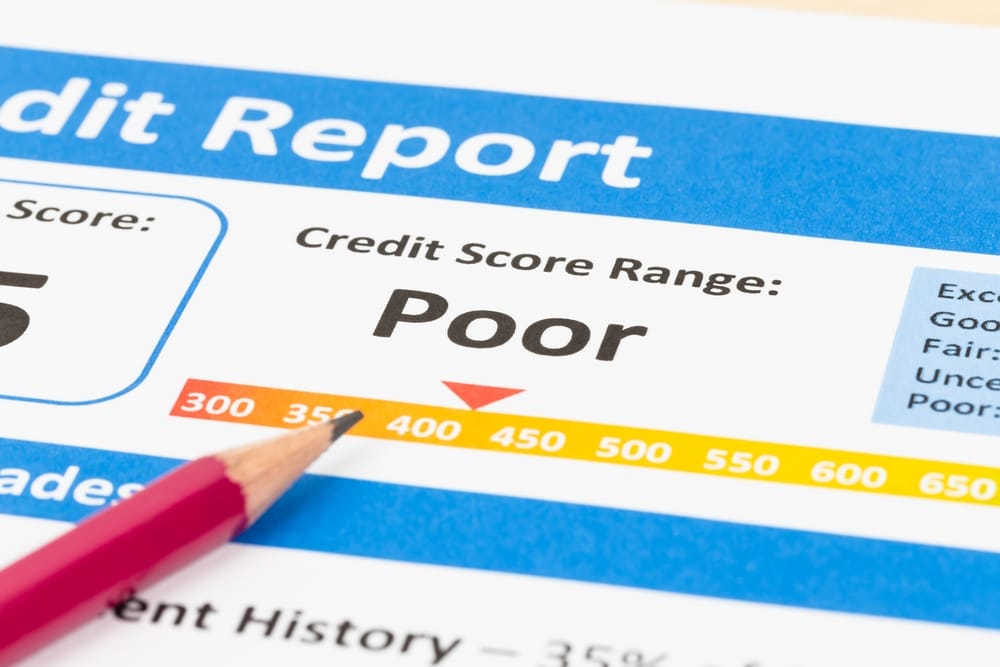
Some “Harmless” Daily Habits That Are Secretly Wrecking Your Credit Score
Image Source: Shutterstock.com

Most people walk around feeling pretty confident about their credit—until one day they check it, and suddenly it’s limping along like it just ran a marathon in flip-flops. The truth is, your credit score isn’t only affected by the big stuff like missed payments or maxed-out cards. Sometimes it’s the tiny, everyday habits—the innocent ones you don’t even think twice about—that nibble away at your score until it’s begging for mercy.

These habits hide in plain sight, disguised as completely normal financial behavior, but behind the scenes they can cause chaos. If you’ve ever wondered why your score isn’t rising the way you expect, these sneaky culprits might be the reason.

1. Paying Bills A Few Days Late Because “It’s No Big Deal”

A bill that’s late by a few days might feel harmless, especially if you still intend to pay it within the same week. But lenders and credit systems don’t see “a few days” the way you do—they see inconsistency. Even though most creditors only report payments more than 30 days late, the pattern of last-minute scrambling can eventually lead to slip-ups. One forgetful day becomes a late payment penalty, and one penalty can become a percentage drop in your score. So even if you don’t get hit with a reportable late payment, cutting it close is a risky habit that can eventually bite.

2. Using Too Much Of Your Credit Limit Just Because You’ll Pay It Off

You might assume that as long as you pay your card in full each month, running your cards up to the limit doesn’t matter. But your credit utilization—the amount of credit you’re using compared to what you have available—gets calculated long before you make that payment. If your statement closes when your card is nearly maxed out, the credit bureaus think you’re living dangerously close to debt trouble. High utilization is one of the fastest ways to tank your score, even if you’re financially responsible. What feels like normal spending can look like credit chaos on paper.

3. Frequently Applying For Store Cards To Save Money At Checkout

That tempting “Save 20% today!” pitch at the register seems like a harmless reward. But each application triggers a hard inquiry on your credit report, and enough of them can make you look desperate for credit. Lenders don’t love the idea of someone grabbing multiple cards within short periods—it signals potential financial instability. Even if you never miss a payment on those store cards, the damage from repeated inquiries can linger. And once you have several rarely used cards, they can complicate your financial profile even more.

4. Closing Old Accounts Because You’re “Decluttering” Your Finances

It feels productive to close an old credit card you barely use, like tidying a drawer you never open. Unfortunately, your credit score sees things differently. Old accounts provide valuable credit history, and shutting them down shortens your average account age instantly. Not only that, but closing a card also reduces your overall available credit, raising your utilization—even if you didn’t increase your spending. What feels like simplification can accidentally look like a riskier credit pattern.

5. Ignoring Small Medical Bills Until They “Get Around” To You

Medical bills have a sneaky way of slipping into the shadows and then exploding into collections when you’re not looking. You might think waiting a month or two to handle them is harmless, especially if you’re expecting insurance adjustments.

But medical offices often hand unpaid balances over to collection agencies faster than you think. Once a bill hits collection status, even a tiny one, your credit takes the blow. Treat those little medical statements like precious gems—because ignoring them can cost far more than the original bill.

Some “Harmless” Daily Habits That Are Secretly Wrecking Your Credit Score
Image Source: Shutterstock.com

6. Relying On Autopay Without Double-Checking Anything

Autopay sounds like a gift from the financial gods—set it, forget it, never worry again. Except autopay is only as reliable as the card it charges, the bank account it pulls from, or the expiration date you forgot was approaching. A declined autopay due to insufficient funds or an expired card can lead to missed payments without you even noticing. By the time you catch the mistake, your credit report may already be flashing warning signs. Autopay helps, but ignoring it completely can backfire spectacularly.

7. Disputing Every Tiny Charge Instead Of Letting Things Process

It’s important to be vigilant with your money, but constantly disputing minor charges can create an unexpected ripple effect. While disputes are processed, the affected account may temporarily behave differently on your report, especially if payments are paused. If the dispute doesn’t go your way or creates confusion with your creditor, it can lead to missed payments or accidental delinquencies. Over time, this can make your financial behavior appear inconsistent or disorganized. Sometimes it’s better to allow a charge to clear and then clarify it calmly with the merchant rather than filing dispute after dispute.

8. Letting Subscriptions Auto-Renew Even When You Forget About Them

Subscriptions love quietly draining your account in the background. You may treat them as small, forgettable expenses, but collectively they can cause overdrafts, increased utilization, or missed payments if tied to certain accounts. What starts as a $9.99 auto-renew might snowball into insufficient funds, triggering fees or missed charges on other bills. Credit scoring systems see the symptoms, not the root cause—and the symptoms look like you’re not managing your money well. Keeping unused subscriptions running is like leaving a leaky faucet dripping onto your credit score.

Your Credit Score Reflects Habits, Not Just Big Mistakes

Most people assume credit scores crumble only when something huge goes wrong, but it’s often the small, sneaky habits that slowly chip away at them. The good news is that once you recognize these behaviors, they’re surprisingly easy to adjust. Awareness is half the battle—and the other half is building habits that help your score rise instead of sink.

If you’ve ever discovered one of these habits in your own life, you’re definitely not alone. Share your experiences, stories, or questions in the comments section below so others can learn from them too.

You May Also Like…

Expense Mindset: 5 Budgeting Habits High-Net Individuals Use

7 Money Habits We Wish We Started 10 Years Earlier

Financial Habits of People Who Never Stress About Money

8 Modern Habits That Baffle Older Generations

8 Times “0% Interest” Credit Cards Turn Into Financial Traps


Brandon Marcus
Brandon Marcus

Brandon Marcus is a writer who has been sharing the written word since a very young age. His interests include sports, history, pop culture, and so much more. When he isn’t writing, he spends his time jogging, drinking coffee, or attempting to read a long book he may never complete.


Filed Under: credit score Tagged With: bill, credit, credit cards, credit limit, credit repair, credit report, credit score, daily habits, habits, Money, money issues, paying bills

The Medical Bill Mistake That Can Cripple Your Credit for a Decade

December 8, 2025 by Brandon Marcus Leave a Comment

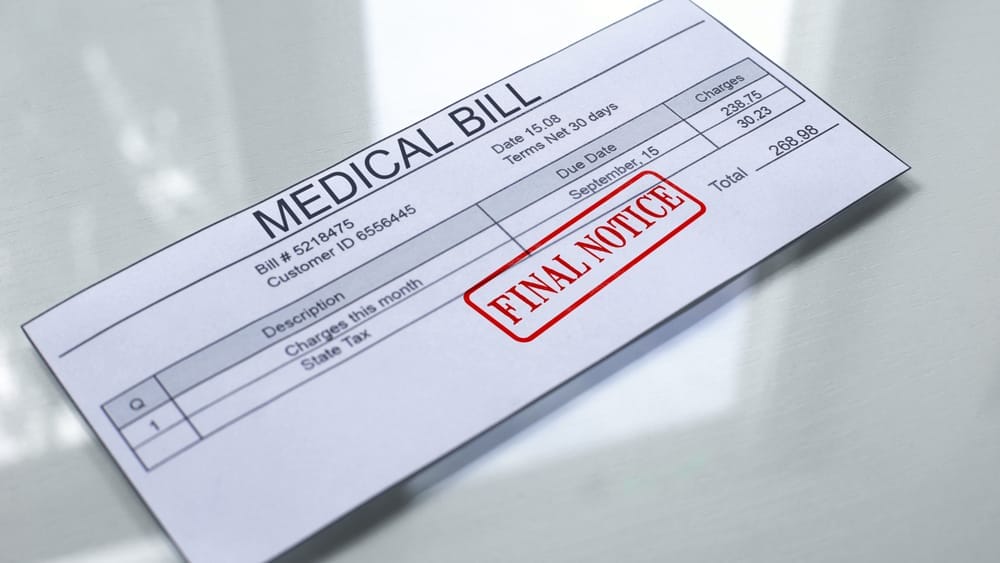
One Medical Bill Mistake That Can Cripple Your Credit for a Decade
Image Source: Pixabay.com

Medical bills have a sneaky way of turning ordinary people into financial thrill-seekers. One minute you’re walking out of the hospital with a prescription and a smile, the next you’re staring at a statement that reads like a foreign language and wondering if you accidentally adopted a small country. It’s not just the outrageous amounts that get people—it’s the subtle mistakes, overlooked paperwork, and billing snafus that can quietly snowball into years of credit damage.

Many people assume that paying something late or disputing a charge is minor, but when medical billing errors hit the credit bureaus, they can haunt you for a decade. Understanding how this happens, and how to fight back, is essential for anyone who wants to keep their financial life intact while navigating the complex world of healthcare.

Why Medical Bills Are Unlike Other Debts

Medical bills are unique because they often come unexpectedly, leaving little time for preparation or negotiation. Unlike a mortgage or car payment, which you plan for in advance, a surprise ER visit or sudden procedure can arrive with costs that rival a small down payment. Mistakes in coding, double-billing, or misapplied insurance payments make it easy to assume you owe more than you actually do. When these errors go unnoticed, they can be reported to credit agencies as delinquent debt, even if you intended to pay the correct amount on time. This is why medical bills require more attention and follow-up than almost any other type of expense.

How A Simple Billing Error Becomes A Credit Nightmare

Even minor errors on a medical bill can escalate quickly if left unchecked. A wrong date, an incorrect patient code, or a missed insurance adjustment can result in the bill being sent to collections. Once in collections, your credit report will show a negative mark, which can linger for up to ten years. Many people only discover this issue when they try to apply for a mortgage, car loan, or even a new credit card. What starts as a small oversight can turn into a decade-long headache that affects almost every area of financial life.

Insurance Confusion Makes Mistakes More Likely

Even when you have insurance, understanding what is covered and what isn’t can be like decoding a secret language. Policies are filled with deductibles, co-pays, out-of-network charges, and confusing terminology that even the most diligent patient can misinterpret. Hospitals and clinics sometimes submit claims incorrectly, leaving patients responsible for balances they should never have owed. Waiting for insurance adjustments without checking the statements can allow incorrect amounts to be reported to collections. Staying on top of every line item and communicating directly with both your insurer and provider is essential to prevent these errors from damaging your credit.

The Collections Trap Is Fast And Relentless

Once a medical bill enters collections, the damage can escalate faster than most people realize. Collection agencies report delinquent accounts to credit bureaus regularly, meaning even a small mistake can have an outsized impact. Unlike other types of debt, you often don’t receive multiple reminders before your account is reported. Many people are caught off guard, believing that “a few weeks late” won’t matter. By the time you discover the issue, the collections mark can already be reflected on your credit report, triggering higher interest rates, loan denials, and stress that lasts for years.

How To Spot And Fix Billing Mistakes Quickly

The key to preventing a decade of credit trouble is vigilance. Review every statement carefully, compare it to your insurance Explanation of Benefits, and verify that each charge is legitimate. If something looks wrong, contact the billing department immediately and request a corrected invoice. Keep meticulous records of every call, email, and response from the provider and insurance company. Prompt action can prevent a billing error from snowballing into a collection account and protect your credit score from unnecessary damage.

Negotiating And Disputing With Confidence

Even when a medical bill is accurate, there’s room for negotiation or dispute. Hospitals and collection agencies often have policies that allow for payment plans, financial assistance, or even reduced balances for prompt resolution. Disputing incorrect charges formally with your insurance or provider can halt collections and remove negative entries from your credit report. Being organized, polite, and persistent can yield better outcomes than you might expect. Taking control early transforms what could be a financial disaster into a manageable situation.

One Medical Bill Mistake That Can Cripple Your Credit for a Decade
Image Source: Pixabay.com

Why Regular Credit Checks Are Critical

Checking your credit report regularly is one of the smartest defenses against long-term damage from medical bills. Errors can appear on your report without your knowledge, sometimes months after the initial mistake. Regular monitoring allows you to spot discrepancies quickly and take action before they affect loan applications or interest rates. Many people delay checking their credit until they need a large loan, by which point errors can be entrenched. Staying proactive helps you correct mistakes before they spiral into decade-long issues.

Protecting Yourself From Future Mistakes

Education and organization are your best allies in preventing medical billing mistakes from ruining your credit. Keep a folder of all bills, insurance statements, and correspondence. Know the key dates for claims, payments, and insurance responses. Develop a habit of reviewing every charge, even small ones, and never assume an error will correct itself. By creating a system for vigilance, you reduce the risk of surprises that can linger for years. Financial peace of mind comes from consistent attention, not hope that everything is fine.

Take Action Before It’s Too Late

Medical bills may seem like just another part of adult life, but one small mistake can ripple through your financial world for a decade. Vigilance, record-keeping, and proactive communication are the keys to keeping your credit safe. Don’t wait until a loan denial or mortgage application shocks you into action—review, dispute, and negotiate before the damage is done. Have you or someone you know experienced a medical billing error that impacted credit? Share your thoughts, stories, or tips in the comments section below—we’d love to hear from you.

You May Also Like…

8 Shocking Costs of Ignoring Small Medical Bills

How Can Medical Bills Wipe Out Savings Faster Than a Market Crash

7 Outrageous Truths About Medical Debt

Could Ignoring Medical Debt Destroy Your Financial Future

Are Your Medical Wishes Legally Enforceable Across State Lines?


Brandon Marcus
Brandon Marcus

Brandon Marcus is a writer who has been sharing the written word since a very young age. His interests include sports, history, pop culture, and so much more. When he isn’t writing, he spends his time jogging, drinking coffee, or attempting to read a long book he may never complete.

Filed Under: Health & Wellness Tagged With: bill mistakes, bills, credit, credit repair, credit report, credit score, debt collection, doctor, doctors, health insurance, hospitals, medical bills, medical debt, medical expenses, spending mistakes

7 Signs Your Identity Has Been Stolen and What to Do Immediately

December 4, 2025 by Brandon Marcus Leave a Comment

Here Are Some Signs Your Identity Has Been Stolen And What To Do Immediately
Image Source: Shutterstock.com

Identity theft is one of those things that feels like it only happens in movies or to “other people”—until suddenly, your bank account looks like a crime scene. One moment you’re casually scrolling through your emails, the next you’re staring at a credit report that looks like someone went on a shopping spree with your name on it. It’s stressful, confusing, and honestly a little terrifying.

The good news is that there are warning signs that can alert you before the situation gets completely out of control. Recognizing them fast—and knowing what to do—can save you a lot of time, money, and headaches.

1. Unexplained Charges On Your Accounts

One of the most obvious signs of identity theft is charges on your credit or debit accounts that you didn’t make. It could be a $15 subscription you never signed up for, a luxury item from a store you’ve never visited, or even a cash withdrawal you didn’t authorize. These little transactions often escalate if ignored, allowing thieves to rack up significant amounts before you notice. Always check your statements regularly, not just for big purchases but for small, suspicious ones too. If you spot anything unusual, report it immediately to your bank or credit card provider.

2. Receiving Bills For Accounts You Didn’t Open

Another red flag is receiving bills or collection notices for accounts you never applied for. Maybe it’s a new credit card, a loan, or even a utility account in your name, and suddenly your mailbox feels like a plot twist you didn’t sign up for.

These accounts are often opened by criminals using stolen personal information, and ignoring them can hurt your credit score. Contact the company immediately to report fraud and ask for the account to be closed. You should also check your credit report to ensure no other unfamiliar accounts have popped up.

3. Being Denied Credit Unexpectedly

If your credit application is suddenly rejected despite having a solid financial history, it could be a sign someone else has damaged your credit. Fraudulent accounts, missed payments, or unexpected inquiries can tank your score without you realizing it. This can make things like renting an apartment, getting a loan, or even signing up for utilities a real nightmare. Pulling your credit report from all three major bureaus can help you spot discrepancies. If you find any suspicious activity, contact the creditors immediately and consider placing a fraud alert on your report.

4. Receiving Strange Notifications Or Emails

Alerts and emails about accounts you didn’t set up or password changes you didn’t request are clear warning signs. Hackers often try to gain control of your digital life by sending messages that look like legitimate alerts from banks, credit cards, or online platforms. Clicking links in these emails can make matters worse, so always go directly to the official website or contact the company directly.

Set up two-factor authentication for extra protection and change your passwords immediately. Awareness and caution are key, because a single careless click can open the door to further theft.

5. Friends Or Family Mention Suspicious Activity

Sometimes other people notice signs of theft before you do. They might receive messages, requests, or even bills in your name that seem unusual. While it can be embarrassing to admit that your identity is being misused, their alerts can be your first line of defense. Take every report seriously, even if it seems minor. Investigate thoroughly and take immediate action to prevent the situation from escalating.

6. Missing Mail Or Important Documents

Identity thieves often intercept mail to access sensitive information like bank statements, tax documents, or credit card offers. If bills, statements, or packages start disappearing or you notice that official letters never arrive, treat it as a serious warning sign. Missing mail can allow criminals to open new accounts, make unauthorized charges, or steal your personal data. Notify your local post office and consider adding extra security measures, like a locked mailbox or mail hold when you’re away. Monitoring mail is a surprisingly effective and low-tech way to catch identity theft early.

7. Unfamiliar Accounts Showing Up Online

In today’s digital age, identity theft often happens online first. New accounts, social media profiles, or online purchases that you never initiated could be created using your information. Hackers can exploit your personal data in creative ways that aren’t immediately visible on your credit report. Regularly search your name online and set up alerts to monitor suspicious activity. If you notice any unfamiliar accounts, report them immediately to the platform and take steps to secure your digital presence.

Here Are Some Signs Your Identity Has Been Stolen And What To Do Immediately
Image Source: Shutterstock.com

Stay Alert And Act Fast

Identity theft is scary, but recognizing the warning signs early can give you the upper hand. From unexplained charges to unfamiliar accounts and missing mail, the clues are often right in front of you if you pay attention. Acting quickly is essential: contact banks, credit bureaus, and relevant companies, change passwords, and monitor your accounts closely. Your goal is to stop the thief in their tracks before they can do more damage.

Have you ever experienced identity theft, or noticed something suspicious that turned out to be a red flag? Share your stories, tips, or questions in the comments section below.

You May Also Like…

7 Ways to Prevent Your Bank Information From Being Stolen by People You Know

8 Silent Costs of Ignoring Identity Theft

7 Ways Identity Scammers Copy Your Signature Remotely

8 Beauty Scams That Fooled Everyone — And Still Do

The “Love Bombing” Tactic Scammers Use to Gain Financial Control in a New Relationship


Brandon Marcus
Brandon Marcus

Brandon Marcus is a writer who has been sharing the written word since a very young age. His interests include sports, history, pop culture, and so much more. When he isn’t writing, he spends his time jogging, drinking coffee, or attempting to read a long book he may never complete.
Filed Under: safety Tagged With: bills, credit, credit repair, credit score, identity, identity theft, identity thieves, stealing identity, stolen identity, unexplained charges

6 Times When Using Credit Beats Paying With Cash

November 20, 2025 by Travis Campbell Leave a Comment

credit cards
Image source: shutterstock.com

The debate between cash and credit payments has been settled in modern society, as cards dominate checkout areas and contactless payments have become standard practice. The ability to make transactions does not necessarily mean someone has wise financial decisions. Users who manage their finances effectively can obtain better control, protection, and strategic spending power through credit services. The main decision is choosing payment systems that offer enhanced security during difficult times, maintain clear transaction monitoring, and support enhanced disaster readiness. The proper use of credit helps you convert debt into a financial resource that helps you monitor your spending while creating enduring financial security.

1. Using Credit for Major Purchases

Many people reach for cash when a big expense shows up, thinking it keeps things simple. It does, but simplicity can cost you protection. Using credit changes the dynamic. It creates a record, adds layers of security, and gives you leverage if something goes wrong. When a product fails or a contractor flakes, documentation matters.

Using credit also slows the impulse to pay before you’re sure the deal is solid. Cash disappears the moment it leaves your hand. A credit charge can be paused, challenged, or traced. That difference protects your money in situations where repairs, appliances, or furniture may be contested.

2. Using Credit for Travel

Travel exposes you to a long chain of financial vulnerabilities. Flights get canceled. Hotels overbook. Rental cars appear to be in worse condition than promised. When we rely on cash or debit cards, we bear all the risk; using credit cards shifts much of that burden to the issuer.

Airlines and hotels respond faster when a credit card backs a charge because they know the dispute process favors the customer. If a room is unsafe or a flight is mishandled, a credit charge can be challenged. Cash offers no such mechanism. Using credit in this context isn’t about perks; it’s about self‑defense in an industry full of variables.

3. Using Credit for Online Purchases

Every online transaction introduces a risk of fraud. Sites vanish. Products differ wildly from their descriptions. Packages get lost. And hackers wait for a vulnerable moment. Using credit protects you from these hazards because unauthorized charges can be reversed quickly.

Cash equivalents like debit cards expose your actual money. When a fraudulent charge hits your debit card, your account balance becomes collateral damage—used to cover the credit wall off your checking account. It builds a controlled buffer between your funds and anyone trying to breach them. In a world where online scams grow more sophisticated, that buffer matters.

4. Using Credit to Track Spending

Cash spending disappears in fragments—small purchases, forgotten receipts, loose bills. Tracking those details becomes guesswork. Using credit creates a precise ledger. Every charge appears, often categorized automatically, giving you a full picture of your habits.

Some avoid credit for fear of overspending, and that concern is real. But the issue isn’t the tool. It’s the discipline behind it. Using credit as a documented spending log gives you visibility that cash can’t match. Patterns surface. Waste becomes obvious. Choices sharpen when you can see them in black and white.

5. Using Credit for Emergency Flexibility

Emergency funds take time to build. Many households struggle to maintain even a small cushion. When an emergency hits hard—a car breakdown, a medical bill, a sudden repair—paying with cash can drain savings instantly. Using credit buys time.

This isn’t about taking on debt recklessly. It’s about preventing one crisis from triggering another. Using credit in a true emergency creates breathing room to plan, negotiate, or seek assistance. When used carefully, it prevents panic spending and protects what little savings you may have managed to build.

6. Using Credit to Build a Stronger Financial Profile

Credit histories shape everything from borrowing costs to rental applications. Lenders, landlords, and insurers review the pattern. If there’s no pattern, you lose leverage. Using credit strategically builds that track record.

Tightly controlled, low‑balance transactions reported each month demonstrate reliability. Cash leaves no trace. Using credit makes your responsible behavior visible. Over time, that visibility lowers interest rates, opens access to better housing options, and reduces insurance premiums. These benefits rarely appear upfront, yet they shape long-term financial stability.

Why Smart Credit Use Matters

People who support cash over credit argue that cash helps individuals control their spending habits. Users experience security through direct observation of cash because they can see it physically. The physical sensation of money becomes apparent as it leaves your ownership. The ability to observe cash does not translate into better financial performance. Users can obtain financial protection through credit, which provides greater security than cash when they establish spending boundaries and monitor their expenses. The system generates financial reports that help users gain better purchasing power and financial stability during times of economic uncertainty.

Users need to demonstrate financial openness through their credit statements, which reflect their actual spending activities in real time. Your financial activities become visible through credit statements, which show your current spending habits. People face critical financial problems when they do not resolve their first financial issues.

How do you decide when to use credit instead of cash?

What to Read Next…

  • The Benefits Of Taking Personal Loans And Their Impact On Credit Scores
  • 5 Things That Instantly Decrease Your Credit Score By 50 Points
  • 7 Credit Card Features Disappearing Without Any Notice
  • Why Are More Seniors Ditching Their Credit Cards Completely?
  • 6 Credit Card Perks That Come With Under The Radar Stringent Conditions
Travis Campbell
Travis Campbell

Travis Campbell is a digital marketer/developer with over 10 years of experience and a writer for over 6 years. He holds a degree in E-commerce and likes to share life advice he’s learned over the years. Travis loves spending time on the golf course or at the gym when he’s not working.

Filed Under: credit cards Tagged With: credit, financial strategy, money management, Personal Finance, spending

8 Cruel Truths About Debt That Nobody Wants to Hear Loudly

October 19, 2025 by Travis Campbell Leave a Comment

debt
Image source: shutterstock.com

Debt is a topic most people prefer to avoid, yet it affects millions of households every day. Facing the realities of debt can be uncomfortable, but ignoring them only makes things worse. Understanding the true impact of debt is key to breaking free from its grip and building a healthier financial future. If you’re tired of sugarcoated advice, it’s time to dig into the facts that really matter. Here are eight cruel truths about debt that nobody wants to say out loud—but everyone should hear. Facing these realities can help you make smarter choices and avoid common pitfalls.

1. Debt Is Easy to Get Into, Hard to Escape

Getting into debt can happen fast. Credit card offers, personal loans, and buy-now-pay-later schemes make borrowing simple. But climbing out is a slow, painful process. High interest rates and fees can turn a small balance into a long-term burden. The truth is, it often takes years to pay off what only took minutes to borrow. Escaping debt requires discipline, sacrifice, and a plan.

2. Interest Is the Silent Enemy

Many people underestimate the power of compound interest when it comes to debt. While it can work wonders for investments, with debt, it works against you. Interest quietly adds up month after month, often outpacing your minimum payments. That means you can pay hundreds or even thousands extra over time—just for the privilege of borrowing. This is one of the cruelest debt truths because it’s easy to overlook until it’s too late.

3. Minimum Payments Keep You Trapped

Paying only the minimum on your credit cards or loans may seem manageable, but it’s a trap. Minimum payments are designed to keep you in debt longer, maximizing profit for lenders. The result? Years of payments, with little progress made on the actual balance. If you want to break free from debt, you need to pay more than the minimum—even small extra amounts can make a big difference.

4. Debt Limits Your Choices

Debt doesn’t just affect your wallet—it restricts your options. When you’re carrying balances, it’s harder to save for emergencies, invest for the future, or make big life changes like switching careers or moving. Debt can force you to stay in jobs you dislike or delay important milestones. It’s a financial leash, and the longer it’s on, the less freedom you have to make choices that matter to you.

5. Not All Debt Is “Good Debt”

Some financial experts talk about “good debt” versus “bad debt.” While certain debts—like mortgages or student loans—can help build your future, they’re still debts. Every loan comes with risk and costs, and there’s no guarantee of a payoff. Even so-called good debt can become unmanageable if your circumstances change. The reality is, all debt carries the potential to derail your finances if not handled carefully.

6. Debt Affects Your Mental Health

One of the least discussed debt truths is its impact on mental well-being. The stress of unpaid bills, collection calls, and mounting balances can lead to anxiety, depression, and even physical health problems. Money worries can strain relationships and make daily life feel overwhelming. If you’re struggling, know that you’re not alone. Seeking help—from a professional or a trusted friend—can make a difference. You can also find support through organizations like the National Foundation for Credit Counseling.

7. Ignoring Debt Makes It Worse

It’s tempting to avoid looking at your balances or skip opening bills, but denial only increases the pain. Late fees, penalty interest rates, and damage to your credit score pile up fast. The sooner you face your debt and make a plan, the better your chances of turning things around. Facing the cruel truths about debt head-on gives you the power to take back control, even if it feels uncomfortable at first.

8. Debt Can Outlast Your Income

Job loss, illness, or unexpected expenses can happen to anyone. If your income drops, debt payments don’t stop—they can quickly overwhelm your budget. In some cases, people end up using new debt just to pay off old debt, creating a dangerous cycle. Planning for the unexpected and building an emergency fund is crucial, but debt can make that nearly impossible. This is a reality that’s hard to swallow, but it’s better to prepare than to be caught off guard.

Taking Control Starts with Honesty

The harsh realities of debt are tough to hear, but knowing them is the first step to freedom. It’s not about shame or blame—it’s about understanding what you’re up against so you can make better choices. Facing the truth about debt gives you the power to change your story, one step at a time. There are resources to help, like the Consumer Financial Protection Bureau, and you’re never alone on this journey.

What’s the hardest debt truth you’ve had to face? Share your story or tips in the comments below.

What to Read Next…

  • The Benefits Of Taking Personal Loans And Their Impact On Credit Scores
  • 5 Emergency Repairs That Could Force You Into Debt Overnight
  • Are Budgeting Apps Designed To Push You Into Debt
  • 5 Things That Instantly Decrease Your Credit Score By 50 Points
  • Why Are So Many Seniors Being Sued Over Student Loans They Didn’t Take Out
Travis Campbell
Travis Campbell

Travis Campbell is a digital marketer/developer with over 10 years of experience and a writer for over 6 years. He holds a degree in E-commerce and likes to share life advice he’s learned over the years. Travis loves spending time on the golf course or at the gym when he’s not working.

Filed Under: Debt Management Tagged With: credit, Debt, financial freedom, mental health, Personal Finance

7 Things You Should Never Say to a Debt Collector on the Phone

October 17, 2025 by Travis Campbell Leave a Comment

debt
Image source: shutterstock.com

Getting a call from a debt collector can be stressful. You may feel pressured to say anything just to end the conversation. But what you say on the phone can have real consequences for your finances and your legal rights. Debt collectors are trained to use your words against you, and even a simple slip could affect your credit or lead to unnecessary payments. Knowing what not to say empowers you to handle these calls with confidence and protect yourself. Here are seven things you should never say to a debt collector on the phone.

1. “Yes, That’s My Debt” (Without Verification)

Never admit the debt is yours without asking for proper verification. Debt collectors sometimes pursue debts that have already been paid, discharged, or even belong to someone else. By admitting the debt, you could reset the statute of limitations, which gives them more time to sue you. Always ask for written proof before saying anything about ownership of the debt. This protects your rights and gives you time to review the details.

2. “I’ll Pay Whatever You Want”

Promising to pay whatever the collector asks is risky. Debt collectors may inflate amounts with fees or interest not legally owed. If you agree to pay an arbitrary sum, you might end up overpaying. Instead, request a breakdown of the debt in writing. Take time to review it and negotiate if possible. Only agree to pay what you truly owe and can afford.

3. “Here’s My Bank Account Information”

Never give out your bank account or credit card information over the phone to a debt collector. Sharing these details can result in unauthorized withdrawals or even identity theft. Insist on paying through more secure methods, like a money order or a secure online portal provided after you’ve verified the collector’s legitimacy. Protecting your financial information is key when dealing with debt collectors on the phone.

4. “You Can Call Me at Work”

Allowing debt collectors to contact you at work can cause embarrassment and disrupt your professional life. You have the right to ask them not to contact you at your workplace. If you tell them it’s inconvenient or not allowed, they must stop under the Fair Debt Collection Practices Act. Set clear boundaries about when and where they can reach you to keep your work and personal life separate.

5. “I Don’t Know Anything About This Debt”

While it’s important not to admit to the debt without proof, pretending you know nothing at all can backfire. Debt collectors may see this as an opportunity to pressure you with aggressive tactics. Instead, calmly request written validation of the debt. This shows you know your rights and won’t be intimidated, but also that you aren’t admitting responsibility until you have the facts.

6. “Go Ahead and Sue Me”

Challenging a debt collector to sue you is almost never wise. It might sound brave, but it can push collectors to take legal action faster. Lawsuits can lead to wage garnishment, liens, or judgments on your credit report.

7. “I Can’t Pay Anything At All”

Telling a debt collector you can’t pay anything may sound honest, but it can close off negotiation options. Collectors might push harder or refer your account for legal action. Instead, if you’re struggling, express willingness to discuss your situation and ask about possible payment plans or hardship programs. This keeps the lines of communication open without making promises you can’t keep.

Protect Yourself When Dealing with Debt Collectors on the Phone

When it comes to dealing with debt collectors on the phone, your words matter. Even under pressure, avoid making admissions, sharing sensitive information, or agreeing to unreasonable terms. Always ask for written validation and take time to consider your options. Protecting your rights and your finances should be your top priority.

If you’re unsure of your rights or need more guidance, the Consumer Financial Protection Bureau’s debt collection guide offers practical advice on how to handle these situations safely.

What’s the most challenging call you’ve had with a debt collector on the phone? Share your experience or tips in the comments below!

What to Read Next…

  • Senior Citizens Alert: 8 Pieces of Information You Should Never Give Out Over the Phone
  • 5 Things That Instantly Decrease Your Credit Score by 50 Points
  • What Happens If Your Spouse Has Secret Debt You Didn’t Know About?
  • Why Some Credit Reports Are Withholding Important Data
  • 7 Bank Terms That Let Institutions Freeze Funds Without Warning
Travis Campbell
Travis Campbell

Travis Campbell is a digital marketer/developer with over 10 years of experience and a writer for over 6 years. He holds a degree in E-commerce and likes to share life advice he’s learned over the years. Travis loves spending time on the golf course or at the gym when he’s not working.

Filed Under: Debt Management Tagged With: consumer rights, credit, debt advice, debt collection, money management, Personal Finance, phone calls

The “Buy Now, Pay Later” Trap That’s Drowning People in Hidden Debt

October 12, 2025 by Travis Campbell Leave a Comment

Bnpl
Image source: pexels.com

The rise of “Buy Now, Pay Later” (BNPL) services has changed the way people shop. At checkout, it’s tempting to split a purchase into smaller payments instead of paying the full price upfront. It feels painless and budget-friendly. But behind the scenes, these services can quietly stack up hidden debt. Many shoppers don’t realize how quickly these small payments add up. If you’re not careful, you could find yourself in a financial hole that’s hard to climb out of. Understanding the risks of the buy now, pay later trap is more important than ever.

1. The Illusion of Affordability

One of the biggest dangers of the buy now, pay later trap is how easy it becomes to justify purchases. A $200 jacket doesn’t look so bad when you only have to pay $50 today. The remaining payments are pushed into the future, and that makes it feel like you’re spending less. But you’re not saving money—you’re just delaying the pain. This illusion of affordability encourages overspending. It’s easy to lose track of how much you owe when your purchases are split into bite-sized chunks.

BNPL services bank on this psychology. The more you use them, the easier it is to think you can afford more. But every “small” payment is another obligation on your plate. If you’re not careful, you can end up with several ongoing payments at once, all stacking up into a bigger financial burden.

2. Hidden Fees and Penalties

Many buy now, pay later providers advertise “no interest” or “zero fees.” But the reality can be very different. If you miss a payment, you might get hit with late fees or penalty charges. Some services even report missed payments to credit bureaus, which can hurt your credit score. These fees are often buried in the fine print, making them easy to overlook.

The trap is set when you assume you’ll always pay on time. Life happens—maybe your paycheck is late or you forget a due date. Suddenly, that “interest-free” purchase gets expensive. Always read the terms before you agree, and remember that the buy now, pay later trap isn’t just about the payments you expect—it’s also about the costs you don’t see coming.

3. Multiple Accounts, Multiple Headaches

It’s easy to sign up for several buy now, pay later services. Each one might seem harmless on its own, but together they can create a confusing web of payments and due dates. You might have a payment due to one provider on the 15th, another on the 18th, and a third on the 22nd. Juggling all these can be a nightmare.

Miss a single payment and you could trigger fees, credit dings, or even debt collection calls. The buy now, pay later trap grows as you lose track of your obligations. Some people end up with four, five, or even more BNPL accounts running at the same time. That’s a recipe for financial chaos.

4. Impact on Your Credit and Budget

When you use a buy now, pay later service, you’re taking on debt—even if it doesn’t feel like it. Some providers run soft credit checks, while others report your payments to major credit bureaus. If you fall behind, your credit score could take a hit. This can affect your ability to get loans, rent an apartment, or even land certain jobs.

Even if your credit isn’t directly affected, your monthly budget definitely is. Every BNPL payment reduces your available cash. If you’re juggling several plans, you might find yourself short on money for essentials. The buy now, pay later trap can quietly squeeze your finances until you’re left scrambling to make ends meet.

5. Encouraging Impulse Buying

The buy now, pay later trap doesn’t just create debt—it encourages habits that can make your financial situation worse. When you know you don’t have to pay the full amount upfront, it’s easier to buy things you don’t really need. The barrier to spending is lower, so you’re more likely to make impulse purchases.

Retailers love this. Studies show that shoppers spend more when BNPL is available. That’s great for their bottom line, but not always for yours. If you regularly use BNPL, it’s worth asking yourself: are you buying because you need something, or because it’s easy to delay the cost?

6. Lack of Consumer Protections

Traditional credit cards come with a host of consumer protections, including dispute resolution and fraud protection. Many buy now, pay later services don’t offer the same safety nets. If your item never arrives or doesn’t match the description, getting your money back can be a hassle.

Some BNPL providers have their own policies, but they may not be as robust as those offered by credit card networks. Before you choose BNPL over a credit card, weigh the risks. You might find yourself stuck paying for something you never received.

What You Can Do to Avoid the Buy Now, Pay Later Trap

The buy now, pay later trap is easy to fall into, but you can avoid it with some practical steps. First, treat every BNPL offer as a loan. Ask yourself if you’d still make the purchase if you had to pay the full amount today. If the answer is no, it’s probably not worth it.

Keep a list of any BNPL accounts and payment schedules. Set reminders so you never miss a due date. Most importantly, don’t use BNPL to buy things you can’t afford. Remember, every payment is a future obligation. If you’re struggling with debt, consider reaching out to a nonprofit credit counselor for guidance.

How has using buy now, pay later services affected your finances? Share your experience in the comments below!

What to Read Next…

  • The Benefits Of Taking Personal Loans And Their Impact On Credit Scores
  • Are Budgeting Apps Designed To Push You Into Debt?
  • 5 Things That Instantly Decrease Your Credit Score By 50 Points
  • 7 Hidden Fees That Aren’t Labeled As Fees At All
  • 7 Financial Loopholes That Lenders Exploit Behind The Scenes
Travis Campbell
Travis Campbell

Travis Campbell is a digital marketer/developer with over 10 years of experience and a writer for over 6 years. He holds a degree in E-commerce and likes to share life advice he’s learned over the years. Travis loves spending time on the golf course or at the gym when he’s not working.

Filed Under: Finance Tagged With: buy now pay later, credit, Debt, Hidden Fees, Personal Finance, Spending Habits

Here’s What It Really Means to Have an Unconventional Loan

October 10, 2025 by Travis Campbell Leave a Comment

money
Image source: shutterstock.com

When you think about getting a loan, you probably imagine the usual suspects: mortgages, auto loans, or personal loans from a bank or credit union. But what if your situation doesn’t fit into those neat boxes? That’s where an unconventional loan comes into play. Unconventional loans can open doors for people who don’t qualify for traditional lending or need creative solutions. Understanding what it really means to have an unconventional loan is important before you sign on the dotted line. These loans can help you achieve your goals, but they come with their own set of rules, risks, and rewards. Here’s what you need to know if you’re considering this less-traveled financial path.

1. What Is an Unconventional Loan?

An unconventional loan is any type of financing that falls outside the standard guidelines set by traditional lenders like banks and credit unions. These loans are also called non-conforming loans. People with unique financial situations often use them—maybe you’re self-employed, have a low credit score, or want to buy a property that doesn’t fit the mold.

The primary SEO keyword here is unconventional loan. Lenders may look at your ability to repay, but they’ll use different criteria or may be willing to take on more risk. While this flexibility is appealing, it’s important to understand the potential downsides, such as higher interest rates or stricter terms.

2. Who Typically Uses Unconventional Loans?

Unconventional loans are popular with borrowers who don’t meet the requirements for conventional loans. If you’re a freelancer, real estate investor, or someone with a recent bankruptcy, you might find that traditional banks won’t work with you. Maybe you have an irregular income stream or your credit history is less than perfect. In these cases, an unconventional loan could be a solution.

People who want to buy unique properties—like tiny homes, fixer-uppers, or mixed-use buildings—often turn to these loans as well. Sometimes, even business owners looking for a quick influx of cash will seek out unconventional options. The key is that these loans are designed for situations where the “normal” route just doesn’t fit.

3. Types of Unconventional Loans

There’s no single formula for an unconventional loan. They come in many shapes and sizes, including:

  • Stated income loans, which rely more on your stated earnings than on documented proof.
  • Hard money loans are secured by property and are often used by real estate investors.
  • Balloon loans have low initial payments followed by a large lump sum at the end.
  • Interest-only loans, where you pay just the interest for a set period before starting on the principal.
  • Peer-to-peer loans are where individuals lend to other individuals through online platforms.

Each type of unconventional loan serves different needs and comes with its own pros and cons. It’s smart to research thoroughly before deciding which route to take.

4. Pros and Cons You Need to Know

One major advantage of an unconventional loan is access. If you can’t get a regular mortgage or personal loan, these alternatives can help you bridge the gap. The approval process is often faster, and the requirements can be less rigid.

On the flip side, be prepared for higher interest rates and additional fees. Lenders take on more risk, so they charge more to offset it. You might also face shorter repayment terms or stricter penalties for late payments. Before you commit, review every detail so you’re clear about what you’re getting into.

5. How to Qualify for an Unconventional Loan

Qualifying for an unconventional loan isn’t always easier—it’s just different. Lenders might focus on your assets, property value, or projected cash flow instead of your credit score or W-2 income. You’ll likely need to provide more documentation to prove your ability to repay. Sometimes, you’ll need a larger down payment or collateral to secure the loan.

It pays to shop around and compare offers from different lenders. Get everything in writing, and don’t be afraid to ask questions. If possible, work with a financial advisor or mortgage broker who understands the unconventional loan landscape.

6. Risks to Watch Out For

Unconventional loans aren’t for everyone. The biggest risk is cost: you could end up paying much more over the life of the loan compared to a conventional option. Some loans, like hard money or balloon loans, can put you in a tough spot if you can’t make the big payments when they’re due.

Regulation is another issue. Some unconventional lenders operate with less oversight, which means you need to be extra cautious. Read all the fine print and check lender reviews.

What to Consider Before You Apply

Before you jump into an unconventional loan, take a step back and look at your full financial picture. Ask yourself if you really need this type of loan, or if there’s a way to qualify for a traditional product with better terms. Sometimes, improving your credit score or saving a larger down payment can open up more options.

It’s also wise to compare offers and check for hidden fees or high prepayment penalties. Remember, the flexibility of an unconventional loan comes at a price.

Have you ever considered an unconventional loan, or have you used one in the past? Share your experience or questions in the comments below!

What to Read Next…

  • The Benefits Of Taking Personal Loans And Their Impact On Credit Scores
  • 9 Surprising Penalties For Paying Off Loans Too Early
  • What Happens When You Co Sign A Friends Loan By Accident
  • 7 Financial Loopholes That Lenders Exploit Behind The Scenes
  • 8 Signs Your Financial Advisor Is Not Acting In Your Best Interest
Travis Campbell
Travis Campbell

Travis Campbell is a digital marketer/developer with over 10 years of experience and a writer for over 6 years. He holds a degree in E-commerce and likes to share life advice he’s learned over the years. Travis loves spending time on the golf course or at the gym when he’s not working.

Filed Under: Finance Tagged With: alternative loans, credit, lending, mortgages, Personal Finance, Risk management, unconventional loan

What Happens When You Don’t Read Loan Fine Print

September 26, 2025 by Travis Campbell Leave a Comment

loan agreement
Image source: pexels.com

Taking out a loan can feel like a relief, whether you’re buying a car, paying for college, or covering emergency expenses. But many people skip over the loan fine print, eager to get funds quickly. That’s a risky move. The details buried in those pages can dramatically impact your finances. Ignoring the fine print might lead to unexpected fees, higher payments, or even legal trouble. Understanding what happens when you don’t read loan fine print can save you money, stress, and regret.

1. Hidden Fees and Costs

Loan agreements often include fees that aren’t obvious at first glance. If you don’t read the loan fine print, you might be surprised by origination fees, late payment penalties, or prepayment charges. These extra costs can add up quickly, making your loan more expensive than you planned. Some lenders even charge for things like paper statements or payment processing. Always check the fee schedule before you sign. It’s not just about the interest rate—you need to know the total cost of borrowing.

2. Changing Interest Rates

Many loans come with variable interest rates, but this detail is sometimes buried in the fine print. If you skip reading, you might think your rate is fixed, only to see your payments jump later. That can wreck your budget. When you don’t read the loan fine print, you might miss how and when your rate can change. Look for sections about rate adjustments, index rates, and how often your lender can revise the terms. Even a small increase in your rate can mean hundreds or thousands more over the life of the loan.

3. Unfavorable Repayment Terms

Repayment rules can be tricky. Some loans have short grace periods, while others require large balloon payments at the end. If you don’t read the loan fine print, you might not realize how soon you need to start paying or how much your payments will be. Missing these details can lead to late payments, penalties, or even default. Be clear about your repayment schedule, the amount due each month, and what happens if you pay late. Understanding these terms ahead of time gives you more control over your finances.

4. Tricky Clauses and Traps

Loan documents sometimes include clauses that protect the lender more than you. For example, there might be mandatory arbitration agreements, which limit your ability to sue if there’s a problem. Or there could be cross-default clauses, meaning if you default on one loan, you automatically default on others with the same lender. When you don’t read loan fine print, you may agree to terms you’d never accept if you understood them. Take the time to look for legal jargon, and don’t be afraid to ask for clarification before signing.

5. Credit Score Surprises

Your loan agreement may explain how your payments (or missed payments) are reported to credit bureaus. If you don’t read the loan fine print, you might not realize that even a single late payment could hurt your credit score. Some lenders report late payments after just a few days, while others give you a longer grace period. Understanding this can help you protect your credit and avoid long-term financial consequences. If you’re unsure, ask the lender how they report to credit agencies before you commit.

6. Prepayment Penalties

Paying off a loan early seems like a good thing, but not always. Some lenders charge prepayment penalties if you pay off your balance ahead of schedule. If you don’t read the loan fine print, you might end up paying extra just for being financially responsible. These penalties can eat into any interest savings you hoped to gain by paying off your loan faster. Always check if your loan has a prepayment penalty and how it’s calculated. This is especially important for mortgages and auto loans, where the amounts can be significant.

7. Loss of Collateral

Many loans are secured by collateral, such as your car or home. The fine print spells out what happens if you default. If you don’t read the loan fine print, you might not understand how quickly you could lose your property. Some contracts allow lenders to repossess assets after just one missed payment, with little warning. Protect yourself by knowing exactly what’s at risk and what your rights are if you fall behind.

8. Legal and Collection Risks

Loan agreements usually detail what happens if you break the contract. If you don’t read the loan fine print, you may not see clauses about collections, court costs, or wage garnishment. Some lenders move quickly to collect unpaid debts, hiring collection agencies or taking legal action. This can add major stress and cost to your life. Understanding these consequences before you sign helps you make informed choices and avoid future hassles.

How to Protect Yourself When Borrowing

It’s tempting to rush through paperwork, but reading the loan fine print is essential. Take your time, and don’t hesitate to ask questions if something isn’t clear. Get a copy of the agreement and review it at home, away from pressure. Consider consulting with a trusted advisor or a lawyer if the terms are complex.

Remember, lenders count on borrowers skipping the fine print. Knowing what happens when you don’t read loan fine print gives you the power to avoid surprises and protect your money.

Have you ever been caught off guard by a loan’s fine print? Share your experience or questions in the comments below!

What to Read Next…

  • The Benefits of Taking Personal Loans and Their Impact on Credit Scores
  • 9 Surprising Penalties for Paying Off Loans Too Early
  • 7 Hidden Fees That Aren’t Labeled as Fees at All
  • What Happens When You Co-Sign a Friend’s Loan by Accident
  • What Happens When Your Bank Changes the Terms Without Warning
Travis Campbell
Travis Campbell

Travis Campbell is a digital marketer/developer with over 10 years of experience and a writer for over 6 years. He holds a degree in E-commerce and likes to share life advice he’s learned over the years. Travis loves spending time on the golf course or at the gym when he’s not working.

Filed Under: Debt Management Tagged With: borrowing, credit, Debt, fine print, interest rates, loans, Personal Finance

7 Tricks Collection Agencies Use To Get You To Pay Off Old Debt

September 21, 2025 by Travis Campbell Leave a Comment

money
Image source: pexels.com

If you’ve ever had old debt hanging over your head, you know how stressful it can be. Collection agencies are experts at getting people to pay off old debt, and they have a toolbox full of tactics to make it happen. Sometimes, these methods can leave you feeling pressured or uncertain about your rights. Knowing how collection agencies operate helps you protect yourself and make smarter choices. By spotting their tricks, you can keep control of your finances and handle old debt on your terms.

1. Restarting the Clock on Old Debt

One of the most common tricks collection agencies use to get you to pay off old debt is trying to restart the statute of limitations. Each state has laws about how long a collector can sue you for a debt. If you make a small payment or even acknowledge that you owe the money, you might reset the clock, giving them more time to take legal action. Collectors might push you to pay just a few dollars or sign a payment plan, but this can actually put you in a worse position legally.

2. Using Urgent or Threatening Language

Collection agencies know that fear is a powerful motivator. They might use urgent language or even threats to pressure you into paying off old debt quickly. You could hear phrases like “final notice,” “immediate action required,” or threats about damaging your credit report. In some cases, collectors cross the line and imply legal action is imminent, even if it’s not. Remember, while they can sue, they can’t threaten you or harass you under the Fair Debt Collection Practices Act (FDCPA).

3. Offering “Settlements” That Aren’t Always a Deal

It’s common for collection agencies to offer a settlement, promising to accept less than the full amount owed. While this can seem like a good way to pay off old debt, these offers sometimes come with strings attached. The agency might not clearly state whether the settled debt will be marked as “paid in full” on your credit report, or whether you’ll owe taxes on the forgiven amount. Always get settlement offers in writing and make sure you understand the terms before sending any money.

4. Calling Friends, Family, or Employers

Some collectors will contact people you know to embarrass you or increase the pressure to pay. They might call your family, friends, or workplace, claiming they’re trying to reach you. While they can ask for your contact information, they can’t discuss your debt with others. This tactic is meant to make you uncomfortable enough to pay off old debt quickly, but it’s important to know your rights and file a complaint if a collector crosses the line.

5. Misrepresenting Their Authority

Collection agencies sometimes act as if they have more power than they really do. They might suggest they’re working with law enforcement, or imply they can garnish your wages without a court order. These statements are often misleading or outright false. Under the FDCPA, collectors cannot misrepresent themselves or their ability to collect.

6. Flooding You with Calls and Letters

Persistence is a favorite strategy for collection agencies. They may call multiple times a day, send repeated letters, and use different phone numbers to get through. The goal is to wear you down so you’ll pay off old debt just to stop the constant contact. While collectors are allowed to reach out, they must respect your request to stop if you ask in writing.

7. Using Confusing or Vague Documentation

Sometimes, agencies will send unclear or incomplete paperwork about the debt they claim you owe. This can make it hard to know if the debt is real, if the amount is correct, or if you’re even legally responsible. They might hope you’ll pay off old debt just to avoid the hassle. Always ask for written verification of the debt and don’t pay until you’re sure everything checks out. This step protects you from paying a debt you don’t owe or restarting the statute of limitations by mistake.

Know Your Rights Before You Pay Off Old Debt

Collection agencies have many tricks to get you to pay off old debt, but you don’t have to fall for them. Understanding your rights and the rules collectors must follow gives you the confidence to handle their tactics. Take your time to verify any debt, and never let pressure or fear force you into a payment you’re not sure about. If you feel overwhelmed, consider reaching out to a nonprofit credit counselor or legal aid group for support.

Have you ever dealt with a collection agency? What tricks did they use, and how did you handle it? Share your experience in the comments below!

What to Read Next…

  • 5 Things That Instantly Decrease Your Credit Score By 50 Points
  • The Benefits Of Taking Personal Loans And Their Impact On Credit Scores
  • 7 Credit Card Features Disappearing Without Any Notice
  • Why Are More Seniors Ditching Their Credit Cards Completely?
  • Why Credit Limits Are Being Lowered Without Consent
Travis Campbell
Travis Campbell

Travis Campbell is a digital marketer/developer with over 10 years of experience and a writer for over 6 years. He holds a degree in E-commerce and likes to share life advice he’s learned over the years. Travis loves spending time on the golf course or at the gym when he’s not working.

Filed Under: Debt Management Tagged With: collection agencies, consumer rights, credit, debt collection, old debt, Personal Finance

  • « Previous Page
  • 1
  • 2
  • 3
  • 4
  • 5
  • Next Page »

Follow Us

Search this site:

Recent Posts

  • Can My Savings Account Affect My Financial Aid? by Tamila McDonald
  • 12 Ways Gen X’s Views Clash with Millennials… by Tamila McDonald
  • What Advantages and Disadvantages Are There To… by Jacob Sensiba
  • 10 Tactics for Building an Emergency Fund from Scratch by Vanessa Bermudez
  • Call 911: Go To the Emergency Room Immediately If… by Stephen Kanaval
  • 7 Weird Things You Can Sell Online by Tamila McDonald
  • 10 Scary Facts About DriveTime by Tamila McDonald

Copyright © 2026 · News Pro Theme on Genesis Framework