• Home
  • About Us
  • Toolkit
  • Getting Finances Done
    • Hiring Advisors
    • Debt Management
    • Spending Plan
  • Insurance
    • Life Insurance
    • Health Insurance
    • Disability Insurance
    • Homeowners/Renters Insurance
  • Contact Us
  • Privacy Policy
  • Risk Tolerance Quiz

The Free Financial Advisor

You are here: Home / Archives for borrowing

Why Good Credit (670–739 Score) Gets You 21%–24% APR in 2026

February 4, 2026 by Brandon Marcus Leave a Comment

Why Good Credit (670–739 Score) Gets You 21%–24% APR in 2026

Image source: shutterstock.com

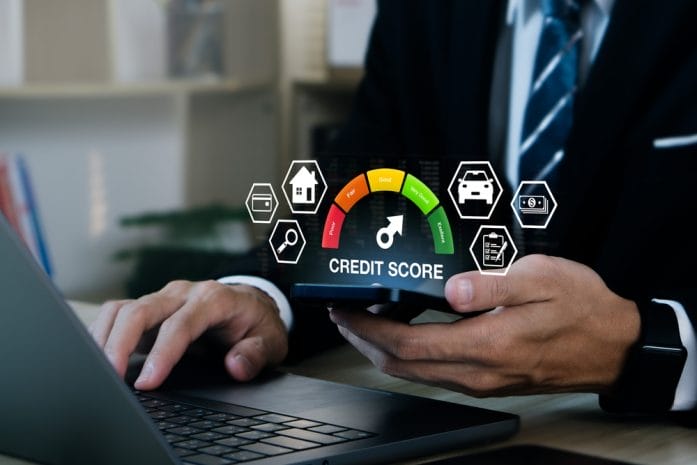
You did everything right. You paid your bills on time. You kept your balances under control. You worked your way into the “good credit” range with a score between 670 and 739, expecting better rates, better offers, and better financial breathing room. And then 2026 shows up… and your APR offers land between 21% and 24%.

Here’s the truth most lenders won’t say out loud: “good credit” doesn’t mean “cheap money.” It means “less risky than average,” and in today’s financial environment, that distinction matters more than ever. This isn’t about you messing up — it’s about how modern lending, inflation pressure, and risk models collide in a world where money simply costs more to borrow.

The Economy Changed the Game, Not Your Credit Score

APR doesn’t exist in a vacuum. It’s tied to broader interest rates, inflation trends, and how expensive it is for lenders themselves to access capital. When base rates stay elevated, everything built on top of them rises too, including credit card APRs, personal loan rates, and revolving credit costs.

In 2026, lenders aren’t pricing loans based on how responsible you feel, they’re pricing them based on systemic risk and funding costs. Even borrowers with solid histories now live in a higher-rate ecosystem where “cheap debt” is no longer the default. A 670–739 score still signals reliability, but it doesn’t override macroeconomic reality.

Risk Models Don’t See “Good,” They See “Probability”

Lenders don’t think in emotional categories like “good” or “bad.” They think in probabilities, data sets, and default risk curves. A 670–739 score still statistically carries more risk than a 760+ borrower, even if you’re financially responsible in real life.

That gap matters because lending algorithms price risk in percentages, not personalities. You might be a stable earner with great habits, but models look at aggregated behavior across millions of borrowers. If people in your score range default more often during economic pressure cycles, rates rise accordingly.

“Good Credit” Is a Marketing Term, Not a Pricing Tier

Always remember that credit categories are designed for consumers, not for lenders. Labels like “fair,” “good,” and “excellent” simplify complexity, but lenders use internal tiers that are far more granular. Your 710 score might look great on an app, but in underwriting systems, it’s often grouped into mid-risk pricing brackets.

That’s why you can work hard for “good credit” and still see 22% APR offers. From a lender’s perspective, the premium rates are attached to ultra-low-risk profiles — long credit history, high income stability, low utilization, diverse credit mix, and top-tier scores. Everyone else pays the risk tax. The label feels flattering, but the pricing tells the real story.

Inflation Didn’t Just Raise Prices — It Repriced Borrowing

Inflation doesn’t just hit groceries and rent, it changes the entire cost structure of money. When inflation stays elevated, lenders build protection into their APRs to preserve profitability and manage default exposure.

Therefore, even responsible borrowers feel squeezed. In 2026, APR inflation is less about borrower behavior and more about systemic financial caution. The lending industry is in defensive mode, and “good credit” borrowers are no longer shielded the way they once were.

Why 21%–24% APR Is the New “Normal Good”

A decade ago, 21% APR felt punitive. Today, it’s increasingly standard for mid-tier borrowers. Lenders know demand for credit still exists, even at higher rates, and consumer borrowing behavior hasn’t slowed enough to force widespread repricing.

As long as people keep using credit, offers stay elevated. The system responds to behavior, not outrage. And because most borrowers in the 670–739 range still qualify — even at higher rates — the pricing structure holds. Accessibility doesn’t equal affordability, and that gap defines modern credit markets.

Smart Borrower Moves in a High-APR World

If 21%–24% APR is the environment, strategy matters more than ever. Carrying balances becomes expensive fast, so utilization discipline isn’t optional anymore. Paying your statements in full, avoiding long-term revolving debt, and using credit cards as tools instead of funding sources becomes crucial.

It also means shopping aggressively for offers, using pre-qualification tools, and leveraging competition between lenders. Credit unions, relationship banking, and secured products often offer better terms than national issuers. You’re not powerless, but you do need to be intentional.

Why Good Credit (670–739 Score) Gets You 21%–24% APR in 2026

Image source: shutterstock.com

The Emotional Side of “Good Credit” in 2026

There’s a psychological hit that comes with doing everything right and still feeling punished by the system. That frustration is real. The promise of credit scoring was fairness: better behavior equals better outcomes. But modern lending blends behavior with macroeconomics, and the result feels less personal and more mechanical.

Understanding that shift matters, because it reframes the story. You didn’t fail. The system evolved. And adapting to it means changing expectations, not just chasing numbers. Financial literacy now includes understanding the environment, not just your score.

Good Credit Still Matters — Just Not the Way You Think It Does

Good credit in 2026 doesn’t buy you low rates — it buys you entry into the system. And that distinction changes everything. APRs are shaped by economic forces bigger than any single borrower, but smart decisions still shape outcomes.

Give us your thoughts! Should “good credit” still mean affordable credit, or is the entire system due for a rethink? Drop your thoughts in the comments, and let’s talk about it.

You May Also Like…

The Credit Score That Adds $2,000/Year to Florida Homeowner’s Insurance Premiums

The Quiet Credit Score Rule Change That’s Raising Borrowing Costs for Older Americans

Why Credit Card APRs Only Dropped 0.35% Even After Three Fed Rate Cuts in 2025

Why Major Banks Are Quietly Lowering Credit Limits for Customers With Holiday Debt

Retail Store Credit Cards Now Charging 30% APR on Average

Brandon Marcus
Brandon Marcus

Brandon Marcus is a writer who has been sharing the written word since a very young age. His interests include sports, history, pop culture, and so much more. When he isn’t writing, he spends his time jogging, drinking coffee, or attempting to read a long book he may never complete.

Filed Under: credit score Tagged With: APR, borrowing, credit cards, credit health, credit score, debt strategy, financial literacy, interest rates 2026, loans, money tips, Personal Finance

7 Honest Assessments of Peer-to-Peer Lending Platforms Today

October 26, 2025 by Travis Campbell Leave a Comment

p2p lending

Image source: shutterstock.com

Peer-to-peer lending platforms have changed how people borrow and invest. They connect borrowers directly with investors, cutting out traditional banks. This can mean better rates and more options for both sides. But with more choices comes more responsibility. Not all platforms are the same, and knowing what to expect is crucial. If you’re thinking about using peer-to-peer lending platforms, honest assessments can help you make informed decisions.

1. Accessibility for Borrowers and Investors

One of the biggest draws of peer-to-peer lending platforms is how easy they are to use. You can often apply for a loan or start investing with just a few clicks. Most sites have simple sign-up processes and transparent fee structures. This is a welcome change compared to the paperwork and waiting times at banks. However, easy access doesn’t guarantee approval. Borrowers still need to meet certain credit standards, and investors should be aware that not all loans are low risk.

2. Risk and Reward Trade-Offs

Peer-to-peer lending platforms offer the potential for higher returns than traditional savings accounts or CDs. But these higher returns come with higher risks. There’s always a chance that borrowers may default on their loans. Some platforms have reserve funds or buyback guarantees, but these protections are not foolproof. Investors should diversify their portfolios and be prepared for the possibility of losses. It’s essential to understand the balance between risk and reward before committing money.

3. Transparency Varies by Platform

Not all peer-to-peer lending platforms are equally transparent. Some provide detailed information on borrowers, loan performance, and default rates. Others are less forthcoming. Transparency helps investors make better decisions and builds trust. Before signing up, review how much information the platform shares. The more open a platform is about its track record and fees, the better for everyone involved.

4. Fees Can Eat Into Returns

While peer-to-peer lending platforms can be cost-effective, fees still apply. These might include origination fees for borrowers or service fees for investors. Fees vary widely from platform to platform, and they can add up over time. Some sites are upfront about their charges, while others may have hidden costs. Always read the fine print and factor fees into your expected returns. It’s one of the most honest assessments you can make before investing.

5. Loan Quality and Screening Processes

Loan quality is a key factor in peer-to-peer lending platforms. Some sites have strict credit checks and thorough vetting processes. Others may accept riskier borrowers to boost volume. This directly impacts the likelihood of defaults. As an investor, look for platforms that disclose their screening methods. Higher loan quality usually means lower default rates, but also potentially lower returns. Decide what balance works for your risk tolerance.

6. Regulatory Oversight Is Still Evolving

The peer-to-peer lending industry is relatively new, and regulations are still catching up. In some countries, oversight is strong. In others, it’s minimal. Regulatory changes can affect how platforms operate and how safe your investments are. Stay updated on the latest news and be cautious of platforms operating in loosely regulated environments.

7. Customer Support and User Experience

Good customer support can make a big difference, especially if you’re new to peer-to-peer lending platforms. Some sites offer live chat and quick responses, while others are slow or hard to reach. User experience also matters—clear dashboards and easy navigation help you track your investments or loan status. Take time to try out demo accounts or read reviews to gauge support quality. A positive user experience can save you time and stress down the line.

Making Smart Choices with Peer-to-Peer Lending Platforms

Peer-to-peer lending platforms have opened new doors for both borrowers and investors. They offer flexibility, transparency (on the best sites), and the chance for higher returns. But they also come with risks, fees, and a learning curve. Before diving in, compare platforms carefully and understand their features. Read honest assessments, check regulatory updates, and talk to other users if possible.

Have you tried peer-to-peer lending platforms? What was your experience like? Share your thoughts or questions in the comments below!

What to Read Next…

  • The Benefits of Taking Personal Loans and Their Impact on Credit Scores
  • 7 Credit Card Features Disappearing Without Any Notice
  • 9 Surprising Penalties for Paying Off Loans Too Early
  • 7 Financial Loopholes That Lenders Exploit Behind the Scenes
  • What Are Banks Really Doing With Your Personal Spending Data?
Travis Campbell
Travis Campbell

Travis Campbell is a digital marketer/developer with over 10 years of experience and a writer for over 6 years. He holds a degree in E-commerce and likes to share life advice he’s learned over the years. Travis loves spending time on the golf course or at the gym when he’s not working.

Filed Under: Investing Tagged With: borrowing, investing, peer-to-peer lending, Personal Finance, platform reviews, Risk management

What Happens When You Don’t Read Loan Fine Print

September 26, 2025 by Travis Campbell Leave a Comment

loan agreement

Image source: pexels.com

Taking out a loan can feel like a relief, whether you’re buying a car, paying for college, or covering emergency expenses. But many people skip over the loan fine print, eager to get funds quickly. That’s a risky move. The details buried in those pages can dramatically impact your finances. Ignoring the fine print might lead to unexpected fees, higher payments, or even legal trouble. Understanding what happens when you don’t read loan fine print can save you money, stress, and regret.

1. Hidden Fees and Costs

Loan agreements often include fees that aren’t obvious at first glance. If you don’t read the loan fine print, you might be surprised by origination fees, late payment penalties, or prepayment charges. These extra costs can add up quickly, making your loan more expensive than you planned. Some lenders even charge for things like paper statements or payment processing. Always check the fee schedule before you sign. It’s not just about the interest rate—you need to know the total cost of borrowing.

2. Changing Interest Rates

Many loans come with variable interest rates, but this detail is sometimes buried in the fine print. If you skip reading, you might think your rate is fixed, only to see your payments jump later. That can wreck your budget. When you don’t read the loan fine print, you might miss how and when your rate can change. Look for sections about rate adjustments, index rates, and how often your lender can revise the terms. Even a small increase in your rate can mean hundreds or thousands more over the life of the loan.

3. Unfavorable Repayment Terms

Repayment rules can be tricky. Some loans have short grace periods, while others require large balloon payments at the end. If you don’t read the loan fine print, you might not realize how soon you need to start paying or how much your payments will be. Missing these details can lead to late payments, penalties, or even default. Be clear about your repayment schedule, the amount due each month, and what happens if you pay late. Understanding these terms ahead of time gives you more control over your finances.

4. Tricky Clauses and Traps

Loan documents sometimes include clauses that protect the lender more than you. For example, there might be mandatory arbitration agreements, which limit your ability to sue if there’s a problem. Or there could be cross-default clauses, meaning if you default on one loan, you automatically default on others with the same lender. When you don’t read loan fine print, you may agree to terms you’d never accept if you understood them. Take the time to look for legal jargon, and don’t be afraid to ask for clarification before signing.

5. Credit Score Surprises

Your loan agreement may explain how your payments (or missed payments) are reported to credit bureaus. If you don’t read the loan fine print, you might not realize that even a single late payment could hurt your credit score. Some lenders report late payments after just a few days, while others give you a longer grace period. Understanding this can help you protect your credit and avoid long-term financial consequences. If you’re unsure, ask the lender how they report to credit agencies before you commit.

6. Prepayment Penalties

Paying off a loan early seems like a good thing, but not always. Some lenders charge prepayment penalties if you pay off your balance ahead of schedule. If you don’t read the loan fine print, you might end up paying extra just for being financially responsible. These penalties can eat into any interest savings you hoped to gain by paying off your loan faster. Always check if your loan has a prepayment penalty and how it’s calculated. This is especially important for mortgages and auto loans, where the amounts can be significant.

7. Loss of Collateral

Many loans are secured by collateral, such as your car or home. The fine print spells out what happens if you default. If you don’t read the loan fine print, you might not understand how quickly you could lose your property. Some contracts allow lenders to repossess assets after just one missed payment, with little warning. Protect yourself by knowing exactly what’s at risk and what your rights are if you fall behind.

8. Legal and Collection Risks

Loan agreements usually detail what happens if you break the contract. If you don’t read the loan fine print, you may not see clauses about collections, court costs, or wage garnishment. Some lenders move quickly to collect unpaid debts, hiring collection agencies or taking legal action. This can add major stress and cost to your life. Understanding these consequences before you sign helps you make informed choices and avoid future hassles.

How to Protect Yourself When Borrowing

It’s tempting to rush through paperwork, but reading the loan fine print is essential. Take your time, and don’t hesitate to ask questions if something isn’t clear. Get a copy of the agreement and review it at home, away from pressure. Consider consulting with a trusted advisor or a lawyer if the terms are complex.

Remember, lenders count on borrowers skipping the fine print. Knowing what happens when you don’t read loan fine print gives you the power to avoid surprises and protect your money.

Have you ever been caught off guard by a loan’s fine print? Share your experience or questions in the comments below!

What to Read Next…

  • The Benefits of Taking Personal Loans and Their Impact on Credit Scores
  • 9 Surprising Penalties for Paying Off Loans Too Early
  • 7 Hidden Fees That Aren’t Labeled as Fees at All
  • What Happens When You Co-Sign a Friend’s Loan by Accident
  • What Happens When Your Bank Changes the Terms Without Warning
Travis Campbell
Travis Campbell

Travis Campbell is a digital marketer/developer with over 10 years of experience and a writer for over 6 years. He holds a degree in E-commerce and likes to share life advice he’s learned over the years. Travis loves spending time on the golf course or at the gym when he’s not working.

Filed Under: Debt Management Tagged With: borrowing, credit, Debt, fine print, interest rates, loans, Personal Finance

Why Do So Many People Borrow Against Their Homes for Vacations

September 17, 2025 by Travis Campbell Leave a Comment

vacation home

Image source: pexels.com

Taking a vacation is something many people look forward to all year round. But as travel costs rise and budgets tighten, some homeowners are turning to a surprising source to fund their getaways: their houses. Borrowing against your home for vacations has become more common, even though it comes with risks. Why do so many people make this choice? Understanding the reasons can help you decide if it’s the right move—or if you should look for other ways to afford your next trip. Let’s break down the main motivations behind this trend and what you should consider before using your house to finance a vacation.

1. Access to Large Sums of Money

One of the main reasons people borrow against their homes for vacations is the ability to access a significant amount of cash. With home equity loans or lines of credit, homeowners can tap into the value of their property. This can provide much more money than a typical credit card or personal loan.

For families planning a once-in-a-lifetime trip—like a European tour or a luxury cruise—the cost can easily soar into the thousands. Using home equity makes these vacations possible when other funding sources fall short. The process feels straightforward, especially if you’ve built up equity over years of mortgage payments.

2. Lower Interest Rates Compared to Credit Cards

Another big advantage of borrowing against your home for vacations is the relatively low interest rates. Home equity loans and HELOCs (Home Equity Lines of Credit) often come with much lower rates than credit cards. This makes the idea of funding a vacation with home equity appealing to those who are budget-conscious but still want to travel.

For comparison, credit card interest rates can easily exceed 20%, while home equity products might offer rates in the single digits. This difference can save you a lot of money over time, especially if you need to borrow a larger amount and pay it back over several years.

3. The Desire for Memorable Experiences

People value experiences, sometimes even more than possessions. Borrowing against your home for vacations can seem justified when you’re thinking about making lifelong memories with your loved ones. For many, the idea of a special trip—especially after years of pandemic-related restrictions—feels worth the financial risk.

This mindset is fueled by social media and the constant stream of friends and family sharing their own travel adventures. The pressure to keep up or not miss out can push people to use their home’s equity for experiences they might otherwise skip or postpone.

4. Flexible Repayment Options

Home equity loans and lines of credit often have flexible repayment terms. This flexibility can make borrowing against your home for vacations more attractive than other types of loans. You might get to choose a repayment period that fits your budget, spreading payments over many years if needed.

This can ease the immediate financial burden of a big trip. Instead of paying off a vacation in a few months, you can stretch payments over a longer period and keep your monthly costs manageable. While this can be helpful, it’s important to remember that your home is on the line if you can’t pay it back.

5. Perceived “Safe” Use of Home Equity

Many people see their home equity as a safety net. When borrowing against your home for vacations, it may not feel like “real” debt. After all, you’re using money you’ve technically already earned by paying your mortgage or benefiting from rising property values.

This perception can make it easier to justify using home equity for non-essential expenses like travel. It feels less risky than taking out a new loan or maxing out credit cards, even though the stakes are actually higher—since your home serves as collateral.

6. Aggressive Marketing by Lenders

Banks and mortgage companies often promote home equity loans and HELOCs for various purposes, including vacations. Brightly colored mailers, online ads, and even your own bank’s website may suggest borrowing against your home for vacations as a smart move.

This kind of advertising can make the process seem normal, safe, and even responsible. It can be tempting to follow the advice, especially if you’re already thinking about a big trip and want an easy way to pay for it. But it’s wise to look past the marketing and calculate the true cost of using your home to fund fun.

Think Twice Before Borrowing Against Your Home for Vacations

Borrowing against your home for vacations may look attractive at first glance. Access to large sums and lower interest rates can make big trips possible. But it’s important to remember what you’re risking: your home. If you can’t keep up with payments, you could face foreclosure or long-term financial stress.

Instead of tapping into your home equity, you might consider building up a dedicated vacation fund, looking for travel deals, or even postponing a trip until you can pay cash. Weigh all your options carefully and remember borrowing against your home for vacations should never be a snap decision.

Would you ever consider using your home’s equity for a vacation? Why or why not? Share your thoughts in the comments below!

What to Read Next…

  • The Benefits of Taking Personal Loans and Their Impact on Credit Scores
  • How a Reverse Mortgage Can Derail a Family’s Entire Financial Plan
  • 8 Things Rich People Never Finance and You Shouldn’t Either
  • 10 Signs You’re Living Above Your Means Without Realizing
  • 5 Emergency Repairs That Could Force You Into Debt Overnight
Travis Campbell
Travis Campbell

Travis Campbell is a digital marketer/developer with over 10 years of experience and a writer for over 6 years. He holds a degree in E-commerce and likes to share life advice he’s learned over the years. Travis loves spending time on the golf course or at the gym when he’s not working.

Filed Under: Personal Finance Tagged With: borrowing, HELOC, home equity, Personal Finance, travel costs, vacation financing

Why Do Middle-Class Families Pay More for Credit Than the Wealthy

September 16, 2025 by Travis Campbell Leave a Comment

credit

Image source: pexels.com

Credit is a tool that can help families manage cash flow, buy homes, or cover emergencies. But not everyone pays the same price for borrowing money. The gap between what middle-class families and the wealthy pay for credit is wide—and growing. This matters because the cost of credit affects how families build wealth, manage financial setbacks, and plan for the future. Understanding why middle-class families pay more for credit than the wealthy can help you make smarter financial decisions and advocate for fairer lending practices.

The reasons behind this gap are complex but not mysterious. Let’s break down the main factors that put middle-class borrowers at a disadvantage when it comes to the cost of borrowing.

1. Credit Scores and Access to Favorable Rates

The primary factor lenders use to determine the interest rate they offer is your credit score. Wealthy borrowers often have higher credit scores, which unlock lower rates and better loan terms. Middle-class families might have good credit, but they are more likely to have missed payments, carry higher credit card balances, or lack a long credit history. All of these factors can lower a score, even if only slightly, and that translates into higher rates on everything from mortgages to car loans.

Even a small difference in a credit score can mean paying thousands more in interest over the life of a loan. This is one of the clearest reasons why middle-class families pay more for credit than the wealthy.

2. Limited Borrowing Options

Wealthy individuals have access to a broader range of credit products, including personal lines of credit, low-interest loans, and exclusive credit cards with better rewards and lower fees. Middle-class families are often limited to mainstream products, which tend to come with higher rates and more restrictive terms.

For example, a wealthy borrower might have a private banker who can arrange a low-rate line of credit secured by investments. Middle-class families typically rely on credit cards or unsecured personal loans, both of which charge much higher interest rates. The lack of access to alternative credit options keeps borrowing costs higher for the middle class.

3. Smaller Down Payments and Higher Loan-to-Value Ratios

When buying a home or a car, the size of your down payment matters. Wealthy borrowers can often put down substantial amounts, reducing the lender’s risk. Middle-class families, on the other hand, might only be able to afford the minimum down payment. This results in a higher loan-to-value ratio, which lenders see as riskier.

To offset the risk, lenders charge higher interest rates or require private mortgage insurance (PMI), adding to the overall cost. This is another key reason why middle-class families pay more for credit than the wealthy, even when buying the same items.

4. Higher Reliance on High-Interest Credit Cards

Credit cards are one of the most expensive ways to borrow. Middle-class families are more likely to carry balances on high-interest credit cards, especially during financial emergencies. In contrast, the wealthy can pay off balances each month or use cheaper forms of credit. Carrying a balance month to month means interest charges pile up quickly, making everyday borrowing much more expensive for the middle class.

High credit card rates can trap borrowers in a cycle of debt, where much of their payment goes toward interest rather than the principal. This cycle is much less common among the wealthy, who have more resources and flexibility.

5. Lower Financial Cushion and Emergency Savings

When an unexpected expense arises, middle-class families may not have enough savings to cover it. They’re forced to rely on credit, often at unfavorable terms. Wealthy people, by contrast, can tap into savings or investments and avoid borrowing altogether. This difference means that middle-class families pay more for credit simply because they need to use it more often—and often at the worst possible times.

Over time, these higher borrowing costs eat into the ability of middle-class families to save and build wealth, reinforcing the cycle.

6. Less Negotiating Power with Lenders

Wealthy borrowers can shop around, negotiate better rates, or threaten to move their business elsewhere. Lenders are eager to keep high-net-worth clients and may offer preferential deals. Middle-class borrowers don’t have the same leverage. They may feel pressure to accept the first offer or lack the time and resources to negotiate aggressively.

This lack of negotiating power means that middle-class families pay more for credit than the wealthy, even when they are just as reliable borrowers.

What Can Middle-Class Families Do?

The reality that middle-class families pay more for credit than the wealthy isn’t fair, but it isn’t unchangeable. Improving your credit score, paying down high-interest debt, and shopping around for the best rates can help lower your borrowing costs. Consider working with a local credit union or community bank, which sometimes offer more favorable terms than big banks.

While it’s true that income and wealth open doors, knowledge and persistence can help close the gap. Taking control of your credit profile and borrowing decisions is the best way to ensure you’re not overpaying compared to the wealthy.

What strategies have you used to lower your credit costs? Share your experiences in the comments below!

What to Read Next…

  • The Benefits of Taking Personal Loans and Their Impact on Credit Scores
  • 5 Things That Instantly Decrease Your Credit Score by 50 Points
  • 7 Credit Card Features Disappearing Without Any Notice
  • Why Credit Limits Are Being Lowered Without Consent
  • 7 Financial Loopholes That Lenders Exploit Behind the Scenes
Travis Campbell
Travis Campbell

Travis Campbell is a digital marketer/developer with over 10 years of experience and a writer for over 6 years. He holds a degree in E-commerce and likes to share life advice he’s learned over the years. Travis loves spending time on the golf course or at the gym when he’s not working.

Filed Under: Banking Tagged With: borrowing, credit, interest rates, loans, middle class, Personal Finance, wealth gap

5 Unsettling Truths About Payday Loan Companies

September 10, 2025 by Catherine Reed Leave a Comment

5 Unsettling Truths About Payday Loan Companies

Image source: 123rf.com

When money gets tight, it can feel tempting to grab quick cash from payday loan companies. Their advertisements promise fast approval and no credit checks, making them look like a safety net in emergencies. But behind the flashy signs and friendly pitches lies a business model designed to trap borrowers in long-term cycles of debt. Understanding the unsettling truths about payday loan companies can help you avoid falling into their costly financial traps and seek safer alternatives.

1. Interest Rates Are Shockingly High

One of the most unsettling truths about payday loan companies is how they structure interest rates. While the fee may look small upfront, annual percentage rates often soar past 300 percent. That means borrowing just a few hundred dollars can quickly balloon into thousands if repayment gets delayed. Many borrowers who thought they would only owe a little more than they borrowed end up trapped in a snowball of growing debt. This staggering cost is what makes payday loans among the most expensive forms of credit.

2. Borrowers Often Get Trapped in a Cycle of Debt

Payday loan companies rely heavily on repeat customers to make profits. Many borrowers take out a new loan to pay off the old one, creating a revolving cycle that is nearly impossible to escape. Each renewal adds more fees and interest, digging the borrower deeper into financial trouble. Instead of solving short-term problems, these loans often create long-term struggles. This cycle is intentionally built into the payday lending business model, keeping customers dependent on their services.

3. They Target the Most Vulnerable Populations

Another unsettling truth about payday loan companies is how they target communities already under financial stress. Low-income neighborhoods, military families, and people with limited access to traditional banks are frequent targets of payday loan storefronts. Their marketing focuses on desperation, offering “quick fixes” for urgent needs like rent, utilities, or medical bills. Unfortunately, these same customers are often least able to absorb the crushing interest and fees. This predatory targeting makes payday lending especially harmful to those already struggling.

4. Transparency Is Often Misleading

While payday loan companies are legally required to disclose terms, the way they present information can be confusing. Many borrowers do not realize how much the loan will truly cost because the focus is on small fees instead of the astronomical annual percentage rates. Contracts are often filled with complicated language that buries the real costs. This lack of clarity prevents borrowers from making informed financial decisions. In practice, payday lenders thrive on confusion and misrepresentation.

5. Better Alternatives Are Usually Overlooked

The unsettling truth is that payday loan companies make borrowers believe they have no other options. In reality, alternatives such as credit unions or nonprofit lenders often provide safer relief. Many people also overlook community programs that can help with emergency expenses. Payday lenders succeed when customers feel trapped and unaware of these resources. Knowing your options can save you from entering a cycle of expensive debt.

Choosing Smarter Paths When Cash Gets Tight

The reality about payday loan companies is clear: they profit from high interest rates, repeat borrowing, and targeting vulnerable people. While they promise fast money, the long-term damage far outweighs the short-term relief. By recognizing these unsettling truths, you can protect yourself and explore better solutions when money runs short. A thoughtful plan and awareness of safer alternatives can keep you from paying far more than you borrowed. Financial health starts with avoiding traps designed to keep you struggling.

Have you or someone you know ever dealt with payday loan companies? How did it affect your finances? Share your story in the comments below!

What to Read Next…

How Can Student Loans Quietly Shape Life Decisions for Decades

5 Times Debt Was Used as a Tool Instead of a Burden

10 Financial Risks That Come From Ignoring Small Debts

5 Financial Moves That Sound Smart but Hurt Over Time

How Much Home Can You Really Afford? Hint: Don’t Believe The Mortgage Company

Catherine Reed
Catherine Reed

Catherine is a tech-savvy writer who has focused on the personal finance space for more than eight years. She has a Bachelor’s in Information Technology and enjoys showcasing how tech can simplify everyday personal finance tasks like budgeting, spending tracking, and planning for the future. Additionally, she’s explored the ins and outs of the world of side hustles and loves to share what she’s learned along the way. When she’s not working, you can find her relaxing at home in the Pacific Northwest with her two cats or enjoying a cup of coffee at her neighborhood cafe.

Filed Under: Debt Management Tagged With: borrowing, credit alternatives, debt traps, financial mistakes, money management, payday loans, Personal Finance

5 Situations Where Borrowing Small Amounts Leads to Big Trouble

September 3, 2025 by Travis Campbell Leave a Comment

lending

Image source: pexels.com

Borrowing small amounts of money might seem harmless. After all, a little cash here or there can help you cover a surprise bill or tide you over until payday. But the reality is that borrowing small amounts can quickly spiral into bigger financial problems. What starts as a quick fix can lead to mounting debt, high fees, and a cycle that’s hard to break. Whether it’s from payday lenders, credit cards, or friends and family, these small debts can snowball. Understanding when borrowing a little becomes a big deal is crucial for your financial health. That’s why it’s important to know the situations where borrowing small amounts leads to big trouble.

1. Using Payday Loans for Everyday Expenses

Payday loans are marketed as a fast solution for unexpected costs. But using them for regular expenses—like groceries, gas, or utility bills—can cause real headaches. These loans often come with sky-high interest rates and fees. Even if you only borrow a small amount, the cost of repaying it can be overwhelming.

People often find themselves unable to pay back the full amount when it’s due. So, they roll the loan over or take out another one, triggering a cycle of debt. Before long, the money you borrowed to get by ends up costing you much more than you expected. This is a classic example of how borrowing small amounts leads to big trouble.

2. Covering Credit Card Minimum Payments with More Debt

When money is tight, it’s tempting to use one credit card to pay off another, or to take a cash advance to make a minimum payment. This approach might keep creditors at bay for now, but it only delays the problem. Interest rates on cash advances are usually higher than those on regular purchases, and you may face additional fees.

Over time, the balance grows while your available credit shrinks. Soon, you’re maxed out and struggling to keep up with payments. This creates stress and damages your credit score. Borrowing small amounts to cover minimum payments can turn a manageable situation into a long-term financial mess.

3. Borrowing from Friends and Family to “Get By”

Asking loved ones for small loans feels less risky than dealing with a bank. But relying on friends or family to cover shortfalls can strain relationships. It’s easy to promise repayment when the amount is small, but repeated requests can lead to resentment or awkwardness.

If you’re always borrowing small amounts to get by, the underlying financial problem remains unsolved. You might avoid interest charges, but you risk damaging trust. In some cases, this can lead to permanent rifts that are hard to repair. Borrowing small amounts can lead to significant trouble, affecting not just your budget but also your personal life.

4. Using “Buy Now, Pay Later” for Non-Essentials

“Buy now, pay later” services are everywhere these days. They let you split payments on small purchases—clothes, electronics, even meals. At first glance, it sounds like smart budgeting. But each new payment plan adds another bill to your list. Missing a payment can led to late fees, and too many plans can be tough to track.

If you’re not careful, these small debts add up. They can sneak up on you, especially if you’re juggling multiple plans at once. Before long, you’re spending more on fees and interest than you ever saved.

5. Taking Out Small Personal Loans for Non-Emergencies

Personal loans can help in a real emergency, but borrowing small amounts for non-essential spending is risky. Maybe you want the latest phone or a quick weekend getaway. The loan terms might seem reasonable, but fees and interest can turn a small debt into a bigger problem.

When you borrow for non-essentials, you’re spending future money on today’s wants. This can make it harder to handle real emergencies down the road. Plus, missing payments on even a small loan can hurt your credit. This is another way borrowing small amounts leads to big trouble, especially if it becomes a habit.

Building Better Habits Around Small Borrowing

It’s easy to underestimate the impact of borrowing small amounts. The truth is, these little debts can pile up fast, creating stress and limiting your financial freedom. If you find yourself relying on small loans often, it might be time to rethink your budget and spending habits. Setting aside a small emergency fund or cutting back on non-essentials can help you avoid the cycle.

If you’re struggling with debt, there are resources available. Remember, borrowing small amounts leads to big trouble when it becomes a pattern rather than a rare exception. Staying mindful about your borrowing can help you build a stronger financial future.

Have you ever borrowed a small amount and regretted it later? What strategies have helped you avoid falling into the small debt trap? Share your story in the comments below!

What to Read Next…

  • The Benefits Of Taking Personal Loans And Their Impact On Credit Scores
  • 5 Things That Instantly Decrease Your Credit Score By 50 Points
  • What Happens When You Co Sign A Friends Loan By Accident
  • 5 Emergency Repairs That Could Force You Into Debt Overnight
  • Are Budgeting Apps Designed To Push You Into Debt
Travis Campbell
Travis Campbell

Travis Campbell is a digital marketer/developer with over 10 years of experience and a writer for over 6 years. He holds a degree in E-commerce and likes to share life advice he’s learned over the years. Travis loves spending time on the golf course or at the gym when he’s not working.

Filed Under: Debt Management Tagged With: borrowing, buy now pay later, credit cards, Debt, payday loans, Personal Finance

These Are 6 People You Should Never Borrow Money From

August 26, 2025 by Travis Campbell Leave a Comment

lend money

Image source: pexels.com

When you hit a financial rough patch, it’s tempting to turn to people you know for a quick loan. But not all lenders are created equal. The person you borrow money from can affect your finances, your relationships, and even your peace of mind. It’s easy to overlook the hidden costs—like guilt, tension, or strings attached. That’s why it’s crucial to think carefully before asking for cash. Knowing who you should never borrow money from can save you from long-term headaches and regrets.

1. Friends Who Struggle With Money Themselves

Your friend might want to help, but if they’re already living paycheck to paycheck, lending you money can put them in a tough spot. You might relieve your own stress, but you could be adding to theirs. Even if they say yes, it can create an awkward power dynamic or lead to resentment when they need that money back. Borrowing money from friends who are struggling financially can strain your relationship and make both of you feel worse in the long run.

It’s better to seek other solutions or offer non-financial support if the situation is reversed. Protect your friendship and your friend’s financial well-being by keeping money out of the equation.

2. Your Employer

It might seem convenient to ask your boss for a loan, especially if you’re dealing with an emergency. However, mixing personal debt with your job can blur important boundaries. If you can’t pay back the money quickly, it could affect your reputation at work or even your job security. Your employer might also expect special favors or loyalty in return, which can make your workplace uncomfortable.

Instead, consider exploring other resources, such as short-term lending options or budgeting assistance, before involving your boss in your personal finances. Keeping work and personal money separate is usually the safest bet.

3. High-Interest Lenders (Like Payday Loan Companies)

When you’re desperate, high-interest lenders can look like an easy way out. But payday loan companies and similar lenders often charge sky-high interest rates and fees. Borrowing money from these sources can trap you in a cycle of debt that’s hard to escape. The original loan might be small, but the total you owe can balloon quickly if you miss a payment.

Always read the fine print and consider alternatives. Many communities offer nonprofit credit counseling or emergency assistance programs. Avoid high-interest lenders whenever possible to protect your financial future.

4. Family Members Who Hold Grudges

Family ties can make borrowing money seem safe, but it’s not always that simple. If you have a relative who never lets anyone forget a favor, borrowing money from them can come with emotional strings attached. You might find yourself reminded of your debt at every family gathering or feel pressure to do things their way.

Money can complicate family relationships, especially if the lender expects repayment on their own schedule or uses it as leverage. For the health of your family ties, avoid borrowing from relatives who have a history of holding grudges or using money to control others.

5. Romantic Partners (Especially Early in the Relationship)

Borrowing money from a romantic partner can quickly turn a loving relationship into a business transaction. In new relationships, it may introduce mistrust or set expectations that are hard to live up to. Even in established partnerships, money issues are a leading cause of stress and arguments.

If you absolutely need to borrow, set clear terms and repayment plans. But in general, try to avoid mixing romance and debt, especially early on. Focus on building trust and communication before introducing financial transactions.

6. Anyone Who Makes You Feel Uncomfortable

Sometimes, the warning signs aren’t obvious. If someone makes you feel uneasy when discussing money, trust your gut. Maybe they’re pushy, judgmental, or have a reputation for gossiping about others’ business. Borrowing money from someone who makes you uncomfortable can put you in a vulnerable position.

Your financial privacy and personal boundaries matter. If you feel pressured or uneasy, seek help elsewhere. There are many resources, such as nonprofit financial counseling agencies, that can provide support without the personal baggage.

Borrowing Money, the Smart Way

Knowing who you should never borrow money from is just as important as knowing who you can trust. Your choices affect not only your bank account but also your relationships and emotional health. The right lender—one who is fair, trustworthy, and clear about expectations—can make a tough situation easier to manage.

Next time you need to borrow money, pause and think about the long-term effects. Protect your relationships and financial well-being by making smart, intentional choices about where you turn for help. Have you ever regretted borrowing from someone? Share your experience in the comments below.

Read More

The Benefits of Taking Personal Loans and Their Impact on Credit Scores

What Happens When You Co Sign a Friends Loan by Accident

Travis Campbell
Travis Campbell

Travis Campbell is a digital marketer/developer with over 10 years of experience and a writer for over 6 years. He holds a degree in E-commerce and likes to share life advice he’s learned over the years. Travis loves spending time on the golf course or at the gym when he’s not working.

Filed Under: Debt Management Tagged With: borrowing, Debt, financial advice, money mistakes, Personal Finance, relationships

6 Sneaky Limits in HELOC Agreements

August 19, 2025 by Travis Campbell Leave a Comment

HELOC

Image source: pexels.com

Home equity lines of credit, or HELOC agreements, promise flexible access to your home’s value. They’re popular for renovations, debt consolidation, and big purchases. But these financial tools often come with complicated fine print. Many borrowers are surprised by hidden restrictions that can impact how much they can borrow—or even how they repay. Understanding these sneaky HELOC limits is crucial before you sign on the dotted line. If you want to protect your finances and avoid headaches, keep reading for the details you need to know.

1. Draw Period Restrictions

The draw period is the time frame when you can actually access the funds from your HELOC agreement. Most lenders set this period between five and ten years. After it ends, you can’t draw more money, even if you haven’t reached your credit limit. This catches many borrowers off guard, especially if they plan on using their HELOC for ongoing expenses or future projects.

Once the draw period closes, the agreement shifts into repayment mode—often with higher monthly payments. If you’re relying on your HELOC for flexibility, make sure you know exactly how long your draw period lasts. This is one of the most important limits to understand before signing a HELOC agreement.

2. Minimum and Maximum Withdrawal Amounts

Many HELOC agreements set minimum amounts you must withdraw each time, such as $500 or $1,000. Likewise, there may be limits on the maximum you can withdraw at once, or even daily limits. This can be a problem if you want to make small purchases or pay contractors in stages. If your plans don’t align with these rules, you could end up borrowing more than you need—or not enough.

Always check your lender’s withdrawal requirements before you open a HELOC. These small details can make a big difference in how useful your line of credit really is.

3. Lender’s Right to Freeze or Reduce Your Credit Line

HELOC agreements almost always give the lender the right to freeze or reduce your available credit. This can happen if your home’s value drops, your credit score changes, or the lender simply decides your financial situation is riskier. Sometimes, you might not get much warning.

This means you can’t always count on your full credit line being there when you need it. If you’re using a HELOC for emergency funds or future plans, this sneaky limit can create real problems.

4. Balloon Payments at the End of the Term

Some HELOC agreements require a large, lump-sum payment—called a balloon payment—when the term ends. This happens after years of making interest-only payments, which keep monthly costs low at first. When the repayment period starts, you may suddenly owe thousands more each month, or one massive final payment.

If you’re not prepared, this can put your home at risk. It’s important to ask your lender if your HELOC has a balloon payment, and to plan ahead so you’re not caught off guard by this hidden limit.

5. Annual and Transaction Fees

It’s easy to focus on interest rates, but many HELOC agreements come with fees that can add up quickly. Some lenders charge annual fees just to keep the line open, regardless of whether you use it. Others tack on transaction fees every time you make a withdrawal.

These costs can eat into your available credit and make your HELOC more expensive than you expected. Always read the fee schedule closely and ask your lender to explain any charges you don’t understand.

6. Early Closure Penalties

Closing your HELOC early—whether you sell your home, refinance, or just want to pay it off—can trigger additional fees. Some agreements include prepayment penalties or require you to reimburse the lender for waived closing costs. These charges can run into the hundreds or even thousands of dollars.

If you think you might want to close your HELOC before the term is up, make sure you understand these penalties. This sneaky limit can erase much of the financial benefit you hoped to gain.

Reading the Fine Print Pays Off

HELOC agreements are packed with details that can impact your financial flexibility. By knowing the most common HELOC limits—like draw period restrictions, withdrawal minimums, and the lender’s right to freeze your credit line—you can avoid surprises and make smarter decisions. Don’t be afraid to ask questions or request clarification from your lender. The more you understand, the better you can use your home equity to your advantage.

Have you faced any hidden HELOC agreement limits? Share your experience or questions in the comments below!

Read More

The Benefits of Taking Personal Loans and Their Impact on Credit Scores

What Happens When Your Bank Changes the Terms Without Warning

Travis Campbell
Travis Campbell

Travis Campbell is a digital marketer/developer with over 10 years of experience and a writer for over 6 years. He holds a degree in E-commerce and likes to share life advice he’s learned over the years. Travis loves spending time on the golf course or at the gym when he’s not working.

Filed Under: Banking Tagged With: borrowing, credit lines, fees, HELOC, home equity, loans, Personal Finance

7 Loan Offers That Look Good But Unsheathe Hidden Conditions

August 19, 2025 by Travis Campbell Leave a Comment

loan agreement

Image source: pexels.com

Loan offers are everywhere—online, in your mailbox, even popping up on your phone. Many look attractive at first glance, offering low rates, instant approval, or no credit checks. But beneath the surface, some of these loan offers hide terms that can cost you more than you expect. Navigating these hidden conditions is key to making smart decisions about borrowing money. When you understand what to watch for, you can avoid financial headaches, unexpected fees, and long-term debt traps. This article breaks down seven types of loan offers that seem great but often come with hidden conditions. Knowing what’s really in the fine print will help you protect your wallet and your peace of mind. Our focus: spotting and understanding hidden loan conditions before you sign anything.

1. 0% Interest Introductory Loans

That 0% interest rate on a personal loan or credit card might sound like a dream. But these offers often include hidden loan conditions. The 0% rate usually lasts for a limited time, often six to eighteen months. After that, the interest rate can skyrocket, sometimes to 20% or more. If you haven’t paid off the balance by the end of the intro period, you’ll suddenly owe a lot more in interest. Some lenders even apply deferred interest, meaning if you miss the payoff deadline, you’ll be charged interest retroactively from day one. Always read the full terms and plan how you’ll pay off the balance before the rate jumps.

2. No Credit Check Loans

No credit check loans are tempting if your credit score isn’t great. The catch? They almost always come with high interest rates and fees. Lenders use the lack of a credit check to justify charging much more. In some cases, annual percentage rates (APRs) can exceed 100%. These loans also tend to have short repayment terms, making it easy to fall behind and rack up penalties. If you’re considering one, look for hidden loan conditions like origination fees, prepayment penalties, or requirements to buy add-on products you don’t need.

3. Payday Loans With “Flexible” Terms

Payday loans often market themselves as flexible or easy. But the reality is that these loans are packed with hidden loan conditions. The fees are usually disguised as “service charges” that, when annualized, translate to sky-high APRs—sometimes over 400%. Rollovers or extensions may seem like a lifeline if you can’t pay on time, but they pile on even more fees. The result: you could end up owing far more in fees than you originally borrowed. If you’re considering a payday loan, look for all the repayment details and think twice.

4. Auto Title Loans with Small Print Surprises

Auto title loans let you borrow against your car’s value, but the risks are big. Hidden loan conditions often include high interest rates and short repayment periods—sometimes just 30 days. If you miss a payment, you risk losing your car to repossession. Some lenders add extra fees for processing, late payments, or even for making payments in person. It’s easy to borrow more than you can afford to repay, putting your vehicle—and your finances—on the line. Before signing, ask about every fee and what happens if you’re late on a payment.

5. Personal Loans with Prepayment Penalties

Many borrowers assume they can pay off a loan early to save on interest. But some personal loans include prepayment penalties—fees for paying off your balance ahead of schedule. These hidden loan conditions are buried in the contract and can eat up any savings you hoped to gain by paying early. Some lenders also use “rule of 78s” interest calculations, which front-load interest payments, making early repayment even less advantageous. Always ask if there’s a prepayment penalty and how your interest is calculated before you commit.

6. “No Fee” Balance Transfer Offers

Some credit cards offer “no fee” balance transfers to lure you in. But sometimes, the lender shifts costs in other ways. For example, they might offer no fee on transfers made within a short window, then charge steep fees after that. The promotional interest rate may only apply to the transferred balance, while new purchases rack up interest immediately. There may also be hidden loan conditions about minimum payments or limits on how much you can transfer. If you’re considering a balance transfer, read every term and watch for traps.

7. Home Equity Loans with Adjustable Rates

Home equity loans can be a smart way to borrow at lower rates. But some come with adjustable rates that seem fixed at first. After a few years, the rate can change—sometimes dramatically. Lenders may not highlight these hidden loan conditions, leaving you exposed to payment shocks down the road. Some home equity lines of credit (HELOCs) also have “draw periods” after which you must start repaying the principal, causing your monthly payment to jump. To avoid surprises, look for details about how and when your rate can change.

How to Outsmart Hidden Loan Conditions

Spotting hidden loan conditions isn’t always easy, but it’s essential for protecting your finances. Always read every word of the loan agreement, including the fine print. Ask questions about interest rates, fees, penalties, and what happens if you miss a payment. If any terms seem unclear or too good to be true, don’t be afraid to walk away. Comparing offers from multiple lenders can help you spot red flags and find the best deal for your situation.

Have you ever run into hidden loan conditions? What did you do? Share your experience or questions in the comments below!

Read More

The Benefits of Taking Personal Loans and Their Impact on Credit Scores

7 Hidden Fees That Aren’t Labeled as Fees at All

Travis Campbell
Travis Campbell

Travis Campbell is a digital marketer/developer with over 10 years of experience and a writer for over 6 years. He holds a degree in E-commerce and likes to share life advice he’s learned over the years. Travis loves spending time on the golf course or at the gym when he’s not working.

Filed Under: Finance Tagged With: borrowing, credit, Debt, Hidden Fees, interest rates, loans, Personal Finance

  • 1
  • 2
  • Next Page »

FOLLOW US

Search this site:

Recent Posts

  • Can My Savings Account Affect My Financial Aid? by Tamila McDonald
  • 12 Ways Gen X’s Views Clash with Millennials… by Tamila McDonald
  • What Advantages and Disadvantages Are There To… by Jacob Sensiba
  • 10 Tactics for Building an Emergency Fund from Scratch by Vanessa Bermudez
  • Call 911: Go To the Emergency Room Immediately If… by Stephen Kanaval
  • 7 Weird Things You Can Sell Online by Tamila McDonald
  • 10 Scary Facts About DriveTime by Tamila McDonald

Copyright © 2026 · News Pro Theme on Genesis Framework