
• Home
  • About Us
  • Toolkit
  • Getting Finances Done
    • Hiring Advisors
    • Debt Management
    • Spending Plan
  • Insurance
    • Life Insurance
    • Health Insurance
    • Disability Insurance
    • Homeowners/Renters Insurance
  • Contact Us
  • Privacy Policy
  • Risk Tolerance Quiz

The Free Financial Advisor

You are here: Home / Archives for fine print

7 Fine-Print Exclusions in Your Homeowner’s Policy That Could Cost You Everything

December 9, 2025 by Brandon Marcus Leave a Comment

Here Are The Fine-Print Exclusions In Your Homeowner's Policy That Could Cost You Everything

Image Source: Shutterstock.com

Your home might feel like the safest place in the world—cozy, familiar, protected by a homeowner’s policy you assume has your back. But hidden inside those long, eye-glazing paragraphs of fine print are exclusions that could turn a bad day into a financial nightmare. Most homeowners never discover these surprises until they file a claim and hear the dreaded phrase: “Unfortunately, this isn’t covered.”

The truth is, insurance policies are full of tiny loopholes, tricky phrasing, and “gotcha” moments that can leave you paying out of pocket for disasters you didn’t even know existed. Before fate decides to test your policy, let’s pull back the curtain on the sneakiest exclusions that could cost you everything.

1. Earth Movement Exclusion

Earth movement sounds dramatic, but it includes more than just major earthquakes. Everything from sinkholes to shifting soil can be considered “earth movement,” and most standard policies exclude all of it. That means your foundation cracks, driveway collapse, or patio tilting could easily be labeled as uncovered events.

Even heavy rain causing the soil beneath your home to shift can fall into this category, leaving you with a repair bill that could make your wallet cry. If your home sits on unstable ground—or near construction—you’ll want to know exactly what your policy defines as earth movement.

2. Water Backup And Sump Overflow

Water damage is one of the most common home insurance claims, but ironically, one of its most expensive sources isn’t usually covered. When a sewer backs up, a sump pump fails, or a drain overflows, most plans treat it as a separate risk needing its own added coverage. Without that endorsement, you could be stuck replacing carpets, drywall, electronics, and furniture on your own dime.

The worst part? It often happens suddenly, giving you no time to react or prevent the damage. A small monthly add-on can save you thousands, but many homeowners never know they need it.

Here Are The Fine-Print Exclusions In Your Homeowner's Policy That Could Cost You Everything

Image Source: Shutterstock.com

3. Mold And Rot Limitations

Mold seems harmless until it takes over your walls, floors, and lungs—and then suddenly it’s a very expensive and very unwelcome guest. Most homeowner’s policies severely limit mold coverage or exclude it altogether, especially if the insurer decides the issue was caused by “ongoing moisture.” Rot, mildew, and fungus often fall into the same excluded category, meaning any long-term water problem can become your financial responsibility. Insurance companies treat mold as a preventable issue, even though many homeowners discover it only after it’s spread. If you live in a humid climate or have an older home, this exclusion can be a scary one.

4. Neglect And Maintenance Issues

Insurance companies love to frame anything unpleasant as a “maintenance issue,” which conveniently shifts the responsibility back onto you. Roof leaks caused by age. Not covered. A pipe that corrodes over time? Also not covered. If an adjuster believes the damage resulted from neglect—anything from failing to clean your gutters to not servicing your HVAC—they can deny your claim entirely. This exclusion is especially slippery because it often comes down to interpretation, and the interpretation rarely leans in your favor. Staying ahead on maintenance isn’t just smart—it’s essential for protecting your coverage.

5. Intentional Damage by Residents

This exclusion sounds obvious until you realize how broad it can be. If someone living in your home intentionally causes damage—anything from punching a hole in the wall to smashing windows during an argument—insurance doesn’t have to pay. That also includes damage caused by teenagers, roommates, or even guests who stay long enough to count as residents. The definition of “intentional” can also get blurry, which can lead to claim disputes you didn’t expect. In short, if someone under your roof does something reckless, your insurer may wipe their hands clean.

6. Certain Pet-Related Liabilities

Your beloved dog might be your best friend, but to your insurance company, he might be considered a liability on four legs. Many policies exclude certain breeds from coverage, especially for bites, scratches, or property damage. Even if your pet has never shown aggression, the exclusion still stands and can leave you responsible for lawsuits or medical bills. Some insurers even restrict non-traditional pets like reptiles or exotic animals, treating them as automatic risks.

7. Acts Of War, Civil Unrest, And Certain Vandalism Scenarios

These exclusions sound like plot points from an action movie, but they exist in almost every homeowner’s policy. If your property is damaged during a riot, protest, or civil disturbance, coverage can get complicated very quickly. Many policies exclude any damage connected to “war” or government actions, even if the terms are broadly interpreted. Some insurers even exclude vandalism if the home is vacant for a certain period, meaning a long vacation could unintentionally void your protection. These exclusions seem remote—until they aren’t.

Read The Fine Print Before It Reads You

The fine print matters, and the exclusions hidden inside it can determine whether a disaster becomes a minor inconvenience or a financial catastrophe. By understanding what your policy doesn’t cover, you can take steps to protect what matters most and avoid painful surprises during stressful moments.

Have you ever discovered a surprising exclusion in your policy, or faced an unexpected insurance denial? Give us all of your stories, questions, or frustrations.

You May Also Like…

7 Ways You’re Accidentally Destroying Your Home’s Value

Beyond the White Picket Fence: Is Homeownership Still the Goal?

10 Amazing Opportunities in Global Real Estate Markets Now

8 Creative Alternatives to Buying a Traditional Home

8 Hidden Money Leaks Around the House You Can Fix Today


Brandon Marcus
Brandon Marcus

Brandon Marcus is a writer who has been sharing the written word since a very young age. His interests include sports, history, pop culture, and so much more. When he isn’t writing, he spends his time jogging, drinking coffee, or attempting to read a long book he may never complete.
Filed Under: Real Estate Tagged With: fine print, fine-print exclusions, home issues, home neglect, homeowner, homeowner's policy, homeowners, homeownership, house damage, maintenance issues, mold, pets, property problems, Real estate

What Happens When You Don’t Read Loan Fine Print

September 26, 2025 by Travis Campbell Leave a Comment

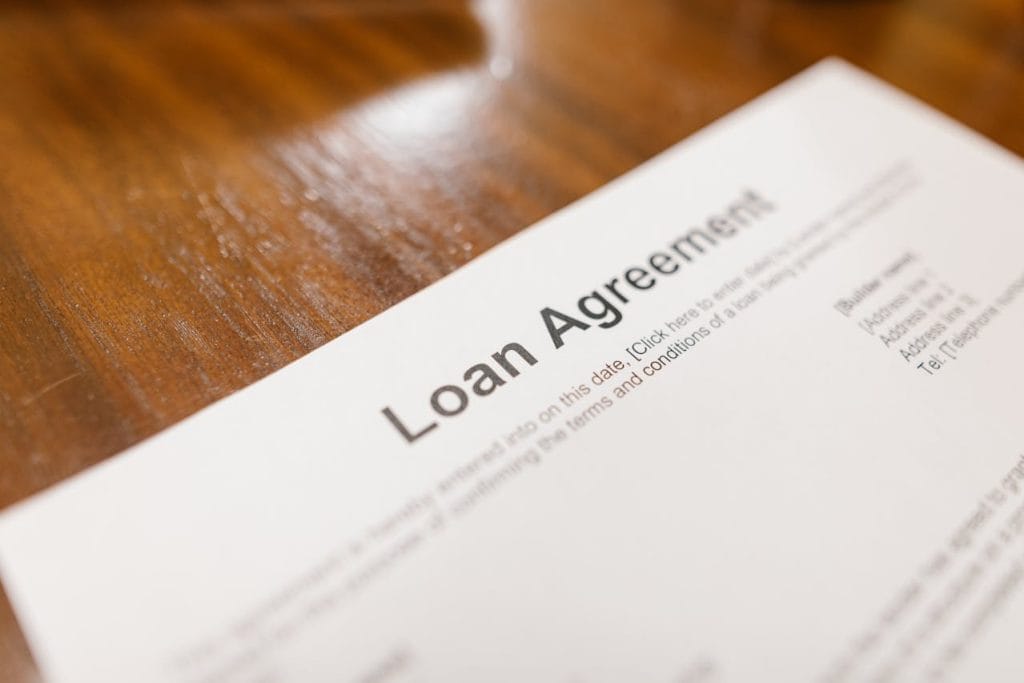
loan agreement

Image source: pexels.com

Taking out a loan can feel like a relief, whether you’re buying a car, paying for college, or covering emergency expenses. But many people skip over the loan fine print, eager to get funds quickly. That’s a risky move. The details buried in those pages can dramatically impact your finances. Ignoring the fine print might lead to unexpected fees, higher payments, or even legal trouble. Understanding what happens when you don’t read loan fine print can save you money, stress, and regret.

1. Hidden Fees and Costs

Loan agreements often include fees that aren’t obvious at first glance. If you don’t read the loan fine print, you might be surprised by origination fees, late payment penalties, or prepayment charges. These extra costs can add up quickly, making your loan more expensive than you planned. Some lenders even charge for things like paper statements or payment processing. Always check the fee schedule before you sign. It’s not just about the interest rate—you need to know the total cost of borrowing.

2. Changing Interest Rates

Many loans come with variable interest rates, but this detail is sometimes buried in the fine print. If you skip reading, you might think your rate is fixed, only to see your payments jump later. That can wreck your budget. When you don’t read the loan fine print, you might miss how and when your rate can change. Look for sections about rate adjustments, index rates, and how often your lender can revise the terms. Even a small increase in your rate can mean hundreds or thousands more over the life of the loan.

3. Unfavorable Repayment Terms

Repayment rules can be tricky. Some loans have short grace periods, while others require large balloon payments at the end. If you don’t read the loan fine print, you might not realize how soon you need to start paying or how much your payments will be. Missing these details can lead to late payments, penalties, or even default. Be clear about your repayment schedule, the amount due each month, and what happens if you pay late. Understanding these terms ahead of time gives you more control over your finances.

4. Tricky Clauses and Traps

Loan documents sometimes include clauses that protect the lender more than you. For example, there might be mandatory arbitration agreements, which limit your ability to sue if there’s a problem. Or there could be cross-default clauses, meaning if you default on one loan, you automatically default on others with the same lender. When you don’t read loan fine print, you may agree to terms you’d never accept if you understood them. Take the time to look for legal jargon, and don’t be afraid to ask for clarification before signing.

5. Credit Score Surprises

Your loan agreement may explain how your payments (or missed payments) are reported to credit bureaus. If you don’t read the loan fine print, you might not realize that even a single late payment could hurt your credit score. Some lenders report late payments after just a few days, while others give you a longer grace period. Understanding this can help you protect your credit and avoid long-term financial consequences. If you’re unsure, ask the lender how they report to credit agencies before you commit.

6. Prepayment Penalties

Paying off a loan early seems like a good thing, but not always. Some lenders charge prepayment penalties if you pay off your balance ahead of schedule. If you don’t read the loan fine print, you might end up paying extra just for being financially responsible. These penalties can eat into any interest savings you hoped to gain by paying off your loan faster. Always check if your loan has a prepayment penalty and how it’s calculated. This is especially important for mortgages and auto loans, where the amounts can be significant.

7. Loss of Collateral

Many loans are secured by collateral, such as your car or home. The fine print spells out what happens if you default. If you don’t read the loan fine print, you might not understand how quickly you could lose your property. Some contracts allow lenders to repossess assets after just one missed payment, with little warning. Protect yourself by knowing exactly what’s at risk and what your rights are if you fall behind.

8. Legal and Collection Risks

Loan agreements usually detail what happens if you break the contract. If you don’t read the loan fine print, you may not see clauses about collections, court costs, or wage garnishment. Some lenders move quickly to collect unpaid debts, hiring collection agencies or taking legal action. This can add major stress and cost to your life. Understanding these consequences before you sign helps you make informed choices and avoid future hassles.

How to Protect Yourself When Borrowing

It’s tempting to rush through paperwork, but reading the loan fine print is essential. Take your time, and don’t hesitate to ask questions if something isn’t clear. Get a copy of the agreement and review it at home, away from pressure. Consider consulting with a trusted advisor or a lawyer if the terms are complex.

Remember, lenders count on borrowers skipping the fine print. Knowing what happens when you don’t read loan fine print gives you the power to avoid surprises and protect your money.

Have you ever been caught off guard by a loan’s fine print? Share your experience or questions in the comments below!

What to Read Next…

  • The Benefits of Taking Personal Loans and Their Impact on Credit Scores
  • 9 Surprising Penalties for Paying Off Loans Too Early
  • 7 Hidden Fees That Aren’t Labeled as Fees at All
  • What Happens When You Co-Sign a Friend’s Loan by Accident
  • What Happens When Your Bank Changes the Terms Without Warning
Travis Campbell
Travis Campbell

Travis Campbell is a digital marketer/developer with over 10 years of experience and a writer for over 6 years. He holds a degree in E-commerce and likes to share life advice he’s learned over the years. Travis loves spending time on the golf course or at the gym when he’s not working.

Filed Under: Debt Management Tagged With: borrowing, credit, Debt, fine print, interest rates, loans, Personal Finance

What Happens When You Overlook Small Print in Contracts

September 16, 2025 by Travis Campbell Leave a Comment

fine print

Image source: pexels.com

Most of us have scrolled past pages of tiny text to check a box and move on. But when it comes to contracts, overlooking the small print can have real consequences. The details hidden in those fine lines can affect your finances, your rights, and even your peace of mind. This is especially true with financial agreements, where the stakes are high and the language is often confusing. Failing to read or understand the small print in contracts can lead to unexpected fees, obligations, or restrictions. It’s not just a matter of inconvenience—it can directly impact your wallet and your future choices.

The small print in contracts isn’t just filler; it’s where companies often outline crucial terms and conditions. If you want to protect yourself and avoid regret, it’s worth knowing what can go wrong when you overlook the small print. Here’s what you need to watch out for and why paying attention matters for your financial health.

1. Hidden Fees and Charges

One of the most common pitfalls of ignoring the small print in contracts is missing out on hidden fees. These can show up in credit card agreements, cell phone plans, or even gym memberships. Companies may advertise low rates upfront, but include additional charges in the fine print. These could be processing fees, annual fees, or penalties for early cancellation.

For example, you might sign up for a “free” service, only to find out later that certain actions trigger charges you didn’t expect. These fees can add up quickly, turning a good deal into a costly mistake. Always check the small print in contracts to know exactly what you’re agreeing to pay—and when.

2. Automatic Renewals and Long-Term Commitments

The small print in contracts often contains clauses about automatic renewals. Many services, from streaming platforms to insurance policies, will auto-renew unless you cancel in advance. If you miss this detail, you might find yourself locked into another term, sometimes at a higher rate. The contract may also specify how and when you can cancel, which isn’t always straightforward.

Missing these terms can lead to frustration and extra expenses, especially if the company requires a written notice or charges a cancellation fee. Understanding the small print helps you avoid unwanted renewals and gives you more control over your commitments.

3. Limitations on Liability

Many contracts use small print to limit the company’s liability if things go wrong. This means that if the service fails or the product is defective, your options for recourse may be limited. You might not be able to sue, or you could be forced into arbitration instead of a court trial.

Some agreements go further, stating they aren’t responsible for indirect damages, even if they’re at fault. If you overlook these terms in the small print in contracts, you could find yourself with little or no protection when problems arise. Reading these sections carefully ensures you know your rights before you sign.

4. Unfavorable Payment Terms

Payment schedules, interest rates, and late fees are often detailed in the small print. You might agree to terms that seem manageable, only to later realize there are steep penalties for missed payments or changes in interest rates after a promotional period. Some contracts even allow companies to change these terms with little notice.

If you miss these details, you could end up paying much more than you planned or struggling to keep up with payments. Carefully reviewing the small print in contracts gives you a clear picture of your financial obligations.

5. Restrictions on Use and Ownership

Small print isn’t just about money—it can also limit how you use what you’re buying. Software licenses, subscription services, and even some physical products may include restrictions hidden in the fine print. You might not actually “own” the product, or you could be barred from using it in certain ways.

For instance, you could be prohibited from reselling, modifying, or even sharing a service with family members. Missing these terms in the small print in contracts may result in accidental violations and potential penalties. Always clarify what you can and can’t do before you sign.

6. Waivers of Rights

It’s not uncommon for contracts to include waivers in the small print, where you give up specific legal rights. This might include agreeing not to participate in class-action lawsuits or waiving your right to a jury trial. Sometimes, you may even be giving permission for your data to be shared or sold.

These waivers are usually buried in the fine print, and you might not realize what you’ve agreed to until it’s too late. Understanding the implications of these clauses is essential to protect your interests.

Protecting Yourself: Slow Down and Read the Small Print

It may be tempting to rush through agreements, but taking time to read the small print in contracts is one of the best ways to protect yourself. Look for sections on fees, renewals, liability, and rights. If anything is unclear, don’t hesitate to ask questions or request clarification.

Taking these extra steps can save you money, stress, and future headaches. When it comes to your financial well-being, every detail counts—especially the ones in the small print.

Have you ever been caught off guard by something in the small print of a contract? Share your experience in the comments below!

What to Read Next…

  • 10 Warning Signs in Financial Advisor Contracts You Shouldn’t Ignore
  • How Many Times Have You Signed a Waiver Without Reading It?
  • What You Sign at Closing That Could Delay Your Inheritance by Years
  • The Fine Print That Made Life Insurance Payouts Smaller Than Expected
  • What Happens When Your Bank Changes the Terms Without Warning
Travis Campbell
Travis Campbell

Travis Campbell is a digital marketer/developer with over 10 years of experience and a writer for over 6 years. He holds a degree in E-commerce and likes to share life advice he’s learned over the years. Travis loves spending time on the golf course or at the gym when he’s not working.

Filed Under: Legal Advice Tagged With: Consumer Protection, contracts, fees, fine print, legal rights, Personal Finance, renewals

8 Fine Print Tricks in Home Warranty Contracts

August 16, 2025 by Travis Campbell Leave a Comment

warrenty

Image source: pexels.com

Home warranty contracts can seem straightforward at first glance, but the reality often hides in the details. Many homeowners buy these plans expecting peace of mind, only to find out later that their coverage isn’t as comprehensive as they thought. The fine print can be filled with exclusions, limitations, and requirements that catch you off guard when you need help most. Understanding these tricks is crucial so you don’t pay for a service that won’t deliver when your appliances or systems break down. Let’s shine a light on the most common fine print tactics used in home warranty contracts, so you can make smarter decisions and avoid nasty surprises.

1. Coverage Exclusions Hidden in Legal Jargon

The most common trick in a home warranty contract is burying exclusions in dense, complicated language. What looks like broad coverage at first can quickly become a list of exceptions that leaves you wondering what’s actually protected. For example, a contract might state that it covers “plumbing systems” but then exclude leaks caused by rust, roots, or pre-existing conditions in the fine print. Always read every section, even the ones that seem repetitive or overly technical. If you skip this step, you may find out too late that your claim isn’t eligible.

2. Service Call Fee Surprises

Many home warranty companies advertise low monthly premiums, but the fine print often reveals hefty service call fees. These fees are what you pay each time a technician is dispatched to your home, and they can add up quickly. Sometimes, the contract allows the company to change these fees with only minimal notice. If you’re not careful, you could end up paying more out of pocket than you expected, especially if multiple repairs are needed in a short period.

3. Dollar Limits on Repairs and Replacements

Dollar limits are another way home warranty contracts quietly restrict your coverage. Most plans cap the amount they’ll pay for certain repairs or replacements, often with separate limits for different systems or appliances. For example, a contract might only cover up to $1,000 for an HVAC repair, even though actual costs could be much higher. If you don’t pay attention to these limits, you might be left to cover the difference yourself—sometimes at the worst possible moment.

4. Mandatory Maintenance Requirements

Home warranty companies often include maintenance requirements in the fine print. To approve your claim, they may ask for proof that you’ve regularly serviced or maintained the covered item. If you can’t provide receipts or documentation, your claim could be denied. This detail is easy to overlook, but it’s used frequently to reject coverage. Make sure you understand what’s required and keep detailed records of any maintenance work you have done.

5. Pre-Existing Condition Clauses

Pre-existing condition clauses are standard in almost every home warranty contract. These clauses state that any issue present before your coverage began won’t be eligible for repair or replacement. The tricky part is how companies determine what counts as a pre-existing condition. Sometimes, if a part looks worn or old, the company can deny your claim even if you weren’t aware of any problems. This is one of the most frustrating fine print tricks, as it shifts the burden of proof onto you rather than the warranty provider.

6. Limited Contractor Networks

Many home warranty contracts require you to use their network of contractors rather than letting you choose your own. While this might sound convenient, it often means less flexibility and sometimes lower-quality service. If their contractor is unavailable or slow to respond, you may be stuck waiting longer for repairs. Some companies also reserve the right to deny coverage if you go outside their network, even in emergencies. This aspect of home warranty contracts can be a major inconvenience when time is critical.

7. Denial for Improper Installation or Code Violations

If your appliance or system wasn’t installed to the manufacturer’s specifications or current building codes, your claim could be denied. This fine print trick is especially sneaky because many homeowners aren’t aware of the installation history of their home’s systems. Warranty providers may send an inspector who can cite a minor code violation as a reason to reject your claim. Before buying a home warranty, it’s smart to have your systems inspected so you’re not blindsided later.

8. Delayed or Partial Payouts

Even when your claim is approved, the fine print may allow the home warranty company to delay payment or only cover part of the repair. Some contracts stipulate that they’ll only pay for replacements of “like kind and quality,” which can include refurbished or lower-end models. Others reserve the right to reimburse you instead of arranging repairs, often at a lower rate than what you’d pay out of pocket. Always check how and when payouts are made to avoid disappointment.

How to Protect Yourself from Home Warranty Fine Print

Being aware of these fine print tricks in home warranty contracts can save you frustration and money. Always request a sample contract before you buy, and read it carefully. If a section is unclear or seems vague, ask for clarification in writing. Focus on transparency, clear coverage terms, and a solid reputation for honoring claims.

Don’t let the fine print in home warranty contracts catch you off guard. Take your time, do your homework, and make sure you know exactly what you’re signing up for. Have you ever been surprised by the details hidden in a warranty agreement? Share your experience in the comments below!

Read More

Is That Lifetime Warranty Actually Costing You More?

Top 3 Water Damage Claims Home Insurance Actually Covers

Travis Campbell
Travis Campbell

Travis Campbell is a digital marketer/developer with over 10 years of experience and a writer for over 6 years. He holds a degree in E-commerce and likes to share life advice he’s learned over the years. Travis loves spending time on the golf course or at the gym when he’s not working.

Filed Under: Home Warranty Tagged With: Consumer Protection, contracts, fine print, home repairs, home warranty

6 Credit Card Perks That Come With Under-the-Radar Stringent Conditions

August 11, 2025 by Travis Campbell Leave a Comment

credit card

Image source: pexels.com

Credit cards promise a lot. You see ads for free flights, cash back, and fancy airport lounges. It sounds easy. But many credit card perks come with strict rules that most people overlook until it’s too late. These hidden conditions can make it hard actually to use the benefits you thought you were getting. If you want to get the most out of your credit card perks, you need to know what you’re up against. Here are six credit card perks that look good on paper but come with under-the-radar, stringent conditions.

1. Travel Insurance That Only Works If You Book Everything With the Card

Travel insurance is one of the most talked-about credit card perks. It can cover trip cancellations, lost luggage, or even medical emergencies. But there’s a catch. Most credit card travel insurance only applies if you pay for the entire trip with that card. If you use points, miles, or even split the cost with another card, you might not be covered. Some cards require you to book both your flight and hotel with the same card. Others only cover certain types of travel, like flights, but not trains or buses. Before you count on this perk, read the fine print. If you don’t follow the exact rules, you could end up paying out of pocket for emergencies you thought were covered.

2. Airport Lounge Access With Limited Visits and Blackout Dates

Airport lounge access is a popular credit card perk. It promises a quiet place to relax, free snacks, and sometimes even showers. But not all lounge access is the same. Some cards only give you a set number of free visits per year. Others limit which lounges you can use, or only let you in if you’re flying with a certain airline. Blackout dates are common, especially during busy travel seasons. And some lounges are so crowded that you might get turned away. If you travel often, you could run out of free visits fast. Always check the details before you count on this perk for every trip.

3. Extended Warranty Protection With Strict Documentation Rules

Extended warranty protection is one of those credit card perks that sounds simple. Buy something with your card, and you get extra warranty coverage. But using this benefit can be a hassle. You usually need to keep the original receipt, the warranty paperwork, and proof that you used your card for the purchase. If you lose any of these, your claim could be denied. Some cards only cover certain types of products or have a maximum claim amount. Others require you to file a claim within a short window after the product breaks. If you don’t have all the paperwork ready, you might not get any help at all.

4. Price Protection With Tight Time Limits and Exclusions

Price protection is a rare but valuable credit card perk. If you buy something and the price drops soon after, your card might refund the difference. But there are a lot of rules. Most cards only cover price drops within a short window, like 30 or 60 days. Some exclude online purchases or sale items. Others require you to find the lower price in a printed ad, not just online. There are also limits on how much you can claim per year. And many cards have dropped this perk altogether. If you want to use price protection, you need to act fast and keep good records.

5. Rental Car Insurance That Excludes Certain Countries and Car Types

Rental car insurance is one of the most useful credit card perks, but it’s not as simple as it sounds. Many cards only cover certain types of cars. Luxury cars, trucks, and motorcycles are often excluded. Some cards don’t cover rentals in certain countries, like Ireland, Israel, or Jamaica. You usually have to decline the rental company’s insurance and pay for the entire rental with your card. If you don’t follow these steps, you could be on the hook for damages. Always check which countries and car types are covered before you rent. Otherwise, you might find out too late that you’re not protected.

6. Statement Credits with Minimum Spend and Enrollment Requirements

Statement credits are a common credit card perk. You might get money back for travel, dining, or shopping at certain stores. But these credits often come with strings attached. Some require you to enroll in advance. Others only apply if you spend a certain amount in one transaction or within a set time frame. If you forget to enroll or don’t meet the minimum spend, you won’t get the credit. Some credits are only good for specific brands or services. And if you return a purchase, the credit might be reversed. Always read the rules and set reminders so you don’t miss out.

Why Reading the Fine Print on Credit Card Perks Pays Off

Credit card perks can save you money and make life easier, but only if you know the rules. Many of the best-sounding benefits have strict conditions that can catch you off guard. If you want to get the most out of your credit card perks, take the time to read the fine print. Keep records, set reminders, and ask questions if you’re not sure how a perk works. The more you know, the less likely you are to be disappointed when you try to use a benefit. And that’s how you make your credit card work for you, not the other way around.

Have you ever tried to use a credit card perk and run into unexpected rules? Share your story in the comments below.

Read More

6 Free Credit Monitoring Tools That Expose You to Identity Theft

What Happens to Your Credit Score If Your Cell Provider Changes Ownership

Travis Campbell
Travis Campbell

Travis Campbell is a digital marketer/developer with over 10 years of experience and a writer for over 6 years. He holds a degree in E-commerce and likes to share life advice he’s learned over the years. Travis loves spending time on the golf course or at the gym when he’s not working.

Filed Under: credit cards Tagged With: consumer tips, credit card benefits, credit card perks, credit cards, fine print, Personal Finance, rewards, travel

What Insurance Fine Print Could Void Your Entire Claim?

August 6, 2025 by Travis Campbell Leave a Comment

insurance

Image source: unsplash.com

When you buy insurance, you expect it to protect you when things go wrong. But insurance fine print can turn a safety net into a trap. Many people only find out about hidden rules and exclusions when their claim gets denied. That’s a tough lesson to learn after an accident, illness, or disaster. Understanding what’s buried in the details of your policy can save you from big headaches and even bigger bills. Here’s what you need to know about insurance fine print and how it could void your entire claim.

1. Misstating or Omitting Information

Insurance fine print often says your policy is only valid if the information you provide is accurate. If you leave out details or make a mistake on your application, your insurer can deny your claim. This includes things like your age, health history, or the value of your property. Even small errors can be used against you. For example, if you forget to mention a pre-existing condition on a health insurance application, your claim for related treatment could be rejected. Always double-check your application before you sign. If you’re not sure about something, ask your agent for help. Honesty is the best way to keep your coverage safe.

2. Missing Premium Payments

It sounds simple, but missing a payment can void your insurance. The fine print usually says your policy will lapse if you don’t pay on time. Some companies offer a short grace period, but after that, you’re not covered. If you file a claim during a lapse, you’ll likely be denied. Set up automatic payments or reminders to avoid this problem. If you’re struggling to pay, contact your insurer right away. They may have options to help you keep your coverage active. Don’t assume you’re protected just because you had insurance last month.

3. Not Following Policy Procedures

Insurance fine print often includes strict rules about what you must do after a loss. For example, you might need to report a car accident within a certain number of days or provide specific documents for a home insurance claim. If you miss a deadline or skip a step, your claim could be denied. Some policies require you to use approved repair shops or get estimates before fixing damage. Read your policy’s claims section carefully. If something happens, follow the instructions exactly. If you’re unsure, call your insurer and ask what to do next.

4. Excluded Events and Perils

Many people are surprised to learn that insurance fine print lists events that aren’t covered. These are called exclusions. For example, most homeowners insurance policies don’t cover floods or earthquakes. Some health insurance plans exclude certain treatments or medications. If your loss is caused by something on the exclusion list, your claim will be denied. Always read the exclusions section of your policy. If you need coverage for something that’s excluded, ask about adding a rider or buying a separate policy.

5. Illegal or Reckless Behavior

Insurance fine print usually says your claim will be denied if the loss happened while you were breaking the law or acting recklessly. This can include driving under the influence, committing fraud, or even letting someone unlicensed drive your car. Some policies also exclude damage caused by “gross negligence,” which means you ignored obvious risks. If you’re not sure what counts as reckless or illegal, ask your insurer for examples. The bottom line: if you break the rules, your insurance probably won’t help you.

6. Unapproved Modifications or Uses

If you make changes to your property or use it in a way not covered by your policy, you could void your claim. For example, if you turn your home into a rental without telling your insurer, your homeowners insurance might not pay for damage. The same goes for adding a wood stove or running a business from your garage. Car insurance can be voided if you use your vehicle for ridesharing or delivery without the right coverage. Always tell your insurer about major changes. They can help you update your policy so you stay protected.

7. Failure to Maintain Property

Insurance fine print often requires you to keep your property in good condition. If you neglect maintenance and something goes wrong, your claim could be denied. For example, if a leaky roof causes water damage and you never fixed it, your insurer might say you’re at fault. The same goes for car insurance if you ignore warning lights or skip oil changes. Keep records of repairs and maintenance. If you’re not sure what’s required, ask your insurer for a checklist.

8. Not Notifying the Insurer of Changes

Life changes fast. If you move, get married, buy expensive items, or make other big changes, you need to tell your insurer. Insurance fine print often says you must update your information promptly. If you don’t, your claim could be denied. For example, if you buy a new car and don’t add it to your policy, you might not be covered in an accident.

9. Policy Limits and Sub-Limits

Even if your claim is valid, insurance fine print sets limits on how much you can get paid. Some policies have sub-limits for certain items, like jewelry or electronics. If your loss exceeds these limits, you’ll have to pay the difference. Review your policy’s limits and consider extra coverage if needed. Don’t wait until after a loss to find out you’re underinsured.

Protect Yourself from Insurance Fine Print Surprises

Insurance fine print can feel overwhelming, but it’s there for a reason. It spells out what’s covered, what’s not, and what you need to do to keep your policy valid. Take time to read your policy, ask questions, and keep your information up to date. The more you know about insurance fine print, the less likely you are to face a denied claim when you need help most.

Have you ever had a claim denied because of insurance fine print? Share your story or tips in the comments below.

Read More

6 Benefits That Were Pulled From Your Insurance Without Disclosure

10 Types of Insurance You Didn’t Know You Needed

Travis Campbell
Travis Campbell

Travis Campbell is a digital marketer/developer with over 10 years of experience and a writer for over 6 years. He holds a degree in E-commerce and likes to share life advice he’s learned over the years. Travis loves spending time on the golf course or at the gym when he’s not working.

Filed Under: Insurance Tagged With: claim denial, fine print, Insurance, insurance claims, insurance tips, Personal Finance, Planning, policy exclusions

FOLLOW US

Search this site:

Recent Posts

  • Can My Savings Account Affect My Financial Aid? by Tamila McDonald
  • 12 Ways Gen X’s Views Clash with Millennials… by Tamila McDonald
  • What Advantages and Disadvantages Are There To… by Jacob Sensiba
  • Call 911: Go To the Emergency Room Immediately If… by Stephen Kanaval
  • 10 Tactics for Building an Emergency Fund from Scratch by Vanessa Bermudez
  • 7 Weird Things You Can Sell Online by Tamila McDonald
  • 10 Scary Facts About DriveTime by Tamila McDonald

Copyright © 2026 · News Pro Theme on Genesis Framework