
• Home
  • About Us
  • Getting Finances Done
    • Hiring Advisors
    • Debt Management
    • Spending Plan
  • Insurance
    • Life Insurance
    • Health Insurance
    • Disability Insurance
    • Homeowners/Renters Insurance
  • Contact Us
  • Our Editorial Commitment

The Free Financial Advisor

You are here: Home / Archives for credit

7 Loan Offers That Look Good But Unsheathe Hidden Conditions

August 19, 2025 by Travis Campbell Leave a Comment

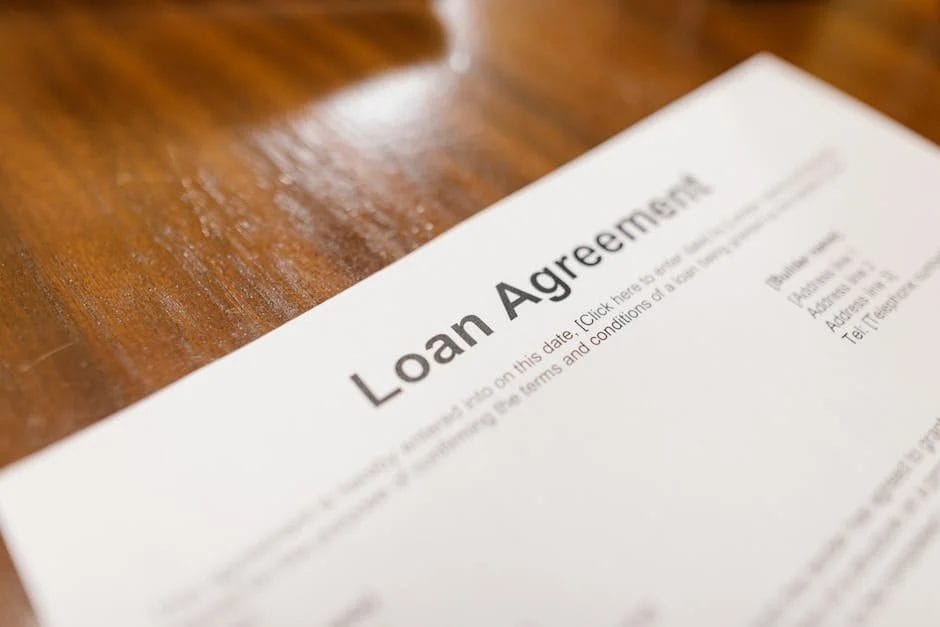
loan agreement
Image source: pexels.com

Loan offers are everywhere—online, in your mailbox, even popping up on your phone. Many look attractive at first glance, offering low rates, instant approval, or no credit checks. But beneath the surface, some of these loan offers hide terms that can cost you more than you expect. Navigating these hidden conditions is key to making smart decisions about borrowing money. When you understand what to watch for, you can avoid financial headaches, unexpected fees, and long-term debt traps. This article breaks down seven types of loan offers that seem great but often come with hidden conditions. Knowing what’s really in the fine print will help you protect your wallet and your peace of mind. Our focus: spotting and understanding hidden loan conditions before you sign anything.

1. 0% Interest Introductory Loans

That 0% interest rate on a personal loan or credit card might sound like a dream. But these offers often include hidden loan conditions. The 0% rate usually lasts for a limited time, often six to eighteen months. After that, the interest rate can skyrocket, sometimes to 20% or more. If you haven’t paid off the balance by the end of the intro period, you’ll suddenly owe a lot more in interest. Some lenders even apply deferred interest, meaning if you miss the payoff deadline, you’ll be charged interest retroactively from day one. Always read the full terms and plan how you’ll pay off the balance before the rate jumps.

2. No Credit Check Loans

No credit check loans are tempting if your credit score isn’t great. The catch? They almost always come with high interest rates and fees. Lenders use the lack of a credit check to justify charging much more. In some cases, annual percentage rates (APRs) can exceed 100%. These loans also tend to have short repayment terms, making it easy to fall behind and rack up penalties. If you’re considering one, look for hidden loan conditions like origination fees, prepayment penalties, or requirements to buy add-on products you don’t need.

3. Payday Loans With “Flexible” Terms

Payday loans often market themselves as flexible or easy. But the reality is that these loans are packed with hidden loan conditions. The fees are usually disguised as “service charges” that, when annualized, translate to sky-high APRs—sometimes over 400%. Rollovers or extensions may seem like a lifeline if you can’t pay on time, but they pile on even more fees. The result: you could end up owing far more in fees than you originally borrowed. If you’re considering a payday loan, look for all the repayment details and think twice.

4. Auto Title Loans with Small Print Surprises

Auto title loans let you borrow against your car’s value, but the risks are big. Hidden loan conditions often include high interest rates and short repayment periods—sometimes just 30 days. If you miss a payment, you risk losing your car to repossession. Some lenders add extra fees for processing, late payments, or even for making payments in person. It’s easy to borrow more than you can afford to repay, putting your vehicle—and your finances—on the line. Before signing, ask about every fee and what happens if you’re late on a payment.

5. Personal Loans with Prepayment Penalties

Many borrowers assume they can pay off a loan early to save on interest. But some personal loans include prepayment penalties—fees for paying off your balance ahead of schedule. These hidden loan conditions are buried in the contract and can eat up any savings you hoped to gain by paying early. Some lenders also use “rule of 78s” interest calculations, which front-load interest payments, making early repayment even less advantageous. Always ask if there’s a prepayment penalty and how your interest is calculated before you commit.

6. “No Fee” Balance Transfer Offers

Some credit cards offer “no fee” balance transfers to lure you in. But sometimes, the lender shifts costs in other ways. For example, they might offer no fee on transfers made within a short window, then charge steep fees after that. The promotional interest rate may only apply to the transferred balance, while new purchases rack up interest immediately. There may also be hidden loan conditions about minimum payments or limits on how much you can transfer. If you’re considering a balance transfer, read every term and watch for traps.

7. Home Equity Loans with Adjustable Rates

Home equity loans can be a smart way to borrow at lower rates. But some come with adjustable rates that seem fixed at first. After a few years, the rate can change—sometimes dramatically. Lenders may not highlight these hidden loan conditions, leaving you exposed to payment shocks down the road. Some home equity lines of credit (HELOCs) also have “draw periods” after which you must start repaying the principal, causing your monthly payment to jump. To avoid surprises, look for details about how and when your rate can change.

How to Outsmart Hidden Loan Conditions

Spotting hidden loan conditions isn’t always easy, but it’s essential for protecting your finances. Always read every word of the loan agreement, including the fine print. Ask questions about interest rates, fees, penalties, and what happens if you miss a payment. If any terms seem unclear or too good to be true, don’t be afraid to walk away. Comparing offers from multiple lenders can help you spot red flags and find the best deal for your situation.

Have you ever run into hidden loan conditions? What did you do? Share your experience or questions in the comments below!

Read More

The Benefits of Taking Personal Loans and Their Impact on Credit Scores

7 Hidden Fees That Aren’t Labeled as Fees at All

Travis Campbell
Travis Campbell

Travis Campbell is a digital marketer/developer with over 10 years of experience and a writer for over 6 years. He holds a degree in E-commerce and likes to share life advice he’s learned over the years. Travis loves spending time on the golf course or at the gym when he’s not working.

Filed Under: Finance Tagged With: borrowing, credit, Debt, Hidden Fees, interest rates, loans, Personal Finance

What Happens If Your Spouse Has Secret Debt You Didn’t Know About?

August 7, 2025 by Travis Campbell Leave a Comment

married
Image source: unsplash.com

When you get married, you expect to share everything—hopes, dreams, maybe even a Netflix password. But what if you find out your spouse has secret debt you didn’t know about? This isn’t just a plot twist for reality TV. It’s a real problem that can shake your trust and your finances. Many people don’t realize how much a partner’s hidden debt can affect their own money, credit, and even their future plans. If you’re worried your spouse has secret debt, or you’ve just found out, you’re not alone. Here’s what you need to know and what you can do next.

1. Your Credit May Be at Risk

If your spouse has secret debt, your own credit could be affected, especially if you have joint accounts or co-signed loans. Even if the debt is only in your spouse’s name, missed payments or defaults on joint accounts can show up on your credit report. This can lower your credit score and make it harder to get approved for loans, credit cards, or even a mortgage. If you’re not sure what’s on your credit report, check it regularly. You can get a free copy from each of the three major credit bureaus every year at AnnualCreditReport.com.

2. You Might Be Legally Responsible

Whether you’re responsible for your spouse’s secret debt depends on where you live and how the debt was incurred. In community property states, most debts taken on during the marriage are considered joint, even if only one spouse signed for them. In other states, you may not be liable for debt in your spouse’s name unless you co-signed. But creditors can still come after joint assets. It’s important to know your state’s laws and talk to a lawyer if you’re unsure. Don’t assume you’re off the hook just because you didn’t know about the debt.

3. Your Financial Goals Can Get Derailed

When your spouse has secret debt, it can throw off your plans. Maybe you wanted to buy a house, save for a big trip, or start a family. Hidden debt can eat into your savings, limit your borrowing power, and force you to put off important milestones. You might have to adjust your budget, cut back on spending, or rethink your timeline. It’s frustrating, but facing the reality is better than ignoring it. The sooner you know the full picture; the sooner you can make a new plan.

4. Trust Issues Can Surface

Money secrets can hurt a relationship. If you find out your spouse has secret debt, you might feel betrayed or angry. It’s normal to have questions: Why did they hide it? What else aren’t they telling you? These feelings can lead to arguments or even bigger problems if not addressed. Honest conversations are key. Try to understand why your spouse kept the debt a secret. Was it shame, fear, or something else? Working through this together can help rebuild trust, but it takes time and effort from both sides.

5. You’ll Need a New Financial Game Plan

Once you know your spouse has secret debt, you need a plan. Start by listing all debts, interest rates, and minimum payments. Figure out which debts are joint and which are individual. Make a budget that covers your needs and includes debt payments. If the debt is overwhelming, consider talking to a credit counselor or financial advisor. They can help you create a strategy and negotiate with creditors if needed. The key is to be proactive. Ignoring the problem will only make it worse.

6. Communication Becomes More Important Than Ever

When your spouse has secret debt, open communication is crucial. Set aside time to talk about money regularly. Share your financial goals, worries, and progress. Make decisions together, even if it feels awkward at first. If talking about money always leads to fights, consider working with a couples counselor or financial therapist. They can help you navigate tough conversations and build better habits. The goal is to prevent future secrets and work as a team.

7. Protect Yourself Moving Forward

If your spouse has secret debt, you need to protect yourself. Keep your finances organized and monitor your credit. Consider separating some accounts or limiting joint credit if trust is an issue. Make sure you know about all bills, loans, and credit cards. If you’re worried about legal responsibility, talk to a lawyer about your options. In some cases, a postnuptial agreement can help clarify who is responsible for which debts. It’s not about punishing your spouse—it’s about making sure you’re both protected.

8. Learn the Warning Signs

Sometimes, you can spot clues that your spouse has secret debt before it becomes a crisis. Watch for things like unopened bills, secretive behavior about money, or sudden changes in spending. If your spouse gets defensive when you ask about finances, that’s a red flag. Trust your instincts. If something feels off, ask questions. It’s better to have an uncomfortable conversation now than a financial disaster later.

9. Take Care of Your Emotional Health

Finding out your spouse has secret debt can be stressful. You might feel anxious, embarrassed, or even depressed. Don’t ignore these feelings. Talk to someone you trust, like a friend, family member, or therapist. Taking care of your mental health is just as important as fixing your finances. Remember, you’re not alone. Many couples face this issue and come out stronger on the other side.

Moving Forward Together

When you find out your spouse has secret debt, it can feel like the ground has shifted. But you can get through it. Focus on honesty, teamwork, and practical steps. Protect your finances, rebuild trust, and make a plan for the future. It’s not easy, but it’s possible. The most important thing is to face the problem together and keep moving forward.

Have you ever found out your spouse had secret debt? How did you handle it? Share your story in the comments.

Read More

Why Widowed Spouses Are Facing Delays in Accessing Retirement Accounts

8 Rules You Should Follow If Your Spouse Keeps Asking You For Money

Travis Campbell
Travis Campbell

Travis Campbell is a digital marketer/developer with over 10 years of experience and a writer for over 6 years. He holds a degree in E-commerce and likes to share life advice he’s learned over the years. Travis loves spending time on the golf course or at the gym when he’s not working.

Filed Under: Marriage & Money Tagged With: credit, Debt, legal, Marriage, money management, Personal Finance, Planning, relationships

7 Financial Loopholes That Lenders Exploit Behind the Scenes

August 5, 2025 by Travis Campbell Leave a Comment

lender
Image source: unsplash.com

When you borrow money, you expect the rules to be clear. But lenders often use financial loopholes that most people never see. These hidden tactics can cost you more than you think. If you want to keep more of your money, you need to know how lenders work behind the scenes. Understanding these loopholes can help you make smarter choices and avoid expensive mistakes. Here’s what you need to watch out for when dealing with lenders.

1. Prepayment Penalties

Many people think paying off a loan early is a good thing. But some lenders add prepayment penalties to stop you from doing just that. If you pay off your mortgage or car loan ahead of schedule, you might get hit with a fee. Lenders do this because they lose out on interest payments when you pay early. Always check your loan agreement for prepayment clauses. If you see one, ask if it can be removed or look for a different lender. Paying off debt early should save you money, not cost you more.

2. Adjustable Interest Rates

Fixed rates sound safe, but adjustable rates can sneak up on you. Lenders often start you with a low “teaser” rate. After a set period, the rate jumps, and your payments go up. This is common with credit cards and some mortgages. The change can be sudden and expensive. Before you sign, ask how often the rate can change and by how much. If you already have an adjustable rate, keep an eye on your statements. If your rate goes up, call your lender and ask about options to switch to a fixed rate.

3. Loan Origination Fees

Loan origination fees are charges for processing your loan. Lenders often hide these fees in the fine print. They might call them “processing fees” or “application fees.” These costs can add up fast, especially with mortgages or personal loans. Some lenders even charge a percentage of the total loan amount. Always ask for a full list of fees before you agree to a loan. Compare offers from different lenders. Sometimes, a loan with a lower interest rate has higher fees, making it more expensive in the long run.

4. Forced Arbitration Clauses

Many loan agreements include forced arbitration clauses. This means if you have a dispute, you can’t take the lender to court. Instead, you have to go through arbitration, which often favors the lender. You lose your right to join class-action lawsuits or have your case heard by a judge. These clauses are buried in the fine print, and most people don’t notice them. If you see an arbitration clause, ask if it can be removed. If not, consider if you’re comfortable giving up your legal rights.

5. Payment Allocation Tricks

When you make a payment on a loan or credit card, you might think it goes to your highest-interest balance first. But lenders often apply your payment to the lowest-interest portion. This keeps your high-interest balance growing, so you pay more over time. For example, if you have a credit card with a balance transfer at 0% and new purchases at 20%, your payments may go to the 0% balance first. Always ask your lender how payments are applied. If possible, pay extra and specify that it should go toward your highest-interest balance.

6. Add-On Products and Insurance

Lenders often push add-on products like credit insurance, extended warranties, or identity theft protection. These extras sound helpful, but they usually come with high costs and limited value. Sometimes, lenders add them to your loan without making it clear. You end up paying interest on these products, too. Before you agree to any add-ons, ask if they’re required. Most of the time, they’re optional. Do your own research to see if you really need them.

7. Loan “Recasting” and Modification Fees

Some lenders offer to “recast” or modify your loan if you make a large payment. This can lower your monthly payment, but it often comes with a fee. Lenders may not tell you about this option unless you ask. And the fees can be high, sometimes hundreds of dollars. If you want to change your loan terms, ask about all possible costs. Sometimes, refinancing is a better option. Always compare the total costs before making a decision.

Protecting Yourself from Lender Loopholes

Lenders design these financial loopholes to boost their profits, not to help you. The best way to protect yourself is to read every document, ask direct questions, and compare offers. Don’t be afraid to walk away if something doesn’t feel right. Knowledge is your best defense. When you know what to look for, you can avoid costly surprises and keep more of your money where it belongs.

Have you ever run into a hidden fee or tricky loan term? Share your story or tips in the comments below.

Read More

Why Some Mortgage Lenders Are Avoiding Retirees Altogether

Why Financial Institutions Freeze Accounts After a Death—Even With a Will

Travis Campbell
Travis Campbell

Travis Campbell is a digital marketer/developer with over 10 years of experience and a writer for over 6 years. He holds a degree in E-commerce and likes to share life advice he’s learned over the years. Travis loves spending time on the golf course or at the gym when he’s not working.
Filed Under: Finance Tagged With: Consumer Protection, credit, financial advice, Hidden Fees, lending, loans, Personal Finance

5 Times Financial Power Was Abused—Without Breaking a Single Law

August 4, 2025 by Travis Campbell Leave a Comment

money abuse
Image source: unsplash.com

Money shapes lives. It can open doors, close them, or keep them locked for good. But what happens when someone uses financial power in ways that hurt others, yet stays within the law? This isn’t just about big scandals or headlines. It’s about the quiet ways people, companies, and even governments use money to control, manipulate, or limit others—without ever facing legal trouble. If you’ve ever felt stuck because of someone else’s financial choices, you’re not alone. Understanding these situations can help you spot them, protect yourself, and make smarter decisions with your own money.

1. Withholding Wages Through “Legal” Loopholes

Some employers use contract details or technicalities to delay or reduce pay. They might label workers as “independent contractors” instead of employees. This means no overtime, no benefits, and sometimes, no guaranteed minimum wage. It’s legal in many places, but it leaves workers with less money and fewer protections. For example, gig economy companies often rely on this model. Workers may not realize how much they’re missing until tax season or an emergency hits. If you’re in this situation, read every contract carefully. Ask questions. If something feels off, talk to a labor rights group or a trusted advisor.

2. Using Credit Scores to Deny Housing

Landlords and lenders often use credit scores to decide who gets an apartment or a loan. This practice is legal, but it can keep people out of safe housing or affordable loans for reasons that have nothing to do with their ability to pay. A single medical bill or a short period of unemployment can tank a credit score. Suddenly, you’re locked out of options, even if you have a steady job now. This isn’t just a personal problem—it affects whole communities. If you’re worried about your credit, get a free copy of your report each year. Dispute any errors right away. And if a landlord denies you, ask if they’ll consider other proof of income or references.

3. Setting Predatory Loan Terms

Some lenders offer loans with sky-high interest rates, hidden fees, or confusing terms. Payday loans and certain online lenders are known for this. The law might allow these practices, but the result is the same: borrowers get trapped in cycles of debt. The lender profits, while the borrower struggles to keep up. These loans often target people who have few other options. If you need money fast, look for community credit unions or nonprofit lenders first. Always read the fine print. If the terms seem too good to be true, they probably are. And if you’re already stuck, talk to a credit counselor about your options.

4. Influencing Policy for Private Gain

Big companies and wealthy individuals often use their financial power to shape laws and regulations. They hire lobbyists, fund campaigns, or make large donations. None of this is illegal. But it can lead to policies that favor the rich and powerful, while leaving everyone else behind. For example, tax loopholes or subsidies might benefit a few at the expense of many. This kind of financial power abuse is hard to spot, but it affects everything from healthcare costs to student loans. Stay informed about who is funding your elected officials. Support transparency in government. And vote for candidates who put people over profits.

5. Family Members Controlling Money

Financial power abuse doesn’t just happen in boardrooms or government offices. It can happen at home. Sometimes, a spouse, parent, or adult child controls all the money in a household. They might give an allowance, monitor spending, or refuse to share account information. This can leave others feeling powerless, even if nothing illegal is happening. It’s a common form of financial abuse, especially among older adults or in relationships with uneven power dynamics. If you’re in this situation, start by tracking your own expenses. Open a separate bank account if you can. Reach out to a trusted friend, counselor, or support group for help. Remember, you have a right to financial independence.

Why Spotting Financial Power Abuse Matters

Financial power abuse isn’t always obvious. It doesn’t always make headlines. But it can shape your life in ways you might not notice until it’s too late. By learning to spot these patterns—whether it’s a tricky contract, a denied loan, or a family member who won’t share information—you can take steps to protect yourself. You don’t have to accept things just because they’re legal. Ask questions. Seek advice. And remember, your financial well-being matters as much as anyone else’s.

Have you ever seen financial power abused in a way that was technically legal? Share your story or thoughts in the comments below.

Read More

10 Financial Questions That Could Reveal You’re Being Advised Poorly

What Financial Advisors Are Quietly Warning About in 2025

Travis Campbell
Travis Campbell

Travis Campbell is a digital marketer/developer with over 10 years of experience and a writer for over 6 years. He holds a degree in E-commerce and likes to share life advice he’s learned over the years. Travis loves spending time on the golf course or at the gym when he’s not working.

Filed Under: relationships Tagged With: credit, financial independence, financial power, housing, legal loopholes, loans, money abuse, Personal Finance, workplace rights

Your Home Address May Be the Reason You’re Being Denied Credit

July 22, 2025 by Travis Campbell Leave a Comment

adress
Image Source: unsplash.com

Have you ever applied for a credit card or loan and been turned down, even though your credit score looks fine? It’s frustrating. You check your report, pay your bills, and still get denied. What’s going on? Sometimes, the problem isn’t your income or your payment history. It’s your home address. Yes, where you live can affect your chances of getting approved for credit. This isn’t something most people think about, but it can make a real difference. Here’s why your address matters and what you can do about it.

1. Lenders Use Address Data to Spot Risk

Lenders look at more than just your credit score. They use your address to check for patterns that might signal risk. If you live in a building or neighborhood with a history of missed payments or fraud, you might get flagged. This doesn’t mean you’ve done anything wrong. It just means the lender’s system sees your address as a possible red flag. Some lenders use automated systems that scan for addresses linked to past problems. If your address pops up, your application might get denied before a human even looks at it.

2. High-Risk Areas Can Hurt Your Application

Some neighborhoods have higher rates of credit defaults or fraud. Lenders know this. They use data to map out these areas. If your home is in a zip code with lots of unpaid debts or scams, you might get lumped in with everyone else. This isn’t fair, but it happens. Lenders want to protect themselves from losses, so they sometimes avoid lending to people in certain places. Even if you have a perfect payment record, your address can work against you.

3. Shared Addresses Can Cause Confusion

If you live in an apartment building, dorm, or shared house, your address might be linked to other people’s credit histories. Sometimes, credit bureaus mix up files. If someone at your address has bad credit, it could get tangled with yours. This is called a “mixed file.” It’s rare, but it happens. If you notice accounts on your credit report that aren’t yours, this could be the reason. Always check your credit report for errors, especially if you share an address with others.

4. Frequent Moves Raise Red Flags

Moving a lot can make lenders nervous. If you change addresses every year, they might wonder why. Are you unstable? Are you trying to hide something? Lenders like to see stability. Staying at one address for a few years looks better than moving every few months. If you have to move often for work or other reasons, be ready to explain this on your application. It helps to show that your moves are for good reasons, not because you’re running from bills.

5. Address Mismatches Can Trigger Denials

When you apply for credit, the information you give must match what’s on file with the credit bureaus. If your address doesn’t match, your application might get denied. This can happen if you recently moved and didn’t update your records. It can also happen if you use a mailing address that’s different from your home address. Always make sure your address is up to date with your bank, employer, and the credit bureaus. Even a small mistake, like a missing apartment number, can cause problems.

6. Fraud Alerts and Identity Theft

If your address has been used in a fraud case, lenders might be extra cautious. Sometimes, scammers use real addresses to open fake accounts. If this happens to your address, you could get caught in the crossfire. Lenders might deny your application to avoid risk. If you think your address has been used in a scam, contact the credit bureaus right away. You can place a fraud alert on your file to protect yourself.

7. Mail Delivery Issues Can Affect Your Credit

If your mail doesn’t get delivered, you might miss important bills or notices. This can lead to late payments, which hurt your credit. Some addresses, like new developments or rural areas, have mail delivery problems. If you don’t get your mail, contact your local post office. Make sure your address is correct with all your creditors. Consider using electronic statements to avoid missing bills.

8. How to Protect Yourself from Address-Related Credit Problems

You can’t always control where you live, but you can take steps to protect your credit. Check your credit report at least once a year. Look for errors, especially with your address. If you find a mistake, dispute it right away. Keep your address up to date with all your financial accounts. If you move, update your information as soon as possible. If you live in a high-risk area, consider adding a short explanation to your credit file. Some credit bureaus let you add a statement to explain special situations.

Your Address Isn’t Everything—But It Matters

Your home address can affect your credit, but it’s not the only thing lenders look at. Your payment history, income, and debt levels matter more. Still, don’t ignore the role your address plays. If you get denied credit and can’t figure out why, check your address details. Sometimes, fixing a small error or explaining your situation can make a big difference. Stay alert, keep your records clean, and don’t let your address hold you back.

Have you ever had trouble getting credit because of your address? Share your story or tips in the comments below.

Read More

What Happens When Google Maps Sends Emergency Services to the Wrong Address

The Fastest Growing Scam on Facebook Marketplace Right Now

Travis Campbell
Travis Campbell

Travis Campbell is a digital marketer/developer with over 10 years of experience and a writer for over 6 years. He holds a degree in E-commerce and likes to share life advice he’s learned over the years. Travis loves spending time on the golf course or at the gym when he’s not working.

Filed Under: credit score Tagged With: credit, credit denial, credit report, credit score, Financial Tips, home address, Personal Finance

The Dark Truth Behind Those “Buy Now Pay Later” Options

July 15, 2025 by Travis Campbell Leave a Comment

Buy more pay later
Image Source: pexels.com

Buy now, pay later (BNPL) options are everywhere. You see them at checkout on your favorite shopping sites. They promise you can get what you want now and pay for it later, often with “no interest” or “easy payments.” It sounds simple. But there’s a lot you don’t see. These offers can lead to real problems for your wallet and your peace of mind. If you’ve ever wondered if BNPL is too good to be true, you’re not alone. Here’s why you should think twice before clicking that button.

1. Buy Now Pay Later Makes It Easy to Overspend

BNPL options make it simple to buy things you can’t afford right now. You see a $200 pair of shoes, but the payment plan says “just $50 today.” That feels manageable. But it’s not just one purchase. It’s easy to stack up several BNPL plans at once. Before you know it, you’re juggling payments for clothes, electronics, and more. The small payments add up fast. You might not notice until your bank account is empty and you’re scrambling to cover all the bills. This is how BNPL can quietly push you into spending more than you planned.

2. The True Cost Isn’t Always Clear

BNPL companies advertise “no interest” or “zero fees.” But the fine print tells a different story. If you miss a payment, you could face late fees or even interest charges. Some plans charge as much as $8 for a single missed payment. Others might report your missed payments to credit bureaus, which can hurt your credit score. The terms are often buried in long, confusing agreements. You might not realize what you’re signing up for until it’s too late. Always read the details before you agree to a BNPL plan.

3. BNPL Can Damage Your Credit

Some BNPL providers don’t check your credit before approving you. That sounds good, but it can backfire. If you miss payments, some companies will report it to the credit bureaus. This can lower your credit score. A lower score makes it harder to get loans, credit cards, or even rent an apartment. And if you use BNPL too often, lenders might see you as a risky borrower. Even if you pay on time, having too many open BNPL accounts can look bad on your credit report. Protect your credit by using BNPL only when you’re sure you can pay on time.

4. Returns and Refunds Get Complicated

Returning something you bought with BNPL isn’t always simple. If you send an item back, you might still have to make payments while the return is processed. Sometimes, the refund takes weeks. In the meantime, you’re out both the money and the product. If the store and the BNPL company don’t communicate well, you could end up paying for something you no longer have. This can be stressful and confusing. Always check the return policy before using BNPL and keep records of your purchases and payments.

5. BNPL Can Lead to a Debt Spiral

BNPL feels like a way to avoid debt, but it can actually create more. If you miss payments, late fees pile up. If you use multiple BNPL services, it’s easy to lose track of what you owe. Some people end up using new BNPL plans to pay off old ones. This is a dangerous cycle. It’s not the same as using a credit card, where you can see your total balance in one place. With BNPL, your debts are spread out and harder to track. This can lead to a debt spiral that’s tough to escape.

6. Your Spending Data Is Being Tracked

When you use BNPL, you’re giving companies access to your shopping habits. They know what you buy, when you buy it, and how much you spend. This data is valuable. Companies use it to target you with more ads and offers. They want you to keep spending. Your privacy is at risk, and you might not even realize it. If you care about who has your data, think twice before using BNPL.

7. BNPL Isn’t Regulated Like Credit Cards

Credit cards have rules to protect you. BNPL doesn’t. If you have a problem with a BNPL purchase, you might not have the same rights as you do with a credit card. For example, you might not be able to dispute a charge or get your money back if something goes wrong. The rules are still catching up. Until then, you’re taking a risk every time you use BNPL.

8. It Can Hurt Your Budget and Savings Goals

BNPL makes it easy to ignore your budget. You might think, “It’s only $20 a month.” But those payments add up. If you’re not careful, you’ll have less money for bills, savings, or emergencies. BNPL can make it harder to reach your financial goals. It’s better to save up for what you want and pay in full. That way, you stay in control of your money.

Think Before You Click: Protect Your Wallet

BNPL options are tempting, but they come with real risks. They can lead to overspending, hidden fees, credit problems, and more. Before you use BNPL, ask yourself if you really need the item. Can you afford to pay it off on time? Is it worth the risk to your budget and credit? Sometimes, waiting and saving is the smarter move. Your future self will thank you.

Have you used buy now pay later? Did it help or hurt your finances? Share your story in the comments.

Read More

How The New Affirm Policy Change May Affect Your Credit

Why Your “Buy Now Pay Later” Purchases Could Tank Your Credit for Years

Travis Campbell
Travis Campbell

Travis Campbell is a digital marketer/developer with over 10 years of experience and a writer for over 6 years. He holds a degree in E-commerce and likes to share life advice he’s learned over the years. Travis loves spending time on the golf course or at the gym when he’s not working.

Filed Under: Online Safety Tagged With: BNPL, budgeting, buy now pay later, credit, Debt, financial advice, Online shopping, Personal Finance

9 Things You Should Never Finance (But Most People Do)

June 15, 2025 by Travis Campbell Leave a Comment

loan agreement
Image Source: pexels.com

We live in a world where financing is just a click away. From flashy gadgets to dream vacations, it’s tempting to spread out payments and enjoy things now, even if it means paying more later. But not everything should be bought on credit. Financing the wrong purchases can trap you in a cycle of debt, drain your savings, and limit your financial freedom. If you want to build real wealth and avoid unnecessary stress, it’s crucial to know which expenses are best paid for in cash. Here are nine things you should never finance—even though most people do.

1. Furniture

Financing furniture is a common trap. Retailers often lure buyers with “zero interest” deals, but these offers usually come with hidden fees or deferred interest that kicks in if you miss a payment. Furniture loses value quickly, and by the time you finish paying it off, it’s often already worn out or out of style. Instead, save up and buy quality pieces you can afford. Consider secondhand options or wait for sales to stretch your dollars further.

2. Vacations

A vacation should be a break from stress, not a source of financial anxiety. Financing a trip means you’ll be paying for your memories long after the tan fades. Interest charges can turn a reasonable getaway into a budget-buster. Instead, set up a dedicated travel fund and plan trips you can pay for in full. This approach saves money and makes your vacation feel truly rewarding.

3. Clothing and Accessories

It’s easy to swipe a card for the latest fashion, but financing clothes is a fast way to rack up debt for items that quickly lose value. Trends change, and so do your tastes. If you’re still paying off last season’s wardrobe, you’re limiting your ability to invest in things that matter. Stick to a clothing budget and avoid buy-now-pay-later schemes that can lead to overspending.

4. Weddings

Weddings are special, but starting married life with debt isn’t romantic. The average wedding in the U.S. costs over $30,000, and many couples finance the big day with loans or credit cards. Financing a wedding can delay other financial goals, like buying a home or starting a family. Focus on what’s meaningful, set a realistic budget, and remember that the best memories don’t come with a price tag.

5. Electronics and Gadgets

New phones, laptops, and TVs are tempting, but financing electronics is rarely a smart move. Technology becomes outdated fast, and you could still be paying off a device long after it’s obsolete. If you can’t afford the latest gadget upfront, consider waiting or buying refurbished. This habit will help you avoid unnecessary debt and keep your finances healthy.

6. Everyday Groceries

Using credit to pay for groceries might seem harmless, but it’s a sign your budget needs attention. Interest charges on everyday essentials can add up quickly, making it harder to get ahead. If you find yourself regularly financing groceries, it’s time to review your spending and look for ways to cut costs. Building a realistic grocery budget and sticking to it is key to financial stability.

7. Holiday Gifts

The pressure to give generously during the holidays can lead many people to finance gifts. However, paying interest on presents months after the celebration is over isn’t worth it. Instead, plan ahead and set aside money throughout the year for holiday spending. Homemade gifts or thoughtful gestures can be just as meaningful as expensive purchases.

8. Medical Bills

While emergencies happen, financing medical bills with high-interest credit cards or loans can make a tough situation worse. Many providers offer payment plans with little or no interest, so always ask about your options before reaching for a credit card. If you’re struggling with medical debt, consider negotiating your bill or seeking assistance programs.

9. Small Home Improvements

It’s tempting to finance small upgrades like new appliances or landscaping, but these projects rarely add enough value to justify the interest. Save up for home improvements and tackle projects as your budget allows. This approach keeps your finances flexible and ensures you’re not paying extra for something that doesn’t significantly increase your home’s worth.

Building Wealth Means Saying No to Unnecessary Financing

Financing can be a useful tool for major investments like a home or education, but using it for everyday purchases or depreciating assets is a recipe for financial stress. By paying cash for things like furniture, vacations, and electronics, you keep more money in your pocket and avoid the debt trap. Remember, true financial freedom comes from living within your means and making intentional choices. The next time you’re tempted to finance a non-essential purchase, ask yourself if it’s really worth the long-term cost.

What’s something you regret financing—or are glad you paid for in cash? Share your story in the comments!

Read More

5 Biggest Refinance Concerns

Stop Reading About Last Year’s Top Ten Mutual Funds

Travis Campbell
Travis Campbell

Travis Campbell is a digital marketer/developer with over 10 years of experience and a writer for over 6 years. He holds a degree in E-commerce and likes to share life advice he’s learned over the years. Travis loves spending time on the golf course or at the gym when he’s not working.

Filed Under: Personal Finance Tagged With: budgeting, credit, Debt, financial advice, financial freedom, money management, Personal Finance, Saving

From Likes to Loans: The Financial Impact of Going Viral

June 7, 2025 by Travis Campbell Leave a Comment

going viral
Image Source: pexels.com

Going viral isn’t just about racking up likes and shares anymore—it can have a real, lasting impact on your wallet. Whether you’re a content creator, small business owner, or just someone who posted a funny video at the right time, the financial impact of going viral is bigger than ever. But with all the buzz, it’s easy to overlook the money moves you need to make when your online moment explodes. If you’ve ever wondered how a viral post could change your financial future—or even help you qualify for a loan—this article is for you. Let’s break down the real-world ways that internet fame can affect your finances and how you can turn those fleeting likes into lasting financial wins.

1. Viral Fame Can Boost Your Creditworthiness

It might sound wild, but your online presence can actually influence your ability to get a loan. Lenders are starting to look beyond traditional credit scores and consider alternative data, including your social media activity. If your viral moment leads to a surge in followers, engagement, or even a new business, it could make you look more attractive to lenders. Some fintech companies now use social signals as part of their risk assessment, especially for small business loans. So, if you’re thinking about applying for a loan after going viral, don’t underestimate the power of your digital footprint. Just remember, consistency and authenticity matter—lenders want to see that your popularity isn’t just a one-hit wonder.

2. Monetizing Your Moment: Turning Likes Into Income

Going viral can open the door to a whole new world of income streams. From brand partnerships and sponsored posts to selling your own products or services, there are plenty of ways to cash in on your newfound fame. Platforms like TikTok, Instagram, and YouTube offer creator funds and ad revenue sharing, which can add up quickly if your content keeps trending. But don’t stop there—think about launching a side hustle, starting a Patreon, or even writing an eBook. The key is to act fast while your audience is engaged, but also to plan for the long term.

3. The Tax Side of Going Viral

Sudden income from viral success can be exciting, but it also comes with tax responsibilities. Whether you’re earning from ad revenue, sponsorships, or merchandise sales, the IRS considers this taxable income. It’s important to keep track of every dollar you make and set aside a portion for taxes—otherwise, you could face a nasty surprise come tax season. Consider consulting a tax professional who understands the unique challenges of digital income. They can help you navigate deductions, estimated payments, and even business formation if your viral fame turns into a full-time gig.

4. Protecting Your Brand (and Your Bank Account)

When you go viral, you’re not just a person anymore—you’re a brand. That means you need to think about protecting your intellectual property, managing your reputation, and keeping your finances secure. Registering trademarks, securing your social media handles, and setting up a business bank account are all smart moves. You should also be on the lookout for scams and impersonators who might try to cash in on your success. Taking these steps early can save you a lot of headaches (and money) down the road. Remember, the financial impact of going viral isn’t just about making money—it’s about keeping it, too.

5. Viral Success Isn’t Always Sustainable

It’s easy to get caught up in the excitement of going viral, but remember: internet fame can be fleeting. The financial impact of going viral is often strongest in the first few weeks or months, so it’s important to make smart decisions while the spotlight is on you. Don’t quit your day job or take out a big loan based solely on a viral moment. Instead, use your newfound platform to build lasting relationships, diversify your income, and invest in your future. Think of viral fame as a launchpad, not a finish line.

Turning Clicks Into Long-Term Financial Wins

Going viral can feel like winning the lottery, but the real magic happens when you turn that moment into lasting financial impact. Whether you’re leveraging your online presence to boost your creditworthiness, monetizing your content, or protecting your brand, every step you take can help you build a more secure financial future. The key is to stay grounded, make smart choices, and remember that the financial impact of going viral is what you make of it. So, if your fifteen minutes of fame come knocking, be ready to answer with a plan.

Have you ever experienced a viral moment? How did it affect your finances or your outlook on money? Share your story in the comments below!

Read More

Exploring Different Options for Borrowing Money

10 Things You Should Know Before Taking Out a Loan

Travis Campbell
Travis Campbell

Travis Campbell is a digital marketer/developer with over 10 years of experience and a writer for over 6 years. He holds a degree in E-commerce and likes to share life advice he’s learned over the years. Travis loves spending time on the golf course or at the gym when he’s not working.

Filed Under: Personal Finance Tagged With: brand protection, credit, digital economy, influencer income, loans, Personal Finance, Social media, taxes, viral fame

Unsettling Truths About Debt That Rich People Don’t Face

May 27, 2025 by Travis Campbell Leave a Comment

debt
Image Source: pexels.com

Debt is a reality for millions of Americans, shaping everything from daily choices to long-term dreams. For many, debt isn’t just a number on a statement—it’s a source of stress, a barrier to opportunity, and a constant worry about the future. Yet, the way debt impacts everyday people is worlds apart from how the wealthy experience it. Understanding these differences isn’t just eye-opening; it’s essential for making smarter financial decisions and protecting your future. If you’ve ever wondered why debt feels like a trap for some but a tool for others, you’re not alone. The unsettling truths about debt that rich people don’t face can help you see your own situation more clearly—and take action to change it.

1. Debt Is More Expensive for the Average Person

The cost of debt isn’t just about the amount you owe—it’s about the interest rates you pay. For most Americans, especially those with average or below-average credit, borrowing money comes with steep costs. The Federal Reserve reports that the U.S.’s average credit card interest rate now exceeds 20%, while payday loans can carry annual percentage rates (APRs) of 400% or more. In contrast, wealthy individuals often access loans with single-digit interest rates, thanks to strong credit scores and valuable collateral.

This difference means that a $5,000 credit card balance can cost a middle-class borrower hundreds of dollars in interest each year, while a wealthy borrower might pay a fraction for a much larger loan. Over time, these higher costs make it harder to pay down debt, trapping many in a cycle of minimum payments and mounting balances. If you’re struggling with high-interest debt, consider options like balance transfers, credit counseling, or negotiating lower rates to reduce the long-term burden.

2. Debt Limits Opportunity for Most, But Not for the Wealthy

For many, debt isn’t just a financial obligation—it’s a barrier to opportunity. Student loan debt, for example, now totals over $1.7 trillion in the U.S., with the average borrower owing more than $37,000. This burden can delay major life milestones like buying a home, starting a family, or saving for retirement. A 2023 Pew Research Center study found that 22% of young adults with student debt have postponed marriage or having children due to their financial situation.

On the other hand, wealthy individuals often use debt strategically to build wealth—borrowing against assets to invest in businesses, real estate, or the stock market. They have access to financial advisors and flexible credit lines that allow them to leverage debt for growth, not just survival. For most people, though, debt means fewer choices and more stress. If debt is holding you back, focus on building an emergency fund and paying down high-interest balances first, so you can regain control over your financial future.

3. The Safety Net Is Thinner for Regular Borrowers

When financial setbacks hit, the consequences of debt can be severe for the average person. Missed payments can lead to late fees, damaged credit scores, and even wage garnishment. The Consumer Financial Protection Bureau notes that nearly 28% of Americans with a credit record have at least one debt in collections. A single emergency—like a medical bill or car repair—can trigger a downward spiral for those living paycheck to paycheck.

Rich people, by contrast, have resources to cushion the blow. They can sell assets, tap into savings, or restructure loans with favorable terms. Even in bankruptcy, wealthy individuals often retain significant assets through legal protections. For most, though, the margin for error is razor-thin. To protect yourself, build a small emergency fund—even $500 can make a difference—and seek out community resources or nonprofit credit counseling if you’re struggling to keep up.

4. Credit Access Is Unequal—and It Matters

Access to affordable credit is a privilege, not a guarantee. Lenders use credit scores, income, and assets to determine who gets the best rates and terms. A 2024 Experian report shows that the average credit score in the U.S. is 715, but scores below 670 are considered subprime, leading to higher costs and fewer options. This system disproportionately affects people of color and those from lower-income backgrounds, who are more likely to face higher rates or outright denial.

Wealthy borrowers, meanwhile, often have established relationships with banks and can negotiate custom loan terms. They may even use “asset-based lending,” where their investments serve as collateral, unlocking low-cost credit unavailable to most. If you’re working to improve your credit, start by checking your credit report for errors, paying bills on time, and keeping credit card balances low. Over time, these steps can open doors to better financial opportunities.

5. The Emotional Toll of Debt Is Heavier for Most People

Debt isn’t just a financial issue—it’s an emotional one. Surveys from the American Psychological Association consistently show that money is the top source of stress for Americans, with debt playing a major role. Anxiety, sleeplessness, and even depression are common among those struggling to keep up with payments. The wealthy, insulated by assets and access, rarely face the same level of day-to-day worry.

This emotional burden can affect relationships, job performance, and overall well-being. If debt stress is impacting your life, don’t hesitate to seek support from friends, family, or a mental health professional. Remember, you’re not alone, and taking small steps toward managing debt can help restore peace of mind.

Rethinking Debt: What You Can Do Differently

The unsettling truths about debt that rich people don’t face reveal a system stacked against the average borrower. High costs, limited opportunities, thin safety nets, unequal access, and emotional strain all combine to make debt a much heavier burden for most Americans. But knowledge is power. By understanding these differences, you can take steps to protect yourself: focus on improving your credit, build a small emergency fund, seek out lower-cost borrowing options, and don’t be afraid to ask for help.

What’s one change you could make today to lighten your debt load or reduce financial stress? Share your thoughts and experiences in the comments—your story could help someone else feel less alone.

Read More

Your Friend Makes More Money Than You? Now What? Dealing with Financial Jealousy

7 Unexpected Ways Hospitals Can Help You Slash Your Medical Debt

Travis Campbell
Travis Campbell

Travis Campbell is a digital marketer/developer with over 10 years of experience and a writer for over 6 years. He holds a degree in E-commerce and likes to share life advice he’s learned over the years. Travis loves spending time on the golf course or at the gym when he’s not working.

Filed Under: Debt Management Tagged With: credit, Debt, financial stress, money management, Personal Finance, wealth gap

Can I Get A HELOC With Bad Credit: 12 Reasons Why You Shouldn’t

May 29, 2024 by Toi Williams Leave a Comment

HELOC wIth bad credit
via 123RF

Home Equity Lines of Credit (HELOCs) can be a tempting option for homeowners looking to tap into their home’s equity. However, if you have bad credit, obtaining a HELOC may not be the wisest financial decision. While it’s possible to get approved, there are significant risks and drawbacks to consider. Here are 12 reasons why you shouldn’t get a HELOC with bad credit.

1. Higher Interest Rates

via 123RF

With bad credit, lenders view you as a higher-risk borrower. This means you’ll likely face much higher interest rates compared to someone with good credit. Higher interest rates can significantly increase the cost of borrowing, making the HELOC more expensive in the long run. The additional cost in interest can outweigh the benefits of accessing your home’s equity, especially if you’re already struggling financially. It’s essential to calculate the total cost of borrowing and consider whether it’s worth the financial burden.

2. Increased Monthly Payments

via 123RF

Higher interest rates also lead to higher monthly payments. If you’re already dealing with financial difficulties, adding a large monthly payment to your budget can exacerbate your financial stress. Missing payments on your HELOC can lead to serious consequences, including damage to your credit score and potential foreclosure. It’s crucial to ensure you can comfortably afford the payments before taking on additional debt.

3. Risk of Foreclosure

via 123RF

A HELOC is secured by your home, meaning if you fail to make payments, the lender can foreclose on your property. With bad credit, your financial situation is already precarious, and taking on a HELOC increases the risk of losing your home if you can’t keep up with payments. Foreclosure not only results in the loss of your home but also severely damages your credit score, making it even harder to secure credit in the future. The risk of foreclosure should be a significant deterrent when considering a HELOC with bad credit.

4. Variable Interest Rates

via 123RF

Most HELOCs have variable interest rates, which means the interest rate can fluctuate over time. With bad credit, you may already be dealing with high interest rates, and an increase can make your payments even more unaffordable. Variable rates add a layer of unpredictability to your financial planning. If rates rise significantly, you might find yourself unable to meet the payment obligations, leading to financial distress.

5. Additional Fees and Costs

via 123RF

Obtaining a HELOC comes with various fees and costs, such as application fees, appraisal fees, and closing costs. With bad credit, lenders may charge higher fees to offset the risk, adding to the overall expense of the loan. These upfront costs can be a financial strain, especially if you’re already in a precarious financial situation. It’s important to consider whether you can afford these additional expenses before pursuing a HELOC.

6. Impact on Credit Score

via 123RF

Applying for a HELOC with bad credit can further impact your credit score. The application process involves a hard inquiry, which can lower your score. Additionally, taking on more debt can increase your debt-to-income ratio, negatively affecting your credit profile. If you struggle to make payments, missed or late payments will further damage your credit score, making it even more challenging to secure favorable credit in the future.

7. Limited Borrowing Power

via 123RF

With bad credit, you may not be able to borrow as much as you need. Lenders are likely to offer a smaller credit line to minimize their risk, which might not meet your financial needs. A smaller HELOC might not be worth the costs and risks, especially if it doesn’t provide sufficient funds for your intended purpose. Exploring other borrowing options that might offer more favorable terms could be a better strategy.

8. Negative Equity Risk

via 123RF

If the value of your home decreases, you could end up owing more than your home is worth, leading to negative equity. This is particularly risky if you have bad credit, as it limits your ability to refinance or sell your home. Negative equity can trap you in an unfavorable financial situation, making it difficult to move or improve your financial standing. Avoiding additional debt that could exacerbate this risk is a prudent decision.

9. Strain on Finances

via 123RF

Taking on a HELOC with bad credit can put a significant strain on your finances. The added debt and higher payments can stretch your budget thin, leaving little room for savings or emergency expenses. This financial strain can lead to increased stress and impact your overall quality of life. It’s important to consider whether the benefits of the HELOC outweigh the potential negative impact on your financial well-being.

10. Potential for Over-Borrowing

via 123RF

Access to a HELOC can tempt you to borrow more than you need, especially if you’re using it for discretionary spending. Over-borrowing can lead to a cycle of debt that’s difficult to escape, particularly if you’re already struggling with bad credit. It’s essential to borrow only what you need and have a clear plan for repayment. Discipline and careful planning are crucial to avoid falling into a debt trap.

11. Alternatives May Be Better

via 123RF

There are often better alternatives to a HELOC for those with bad credit. Personal loans, debt consolidation loans, or working with a credit counselor to manage your debts might provide more favorable terms and reduce the risks associated with a HELOC. Exploring these alternatives can help you find a solution that improves your financial situation without putting your home at risk.

12. Long-Term Financial Impact

via 123RF

The long-term financial impact of a HELOC with bad credit can be severe. Higher interest rates, increased debt load, and potential foreclosure can create lasting financial difficulties. It’s crucial to consider the long-term consequences and whether a HELOC is the best solution for your financial needs. Taking a comprehensive view of your financial health and considering all options can help you make a more informed decision that supports your long-term financial stability.

Consider Your Options Carefully

via 123RF

While a HELOC can be a valuable financial tool, it’s not always the best choice for those with bad credit. The risks and potential negative impacts often outweigh the benefits, making it crucial to explore other options. By considering alternatives and focusing on improving your credit score, you can find more favorable borrowing solutions that support your financial health. Remember, making informed decisions today can lead to a more secure and prosperous future.

Toi Williams
Toi Williams

Toi Williams began her writing career in 2003 as a copywriter and editor and has authored hundreds of articles on numerous topics for a wide variety of companies. During her professional experience in the fields of Finance, Real Estate, and Law, she has obtained a broad understanding of these industries and brings this knowledge to her work as a writer.

Filed Under: Real Estate Tagged With: bad credit, credit, homeownership, Real estate

  • « Previous Page
  • 1
  • 2
  • 3
  • 4
  • 5
  • Next Page »

Follow Us

Search this site:

Recent Posts

  • Can My Savings Account Affect My Financial Aid? by Tamila McDonald
  • 12 Ways Gen X’s Views Clash with Millennials… by Tamila McDonald
  • What Advantages and Disadvantages Are There To… by Jacob Sensiba
  • 10 Tactics for Building an Emergency Fund from Scratch by Vanessa Bermudez
  • Call 911: Go To the Emergency Room Immediately If… by Stephen Kanaval
  • 7 Weird Things You Can Sell Online by Tamila McDonald
  • 10 Scary Facts About DriveTime by Tamila McDonald

Copyright © 2026 · News Pro Theme on Genesis Framework