
• Home
  • About Us
  • Toolkit
  • Getting Finances Done
    • Hiring Advisors
    • Debt Management
    • Spending Plan
  • Insurance
    • Life Insurance
    • Health Insurance
    • Disability Insurance
    • Homeowners/Renters Insurance
  • Contact Us
  • Risk Tolerance Quiz
  • Our Editorial Commitment

The Free Financial Advisor

You are here: Home / Archives for stolen identity

7 Signs Your Identity Has Been Stolen and What to Do Immediately

December 4, 2025 by Brandon Marcus Leave a Comment

Here Are Some Signs Your Identity Has Been Stolen And What To Do Immediately
Image Source: Shutterstock.com

Identity theft is one of those things that feels like it only happens in movies or to “other people”—until suddenly, your bank account looks like a crime scene. One moment you’re casually scrolling through your emails, the next you’re staring at a credit report that looks like someone went on a shopping spree with your name on it. It’s stressful, confusing, and honestly a little terrifying.

The good news is that there are warning signs that can alert you before the situation gets completely out of control. Recognizing them fast—and knowing what to do—can save you a lot of time, money, and headaches.

1. Unexplained Charges On Your Accounts

One of the most obvious signs of identity theft is charges on your credit or debit accounts that you didn’t make. It could be a $15 subscription you never signed up for, a luxury item from a store you’ve never visited, or even a cash withdrawal you didn’t authorize. These little transactions often escalate if ignored, allowing thieves to rack up significant amounts before you notice. Always check your statements regularly, not just for big purchases but for small, suspicious ones too. If you spot anything unusual, report it immediately to your bank or credit card provider.

2. Receiving Bills For Accounts You Didn’t Open

Another red flag is receiving bills or collection notices for accounts you never applied for. Maybe it’s a new credit card, a loan, or even a utility account in your name, and suddenly your mailbox feels like a plot twist you didn’t sign up for.

These accounts are often opened by criminals using stolen personal information, and ignoring them can hurt your credit score. Contact the company immediately to report fraud and ask for the account to be closed. You should also check your credit report to ensure no other unfamiliar accounts have popped up.

3. Being Denied Credit Unexpectedly

If your credit application is suddenly rejected despite having a solid financial history, it could be a sign someone else has damaged your credit. Fraudulent accounts, missed payments, or unexpected inquiries can tank your score without you realizing it. This can make things like renting an apartment, getting a loan, or even signing up for utilities a real nightmare. Pulling your credit report from all three major bureaus can help you spot discrepancies. If you find any suspicious activity, contact the creditors immediately and consider placing a fraud alert on your report.

4. Receiving Strange Notifications Or Emails

Alerts and emails about accounts you didn’t set up or password changes you didn’t request are clear warning signs. Hackers often try to gain control of your digital life by sending messages that look like legitimate alerts from banks, credit cards, or online platforms. Clicking links in these emails can make matters worse, so always go directly to the official website or contact the company directly.

Set up two-factor authentication for extra protection and change your passwords immediately. Awareness and caution are key, because a single careless click can open the door to further theft.

5. Friends Or Family Mention Suspicious Activity

Sometimes other people notice signs of theft before you do. They might receive messages, requests, or even bills in your name that seem unusual. While it can be embarrassing to admit that your identity is being misused, their alerts can be your first line of defense. Take every report seriously, even if it seems minor. Investigate thoroughly and take immediate action to prevent the situation from escalating.

6. Missing Mail Or Important Documents

Identity thieves often intercept mail to access sensitive information like bank statements, tax documents, or credit card offers. If bills, statements, or packages start disappearing or you notice that official letters never arrive, treat it as a serious warning sign. Missing mail can allow criminals to open new accounts, make unauthorized charges, or steal your personal data. Notify your local post office and consider adding extra security measures, like a locked mailbox or mail hold when you’re away. Monitoring mail is a surprisingly effective and low-tech way to catch identity theft early.

7. Unfamiliar Accounts Showing Up Online

In today’s digital age, identity theft often happens online first. New accounts, social media profiles, or online purchases that you never initiated could be created using your information. Hackers can exploit your personal data in creative ways that aren’t immediately visible on your credit report. Regularly search your name online and set up alerts to monitor suspicious activity. If you notice any unfamiliar accounts, report them immediately to the platform and take steps to secure your digital presence.

Here Are Some Signs Your Identity Has Been Stolen And What To Do Immediately
Image Source: Shutterstock.com

Stay Alert And Act Fast

Identity theft is scary, but recognizing the warning signs early can give you the upper hand. From unexplained charges to unfamiliar accounts and missing mail, the clues are often right in front of you if you pay attention. Acting quickly is essential: contact banks, credit bureaus, and relevant companies, change passwords, and monitor your accounts closely. Your goal is to stop the thief in their tracks before they can do more damage.

Have you ever experienced identity theft, or noticed something suspicious that turned out to be a red flag? Share your stories, tips, or questions in the comments section below.

You May Also Like…

7 Ways to Prevent Your Bank Information From Being Stolen by People You Know

8 Silent Costs of Ignoring Identity Theft

7 Ways Identity Scammers Copy Your Signature Remotely

8 Beauty Scams That Fooled Everyone — And Still Do

The “Love Bombing” Tactic Scammers Use to Gain Financial Control in a New Relationship


Brandon Marcus
Brandon Marcus

Brandon Marcus is a writer who has been sharing the written word since a very young age. His interests include sports, history, pop culture, and so much more. When he isn’t writing, he spends his time jogging, drinking coffee, or attempting to read a long book he may never complete.
Filed Under: safety Tagged With: bills, credit, credit repair, credit score, identity, identity theft, identity thieves, stealing identity, stolen identity, unexplained charges

Check Your Credit Report NOW—5 Signs of Identity Theft

March 11, 2025 by Latrice Perez Leave a Comment

Credit Report
Image Source: 123rf.com

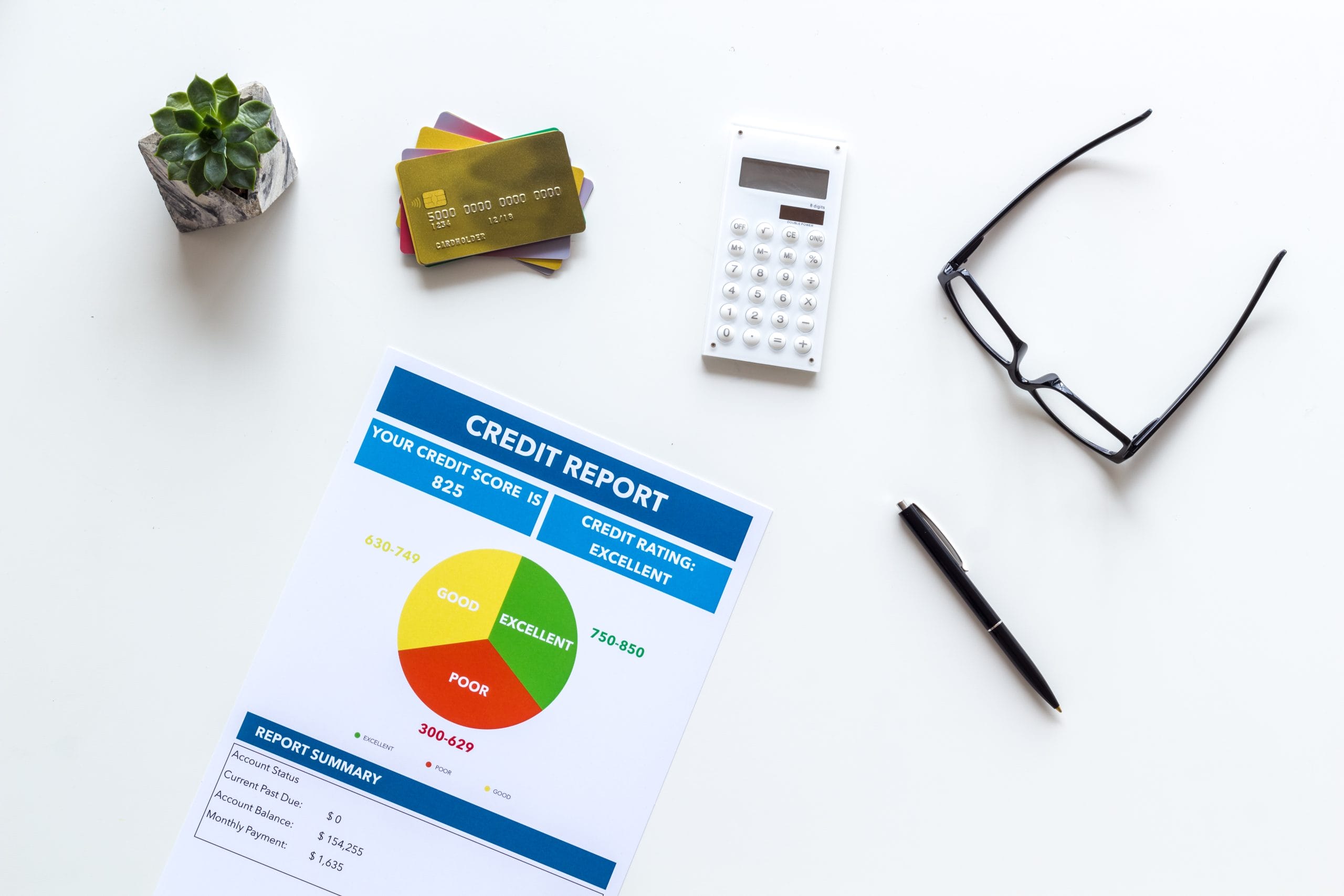
Identity theft isn’t just something that happens to other people—it’s a growing crime that could be targeting you without you realizing it. With personal data being stolen through data breaches, phishing scams, and card skimmers, criminals can open accounts, take out loans, and destroy your credit before you even notice. Your credit report holds the key to detecting identity theft early, but most people don’t check it often enough. If you see any of these five warning signs on your credit report, you need to take action immediately.

1. Accounts You Don’t Recognize

One of the most obvious signs of identity theft is finding credit cards, loans, or accounts you never opened. If your credit report shows a store credit card, personal loan, or a line of credit you never applied for, a scammer may have used your identity to take out money in your name.

Identity thieves use stolen personal information to open fraudulent accounts, and if left unchecked, these accounts can rack up massive debt and ruin your credit score. Even if a fraudulent account has a zero balance, it still means someone has your personal details and could do more damage in the future. If you see an account you don’t recognize, contact the lender immediately and dispute the account with the credit bureaus.

2. Strange Inquiries from Lenders You Didn’t Apply To

Every time you apply for credit, whether it’s a credit card, mortgage, or personal loan, the lender checks your credit. These checks, called hard inquiries, appear on your credit report and can stay there for up to two years. If you see an inquiry from a lender you never applied to, it’s a red flag that someone else is trying to take out credit in your name.

Scammers don’t always succeed in opening fraudulent accounts, but if they attempt to do so, the credit inquiry remains on your report. A single unauthorized inquiry might not seem like a big deal, but it could mean that your personal information has already been sold on the dark web. If you notice unusual inquiries, contact the lender to verify the application and consider freezing your credit to prevent further fraud.

3. A Sudden Drop in Your Credit Score

Poor Credit Score
Image Source: 123rf.com

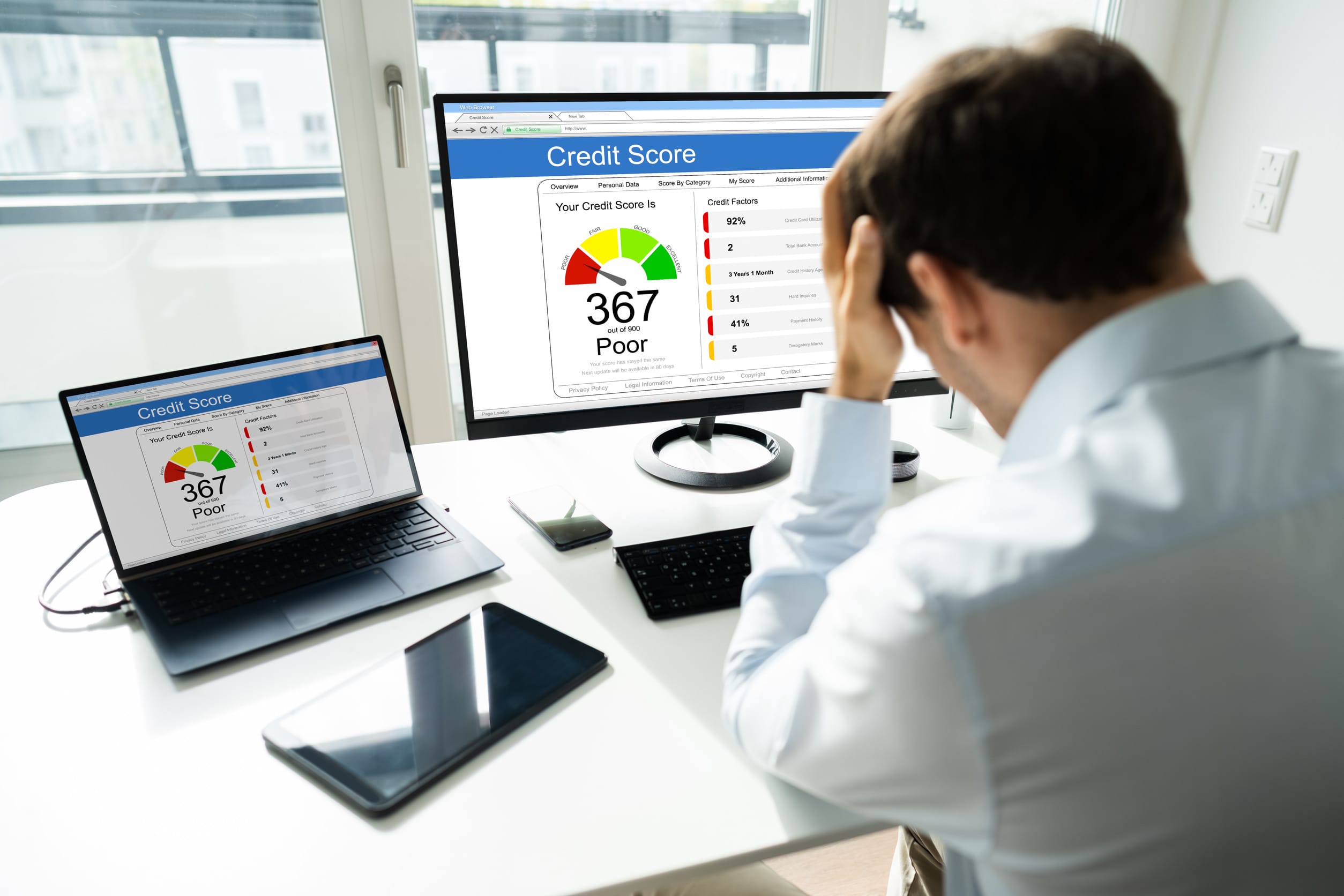
A sharp drop in your credit score without explanation is a major warning sign of fraud. If your score decreases despite making on-time payments and keeping your balances low, it could be due to a scammer maxing out a stolen credit line or missing payments on an account you didn’t even know existed.

Credit scores drop when:

  • High balances are reported on accounts
  • Late payments occur
  • New accounts are opened
  • Collections are added to your credit report

Even a small dip in your score should prompt you to check your credit report for suspicious activity. If you see any unrecognized accounts, debts, or missed payments, you could be dealing with identity theft.

4. Bills or Collections You Don’t Recognize

Receiving a bill for a service or credit card you never signed up for is a huge red flag. Identity thieves often open accounts and let them go unpaid, resulting in collections being reported on your credit file. You might not even know about the account until you receive a debt collection notice—or worse, get denied for a loan or credit card.

Some scammers even use stolen identities for medical fraud, meaning you could end up with medical bills for treatments you never received. If you see a collections account you don’t recognize, don’t ignore it. Contact the collection agency and dispute the charge with the credit bureaus immediately.

5. Your Personal Information Has Changed on Your Credit Report

If your credit report suddenly shows a different home address, phone number, or employer, it could mean that a scammer has changed your details to cover their tracks. Thieves often update account details to prevent victims from receiving fraud alerts or account statements.

Even small changes, such as a variation in the spelling of your name or an address you don’t recognize, should be taken seriously. If you notice incorrect personal information, contact the credit bureaus to correct it and check for any linked fraudulent activity.

What to Do If You Spot Signs of Identity Theft

If you recognize any of these red flags on your credit report, you need to act quickly to stop the damage. Here’s what to do:

  • Freeze Your Credit: Placing a freeze on your credit report prevents anyone from opening new accounts in your name. You can do this for free with all three major credit bureaus: Experian, Equifax, and TransUnion.
  • Report the Fraud: File an identity theft report with the Federal Trade Commission (FTC) at IdentityTheft.gov. This will help create an official record of the crime.
  • Dispute Fraudulent Accounts: Contact the lender directly to report the fraud and dispute the account with the credit bureaus. They are required to investigate and remove fraudulent accounts.
  • Monitor Your Credit Regularly: Sign up for credit monitoring services or set up free alerts through your bank or credit card provider to track any changes in your credit file.
  • Change Your Passwords and Enable Two-Factor Authentication: If a scammer has gained access to your personal information, secure your accounts by updating passwords and enabling additional security measures.

Checking Your Credit Regularly Can Save You Thousands

Identity theft can cause long-term financial damage, but catching it early makes a huge difference. The best way to protect yourself is to check your credit report regularly. You can access your free credit report from each of the three major credit bureaus once a year at AnnualCreditReport.com. If you space them out, you can check one report every four months for continuous monitoring.

Don’t wait until it’s too late—review your credit report today to make sure no one is using your identity to rack up debt in your name.

Have you ever caught a suspicious charge or account on your credit report? Share your experience in the comments.

Read More:

Would Jesus Use a Credit Card? The Ethics of Debt in a Modern World

Credit Score Killers: 7 Mistakes You’re Probably Guilty Of

Latrice Perez

Latrice is a dedicated professional with a rich background in social work, complemented by an Associate Degree in the field. Her journey has been uniquely shaped by the rewarding experience of being a stay-at-home mom to her two children, aged 13 and 5. This role has not only been a testament to her commitment to family but has also provided her with invaluable life lessons and insights.

As a mother, Latrice has embraced the opportunity to educate her children on essential life skills, with a special focus on financial literacy, the nuances of life, and the importance of inner peace.

Filed Under: Personal Finance Tagged With: credit fraud, credit monitoring, credit scams, cybersecurity, Financial Security, fraud prevention, identity theft, Personal Finance, protect your credit, stolen identity

FOLLOW US

Search this site:

Recent Posts

  • Can My Savings Account Affect My Financial Aid? by Tamila McDonald
  • 12 Ways Gen X’s Views Clash with Millennials… by Tamila McDonald
  • What Advantages and Disadvantages Are There To… by Jacob Sensiba
  • 10 Tactics for Building an Emergency Fund from Scratch by Vanessa Bermudez
  • Call 911: Go To the Emergency Room Immediately If… by Stephen Kanaval
  • 7 Weird Things You Can Sell Online by Tamila McDonald
  • 10 Scary Facts About DriveTime by Tamila McDonald

Copyright © 2026 · News Pro Theme on Genesis Framework