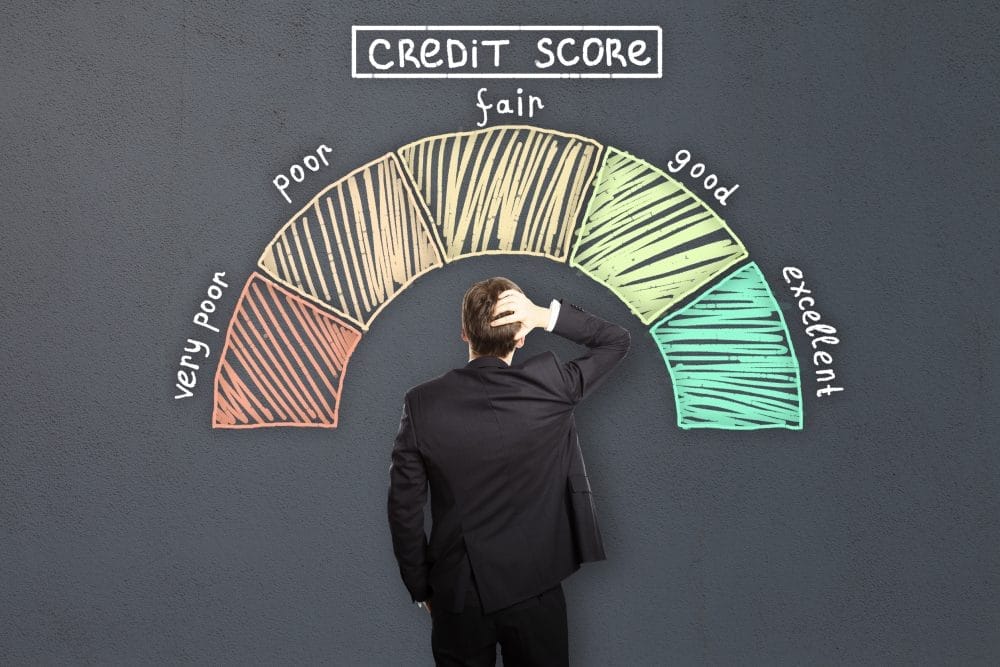
• Home
  • About Us
  • Getting Finances Done
    • Hiring Advisors
    • Debt Management
    • Spending Plan
  • Insurance
    • Life Insurance
    • Health Insurance
    • Disability Insurance
    • Homeowners/Renters Insurance
  • Contact Us
  • Our Editorial Commitment

The Free Financial Advisor

You are here: Home / Archives for credit repair

The Medical Bill Mistake That Can Cripple Your Credit for a Decade

December 8, 2025 by Brandon Marcus Leave a Comment

One Medical Bill Mistake That Can Cripple Your Credit for a Decade
Image Source: Pixabay.com

Medical bills have a sneaky way of turning ordinary people into financial thrill-seekers. One minute you’re walking out of the hospital with a prescription and a smile, the next you’re staring at a statement that reads like a foreign language and wondering if you accidentally adopted a small country. It’s not just the outrageous amounts that get people—it’s the subtle mistakes, overlooked paperwork, and billing snafus that can quietly snowball into years of credit damage.

Many people assume that paying something late or disputing a charge is minor, but when medical billing errors hit the credit bureaus, they can haunt you for a decade. Understanding how this happens, and how to fight back, is essential for anyone who wants to keep their financial life intact while navigating the complex world of healthcare.

Why Medical Bills Are Unlike Other Debts

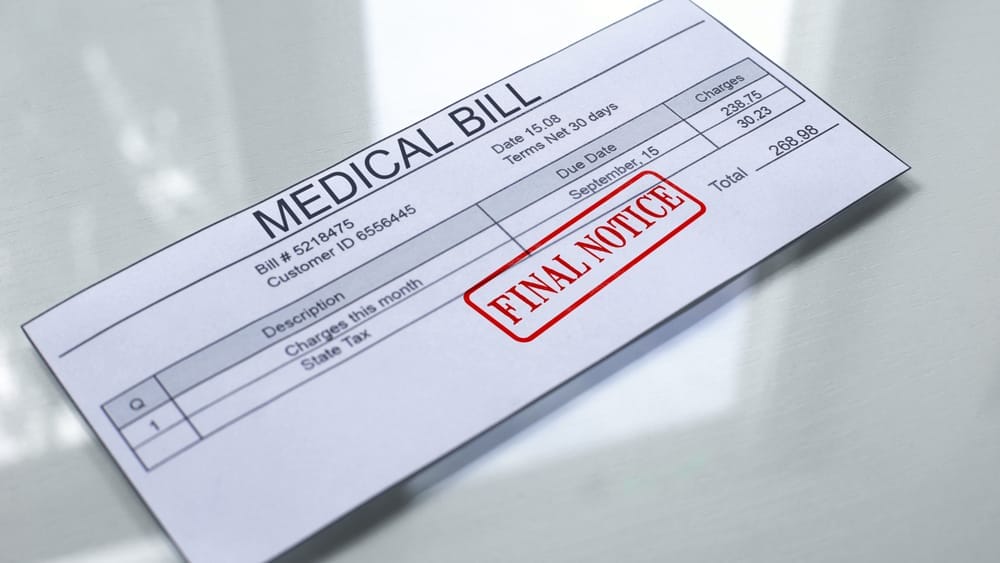
Medical bills are unique because they often come unexpectedly, leaving little time for preparation or negotiation. Unlike a mortgage or car payment, which you plan for in advance, a surprise ER visit or sudden procedure can arrive with costs that rival a small down payment. Mistakes in coding, double-billing, or misapplied insurance payments make it easy to assume you owe more than you actually do. When these errors go unnoticed, they can be reported to credit agencies as delinquent debt, even if you intended to pay the correct amount on time. This is why medical bills require more attention and follow-up than almost any other type of expense.

How A Simple Billing Error Becomes A Credit Nightmare

Even minor errors on a medical bill can escalate quickly if left unchecked. A wrong date, an incorrect patient code, or a missed insurance adjustment can result in the bill being sent to collections. Once in collections, your credit report will show a negative mark, which can linger for up to ten years. Many people only discover this issue when they try to apply for a mortgage, car loan, or even a new credit card. What starts as a small oversight can turn into a decade-long headache that affects almost every area of financial life.

Insurance Confusion Makes Mistakes More Likely

Even when you have insurance, understanding what is covered and what isn’t can be like decoding a secret language. Policies are filled with deductibles, co-pays, out-of-network charges, and confusing terminology that even the most diligent patient can misinterpret. Hospitals and clinics sometimes submit claims incorrectly, leaving patients responsible for balances they should never have owed. Waiting for insurance adjustments without checking the statements can allow incorrect amounts to be reported to collections. Staying on top of every line item and communicating directly with both your insurer and provider is essential to prevent these errors from damaging your credit.

The Collections Trap Is Fast And Relentless

Once a medical bill enters collections, the damage can escalate faster than most people realize. Collection agencies report delinquent accounts to credit bureaus regularly, meaning even a small mistake can have an outsized impact. Unlike other types of debt, you often don’t receive multiple reminders before your account is reported. Many people are caught off guard, believing that “a few weeks late” won’t matter. By the time you discover the issue, the collections mark can already be reflected on your credit report, triggering higher interest rates, loan denials, and stress that lasts for years.

How To Spot And Fix Billing Mistakes Quickly

The key to preventing a decade of credit trouble is vigilance. Review every statement carefully, compare it to your insurance Explanation of Benefits, and verify that each charge is legitimate. If something looks wrong, contact the billing department immediately and request a corrected invoice. Keep meticulous records of every call, email, and response from the provider and insurance company. Prompt action can prevent a billing error from snowballing into a collection account and protect your credit score from unnecessary damage.

Negotiating And Disputing With Confidence

Even when a medical bill is accurate, there’s room for negotiation or dispute. Hospitals and collection agencies often have policies that allow for payment plans, financial assistance, or even reduced balances for prompt resolution. Disputing incorrect charges formally with your insurance or provider can halt collections and remove negative entries from your credit report. Being organized, polite, and persistent can yield better outcomes than you might expect. Taking control early transforms what could be a financial disaster into a manageable situation.

One Medical Bill Mistake That Can Cripple Your Credit for a Decade
Image Source: Pixabay.com

Why Regular Credit Checks Are Critical

Checking your credit report regularly is one of the smartest defenses against long-term damage from medical bills. Errors can appear on your report without your knowledge, sometimes months after the initial mistake. Regular monitoring allows you to spot discrepancies quickly and take action before they affect loan applications or interest rates. Many people delay checking their credit until they need a large loan, by which point errors can be entrenched. Staying proactive helps you correct mistakes before they spiral into decade-long issues.

Protecting Yourself From Future Mistakes

Education and organization are your best allies in preventing medical billing mistakes from ruining your credit. Keep a folder of all bills, insurance statements, and correspondence. Know the key dates for claims, payments, and insurance responses. Develop a habit of reviewing every charge, even small ones, and never assume an error will correct itself. By creating a system for vigilance, you reduce the risk of surprises that can linger for years. Financial peace of mind comes from consistent attention, not hope that everything is fine.

Take Action Before It’s Too Late

Medical bills may seem like just another part of adult life, but one small mistake can ripple through your financial world for a decade. Vigilance, record-keeping, and proactive communication are the keys to keeping your credit safe. Don’t wait until a loan denial or mortgage application shocks you into action—review, dispute, and negotiate before the damage is done. Have you or someone you know experienced a medical billing error that impacted credit? Share your thoughts, stories, or tips in the comments section below—we’d love to hear from you.

You May Also Like…

8 Shocking Costs of Ignoring Small Medical Bills

How Can Medical Bills Wipe Out Savings Faster Than a Market Crash

7 Outrageous Truths About Medical Debt

Could Ignoring Medical Debt Destroy Your Financial Future

Are Your Medical Wishes Legally Enforceable Across State Lines?


Brandon Marcus
Brandon Marcus

Brandon Marcus is a writer who has been sharing the written word since a very young age. His interests include sports, history, pop culture, and so much more. When he isn’t writing, he spends his time jogging, drinking coffee, or attempting to read a long book he may never complete.
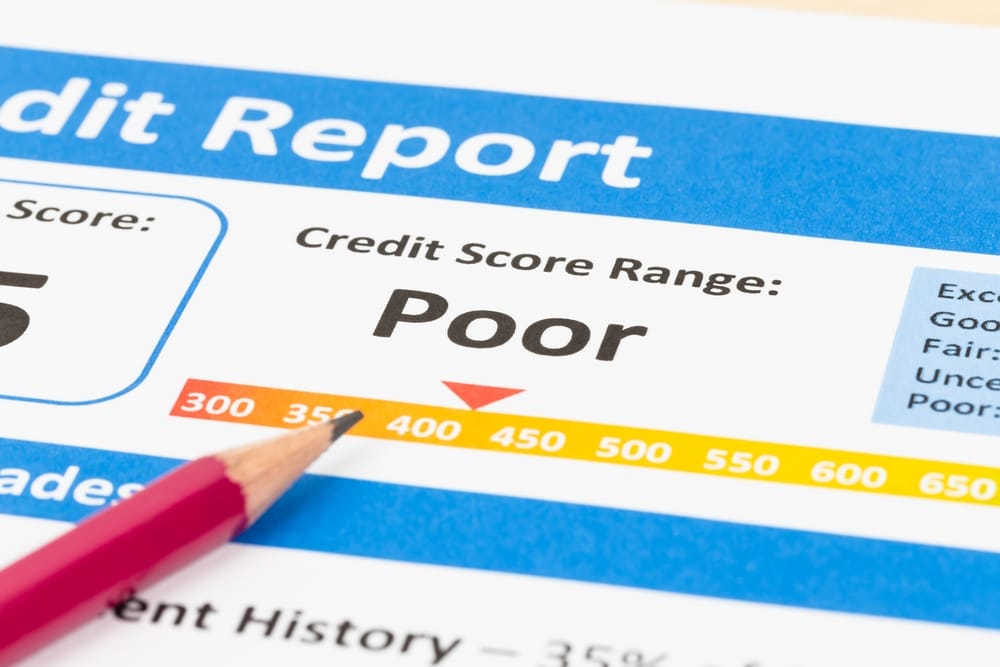
Filed Under: Health & Wellness Tagged With: bill mistakes, bills, credit, credit repair, credit report, credit score, debt collection, doctor, doctors, health insurance, hospitals, medical bills, medical debt, medical expenses, spending mistakes

7 Signs Your Identity Has Been Stolen and What to Do Immediately

December 4, 2025 by Brandon Marcus Leave a Comment

Here Are Some Signs Your Identity Has Been Stolen And What To Do Immediately
Image Source: Shutterstock.com

Identity theft is one of those things that feels like it only happens in movies or to “other people”—until suddenly, your bank account looks like a crime scene. One moment you’re casually scrolling through your emails, the next you’re staring at a credit report that looks like someone went on a shopping spree with your name on it. It’s stressful, confusing, and honestly a little terrifying.

The good news is that there are warning signs that can alert you before the situation gets completely out of control. Recognizing them fast—and knowing what to do—can save you a lot of time, money, and headaches.

1. Unexplained Charges On Your Accounts

One of the most obvious signs of identity theft is charges on your credit or debit accounts that you didn’t make. It could be a $15 subscription you never signed up for, a luxury item from a store you’ve never visited, or even a cash withdrawal you didn’t authorize. These little transactions often escalate if ignored, allowing thieves to rack up significant amounts before you notice. Always check your statements regularly, not just for big purchases but for small, suspicious ones too. If you spot anything unusual, report it immediately to your bank or credit card provider.

2. Receiving Bills For Accounts You Didn’t Open

Another red flag is receiving bills or collection notices for accounts you never applied for. Maybe it’s a new credit card, a loan, or even a utility account in your name, and suddenly your mailbox feels like a plot twist you didn’t sign up for.

These accounts are often opened by criminals using stolen personal information, and ignoring them can hurt your credit score. Contact the company immediately to report fraud and ask for the account to be closed. You should also check your credit report to ensure no other unfamiliar accounts have popped up.

3. Being Denied Credit Unexpectedly

If your credit application is suddenly rejected despite having a solid financial history, it could be a sign someone else has damaged your credit. Fraudulent accounts, missed payments, or unexpected inquiries can tank your score without you realizing it. This can make things like renting an apartment, getting a loan, or even signing up for utilities a real nightmare. Pulling your credit report from all three major bureaus can help you spot discrepancies. If you find any suspicious activity, contact the creditors immediately and consider placing a fraud alert on your report.

4. Receiving Strange Notifications Or Emails

Alerts and emails about accounts you didn’t set up or password changes you didn’t request are clear warning signs. Hackers often try to gain control of your digital life by sending messages that look like legitimate alerts from banks, credit cards, or online platforms. Clicking links in these emails can make matters worse, so always go directly to the official website or contact the company directly.

Set up two-factor authentication for extra protection and change your passwords immediately. Awareness and caution are key, because a single careless click can open the door to further theft.

5. Friends Or Family Mention Suspicious Activity

Sometimes other people notice signs of theft before you do. They might receive messages, requests, or even bills in your name that seem unusual. While it can be embarrassing to admit that your identity is being misused, their alerts can be your first line of defense. Take every report seriously, even if it seems minor. Investigate thoroughly and take immediate action to prevent the situation from escalating.

6. Missing Mail Or Important Documents

Identity thieves often intercept mail to access sensitive information like bank statements, tax documents, or credit card offers. If bills, statements, or packages start disappearing or you notice that official letters never arrive, treat it as a serious warning sign. Missing mail can allow criminals to open new accounts, make unauthorized charges, or steal your personal data. Notify your local post office and consider adding extra security measures, like a locked mailbox or mail hold when you’re away. Monitoring mail is a surprisingly effective and low-tech way to catch identity theft early.

7. Unfamiliar Accounts Showing Up Online

In today’s digital age, identity theft often happens online first. New accounts, social media profiles, or online purchases that you never initiated could be created using your information. Hackers can exploit your personal data in creative ways that aren’t immediately visible on your credit report. Regularly search your name online and set up alerts to monitor suspicious activity. If you notice any unfamiliar accounts, report them immediately to the platform and take steps to secure your digital presence.

Here Are Some Signs Your Identity Has Been Stolen And What To Do Immediately
Image Source: Shutterstock.com

Stay Alert And Act Fast

Identity theft is scary, but recognizing the warning signs early can give you the upper hand. From unexplained charges to unfamiliar accounts and missing mail, the clues are often right in front of you if you pay attention. Acting quickly is essential: contact banks, credit bureaus, and relevant companies, change passwords, and monitor your accounts closely. Your goal is to stop the thief in their tracks before they can do more damage.

Have you ever experienced identity theft, or noticed something suspicious that turned out to be a red flag? Share your stories, tips, or questions in the comments section below.

You May Also Like…

7 Ways to Prevent Your Bank Information From Being Stolen by People You Know

8 Silent Costs of Ignoring Identity Theft

7 Ways Identity Scammers Copy Your Signature Remotely

8 Beauty Scams That Fooled Everyone — And Still Do

The “Love Bombing” Tactic Scammers Use to Gain Financial Control in a New Relationship


Brandon Marcus
Brandon Marcus

Brandon Marcus is a writer who has been sharing the written word since a very young age. His interests include sports, history, pop culture, and so much more. When he isn’t writing, he spends his time jogging, drinking coffee, or attempting to read a long book he may never complete.

Filed Under: safety Tagged With: bills, credit, credit repair, credit score, identity, identity theft, identity thieves, stealing identity, stolen identity, unexplained charges

5 Debt Strategies Redditors Recommend When You’re Drowning But Financial Advisors Say Are Stupid

October 22, 2025 by Catherine Reed Leave a Comment

5 Debt Strategies Redditors Recommend When You’re Drowning But Financial Advisors Say Are Stupid
Image source: shutterstock.com

When people are buried in bills, desperate times can lead to desperate decisions. Reddit’s financial communities are full of advice—some helpful, some disastrous. Many users share unconventional debt strategies that sound clever in theory but can destroy credit, increase stress, or make recovery nearly impossible. While financial advisors agree creativity can sometimes help, they warn that shortcuts usually backfire. Here are five popular debt strategies from Reddit that experts say you should avoid if you truly want to dig out for good.

1. Paying One Credit Card with Another

Among Reddit’s most common debt strategies, using one credit card to pay another might seem like a quick fix. On the surface, it buys time and avoids late fees, but in reality, it digs the hole deeper. You’re essentially moving debt around without reducing it, often paying even higher interest in the process. Advisors say this can spiral into an endless cycle of balance transfers and fees that wreck credit scores. Instead, experts recommend contacting lenders directly for hardship programs or exploring legitimate consolidation options through reputable financial institutions.

2. Taking Out a Personal Loan to Pay Off Everything

Redditors often champion personal loans as miracle cures for overwhelming debt. They argue it simplifies repayment and lowers interest—but that only works if spending habits change. Without financial discipline, people quickly rack up new balances on cleared cards while still repaying the loan. Advisors say this debt strategy gives a false sense of progress and replaces one problem with another. True recovery requires addressing the behavior behind the debt, not just restructuring it into a new payment plan.

3. Ignoring Debt Collectors Until They “Give Up”

It’s shocking how often this bad advice circulates online. Some Reddit users claim that if you ignore collectors long enough, they’ll stop calling or the debt will disappear. Financial advisors warn this is one of the most dangerous debt strategies of all. Ignoring legitimate debts can lead to lawsuits, wage garnishment, or even judgments that stay on your record for years. Communication with creditors—especially through written, documented channels—can lead to payment plans or settlements that protect your financial future.

4. Cashing Out Retirement Accounts Early

Another risky trend among Reddit debt strategies involves dipping into retirement savings to cover short-term problems. It feels like a safety net, but early withdrawals often trigger taxes, penalties, and long-term financial losses. Advisors emphasize that retirement funds should be the last resort, not a quick bailout. By draining your future savings, you sacrifice compound growth and jeopardize stability later in life. Instead, experts recommend exploring hardship assistance, side income opportunities, or budget renegotiations before touching retirement money.

5. Filing for Bankruptcy Without Professional Guidance

Bankruptcy discussions are common in online forums, and while it’s a valid option for extreme cases, some Reddit users encourage filing without consulting a professional. They frame it as a fast way to reset finances—but it’s rarely that simple. Bankruptcy laws are complex, and one wrong move can lead to unnecessary asset loss or missed opportunities for discharge. Financial advisors strongly discourage using this as a casual debt strategy. If bankruptcy becomes necessary, a certified counselor or attorney can ensure it’s handled correctly and strategically.

Why Quick Fixes Make Debt Worse

While Reddit can be a great place for shared experiences, relying on unverified advice can be costly. Many debt strategies that promise relief actually prolong financial suffering by masking symptoms instead of addressing causes. True financial recovery depends on consistent budgeting, transparent communication with creditors, and realistic repayment planning. Advisors emphasize that slow, steady progress beats risky shortcuts every time. Financial freedom isn’t about clever hacks—it’s about disciplined decisions and long-term vision.

Have you ever tried one of these debt strategies—or seen one work out differently? Share your experiences and thoughts in the comments below!

What to Read Next…

8 Cruel Truths About Debt That Nobody Wants to Hear Loudly

6 Aggressive (But Legal) Tactics Hospitals Use to Collect on Medical Debt

7 Signs Your Credit Card Debt Is Dangerously Out of Control

The “Buy Now, Pay Later” Trap That’s Drowning People in Hidden Debt

7 Things You Should Never Say to a Debt Collector on the Phone

Catherine Reed
Catherine Reed

Catherine is a tech-savvy writer who has focused on the personal finance space for more than eight years. She has a Bachelor’s in Information Technology and enjoys showcasing how tech can simplify everyday personal finance tasks like budgeting, spending tracking, and planning for the future. Additionally, she’s explored the ins and outs of the world of side hustles and loves to share what she’s learned along the way. When she’s not working, you can find her relaxing at home in the Pacific Northwest with her two cats or enjoying a cup of coffee at her neighborhood cafe.

Filed Under: Debt Management Tagged With: bad financial advice, budgeting, credit repair, Debt Management, debt payoff, Personal Finance, Planning, Reddit finance

13 Essential Steps to Repair Damage From Past Financial Mistakes

October 8, 2025 by Catherine Reed Leave a Comment

13 Essential Steps to Repair Damage From Past Financial Mistakes
Image source: 123rf.com

Everyone makes money missteps at some point. Maybe it was a maxed-out credit card, a bad investment, or ignoring savings when times were tight. The good news is that financial recovery is always possible with a clear plan and consistent effort. Understanding how to fix the damage caused by past financial mistakes can help you rebuild stability and regain confidence in your financial future. These thirteen essential steps can get you back on track and keep you there for good.

1. Face Your Past Financial Mistakes Honestly

The first step toward recovery is acknowledging what went wrong. Avoiding your money problems only allows them to grow, but facing them gives you power to change. Review your spending habits, debts, and any poor financial decisions with honesty—not shame. Understanding how those past financial mistakes happened helps you prevent repeating them. Once you face reality, you can focus on solutions instead of regrets.

2. Assess Your Current Financial Situation

Before you can fix anything, you need a clear picture of where you stand. Gather recent statements, review your credit report, and list every debt and account balance. Seeing the numbers in front of you can be intimidating, but it’s necessary for progress. Knowing exactly how your past financial mistakes affected your current situation allows for more targeted action. This step turns vague worry into measurable goals.

3. Build a Realistic Monthly Budget

A budget is your roadmap to recovery. Start by tracking income and essential expenses, then allocate what’s left toward debt repayment and savings. It’s not about punishment—it’s about regaining control. A well-designed budget helps you avoid repeating the same past financial mistakes that caused chaos before. When every dollar has a purpose, you start steering your finances instead of being steered by them.

4. Prioritize High-Interest Debt

Debt with high interest rates is like a financial anchor that keeps you from moving forward. Focus first on paying off credit cards and personal loans with the steepest interest costs. Reducing this burden will free up money faster for other goals. The longer high-interest debt lingers, the more damage from past financial mistakes compounds. Paying it down aggressively accelerates both financial freedom and peace of mind.

5. Start Rebuilding Your Credit Score

Your credit score reflects your financial reliability, and improving it can open better opportunities down the road. Begin by paying bills on time and keeping credit card balances low. Avoid taking on new debt unless absolutely necessary. Over time, consistent effort can undo much of the harm from past financial mistakes. As your score improves, so will your access to affordable loans and financial flexibility.

6. Create a Small Emergency Fund

Unexpected expenses often derail financial recovery. Even a modest emergency fund—$500 to $1,000 at first—can prevent you from sliding backward. Use it for true emergencies, not convenience purchases. Having this cushion reduces stress and dependence on credit cards. Building an emergency fund is one of the simplest ways to avoid repeating past financial mistakes.

7. Negotiate With Creditors

If you’re struggling to make payments, don’t hide from your lenders. Contact them to explain your situation and explore hardship programs, payment plans, or settlement options. Creditors often prefer working with you rather than losing your account entirely. Negotiating new terms can make debt repayment far more manageable. It’s a proactive step toward repairing the effects of past financial mistakes.

8. Cut Unnecessary Expenses

You don’t have to eliminate all joy from your life—but you do need to prioritize. Review your spending for recurring charges, unused subscriptions, or impulse buys that drain your budget. Even small cuts can add up quickly over time. Redirect that money toward rebuilding your savings or paying off debt. Trimming expenses helps you reverse the habits that contributed to past financial mistakes.

9. Automate Good Financial Habits

Automation helps you stay consistent, even when motivation fades. Set up automatic transfers to savings, debt payments, and bills to stay ahead. This removes the temptation to skip or delay essential tasks. Automation turns recovery into routine, helping undo the chaos of past financial mistakes. When good habits run on autopilot, financial stability becomes much easier to maintain.

10. Seek Professional Guidance

Sometimes outside help makes all the difference. A certified financial planner, credit counselor, or debt advisor can help you create a personalized recovery plan. They can also identify strategies you might overlook, such as consolidation or restructuring options. If your past financial mistakes feel too heavy to manage alone, getting expert support can provide clarity and direction. Professional insight transforms uncertainty into action.

11. Focus on Long-Term Goals

It’s easy to feel discouraged when progress is slow, but big change takes time. Set realistic, motivating goals such as becoming debt-free, saving for retirement, or improving credit by a certain number of points. Every small milestone proves you’re moving forward. The discipline you build by correcting past financial mistakes strengthens your ability to reach future successes. Focus on consistency rather than perfection.

12. Avoid Quick-Fix Solutions

Be wary of offers that promise instant debt relief or “credit repair.” Many of these solutions cost more than they help. Real progress requires patience and transparency, not shortcuts. Falling for financial gimmicks can create a new round of problems. Remember, the damage from past financial mistakes took time to build—repairing it will, too, but lasting results are worth it.

13. Celebrate Every Win Along the Way

Progress deserves recognition, no matter how small. Whether it’s paying off a single debt or sticking to your budget for three months, celebrate those victories. Each success reinforces your commitment and confidence. Repairing the effects of past financial mistakes is a journey, not a punishment. Recognizing growth keeps you motivated to keep improving.

Turning Regret Into Financial Resilience

Your financial past doesn’t define your future—it prepares you for it. Every step you take toward repairing mistakes builds discipline and awareness that lasts a lifetime. The key is not perfection but persistence and learning from what went wrong. By turning past financial mistakes into motivation, you can create a stronger, smarter financial foundation. The best comeback stories start with a single intentional step forward.

What strategies have helped you recover from past financial mistakes? Which step do you think makes the biggest difference? Share your thoughts in the comments below!

What to Read Next…

8 Important Lessons Learned From Others’ Financial Mistakes

What Happens When Small Debts Spiral Out of Control

Could Ignoring Credit Reports Be the Most Costly Mistake

8 Major Myths About Debt Forgiveness That Are Totally False

7 Major Mistakes in DIY Tax Filing

Catherine Reed
Catherine Reed

Catherine is a tech-savvy writer who has focused on the personal finance space for more than eight years. She has a Bachelor’s in Information Technology and enjoys showcasing how tech can simplify everyday personal finance tasks like budgeting, spending tracking, and planning for the future. Additionally, she’s explored the ins and outs of the world of side hustles and loves to share what she’s learned along the way. When she’s not working, you can find her relaxing at home in the Pacific Northwest with her two cats or enjoying a cup of coffee at her neighborhood cafe.

Filed Under: Personal Finance Tagged With: budgeting, credit repair, debt recovery, financial mistakes, Financial Tips, money management, Personal Finance, Planning, saving money

Here’s How Your 600 Credit Score Really Hurts You

October 2, 2025 by Catherine Reed Leave a Comment

Here's How Your 600 Credit Score Really Hurts You
Image source: 123rf.com

A 600 credit score sits in the “fair” range, but it can feel like a roadblock every time you need financial approval. Whether you’re applying for a loan, signing a lease, or even setting up utilities, your credit score influences the costs and opportunities available to you. While it may not seem devastating compared to lower scores, lenders often see 600 as risky. This means higher interest rates, tougher requirements, and fewer options in nearly every financial decision. Understanding exactly how a 600 credit score hurts you is the first step to taking back control.

1. Loan Approvals Become Harder to Get

Banks and credit unions prefer lending to people with scores above 670, and many draw the line much higher. With a 600 credit score, your application may be flagged as risky, meaning you’ll face denials even for smaller loans. If you are approved, you’ll likely need to provide extra documentation or offer collateral. These added hurdles slow down the process and make borrowing more stressful. What should feel like a simple step becomes a frustrating challenge.

2. Interest Rates Skyrocket

When lenders do approve you with a 600 credit score, they make sure to protect themselves by charging more. Higher interest rates on loans, credit cards, and car financing mean you’ll pay thousands of dollars extra over time. For example, the difference in auto loan interest between someone with a 600 score and a person with a 750 score can add up to several hundred dollars a month. This penalty creates a cycle where debt becomes harder to manage. Essentially, you’re paying more just because your score isn’t higher.

3. Renting an Apartment Gets Complicated

Landlords use credit checks to gauge whether a tenant will pay on time. A 600 credit score signals uncertainty, which can lead to rejections or higher deposits. Even if you find a landlord willing to rent to you, you may be asked to provide a cosigner or pay several months upfront. These extra costs make moving harder and reduce your options in competitive housing markets. For many, housing becomes a constant source of stress when credit scores hold them back.

4. Credit Card Options Shrink

Most premium rewards cards and low-interest credit cards require good or excellent credit. With a 600 credit score, you’ll be limited to secured cards or products with annual fees and higher interest. While these can help rebuild credit, they don’t offer the same perks as other cards. Missing out on cash-back rewards, travel benefits, and balance transfer deals means you’re paying more while getting less in return. Credit card companies know your options are limited and price their products accordingly.

5. Insurance Premiums Increase

Many states allow insurers to use credit scores as part of their risk assessment. A 600 credit score can mean higher premiums for auto and home insurance. Even though your driving record or claim history might be clean, your credit score alone raises your costs. Over time, the difference can add up to hundreds of extra dollars each year. It’s another way your financial profile follows you into unexpected areas of life.

6. Utility and Service Deposits Add Up

Setting up electricity, water, or even internet service often requires a credit check. With a 600 credit score, companies may require a deposit before activating your account. These deposits can range from $100 to $500, tying up money that could be better used elsewhere. While refundable, the upfront burden is frustrating for families already struggling. Even everyday necessities come with extra hurdles when your score is low.

7. Job Opportunities Can Be Impacted

Some employers review credit history as part of the hiring process, especially in fields involving money management or sensitive information. A 600 credit score might not automatically disqualify you, but it can raise concerns about responsibility or reliability. In a competitive job market, even a small blemish can tip the scales against you. Employers may see your score as a reflection of financial stress that could spill into the workplace. Career opportunities shouldn’t hinge on a number, but sometimes they do.

Turning a Weak Score Into a Stronger Future

While a 600 credit score hurts you in many ways, it’s not a life sentence. Paying bills on time, lowering credit card balances, and avoiding new debt can steadily raise your score. Secured cards or small credit-builder loans can help prove responsibility to lenders. Over time, every positive move helps improve your financial standing. With consistent effort, you can move from “fair” to “good” and finally enjoy access to better rates, more opportunities, and less stress.

Have you experienced the challenges of living with a 600 credit score? Share your story or tips in the comments below.

What to Read Next…

6 Dangerous Myths About Credit Card Rewards

Could A Credit Freeze Save You From Financial Ruin

These Debts First: 5 Debts You Should Always Pay Off First

Could Owning Too Many Credit Cards Destroy Your Score

9 Hidden Costs of Switching Banks Nobody Warns You About

Catherine Reed
Catherine Reed

Catherine is a tech-savvy writer who has focused on the personal finance space for more than eight years. She has a Bachelor’s in Information Technology and enjoys showcasing how tech can simplify everyday personal finance tasks like budgeting, spending tracking, and planning for the future. Additionally, she’s explored the ins and outs of the world of side hustles and loves to share what she’s learned along the way. When she’s not working, you can find her relaxing at home in the Pacific Northwest with her two cats or enjoying a cup of coffee at her neighborhood cafe.

Filed Under: credit score Tagged With: 600 credit score, credit cards, credit repair, Debt Management, Financial Tips, improving credit, loan approvals, Personal Finance

How Can Small Debt Collectors Wreck Credit for Years

September 6, 2025 by Travis Campbell Leave a Comment

debt
Image source: pexels.com

It’s easy to think that only big debts or major collection agencies can damage your credit score. But the reality is that even small debt collectors can leave a lasting mark on your financial life. Whether it’s an old medical bill, a forgotten utility payment, or a minor retail debt, these smaller collections can quietly chip away at your credit for years. Understanding how small debt collectors operate—and the outsized effect they can have—is key to protecting your credit score. If you’ve ever wondered why a tiny, forgotten debt keeps haunting your credit report, you’re not alone. Let’s look at how small debt collectors can wreck credit for years and what you can do to fight back.

1. Reporting to Credit Bureaus—No Matter the Amount

Many people assume that only large unpaid debts get reported to credit bureaus. That’s not true. Small debt collectors often report even the tiniest unpaid balances—sometimes just a few dollars. Once a collection account appears on your credit report, it can drag down your score for up to seven years, even after you pay it off.

This means a single overlooked bill, passed to a small collector, can have the same long-term impact as a much larger debt. The size of the collection doesn’t matter to the credit scoring models. What matters is that it went to collections in the first place. That’s why small debts can do outsized damage to your credit score and linger much longer than you’d expect.

2. Persistent Collection Efforts and Re-aging

Small debt collectors often buy portfolios of old, low-value debts for pennies on the dollar. Their business model relies on persistence. They may call, email, or send letters for years, hoping you’ll pay just to make them go away. But here’s the kicker: some collectors may try to “re-age” the debt.

Re-aging occurs when a collector updates the last activity date on a debt, making it appear newer than it actually is. While this practice is illegal unless you actually make a payment or a new agreement, it still happens. When this occurs, the collection can stay on your credit report even longer, causing more damage. This is one way small debt collectors can wreck credit for years, long after you thought the debt was gone.

3. Medical and Utility Debts Are Prime Targets

Medical bills and utility debts are among the most common types of small debts sent to collections. Maybe you moved and didn’t get a final bill, or insurance didn’t cover a small medical expense. These small balances can slip through the cracks. Once they’re handed over to a collection agency, they’re reported just like any other debt.

Even if you pay the original creditor, the fact that it went to collections may still show up on your credit report. Some small debt collectors may not update the bureaus promptly, either, leaving paid debts marked as unpaid. This confusion can make it harder to recover your credit score and can keep your report looking worse than it should for years.

4. Impact on Future Credit and Loan Approvals

Any collection account, big or small, can make it harder to get approved for a loan, credit card, or mortgage. Lenders see collections as a major red flag, regardless of the amount. Even if your collection is only $50, it signals to lenders that you might be a risky borrower.

This can mean higher interest rates, lower credit limits, or outright denials. In some cases, landlords and employers check credit reports too. A small debt in collections could cost you an apartment or even a job. This is another way small debt collectors can wreck credit for years, limiting your options long after the debt itself is gone.

5. Difficulty Disputing Small Debts

It’s often harder to dispute a small debt than a large one. Some small debt collectors may have incomplete or inaccurate records. But getting them to remove a collection from your credit report can be a long, frustrating process.

They may not respond promptly to disputes, or they might provide minimal documentation. Meanwhile, the collection stays on your report, dragging down your score. If you don’t monitor your credit regularly, you might not even notice the collection until you apply for new credit. By then, the damage is done, and fixing it can take months or even years.

Protecting Yourself from Small Debt Collectors

Staying on top of your finances—especially small, easy-to-forget bills—is the best way to avoid surprises from small debt collectors. Set up reminders for recurring bills, check your mail and email for statements, and review your credit report at least once a year. You’re entitled to a free report from each bureau every year at AnnualCreditReport.com.

If you do find a small debt in collections, act quickly. Validate the debt and dispute any errors. Don’t ignore collection letters or calls. Sometimes, collectors may be willing to negotiate a “pay for delete” agreement, where they remove the collection from your report in exchange for payment. Always get these agreements in writing before you pay.

If you feel a collector is violating your rights or reaging debts illegally, seek help. The Consumer Financial Protection Bureau offers resources and a complaint process you can use. Remember, even small debts deserve your attention, because small debt collectors can wreck credit for years if left unchecked.

Have you ever had a minor debt sent to collections? How did it affect your credit? Share your experience in the comments below!

What to Read Next…

  • 5 Things That Instantly Decrease Your Credit Score By 50 Points
  • The Benefits Of Taking Personal Loans And Their Impact On Credit Scores
  • Why Are So Many Seniors Being Sued Over Student Loans They Didn’t Take Out?
  • Why Credit Limits Are Being Lowered Without Consent
  • What Happens To Your Credit Score If Your Cell Provider Changes Ownership?
Travis Campbell
Travis Campbell

Travis Campbell is a digital marketer/developer with over 10 years of experience and a writer for over 6 years. He holds a degree in E-commerce and likes to share life advice he’s learned over the years. Travis loves spending time on the golf course or at the gym when he’s not working.

Filed Under: credit score Tagged With: collections, credit repair, credit report, credit score, debt collection, Personal Finance

Why Do So Many People Misunderstand How Credit Scores Really Work

September 1, 2025 by Travis Campbell Leave a Comment

credit
Image source: pexels.com

Credit scores influence so many aspects of our financial lives, from getting a loan to renting an apartment. Yet, most people don’t actually understand how credit scores really work. Misconceptions can lead to costly mistakes, like missing out on better interest rates or unknowingly damaging your credit profile. With so much at stake, it’s important to clarify the facts. Understanding your credit score isn’t just about numbers—it’s about taking control of your financial future. Let’s break down why confusion is so common and what you need to know to avoid it.

1. Credit Scores Are Not Just About Paying Bills on Time

One of the biggest misunderstandings about credit scores is the belief that paying your bills on time is all that matters. While payment history is important, it’s only one part of the equation. Your credit score also factors in how much debt you have, the types of credit you use, the length of your credit history, and recent credit inquiries. Even if you never miss a payment, maxing out your credit cards or opening several new accounts at once can still hurt your score.

People often overlook these other factors, focusing only on payment due dates. This narrow view leads to frustration when their credit score doesn’t rise as expected. A more complete understanding helps you make smarter choices about how you use credit, not just when you pay your bills.

2. Confusion Between Different Credit Scoring Models

There isn’t just one credit score. Lenders use different scoring models, such as FICO and Vantage Score, each with its own unique formula. Your score can vary depending on which model is used and even which credit bureau is reporting your information. This leads to confusion when people check their score through a free service and are surprised to see a different number when they apply for a loan.

It’s easy to assume there’s a single, definitive score, but the reality is more complicated. Understanding that multiple credit scores exist can help you interpret your number more accurately and avoid surprises when seeking credit.

3. The Impact of Credit Utilization Is Often Overlooked

Credit utilization—the amount of credit you’re using compared to your total credit limit—is a critical component of how credit scores really work. Many people don’t realize that carrying high balances, even if you pay them off each month, can lower your score. Lenders like to see that you’re not maxing out your available credit.

Keeping your credit utilization below 30% is usually recommended, but lower is better. If you’re consistently using most of your credit, your score may suffer, regardless of your payment history. This subtlety is often missed, leading people to unknowingly hurt their own credit standing.

4. Closing Old Accounts Can Backfire

It seems logical to close old or unused credit accounts to simplify your finances, but this can actually harm your credit score. The age of your credit accounts is another key factor in most scoring models. When you close an old account, you reduce the average age of your credit history, which can lower your score.

Additionally, closing accounts can increase your credit utilization ratio if you carry balances on other cards. This double impact is rarely explained in basic credit advice, leaving many people confused about why their score drops after taking what seemed like a responsible action.

5. Myths About Checking Your Own Credit

There’s a persistent myth that checking your own credit score will hurt it. In reality, checking your own score is considered a “soft inquiry” and doesn’t affect your credit at all. Only “hard inquiries,” like those made by lenders when you apply for new credit, can have a small, temporary impact.

Because of this misunderstanding, some people avoid monitoring their credit, missing out on opportunities to catch errors or signs of identity theft early. Regularly reviewing your credit report is a smart way to stay informed and protect your financial health.

6. Lack of Education and Misinformation

Many people never learn how credit scores really work. Financial education isn’t a standard part of most school curricula, so individuals rely on word-of-mouth, social media, or outdated advice. This can lead to the spread of myths and half-truths, making it even harder to separate fact from fiction.

Some people also believe that credit scores are only for “big” financial decisions, like buying a house, when in reality, they impact everything from insurance rates to job applications. Without accurate information, it’s easy to make mistakes that linger for years.

7. The Influence of Credit Repair Companies

Credit repair companies sometimes promise quick fixes or “secret” strategies for improving credit scores. While some offer legitimate services, others exaggerate their abilities or spread misinformation. This can lead people to misunderstand how credit scores really work, focusing on gimmicks instead of proven habits.

It’s important to recognize that there are no shortcuts. Consistent, responsible credit use is the only reliable way to improve your score.

What You Can Do to Understand Credit Scores Better

Getting a clear picture of how credit scores really work is possible. Start by learning the main factors that influence your score: payment history, credit utilization, length of credit history, new credit, and credit mix. Check your credit report regularly, and don’t be afraid to ask questions or seek out reputable resources.

By understanding the real drivers behind your credit score, you can make choices that genuinely improve your financial standing. Have you ever been surprised by your credit score or found out something new about how it works? Share your experience in the comments!

What to Read Next…

  • 5 Things That Instantly Decrease Your Credit Score By 50 Points
  • The Benefits Of Taking Personal Loans And Their Impact On Credit Scores
  • Why Credit Limits Are Being Lowered Without Consent
  • Why Some Credit Reports Are Withholding Important Data
  • Are Your Social Media Posts Creating A Credit Risk?
Travis Campbell
Travis Campbell

Travis Campbell is a digital marketer/developer with over 10 years of experience and a writer for over 6 years. He holds a degree in E-commerce and likes to share life advice he’s learned over the years. Travis loves spending time on the golf course or at the gym when he’s not working.

Filed Under: credit cards Tagged With: credit myths, credit repair, credit reports, credit scores, credit utilization, financial education, Personal Finance

Is Bankruptcy Still Taboo—Or Just a Smart Financial Reset?

April 16, 2025 by Travis Campbell Leave a Comment

money by a vacuum
Image Source: unsplash.com

In today’s financial landscape, bankruptcy has evolved from a whispered last resort to a potential strategic move for those drowning in debt. While the stigma hasn’t completely disappeared, many financial experts now view bankruptcy as a legitimate tool for financial recovery rather than a moral failing. This shift in perspective raises an important question: Is filing for bankruptcy still something to be ashamed of, or could it be the fresh start you need to rebuild your financial future?

1. The Changing Face of Bankruptcy in America

Bankruptcy filings have become increasingly common in the United States, with over 400,000 cases filed annually in recent years. The 2008 financial crisis and the COVID-19 pandemic have normalized financial hardship for millions of Americans who previously thought themselves immune to serious money troubles. Major corporations routinely use bankruptcy protection as a business strategy, restructuring billions in debt while continuing operations. Consumer attitudes have gradually shifted as financial education improves, and people recognize that systemic economic factors often contribute more to financial distress than personal failings. The stigma around bankruptcy has diminished significantly as celebrities, successful entrepreneurs, and even former presidents have publicly discussed their bankruptcy experiences as stepping stones rather than endpoints.

2. Understanding the Different Types of Bankruptcy Protection

Chapter 7 bankruptcy, often called “liquidation bankruptcy,” allows individuals to discharge most unsecured debts while potentially surrendering non-exempt assets to pay creditors. Chapter 13 bankruptcy creates a structured repayment plan over 3-5 years, enabling people to keep their homes and vehicles while catching up on payments under court protection. Chapter 11 bankruptcy primarily serves businesses and high-net-worth individuals, allowing for complex debt restructuring while operations continue. Each bankruptcy type comes with different eligibility requirements, including income thresholds, previous filing restrictions, and mandatory credit counseling. Understanding these distinctions is crucial because choosing the wrong bankruptcy path could result in dismissed cases, continued financial struggle, or unnecessary loss of assets.

3. The Real Consequences of Filing for Bankruptcy

A bankruptcy filing remains on your credit report for 7-10 years, initially dropping your credit score significantly and making new credit difficult to obtain. Many bankruptcy filers face higher insurance premiums, potential employment challenges in financial sectors, and difficulty renting apartments without cosigners or more significant security deposits. Certain debts cannot be discharged through bankruptcy, including most student loans, recent tax obligations, child support, and alimony payments. The emotional toll of bankruptcy often includes feelings of shame, failure, and anxiety, even as the financial pressure eases. Despite these drawbacks, many bankruptcy filers report that the relief from collection calls, wage garnishments, and constant financial stress outweigh the temporary negative consequences.

4. Signs That Bankruptcy Might Be Your Best Option

When you’re using credit cards to pay for essential living expenses month after month with no realistic path to debt reduction, bankruptcy may be appropriate. Financial experts often suggest considering bankruptcy when your total unsecured debt exceeds your annual income, and minimum payments consume more than 40% of your monthly take-home pay. If creditors have obtained judgments against you, garnished your wages, or threatened to repossess essential assets, bankruptcy’s automatic stay provision can provide immediate relief. When legitimate debt settlement offers would still leave you financially crippled for years, bankruptcy’s more comprehensive approach might offer a faster recovery path. Before filing, consult with both a nonprofit credit counselor and a bankruptcy attorney to ensure you’ve explored all alternatives and understand the full implications for your specific situation.

5. Rebuilding Your Financial Life After Bankruptcy

Contrary to popular belief, many bankruptcy filers can begin rebuilding their credit immediately through secured credit cards, credit-builder loans, and becoming authorized users on others’ accounts. Creating and strictly following a post-bankruptcy budget is essential, with particular attention to building an emergency fund to prevent falling back into debt during future financial challenges. Many successful bankruptcy filers report that the mandatory financial counseling required during the process provided valuable education they never received elsewhere. Within 2-3 years after discharge, many individuals qualify for FHA home loans if they maintain a perfect payment history and rebuild their credit scores. The psychological freedom from overwhelming debt often allows people to focus on increasing income through education, career advancement, or entrepreneurship rather than merely treading water financially.

6. The New Financial Reality: When Strategic Bankruptcy Makes Sense

In today’s complex financial environment, bankruptcy has increasingly become a calculated decision rather than a last resort for many middle-class Americans. Medical debt remains the leading cause of bankruptcy in the United States, affecting even those with health insurance and stable incomes who face catastrophic healthcare costs. Financial advisors sometimes recommend “strategic bankruptcy” when the mathematical reality shows that debt repayment would require sacrificing retirement savings or children’s education funds. The COVID-19 pandemic demonstrated how quickly financial circumstances can change through no fault of one’s own, further destigmatizing bankruptcy as a recovery tool. Viewing bankruptcy as a legal protection rather than a moral failing allows individuals to make clearer decisions based on long-term financial health rather than short-term shame.

7. Finding Your Financial Reset Button

Bankruptcy represents just one option in the spectrum of debt relief solutions, alongside debt management plans, debt settlement, and loan consolidation. The most successful financial recoveries typically involve debt elimination and fundamental changes to spending habits, income strategies, and emergency planning. Many bankruptcy attorneys offer free consultations where you can learn if you qualify and what assets you might protect before making any decisions. The bankruptcy process itself has become more streamlined in recent years, with many aspects handled online and fewer required court appearances. Remember that financial setbacks—even serious ones requiring bankruptcy—don’t define your worth or predict your future success in building wealth and security.

Have you faced overwhelming debt or considered bankruptcy? What factors would influence your decision to file or seek alternatives? Share your thoughts in the comments below.

Read More

A Quick Guide on How to File for Bankruptcy

How Long Does Bankruptcy Stay on Credit Report?

Travis Campbell
Travis Campbell

Travis Campbell is a digital marketer/developer with over 10 years of experience and a writer for over 6 years. He holds a degree in E-commerce and likes to share life advice he’s learned over the years. Travis loves spending time on the golf course or at the gym when he’s not working.

Filed Under: Debt Management Tagged With: bankruptcy, Chapter 13, Chapter 7, credit repair, Debt Management, debt relief, financial recovery, financial reset

9 Stupid Tricks People Have Tried To Get Out of Paying Off Their Debt

March 15, 2025 by Latrice Perez Leave a Comment

Credit cards and the word debt
Image Source: 123rf.com

Debt is a financial burden that most people try to manage responsibly, but some will go to extreme—and often ridiculous—lengths to avoid paying what they owe. Whether it’s credit card balances, student loans, or even mortgages, people have attempted bizarre schemes to escape their financial obligations. While some of these tricks are laughably absurd, others have landed people in legal trouble, making their debt situation even worse. Here are ten of the stupidest tricks people have tried to get out of paying off their debt.

1. Claiming They’re No Longer Alive

One of the most desperate—and dumbest—attempts to avoid debt is faking one’s own death. Some people have gone as far as forging death certificates, staging fake obituaries, or even convincing friends and family to lie on their behalf. The problem? Lenders and government agencies aren’t easily fooled. Banks and creditors often verify death claims, and faking your death is a federal crime in many countries. Instead of wiping out debt, this scam usually ends with fraud charges and even jail time.

2. Mailing a Literal Envelope Full of Pennies

Some people think they can “technically” pay their debt in a way that frustrates creditors so much that they’ll just give up. One infamous trick is mailing an envelope filled with pennies or an entire truckload of loose change to a lender. While it’s true that legal tender laws mean companies must accept legitimate currency, banks and lenders aren’t required to process payments in an unreasonable format. Many institutions simply return the payment and continue charging late fees.

3. Arguing That Debt is “Illegal” Based on Conspiracy Theories

A group of so-called “sovereign citizens” believe that debt is illegal and that they are not obligated to repay loans or credit cards. Their argument is that the U.S. government and banks operate under a secret financial system that doesn’t apply to them. They send bizarre legal documents filled with nonsensical legal jargon, claiming that their debts must be erased. Unsurprisingly, courts do not recognize made-up financial loopholes, and these people usually end up in deeper legal trouble.

4. Sending a Cease-and-Desist Letter to the Bank

Some debt dodgers think that sending a cease-and-desist letter to their bank will somehow erase their financial obligations. While you can send a letter to stop aggressive debt collection calls, it does not eliminate the debt itself. Lenders don’t just forget about unpaid loans because someone sent them a strongly worded letter. Instead, they often escalate the case, take legal action, or send the debt to collections—leading to even worse financial consequences.

5. Changing Their Name to Escape Debt Collectors

A surprisingly large number of people have tried legally changing their name, assuming that their debt will disappear with their old identity. However, debt isn’t tied to just a name—it’s connected to Social Security numbers, addresses, and financial history. Banks and credit agencies still track debt under previous names, so this trick accomplishes absolutely nothing—except the hassle of filing legal name-change documents for no reason.

6. Marrying Someone and Transferring the Debt to Them


Marrying Someone
Image Source: 123rf.com

Some people think they can escape debt by getting married and somehow dumping their financial burdens onto their spouse. While marriage does merge certain financial responsibilities, debts incurred before marriage typically remain the original person’s responsibility. Some debt dodgers have even tried divorcing right after transferring assets and loans to their spouse, hoping to walk away debt-free. Courts aren’t fooled by this trick, and most lenders still hold the original borrower accountable.

7. Moving to a Remote Country to “Disappear”

Some debtors believe that moving abroad means their debt will magically vanish. While it’s true that some lenders won’t pursue small debts internationally, large unpaid loans, unpaid taxes, and government-related debts (like student loans) don’t go away just because you leave the country. In some cases, lenders can still work with international collection agencies, freeze accounts, or prevent a debtor from returning home without financial consequences. Running away rarely works—unless you plan to completely cut ties with modern banking systems forever.

8. Suing the Bank for “Emotional Distress” (Continued)

In a bizarre attempt to erase debt, some people have actually sued their lenders, claiming that having to pay their bills caused them emotional distress. While debt can absolutely be stressful, this argument doesn’t hold up in court. Debt is a legal obligation, and just because someone finds it inconvenient doesn’t mean they’re entitled to a free pass. In most cases, the lawsuit is dismissed, and the debtor ends up owing even more due to legal fees.

Even worse, if the lender decides to countersue for unpaid debt and legal costs, the debtor may be in an even deeper financial hole. The court system isn’t sympathetic to people who file frivolous lawsuits in an attempt to avoid financial responsibility. Instead of erasing their debt, they usually end up adding to it.

9. Pretending to Have Amnesia or “Forgetting” About the Debt

Some debt-dodgers think that playing dumb will get them off the hook. They claim they don’t remember taking out the loan or opening the credit card, hoping the lender will just drop it. Unfortunately for them, banks and creditors keep records of every transaction, and conveniently “forgetting” doesn’t make the debt disappear.

Some scammers have even tried to fake amnesia or insist that someone else fraudulently opened the account in their name. While identity theft is a real issue, falsely claiming fraud is a serious crime. If the lender investigates and finds out the claim is false, they may pursue legal action for fraud, making the situation far worse than just having unpaid bills.

What Happens When These Tricks Backfire?

Trying to game the system to avoid paying debt rarely works—and often makes things much worse. People who attempt these ridiculous tricks often find themselves facing:

  • Lawsuits – Lenders can take legal action, leading to court judgments that make the debt even harder to escape.
  • Wage Garnishment – Courts can order a portion of the debtor’s paycheck to be automatically deducted to repay the debt.
  • Ruined Credit – Unpaid debts and failed scams can destroy credit scores, making it difficult to buy a home, get a job, or even rent an apartment.
  • Bank Account Freezes – Some lenders can get court approval to freeze accounts, meaning debtors can’t access their own money.
  • Criminal Charges – Fraudulent attempts to avoid debt, such as faking a death or filing false lawsuits, can lead to fines or even jail time.

The Smarter Alternative: Facing Debt Head-On

Instead of trying stupid tricks to get out of debt, people should focus on real solutions that actually work. Options like negotiating with lenders, setting up payment plans, consolidating debt, or working with a credit counselor can help people get back on track without resorting to shady tactics. In some cases, filing for bankruptcy may even be a legitimate last resort that wipes out certain debts legally.

Debt can feel overwhelming, but avoiding it—or trying ridiculous schemes—will only make things worse. The smartest move is to take responsibility, make a plan, and tackle the debt head-on before it spirals out of control.

Have you ever heard of someone trying a crazy trick to dodge debt? Share your thoughts in the comments!

Read More:

Would Jesus Use a Credit Card? The Ethics of Debt in a Modern World

7 Unexpected Ways Hospitals Can Help You Slash Your Medical Debt

Latrice Perez

Latrice is a dedicated professional with a rich background in social work, complemented by an Associate Degree in the field. Her journey has been uniquely shaped by the rewarding experience of being a stay-at-home mom to her two children, aged 13 and 5. This role has not only been a testament to her commitment to family but has also provided her with invaluable life lessons and insights.

As a mother, Latrice has embraced the opportunity to educate her children on essential life skills, with a special focus on financial literacy, the nuances of life, and the importance of inner peace.

Filed Under: Personal Finance Tagged With: avoiding debt, bad financial advice, credit repair, debt relief, debt scams, financial fraud, financial responsibility, money management, money mistakes, Personal Finance

Credit Score Killers: 7 Mistakes You’re Probably Guilty Of

February 14, 2025 by Latrice Perez Leave a Comment

Hand holding credit card
Image Source: 123rf.com

Your credit score plays a crucial role in your financial health, but small missteps can cause major damage. Many people unknowingly make credit mistakes that lower their scores and make it harder to get loans, mortgages, or even a good interest rate. The good news? Once you recognize these common pitfalls, you can take steps to correct them and boost your score. Here are seven credit mistakes you might be making—and how to fix them before they hurt your financial future.

Missing Payments

Even one missed payment can significantly impact your credit score. Payment history makes up about 35% of your score, making it the most important factor. Late payments stay on your credit report for up to seven years, making lenders view you as a risky borrower. Setting up automatic payments or reminders can help you avoid this common mistake. The key is to always pay at least the minimum amount due on time to protect your score.

Maxing Out Your Credit Cards

Woman paying with contactless credit card in cafe
Image Source: 123rf.com

Using too much of your available credit can make you look financially overextended. Your credit utilization ratio—how much of your credit limit you use—should ideally stay below 30%. Maxing out your credit cards not only lowers your score but also increases the risk of accumulating high-interest debt. Paying down balances regularly and keeping your spending in check will help maintain a healthy credit score. If possible, spread your purchases across multiple cards to keep utilization low.

Closing Old Credit Accounts

It might seem like a good idea to close old credit cards you no longer use, but doing so can actually hurt your score. Length of credit history accounts for about 15% of your credit score, so older accounts add to your financial stability. When you close an account, it reduces your total available credit, increasing your utilization ratio. Instead of closing old accounts, consider keeping them open and using them occasionally to keep them active. Maintaining a long credit history shows lenders you’re a responsible borrower.

Applying for Too Many Loans at Once

Every time you apply for a new credit card or loan, the lender performs a hard inquiry on your credit report. Too many hard inquiries in a short period can signal financial distress and lower your score. While one or two inquiries won’t hurt much, multiple applications in a short time can be a red flag to creditors. To minimize the impact, only apply for new credit when necessary and research your options before submitting applications. Responsible credit use means spacing out inquiries and choosing the right financial products.

Ignoring Your Credit Report

Many people don’t check their credit reports regularly, leaving mistakes and fraud undetected. Errors such as incorrect account balances or unauthorized accounts can drag down your score. Federal law allows you to check your credit report for free once a year from each major credit bureau. Reviewing your report helps you spot inaccuracies and dispute them before they cause lasting damage. Staying proactive about your credit history can prevent unnecessary drops in your score.

Only Paying the Minimum Balance

Paying only the minimum amount due may keep your account in good standing, but it can still hurt your credit. High-interest charges accumulate, making it harder to pay off your balance in full. A high balance increases your credit utilization ratio, which can lower your score over time. Aim to pay more than the minimum whenever possible, focusing on reducing high-interest debt first. Keeping balances low and making larger payments will improve your financial standing.

Co-Signing Without Understanding the Risks

Co-signing a loan means you’re equally responsible for the debt, even if you’re not the one using the funds. If the primary borrower misses payments or defaults, your credit score takes a hit. Many people co-sign without fully considering the financial risks, leading to unexpected credit damage. Before agreeing to co-sign, make sure you trust the borrower and understand the long-term consequences. If possible, have a repayment plan in place to avoid credit issues.

Take Control of Your Credit Today!

Avoiding these common credit mistakes can protect your financial future and keep your score in good shape. Review your credit habits, make adjustments where needed, and stay proactive about maintaining good credit. The stronger your credit score, the easier it will be to achieve financial goals like buying a home or securing low-interest loans.

Which of these mistakes have you been guilty of? Share this article to help others improve their credit too!

Read More:

Think You’re Safe? 8 Risks of Being Added as an Authorized User on a Credit Card Without Your Knowledge

What Should I Do If I Receive a Summons for Credit Card Debt?


Latrice Perez

Latrice is a dedicated professional with a rich background in social work, complemented by an Associate Degree in the field. Her journey has been uniquely shaped by the rewarding experience of being a stay-at-home mom to her two children, aged 13 and 5. This role has not only been a testament to her commitment to family but has also provided her with invaluable life lessons and insights.

As a mother, Latrice has embraced the opportunity to educate her children on essential life skills, with a special focus on financial literacy, the nuances of life, and the importance of inner peace.

Filed Under: credit cards Tagged With: bad credit, credit card tips, credit mistakes, credit repair, credit report, credit score, Debt Management, Financial Health, money management, Personal Finance

  • « Previous Page
  • 1
  • 2
  • 3
  • Next Page »

Follow Us

Search this site:

Recent Posts

  • Can My Savings Account Affect My Financial Aid? by Tamila McDonald
  • 12 Ways Gen X’s Views Clash with Millennials… by Tamila McDonald
  • What Advantages and Disadvantages Are There To… by Jacob Sensiba
  • 10 Tactics for Building an Emergency Fund from Scratch by Vanessa Bermudez
  • Call 911: Go To the Emergency Room Immediately If… by Stephen Kanaval
  • 7 Weird Things You Can Sell Online by Tamila McDonald
  • 10 Scary Facts About DriveTime by Tamila McDonald

Copyright © 2026 · News Pro Theme on Genesis Framework