• Home
  • About Us
  • Toolkit
  • Getting Finances Done
    • Hiring Advisors
    • Debt Management
    • Spending Plan
  • Insurance
    • Life Insurance
    • Health Insurance
    • Disability Insurance
    • Homeowners/Renters Insurance
  • Contact Us
  • Risk Tolerance Quiz
  • Our Editorial Commitment

The Free Financial Advisor

You are here: Home / Archives for credit reports

Do Couples Really Know Each Other’s Credit Scores? What Surveys Reveal

March 2, 2026 by Brandon Marcus Leave a Comment

Do Couples Really Know Each Other’s Credit Scores? What Surveys Reveal
Image Source: Unsplash.com

Love thrives on honesty, but money often hides in the shadows. Couples talk about vacations, wedding plans, and where to settle down, yet many avoid one of the most important numbers in adult life: a credit score. That three-digit figure influences mortgage approvals, car loans, apartment leases, and even insurance premiums. It shapes financial futures, but surveys show that plenty of couples either guess at their partner’s score or never ask at all.

This gap between emotional closeness and financial clarity raises a big question. Do couples truly understand each other’s financial health, or do they simply assume everything will work out?

The Survey Data Paints a Complicated Picture

Several major surveys over the past few years have explored how couples handle credit transparency, and the findings tell a layered story. Studies have found that while many Americans consider financial honesty essential in relationships, a significant share admit they do not know their partner’s exact credit score. In that same research, nearly one in four respondents said they had either hidden a purchase or financial detail from a partner at some point.

Research has also shown that money remains one of the leading sources of relationship stress. Couples frequently argue about spending habits, debt levels, and financial priorities, yet many still hesitate to discuss credit scores directly. That hesitation creates blind spots at critical moments, especially when applying for joint loans or planning major purchases.

A credit score may feel abstract compared to a bank balance, but lenders treat it as a snapshot of reliability. When two people decide to combine finances, that snapshot matters. One partner’s lower score can influence interest rates, loan approvals, and even rental opportunities. Surveys suggest that many couples underestimate how quickly these differences can surface.

Why Credit Scores Feel So Personal

A credit score reflects financial behavior over time, and that history can carry emotional weight. Late payments, high credit card balances, or past collections often connect to difficult periods such as job loss, medical bills, or unexpected setbacks. Sharing that information can feel vulnerable.

At the same time, some individuals avoid the topic because they fear judgment. A partner with an excellent score may worry about appearing controlling or critical. A partner with a lower score may fear embarrassment or rejection. That emotional layer explains why many couples talk around money instead of confronting it directly.

Credit scores also suffer from misunderstanding. Many people confuse a credit score with a credit report, or they assume that checking a score will hurt it. In reality, consumers can check their own credit reports for free once a year from each major bureau through AnnualCreditReport.com, and checking a personal score does not lower it. Accurate information reduces fear, but many couples never take that first step together.

When Assumptions Collide With Reality

Financial assumptions often collapse under pressure. A couple may plan to buy a home, only to discover that one partner’s score falls below the threshold for favorable mortgage rates. Lenders such as Fannie Mae and Freddie Mac follow specific underwriting guidelines, and a lower middle credit score can raise borrowing costs or require a larger down payment.

Car loans present similar challenges. Auto lenders evaluate both applicants in a joint application, and they typically base the interest rate on the weaker credit profile. A surprise gap in scores can add thousands of dollars in interest over the life of a loan. Even renting can expose differences. Many landlords review credit reports before approving tenants, and unpaid collections or high credit utilization can raise red flags. Couples who never discussed credit may find themselves scrambling to explain issues that could have been addressed months earlier.

The Rise of Financial Transparency Before Marriage

Recent data shows a growing trend toward earlier financial disclosure. Younger couples, particularly millennials and Gen Z adults, appear more willing to discuss debt, savings, and credit scores before marriage. Social media conversations about budgeting, student loans, and financial independence have helped normalize these discussions.

Still, normalization does not guarantee action. Many Americans feel uncomfortable discussing debt in romantic relationships, even when they recognize its importance. The tension between knowing something matters and actually bringing it up creates delay. Financial advisors increasingly recommend “money dates” before engagement or cohabitation. These structured conversations allow partners to review credit reports, discuss financial goals, and outline expectations. Transparency does not require perfection; it requires clarity and a willingness to work as a team.

Do Couples Really Know Each Other’s Credit Scores? What Surveys Reveal
Image Source: Pexels.com

Practical Steps for Couples Who Want Clarity

Couples who want to strengthen their financial foundation can start with simple, concrete steps. Each partner can pull a free credit report and review it for errors, outdated accounts, or suspicious activity. Mistakes occur more often than many realize, and disputing inaccuracies can improve a score.

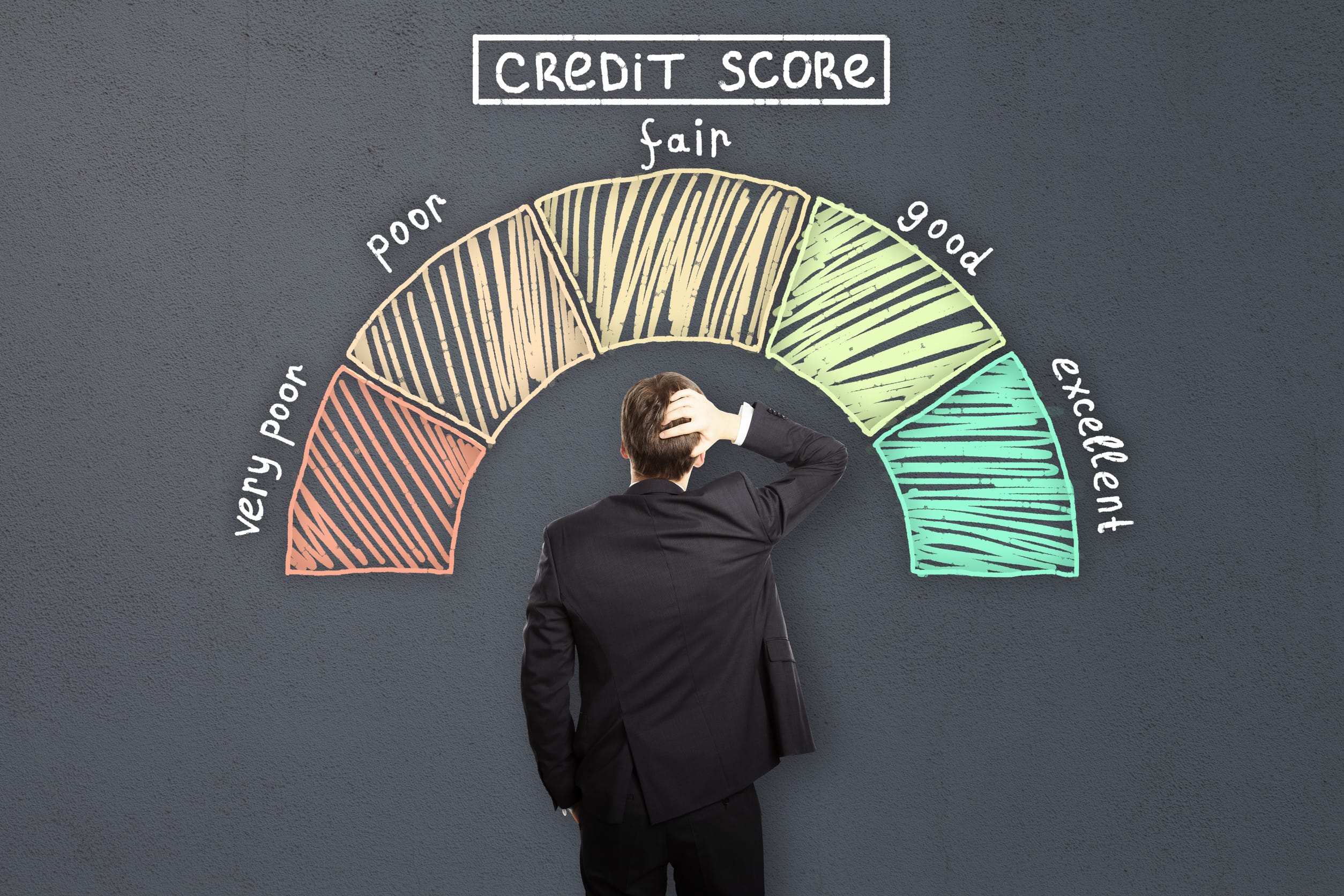
Next, partners can share their actual credit scores rather than vague estimates. Credit scoring models like FICO use ranges, and knowing whether a score sits in the excellent, good, fair, or poor category provides context. This conversation works best when framed as collaboration rather than criticism.

Couples can also set shared goals. If one partner has a lower score due to high credit card utilization, they can create a payoff plan together. If student loans or past medical bills caused damage, they can explore structured repayment strategies. Clear goals transform credit from a source of tension into a joint project.

For those preparing to apply for a mortgage or other major loan, consulting a housing counselor or financial planner can provide additional guidance. Professionals can explain how lenders calculate rates and what steps may improve eligibility.

Credit Scores and Trust Go Hand in Hand

Money transparency often strengthens trust. When partners openly discuss income, debt, and credit scores, they signal respect and shared responsibility. That transparency reduces the risk of unpleasant surprises and fosters a sense of partnership.

Surveys consistently show that financial secrecy correlates with relationship strain. Hidden debt, undisclosed credit cards, or secret spending habits can erode trust over time. Addressing credit scores directly may feel uncomfortable at first, but avoidance rarely solves underlying issues.

A relationship does not require identical credit scores to succeed. It requires honesty, planning, and mutual understanding. Couples who approach finances as a team often navigate setbacks more smoothly because they understand the full picture.

The Real Score That Matters

Credit scores influence interest rates and approvals, but they also reveal something deeper about communication. Surveys make one thing clear: many couples assume financial alignment without verifying the details. That assumption can carry real costs.

Open conversations about credit may feel awkward, yet they provide clarity that supports long-term goals. A shared understanding of financial health allows couples to plan realistically, negotiate better loan terms, and avoid preventable stress.

Does complete financial transparency strengthen a relationship, or does it introduce tension that couples prefer to avoid? If you have advice for anyone in a romantic relationship, let’s hear it in the comments section below.

You May Also Like…

Breaking Free at 50: 12 Relationship Rules That Are Officially Outdated

The “Love Bombing” Tactic Scammers Use to Gain Financial Control in a New Relationship

8 Toxic Money Habits That Are Silently Poisoning Your Relationship

7 Cynical Comments People Say About Your Relationship That Might Actually Be True

6 Romantic Gestures That Actually Terrify Most Men

Brandon Marcus
Brandon Marcus

Brandon Marcus is a writer who has been sharing the written word since a very young age. His interests include sports, history, pop culture, and so much more. When he isn’t writing, he spends his time jogging, drinking coffee, or attempting to read a long book he may never complete.

Filed Under: relationships Tagged With: couples and money, credit reports, credit scores, Experian survey, FICO score, financial transparency, joint finances, marriage and debt, money communication, personal finance tips, Planning, relationship finance

5 Silent Costs of Ignoring Credit Monitoring

September 18, 2025 by Catherine Reed Leave a Comment

5 Silent Costs of Ignoring Credit Monitoring
Image source: 123rf.com

Most people don’t think about their credit until they’re ready to buy a car, apply for a mortgage, or open a new credit card. But waiting until those moments can backfire if your credit history has hidden problems. Ignoring credit monitoring doesn’t just mean missing out on a nice score boost—it can lead to financial losses, higher borrowing costs, and even fraud going undetected. The silent costs of neglecting your credit add up quickly, making it crucial to stay proactive about your financial health.

1. Higher Interest Rates on Loans

One of the biggest silent costs of ignoring credit monitoring is paying more interest on loans. Lenders use credit scores to determine risk, and a lower score often means a higher rate. Even a small difference in interest can cost thousands over the life of a loan. For example, a mortgage with just a 1% higher rate could add tens of thousands in extra payments. Monitoring your credit helps you spot issues early so you can fix them before applying for major loans.

2. Missed Signs of Identity Theft

Another hidden danger of ignoring credit monitoring is missing early signs of identity theft. Criminals often open accounts in victims’ names or make unauthorized charges that go unnoticed until bills pile up. By the time you realize what happened, the damage can be extensive and difficult to reverse. Credit monitoring alerts you to suspicious activity quickly, giving you a chance to act before the problem worsens. Without it, the financial and emotional costs of fraud can be overwhelming.

3. Lost Opportunities for Better Credit Offers

Ignoring credit monitoring can also mean missing out on valuable offers. People with strong scores often qualify for rewards cards, zero-interest financing, or lower insurance premiums. If you don’t track your credit, you may never know you’re eligible for these opportunities. On the flip side, errors on your report could hold you back without you realizing it. Regular monitoring ensures your financial profile is accurate and helps you maximize benefits.

4. Damage to Employment Prospects

Some employers check credit reports as part of the hiring process, especially for jobs involving money or sensitive information. If you’ve been ignoring credit monitoring, errors or negative marks could hurt your chances of getting hired. Even if you’re qualified, a poor credit report may raise red flags about reliability or responsibility. This silent cost goes beyond money—it can affect your career and long-term earning potential. Keeping an eye on your credit helps prevent surprises during job searches.

5. Greater Stress from Financial Uncertainty

One of the less obvious but very real costs of ignoring credit monitoring is the stress it creates. Not knowing the state of your credit can make financial decisions more nerve-wracking. You may second-guess loan applications, worry about hidden problems, or feel unprepared for emergencies. This uncertainty takes a toll on mental health and makes it harder to plan confidently for the future. Monitoring your credit regularly provides peace of mind and reduces unnecessary anxiety.

Protecting Your Finances with Awareness

Ignoring credit monitoring doesn’t just risk your score—it risks your financial future. From higher interest rates to missed fraud alerts, the silent costs can affect everything from your bank account to your career opportunities. By paying attention and addressing issues early, you gain control over your financial life instead of letting hidden problems pile up. Credit monitoring isn’t just a tool—it’s a shield against costly mistakes and missed opportunities.

Have you ever discovered a costly mistake on your credit report that could have been avoided with credit monitoring? Share your experience in the comments below.

What to Read Next…

Could Owning Too Many Credit Cards Destroy Your Score

5 Cosigning Mistakes That Could Wreck Your Credit for Years

Why Do Some People Refuse to Use Credit Cards but Still Pay More

9 Hidden Costs of Switching Banks Nobody Warns You About

5 Financial Dangers That Hide in Credit Union Accounts

Catherine Reed
Catherine Reed

Catherine is a tech-savvy writer who has focused on the personal finance space for more than eight years. She has a Bachelor’s in Information Technology and enjoys showcasing how tech can simplify everyday personal finance tasks like budgeting, spending tracking, and planning for the future. Additionally, she’s explored the ins and outs of the world of side hustles and loves to share what she’s learned along the way. When she’s not working, you can find her relaxing at home in the Pacific Northwest with her two cats or enjoying a cup of coffee at her neighborhood cafe.

Filed Under: credit score Tagged With: borrowing costs, credit monitoring, credit reports, credit score, identity theft, loan interest, Personal Finance, Planning

Could Ignoring Credit Reports Be the Most Costly Mistake

September 7, 2025 by Catherine Reed Leave a Comment

7 Times Living Paycheck to Paycheck Comes With Hidden Costs
Image source: 123rf.com

Your credit report is more than just a piece of financial paperwork—it’s a detailed reflection of your borrowing history, repayment habits, and overall financial trustworthiness. Yet many people don’t check theirs regularly, assuming everything is fine as long as bills get paid. Could ignoring credit reports be the most costly mistake? The answer is yes, because overlooking them can lead to missed errors, higher interest rates, and even lost opportunities. Staying on top of your credit is one of the simplest yet most powerful tools for protecting your financial future.

1. Hidden Errors Can Drain Your Wallet

One of the main reasons ignoring credit reports is so costly is that errors are surprisingly common. A simple mistake, like an account wrongly marked delinquent or a balance listed higher than it really is, can drag your score down. When this happens, you may face higher loan costs or even rejection from lenders. Many people pay thousands more in interest over time simply because of incorrect information. Regularly reviewing your report allows you to catch and dispute errors before they harm your finances.

2. Missed Signs of Identity Theft

Another risk of ignoring credit reports is overlooking fraudulent activity. Identity thieves often open accounts or take out loans under someone else’s name, and victims only find out when collection agencies call. A quick review of your report can reveal unfamiliar accounts or sudden spikes in debt. The earlier you catch suspicious activity, the easier it is to stop the damage. Waiting too long can leave you with months or even years of financial repair.

3. Higher Borrowing Costs Without Realizing It

Could ignoring credit reports be the most costly mistake when it comes to borrowing? Absolutely, because lenders use your report to set interest rates. A small dip in your credit score could mean paying thousands more on a mortgage, car loan, or credit card over time. Without checking, you might not even realize why your costs are higher than expected. Staying aware of your credit profile helps you take steps to keep borrowing as affordably as possible.

4. Lost Opportunities Beyond Loans

Credit reports affect more than just borrowing. Employers, landlords, and insurance companies sometimes review them as part of their decision-making process. Ignoring credit reports could cost you a dream job, a new apartment, or lower insurance premiums. Even with a good financial history, an unnoticed error could lead to unnecessary rejection. Keeping your credit profile accurate and healthy opens more doors in both personal and professional life.

5. Difficulty Planning for the Future

When people ask, “Could ignoring credit reports be the most costly mistake?” one overlooked angle is its impact on long-term planning. Without knowing where you stand, it’s difficult to set realistic financial goals or strategies. For example, planning to buy a home or start a business requires strong credit, and fixing issues often takes months or years. By ignoring credit reports, you may delay important milestones or end up paying far more along the way. Awareness gives you control and confidence in your planning.

6. Missing Out on Building Better Credit

Reviewing your credit report isn’t just about spotting problems—it’s also about identifying opportunities. If you see areas where your credit use could improve, you can make changes that strengthen your profile. Ignoring credit reports robs you of this chance to build better habits and raise your score. Higher scores can unlock better loan terms, higher credit limits, and valuable financial perks. Being proactive today can save thousands of dollars tomorrow.

Knowledge Is Your Best Defense Against Costly Mistakes

So, could ignoring credit reports be the most costly mistake? Without a doubt, because the consequences reach far beyond a simple number. Errors, fraud, higher costs, and lost opportunities all stem from neglecting this critical financial tool. By making a habit of checking your report regularly, you protect yourself and take control of your financial path. In the end, awareness and action are the best ways to avoid the hidden price of neglect.

How often do you check your credit report, and has it ever saved you from a costly mistake? Share your experience in the comments below!

What to Read Next…

  • 10 Financial Risks That Come From Ignoring Small Debts
  • Why Do So Many People Believe Credit Cards Are Safer Than They Really Are
  • Why Do Some Believe Debt Is Freedom Instead of a Burden
  • 5 Financial Moves That Sound Smart but Hurt Over Time
  • 7 Times Living Paycheck to Paycheck Comes With Hidden Costs
Catherine Reed
Catherine Reed

Catherine is a tech-savvy writer who has focused on the personal finance space for more than eight years. She has a Bachelor’s in Information Technology and enjoys showcasing how tech can simplify everyday personal finance tasks like budgeting, spending tracking, and planning for the future. Additionally, she’s explored the ins and outs of the world of side hustles and loves to share what she’s learned along the way. When she’s not working, you can find her relaxing at home in the Pacific Northwest with her two cats or enjoying a cup of coffee at her neighborhood cafe.

Filed Under: credit score Tagged With: credit reports, credit score, financial mistakes, identity theft, loan costs, personal finance tips, Planning

Why Do Credit Scores Drop Even When Bills Are Paid on Time

September 4, 2025 by Catherine Reed Leave a Comment

Why Do Credit Scores Drop Even When Bills Are Paid on Time
Image source: 123rf.com

It feels frustrating and confusing when your credit score dips despite doing everything right. Many people assume paying bills on time guarantees a steady climb upward, but that’s not always how credit scoring works. Several other factors affect your score, and changes in your financial activity can trigger unexpected drops. Understanding why credit scores drop even when bills are paid on time helps you protect your financial health and avoid unnecessary surprises.

1. High Credit Utilization Ratios

Even if you never miss a payment, carrying large balances can hurt your score. Credit utilization measures how much of your available credit you’re using, and scoring models prefer it to stay below 30 percent. For example, if your card limit is $5,000 and you owe $3,000, your utilization is 60 percent. Lenders see this as a sign you may be financially stretched, even if you pay on time. That’s one major reason why credit scores drop even when bills are paid on time.

2. Closing Old Accounts

Many people close old credit cards once balances are cleared, but this can backfire. Closing accounts reduces your overall available credit, which can instantly raise your utilization ratio. It also shortens your average account age, another key factor in scoring. Both of these shifts can trigger a score decrease, even though you’re making timely payments. This explains another part of why credit scores drop even when bills are paid on time.

3. Applying for New Credit

Every time you apply for a new card or loan, the lender performs a hard inquiry on your credit report. These inquiries can temporarily lower your score by a few points. Opening new accounts also lowers the average age of your credit history, which further affects your score. Even if you’re responsible with new credit, the initial dip is unavoidable. It’s a subtle but important reason why credit scores drop even when bills are paid on time.

4. Changes in Credit Mix

Credit scoring models value a healthy mix of account types, such as credit cards, auto loans, and mortgages. If you pay off and close an installment loan, like a car loan, you may reduce your mix. While this seems like progress, it can lower your score slightly because your profile looks less diverse. Scoring systems interpret fewer account types as higher risk. This contributes to why credit scores drop even when bills are paid on time.

5. Reporting Errors or Identity Issues

Sometimes the reason for a score drop has nothing to do with your financial behavior at all. Credit bureaus occasionally report incorrect balances or duplicate accounts, which skew your report. In more serious cases, identity theft can introduce fraudulent accounts into your history. These errors lower your score until they’re disputed and corrected. Mistakes like these are another explanation for why credit scores drop even when bills are paid on time.

6. Shifts in Scoring Models

Credit scores aren’t static, and the formulas used to calculate them change over time. Updates to scoring models may weigh certain factors differently, causing a score to drop unexpectedly. For instance, newer models penalize high utilization more than older ones. Borrowers may feel confused by sudden changes even though their habits haven’t shifted. This evolving system also plays a role in why credit scores drop even when bills are paid on time.

Staying Ahead of Score Surprises

Credit scores are influenced by more than just punctual payments, and understanding the hidden factors is essential for financial success. Utilization ratios, account age, credit mix, and even reporting errors all contribute to fluctuations. By keeping balances low, monitoring your credit reports, and avoiding unnecessary account closures, you can maintain stability. The answer to why credit scores drop even when bills are paid on time lies in these overlooked details. Awareness and proactive management make it easier to control your financial reputation and keep your score healthy.

Have you ever noticed your score drop despite paying everything on time? Share your experience in the comments below.

What to Read Next…

Why Do So Many People Believe Credit Cards Are Safer Than They Really Are

5 Times Debt Was Used as a Tool Instead of a Burden

7 Times Living Paycheck to Paycheck Comes With Hidden Costs

6 Times You Might Unknowingly Sign Away Financial Control

8 Silent Wealth Killers That Hide in Everyday Expenses

Catherine Reed
Catherine Reed

Catherine is a tech-savvy writer who has focused on the personal finance space for more than eight years. She has a Bachelor’s in Information Technology and enjoys showcasing how tech can simplify everyday personal finance tasks like budgeting, spending tracking, and planning for the future. Additionally, she’s explored the ins and outs of the world of side hustles and loves to share what she’s learned along the way. When she’s not working, you can find her relaxing at home in the Pacific Northwest with her two cats or enjoying a cup of coffee at her neighborhood cafe.

Filed Under: credit score Tagged With: credit health, credit reports, credit score, credit utilization, Debt Management, loans, Personal Finance, Planning

Why Do So Many People Misunderstand How Credit Scores Really Work

September 1, 2025 by Travis Campbell Leave a Comment

credit
Image source: pexels.com

Credit scores influence so many aspects of our financial lives, from getting a loan to renting an apartment. Yet, most people don’t actually understand how credit scores really work. Misconceptions can lead to costly mistakes, like missing out on better interest rates or unknowingly damaging your credit profile. With so much at stake, it’s important to clarify the facts. Understanding your credit score isn’t just about numbers—it’s about taking control of your financial future. Let’s break down why confusion is so common and what you need to know to avoid it.

1. Credit Scores Are Not Just About Paying Bills on Time

One of the biggest misunderstandings about credit scores is the belief that paying your bills on time is all that matters. While payment history is important, it’s only one part of the equation. Your credit score also factors in how much debt you have, the types of credit you use, the length of your credit history, and recent credit inquiries. Even if you never miss a payment, maxing out your credit cards or opening several new accounts at once can still hurt your score.

People often overlook these other factors, focusing only on payment due dates. This narrow view leads to frustration when their credit score doesn’t rise as expected. A more complete understanding helps you make smarter choices about how you use credit, not just when you pay your bills.

2. Confusion Between Different Credit Scoring Models

There isn’t just one credit score. Lenders use different scoring models, such as FICO and Vantage Score, each with its own unique formula. Your score can vary depending on which model is used and even which credit bureau is reporting your information. This leads to confusion when people check their score through a free service and are surprised to see a different number when they apply for a loan.

It’s easy to assume there’s a single, definitive score, but the reality is more complicated. Understanding that multiple credit scores exist can help you interpret your number more accurately and avoid surprises when seeking credit.

3. The Impact of Credit Utilization Is Often Overlooked

Credit utilization—the amount of credit you’re using compared to your total credit limit—is a critical component of how credit scores really work. Many people don’t realize that carrying high balances, even if you pay them off each month, can lower your score. Lenders like to see that you’re not maxing out your available credit.

Keeping your credit utilization below 30% is usually recommended, but lower is better. If you’re consistently using most of your credit, your score may suffer, regardless of your payment history. This subtlety is often missed, leading people to unknowingly hurt their own credit standing.

4. Closing Old Accounts Can Backfire

It seems logical to close old or unused credit accounts to simplify your finances, but this can actually harm your credit score. The age of your credit accounts is another key factor in most scoring models. When you close an old account, you reduce the average age of your credit history, which can lower your score.

Additionally, closing accounts can increase your credit utilization ratio if you carry balances on other cards. This double impact is rarely explained in basic credit advice, leaving many people confused about why their score drops after taking what seemed like a responsible action.

5. Myths About Checking Your Own Credit

There’s a persistent myth that checking your own credit score will hurt it. In reality, checking your own score is considered a “soft inquiry” and doesn’t affect your credit at all. Only “hard inquiries,” like those made by lenders when you apply for new credit, can have a small, temporary impact.

Because of this misunderstanding, some people avoid monitoring their credit, missing out on opportunities to catch errors or signs of identity theft early. Regularly reviewing your credit report is a smart way to stay informed and protect your financial health.

6. Lack of Education and Misinformation

Many people never learn how credit scores really work. Financial education isn’t a standard part of most school curricula, so individuals rely on word-of-mouth, social media, or outdated advice. This can lead to the spread of myths and half-truths, making it even harder to separate fact from fiction.

Some people also believe that credit scores are only for “big” financial decisions, like buying a house, when in reality, they impact everything from insurance rates to job applications. Without accurate information, it’s easy to make mistakes that linger for years.

7. The Influence of Credit Repair Companies

Credit repair companies sometimes promise quick fixes or “secret” strategies for improving credit scores. While some offer legitimate services, others exaggerate their abilities or spread misinformation. This can lead people to misunderstand how credit scores really work, focusing on gimmicks instead of proven habits.

It’s important to recognize that there are no shortcuts. Consistent, responsible credit use is the only reliable way to improve your score.

What You Can Do to Understand Credit Scores Better

Getting a clear picture of how credit scores really work is possible. Start by learning the main factors that influence your score: payment history, credit utilization, length of credit history, new credit, and credit mix. Check your credit report regularly, and don’t be afraid to ask questions or seek out reputable resources.

By understanding the real drivers behind your credit score, you can make choices that genuinely improve your financial standing. Have you ever been surprised by your credit score or found out something new about how it works? Share your experience in the comments!

What to Read Next…

  • 5 Things That Instantly Decrease Your Credit Score By 50 Points
  • The Benefits Of Taking Personal Loans And Their Impact On Credit Scores
  • Why Credit Limits Are Being Lowered Without Consent
  • Why Some Credit Reports Are Withholding Important Data
  • Are Your Social Media Posts Creating A Credit Risk?
Travis Campbell
Travis Campbell

Travis Campbell is a digital marketer/developer with over 10 years of experience and a writer for over 6 years. He holds a degree in E-commerce and likes to share life advice he’s learned over the years. Travis loves spending time on the golf course or at the gym when he’s not working.

Filed Under: credit cards Tagged With: credit myths, credit repair, credit reports, credit scores, credit utilization, financial education, Personal Finance

Why Some Credit Reports Are Withholding Important Data

August 9, 2025 by Travis Campbell Leave a Comment

credit
Image source: unsplash.com

Credit reports steer big financial decisions. Lenders, landlords, and employers use them. When a report omits important details, you can lose out or pay more. Knowing why data is missing helps you fix it fast.

1. Furnishers never reported the account

Some lenders and utilities do not send data to the national credit bureaus. If a creditor doesn’t report, that account won’t appear on your report. That can lower your visible credit history. Ask your lender whether it reports data. Suppose it doesn’t, get written proof of on-time payments. Use those records when applying for credit or to request a manual review from a lender.

2. Data matching problems hide records

Credit bureaus match accounts to people using names, addresses, and Social Security numbers. Small differences break the match. A missing middle initial or an outdated address can cause an account to disappear from your file. Check the identifying info on your report. Correct any typos with the bureau and the furnisher. Include documents like a driver’s license or utility bill to prove who you are.

3. Credit report errors led to deletion

Sometimes bureaus remove items after disputes. That’s correct when information is inaccurate. But removal can be temporary if the furnisher re-verifies the item and re-reports it later. Keep copies of dispute results and watch for reinserted items. If a deleted but valid account is needed to show payment history, ask the furnisher to re-report it correctly.

4. Identity theft or mixed files hide real data

If someone else’s debts get mixed into your file, the bureau may separate those items during an investigation. That process can also temporarily remove legitimate entries while they sort the mess. File an identity theft report at IdentityTheft.gov if you see unfamiliar accounts. Use fraud alerts or credit freezes when needed, but know those tools don’t remove valid history; they only block new accounts.

5. Timing and reporting cycles cause gaps

Bureaus and furnishers update on different schedules. A recent payment or payoff might not show up for weeks. Newly opened accounts also take time to appear. If you need an up-to-date report for a loan, request all three bureaus’ reports and confirm the reporting date on each. For urgent matters, ask the lender for a manual review of your recent statements.

6. Technical or software faults at bureaus

Large bureaus use automated systems to process millions of records. Software errors can omit data or misclassify accounts. Regulators have fined bureaus for bad processes and poor dispute handling. If you suspect a systemic error, file a formal complaint with the CFPB or the FTC and keep detailed records.

7. Legal actions and sealed records

Some court outcomes can seal or restrict access to certain records. Bankruptcy filings, certain juvenile records, or sealed legal matters can change how data is displayed or whether it appears at all. If a case affected your file, get a copy of the court order and send it to the bureau. They must follow legal requirements when they adjust reports.

8. Consumer choices and security freezes

A credit freeze stops new creditors from seeing your report for new account checks. It does not remove existing data. But consumers sometimes confuse a freeze with a deletion. If someone freezes your report and you don’t lift it for an application, lenders may see limited information. If you want lenders to see the full history, temporarily lift the freeze or provide a PIN to the lender.

9. Reporting thresholds and policy differences

Not all lenders use the same reporting rules. Small balances, short-term loans, or some rental accounts may not be reported. Also, a creditor may report only to one bureau. That creates differences across reports. Pull reports from all three national bureaus and compare. If an account appears with one bureau but not another, ask the furnisher why it did not report everywhere.

What to do next: practical steps that work

Order reports from AnnualCreditReport.com and review all three files. Keep a log of errors, missing items, and communications. Send disputes in writing and include copies of supporting documents. Use certified mail and keep receipts. If a dispute fails, file a complaint with the CFPB and the FTC. Be persistent and document every step. That raises the chance of a permanent fix.

Get your full credit picture back

Missing items can mean missed opportunities. Check your reports regularly, compare the three versions, and act when data is absent or wrong. Fixing credit report errors takes work, but it pays off in better loan terms and fewer surprises.

What missing or incorrect items have you found on a credit report? Share your experience in the comments.

Read More

Why Credit Limits Are Being Lowered Without Consent

The 6 Real Reasons You’re Being Offered a Store Credit Instead of a Refund

Travis Campbell
Travis Campbell

Travis Campbell is a digital marketer/developer with over 10 years of experience and a writer for over 6 years. He holds a degree in E-commerce and likes to share life advice he’s learned over the years. Travis loves spending time on the golf course or at the gym when he’s not working.

Filed Under: credit score Tagged With: consumer finance, credit bureau, credit report errors, credit reporting, credit reports, dispute credit report, identity theft

FOLLOW US

Search this site:

Recent Posts

  • Can My Savings Account Affect My Financial Aid? by Tamila McDonald
  • 12 Ways Gen X’s Views Clash with Millennials… by Tamila McDonald
  • What Advantages and Disadvantages Are There To… by Jacob Sensiba
  • 10 Tactics for Building an Emergency Fund from Scratch by Vanessa Bermudez
  • Call 911: Go To the Emergency Room Immediately If… by Stephen Kanaval
  • 7 Weird Things You Can Sell Online by Tamila McDonald
  • 10 Scary Facts About DriveTime by Tamila McDonald

Copyright © 2026 · News Pro Theme on Genesis Framework