
• Home
  • About Us
  • Getting Finances Done
    • Hiring Advisors
    • Debt Management
    • Spending Plan
  • Insurance
    • Life Insurance
    • Health Insurance
    • Disability Insurance
    • Homeowners/Renters Insurance
  • Contact Us
  • Our Editorial Commitment

The Free Financial Advisor

You are here: Home / Archives for credit repair

9 Stupid Tricks People Have Tried To Get Out of Paying Off Their Debt

March 15, 2025 by Latrice Perez Leave a Comment

Credit cards and the word debt
Image Source: 123rf.com

Debt is a financial burden that most people try to manage responsibly, but some will go to extreme—and often ridiculous—lengths to avoid paying what they owe. Whether it’s credit card balances, student loans, or even mortgages, people have attempted bizarre schemes to escape their financial obligations. While some of these tricks are laughably absurd, others have landed people in legal trouble, making their debt situation even worse. Here are ten of the stupidest tricks people have tried to get out of paying off their debt.

1. Claiming They’re No Longer Alive

One of the most desperate—and dumbest—attempts to avoid debt is faking one’s own death. Some people have gone as far as forging death certificates, staging fake obituaries, or even convincing friends and family to lie on their behalf. The problem? Lenders and government agencies aren’t easily fooled. Banks and creditors often verify death claims, and faking your death is a federal crime in many countries. Instead of wiping out debt, this scam usually ends with fraud charges and even jail time.

2. Mailing a Literal Envelope Full of Pennies

Some people think they can “technically” pay their debt in a way that frustrates creditors so much that they’ll just give up. One infamous trick is mailing an envelope filled with pennies or an entire truckload of loose change to a lender. While it’s true that legal tender laws mean companies must accept legitimate currency, banks and lenders aren’t required to process payments in an unreasonable format. Many institutions simply return the payment and continue charging late fees.

3. Arguing That Debt is “Illegal” Based on Conspiracy Theories

A group of so-called “sovereign citizens” believe that debt is illegal and that they are not obligated to repay loans or credit cards. Their argument is that the U.S. government and banks operate under a secret financial system that doesn’t apply to them. They send bizarre legal documents filled with nonsensical legal jargon, claiming that their debts must be erased. Unsurprisingly, courts do not recognize made-up financial loopholes, and these people usually end up in deeper legal trouble.

4. Sending a Cease-and-Desist Letter to the Bank

Some debt dodgers think that sending a cease-and-desist letter to their bank will somehow erase their financial obligations. While you can send a letter to stop aggressive debt collection calls, it does not eliminate the debt itself. Lenders don’t just forget about unpaid loans because someone sent them a strongly worded letter. Instead, they often escalate the case, take legal action, or send the debt to collections—leading to even worse financial consequences.

5. Changing Their Name to Escape Debt Collectors

A surprisingly large number of people have tried legally changing their name, assuming that their debt will disappear with their old identity. However, debt isn’t tied to just a name—it’s connected to Social Security numbers, addresses, and financial history. Banks and credit agencies still track debt under previous names, so this trick accomplishes absolutely nothing—except the hassle of filing legal name-change documents for no reason.

6. Marrying Someone and Transferring the Debt to Them

 

Marrying Someone
Image Source: 123rf.com

Some people think they can escape debt by getting married and somehow dumping their financial burdens onto their spouse. While marriage does merge certain financial responsibilities, debts incurred before marriage typically remain the original person’s responsibility. Some debt dodgers have even tried divorcing right after transferring assets and loans to their spouse, hoping to walk away debt-free. Courts aren’t fooled by this trick, and most lenders still hold the original borrower accountable.

7. Moving to a Remote Country to “Disappear”

Some debtors believe that moving abroad means their debt will magically vanish. While it’s true that some lenders won’t pursue small debts internationally, large unpaid loans, unpaid taxes, and government-related debts (like student loans) don’t go away just because you leave the country. In some cases, lenders can still work with international collection agencies, freeze accounts, or prevent a debtor from returning home without financial consequences. Running away rarely works—unless you plan to completely cut ties with modern banking systems forever.

8. Suing the Bank for “Emotional Distress” (Continued)

In a bizarre attempt to erase debt, some people have actually sued their lenders, claiming that having to pay their bills caused them emotional distress. While debt can absolutely be stressful, this argument doesn’t hold up in court. Debt is a legal obligation, and just because someone finds it inconvenient doesn’t mean they’re entitled to a free pass. In most cases, the lawsuit is dismissed, and the debtor ends up owing even more due to legal fees.

Even worse, if the lender decides to countersue for unpaid debt and legal costs, the debtor may be in an even deeper financial hole. The court system isn’t sympathetic to people who file frivolous lawsuits in an attempt to avoid financial responsibility. Instead of erasing their debt, they usually end up adding to it.

9. Pretending to Have Amnesia or “Forgetting” About the Debt

Some debt-dodgers think that playing dumb will get them off the hook. They claim they don’t remember taking out the loan or opening the credit card, hoping the lender will just drop it. Unfortunately for them, banks and creditors keep records of every transaction, and conveniently “forgetting” doesn’t make the debt disappear.

Some scammers have even tried to fake amnesia or insist that someone else fraudulently opened the account in their name. While identity theft is a real issue, falsely claiming fraud is a serious crime. If the lender investigates and finds out the claim is false, they may pursue legal action for fraud, making the situation far worse than just having unpaid bills.

What Happens When These Tricks Backfire?

Trying to game the system to avoid paying debt rarely works—and often makes things much worse. People who attempt these ridiculous tricks often find themselves facing:

  • Lawsuits – Lenders can take legal action, leading to court judgments that make the debt even harder to escape.
  • Wage Garnishment – Courts can order a portion of the debtor’s paycheck to be automatically deducted to repay the debt.
  • Ruined Credit – Unpaid debts and failed scams can destroy credit scores, making it difficult to buy a home, get a job, or even rent an apartment.
  • Bank Account Freezes – Some lenders can get court approval to freeze accounts, meaning debtors can’t access their own money.
  • Criminal Charges – Fraudulent attempts to avoid debt, such as faking a death or filing false lawsuits, can lead to fines or even jail time.

The Smarter Alternative: Facing Debt Head-On

Instead of trying stupid tricks to get out of debt, people should focus on real solutions that actually work. Options like negotiating with lenders, setting up payment plans, consolidating debt, or working with a credit counselor can help people get back on track without resorting to shady tactics. In some cases, filing for bankruptcy may even be a legitimate last resort that wipes out certain debts legally.

Debt can feel overwhelming, but avoiding it—or trying ridiculous schemes—will only make things worse. The smartest move is to take responsibility, make a plan, and tackle the debt head-on before it spirals out of control.

Have you ever heard of someone trying a crazy trick to dodge debt? Share your thoughts in the comments!

Read More:

Would Jesus Use a Credit Card? The Ethics of Debt in a Modern World

7 Unexpected Ways Hospitals Can Help You Slash Your Medical Debt

Latrice Perez

Latrice is a dedicated professional with a rich background in social work, complemented by an Associate Degree in the field. Her journey has been uniquely shaped by the rewarding experience of being a stay-at-home mom to her two children, aged 13 and 5. This role has not only been a testament to her commitment to family but has also provided her with invaluable life lessons and insights.

As a mother, Latrice has embraced the opportunity to educate her children on essential life skills, with a special focus on financial literacy, the nuances of life, and the importance of inner peace.

Filed Under: Personal Finance Tagged With: avoiding debt, bad financial advice, credit repair, debt relief, debt scams, financial fraud, financial responsibility, money management, money mistakes, Personal Finance

Credit Score Killers: 7 Mistakes You’re Probably Guilty Of

February 14, 2025 by Latrice Perez Leave a Comment

Hand holding credit card
Image Source: 123rf.com

Your credit score plays a crucial role in your financial health, but small missteps can cause major damage. Many people unknowingly make credit mistakes that lower their scores and make it harder to get loans, mortgages, or even a good interest rate. The good news? Once you recognize these common pitfalls, you can take steps to correct them and boost your score. Here are seven credit mistakes you might be making—and how to fix them before they hurt your financial future.

Missing Payments

Even one missed payment can significantly impact your credit score. Payment history makes up about 35% of your score, making it the most important factor. Late payments stay on your credit report for up to seven years, making lenders view you as a risky borrower. Setting up automatic payments or reminders can help you avoid this common mistake. The key is to always pay at least the minimum amount due on time to protect your score.

Maxing Out Your Credit Cards

Woman paying with contactless credit card in cafe
Image Source: 123rf.com

Using too much of your available credit can make you look financially overextended. Your credit utilization ratio—how much of your credit limit you use—should ideally stay below 30%. Maxing out your credit cards not only lowers your score but also increases the risk of accumulating high-interest debt. Paying down balances regularly and keeping your spending in check will help maintain a healthy credit score. If possible, spread your purchases across multiple cards to keep utilization low.

Closing Old Credit Accounts

It might seem like a good idea to close old credit cards you no longer use, but doing so can actually hurt your score. Length of credit history accounts for about 15% of your credit score, so older accounts add to your financial stability. When you close an account, it reduces your total available credit, increasing your utilization ratio. Instead of closing old accounts, consider keeping them open and using them occasionally to keep them active. Maintaining a long credit history shows lenders you’re a responsible borrower.

Applying for Too Many Loans at Once

Every time you apply for a new credit card or loan, the lender performs a hard inquiry on your credit report. Too many hard inquiries in a short period can signal financial distress and lower your score. While one or two inquiries won’t hurt much, multiple applications in a short time can be a red flag to creditors. To minimize the impact, only apply for new credit when necessary and research your options before submitting applications. Responsible credit use means spacing out inquiries and choosing the right financial products.

Ignoring Your Credit Report

Many people don’t check their credit reports regularly, leaving mistakes and fraud undetected. Errors such as incorrect account balances or unauthorized accounts can drag down your score. Federal law allows you to check your credit report for free once a year from each major credit bureau. Reviewing your report helps you spot inaccuracies and dispute them before they cause lasting damage. Staying proactive about your credit history can prevent unnecessary drops in your score.

Only Paying the Minimum Balance

Paying only the minimum amount due may keep your account in good standing, but it can still hurt your credit. High-interest charges accumulate, making it harder to pay off your balance in full. A high balance increases your credit utilization ratio, which can lower your score over time. Aim to pay more than the minimum whenever possible, focusing on reducing high-interest debt first. Keeping balances low and making larger payments will improve your financial standing.

Co-Signing Without Understanding the Risks

Co-signing a loan means you’re equally responsible for the debt, even if you’re not the one using the funds. If the primary borrower misses payments or defaults, your credit score takes a hit. Many people co-sign without fully considering the financial risks, leading to unexpected credit damage. Before agreeing to co-sign, make sure you trust the borrower and understand the long-term consequences. If possible, have a repayment plan in place to avoid credit issues.

Take Control of Your Credit Today!

Avoiding these common credit mistakes can protect your financial future and keep your score in good shape. Review your credit habits, make adjustments where needed, and stay proactive about maintaining good credit. The stronger your credit score, the easier it will be to achieve financial goals like buying a home or securing low-interest loans.

Which of these mistakes have you been guilty of? Share this article to help others improve their credit too!

Read More:

Think You’re Safe? 8 Risks of Being Added as an Authorized User on a Credit Card Without Your Knowledge

What Should I Do If I Receive a Summons for Credit Card Debt?


Latrice Perez

Latrice is a dedicated professional with a rich background in social work, complemented by an Associate Degree in the field. Her journey has been uniquely shaped by the rewarding experience of being a stay-at-home mom to her two children, aged 13 and 5. This role has not only been a testament to her commitment to family but has also provided her with invaluable life lessons and insights.

As a mother, Latrice has embraced the opportunity to educate her children on essential life skills, with a special focus on financial literacy, the nuances of life, and the importance of inner peace.
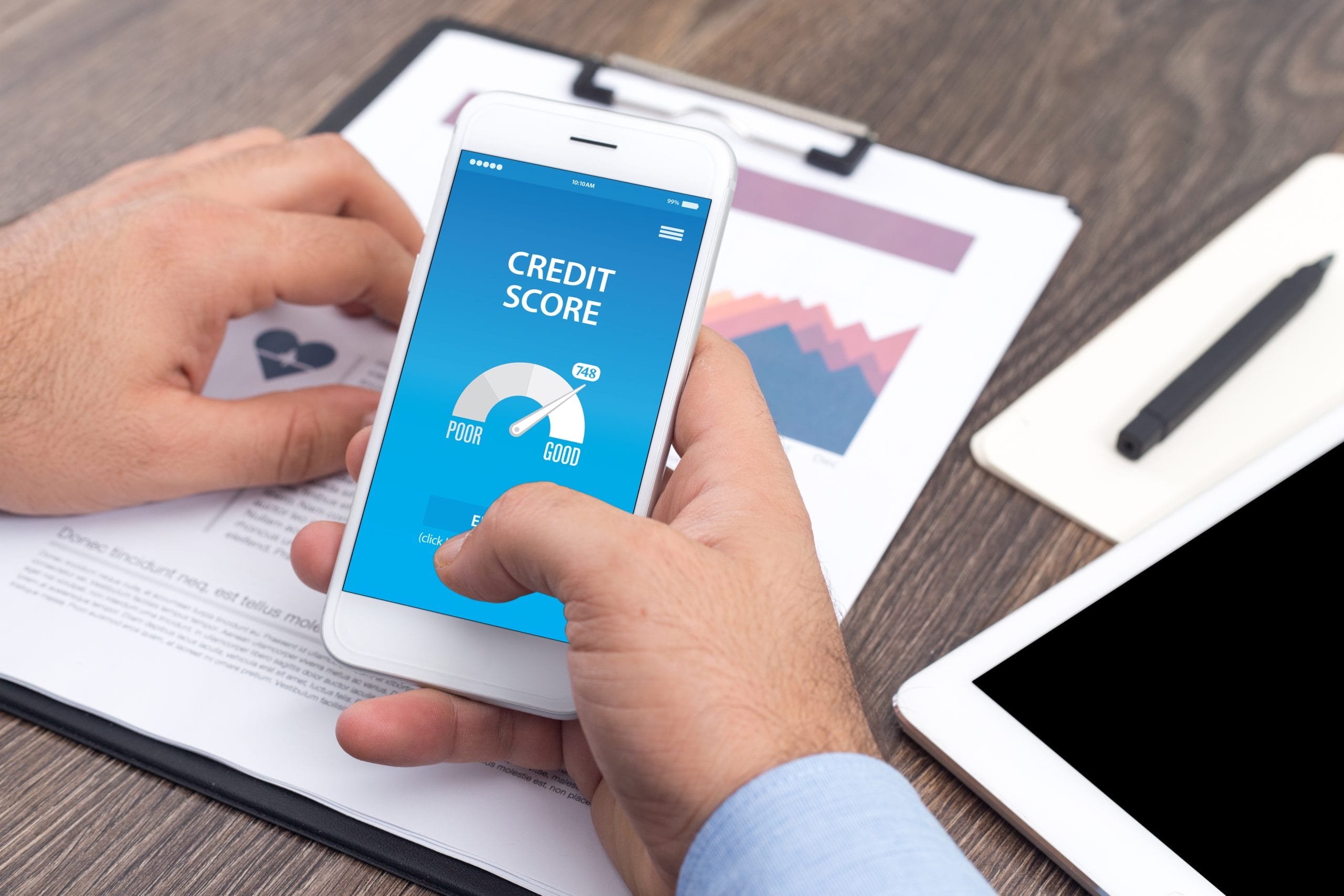
Filed Under: credit cards Tagged With: bad credit, credit card tips, credit mistakes, credit repair, credit report, credit score, Debt Management, Financial Health, money management, Personal Finance

New Year, New Credit Score: Tips to Improve Your Financial Health

December 31, 2024 by Latrice Perez Leave a Comment

New Year credit score improvement
Image Source: 123rf.com

Understanding your current financial position is the first step towards New Year credit score improvement. Begin by obtaining a free copy of your credit report from major credit bureaus to check for any inaccuracies or outdated information. Review your debts and credit lines to identify areas where you can reduce balances or negotiate better terms. Regularly monitoring your credit score will also help you track your progress and understand the impact of your financial actions.

Set Realistic Credit Goals

Setting clear, achievable goals is crucial for improving your financial health. Decide what you want to accomplish with your credit score this year, whether it’s qualifying for a mortgage, reducing your interest rates, or simply reaching a higher credit score. Make a plan that includes small, manageable steps like setting up payment reminders to avoid late payments, which can negatively impact your credit rating. Remember, consistent efforts are key to seeing gradual New Year credit score improvement.

Reduce Debt Burdens

Minimizing your debt is one of the most effective strategies for boosting your financial score. Focus on paying down high-interest debt first, as this will save you money on interest and improve your credit utilization ratio—a major factor in credit scoring. Consider debt consolidation if you have multiple credit lines; this can lead to lower monthly payments and a quicker debt payoff. Implementing a budget can also prevent new debts from accumulating, keeping your financial goals within reach.

Build Credit Wisely

If your credit history is thin, take proactive steps to add positive information to your credit report. Consider tools like secured credit cards or small installment loans, which, if managed responsibly, can contribute positively to your credit history. Always pay on time, and keep your credit balances low to demonstrate to lenders that you can handle debt sensibly. Over time, these practices can lead to significant New Year credit score improvement.

Regularly Review and Adjust Your Strategy

Throughout the year, take time to review the effectiveness of your credit improvement strategy. Adjust your tactics as needed based on your progress and any changes in your financial situation. If you’re not seeing the expected results, consider consulting with a financial advisor for personalized advice tailored to your unique circumstances. Staying adaptable and informed will help you maintain steady progress toward your credit goals.

Moving Forward: Secure Your Financial Future

Maintaining a focused approach throughout the year is vital for achieving and sustaining an improved credit score. Regular reviews, consistent payments, and strategic debt management are the pillars of a strong financial foundation. Remember, improving your credit score is a journey that requires patience, discipline, and ongoing effort. By following these tips, you can ensure that your financial health is robust and ready for the opportunities that come with a New Year credit score improvement.

Read More

  • The Ultimate End-of-Year Financial Checklist to Prepare for Next Year
  • Why Is It Important to Budget for Auto Maintenance?
Latrice Perez

Latrice is a dedicated professional with a rich background in social work, complemented by an Associate Degree in the field. Her journey has been uniquely shaped by the rewarding experience of being a stay-at-home mom to her two children, aged 13 and 5. This role has not only been a testament to her commitment to family but has also provided her with invaluable life lessons and insights.

As a mother, Latrice has embraced the opportunity to educate her children on essential life skills, with a special focus on financial literacy, the nuances of life, and the importance of inner peace.

Filed Under: credit score Tagged With: credit repair, credit score, Financial Health, New Year credit score improvement, Planning

  • « Previous Page
  • 1
  • 2
  • 3

Follow Us

Search this site:

Recent Posts

  • Can My Savings Account Affect My Financial Aid? by Tamila McDonald
  • 12 Ways Gen X’s Views Clash with Millennials… by Tamila McDonald
  • What Advantages and Disadvantages Are There To… by Jacob Sensiba
  • 10 Tactics for Building an Emergency Fund from Scratch by Vanessa Bermudez
  • Call 911: Go To the Emergency Room Immediately If… by Stephen Kanaval
  • 7 Weird Things You Can Sell Online by Tamila McDonald
  • 10 Scary Facts About DriveTime by Tamila McDonald

Copyright © 2026 · News Pro Theme on Genesis Framework