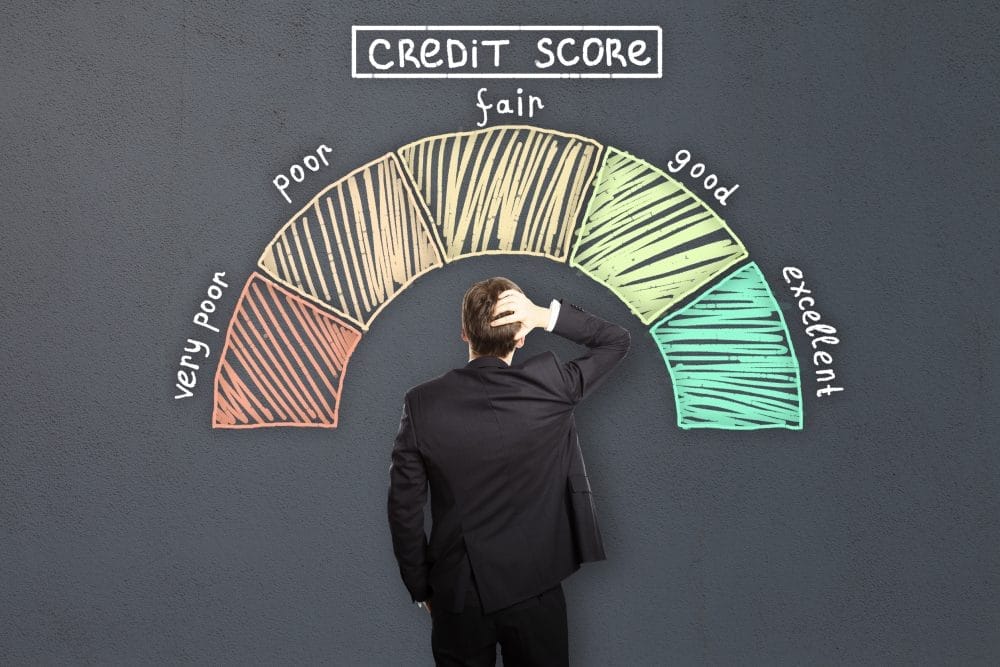
A 600 credit score sits in the “fair” range, but it can feel like a roadblock every time you need financial approval. Whether you’re applying for a loan, signing a lease, or even setting up utilities, your credit score influences the costs and opportunities available to you. While it may not seem devastating compared to lower scores, lenders often see 600 as risky. This means higher interest rates, tougher requirements, and fewer options in nearly every financial decision. Understanding exactly how a 600 credit score hurts you is the first step to taking back control.
1. Loan Approvals Become Harder to Get
Banks and credit unions prefer lending to people with scores above 670, and many draw the line much higher. With a 600 credit score, your application may be flagged as risky, meaning you’ll face denials even for smaller loans. If you are approved, you’ll likely need to provide extra documentation or offer collateral. These added hurdles slow down the process and make borrowing more stressful. What should feel like a simple step becomes a frustrating challenge.
2. Interest Rates Skyrocket
When lenders do approve you with a 600 credit score, they make sure to protect themselves by charging more. Higher interest rates on loans, credit cards, and car financing mean you’ll pay thousands of dollars extra over time. For example, the difference in auto loan interest between someone with a 600 score and a person with a 750 score can add up to several hundred dollars a month. This penalty creates a cycle where debt becomes harder to manage. Essentially, you’re paying more just because your score isn’t higher.
3. Renting an Apartment Gets Complicated
Landlords use credit checks to gauge whether a tenant will pay on time. A 600 credit score signals uncertainty, which can lead to rejections or higher deposits. Even if you find a landlord willing to rent to you, you may be asked to provide a cosigner or pay several months upfront. These extra costs make moving harder and reduce your options in competitive housing markets. For many, housing becomes a constant source of stress when credit scores hold them back.
4. Credit Card Options Shrink
Most premium rewards cards and low-interest credit cards require good or excellent credit. With a 600 credit score, you’ll be limited to secured cards or products with annual fees and higher interest. While these can help rebuild credit, they don’t offer the same perks as other cards. Missing out on cash-back rewards, travel benefits, and balance transfer deals means you’re paying more while getting less in return. Credit card companies know your options are limited and price their products accordingly.
5. Insurance Premiums Increase
Many states allow insurers to use credit scores as part of their risk assessment. A 600 credit score can mean higher premiums for auto and home insurance. Even though your driving record or claim history might be clean, your credit score alone raises your costs. Over time, the difference can add up to hundreds of extra dollars each year. It’s another way your financial profile follows you into unexpected areas of life.
6. Utility and Service Deposits Add Up
Setting up electricity, water, or even internet service often requires a credit check. With a 600 credit score, companies may require a deposit before activating your account. These deposits can range from $100 to $500, tying up money that could be better used elsewhere. While refundable, the upfront burden is frustrating for families already struggling. Even everyday necessities come with extra hurdles when your score is low.
7. Job Opportunities Can Be Impacted
Some employers review credit history as part of the hiring process, especially in fields involving money management or sensitive information. A 600 credit score might not automatically disqualify you, but it can raise concerns about responsibility or reliability. In a competitive job market, even a small blemish can tip the scales against you. Employers may see your score as a reflection of financial stress that could spill into the workplace. Career opportunities shouldn’t hinge on a number, but sometimes they do.
Turning a Weak Score Into a Stronger Future
While a 600 credit score hurts you in many ways, it’s not a life sentence. Paying bills on time, lowering credit card balances, and avoiding new debt can steadily raise your score. Secured cards or small credit-builder loans can help prove responsibility to lenders. Over time, every positive move helps improve your financial standing. With consistent effort, you can move from “fair” to “good” and finally enjoy access to better rates, more opportunities, and less stress.
Have you experienced the challenges of living with a 600 credit score? Share your story or tips in the comments below.
What to Read Next…
6 Dangerous Myths About Credit Card Rewards
Could A Credit Freeze Save You From Financial Ruin
These Debts First: 5 Debts You Should Always Pay Off First
Could Owning Too Many Credit Cards Destroy Your Score
9 Hidden Costs of Switching Banks Nobody Warns You About

Catherine is a tech-savvy writer who has focused on the personal finance space for more than eight years. She has a Bachelor’s in Information Technology and enjoys showcasing how tech can simplify everyday personal finance tasks like budgeting, spending tracking, and planning for the future. Additionally, she’s explored the ins and outs of the world of side hustles and loves to share what she’s learned along the way. When she’s not working, you can find her relaxing at home in the Pacific Northwest with her two cats or enjoying a cup of coffee at her neighborhood cafe.
.png)
Leave a Reply