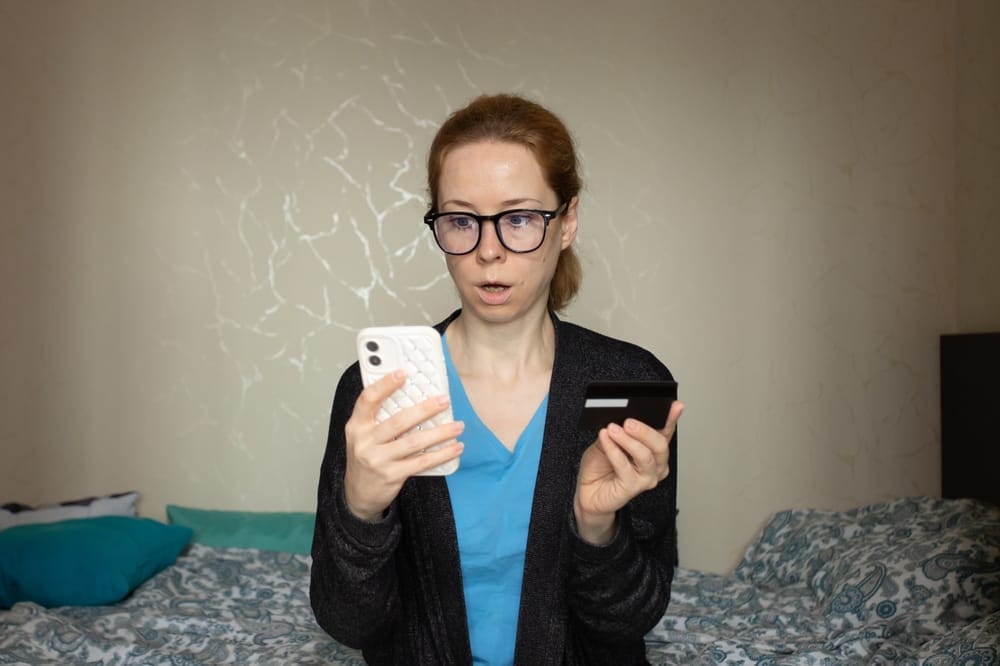
It starts like a fairytale: constant affection, grand gestures, and declarations of love that feel too good to be true. But when the affection turns into subtle manipulation and financial requests, the story takes a darker turn. Many modern scams now rely on the love bombing tactic—a psychological ploy where scammers overwhelm victims with affection to build trust and dependency. Recognizing this pattern early can protect your wallet and your emotional wellbeing before the illusion of love turns into financial control.
1. What the Love Bombing Tactic Really Means
The love bombing tactic isn’t just about flattery—it’s about control. Scammers use intense attention and affection to create a false sense of intimacy, making their target feel uniquely cherished. Within days or weeks, they may call you their soulmate, send lavish gifts, or flood your inbox with romantic messages. This constant reinforcement is designed to lower your defenses and make you more emotionally dependent. Once that dependency is in place, the scammer can begin guiding conversations toward money, trust, and shared financial decisions.
2. The Early Warning Signs Are Often Dismissed
At first, the love bombing tactic feels flattering. It’s easy to mistake over-the-top affection for genuine care, especially if someone appears charming and attentive. They may seem to know exactly what you want to hear, making it hard to notice inconsistencies or too-fast intimacy. But the pace itself is often the red flag—real relationships take time to build. When someone you just met is already professing lifelong devotion or pressuring you to share personal details, that’s when to step back and reassess.
3. How Scammers Turn Emotional Intimacy Into Financial Leverage
Once trust is established, scammers gradually shift the focus from romance to financial vulnerability. They may claim to be facing a crisis—medical bills, travel issues, or a temporary banking problem—and ask for “help.” The love bombing tactic makes you feel obligated to step in because the emotional connection feels real. Others take a slower approach, gaining access to bank accounts, investment discussions, or shared property ideas under the guise of planning a future together. Over time, these manipulations can drain savings, ruin credit, and leave victims emotionally devastated.
4. Digital Platforms Make Love Bombing Easier Than Ever
Online dating apps and social media have given scammers new tools to deploy the love bombing tactic efficiently. Fake profiles use attractive photos and emotionally charged messaging to establish instant credibility. Algorithms that promote frequent interaction only amplify the effect, making the scammer seem omnipresent and invested. Once a connection moves off-platform—onto private messaging or video calls—the manipulation deepens. Scammers often play the long game, maintaining affection for months before revealing their financial motives.
5. Why Victims Often Don’t Realize It’s Happening
Many victims of the love bombing tactic blame themselves later, but these scams work precisely because they exploit human nature. Everyone wants to feel valued, seen, and loved. Scammers study their targets’ online behavior, tailoring their affection to match interests and insecurities. By the time red flags appear—like jealousy, possessiveness, or sudden financial requests—the emotional bond feels too strong to question. Victims often ignore their instincts out of fear of losing what seems like a perfect connection.
6. Ways to Protect Yourself from Manipulative Financial Relationships
The best defense against the love bombing tactic is awareness and boundaries. Healthy relationships grow steadily and respect personal space and financial independence. Be cautious of anyone who wants to move too fast emotionally or financially. Verify identities, avoid sharing sensitive information, and keep your finances separate until long-term trust is genuinely earned. Talking openly with trusted friends or family about new relationships can also offer an outside perspective that’s harder for scammers to manipulate.
7. What to Do If You’ve Been Targeted by a Love Bomber
If you suspect someone has used the love bombing tactic on you, act quickly to protect your finances and emotional health. Cut off communication immediately and document all exchanges in case authorities need them. Contact your bank or credit card provider if you’ve sent money or shared personal details. Reporting the incident to the Federal Trade Commission (FTC) or local law enforcement can help prevent others from falling into the same trap. Most importantly, remember that recovery—both emotional and financial—is possible with support and time.
Taking Back Control and Rebuilding Trust
Falling for a scam that uses the love bombing tactic doesn’t mean you were foolish—it means you trusted someone who deliberately manipulated that trust. The key is to learn from the experience and rebuild confidence in your judgment. By understanding the signs, setting firm boundaries, and taking proactive steps with your finances, you can ensure future relationships are built on authenticity, not deceit. Love should never come with conditions or hidden motives, especially when money is involved.
Have you or someone you know encountered the love bombing tactic in a new relationship? What warning signs stood out? Share your thoughts in the comments below!
What to Read Next…
- The AI Voice Scam That Tricks You Into Thinking a Loved One Is in Jail
- 6 Credit Card Reward Scams That Cost You More Than You Earn
- Why Do Some People Think Life Insurance Is a Scam Until It’s Too Late
- 10 Scenario-Based Scams That Target Retirees Every Holiday
- 7 Ways Identity Scammers Copy Your Signature Remotely

Catherine is a tech-savvy writer who has focused on the personal finance space for more than eight years. She has a Bachelor’s in Information Technology and enjoys showcasing how tech can simplify everyday personal finance tasks like budgeting, spending tracking, and planning for the future. Additionally, she’s explored the ins and outs of the world of side hustles and loves to share what she’s learned along the way. When she’s not working, you can find her relaxing at home in the Pacific Northwest with her two cats or enjoying a cup of coffee at her neighborhood cafe.