• Home
  • About Us
  • Toolkit
  • Getting Finances Done
    • Hiring Advisors
    • Debt Management
    • Spending Plan
  • Insurance
    • Life Insurance
    • Health Insurance
    • Disability Insurance
    • Homeowners/Renters Insurance
  • Contact Us
  • Privacy Policy
  • Risk Tolerance Quiz

The Free Financial Advisor

You are here: Home / Archives for safety

5 Phrases That Could Save You If You’re About to Get Carjacked

March 7, 2025 by Latrice Perez Leave a Comment

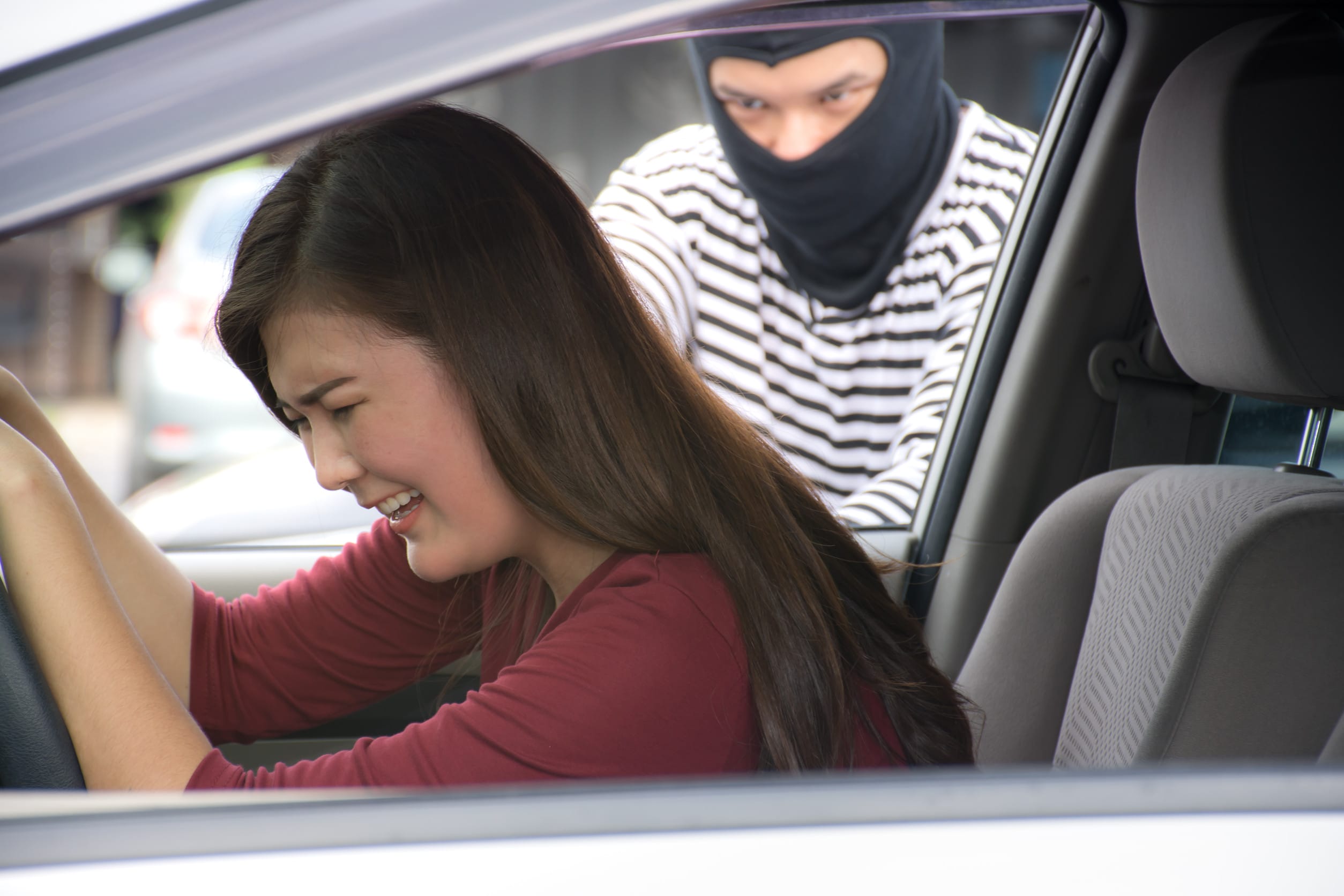
Carjacking

Image Source: 123rf.com

Carjackings are becoming increasingly common in both urban and suburban areas, and criminals are growing bolder in their tactics. A carjacking can happen at stoplights, parking lots, gas stations, or even in your own driveway. Many victims freeze up or panic, unsure of what to do or say in such a terrifying situation. However, the right words at the right moment can sometimes de-escalate the threat and even save your life. Knowing these five key phrases and how to use them could mean the difference between a close call and a dangerous encounter.

Take the Car, It’s Not Worth My Life

Your first instinct in a carjacking situation might be to resist or argue, but this is one of the most dangerous things you can do. Most carjackers are armed, and they are ready to use force if necessary. The best way to protect yourself is to show that you are not going to fight back. Saying that the car is not worth your life signals that you are not a threat and that you are willing to comply. This can lower the criminal’s stress level, making it less likely that they will harm you. Your car can be replaced, but your life cannot.

My Kids Are in the Car, Let Me Get Them Out

If your children are in the car during a carjacking, you must prioritize their safety above everything else. Many criminals want the car, not a kidnapping charge, so stating that your kids are in the car and you need to get them out can make them hesitate. Most carjackers do not want to escalate the crime or deal with the added legal risk of abducting a child. This phrase can buy you time to safely remove your children before handing over the vehicle. However, it is crucial to remain calm and not make sudden movements that might agitate the attacker.

I Have a Medical Condition, Please Let Me Go

Medical Condition

Image Source: 123rf.com

Carjackers are criminals, but they are still human. If you find yourself in a dangerous situation where they are demanding more than just your car, such as forcing you to drive with them, this phrase might work in your favor. Saying that you have a medical condition and need to be let go could create hesitation in the attacker’s mind. Many criminals don’t want the additional complications of dealing with someone who might need medical attention. They may decide that letting you go is easier than taking the risk of something going wrong.

There’s a Tracker in the Car, You’ll Get Caught

Many modern vehicles come equipped with GPS tracking, and even criminals know this. If the carjacker seems hesitant or is demanding that you tell them about any security features, this phrase can make them reconsider stealing your vehicle. Saying that there is a tracker in the car and they will get caught plants doubt in their mind about whether taking the car is worth the risk. Some criminals may abandon their plan if they believe the car is too traceable. However, this should only be used if you feel the carjacker is debating their next move, as some may become aggressive if they feel trapped.

I’m Getting Out, The Keys Are in the Seat

How you exit the situation matters. Making sudden movements or reaching for something inside the car can put you at risk. Instead, use a calm, controlled voice and say that you are getting out and leaving the keys in the seat. This reassures the attacker that they will get what they want without needing to resort to violence. By placing the keys in an obvious spot and slowly exiting, you avoid triggering panic or suspicion. The goal is to get away safely, not to provoke a desperate reaction.

How to React in a Carjacking Situation

Even with the right words, your body language and actions are just as important. If you find yourself in a carjacking scenario, stay calm and avoid sudden movements. Quick movements can be misinterpreted as aggression or resistance. Keep your hands visible to show that you are not reaching for a weapon or trying to fight back. Comply with demands and hand over your car, wallet, or phone if asked, since your life is more valuable. Take mental notes of the carjacker’s appearance, including clothing, height, build, and any distinguishing features. Once you are safe, call the police immediately to report the crime.

What Not to Say During a Carjacking

While the right words can save your life, the wrong words can escalate the situation. Avoid saying anything confrontational or threatening. Telling the carjacker that they are not taking your car can provoke aggression. Claiming that you have a gun can put you in immediate danger unless you are trained and prepared to use it. Threatening to call the cops can make them panic and act violently. Identifying them or saying that you know who they are might make them more dangerous, as they may feel they need to silence you.

Surviving a Carjacking is the Priority

At the end of the day, no material possession is worth your life. Knowing what to say and how to react in a carjacking situation can increase your chances of walking away unharmed. These five key phrases, take the car, it’s not worth my life, my kids are in the car, let me get them out, I have a medical condition, please let me go, there’s a tracker in the car, you’ll get caught, and I’m getting out, the keys are in the seat, are designed to de-escalate the situation and keep you safe.

Stay aware of your surroundings, trust your instincts, and remember that the most important thing is to escape safely. If you’ve ever had a close call or used a smart tactic to avoid danger, share your experience in the comments. Your insight could help someone else stay safe.

Have you ever been carjacked? Did you get away safely? Let us know more about it in the comments below.

Read More:

How Much Should You Spend on Home Security?

From Promise to Peril: 10 AI Advancements That Could Go Horribly Wrong

Latrice Perez

Latrice is a dedicated professional with a rich background in social work, complemented by an Associate Degree in the field. Her journey has been uniquely shaped by the rewarding experience of being a stay-at-home mom to her two children, aged 13 and 5. This role has not only been a testament to her commitment to family but has also provided her with invaluable life lessons and insights.

As a mother, Latrice has embraced the opportunity to educate her children on essential life skills, with a special focus on financial literacy, the nuances of life, and the importance of inner peace.

Filed Under: safety Tagged With: car theft, carjacking survival, crime prevention, de-escalation tactics, emergency preparedness, personal safety, protecting yourself, safety tips, self-defense, street smarts

Why Your GPS Could Be the Reason You Get Robbed While Traveling

March 6, 2025 by Latrice Perez Leave a Comment

GPS

Image Source: 123rf.com

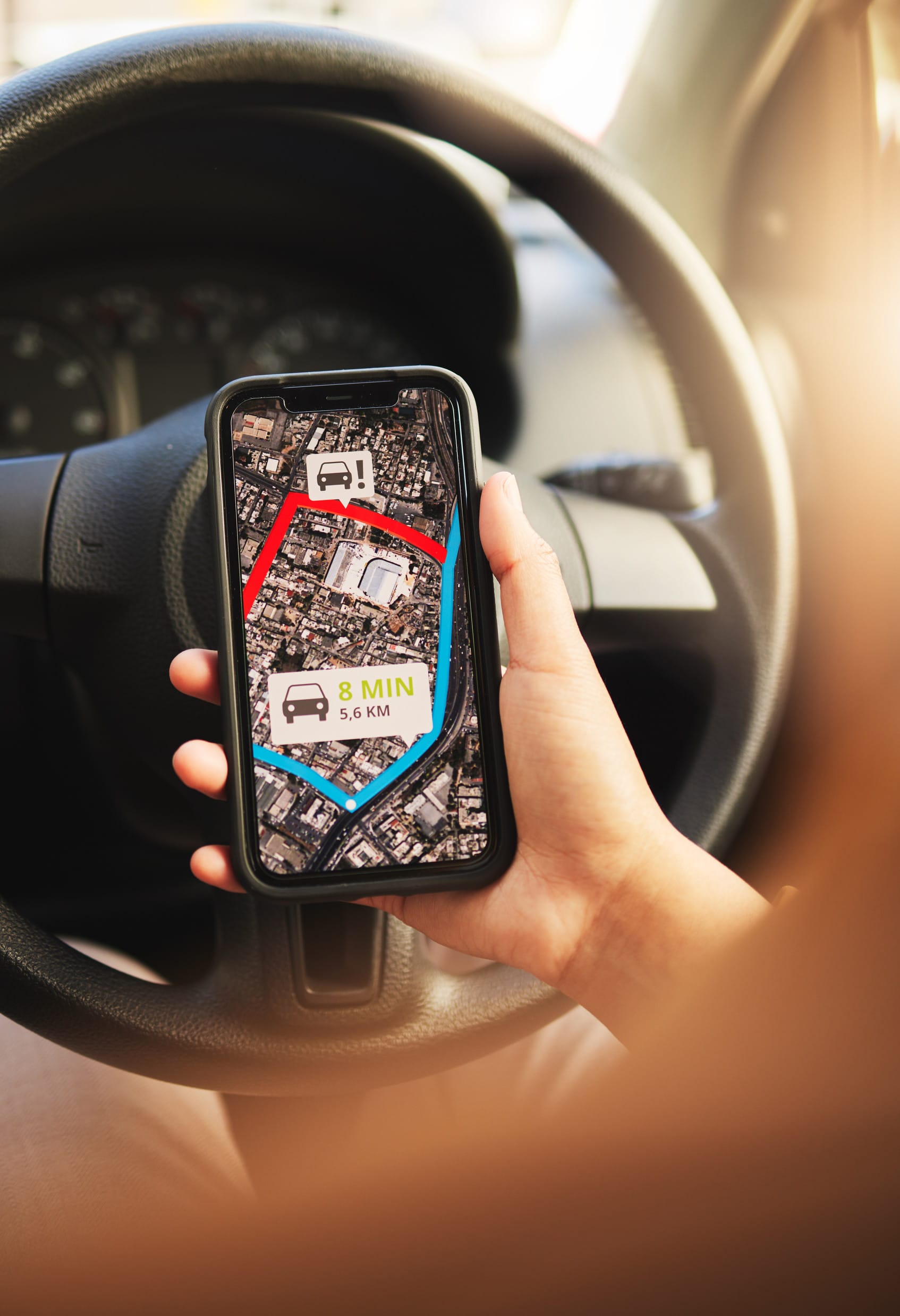
GPS technology has revolutionized travel, making it easier than ever to navigate unfamiliar destinations. Whether using a built-in car system, Google Maps, or another navigation app, travelers rely on GPS to guide them efficiently. However, this dependence comes with hidden risks. Criminals have learned to exploit GPS vulnerabilities, leading to thefts, scams, and even physical danger. If you’re not careful, your GPS could be putting you in harm’s way without you even realizing it.

1. GPS Can Lead You Into High-Crime Areas

Most GPS systems focus on finding the shortest or fastest route, not the safest one. As a result, travelers can unknowingly be guided through high-crime neighborhoods, especially in cities where crime rates vary significantly by block. Some areas are notorious for carjackings, muggings, or robberies, and blindly following GPS directions can make you an easy target.

Criminals often wait in isolated locations where unsuspecting drivers stop due to a wrong turn or GPS miscalculation. In some cases, carjackers deliberately disable traffic signs or create roadblocks to trap drivers following GPS directions. Checking a map beforehand and researching safe areas can prevent you from accidentally ending up in a dangerous location.

2. Thieves Can Track Your GPS Usage

If you leave your GPS device visible in your car, thieves may assume you’re a traveler unfamiliar with the area. This makes you an easy target for car break-ins, especially at rest stops, gas stations, or parking garages. Even suction cup marks on your windshield can signal to criminals that a GPS device is in your car, leading them to search for it.

Additionally, some advanced GPS-enabled apps and smart devices track your location history. If your phone or car’s GPS data is compromised, criminals can determine where you are, where you’ve been, and when you’re likely to be away from your hotel or vehicle. To stay safe, always remove or conceal your GPS device when leaving your car, and turn off unnecessary location tracking in your apps.

3. GPS-Related Scams Are on the Rise

Scammers have learned how to manipulate GPS systems to trick travelers. In some tourist-heavy cities, scammers deliberately mislabel locations on Google Maps or other navigation services to redirect travelers to fake businesses or overpriced services. For example, taxi drivers in some areas alter GPS locations of popular tourist attractions to take customers to affiliated businesses that overcharge for goods and services.

Another common scam involves fake road closures or detour signs that redirect drivers to isolated areas where criminals wait to rob them. Before trusting GPS directions, verify locations through multiple sources or ask locals for confirmation.

4. Publicly Sharing Your Location Puts You at Risk

Many travelers enjoy documenting their trips in real-time, tagging their locations on social media. However, broadcasting your whereabouts can alert criminals to the fact that you’re in an unfamiliar place—and potentially distracted. If your GPS location is constantly being shared through social media or apps, thieves can track your movements and determine the best time to strike.

Additionally, criminals sometimes use location-sharing to target travelers who have just arrived at airports or checked into hotels. If you must share updates, wait until after you’ve left a location rather than posting in real-time. Turning off automatic location-sharing settings in apps can also add an extra layer of protection.

5. GPS Jamming and Spoofing Can Lead You Astray

Criminals are using increasingly sophisticated methods to manipulate GPS signals. GPS jamming disrupts navigation signals, causing devices to lose accuracy or fail completely. This can leave travelers stranded in unfamiliar areas or force them to stop in vulnerable locations.

GPS spoofing, on the other hand, tricks navigation systems into displaying false locations, redirecting travelers away from their intended route. Some criminals use this technique to lead unsuspecting drivers to isolated areas where they can be robbed. To protect yourself, always have an offline map or an alternative navigation method as a backup.

6. Rental Cars with Built-In GPS Can Be Compromised

Rental Car Website

Image Source: 123rf.com

If you’re renting a car, be cautious about using the built-in GPS system. Some rental companies store previous customers’ travel data, which could leave you vulnerable if that data is accessed by the wrong people. In some cases, criminals working with corrupt employees can track rental vehicles in real-time, following them until the right opportunity to strike arises.

To minimize risk, clear location history from the GPS system before driving, and consider using your personal navigation device instead of the car’s built-in GPS. Always check that the rental company has disabled remote tracking capabilities once you’ve rented the vehicle.

7. Leaving GPS Set to “Home” Can Lead Thieves to Your House

Many people store their home address in their GPS system for convenience, but this can be a serious security risk. If your car is stolen while you’re traveling, criminals can easily navigate to your house, knowing you’re not home.

A better alternative is to set a location near your home, such as a nearby store or landmark, rather than your exact address. This prevents thieves from easily finding out where you live if they gain access to your GPS device.

Conclusion: How to Stay Safe While Using GPS

GPS is an incredibly useful tool, but relying on it blindly can put you at risk while traveling. Criminals exploit GPS in various ways, from leading travelers into unsafe areas to using GPS data for tracking and scams. By staying aware of these dangers and taking proactive steps—such as verifying routes, securing devices, and limiting real-time location sharing—you can avoid falling victim to GPS-related crimes.

Were you aware of the potential dangers of using your GPS? Will this information help you make different decisions in it’s use? Let us know in the comments below.

Read More:

10 Scary Reasons You Should Never Ignore a Strange Car Parked Near Your House

Our Society Is More Dangerous Than Ever—And No One Is Paying Attention

Latrice Perez

Latrice is a dedicated professional with a rich background in social work, complemented by an Associate Degree in the field. Her journey has been uniquely shaped by the rewarding experience of being a stay-at-home mom to her two children, aged 13 and 5. This role has not only been a testament to her commitment to family but has also provided her with invaluable life lessons and insights.

As a mother, Latrice has embraced the opportunity to educate her children on essential life skills, with a special focus on financial literacy, the nuances of life, and the importance of inner peace.
Filed Under: safety Tagged With: crime prevention, GPS jamming, GPS risks, GPS spoofing, navigation security, rental car safety, theft prevention, travel safety, travel scams, travel technology

6 Dangerous Home Appliances That You’re Using Every Day

February 10, 2025 by Latrice Perez Leave a Comment

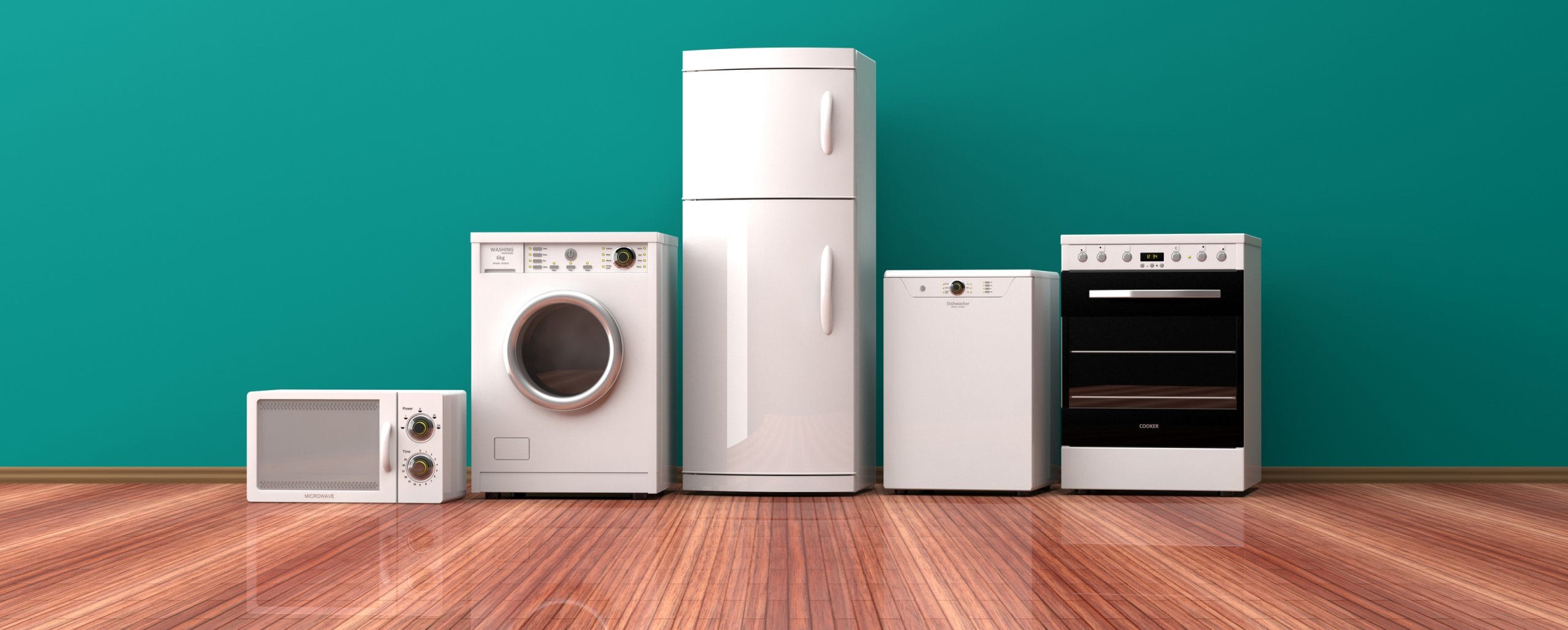
Household Appliances

Image Source: 123rf.com

We rely on a variety of home appliances every day to make our lives easier and more comfortable. From our morning coffee maker to the trusty washing machine, these devices have become indispensable parts of our daily routines. But did you know that some of these appliances, if not properly maintained or used correctly, can be downright dangerous? In fact, certain appliances could pose serious risks to your safety. Let’s take a look at six commonly used home appliances that might be more dangerous than you think.

1. Space Heaters

Space heaters are popular for providing quick warmth during the colder months, but they can also be a serious fire hazard if not used correctly. According to the U.S. Consumer Product Safety Commission, space heaters are responsible for nearly one-third of home heating fires and 80% of associated deaths. Many space heaters are equipped with safety features like automatic shut-off switches if they overheat, but older models or those without these features can easily catch fire if left unattended.

To reduce the risk, always place space heaters on flat, stable surfaces and keep them away from flammable materials like curtains, paper, or bedding. Never leave them running while you’re sleeping or when you leave the room, and make sure the heater is unplugged when it’s not in use.

2. Washing Machines

Washing machines are a staple in many households, but they can present some serious safety risks if not maintained properly. One of the biggest dangers is the risk of flooding, especially if the machine’s hoses become damaged or worn out. If the hose bursts or disconnects, it can lead to water damage throughout your home.

Modern washing machines are equipped with complex electronic systems, and malfunctioning can lead to electrical fires. To minimize the risk, regularly inspect the hoses for cracks or leaks and replace them if necessary. Also, ensure that your machine is properly grounded and that all wiring is intact.

3. Microwave Ovens

While microwave ovens are incredibly convenient for quickly heating food, they can also be dangerous if used improperly. One of the most common hazards is the risk of burns from overheated liquids or food. Microwave-safe containers are essential to prevent overheating, and failure to use these can result in hot liquid splashing when you open the door.

Another risk is the potential for fire. Microwaves can cause food to overheat and ignite, especially if you cook or reheat items like popcorn or leftovers for too long. Always use microwave-safe containers, avoid superheating liquids, and never leave the microwave unattended while it’s in use.

4. Tumble Dryers

Tumble dryers are a convenience that many of us rely on to quickly dry clothes, especially during cold or rainy weather. However, these appliances can be a fire hazard if not properly maintained. Lint buildup in the dryer’s lint trap or exhaust vent is a major cause of dryer fires. According to the National Fire Protection Association, clothes dryers are responsible for around 15,000 house fires annually, many of which are caused by neglecting routine cleaning and maintenance.

To avoid dryer-related accidents, clean the lint trap after each load, and regularly inspect the exhaust vent for blockages. It’s also important to never leave the dryer running when you’re not home or when you’re sleeping.

5. Refrigerators

Lady looking in refrigerator

Image Source: 123rf.com

While refrigerators are crucial for keeping our food fresh, they can also be hazardous if not cleaned and maintained properly. One of the biggest risks is electrical malfunctions that could lead to fires or electrocution. Faulty wiring or a damaged plug can cause an electrical short, and if a refrigerator is improperly grounded, it can create a shock hazard.

Also, refrigerators with broken seals or clogged condenser coils can overheat and waste energy, potentially leading to fire risks. Regularly check your refrigerator for damaged wiring, and keep the coils clean and free of dust. Also, make sure your fridge is properly grounded and use it as intended.

6. Gas Stoves

Gas stoves are a common appliance in many homes, and while they are efficient for cooking, they come with certain risks that you should be aware of. One of the biggest dangers is the potential for gas leaks, which could lead to explosions or carbon monoxide poisoning. Leaks can occur if the gas line is damaged, if the burner is not properly turned off, or if the stove is malfunctioning.

To keep your gas stove safe, ensure that all burners are turned off when not in use, and regularly check for any gas odors or leaks. If you smell gas, leave the area immediately and contact a professional to inspect and repair the stove. Install a carbon monoxide detector in your kitchen to alert you to any dangerous buildup of gas in the air.

Safety First

While these appliances are a vital part of everyday life, it’s crucial to understand the risks associated with them and take necessary precautions. Regular maintenance, proper usage, and awareness can significantly reduce the dangers posed by these commonly used items. Safety should always come first—whether it’s unplugging a space heater before leaving the room or regularly cleaning the lint trap in your dryer. By following these tips and staying vigilant, you can ensure that your home remains a safe environment for you and your loved ones.

Have you ever had any issues with your home appliances? Has anyone in the home ever been hurting while using an appliance? If so, tell us more in the comments below.

Read More:

10 Money Leaks in Your Home You Can Fix Today

15 Kitchen Gadgets That Are More Trouble Than They’re Worth


Latrice Perez

Latrice is a dedicated professional with a rich background in social work, complemented by an Associate Degree in the field. Her journey has been uniquely shaped by the rewarding experience of being a stay-at-home mom to her two children, aged 13 and 5. This role has not only been a testament to her commitment to family but has also provided her with invaluable life lessons and insights.

As a mother, Latrice has embraced the opportunity to educate her children on essential life skills, with a special focus on financial literacy, the nuances of life, and the importance of inner peace.
Filed Under: safety Tagged With: appliance safety tips, dangerous appliances, electrical safety, fire hazards, fire prevention, home accidents, home maintenance, home safety, household risks, personal safety

  • « Previous Page
  • 1
  • …
  • 5
  • 6
  • 7

FOLLOW US

Search this site:

Recent Posts

  • Can My Savings Account Affect My Financial Aid? by Tamila McDonald
  • 12 Ways Gen X’s Views Clash with Millennials… by Tamila McDonald
  • What Advantages and Disadvantages Are There To… by Jacob Sensiba
  • 10 Tactics for Building an Emergency Fund from Scratch by Vanessa Bermudez
  • Call 911: Go To the Emergency Room Immediately If… by Stephen Kanaval
  • 7 Weird Things You Can Sell Online by Tamila McDonald
  • 10 Scary Facts About DriveTime by Tamila McDonald

Copyright © 2026 · News Pro Theme on Genesis Framework