• Home
  • About Us
  • Getting Finances Done
    • Hiring Advisors
    • Debt Management
    • Spending Plan
  • Insurance
    • Life Insurance
    • Health Insurance
    • Disability Insurance
    • Homeowners/Renters Insurance
  • Contact Us
  • Our Editorial Commitment

The Free Financial Advisor

You are here: Home / Archives for QR code scams

That Public QR Code You Scanned Could Be Giving Criminals Access to Your Phone

October 16, 2025 by Catherine Reed Leave a Comment

That Public QR Code You Scanned Could Be Giving Criminals Access to Your Phone
Image source: shutterstock.com

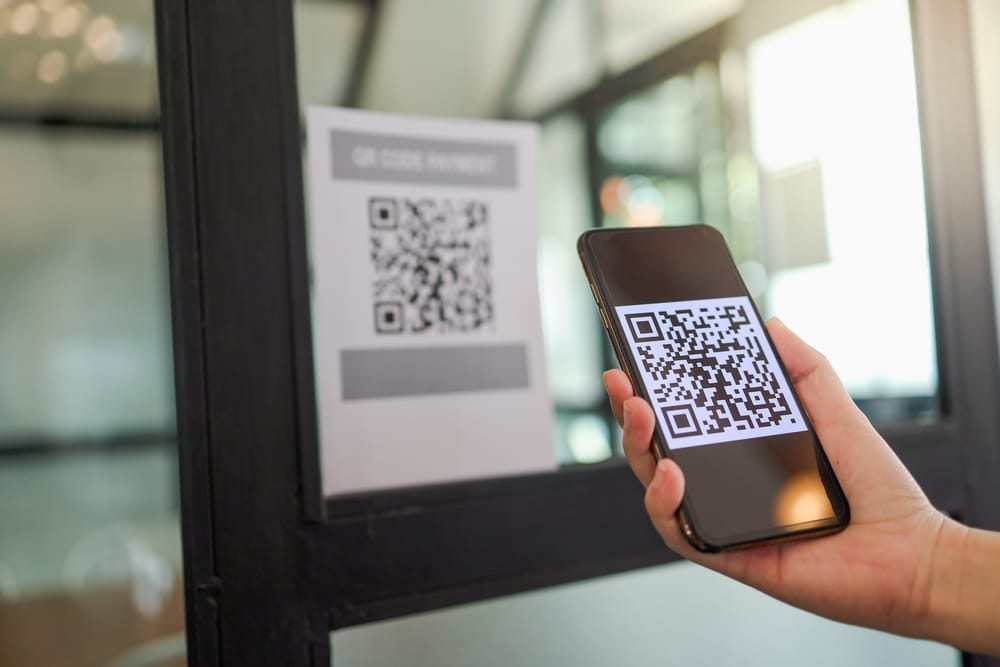
QR codes have become part of everyday life, from restaurant menus to parking meters and concert tickets. But while these black-and-white squares make life more convenient, they also open the door to serious security risks. A growing number of scams are now using a public QR code to trick people into giving away sensitive data or granting hackers direct access to their phones. What looks like a harmless scan could lead to stolen passwords, financial theft, or malware installation. Here’s how criminals exploit this new tactic and what you can do to protect yourself.

1. The Rise of QR Code Scams

Scammers have discovered that using a public QR code is one of the easiest ways to lure victims because it requires minimal effort and looks completely legitimate. You might find these codes posted on flyers, stickers, or parking meters, appearing as part of official signage. Once scanned, they can redirect users to fake websites designed to capture credit card details or install tracking software. The problem is that people rarely question QR codes—they trust that anything in a public space must be safe. This blind trust is exactly what cybercriminals rely on to spread their schemes quickly.

2. How QR Codes Can Hijack Your Phone

When you scan a public QR code, your phone’s camera reads a string of data that usually directs you to a URL or downloads a file. Malicious codes can reroute that process to install harmful software or open fake login pages that capture your credentials. Some even exploit vulnerabilities in your operating system to gain control of permissions, allowing access to contacts, photos, and stored passwords. Once inside, hackers can monitor your activity or use your device to target others. What makes this particularly dangerous is that everything happens silently in the background, often without the user noticing.

3. Real-World Examples of QR Code Exploitation

Law enforcement agencies have reported a surge in cases involving fraudulent QR codes placed in public areas. One common example is parking meter scams, where thieves cover legitimate payment stickers with counterfeit ones that redirect to fake payment portals. In another case, QR codes posted at ATMs or gas stations led victims to phishing pages designed to steal banking credentials. Even restaurant menus have been targeted, with criminals swapping out QR codes on tables for lookalike versions that prompt customers to enter personal details. Each of these incidents shows how easy it is to weaponize a simple piece of printed code.

4. Why Public QR Codes Are So Risky

The danger of scanning a public QR code lies in its invisibility—there’s no way to tell by looking whether it’s legitimate or malicious. Scammers can replace real codes with fake ones in seconds using stickers or printed overlays. Because the code looks official, people assume it’s safe and don’t verify where it leads before scanning. Unlike phishing emails or spam texts, QR scams bypass skepticism by disguising themselves as trusted public tools. The result is a perfect storm of accessibility, anonymity, and misplaced trust that makes these scams so effective.

5. Simple Ways to Stay Safe Before You Scan

You don’t have to give up using QR codes altogether—just approach them with the same caution you’d use when opening links from strangers. Always inspect the area around a public QR code to see if it looks tampered with or newly placed. Before scanning, make sure the code belongs to a legitimate business, and verify it through their official website or posted contact number. Use your phone’s built-in security features to preview URLs before opening them and avoid scanning codes from social media posts or random flyers. Installing antivirus or mobile security software can also help detect suspicious links.

6. How to Check If You’ve Been Compromised

If you recently scanned a questionable public QR code, there are steps you can take to protect yourself immediately. Start by checking your recent browser history for any strange websites or downloads. Run a malware or antivirus scan on your device to identify hidden threats. You should also change any passwords entered after scanning the code and enable two-factor authentication on your accounts. If you notice unfamiliar charges or login attempts, contact your bank or mobile provider right away. Acting quickly can minimize the damage and prevent future attacks.

Taking Back Control of Your Digital Safety

While technology constantly evolves, so do the tricks criminals use to exploit it. Understanding the risks behind a seemingly harmless public QR code is the first step toward safer digital habits. Treat every code you encounter like a potential doorway—because that’s exactly what it is, either to convenience or to crime. By verifying sources and practicing caution, you can enjoy the benefits of modern tech without sacrificing your privacy or security. Remember, one second of skepticism could save you hours of cleanup later.

Have you ever come across a suspicious public QR code or nearly fallen for a tech scam? Share your story and tips for staying safe in the comments below!

What to Read Next…

6 Situations Where Cash Is Safer Than Digital Payments

10 Digital Password Errors That Prevent Heirs From Accessing Funds

Are You Paying for Digital Tools You Don’t Use Anymore?

The Silent Rise of “Digital Squatters” Taking Over Abandoned Domains

What Are the Hidden Dangers of Digital-Only Banking?

Catherine Reed
Catherine Reed

Catherine is a tech-savvy writer who has focused on the personal finance space for more than eight years. She has a Bachelor’s in Information Technology and enjoys showcasing how tech can simplify everyday personal finance tasks like budgeting, spending tracking, and planning for the future. Additionally, she’s explored the ins and outs of the world of side hustles and loves to share what she’s learned along the way. When she’s not working, you can find her relaxing at home in the Pacific Northwest with her two cats or enjoying a cup of coffee at her neighborhood cafe.

Filed Under: safety Tagged With: cybersecurity, digital privacy, identity theft, Online Safety, phone security, QR code scams, tech awareness

The Hidden Danger of Fake Parking Tickets: What They’re Really After

April 1, 2025 by Latrice Perez Leave a Comment

Fake Parking Ticket
Image Source: 123rf.com

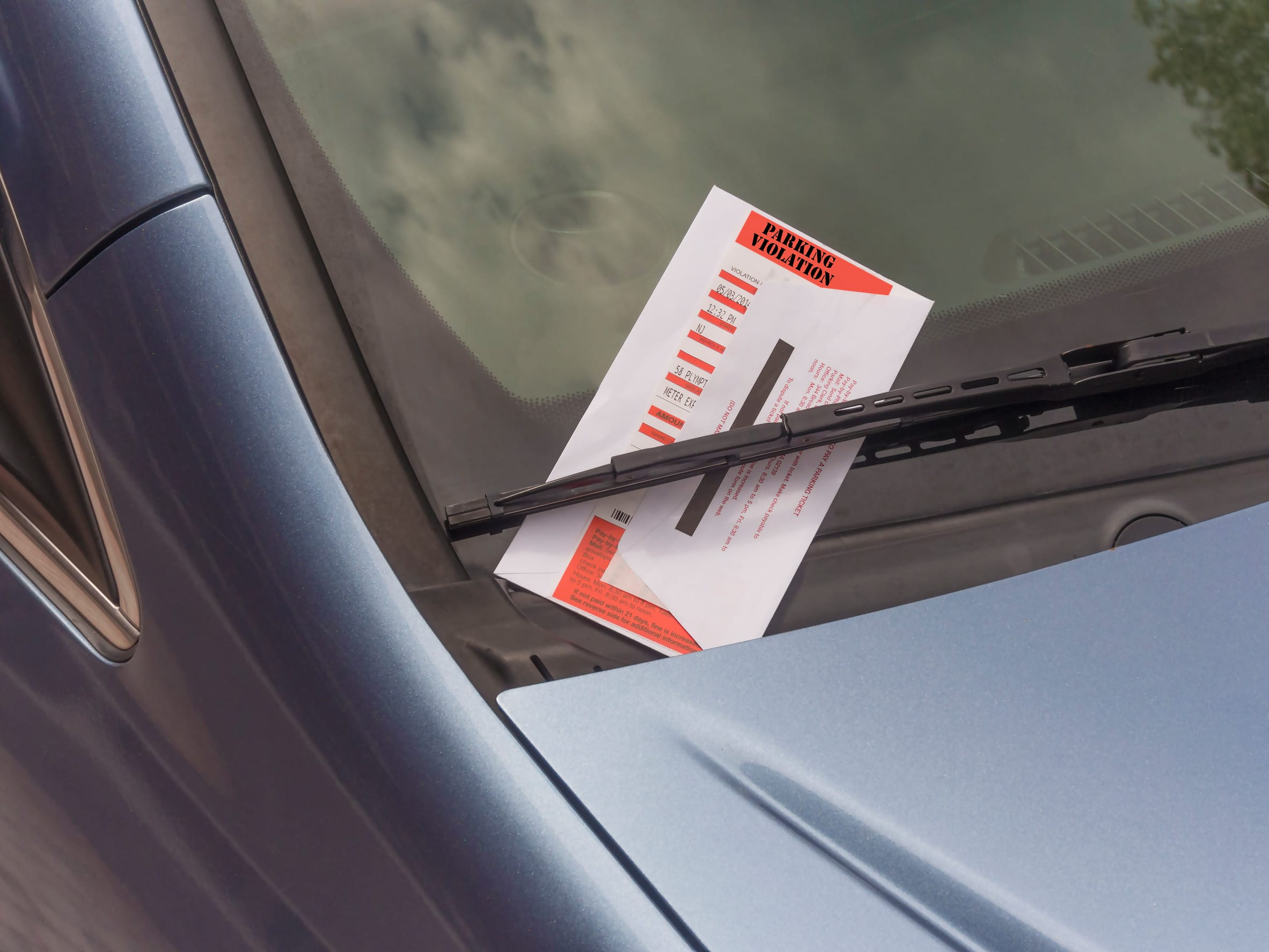
Parking tickets are an unfortunate reality for drivers, but imagine receiving one that looks real, only to discover later that it was part of an elaborate scam. Fake parking tickets are becoming a tool for criminals to gather sensitive information, steal money, and even access your vehicle. In this article, we’ll explore how these scams work, what criminals are after, and how to protect yourself from falling victim.

1. The Anatomy of a Fake Parking Ticket

Fake parking tickets are designed to look as genuine as possible, often replicating the design and language of official citations issued by local authorities. They may feature realistic logos, seals, and even barcodes to deceive unsuspecting drivers. The level of detail makes it challenging to spot a fake at first glance, especially when you’re already frustrated about receiving a ticket.

2. How Criminals Use QR Codes and Payment Links

Many fake tickets include QR codes or links that direct victims to fraudulent payment websites. These sites may ask for personal details like your name, address, and credit card information, which criminals can then use for identity theft or financial fraud. In some cases, the payment process is used to install malware on your device, granting hackers access to sensitive data.

3. The Real Motive: Data and Money

The primary goal of fake parking ticket scams is to collect either money or personal information. Criminals rely on the fact that most people want to resolve parking fines quickly and avoid further penalties. By creating a sense of urgency, they increase the chances of victims falling for the scam without thoroughly inspecting the ticket or website.

4. Common Locations for Fake Tickets

These scams often target high-traffic areas where parking enforcement is common. Typical locations include:

  • Shopping malls: Where drivers may leave their cars for hours.
  • Downtown areas: Where parking violations are frequent.
  • Event venues: Where large numbers of vehicles are parked during concerts or sports events.
    Criminals take advantage of these locations to blend in and avoid suspicion while placing fake tickets on cars.

5. The Role of Technology in Fake Ticket Scams

Man working with laptop keyboard and digital.
Image Source: 123rf.com

Modern technology has made it easier for criminals to execute these scams. High-resolution printers, graphic design software, and easily accessible QR code generators allow scammers to create highly convincing tickets. Additionally, the rise of digital payments makes it simpler to trick victims into sharing financial information through fake websites.

6. Warning Signs to Look Out For

To avoid falling victim to this scam, watch out for the following red flags:

  • Poor Grammar and Spelling: Fake tickets may contain subtle errors that a legitimate citation wouldn’t have.
  • Unfamiliar Payment Platforms: Be cautious if the ticket directs you to a third-party payment site instead of an official government portal.
  • Unusual Placement: Tickets placed under windshield wipers or in odd spots may not align with your city’s parking enforcement practices.
  • Lack of Contact Information: Legitimate tickets usually include a phone number or office address for inquiries.

7. Steps to Protect Yourself

Here are some practical tips to safeguard against fake parking ticket scams:

  • Verify the Ticket: Cross-check the ticket details with your city’s parking enforcement office before paying.
  • Inspect QR Codes and Links: Use caution when scanning QR codes or clicking on links—ensure they lead to official websites.
  • Trust Your Instincts: If something feels off about the ticket, take time to investigate before acting.
  • Report Suspicions: Notify local authorities if you suspect you’ve received a fake parking ticket.

More Than Just An Annoyance

Fake parking tickets are more than just an annoyance—they’re a gateway for criminals to exploit your personal information and finances. By staying alert and taking a few extra steps to verify suspicious tickets, you can protect yourself from falling victim to this deceptive scheme. Remember, when in doubt, always check with your local parking enforcement office.

Have you or someone you know ever encountered a fake parking ticket? What strategies do you use to avoid falling victim to scams? Share your thoughts in the comments below.

Read More:

7 Uncharacteristic Behaviors of Adult Bullies

9 Sketchy Situations That Scream “Danger”—Trust Your Gut!

Latrice Perez

Latrice is a dedicated professional with a rich background in social work, complemented by an Associate Degree in the field. Her journey has been uniquely shaped by the rewarding experience of being a stay-at-home mom to her two children, aged 13 and 5. This role has not only been a testament to her commitment to family but has also provided her with invaluable life lessons and insights.

As a mother, Latrice has embraced the opportunity to educate her children on essential life skills, with a special focus on financial literacy, the nuances of life, and the importance of inner peace.

Filed Under: Crime & Safety Tagged With: fake tickets, fraud prevention, identity theft, parking lot security, parking ticket scams, QR code scams

Follow Us

Search this site:

Recent Posts

  • Can My Savings Account Affect My Financial Aid? by Tamila McDonald
  • 12 Ways Gen X’s Views Clash with Millennials… by Tamila McDonald
  • What Advantages and Disadvantages Are There To… by Jacob Sensiba
  • 10 Tactics for Building an Emergency Fund from Scratch by Vanessa Bermudez
  • Call 911: Go To the Emergency Room Immediately If… by Stephen Kanaval
  • 7 Weird Things You Can Sell Online by Tamila McDonald
  • 10 Scary Facts About DriveTime by Tamila McDonald

Copyright © 2026 · News Pro Theme on Genesis Framework