• Home
  • About Us
  • Getting Finances Done
    • Hiring Advisors
    • Debt Management
    • Spending Plan
  • Insurance
    • Life Insurance
    • Health Insurance
    • Disability Insurance
    • Homeowners/Renters Insurance
  • Contact Us
  • Our Editorial Commitment

The Free Financial Advisor

You are here: Home / Archives for privacy protection

7 Ways to Prevent Your Bank Information From Being Stolen by People You Know

October 20, 2025 by Catherine Reed Leave a Comment

7 Ways to Prevent Your Bank Information From Being Stolen by People You Know
Image source: shutterstock.com

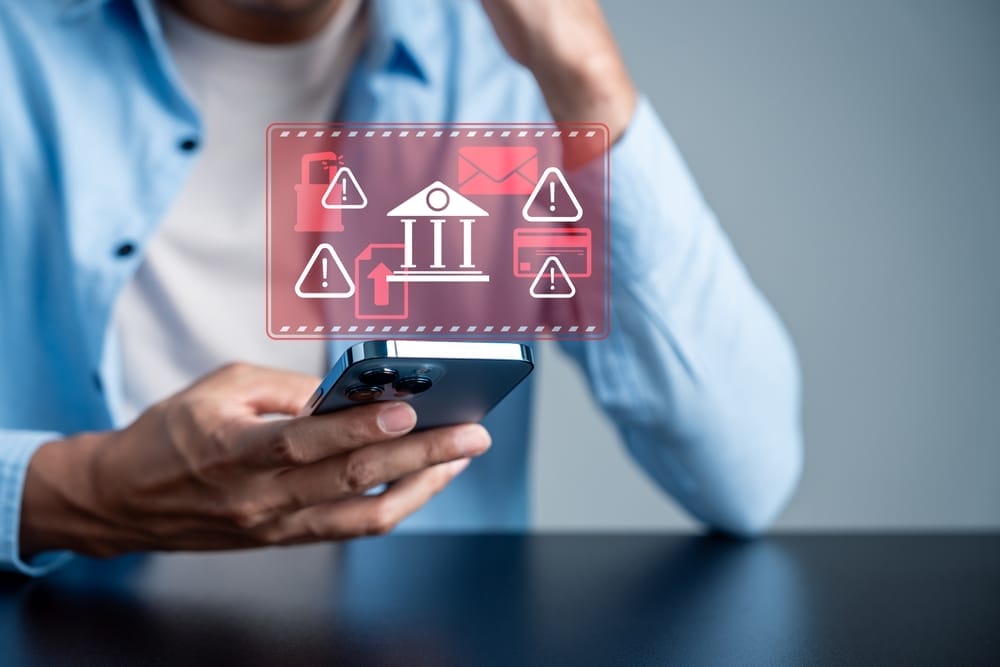
When most people think of financial theft, they picture hackers or strangers online. But sometimes, the biggest threats are much closer to home. Sadly, friends, roommates, partners, or even family members can access your finances when trust and access overlap. That makes it even more important to understand how to prevent your bank information from being stolen by people you know. Protecting your financial security doesn’t mean living in fear—it means creating healthy, respectful boundaries around money and privacy.

1. Keep Account Access Strictly Personal

One of the simplest ways to prevent your bank information from being stolen is by never sharing your login credentials. Even if you trust someone completely, access to your accounts opens the door to temptation or misuse. Instead, handle transactions yourself and use official bank apps rather than handing over cards or passwords. If someone insists they “just need to check something,” it’s okay to say no politely but firmly. Boundaries are a sign of responsibility, not distrust.

2. Enable Two-Factor Authentication on All Accounts

Most banks now offer two-factor authentication (2FA), which provides an extra layer of protection beyond your password. When you enable it, logging in requires a verification code sent to your phone or email, making it much harder for others to access your account even if they know your credentials. This is one of the most effective tools to prevent your bank information from being stolen by people you know who might try to snoop. It ensures that only you can authorize access to your account. Think of it as locking the door and keeping the key in your pocket.

3. Be Cautious with Shared Devices and Wi-Fi

If you live with roommates or family members, avoid logging into your bank accounts on shared devices. Even if someone isn’t intentionally trying to steal your information, saved passwords or browser autofill features can give them easy access. Shared or public Wi-Fi connections can also expose your banking data if not secured properly. To prevent your bank information from being stolen in these situations, use personal devices and private networks whenever possible. Logging out and clearing browser history after every session adds an extra layer of security.

4. Limit Who Knows About Your Financial Accounts

It’s common for close friends or relatives to know which bank you use, especially if you’ve discussed money or shared payments before. But that familiarity can sometimes make it easier for them to impersonate you or reset account access. Keeping details about your banking habits private is one of the most overlooked ways to prevent your bank information from being stolen. Avoid discussing account numbers, balances, or passwords in casual conversation. The less people know, the safer your finances remain.

5. Monitor Your Accounts Regularly

Checking your bank activity often is one of the easiest ways to catch suspicious behavior early. Set up alerts for withdrawals, transfers, or logins so you can react quickly if something looks off. Even small, unexplained transactions can signal a bigger problem. Regular monitoring doesn’t just help prevent your bank information from being stolen—it also ensures you can report unauthorized activity before it spirals. Staying aware keeps control firmly in your hands.

6. Keep Physical Documents Secure

Your bank statements, checks, and debit cards contain sensitive information that can be misused if left lying around. People you trust may come across them accidentally—or intentionally—if they’re not properly stored. Always keep important financial documents in a locked drawer or safe. If you need to dispose of papers, shred them first rather than tossing them into the trash. This simple habit can prevent your bank information from being stolen through physical access instead of digital theft.

7. Know the Signs of Financial Manipulation

Sometimes, theft doesn’t start with a stolen password—it begins with emotional pressure. Someone you know might guilt you into sharing account access, using your card, or lending money with promises to pay it back. These situations can blur boundaries and lead to deeper problems. Learning to recognize and say no to manipulation is a powerful way to prevent your bank information from being stolen under the guise of trust. True respect for your relationship means respecting financial boundaries too.

Protecting Finances Without Damaging Relationships

It’s possible to set firm boundaries and still maintain healthy relationships. Taking steps to prevent your bank information from being stolen by people you know isn’t a sign of paranoia—it’s an act of self-respect. You’re protecting not only your money but also your peace of mind. By using secure technology, practicing discretion, and maintaining awareness, you can create a financial safety net that keeps both your accounts and relationships intact. Trust may be earned, but access should always be limited.

Have you ever had someone close to you misuse your financial information? What boundaries or tools do you use to protect your accounts? Share your insights in the comments.

What to Read Next…

5 Simple Methods to Protect Your Identity From Cyber Theft

The AI Voice Scam That Tricks You Into Thinking a Loved One Is in Jail

6 Situations Where Cash Is Safer Than Digital Payments

10 Questions That Expose Whether a Household Is Financially Secure

The “Dirty Dozen”: The 12 Tax Scams the IRS Is Warning All Americans About

Catherine Reed
Catherine Reed

Catherine is a tech-savvy writer who has focused on the personal finance space for more than eight years. She has a Bachelor’s in Information Technology and enjoys showcasing how tech can simplify everyday personal finance tasks like budgeting, spending tracking, and planning for the future. Additionally, she’s explored the ins and outs of the world of side hustles and loves to share what she’s learned along the way. When she’s not working, you can find her relaxing at home in the Pacific Northwest with her two cats or enjoying a cup of coffee at her neighborhood cafe.

Filed Under: safety Tagged With: financial boundaries, Financial Security, fraud prevention, identity theft, money management, online banking safety, Personal Finance, privacy protection

Are Financial Apps Sharing Your Spending Data More Than You Realize?

August 10, 2025 by Travis Campbell Leave a Comment

financial apps
Image source: pexels.com

Managing money is easier than ever with financial apps. You can track spending, set budgets, and even invest—all from your phone. But have you ever wondered what happens to your spending data after you enter it? Many financial apps collect more information than you might expect. Some share it with third parties, sometimes in ways that aren’t obvious. This matters because your spending data can reveal a lot about your habits, lifestyle, and even your location. If you use financial apps, it’s important to know how your data is handled and what you can do to protect yourself.

1. Financial Apps Collect More Than Just Your Transactions

When you sign up for a financial app, you probably expect it to track your spending. But these apps often collect much more. They may gather details about your location, device, contacts, and even how you use the app. Some apps request access to your email or calendar. This extra data helps them build a detailed profile of you. It’s not just about what you buy, but when, where, and how often. This information can be valuable to advertisers, data brokers, and even insurance companies. If you’re not careful, you might be sharing more than you realize every time you open your favorite budgeting tool.

2. Data Sharing Is Often Hidden in the Fine Print

Most people don’t read privacy policies. Financial apps know this. They often bury important details about data sharing deep in their terms and conditions. You might agree to let the app share your spending data with “trusted partners” or “service providers” without realizing it. Sometimes, these partners are advertisers or analytics firms. They use your data to target you with ads or sell insights to other companies. Even if the app says your data is “anonymized,” it’s often possible to link it back to you. Reading the fine print is tedious, but it’s the only way to know what you’re agreeing to.

3. Third-Party Integrations Can Expose Your Spending Data

Many financial apps offer integrations with other services. For example, you might connect your budgeting app to your bank, investment account, or even a shopping platform. Each connection is a potential risk. When you link accounts, you often give the app permission to access and share your spending data. Some integrations use secure methods, but others may not. If a third-party service has weak security, your data could be exposed. Always check what permissions you’re granting and review the privacy practices of any service you connect to your financial apps.

4. Your Spending Data Can Be Used for Targeted Advertising

Advertisers love spending data. It tells them what you buy, when you buy it, and how much you spend. Financial apps sometimes share this information with advertising networks. This allows companies to target you with ads for products you’re likely to buy. For example, if your app sees you spend a lot at coffee shops, you might start seeing ads for coffee brands or nearby cafes. This kind of targeting can feel invasive. It’s a reminder that your spending data is valuable—and that financial apps may be sharing it more than you think.

5. Data Brokers May Get Access to Your Financial Habits

Data brokers collect and sell information about people. Some financial apps share spending data with these brokers, either directly or through partners. Your purchases, subscriptions, and even your bill payments can end up in massive databases. Companies use this data to build profiles for marketing, credit scoring, or even employment screening. You might never know who has your information or how it’s being used. This is one of the biggest risks of using financial apps without understanding their data practices.

6. Security Breaches Can Expose Sensitive Spending Data

Even if a financial app promises not to share your data, breaches happen. Hackers target financial apps because they hold valuable information. If an app’s security is weak, your spending data could be stolen and sold on the dark web. This can lead to identity theft, fraud, or unwanted solicitations. Always choose financial apps with strong security features, like two-factor authentication and encryption. And keep your app updated to reduce the risk of breaches.

7. You Can Limit What Financial Apps Share

You’re not powerless. There are steps you can take to protect your spending data. Start by reviewing the permissions you’ve granted to each app. Turn off anything you don’t need. Check the app’s privacy settings and opt out of data sharing where possible. Use apps that are transparent about their data practices and have strong privacy policies. If you’re not comfortable with how an app handles your data, consider switching to one that puts privacy first. Remember, you control what information you share.

8. Regulators Are Watching, But Gaps Remain

Governments are starting to pay attention to how financial apps handle data. New laws, like the California Consumer Privacy Act (CCPA) and the General Data Protection Regulation (GDPR) in Europe, give users more control. But not all apps follow these rules, especially if they’re based in other countries. Enforcement can be slow, and loopholes exist. It’s important to stay informed and advocate for stronger privacy protections. Don’t assume that just because an app is popular, it’s safe.

9. Transparency Is Key to Trusting Financial Apps

The best financial apps are upfront about how they use your data. They explain what they collect, why they collect it, and who they share it with. Look for apps that make this information easy to find and understand. If an app is vague or evasive, that’s a red flag. Trust is earned, not given. Your spending data is personal. Don’t settle for apps that treat it like a commodity.

Protecting Your Spending Data Starts With Awareness

Financial apps make life easier, but they also come with risks. Your spending data is valuable, and many apps share it more than you might expect. By understanding how your data is used and taking steps to protect it, you can enjoy the benefits of financial apps without giving up your privacy.

Have you ever been surprised by how much a financial app knows about you? Share your thoughts or experiences in the comments below.

Read More

7 “Free” Financial Tools With Privacy Concerns

What Happens When a Financial Account Freezes Right After a Loved One Passes

Travis Campbell
Travis Campbell

Travis Campbell is a digital marketer/developer with over 10 years of experience and a writer for over 6 years. He holds a degree in E-commerce and likes to share life advice he’s learned over the years. Travis loves spending time on the golf course or at the gym when he’s not working.

Filed Under: Finance Tagged With: budgeting apps, data privacy, financial apps, fintech, Personal Finance, privacy protection, spending data

Follow Us

Search this site:

Recent Posts

  • Can My Savings Account Affect My Financial Aid? by Tamila McDonald
  • 12 Ways Gen X’s Views Clash with Millennials… by Tamila McDonald
  • What Advantages and Disadvantages Are There To… by Jacob Sensiba
  • 10 Tactics for Building an Emergency Fund from Scratch by Vanessa Bermudez
  • Call 911: Go To the Emergency Room Immediately If… by Stephen Kanaval
  • 7 Weird Things You Can Sell Online by Tamila McDonald
  • 10 Scary Facts About DriveTime by Tamila McDonald

Copyright © 2026 · News Pro Theme on Genesis Framework