• Home
  • About Us
  • Toolkit
  • Getting Finances Done
    • Hiring Advisors
    • Debt Management
    • Spending Plan
  • Insurance
    • Life Insurance
    • Health Insurance
    • Disability Insurance
    • Homeowners/Renters Insurance
  • Contact Us
  • Privacy Policy
  • Risk Tolerance Quiz

The Free Financial Advisor

You are here: Home / Archives for safety

7 IRS-Style Threat Scams Still Confusing Homeowners This Year

August 10, 2025 by Travis Campbell Leave a Comment

scams

Image source: pexels.com

Every year, scammers find new ways to trick homeowners. IRS-style threat scams are some of the most common. These scams use fear, urgency, and official-sounding language to get people to hand over money or personal information. Many homeowners think they can spot a scam, but these tactics keep getting more convincing. If you own a home, you need to know what to watch for. Here are seven IRS-style threat scams that are still confusing homeowners this year.

1. Fake IRS Phone Calls

Scammers often call homeowners pretending to be IRS agents. They say you owe back taxes and threaten arrest if you don’t pay right away. These calls can sound real. The caller may know your name, address, or even the last four digits of your Social Security number. They might use a fake caller ID to look like the IRS. The scammer will demand payment by wire transfer, prepaid debit card, or gift card. The real IRS will never call and threaten you or demand payment over the phone. If you get a call like this, hang up. Don’t give out any information.

2. Phony Tax Lien Letters

Some scammers send letters that look like official IRS notices. These letters claim you have a tax lien on your home. They use IRS logos, legal language, and even fake case numbers. The letter will say you must pay immediately to avoid losing your home. Sometimes, the letter includes a phone number or website. If you call or visit the site, you’ll be pressured to pay. The IRS does send letters, but they never threaten to seize your home without due process. If you get a letter like this, check the IRS’s official website for contact information. Don’t use the phone number or website in the letter.

3. Threatening Emails

Email scams are getting more common. Scammers send emails that look like they’re from the IRS. The message says you owe taxes or there’s a problem with your return. It may threaten legal action or property seizure. The email will ask you to click a link or download an attachment. If you do, you could end up with malware on your computer or give away your personal information. The IRS does not use email to contact taxpayers about bills or refunds. If you get an email like this, don’t click any links. Delete the message right away.

4. Fake Property Tax Collectors

Some scammers pretend to be from your local tax office. They call or send letters saying you owe property taxes. They threaten foreclosure if you don’t pay now. These scammers may use public records to make their threats sound real. They might even show up at your door. Real tax offices will send official notices and give you time to respond. They won’t demand payment by phone or ask for gift cards. If you get a suspicious call or letter, contact your local tax office directly using the number on their official website.

5. Bogus “Tax Settlement” Offers

You might get a call or letter offering to “settle” your tax debt for a fee. The scammer claims to work with the IRS or a tax relief company. They promise to reduce your debt if you pay them first. These offers often use urgent language and threaten legal action. Some even use fake IRS forms. The IRS does have programs for settling tax debt, but you must apply directly. No one can guarantee to settle your debt for a fee upfront.

6. Social Security Number Threats

Some scammers say your Social Security number is “suspended” because of unpaid taxes. They threaten to freeze your bank accounts or seize your home. The caller may sound official and use scare tactics. They’ll ask you to confirm your Social Security number or other personal details. The IRS and Social Security Administration do not suspend numbers or threaten to freeze accounts over the phone. If you get a call like this, hang up. Never give out your Social Security number to someone who calls you.

7. Fake IRS Lawsuit Notices

A newer scam involves calls or letters saying the IRS is suing you. The message says you must pay now to avoid court or losing your home. The scammer may use legal terms and claim to have filed a lawsuit in your county. They’ll pressure you to pay by wire transfer or gift card. The IRS does not call or email to threaten lawsuits. Legal action always starts with official letters and gives you a chance to respond. If you get a notice like this, check with the IRS or your local court before taking any action.

Staying Safe: What Homeowners Need to Know

IRS-style threat scams are not going away. Scammers use fear and confusion to get what they want. The best way to protect yourself is to know how the IRS really works. The IRS will never call, email, or text to demand payment or threaten arrest. They always send official letters first and give you a chance to respond. If you’re not sure if a message is real, contact the IRS or your local tax office using information from their official websites. Don’t use phone numbers or links from suspicious messages. Stay alert, and talk to friends or family if you’re unsure. Scammers count on people acting fast out of fear. Take your time and check before you act.

Have you or someone you know been targeted by an IRS-style threat scam? Share your story or tips in the comments below.

Reed More

5 Account Transfers That Unexpectedly Trigger IRS Penalties

Why More Heirs Are Suing Over “Surprise” Trusts in 2025

Travis Campbell
Travis Campbell

Travis Campbell is a digital marketer/developer with over 10 years of experience and a writer for over 6 years. He holds a degree in E-commerce and likes to share life advice he’s learned over the years. Travis loves spending time on the golf course or at the gym when he’s not working.

Filed Under: safety Tagged With: homeowner scams, IRS, IRS scams, Personal Finance, property tax, scam prevention, tax fraud, tax scams

8 “Grandparent Rescue” Scams That Use Voice Cloning to Trick You

August 10, 2025 by Travis Campbell Leave a Comment

scam

Image source: pexels.com

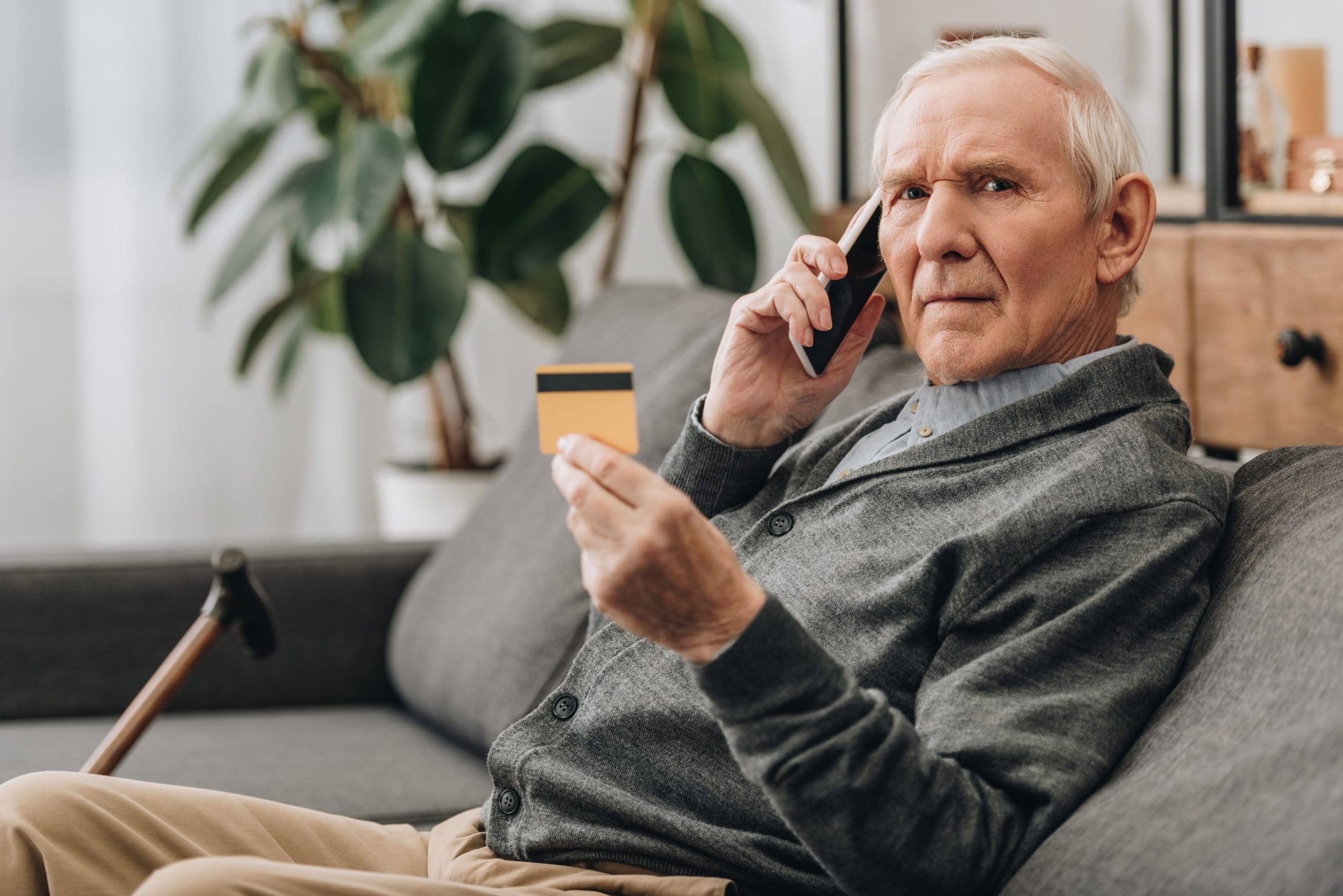
Voice cloning scams are getting smarter, and grandparents are often the targets. These scams use artificial intelligence to mimic the voice of a loved one, usually a grandchild, to create panic and urgency. The scammer calls, sounding just like someone you know, and asks for money or personal information. It feels real because the voice is familiar. This is why so many people fall for it. If you have older family members, or you’re a grandparent yourself, it’s important to know how these scams work and what to watch for.

1. The “Jail Emergency” Call

This scam starts with a phone call late at night or early in the morning. The voice on the other end sounds exactly like your grandchild. They say they’ve been arrested and need bail money right away. The caller begs you not to tell their parents. The panic in their voice feels real. Scammers use voice cloning to make the story believable. They may even know your grandchild’s name, city, or other details from social media. If you get a call like this, hang up and call your grandchild or another family member directly. Never send money based on a phone call alone.

2. The “Accident and Hospital” Plea

You answer the phone and hear your grandchild’s voice, shaky and scared. They say they’ve been in a car accident and need money for medical bills. Sometimes, another person joins the call, pretending to be a doctor or nurse. They pressure you to pay immediately. The scammer may ask for payment through gift cards, wire transfers, or even cryptocurrency. Hospitals do not demand payment this way. Always verify the story by calling the hospital directly or reaching out to your grandchild’s known number.

3. The “Travel Trouble” Story

This scam often happens during holidays or school breaks. The caller claims to be your grandchild, stranded in another country or city. They say their wallet or passport was stolen, and they need money to get home. The voice sounds just like your grandchild, and the story is urgent. Scammers use details from social media to make it convincing. Before sending any money, contact your grandchild using a number you already have. You can also check with other family members to confirm their location.

4. The “Kidnapping” Threat

This is one of the most frightening scams. You get a call from someone claiming to have kidnapped your grandchild. You may hear a voice in the background, crying or begging for help. The scammer demands ransom money and threatens harm if you call the police. The voice you hear is often a cloned version of your grandchild’s. This is meant to create panic and stop you from thinking clearly. Stay calm. Hang up and try to reach your grandchild or their parents. Report the call to the police right away.

5. The “Legal Trouble” Impersonation

A caller says they are a lawyer or police officer. They claim your grandchild is in legal trouble and needs money for bail, fines, or legal fees. The scammer may hand the phone to someone who sounds like your grandchild, crying or pleading for help. They pressure you to act fast and keep the situation secret. Real lawyers and police do not demand payment over the phone or ask for secrecy. Always verify the story by contacting your grandchild or the local police department directly.

6. The “Tech Support” Impersonation

In this scam, the caller claims your grandchild’s computer or phone has been hacked. They say your grandchild is locked out of their accounts and needs money to fix the problem. The voice sounds familiar, and the story is urgent. The scammer may ask for remote access to your computer or payment through gift cards. Tech support companies do not operate this way. Never give out personal information or allow remote access to your devices unless you are sure who you are talking to.

7. The “Charity or Fundraiser” Request

You get a call from your grandchild’s voice, asking for money for a charity, school fundraiser, or disaster relief. The story tugs at your heartstrings. The scammer may use real events or causes to make it believable. They ask for payment through unusual methods, like gift cards or wire transfers. Always check with your grandchild or the organization directly before donating.

8. The “Password Reset” Trick

This scam is sneaky. The caller claims to be your grandchild and requests your assistance with resetting a password or accessing an account. They may ask you to read a code sent to your phone or email. The scammer uses this information to hack into accounts or steal money. Never share verification codes or passwords with anyone over the phone, even if the voice sounds familiar. If you get a call like this, hang up and call your grandchild directly.

Staying Safe in a World of Voice Cloning

Voice cloning scams are getting more common and more convincing. The best defense is to stay calm and verify any urgent request, no matter how real it sounds. Always use a known phone number to call your grandchild or another family member. Set up a family password or code word for emergencies. Talk to your loved ones about these scams so everyone knows what to watch for. Technology is changing fast, but a little caution goes a long way.

Have you or someone you know experienced a voice cloning scam? Share your story or tips in the comments below.

Read More

The New Way Criminals Clone Your Key Fob at the Gym

How Scammers Are Using Stolen License Plates to Frame Innocent People

Travis Campbell
Travis Campbell

Travis Campbell is a digital marketer/developer with over 10 years of experience and a writer for over 6 years. He holds a degree in E-commerce and likes to share life advice he’s learned over the years. Travis loves spending time on the golf course or at the gym when he’s not working.
Filed Under: safety Tagged With: AI scams, elder fraud, family security, financial safety, grandparent scams, scam prevention, voice cloning

What Scams Are Targeting Retirees While You Still Trust Your Phone

August 8, 2025 by Catherine Reed Leave a Comment

What Scams Are Targeting Retirees While You Still Trust Your Phone

Image source: 123rf.com

If you’re still picking up phone calls without hesitation, you might be exactly who scammers are hoping to reach. Phone-based fraud continues to rise, and unfortunately, older adults are often the top targets. Whether it’s because retirees tend to be more polite, have savings built up, or trust unknown numbers more than younger generations, the risks are real. Knowing what scams are targeting retirees while you still trust your phone could protect you—or your loved ones—from devastating financial loss. Here are the most common phone scams retirees need to watch out for right now.

1. Medicare and Health Insurance Scams

Scammers posing as Medicare representatives will often call seniors under the pretense of updating personal information or sending a new card. These calls can sound highly official, with convincing scripts and fake caller ID numbers. Once the victim gives out their Medicare number or Social Security information, it can be used to file false claims or steal benefits. In some cases, scammers offer “free” medical supplies that never arrive, but result in billing fraud. One of the most frequent scams targeting retirees, this scheme preys on health-related trust and confusion.

2. “Grandparent in Trouble” Calls

This emotional scam involves a caller pretending to be a grandchild—or someone calling on their behalf—who’s in urgent trouble. The story might involve a car accident, jail time, or travel mishap and always ends with a request for money, usually through a wire transfer or prepaid gift card. Because the situation feels urgent and personal, many retirees act quickly without verifying the story. Scammers may even use information from social media to make the story more convincing. These calls are a painful reminder of how scams are targeting retirees through emotional manipulation.

3. Fake Tech Support Calls

If you receive a call from someone claiming your computer has a virus, it’s almost certainly a scam. Fraudsters pretend to be from Microsoft, Apple, or another recognizable tech company and convince victims to give remote access to their computers. Once inside, they can install malware, steal personal files, or charge hefty fees for “repairs” that were never needed. Some even subscribe victims to recurring services they never authorized. Retirees are often targeted because scammers assume they’re less tech-savvy, making this one of the more successful schemes.

4. IRS or Tax Collection Impersonators

This scam never seems to go out of style. A caller claims you owe back taxes and threatens arrest, property seizure, or license suspension if payment isn’t made immediately. The scammer often demands payment via wire, gift card, or cryptocurrency—none of which the real IRS would ever request. These calls can be aggressive and frightening, making them effective on unsuspecting seniors. Understanding how these scams are targeting retirees is crucial, especially around tax season.

5. Lottery or Sweepstakes Scams

“Congratulations, you’ve won!” might sound exciting—but it should be a red flag. In this scam, retirees are told they’ve won a lottery or prize but must first pay taxes or fees to claim it. The scammer may ask for bank information, personal details, or a prepaid debit card to cover the “processing.” No legitimate prize organization asks for money upfront. These scams play into hope and excitement, making them emotionally and financially devastating.

6. Charity Donation Scams

Scammers often take advantage of natural disasters, major news events, or holiday seasons to solicit fake donations. They call claiming to represent real or made-up charities, complete with official-sounding names and websites. Retirees, who often have a strong sense of community and empathy, are prime targets for this trick. Once money is given, it disappears into untraceable accounts, and the scammer vanishes. Always research the charity before giving and never provide payment information over the phone.

7. Government Benefit Renewal Scams

Some fraudsters pose as Social Security Administration or other government officials, claiming a retiree’s benefits are in jeopardy unless immediate action is taken. The call may involve verifying personal details, updating information, or submitting payment to “unlock” an account. These scammers use fear of losing income to pressure victims into acting quickly. The government does not make threatening phone calls or demand payment by phone, but many don’t know that. These scams are targeting retirees who depend on steady benefits to survive.

8. Fake Bank or Credit Card Alerts

A call may come in warning of “suspicious activity” on your bank or credit card account. The scammer pretends to be from your financial institution and asks for login credentials, full card numbers, or verification codes. Because the scam feels urgent and financial, retirees often comply without thinking twice. Once that information is handed over, real money starts disappearing fast. Always hang up and call your bank directly using the number on your card or official website.

9. Romance Scams That Start by Phone

While many romance scams begin online, they often move to phone calls quickly to build trust. Scammers might pose as a widowed veteran, a retiree traveling abroad, or a lonely soul looking for companionship. Over time, they create a bond and eventually ask for money—usually for an emergency or travel funds to come visit. Retirees who are lonely or isolated are especially vulnerable to this emotionally manipulative scam. Knowing how scams are targeting retirees emotionally can be just as important as watching out for financial angles.

10. Jury Duty or Legal Threat Scams

This scam involves a caller claiming you missed jury duty and now face fines or arrest unless you take immediate action. Victims are often caught off guard and frightened into paying to “resolve” the issue. Scammers might use fake badge numbers, caller ID spoofing, or even threats of jail time to seem more believable. No court will ever demand payment over the phone, but retirees unfamiliar with legal processes might panic. Education is the best defense.

Stay Alert, Not Afraid

Being cautious doesn’t mean living in fear—it means staying informed. Knowing what scams are targeting retirees while you still trust your phone gives you the power to protect yourself and your loved ones. Hang up on suspicious calls, verify everything directly, and don’t let anyone pressure you into making snap decisions. Scammers succeed when you act fast, so slow down and stay smart. A little awareness goes a long way toward keeping your money and peace of mind safe.

Have you or a loved one ever received a suspicious call? What tipped you off—and how did you handle it? Share your story in the comments below!

Read More:

6 Financial Traps Retirees Walk Into Without Questioning

Everyday Mistakes That Make You Vulnerable to Criminals

Catherine Reed
Catherine Reed

Catherine is a tech-savvy writer who has focused on the personal finance space for more than eight years. She has a Bachelor’s in Information Technology and enjoys showcasing how tech can simplify everyday personal finance tasks like budgeting, spending tracking, and planning for the future. Additionally, she’s explored the ins and outs of the world of side hustles and loves to share what she’s learned along the way. When she’s not working, you can find her relaxing at home in the Pacific Northwest with her two cats or enjoying a cup of coffee at her neighborhood cafe.

Filed Under: safety Tagged With: elder fraud, family finance, financial scams, identity theft, phone fraud, phone security tips, retiree safety, retirement planning, scam prevention, senior scams

8 Everyday Scams Seniors Are Falling For Right Now

August 2, 2025 by Travis Campbell Leave a Comment

seniors

Image source: unsplash.com

Staying safe from scams is harder than ever. Seniors are often targeted because scammers think they’re more trusting or less tech-savvy. These scams can cost real money, cause stress, and even damage relationships. The problem is growing, and the tricks are getting more convincing. If you or someone you care about is a senior, it’s important to know what to watch for. Here are eight everyday scams seniors are falling for right now, plus tips to avoid them.

1. Fake Tech Support Calls

Scammers call pretending to be from Microsoft, Apple, or another big tech company. They say your computer has a virus or security problem. They ask you to give them remote access or pay for a “fix.” This is a scam. Real companies don’t call out of the blue to offer tech support. If you let them in, they can steal your information or install malware. If you get a call like this, hang up. If you’re worried about your computer, call a trusted local repair shop or ask a family member for help.

2. Medicare and Health Insurance Scams

Medicare scams are everywhere. Someone calls or emails, claiming to be from Medicare or an insurance company. They ask for your Medicare number or personal details. Sometimes they offer fake “free” medical equipment or services. If you give out your information, they can bill Medicare for things you never got or steal your identity. Medicare will never call and ask for your number. If you get a call like this, don’t share any information.

3. Grandparent Scams

This one is personal. Someone calls, pretending to be your grandchild or another family member. They claim to be in trouble—possibly arrested or involved in an accident—and need money quickly. They beg you not to tell anyone. The scammer may know your grandchild’s name or other details from social media. If you get a call like this, don’t send money. Hang up and call your family member directly. Never wire money or buy gift cards for someone who calls you out of the blue.

4. Sweepstakes and Lottery Scams

You get a call, letter, or email saying you’ve won a big prize. But there’s a catch: you have to pay taxes, fees, or shipping to claim it. This is a classic scam. Real sweepstakes don’t ask for money up front. If you pay, you’ll lose your money and never get a prize. If it sounds too good to be true, it probably is. Don’t give out your bank details or send money to claim a prize. If you want to check if a contest is real, look up the company’s official website and contact them directly.

5. Romance Scams

Romance scams are on the rise, especially for seniors using dating sites or social media. Someone builds a relationship with you online, then asks for money. They might say they need help with travel, medical bills, or a family emergency. They often avoid meeting in person. These scammers are skilled at building trust. If someone you’ve never met asks for money, it’s almost always a scam. Don’t send money or share financial details with someone you only know online.

6. Fake Charities

After a disaster or during the holidays, scammers set up fake charities. They call or email, asking for donations. They may use names that sound like real charities. If you donate, your money goes to the scammer, not to people in need. Before giving, check the charity’s name online. Use sites like Charity Navigator or GuideStar to see if it’s real. Don’t give out your credit card number to someone who calls you. If you want to help, go directly to the charity’s official website.

7. Phishing Emails and Texts

Phishing scams use fake emails or texts to trick you into giving up personal information. The message might look like it’s from your bank, a government agency, or a company you trust. It may say there’s a problem with your account and ask you to click a link or enter your password. These links often lead to fake websites that steal your information. Don’t click on links or download attachments from unknown senders. If you’re not sure, call the company using a number you trust—not the one in the message.

8. Home Repair Scams

Someone knocks on your door and offers to fix your roof, driveway, or do yard work. They may claim to be working in the neighborhood or have leftover materials. They ask for payment upfront, then disappear or do shoddy work. Always be cautious with unsolicited offers. Get written estimates from several companies. Check reviews and ask for references. Never pay the full amount before the work is done.

Staying Safe in a Connected World

Scams targeting seniors are not going away. They’re getting more creative. The best defense is to stay informed and cautious. Don’t rush into decisions, especially when money or personal information is involved. Talk to friends or family if something feels off. Trust your instincts. If you think you’ve been scammed, report it to your local police or the FTC. Staying alert can help you protect yourself and your loved ones from these everyday scams.

Have you or someone you know been targeted by one of these scams? Share your story or tips in the comments below.

Read More

Why Are More Seniors Ditching Their Credit Cards Completely?

7 Times Generosity Has Legal Consequences for Seniors

Travis Campbell
Travis Campbell

Travis Campbell is a digital marketer/developer with over 10 years of experience and a writer for over 6 years. He holds a degree in E-commerce and likes to share life advice he’s learned over the years. Travis loves spending time on the golf course or at the gym when he’s not working.

Filed Under: safety Tagged With: elder fraud, financial safety, Online Safety, Personal Finance, scam prevention, senior citizens, senior scams

How Safe Is It to Link All Your Devices to a Single Email Account?

August 1, 2025 by Travis Campbell Leave a Comment

email

Image Source: pexels.com

Staying connected is easier than ever. You can check your email on your phone, tablet, laptop, and even your smart TV. Many people link all their devices to a single email account. It feels simple. You get your messages everywhere. But is it safe? What happens if someone gets into that account? Email account security is more important than most people realize. If you use one email for everything, you need to know the risks and how to protect yourself.

1. Convenience Comes with a Price

Linking all your devices to one email account makes life easier. You get instant notifications. You can reset passwords quickly. You don’t have to remember which device has what. But this convenience can be risky. If someone hacks your email, they can access every device connected to it. They might see your contacts, messages, and even your location. Email account security is not just about your inbox. It’s about your whole digital life. If you use one email for everything, you’re putting a lot of trust in that one account.

2. One Breach, Many Problems

If your email account gets hacked, the damage can spread fast. Hackers can reset passwords for your bank, social media, and shopping accounts. They can lock you out of your devices. They might even use your email to scam your friends or family. The more devices you link, the more doors you open. Email account security means thinking about what could happen if someone else gets in. It’s not just about losing access. It’s about losing control over your digital identity.

3. Two-Factor Authentication Isn’t Foolproof

Many people use two-factor authentication (2FA) to protect their email. It’s a good step. But it’s not perfect. If all your devices are linked to the same email, a hacker who gets in might also get your 2FA codes. For example, if you use your email to get 2FA codes for other accounts, and someone hacks your email, they can get those codes too. This makes email account security even more important. Don’t rely on 2FA alone. Use different methods, like an authenticator app or a physical security key, for extra protection.

4. Privacy Risks Multiply

Your email account holds a lot of personal information. It might have receipts, travel plans, medical info, and private conversations. When you link all your devices, you’re spreading that information across more places. If one device gets lost or stolen, someone could use it to get into your email. And if your email is hacked, every device becomes a risk. Email account security is about more than just passwords. It’s about keeping your private life private. Think about what’s in your inbox. Would you want a stranger to see it?

5. Syncing Can Lead to Data Leaks

When you sync your email across devices, you’re copying data everywhere. That means your messages, contacts, and files are stored on each device. If you sell or give away an old phone or laptop without wiping it, your email data could go with it. Even if you think you deleted everything, some data might stay behind. Email account security means making sure your data doesn’t end up in the wrong hands. Always wipe devices before getting rid of them. And check your account settings to see which devices are connected.

6. Phishing Attacks Get Easier

Phishing is when someone tries to trick you into giving up your password or other information. If all your devices are linked to one email, a successful phishing attack can be much worse. Hackers can send fake alerts to all your devices at once. You might see a message on your phone, then your laptop, then your tablet. It feels urgent, so you might act without thinking. Email account security means being careful with every message. Don’t click on links or download attachments from people you don’t know.

7. Recovery Can Be Complicated

If you lose access to your email, getting it back can be hard. If all your devices are linked, you might lose access to everything at once. Recovery steps often use your email to verify your identity. If you can’t get into your email, you might be locked out of your bank, social media, and more. Email account security means having backup options. Set up recovery emails or phone numbers. Write down important information and keep it somewhere safe. Don’t wait until you’re locked out to think about recovery.

8. Kids and Shared Devices Add Risk

If you share devices with family or kids, linking everything to one email can be risky. Kids might click on unsafe links or download bad apps. Shared devices can make it easier for someone to accidentally change settings or delete important messages. Email account security is harder when more people use the same devices. Set up separate accounts for each person when possible. Use parental controls and teach kids about online safety.

9. You Might Miss Security Alerts

Many services send security alerts to your email. If you get a lot of notifications on all your devices, it’s easy to miss something important. You might ignore a warning about a suspicious login or a password change. Email account security means paying attention to alerts. Set up filters or rules to highlight security messages. Check your account activity regularly. Don’t assume everything is fine just because you haven’t noticed a problem.

10. There Are Safer Ways to Stay Connected

You don’t have to link every device to the same email. Use different accounts for work, personal, and important services. Set up guest accounts on shared devices. Use strong, unique passwords for each account. Turn on security features like device tracking and remote wipe. Email account security is about making smart choices. You can stay connected without putting everything at risk.

Protecting Your Digital Life Starts with One Account

Linking all your devices to a single email account is easy, but it’s not always safe. Email account security should be a top priority. Take steps to protect your information, use strong passwords, and think before you link. Your email is the key to your digital life. Treat it with care.

Have you ever had a problem with email account security? Share your story or tips in the comments.

Read More

How to Spot a Phishing Email Before It Steals Your Bank Info

How Safe Is That “Password-Free” Login Feature Everyone’s Using?

Travis Campbell
Travis Campbell

Travis Campbell is a digital marketer/developer with over 10 years of experience and a writer for over 6 years. He holds a degree in E-commerce and likes to share life advice he’s learned over the years. Travis loves spending time on the golf course or at the gym when he’s not working.

Filed Under: safety Tagged With: account protection, cybersecurity, device safety, email security, online privacy, Personal Finance, tech tips

What Are the Quiet Red Flags That a Caregiver Shouldn’t Be Trusted?

August 1, 2025 by Travis Campbell Leave a Comment

caregiver

Image Source: pexels.com

Caring for a loved one is a big responsibility. When you bring someone into your home or trust them with a family member, you want to believe they have good intentions. But not every caregiver is trustworthy. Some warning signs are easy to spot, but others are quiet and easy to miss. These subtle signals—caregiver red flags—can put your loved one’s safety, health, and even finances at risk. Knowing what to look for can help you act before a small problem becomes a crisis. Here are the quiet caregiver red flags you should never ignore.

1. Unexplained Changes in Routine

A good caregiver keeps a steady routine. If you notice sudden changes—like your loved one sleeping at odd hours, missing meals, or skipping medication—ask why. Sometimes, life happens. But if these changes keep happening and there’s no clear reason, it’s a caregiver red flag. Small shifts in daily habits can signal neglect or even intentional harm. Pay attention to patterns, not just one-off events. If the caregiver can’t explain the changes or seems defensive, that’s a problem.

2. Overprotectiveness or Isolation

A caregiver should encourage healthy relationships. If they start limiting visits, phone calls, or time with friends, be concerned. Isolation is a classic caregiver red flag. It can be a way to hide neglect, abuse, or financial exploitation. You might hear excuses like, “They’re too tired for visitors,” or, “It’s better if I handle everything.” But cutting off contact is never okay. Stay involved and insist on regular check-ins, even if the caregiver resists.

3. Missing Personal Items or Money

It’s normal to misplace things now and then. But if jewelry, cash, or other valuables start disappearing, don’t ignore it. Financial abuse is a growing problem in elder care. The National Council on Aging reports that financial exploitation costs older Americans billions each year. If your loved one can’t explain missing items, or if the caregiver has access to their money, this is a serious caregiver red flag. Keep an inventory of valuables and check bank statements for unusual activity.

4. Poor Hygiene or Unmet Medical Needs

A trusted caregiver should keep your loved one clean, comfortable, and healthy. If you notice dirty clothes, unwashed hair, or untreated wounds, something’s wrong. Sometimes, caregivers get overwhelmed. But repeated neglect is a caregiver red flag. Ask your loved one how they feel about their care. If they seem embarrassed or avoid the topic, dig deeper. Good hygiene and medical attention are basic needs, not optional extras.

5. Defensive or Evasive Behavior

When you ask questions, a trustworthy caregiver answers openly. If they get defensive, change the subject, or avoid your questions, that’s a red flag. You might hear, “Why are you asking?” or, “You don’t trust me?” This kind of response is meant to shut down your concerns. But you have every right to ask about your loved one’s care. If the caregiver can’t handle simple questions, it’s time to look closer.

6. Unwillingness to Follow Instructions

Every family has preferences. Maybe your loved one likes their tea a certain way or needs medication at a set time. A good caregiver listens and adapts. If the caregiver ignores your instructions or insists on doing things their way, that’s a caregiver red flag. This attitude can lead to bigger problems, like missed medications or unsafe situations. Consistency matters, especially for seniors or people with health issues.

7. Frequent Accidents or Injuries

Falls and accidents can happen, especially with older adults. But if your loved one has frequent bruises, cuts, or unexplained injuries, ask for details. A pattern of accidents is a caregiver red flag. Sometimes, it’s a sign of rough handling or neglect. Other times, it could be abuse. Document injuries and ask for written incident reports. If the caregiver can’t provide clear explanations, take action.

8. Emotional Changes in Your Loved One

Pay attention to mood swings, anxiety, or sudden fearfulness. If your loved one seems withdrawn, sad, or scared around the caregiver, don’t brush it off. Emotional changes can be a quiet caregiver red flag. Abuse isn’t always physical. Sometimes, it’s emotional or psychological. The National Institute on Aging notes that emotional abuse can be just as damaging as physical harm. Trust your instincts if something feels off.

9. Caregiver Avoids Supervision

A trustworthy caregiver welcomes feedback and supervision. If they avoid being observed, refuse to let you drop by unannounced, or seem nervous when you’re around, that’s a caregiver red flag. They might insist on privacy or make excuses for why you can’t visit. This behavior can hide neglect or abuse. Insist on regular, unplanned visits and watch how the caregiver reacts.

10. Lack of Documentation

Good caregivers keep records—medication logs, meal plans, and activity notes. If you ask for documentation and the caregiver can’t provide it, be concerned. Missing or incomplete records are a caregiver red flag. Documentation protects both your loved one and the caregiver. It shows accountability and helps you spot problems early. Don’t accept excuses for missing paperwork.

Protecting Your Loved One Starts with Awareness

Spotting caregiver red flags isn’t about being suspicious of everyone. It’s about staying alert and protecting the people you care about. Quiet warning signs can be easy to miss, but they matter. If you notice any of these caregiver red flags, act quickly. Talk to your loved one, document your concerns, and consider finding a new caregiver if needed. Your vigilance can make all the difference.

Have you ever noticed subtle caregiver red flags? What steps did you take? Share your story in the comments.

Read More

Why Are Nursing Homes Hiring Private Security Now?

The True Cost of Owning a Pet in Retirement

Travis Campbell
Travis Campbell

Travis Campbell is a digital marketer/developer with over 10 years of experience and a writer for over 6 years. He holds a degree in E-commerce and likes to share life advice he’s learned over the years. Travis loves spending time on the golf course or at the gym when he’s not working.

Filed Under: safety Tagged With: caregiver red flags, caregiving tips, elder care, family safety, financial protection, home care, senior care, trust issues

Can You Really Be Fined for Not Shoveling Your Sidewalk Anymore?

July 31, 2025 by Travis Campbell Leave a Comment

shoveling

Image Source: pexels.com

Keeping sidewalks clear in winter isn’t just about being a good neighbor. In many places, it’s the law. But are fines for not shoveling your sidewalk still a thing? Or have cities relaxed these rules? This question matters if you own a home, rent, or just want to avoid a surprise ticket. Sidewalk safety affects everyone, from kids walking to school to delivery drivers. If you’re wondering whether you can really be fined for not shoveling your sidewalk anymore, here’s what you need to know.

1. Fines for Not Shoveling Your Sidewalk Still Exist

Yes, you can still be fined for not shoveling your sidewalk in many cities. Local governments set these rules to keep sidewalks safe for everyone. If you ignore them, you might get a warning first. But if you keep skipping the shovel, a fine can show up in your mailbox. Some cities charge as little as $25, while others can hit you with $100 or more for each day your sidewalk stays icy or blocked. The main reason for these fines is public safety. Slippery sidewalks can cause falls and injuries, especially for older adults and people with disabilities. If you want to check your city’s rules, look up your local code or visit your city’s website.

2. Not Every City Enforces the Rules the Same Way

Enforcement varies a lot. Some cities send out inspectors after every snowstorm. Others only respond if someone complains. In smaller towns, you might never see a ticket, but in bigger cities, enforcement can be strict. Some places even have apps or hotlines where neighbors can report unshoveled sidewalks. If you live in a city with a lot of foot traffic, expect more attention to sidewalk rules. But if you’re in a rural area, the rules might be on the books but rarely enforced. It’s smart to know how your city handles this. Ask neighbors or check your city’s website for details.

3. Who Is Responsible for Shoveling?

Responsibility usually falls on the property owner. If you own your home, it’s your job. If you rent, your lease might say you have to shovel, or it might be the landlord’s job. Some cities make it clear in their codes, but others leave it up to the lease agreement. If you’re not sure, check your lease or ask your landlord. For businesses, the owner or manager is usually responsible for keeping sidewalks clear. If you’re in a condo or HOA, the association might handle it, but don’t assume—ask first. Not knowing who’s responsible can lead to confusion and, sometimes, a fine.

4. How Much Time Do You Have to Shovel?

Most cities give you a set amount of time after the snow stops falling. This can be as short as four hours or as long as 24 hours. For example, in Denver, you have 24 hours after the snow ends to clear your sidewalk. In New York City, it’s just four hours during the day. If you’re at work or out of town, this can be tough. Some people hire a service or ask a neighbor for help. If you can’t shovel because of age or disability, some cities offer assistance programs. Check your city’s website for the exact rules and any help that’s available.

5. What Happens If You Don’t Shovel?

If you don’t shovel, you might get a warning first. Some cities send a notice or leave a tag on your door. If you still don’t clear the sidewalk, the city might send a crew to do it and bill you for the work. On top of that, you could get a fine. In some places, the fine increases each day the sidewalk isn’t cleared. And if someone slips and gets hurt, you could be liable for their injuries. That means you might have to pay medical bills or even face a lawsuit. Keeping your sidewalk clear isn’t just about avoiding a fine—it’s about protecting yourself and others.

6. Are There Any Exceptions to the Rules?

Some cities make exceptions for people who can’t physically shovel. If you’re elderly or have a disability, you might be able to apply for a waiver or get help from a city program. But you usually have to sign up in advance. Bad weather isn’t always an excuse. If the snow keeps falling, you might have to shovel more than once. And if you’re out of town, you’re still responsible. Some people ask a neighbor or hire a service to cover them when they’re away. Don’t assume you’re off the hook—check your city’s rules and plan ahead.

7. How to Avoid Fines and Stay Safe

The best way to avoid fines is to shovel early and often. Use a sturdy shovel and clear the full width of the sidewalk. Don’t just make a narrow path. Spread salt or sand to prevent ice from forming. If you have trouble shoveling, ask for help or hire someone. Some cities offer free salt or sand to residents. If you see a neighbor struggling, offer to help. Keeping sidewalks clear helps everyone get around safely.

Why Sidewalk Shoveling Rules Still Matter

Sidewalk shoveling rules aren’t just about avoiding a fine. They keep neighborhoods safe and walkable. Even if enforcement isn’t strict where you live, clearing your sidewalk helps everyone. It’s a small effort that makes a big difference, especially for people who rely on walking to get around. So, can you really be fined for not shoveling your sidewalk anymore? In most places, yes. But more importantly, it’s about being a good neighbor and keeping your community safe.

Have you ever been fined for not shoveling your sidewalk, or do you know someone who has? Share your story in the comments.

Read More

Property Manager or DIY: When to Pay for Rental Issues

Several Car Brands Are Quietly Cutting Safety Features for 2025 Models

Travis Campbell
Travis Campbell

Travis Campbell is a digital marketer/developer with over 10 years of experience and a writer for over 6 years. He holds a degree in E-commerce and likes to share life advice he’s learned over the years. Travis loves spending time on the golf course or at the gym when he’s not working.

Filed Under: safety Tagged With: city fines, homeowner tips, local laws, property maintenance, sidewalk shoveling, snow removal, winter safety

What Do Police Say About Those “Beware of Dog” Signs?

July 31, 2025 by Travis Campbell Leave a Comment

beware of dog

Image Source: pexels.com

If you’ve ever walked past a house with a “Beware of Dog” sign, you probably felt a little more alert. Maybe you wondered if there’s a big dog behind the fence, or if the sign is just there to scare people away. Homeowners put up these signs for all kinds of reasons. Some want to protect their property. Others want to warn visitors or keep out trespassers. But what do police actually think about these signs? And do they really help you, or could they cause problems? Here’s what you need to know about “Beware of Dog” signs and how police view them.

1. “Beware of Dog” Signs Can Deter Crime

Police often see “Beware of Dog” signs as a simple way to make a home less attractive to burglars. Most people don’t want to risk getting bitten by a dog. Even if there’s no dog, the sign alone can make someone think twice before hopping a fence or sneaking around your yard. Criminals usually look for easy targets. If they see a warning about a dog, they might just move on to the next house. This makes “Beware of Dog” signs a low-cost way to add a layer of security to your property. It’s not a guarantee, but it can help.

2. The Signs Serve as a Legal Warning

A “Beware of Dog” sign does more than just scare off intruders. It also acts as a warning to anyone who comes onto your property. Police say this can be important if there’s ever an incident. If someone ignores the sign and gets bitten, you can show that you tried to warn them. This can help in legal situations, especially if the person was trespassing. The sign shows you took steps to let people know about the risk. In some states, this can make a difference in court.

3. The Signs Don’t Replace Responsible Dog Ownership

Putting up a “Beware of Dog” sign doesn’t mean you can ignore other safety steps. Police stress that you still need to keep your dog secure. That means strong fences, locked gates, and making sure your dog can’t escape. If your dog bites someone, the sign alone won’t protect you from all responsibility. You need to show that you did everything you could to prevent an incident. The sign is just one part of a bigger picture. Responsible dog ownership is always the most important thing.

4. The Signs Can Affect Your Liability

Here’s where things get tricky. Some people worry that a “Beware of Dog” sign is like admitting your dog is dangerous. Police hear this question a lot. The truth is, the sign can be a double-edged sword. On one hand, it shows you tried to warn people. On the other, it could be used in court to argue that you knew your dog might bite. Laws vary by state, so it’s smart to check your local rules. In some places, the sign helps you. In others, it could hurt your case.

5. The Signs Don’t Stop All Lawsuits

Even with a “Beware of Dog” sign, you can still get sued if your dog bites someone. Police say the sign is not a magic shield. If your dog gets out and bites a neighbor, you could be held responsible. The sign might help your case, but it won’t stop a lawsuit. That’s why it’s important to have good insurance and to follow all local laws about dogs. Don’t rely on the sign alone to protect you from legal trouble.

6. The Signs Can Help Emergency Responders

Police and other emergency workers pay attention to “Beware of Dog” signs. If they need to enter your yard, the sign lets them know to be careful. This can help keep everyone safe. If you have a dog, it’s a good idea to let your local fire department and police know. That way, if there’s ever an emergency, they’ll be prepared. The sign is a simple way to communicate that there’s a dog on the property.

7. The Signs Don’t Excuse Aggressive Dogs

Some people believe that posting a “Beware of Dog” sign allows them to keep an aggressive dog without facing consequences. Police are clear: that’s not true. If your dog is known to be dangerous, you have extra responsibilities. You might need to use a muzzle, stronger fencing, or even keep your dog away from visitors. The sign is not a free pass. If your dog hurts someone, you can still face serious legal trouble.

8. The Signs Should Be Clear and Visible

Police recommend making sure your “Beware of Dog” sign is easy to see. Place it near gates, doors, or any entry point to your property. The sign should be big enough to read from a distance. If it’s hidden or too small, it won’t do much good. A clear sign helps protect you and warns others. It’s a simple step that can make a big difference.

9. The Signs Don’t Replace Good Communication

A sign is helpful, but it’s not enough on its own. Police say you should always tell guests, workers, or delivery people if you have a dog. Don’t assume they’ll see the sign. A quick heads-up can prevent accidents. Good communication is key to keeping everyone safe.

What Police Want You to Remember About “Beware of Dog” Signs

“Beware of Dog” signs can help protect your home and warn others, but they’re not a cure-all. Police see them as one tool among many. The most important thing is to be a responsible dog owner. Keep your dog secure, follow the law, and use the sign as part of a bigger safety plan. The sign can help, but it won’t solve every problem. Think of it as a warning, not a solution.

Have you ever used a “Beware of Dog” sign? Did it help, or cause any issues? Share your story in the comments.

Read More

These 5 Dog Breeds Have Been Linked to the Most Unprovoked Bites

Your Dog Needs Better Food: 10 Food Brands That Are Great At Any Price Point

Travis Campbell
Travis Campbell

Travis Campbell is a digital marketer/developer with over 10 years of experience and a writer for over 6 years. He holds a degree in E-commerce and likes to share life advice he’s learned over the years. Travis loves spending time on the golf course or at the gym when he’s not working.

Filed Under: safety Tagged With: beware of dog, dog bite prevention, dog ownership, home security, homeowner tips, legal liability, police advice

Why Are Nursing Homes Hiring Private Security Now?

July 30, 2025 by Travis Campbell Leave a Comment

nursing home

Image Source: pexels.com

Nursing homes are supposed to be safe places. Families trust these facilities to care for their loved ones. But lately, more nursing homes are hiring private security. This change is raising questions. Why is this happening? And what does it mean for residents, families, and staff? If you have a loved one in a nursing home, or you’re planning for the future, you need to know what’s behind this trend.

1. Rising Safety Concerns

Nursing homes are seeing more safety issues. Some facilities have reported an increase in theft, vandalism, and even physical altercations. Residents can be vulnerable. Staff can’t always watch every corner. Private security helps fill that gap. Security guards can monitor entrances, patrol hallways, and respond quickly if something goes wrong. This extra layer of protection can make families feel more at ease.

2. Increase in Resident Wandering

Wandering is a real problem in nursing homes, especially for people with dementia or Alzheimer’s. Residents sometimes leave the building without anyone noticing. This can be dangerous. Security teams can help prevent these incidents. They watch exits and use technology like cameras and alarms. When someone tries to leave, security can step in right away. This keeps residents safe and reduces the risk of accidents.

3. More Visitors, More Risks

Nursing homes have opened their doors to more visitors since pandemic restrictions eased. While visits are important, they also bring new risks. Not every visitor has good intentions. Some may try to steal, cause trouble, or bring in banned items. Security guards check IDs, monitor who comes and goes, and make sure everyone follows the rules. This helps protect residents and staff from outside threats.

4. Staff Shortages and Burnout

Many nursing homes are short-staffed. Nurses and aides are stretched thin. They don’t have time to handle security issues on top of their regular duties. Private security takes some of that pressure off. Guards can handle conflicts, watch for suspicious activity, and deal with emergencies. This lets healthcare workers focus on caring for residents. It also helps prevent staff burnout, which is a big problem in the industry.

5. Legal and Liability Pressures

Lawsuits against nursing homes are on the rise. Families expect facilities to keep their loved ones safe. If something goes wrong, the nursing home can be held responsible. Hiring private security shows that the facility is taking safety seriously. It can also help in court if there’s ever a legal dispute. Security cameras and incident reports provide evidence. This can protect the nursing home from costly lawsuits and insurance claims.

6. Rise in Resident-on-Resident Incidents

Conflicts between residents are becoming more common. Sometimes, these disagreements turn physical. Staff may not always be able to step in fast enough. Security guards are trained to de-escalate situations. They can break up fights and prevent injuries. This keeps everyone safer and helps maintain a peaceful environment.

7. Protecting Against External Threats

Nursing homes are not immune to crime. There have been reports of break-ins, scams, and even violent incidents targeting these facilities. Security guards act as a deterrent. Their presence alone can stop criminals from targeting the building. They also know how to handle emergencies, like an intruder or a suspicious package. This level of preparedness is important for everyone’s peace of mind.

8. Managing Medical Emergencies

Security guards do more than just watch doors. Many are trained in first aid and emergency response. If a resident falls or has a medical crisis, security can help until medical staff arrive. They can also help evacuate residents during fires or other disasters. This quick response can save lives.

9. Supporting Mental Health and Well-Being

Feeling safe is important for mental health. Residents who worry about theft or violence may become anxious or depressed. Families may hesitate to visit if they don’t feel secure. Security guards help create a calm, safe environment. This can improve the mood and well-being of everyone in the building.

10. Adapting to a Changing World

The world is changing fast. New threats pop up all the time. Nursing homes need to adapt. Private security is one way to do that. It’s not just about reacting to problems. It’s about being proactive. Facilities that invest in security are showing they care about safety. This can help attract new residents and keep current ones happy.

Safety in Nursing Homes Is Everyone’s Business

Hiring private security in nursing homes is not just a trend. It’s a response to real problems. Safety concerns, staff shortages, legal risks, and changing visitor patterns all play a role. Private security helps protect residents, staff, and visitors. It also gives families peace of mind. If you’re choosing a nursing home, ask about their security measures. It’s an important part of quality care.

Have you noticed more security at nursing homes? How do you feel about it? Share your thoughts in the comments.

Read More

Your Parents Should Never End Up In A Nursing Home If They Do These 10 Things Right Now

7 Types of Nursing Homes You Should Never Leave Your Parents In

Travis Campbell
Travis Campbell

Travis Campbell is a digital marketer/developer with over 10 years of experience and a writer for over 6 years. He holds a degree in E-commerce and likes to share life advice he’s learned over the years. Travis loves spending time on the golf course or at the gym when he’s not working.

Filed Under: safety Tagged With: elder care, healthcare, legal issues, nursing homes, private security, safety, senior living, staff shortages

9 Products Still Being Sold That Were Banned in Other Countries

July 30, 2025 by Travis Campbell Leave a Comment

eggs

Image Source: pexels.com

Every day shopping feels simple. You grab what you need, pay, and go home. But what if some of those items are banned in other countries? It’s not just about food or gadgets. Some banned products still line U.S. shelves, even though other nations say they’re too risky. This matters for your health, your family, and your wallet. Knowing what’s allowed here but banned elsewhere can help you make safer choices and avoid hidden dangers.

1. Kinder Surprise Eggs

Kinder Surprise Eggs are chocolate treats with a toy inside. They’re popular in Europe and many other places. But in the U.S., they’re banned because the toy is a choking hazard. Oddly, the reverse is true for some other countries. The U.S. allows similar products, but some countries, like Chile, have banned them due to concerns about marketing to children and health risks. If you see these eggs for sale online or in specialty stores, know that they’re not legal here. Always check the packaging and avoid giving them to young kids.

2. Brominated Vegetable Oil (BVO) in Soft Drinks

Brominated vegetable oil, or BVO, is used in some citrus-flavored sodas to keep the flavor mixed. The European Union and Japan have banned BVO because it can build up in the body and cause health problems. The U.S. still allows it in some drinks, though some companies have started removing it. If you want to avoid banned products, read the label on your favorite sodas. Look for BVO in the ingredients list. Choosing drinks without it can help you avoid possible health risks.

3. Farmed Salmon

Farmed salmon is common in U.S. grocery stores. But countries like Australia and New Zealand have banned or restricted it due to concerns about antibiotics and artificial coloring used in the farming process. These chemicals can end up in the fish you eat. Wild-caught salmon is usually a safer choice. If you want to avoid banned products, check the label for “wild-caught” or ask your fishmonger. It’s a simple way to protect your health and get better quality fish.

4. Ractopamine in Pork

Ractopamine is a drug used to make pigs grow faster and leaner. The U.S. allows pork producers to use it, but the European Union, China, and Russia have banned it. They worry about its effects on human health. If you eat pork, look for labels that say “ractopamine-free” or “raised without ractopamine.” Buying from local farms or organic sources can also help you avoid this banned product.

5. Artificial Food Dyes

Some artificial food dyes, like Yellow 5 and Red 40, are banned in Norway and Austria. These dyes are linked to hyperactivity in children and other health concerns. The U.S. still allows them in many foods, from cereals to candy. If you want to avoid banned products, check the ingredients list for these dyes. Choose foods with natural coloring or no coloring at all. It’s a small step that can make a big difference, especially for kids.

6. Azodicarbonamide in Bread

Azodicarbonamide is a chemical used to bleach flour and improve dough. It’s banned in Europe and Australia because it can break down into chemicals linked to cancer. In the U.S., it’s still used in some breads and baked goods. If you want to avoid banned products, read bread labels and look for brands that don’t use this additive. Baking your own bread or buying from local bakeries can also help.

7. Olestra (Olean) in Snack Foods

Olestra is a fat substitute used in some low-fat chips and snacks. It’s banned in the U.K. and Canada because it can cause digestive problems and block vitamin absorption. The U.S. still allows it, though it must carry a warning label. If you see “Olestra” or “Olean” on a snack, know that it’s a banned product in other countries. Choosing snacks with real ingredients is usually a safer bet.

8. Flame Retardants in Furniture

Some flame retardants used in U.S. furniture and mattresses are banned in the European Union. These chemicals can leach out and build up in your body, causing health risks over time. If you’re buying new furniture, look for products labeled “flame retardant-free.” You can also ask the retailer about the materials used. This helps you avoid banned products and keep your home safer.

9. Chlorine-Washed Chicken

Chlorine-washed chicken is ordinary in the U.S. Poultry is washed in chlorine to kill bacteria. The European Union bans this practice, saying it can hide poor hygiene and leave chemical residues. If you want to avoid banned products, look for organic or “air-chilled” chicken. These options use safer processing methods and are less likely to contain unwanted chemicals.

Why Knowing About Banned Products Matters

Banned products are still sold in the U.S. for many reasons—regulations, industry pressure, or lack of awareness. But you have the power to choose what you buy. Reading labels, asking questions, and staying informed can help you avoid products that other countries consider unsafe. It’s not just about following the rules. It’s about protecting your health, your family, and your money. Small changes in your shopping habits can make a big difference.

Have you ever found out that something you use is banned in another country? Share your story or thoughts in the comments below.

Read More

7 Popular Cleaning Products That Can Destroy Your Plumbing

7 Cheap Products People Regret Buying Again and Again

Travis Campbell
Travis Campbell

Travis Campbell is a digital marketer/developer with over 10 years of experience and a writer for over 6 years. He holds a degree in E-commerce and likes to share life advice he’s learned over the years. Travis loves spending time on the golf course or at the gym when he’s not working.

Filed Under: safety Tagged With: banned products, consumer safety, financial advice, health risks, international bans, product safety, U.S. regulations

  • « Previous Page
  • 1
  • 2
  • 3
  • 4
  • …
  • 7
  • Next Page »

FOLLOW US

Search this site:

Recent Posts

  • Can My Savings Account Affect My Financial Aid? by Tamila McDonald
  • 12 Ways Gen X’s Views Clash with Millennials… by Tamila McDonald
  • What Advantages and Disadvantages Are There To… by Jacob Sensiba
  • 10 Tactics for Building an Emergency Fund from Scratch by Vanessa Bermudez
  • Call 911: Go To the Emergency Room Immediately If… by Stephen Kanaval
  • 7 Weird Things You Can Sell Online by Tamila McDonald
  • 10 Scary Facts About DriveTime by Tamila McDonald

Copyright © 2026 · News Pro Theme on Genesis Framework