• Home
  • About Us
  • Getting Finances Done
    • Hiring Advisors
    • Debt Management
    • Spending Plan
  • Insurance
    • Life Insurance
    • Health Insurance
    • Disability Insurance
    • Homeowners/Renters Insurance
  • Contact Us
  • Our Editorial Commitment

The Free Financial Advisor

You are here: Home / Archives for Brandon Marcus

9 Everyday Costs Rising Faster Than Seniors’ Income

February 11, 2026 by Brandon Marcus Leave a Comment

These Are 9 Everyday Costs Rising Faster Than Seniors’ Income
Image source: shutterstock.com

Retirement is supposed to feel like a long exhale after decades of working, saving, and juggling responsibilities. Yet for many older adults, that peaceful chapter is being interrupted by a financial reality that feels more like a slow tightening of the belt. Prices keep climbing, but income—especially for those relying on Social Security—just isn’t keeping pace.

And while everyone feels the pinch of inflation, seniors often feel it more sharply because their budgets don’t have the same flexibility they once did.

1. The Grocery Bill That Just Won’t Sit Still

Food prices have been one of the most persistent sources of frustration for retirees. Even though inflation has cooled from its peak, grocery costs remain significantly higher than they were just a few years ago. Essentials like bread, eggs, produce, and meat have seen some of the steepest increases, and those jumps add up quickly when you’re shopping on a fixed income. Seniors who cook at home to save money are discovering that even the basics stretch their budget more than they used to.

It’s worth exploring store brands, loyalty programs, and weekly sales—not because it’s fun, but because it genuinely helps keep spending under control.

2. Healthcare Costs That Keep Climbing

Healthcare is one of the biggest expenses in retirement, and unfortunately, it’s also one of the fastest‑growing. Premiums, deductibles, prescription drugs, and out‑of‑pocket costs have all trended upward. Even with Medicare, many seniors find themselves paying more each year for the same treatments and medications. This is especially challenging for retirees managing chronic conditions, who can’t simply “cut back” on care.

Staying proactive with preventive appointments, reviewing Medicare plans annually, and asking providers about lower‑cost alternatives can help soften the blow.

3. Housing Expenses That Refuse to Level Off

Even if a mortgage is paid off, housing costs don’t disappear. Property taxes, homeowners insurance, utilities, and maintenance have all risen sharply. Renters face even steeper challenges, with rental prices in many areas increasing faster than Social Security’s annual cost‑of‑living adjustments.

Downsizing or relocating can help, but those are big decisions that require time, planning, and emotional readiness. For homeowners, energy‑efficient upgrades and regular maintenance can prevent small issues from becoming expensive emergencies.

4. Utility Bills That Seem to Have a Mind of Their Own

Electricity, natural gas, water, and internet costs have all crept upward, and seniors feel the impact every month. Extreme weather patterns have also pushed energy usage higher in many regions, making bills even more unpredictable. While you can’t control the weather or utility rates, you can take steps to reduce consumption.

Simple changes—like sealing drafts, adjusting thermostats, or switching to LED bulbs—can make a noticeable difference over time. Many utility companies also offer senior discounts or budget billing programs worth exploring.

5. Transportation Costs That Keep Rolling Higher

Even if you’re not commuting to work anymore, transportation remains a major expense. Gas prices fluctuate constantly, and repairs and maintenance have become more expensive due to rising labor and parts costs. For seniors who rely on their vehicles for independence, these increases can be especially frustrating.

Public transit, senior ride programs, or carpooling with friends can help reduce costs without sacrificing mobility. If driving less is an option, it can also extend the life of your vehicle and lower insurance premiums.

These Are 9 Everyday Costs Rising Faster Than Seniors’ Income
Image source: shutterstock.com

6. Insurance Premiums That Quietly Increase

Insurance rarely gets cheaper with age. Homeowners insurance, auto insurance, and supplemental health insurance have all seen steady increases. Insurers cite everything from rising repair costs to more frequent severe weather events as reasons for higher premiums.

While you can’t control those factors, you can shop around, bundle policies, or raise deductibles to find savings. It’s also smart to review coverage annually to make sure you’re not paying for protections you no longer need.

7. Dining Out That Costs More Than Ever

Eating out has become noticeably more expensive, even at casual restaurants. Menu prices have risen due to higher labor and ingredient costs, and many seniors who enjoy the occasional meal out are feeling the difference. While dining out is still a great way to socialize and treat yourself, it may require a bit more planning.

Choosing lunch instead of dinner, sharing dishes, or taking advantage of weekday specials can help keep the experience enjoyable without straining your budget.

8. Personal Care Items That Add Up Quickly

Toiletries, cleaning supplies, and household essentials have all increased in price, often without much warning. These aren’t glamorous purchases, but they’re necessary, and the rising costs can catch retirees off guard.

Buying in bulk, using coupons, or switching to more affordable brands can help stretch your dollars further. It’s also worth keeping an eye on sales cycles—many stores discount these items at predictable times throughout the year.

9. Entertainment Costs That Aren’t So Entertaining Anymore

Streaming services, movie tickets, hobbies, and recreational activities have all become more expensive. Even small increases can add up when you’re juggling multiple subscriptions or outings.

Entertainment is an important part of a fulfilling retirement, so cutting it entirely isn’t the goal. Instead, consider rotating streaming services, taking advantage of senior discounts, or exploring free community events. You can still enjoy your favorite activities without overspending.

What This All Means for Today’s Retirees

The rising cost of everyday living is reshaping what retirement looks like for many seniors. While you can’t control inflation, you can take steps to stay informed, adjust your spending, and make choices that protect your financial stability.

Awareness is the first step toward empowerment, and small changes can add up to meaningful relief over time. Retirement should feel rewarding, not stressful, and understanding these trends helps you stay in control of your future.

What rising costs have you noticed the most in your own life? How are you looking out for the seniors in your life? Tell us about it in the comments section below.

You May Also Like…

The Retirement Income Assumption That Breaks Down First During Inflation Cycles

Why Fixed Income Doesn’t Feel Fixed Anymore for Retirees in 2026

Why More Retirees Are Being Flagged for “Excess Assets” by Benefit Programs

The Surprising Way Virtual Reality Is Bringing New Connections to Seniors in Their 60s

Why Financial Stress Feels Worse After Retirement Instead of Better

Brandon Marcus
Brandon Marcus

Brandon Marcus is a writer who has been sharing the written word since a very young age. His interests include sports, history, pop culture, and so much more. When he isn’t writing, he spends his time jogging, drinking coffee, or attempting to read a long book he may never complete.
Filed Under: Lifestyle Tagged With: budgeting, Cost of living, fixed income, Income, Inflation, Life, Lifestyle, Personal Finance, Retirement, retirement planning, rising prices, senior lifestyle, seniors, Social Security

IRS 1099-K Rules in 2026: Who Must Report Payments This Year

February 11, 2026 by Brandon Marcus 1 Comment

IRS 1099-K Rules in 2026: Who Must Report Payments This Year
Image source: shutterstock.com

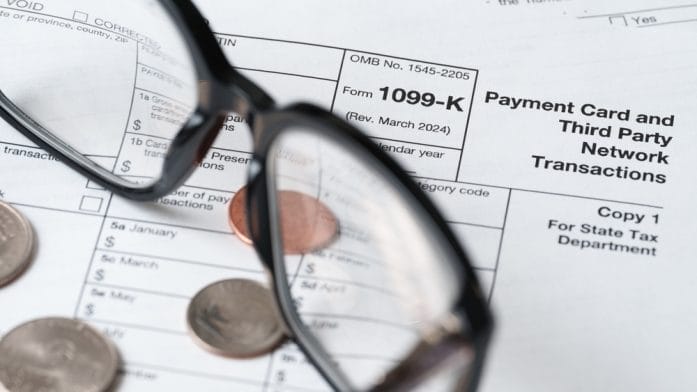
The IRS has been adjusting the 1099-K reporting rules for years, and 2026 was shaping up to be the moment when everything changed. After delays, phased rollouts, and more confusion than anyone asked for, this was the year when millions of Americans were going to make major tax changes. Whether you sell online occasionally, run a side hustle, or use payment apps for business, these rules were set to affect how your income was reported to the IRS.

The good news is that the 1099-K form is about business transactions, not personal ones. But knowing which payments fall into which category is where things get interesting.

The Threshold That Was Supposed To Take Effect

For years, the IRS planned to lower the 1099-K reporting threshold to $600 for business transactions processed through third‑party platforms. After multiple delays, the IRS announced a phased approach, and 2026 was the year the full $600 threshold was scheduled to apply.

However, recent legislation changed all of that. Instead of dropping down to $600, the threshold will now remain at $20,000 and 200 transactions. For many, that created a sigh of relief, but some confusion remains.

However, the fact remains: the IRS will issue a 1099-K to taxpayers who receive more than $20,000 in payments for goods and services and complete over 200 separate transactions on platforms such as eBay, PayPal, Venmo (business accounts), or other third‑party payment networks.

What Counts as a Reportable Payment

Remember, the 1099-K covers payments from online marketplaces, payment apps with business accounts, and platforms that handle transactions between buyers and sellers. So, if you sell handmade items, flip furniture, run a small online shop, or accept digital payments for freelance work, those payments fall under the 1099-K umbrella.

This does not apply to personal transfers between friends or family, like splitting a restaurant bill or sending a birthday gift. But for millions of Americans earning money through side gigs, online sales, or digital payment apps, understanding when a 1099-K is triggered can make tax season far less confusing.

If you use the same app for both personal and business transactions, it’s worth separating them into different accounts or categories. It keeps your records cleaner and reduces the chance of receiving a form that doesn’t reflect your actual taxable income.

Why Online Sellers Need to Pay Attention

Platforms like eBay, Etsy, Poshmark, and Mercari must issue a 1099-K when sellers exceed the reporting threshold for business transactions. If you sell items as a hobby or occasionally clear out your closet, the income may not be taxable if you sell items for less than you originally paid. But the platform may still issue a form if the transactions meet the reporting threshold.

This is where record‑keeping matters. The IRS taxes profit, not the original purchase price of personal items. If you sell a used laptop for $300 that you originally bought for $900, that’s not taxable income. But if the platform issues a 1099-K, you’ll want documentation showing the original cost to avoid confusion.

For people who run online shops or side businesses, the 1099-K simply reflects income that should already be reported. The form helps consolidate information, but it doesn’t change the underlying tax rules.

Gig Workers and Freelancers Aren’t Exempt

If you drive for a rideshare service, deliver food, walk dogs, or freelance through platforms that process payments, the 1099-K may apply. Some gig platforms issue 1099-NEC forms instead, depending on how payments are structured. The key is understanding that income from gig work is taxable regardless of which form you receive.

The 1099-K doesn’t replace your responsibility to track expenses. If you use your car for work, buy supplies, or pay platform fees, those costs may be deductible. Keeping receipts and mileage logs helps ensure you report net income, not gross payments.

IRS 1099-K Rules in 2026: Who Must Report Payments This Year
Image source: shutterstock.com

The Importance of Categorizing Payments Correctly

Many people use payment apps casually without thinking about how transactions are labeled. But in 2026, categorization matters more than ever. Marking payments as personal when they are personal helps prevent unnecessary forms. Marking business payments correctly ensures accurate reporting.

Most apps now include clear options for tagging transactions. Taking a few seconds to categorize payments can prevent headaches during tax season. If you run a business, consider using a dedicated business account to keep everything clean and separate.

How to Prepare for 2026 Without Stress

The best preparation is organization. Keep records of what you sell, what you earn, and what you spend. Separate personal and business payments. Save receipts for items you resell. Track expenses if you run a side hustle. And review your payment app settings to make sure transactions are categorized correctly.

Because the proposed threshold changes didn’t go through, you don’t need to overhaul your life. Stick to what you were doing, but always be alert and prepared when tax season rolls around.

The Year to Get Ahead of the Rules

With proposed changes, reversals, and constant talk of more updates, no one can blame you for being confused. Understanding the rules gives you control, clarity, and confidence as taxes approach. When you know what counts as income and what doesn’t, you can navigate the year without surprises.

Are you planning to track your digital payments differently this year? Have you met that IRS threshold? Talk about it in the comments below.

You May Also Like…

The IRS Reporting Threshold Change That Just Created a Tax Risk for Millions in 2026

The Gig Economy Tax Nightmare: Why So Many Freelancers End Up Owing the IRS

9 Side Hustles That Sound Great but Are a Complete Waste of Your Time

The Income-Driven Repayment Plans That End July 1, 2028 Under New Law

Income Threshold: 4 Hidden Taxes That Hit Once You Cross Certain Limits

Brandon Marcus
Brandon Marcus

Brandon Marcus is a writer who has been sharing the written word since a very young age. His interests include sports, history, pop culture, and so much more. When he isn’t writing, he spends his time jogging, drinking coffee, or attempting to read a long book he may never complete.

Filed Under: Tax Planning Tagged With: 1099-K, digital payments, gig income, income reporting, IRS rules, payment apps, Personal Finance, side hustles, tax forms, tax reporting, taxes 2026

7 Financial Trade-Offs That Quietly Derail People in Their 50s

February 11, 2026 by Brandon Marcus Leave a Comment

These Are 7 Financial Trade-Offs That Quietly Derail People in Their 50s
Image source: shutterstock.com

Your 50s are a financial crossroads, whether you realize it or not. This is the decade where money stops being theoretical and starts becoming personal in a very real, very tangible way. The choices you make now don’t just affect your lifestyle today—they echo into your 60s, 70s, and beyond, shaping your freedom, stress levels, and sense of security.

It’s not usually one massive financial mistake that causes trouble; it’s a series of small, seemingly reasonable trade-offs that quietly stack up. Individually, they feel harmless. Together, they can change the trajectory of your future in ways that are hard to reverse.

1. The Lifestyle Upgrade That Eats Your Future

One of the most common traps is lifestyle inflation disguised as “finally enjoying life.” Bigger homes, nicer cars, more travel, more dining out, more convenience services—it all feels deserved after decades of grinding. And in many ways, it is. The problem is when increased spending grows faster than savings, investing, and debt reduction.

Every permanent upgrade to your lifestyle becomes a permanent financial obligation, which limits flexibility later on. A powerful mindset shift is learning to enjoy upgrades selectively, not automatically, so your money works for your future instead of locking you into higher fixed costs.

2. Helping Adult Kids at the Cost of Your Own Security

Supporting adult children is emotionally understandable and culturally normalized, but financially dangerous when it becomes open-ended. Covering rent, co-signing loans, paying off debts, or funding lifestyles can quietly drain retirement savings without ever feeling like a “bad decision.”

The hard truth is that you can borrow for school, homes, and cars, but you cannot borrow for retirement. Financial stability in later life depends on boundaries, not just love. Helping your kids learn financial independence often does more for their future than financially rescuing them from every consequence.

3. Delaying Retirement Saving Because “There’s Still Time”

Time is the most misunderstood asset in personal finance. Many people in their 50s believe they can simply “catch up later,” underestimating how powerful compounding actually is and how little time is left to benefit from it. Catch-up contributions help, but they don’t replace lost decades of growth. Every year you delay serious saving increases the pressure on future income, investments, and work capacity.

Even small increases in retirement contributions now can significantly reduce financial stress later. Starting late is better than never, but starting now is always better than starting later.

4. Trading Health for Hustle

Working longer hours, taking on stressful roles, or pushing your body too hard for financial gain feels logical when you’re focused on earning. But chronic stress and neglected health create future costs that don’t show up on a balance sheet until it’s too late. Medical expenses, reduced mobility, and limited work capacity can turn financial plans upside down.

Health is a financial asset, whether people like that framing or not. Protecting it through preventative care, manageable workloads, and sustainable routines is part of long-term wealth strategy, not separate from it.

5. Ignoring Long-Term Care Planning

Many people assume long-term care is either unlikely or something they’ll deal with later. The reality is that long-term care costs are one of the biggest financial threats to retirement stability. Whether it’s in-home care, assisted living, or nursing care, these expenses can drain savings rapidly.

Planning doesn’t always mean buying expensive insurance, but it does mean understanding risks, building buffers, and making intentional choices. Avoiding the conversation doesn’t eliminate the risk—it just removes control over how it’s handled.

6. Carrying “Comfort Debt” Into the Next Phase of Life

There’s a difference between strategic debt and comfort debt. Comfort debt includes things like luxury vehicles, recreational toys, high-interest credit cards, and lifestyle financing that exists purely for convenience and status. Carrying this into your 50s limits cash flow and increases financial vulnerability.

It also creates psychological pressure to keep earning at high levels, even when you may want more flexibility. Reducing non-essential debt isn’t just about money—it’s about freedom, choice, and control over your time.

7. Overlooking Estate Planning Because It Feels Premature

Estate planning often gets delayed because it feels morbid or unnecessary. In reality, it’s a financial clarity tool, not just an end-of-life document.

Wills, healthcare directives, beneficiary designations, and powers of attorney protect your assets, your family, and your decision-making autonomy. Without them, financial chaos becomes more likely, not less. Estate planning in your 50s is about structure and control, not fear. It’s one of the most responsible financial moves a person can make.

These Are 7 Financial Trade-Offs That Quietly Derail People in Their 50s
Image source: shutterstock.com

The Real Trade-Off Most People Miss

The biggest trade-off isn’t money versus fun or security versus enjoyment—it’s short-term comfort versus long-term freedom. Financial decisions in your 50s shape whether your future feels like a wide-open landscape or a narrow hallway. The goal isn’t extreme frugality or financial obsession; it’s alignment. Spending, saving, and planning should support the life you want later, not just the life you’re living now. Small changes today create outsized stability tomorrow, and that’s a trade worth making.

Are your current financial choices building freedom—or quietly building future stress? Talk about your plans and goals in our comments below.

You May Also Like…

The Emotional vs. Financial Cost of Keeping the House in a Divorce

How a Solid Estate Plan Can Protect Your Finances

Tax Horizon: 4 Year-End Moves That Could Shape Your Finances for a Decade

8 Home Upgrades Seniors Are Choosing Over Moving Into Facilities

The Retirement Income Assumption That Breaks Down First During Inflation Cycles

Brandon Marcus
Brandon Marcus

Brandon Marcus is a writer who has been sharing the written word since a very young age. His interests include sports, history, pop culture, and so much more. When he isn’t writing, he spends his time jogging, drinking coffee, or attempting to read a long book he may never complete.

Filed Under: Finance Tagged With: budgeting, financial literacy, financial mistakes, Lifestyle Inflation, long term planning, midlife finance, money habits, Personal Finance, retirement planning, Wealth Building

23% of Americans With Credit Card Debt Don’t Believe They’ll Ever Pay It Off

February 11, 2026 by Brandon Marcus Leave a Comment

23% of Americans With Credit Card Debt Don’t Believe They’ll Ever Pay It Off
Image source: shutterstock.com

There’s a number floating around the American financial landscape right now that feels less like a statistic and more like a warning flare: 23% of Americans with credit card debt don’t believe they’ll ever pay it off. Not someday, not eventually, not “after a few raises and a good tax return.” Ever. That belief alone says something deeper than just financial struggle—it speaks to exhaustion, overwhelm, and a growing sense that the system feels stacked against everyday people.

Credit card debt used to feel like a temporary mess, something you could clean up with discipline and time. Now, for millions of people, it feels permanent, like background noise in their lives that never shuts off. And that shift in mindset is just as important as the debt itself.

When Debt Stops Feeling Temporary

There was a time when credit card balances felt like a short-term problem: a rough month, an emergency repair, a holiday overspend that could be corrected with a few careful paychecks. Today, that narrative doesn’t work the same way. High interest rates, rising costs of living, and stagnant wages have turned what used to be “manageable debt” into something that feels endless. When balances grow faster than payments, motivation slowly drains away, replaced by resignation.

Psychologically, this matters more than people realize. Once someone believes they’ll never pay something off, their behavior often changes, even if they don’t consciously notice it. Why sacrifice, why budget aggressively, why cancel small comforts if the finish line feels imaginary? That mindset doesn’t come from laziness or irresponsibility; it comes from burnout. It’s the emotional weight of watching minimum payments barely dent balances while interest quietly rebuilds them overnight.

The Real Math Behind the Hopeless Feeling

Credit card interest is brutal in ways most people don’t fully grasp until they’re deep inside it. Average APRs sitting in the high teens or 20% range mean balances grow fast and forgiveness comes slow. A person making only minimum payments can spend years paying mostly interest while the principal barely moves. That’s not financial weakness—that’s math doing exactly what it was designed to do.

Combine that with inflation pushing everyday costs higher, and suddenly credit cards aren’t just convenience tools anymore. They become survival tools. Groceries, gas, utilities, medical bills, and childcare don’t pause just because your budget is tight. So balances rise, not from splurging, but from necessity. The system quietly trains people into debt dependency, then charges them aggressively for using it.

This is why so many people feel stuck. They’re not drowning because of one bad decision; they’re drowning because of hundreds of small, rational decisions made under pressure.

23% of Americans With Credit Card Debt Don’t Believe They’ll Ever Pay It Off
Image source: shutterstock.com

Why Shame Makes the Problem Worse

One of the quietest but most damaging parts of debt culture is shame. People internalize their balances as personal failure instead of structural reality. That silence creates isolation, and isolation makes solutions harder to see. When no one talks about their debt honestly, everyone assumes they’re the only one struggling.

Shame also prevents action. People avoid checking balances, avoid statements, avoid conversations with lenders, and avoid asking for help because facing the numbers feels emotionally heavier than living in denial. But avoidance feeds the cycle, letting interest grow and options shrink.

Small Moves That Can Actually Change the Trajectory

No single trick erases debt overnight, and anyone selling that story isn’t being honest. But small strategic shifts can change the slope of the problem, which matters more than quick wins. Paying more than the minimum, even by small amounts, reduces interest accumulation. Prioritizing high-interest cards first can shorten payoff timelines dramatically. Balance transfer cards, if used carefully, can buy time without compounding interest.

More importantly, awareness changes behavior. Tracking spending patterns, even casually, reveals where pressure points live. That data helps people make choices that feel intentional instead of reactive. Financial stress thrives in chaos, but clarity weakens it.

And sometimes the most powerful move isn’t financial at all—it’s emotional. Talking about debt openly, learning how interest really works, and reframing the story restores agency.

What This Statistic Really Says About America

That 23% figure isn’t just about money. It’s about trust. It reflects how many people no longer believe the traditional path works the way it used to. Work hard, budget carefully, and things will improve used to feel true. Now, for many households, effort doesn’t guarantee relief—it just maintains survival.

This isn’t pessimism; it’s realism shaped by experience. Rising debt, rising costs, and rising interest rates form a financial gravity that pulls people downward even when they’re trying to climb. When belief disappears, so does hope, and when hope disappears, systems become harder to escape.

When Hopelessness Turns Into a Wake-Up Call

If nearly one in four people with credit card debt believes they’ll never escape it, that belief itself becomes the crisis. Not because it’s always true, but because it changes how people live, plan, and decide. The real danger isn’t debt—it’s resignation. Once people stop believing change is possible, systems win by default.

This moment calls for better financial education, smarter consumer protections, and more honest conversations about money pressure in modern life. But it also calls for individuals to resist the narrative that they’re stuck forever. Debt can be long, heavy, and exhausting without being permanent.

So what do you think—does credit card debt feel like a temporary problem in your life, or has it started to feel permanent? Give your tips and helpful hints in the comments section below.

You May Also Like…

Bankrate Projects Credit Card Rates Will Only Drop to 19.1% by End of 2026

Credit Card Annual Fees Jumped in 2025 — Some Up to $200

Credit Card Delinquencies Expected to Remain Flat in 2026 Says TransUnion

The Federal Reserve Rate Cut That Did Nothing for Credit Card Holders

Why Good Credit (670–739 Score) Gets You 21%–24% APR in 2026

Brandon Marcus
Brandon Marcus

Brandon Marcus is a writer who has been sharing the written word since a very young age. His interests include sports, history, pop culture, and so much more. When he isn’t writing, he spends his time jogging, drinking coffee, or attempting to read a long book he may never complete.

Filed Under: credit cards Tagged With: Budgeting Tips, consumer debt, Credit card debt, credit cards, Debt Management, financial literacy, financial stress, interest rates, money habits, money mindset, Personal Finance

Why Credit Card Balance Growth Slowed to 2.3% in 2026

February 10, 2026 by Brandon Marcus Leave a Comment

Why Credit Card Balance Growth Slowed to 2.3% in 2026
Image source: shutterstock.com

Something unusual is happening in 2026: credit card balances aren’t exploding the way many analysts expected them to. Instead of another year of runaway growth, balance increases are projected to slow to 2.3%, and that number quietly tells a much bigger story about how people are changing the way they use money.

This isn’t just a technical finance headline for economists and bankers; it’s a snapshot of everyday behavior, stress levels, smarter decision-making, and a shifting relationship with debt. When consumers change how they borrow, the entire economy feels it, from retailers to lenders to families trying to stay afloat in a high-cost world. And behind that calm-looking percentage is a mix of caution, adaptation, pressure, and strategy that says a lot about where we are as a society.

The Era of “Swipe First, Think Later” Is Fading

For years, credit cards were treated like financial shock absorbers. Rising costs, surprise expenses, and income instability all landed on plastic, and balances climbed because people felt they had no other option. But by 2026, behavior started to change in a visible way, and the slowdown in balance growth reflects a shift from survival spending to strategic spending.

Consumers became more intentional, not necessarily because life got cheaper, but because the consequences of debt became harder to ignore. High interest rates made carrying balances feel like dragging a financial anchor behind every purchase, and that psychological weight changed habits in subtle but powerful ways.

There’s also a growing financial literacy effect happening in the background. More people understand how compound interest works, how minimum payments trap balances, and how long-term debt erodes future income. That knowledge doesn’t magically erase financial pressure, but it does change decision-making.

Inflation Fatigue Meets Budget Discipline

Inflation reshaped spending psychology long before 2026 arrived. When prices stay high for long enough, people stop reacting emotionally and start adapting structurally. That’s where budgeting habits, spending caps, and intentional trade-offs come in. Households didn’t suddenly become wealthy, but they did become more selective, prioritizing essentials and cutting back on impulse spending that typically lives on credit cards.

This slowdown isn’t about people buying less of everything; it’s about buying differently. Subscriptions get canceled. Big purchases get delayed. Lifestyle inflation stops feeling fun and starts feeling risky. Even small changes, repeated across millions of households, add up to massive shifts in aggregate credit behavior.

Financial Technology Made Money Awareness Harder to Ignore

Apps, alerts, dashboards, and budgeting tools didn’t just get better, they became unavoidable. Real-time balance tracking, spending notifications, and payment reminders make debt impossible to ignore. When people see their balances daily instead of monthly, behavior changes. It’s harder to live in denial when your phone tells you exactly what your money is doing.

This visibility creates accountability, even for people who don’t consider themselves “financial planners.” Awareness leads to behavior change, and behavior change leads to slower debt growth. The technology doesn’t eliminate financial stress, but it removes the fog that used to hide it. And once people see their patterns clearly, many of them start adjusting in small but consistent ways that add up over time.

Why Credit Card Balance Growth Slowed to 2.3% in 2026
Image source: shutterstock.com

What This Means for Everyday People

A 2.3% growth rate is a signal. It suggests that consumers are learning to operate in a high-cost world with more intention and discipline. That’s not a fairy tale ending where everyone is suddenly debt-free, but it is evidence of adaptation and resilience. People are still dealing with rising costs, but they’re responding with strategy instead of panic.

This environment rewards smart systems more than willpower. Automating payments, tracking balances, setting spending rules, and creating friction for impulse purchases all matter more than motivation alone. If you’re carrying balances, focus on structure over guilt. If you’re avoiding debt, focus on sustainability over perfection. Financial health isn’t about extreme discipline; it’s about building habits that survive real life.

The Quiet Power of Slower Debt Growth

The slowdown in credit card balance growth isn’t flashy, dramatic, or viral, but it’s meaningful. It shows a cultural shift toward financial awareness, caution, and long-term thinking in a system that used to reward instant gratification.

If there’s one takeaway, it’s this: debt behavior reflects mindset. When people start thinking differently about money, the numbers follow. A 2.3% growth rate might look small on paper, but it represents millions of individual decisions adding up to a quieter, steadier financial landscape.

What do you think is driving this shift the most: fear of interest rates, better financial tools, or changing attitudes toward debt? Talk about it in the comments section below.

You May Also Like…

Bankrate Projects Credit Card Rates Will Only Drop to 19.1% by End of 2026

The Credit Score Range That Gets You 17%–21% APR on Credit Cards Right Now

Credit Card Delinquencies Expected to Remain Flat in 2026 Says TransUnion

Why Paying Only the Minimum Creates $4,200 in Interest on a $5,000 Balance

The 6 Most Common Mistakes Young People Make About Credit

Brandon Marcus
Brandon Marcus

Brandon Marcus is a writer who has been sharing the written word since a very young age. His interests include sports, history, pop culture, and so much more. When he isn’t writing, he spends his time jogging, drinking coffee, or attempting to read a long book he may never complete.

Filed Under: credit cards Tagged With: consumer debt, credit cards, economic behavior, financial trends, household budgets, inflation impact, interest rates, money habits, Personal Finance, Planning, spending trends

The Credit Card Balance Growth Slowdown That Signals Financial Stress in 2026

February 10, 2026 by Brandon Marcus Leave a Comment

The Credit Card Balance Growth Slowdown That Signals Financial Stress in 2026
Image source: shutterstock.com

Every so often, a financial trend pops up that looks positive at first glance, only to reveal something far more complicated once you dig in. That’s exactly what’s happening with the credit card balance growth slowdown in 2026.

On the surface, slower growth sounds like a win — as if people are finally catching a break, paying down balances, and getting ahead. But the reality is much less comforting. Instead of signaling financial strength, this slowdown is pointing to something more unsettling: consumers hitting their limits, tightening their budgets, and struggling to keep up with rising costs.

When Spending Power Hits a Wall

Credit card balances typically rise when people feel confident enough to spend, whether that’s on everyday purchases or bigger-ticket items. But in 2026, the pace of that growth has cooled. This isn’t happening because households suddenly became more disciplined or discovered a collective love for minimalism. It’s happening because many consumers have reached the point where they simply can’t put more on their cards.

Higher interest rates have made carrying a balance more expensive, and everyday essentials continue to stretch budgets thin. When people stop adding to their balances, it’s often because they’ve run out of room — not because they’ve run out of needs.

The Interest Rate Squeeze That Won’t Let Up

One of the biggest forces behind this slowdown is the cost of borrowing itself. Credit card interest rates have climbed to some of their highest levels in decades, making every purchase more expensive over time. Even small balances can balloon quickly when rates are this high, leaving consumers with less flexibility and more anxiety.

As interest charges eat up a larger share of monthly payments, people have less room to spend, save, or pay down principal. The result is a kind of financial gridlock: balances aren’t rising as fast, but they’re not shrinking either. If you’re carrying a balance, reviewing your interest rate, negotiating a lower one, and exploring your options can make a meaningful difference.

Inflation’s Lingering Grip on Household Budgets

While inflation has cooled from its peak, the effects are still very much alive in household budgets. Prices for groceries, utilities, insurance, and other essentials remain elevated, and many families are still adjusting to the new normal. When more of your paycheck goes toward necessities, there’s less left for discretionary spending — and less room to absorb unexpected expenses.

This pressure shows up in credit card data as slower balance growth, but the underlying story is one of households stretched thin. If you’re feeling the squeeze, tracking your spending for a month can help you identify areas where small adjustments might free up breathing room.

Rising Delinquencies Reveal the Real Story

Another key indicator that the slowdown isn’t a sign of financial health is the rise in credit card delinquencies. More consumers are falling behind on payments, especially younger borrowers and those with lower incomes. When delinquencies rise at the same time balance growth slows, it suggests that people aren’t spending less because they’re thriving — they’re spending less because they’re struggling.

This combination paints a picture of households juggling too many financial obligations at once. If you’re worried about falling behind, reaching out to your card issuer early can sometimes lead to temporary relief options.

The Shift Toward Alternative Borrowing

As credit cards become harder to manage, many consumers are turning to other forms of borrowing. Personal loans, buy-now-pay-later plans, and even payday loans have seen increased usage as people look for ways to bridge financial gaps. While some of these tools can be helpful when used responsibly, they can also create new challenges if they’re used to cover recurring expenses.

The shift away from credit cards doesn’t mean people are spending less — it means they’re spreading their debt across more platforms. If you’re considering alternative financing, comparing interest rates and repayment terms can help you avoid long-term pitfalls.

Why This Slowdown Matters for the Bigger Economic Picture

Credit card trends are often a window into the financial health of the broader economy. When balances grow steadily, it usually reflects confidence and stability. When growth slows sharply, it can signal that households are under strain.

In 2026, the slowdown is raising questions about how long consumers can continue to absorb higher prices, higher interest rates, and higher debt burdens. Economists watch these trends closely because consumer spending is a major driver of economic growth. If people are pulling back out of necessity, it could shape the economic landscape for the rest of the year.

The Credit Card Balance Growth Slowdown That Signals Financial Stress in 2026
Image source: shutterstock.com

Finding Stability in a Year of Financial Uncertainty

The credit card balance growth slowdown may not be the good news headline people hoped for, but it does offer a chance to reassess and reset. Understanding what’s driving the trend can help you make smarter decisions about your own finances.

Whether that means prioritizing high-interest debt, building a small emergency buffer, or simply becoming more intentional with spending, small steps can create meaningful progress. The financial landscape may feel unpredictable, but taking control of the pieces you can manage is a powerful way to stay grounded.

What financial trend in 2026 has surprised you the most so far? Are you using your credit card more or less in the new year? Let us know in the comments section below.

You May Also Like…

Bankrate Projects Credit Card Rates Will Only Drop to 19.1% by End of 2026

Credit Card Annual Fees Jumped in 2025 — Some Up to $200

The Credit Score Range That Gets You 17%–21% APR on Credit Cards Right Now

The Credit Score Range That Gets You 17%–21% APR on Credit Cards Right Now

Americans Carry $1.23 Trillion in Credit Card Debt as 2026 Begins

Brandon Marcus
Brandon Marcus

Brandon Marcus is a writer who has been sharing the written word since a very young age. His interests include sports, history, pop culture, and so much more. When he isn’t writing, he spends his time jogging, drinking coffee, or attempting to read a long book he may never complete.

Filed Under: credit cards Tagged With: budgeting, consumer spending, credit cards, debt trends, economic outlook, financial stress, household debt, Inflation, interest rates, money management, Personal Finance

State Farm Files for 10% Rate Reduction in Florida After Years of Increases

February 10, 2026 by Brandon Marcus Leave a Comment

State Farm Files for 10% Rate Reduction in Florida After Years of Increases
Image source: shutterstock.com

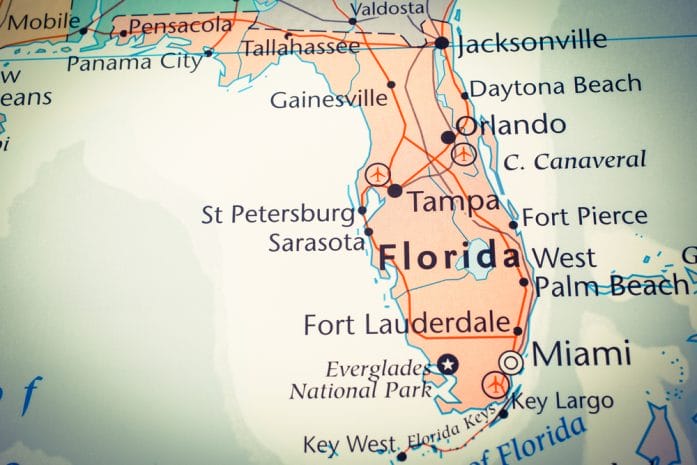
Florida’s insurance market has spent years feeling like one of those rides that climbs slowly, drops suddenly, and leaves you wondering why you ever got on in the first place. But for once, the latest twist is actually good news.

State Farm, one of the largest insurers in the country, has filed for a 10% rate reduction for Florida homeowners. Yes, you read that correctly: a reduction, not another increase. After years of rising premiums, shrinking options, and policyholders bracing for the next round of bad news, this filing feels like someone finally cracked open a window in a very stuffy room.

Why a Rate Reduction Is Even on the Table

For years, Florida’s insurance market has been defined by rising costs, insurer exits, and a steady stream of premium hikes. So why would State Farm suddenly decide it’s time to lower rates? The answer lies in a combination of improving financial conditions and recent legislative reforms aimed at stabilizing the market.

Over the past few years, Florida has implemented changes designed to reduce litigation, curb fraudulent claims, and create a more predictable environment for insurers. These reforms are starting to show results, and some companies—State Farm included—are seeing fewer losses and more stability. When an insurer’s financial outlook improves, rate reductions become possible. It’s a sign that the market may finally be inching toward balance after a long stretch of turbulence.

What a 10% Reduction Really Means for Homeowners

A 10% reduction may not sound dramatic at first glance, but in a state where premiums have climbed faster than almost anywhere else, even a modest decrease can feel like a breath of fresh air. For many homeowners, insurance costs have become one of the most unpredictable parts of their budget.

A reduction signals not just lower bills, but a potential shift in momentum. State Farm’s change could encourage other insurers to reevaluate their own rates, especially if they’re experiencing similar improvements in their financial performance. While no one should expect a sudden wave of dramatic cuts, even incremental relief can help homeowners regain a sense of control.

State Farm Files for 10% Rate Reduction in Florida After Years of Increases
Image source: shutterstock.com

The Role of Legislative Reforms in Shaping the Market

Florida’s insurance challenges didn’t appear overnight, and neither did the solutions. Over the past several years, lawmakers have passed reforms aimed at reducing excessive litigation, limiting assignment‑of‑benefits abuses, and encouraging insurers to remain in the state. These changes were designed to address long‑standing issues that contributed to rising premiums and insurer instability.

While the full impact of these reforms will take time to unfold, early indicators suggest they’re helping reduce losses and create a more sustainable environment. State Farm’s rate filing is one of the first major signs that the reforms may be working. For homeowners, this is a reminder that policy changes can have real, tangible effects on their monthly expenses.

Why State Farm’s Move Matters Beyond Its Own Customers

Even if you’re not insured with State Farm, this filing could still affect you. When a major insurer signals confidence in the market by lowering rates, it sends a message to competitors and regulators alike. Other companies may feel pressure to reassess their pricing, especially if they’ve been holding onto higher rates as a precaution.

A healthier market also attracts new insurers, which increases competition and gives homeowners more options. While no one should expect an overnight transformation, State Farm’s decision could be the first domino in a slow but meaningful shift toward a more stable and affordable insurance landscape.

What Homeowners Should Do While Waiting for Approval

Rate filings don’t take effect immediately. While the process unfolds, homeowners can take steps to position themselves for potential savings. Start by reviewing your current policy and checking whether you’re receiving all available discounts, such as wind mitigation credits or home safety upgrades.

It’s also a good time to compare quotes from multiple insurers, especially if you haven’t shopped around in a while. Even if State Farm’s reduction is approved, the best deal for your home may come from another company. Staying proactive ensures you’re ready to take advantage of any positive changes in the market.

A Glimpse of Relief in a Long Journey

A 10% rate reduction won’t solve every problem, but it represents something Florida homeowners haven’t seen in a long time: movement in the right direction. It’s a reminder that markets can recover, reforms can work, and insurers can shift from survival mode to stability. Whether you’re a State Farm customer or simply watching the market from the sidelines, this filing is worth keeping on your radar. It may be the first sign of a more balanced future—one where homeowners can breathe a little easier when renewal season rolls around.

What do you think this rate reduction signals for Florida’s insurance future? How are you feeling about your home insurance options in the Sunshine State?

You May Also Like…

Florida Homeowners Are Seeing Insurance Rates Decreasing In 2026

The Roof Age That Automatically Disqualifies Florida Homes From Coverage

Florida Homeowners See First Rate Decrease in 10 Years — Citizens Property Insurance Dropping Premiums 2.6%

The Home Insurance Review Clause That’s Triggering Surprise Policy Cancellations in 2026

Home Insurance: The Smart Way to Protect Your Home and Finances

Insurance Just Stopped Paying for These Routine Health Supplies — Check Your Plan Immediately

Brandon Marcus
Brandon Marcus

Brandon Marcus is a writer who has been sharing the written word since a very young age. His interests include sports, history, pop culture, and so much more. When he isn’t writing, he spends his time jogging, drinking coffee, or attempting to read a long book he may never complete.

Filed Under: Insurance Industry Tagged With: consumer finance, financial relief, Florida insurance, homeowners insurance, insurance market, insurance trends, property coverage, rate reduction, Real estate, State Farm, storm risk

Florida’s 3.35% Non-Renewal Rate: Why Hundreds of Thousands Lost Home Insurance Last Year

February 10, 2026 by Brandon Marcus Leave a Comment

Florida's 3.35% Non-Renewal Rate: Why Hundreds of Thousands Lost Home Insurance Last Year
Image source: shutterstock.com

Florida has never been a quiet place when it comes to insurance, but last year’s numbers felt like a jolt even by Florida standards. A 3.35% non-renewal rate may look small on paper, but in a state with millions of policies, that percentage translates into hundreds of thousands of homeowners suddenly left without coverage. It’s the kind of statistic that makes you stop mid-scroll and wonder how a market can change so dramatically in such a short time.

The reality is that Florida’s insurance landscape has been under pressure for years, and this latest wave of non-renewals is the clearest sign yet that the system is straining under the weight of rising risks and rising costs.

When Storm Damage Becomes a Financial Breaking Point

Florida’s weather has always been a character in its own story, but recent years have brought storms that leave insurers with staggering claim totals. According to an analysis of official NAIC data, Florida had the highest non-renewal rate in the nation, with 3.35% of homeowners dropped by their carriers, often after suffering severe storm damage.

Insurers don’t make these decisions lightly, but repeated large-scale losses can push companies to reassess their risk exposure. When storms become more frequent or more destructive, insurers face higher payouts, and some respond by tightening their underwriting standards. That means homeowners in high-risk areas may find themselves without coverage even if they’ve never filed a claim. For residents, this creates a frustrating cycle: the very storms that make insurance essential are the same storms making it harder to keep.

The Rising Cost of Rebuilding and Repairing

Insurance isn’t just about weather—it’s also about the cost of putting things back together. Construction prices have climbed sharply in recent years, driven by labor shortages, supply chain issues, and higher material costs. When the price of rebuilding a home rises, insurers must adjust their risk calculations to match the new reality. A claim that once cost tens of thousands can now cost significantly more, and that financial pressure trickles down into premiums, underwriting decisions, and ultimately non-renewals.

Homeowners may not see the behind-the-scenes math, but they feel the impact when their insurer decides the risk is no longer worth taking. If you’re a homeowner, reviewing your home’s replacement cost estimate each year can help you stay ahead of potential coverage gaps.

Florida's 3.35% Non-Renewal Rate: Why Hundreds of Thousands Lost Home Insurance Last Year
Image source: shutterstock.com

Fraud, Litigation, and the Legal Landscape

Florida’s insurance market has long been shaped by legal challenges, including high rates of litigation and fraud. While not every claim is problematic, the volume of lawsuits in the state has historically been far higher than the national average. This legal environment increases costs for insurers, who must account for the possibility of lengthy disputes even when claims are legitimate.

Over time, these added expenses contribute to higher premiums and more aggressive non-renewal strategies. Recent legislative reforms aim to reduce frivolous lawsuits and stabilize the market, but the effects will take time to fully materialize. Homeowners can help protect themselves by keeping detailed records of repairs, inspections, and communications with contractors.

Insurers Leaving or Shrinking Their Footprint

Another major factor behind the non-renewal wave is the number of insurers reducing their presence in Florida or exiting the state entirely. When companies decide the market is too risky, they stop writing new policies or decline to renew existing ones. This creates a domino effect: fewer insurers mean less competition, which leads to higher prices and fewer options for homeowners.

Some residents end up turning to Citizens Property Insurance Corporation, the state-backed insurer of last resort, which has seen its policy count grow significantly. While Citizens provides essential coverage, it’s not designed to be the primary insurer for such a large portion of the state. If you’re shopping for coverage, comparing quotes early and exploring multiple carriers can help you avoid last-minute scrambles.

The Impact on Everyday Homeowners

For the average homeowner, losing insurance isn’t just an inconvenience—it can jeopardize mortgages, delay repairs, and create financial uncertainty. Lenders require continuous coverage, so a non-renewal notice often triggers a frantic search for a new policy.

In some cases, homeowners may face premiums that are dramatically higher than what they previously paid, stretching budgets already under pressure. Others may struggle to find any insurer willing to take on their property, especially if it’s older or located in a high-risk zone. Staying proactive—by maintaining your home, updating your roof, and documenting improvements—can make you more appealing to insurers and reduce the likelihood of being dropped.

What Homeowners Can Do Moving Forward

While homeowners can’t control the weather or the broader insurance market, they can take steps to strengthen their position. Regular home maintenance, wind mitigation upgrades, and roof inspections can make a meaningful difference in how insurers view your property. Shopping around well before your renewal date gives you time to compare options and avoid rushed decisions.

Staying informed about legislative changes and market trends can also help you anticipate shifts before they hit your mailbox. And if you do receive a non-renewal notice, don’t panic—start gathering quotes immediately and consider speaking with an insurance agent who understands the nuances of Florida’s market.

A Market in Motion, and Homeowners Caught in the Middle

Florida’s 3.35% non-renewal rate is more than a statistic—it’s a snapshot of a market undergoing rapid transformation. Homeowners are navigating a landscape shaped by storms, rising costs, legal complexities, and shifting insurer strategies. While the challenges are real, understanding the forces at play can help you make smarter decisions and stay ahead of potential disruptions. The insurance market may continue to evolve, but informed homeowners can adapt right along with it.

What changes have you noticed in your home insurance situation over the past year? Give us your thoughts below.

You May Also Like…

Florida Homeowners Are Seeing Insurance Rates Decreasing In 2026

The Roof Age That Automatically Disqualifies Florida Homes From Coverage

Insurance Just Stopped Paying for These Routine Health Supplies — Check Your Plan Immediately

The Credit Score That Adds $2,000/Year to Florida Homeowner’s Insurance Premiums

Why South Carolina is Beating Florida in Retirement Relocation


Brandon Marcus
Brandon Marcus

Brandon Marcus is a writer who has been sharing the written word since a very young age. His interests include sports, history, pop culture, and so much more. When he isn’t writing, he spends his time jogging, drinking coffee, or attempting to read a long book he may never complete.

Filed Under: Insurance Tagged With: climate risk, Consumer Protection, Florida insurance crisis, Home insurance, homeowners, insurance market, insurance non-renewal, Planning, property coverage, Real estate, storm damage

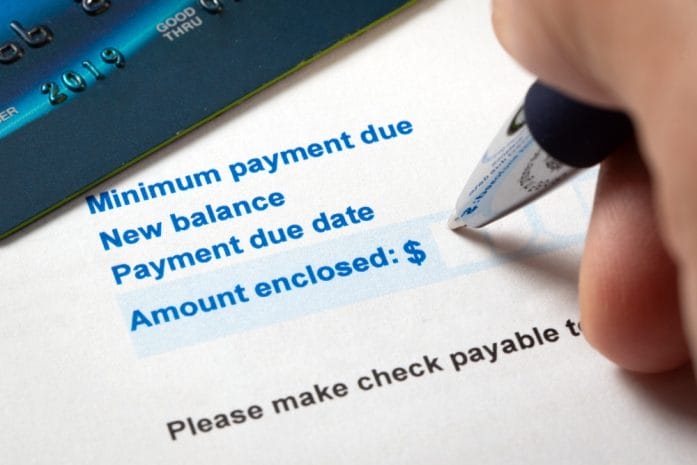
Repayment Assistance Plan Launches July 2026: New Income-Based Option for Borrowers

February 10, 2026 by Brandon Marcus Leave a Comment

Repayment Assistance Plan Launches July 2026: New Income-Based Option for Borrowers
Image source: shutterstock.com

Every once in a while, a policy change comes along that feels like someone finally noticed how complicated and stressful loan repayment can be. The Repayment Assistance Plan launching in July 2026 is one of those rare moments. It’s designed to give borrowers a clearer path forward, especially those whose payments feel like they’re competing with rent, groceries, and every other part of modern life that insists on being expensive.

Instead of relying on rigid payment structures, this new option adjusts what you owe based on your income, which means your monthly bill becomes something you can actually plan around. For anyone who’s ever stared at a loan statement and wondered how they’re supposed to make everything work, this plan could be a welcome shift toward stability.

A Fresh Take on Income-Based Repayment

Income-based repayment isn’t new, but the version arriving in 2026 aims to simplify the experience for borrowers who’ve struggled with confusing rules and inconsistent calculations. This plan ties your monthly payment directly to your income, creating a structure that adjusts as your financial situation changes.

Instead of feeling locked into a number that no longer fits your life, you’ll have a payment that moves with you. The goal is to make repayment more predictable and less overwhelming, especially for borrowers whose income fluctuates. If you’ve ever felt like your loan payment was designed without any awareness of your actual budget, this new approach may feel like a breath of fresh air.

Why July 2026 Matters for Borrowers

The launch date isn’t just a bureaucratic milestone—it gives borrowers time to prepare, compare options, and understand how this plan fits into their long-term financial goals. Many people rush into repayment choices without fully understanding how they’ll affect their budget years down the line.

With a clear timeline, borrowers can review their current repayment plan, estimate how their payments might change, and decide whether switching makes sense. It also gives financial counselors, loan servicers, and employers time to update their systems and provide accurate guidance. If you want to make the most informed decision possible, now is the perfect time to start gathering information.

How Payments Will Be Calculated Under the New Plan

One of the most important features of this plan is how it determines your monthly payment. Instead of using a one-size-fits-all formula, the calculation is based on your income. This means that if your income drops, your payment can adjust accordingly. What a relief.

The plan is designed to prevent borrowers from being overwhelmed by payments that no longer match their financial reality. It also encourages people to stay engaged with their loan servicer, since updating your information ensures your payment stays accurate.

Who Stands to Benefit the Most

While the plan is open to a wide range of borrowers, it’s especially helpful for people whose income doesn’t follow a predictable pattern. Young freelancers, gig workers, early-career professionals, and anyone navigating a major life transition may find that this plan offers more flexibility than traditional repayment options.

It’s also beneficial for borrowers carrying high balances relative to their income. The payment cap prevents monthly bills from becoming unmanageable. Even those who are currently comfortable with their payments may want to compare the long-term benefits. The key is understanding how the plan aligns with your goals, both now and in the future.

What Borrowers Should Do Before Enrollment Opens

Even though the plan doesn’t launch until July 2026, there’s plenty you can do now to prepare. Start by reviewing your current repayment plan. Check whether your income has changed since you last updated your information.

It’s also helpful to estimate what your payment might look like under an income-based structure. This can give you a clearer sense of whether switching makes sense. Borrowers should also keep an eye on official updates, since details about enrollment and eligibility may evolve as the launch date approaches.

Repayment Assistance Plan Launches July 2026: New Income-Based Option for Borrowers
Image source: shutterstock.com

How This Plan Fits Into the Bigger Picture of Borrower Relief

The Repayment Assistance Plan is part of a broader effort to make student loan repayment more manageable and more responsive to real-life financial challenges. Over the past several years, policymakers have focused on creating systems that reduce confusion. They have also worked to prevent delinquency and help borrowers stay on track.

This new plan reflects that shift by offering a structure that adapts to your circumstances rather than expecting you to adapt to it. While it won’t erase your balance or eliminate the need for careful budgeting, it does offer a more realistic path forward. For many borrowers, that alone can make a meaningful difference.

Moving Toward a More Manageable Future

The arrival of this plan signals a shift toward repayment options that feel more humane and more aligned with the financial realities people face today. By giving borrowers a payment structure that adjusts with them, the plan offers a sense of stability that’s been missing from the system for far too long. If you’re looking for a repayment option that feels like it was designed with real people in mind, this one is worth keeping on your radar.

What part of this upcoming repayment plan are you most curious about? Is it something you’re excited to try? Give us your thoughts in the comments.

You May Also Like…

The Student Loan Servicer Transfer That “Lost” Payments and Triggered Defaults

Student Loans Forgiven Are Now Taxable In 2026 — Set Money Aside for Tax Bills

Student Loan Interest Resumed August 2025 — Costing SAVE Borrowers $300/Month

The Income-Driven Repayment Plans That End July 1, 2028 Under New Law

Student Loan Default Crisis: Millions Of Borrowers Are Now Delinquent or in Default

Brandon Marcus
Brandon Marcus

Brandon Marcus is a writer who has been sharing the written word since a very young age. His interests include sports, history, pop culture, and so much more. When he isn’t writing, he spends his time jogging, drinking coffee, or attempting to read a long book he may never complete.
Filed Under: Lifestyle Tagged With: borrower relief, budgeting, debt planning, education costs, financial aid, income-based repayment, Life, Lifestyle, loan management, Personal Finance, repayment assistance, repayment options, student loans

The 60-Day Window to Contest Homeowner Cancellation Based on Satellite Images

February 9, 2026 by Brandon Marcus Leave a Comment

The 60-Day Window to Contest Homeowner Cancellation Based on Satellite Images
Image source: shutterstock.com

Homeowners insurance has always been a world of fine print, renewal notices, and the occasional surprise premium increase. But in recent years, a new twist has entered the picture — literally. Insurers are increasingly using satellite and aerial imagery to evaluate properties, sometimes without ever stepping foot on the ground.

These images can reveal roof wear, overgrown vegetation, debris, or structural concerns, and insurers are acting on them quickly. For many homeowners, the first sign of trouble is a cancellation or nonrenewal notice that seems to come out of nowhere. What most people don’t realize is that they have a powerful but time‑sensitive tool at their disposal: a 60‑day window to contest the decision. This is your tool, and weapon, to fight back.

When the Sky Becomes the Inspector

Satellite imagery has become one of the insurance industry’s favorite tools because it’s fast, inexpensive, and incredibly detailed. Instead of scheduling an in‑person inspection, insurers can review a property from above and flag anything that looks like a potential risk. This includes roof discoloration, missing shingles, moss growth, tree limbs hanging over the house, or even debris that suggests poor maintenance.

While the technology is impressive, it’s far from perfect. Shadows, seasonal changes, and image quality can all distort what’s actually happening on the ground. That’s why cancellation notices based on aerial photos often feel so shocking — homeowners may have no idea that something on their roof or property was flagged as a hazard. The good news is that insurers are required to give advance notice, and that notice triggers your opportunity to push back.

The 60-Day Countdown Starts With the Notice

There are many reasons why insurers may cancel a plan, but whenever they do so based on property condition, they must send a written notice explaining the reason. This notice typically arrives 30 to 60 days before the policy ends, depending on state regulations. The moment you receive it, the clock starts ticking.

Most states give homeowners a 60‑day window to contest the decision, provide evidence, or complete repairs that address the insurer’s concerns. This window is crucial because once it closes, the cancellation becomes final, and reinstating coverage becomes significantly harder. Acting quickly is essential. The sooner you gather information, schedule inspections, or document the true condition of your property, the stronger your case will be. Waiting until the last week rarely ends well, especially if repairs or professional evaluations are needed.

Understanding What the Insurer Saw

Before contesting a cancellation, you need to know exactly what triggered it. Insurers must provide a reason, but the explanation is often vague — something like “roof condition” or “vegetation hazard.”

You have the right to request the specific images or reports used to make the decision. This step is important because aerial photos can be misleading. Moss may look like structural damage, shadows may resemble missing shingles, and tree branches may appear closer to the roof than they actually are.

Once you have the images, compare them to the real‑world condition of your property. If the photos are outdated, unclear, or simply inaccurate, you have a strong basis for contesting the cancellation. Even if the issue is legitimate, understanding the insurer’s perspective helps you address it effectively.

The 60-Day Window to Contest Homeowner Cancellation Based on Satellite Images
Image source: shutterstock.com

How to Build a Strong Case Within the Window

Contesting a cancellation isn’t just about disagreeing with the insurer — it’s about presenting clear, credible evidence. Start by taking your own photos from multiple angles, including close‑ups of the areas in question. If the issue involves the roof, consider hiring a licensed roofer to perform an inspection and provide a written report. Professional documentation carries significant weight and can counteract assumptions made from aerial images.

If repairs are needed, schedule them immediately and keep receipts, invoices, and before‑and‑after photos. Many insurers will reinstate coverage if the homeowner demonstrates prompt action and provides proof that the issue has been resolved. The key is to communicate clearly, respond quickly, and provide organized documentation. Insurers are far more likely to reconsider when homeowners show initiative and evidence.

When the Insurer Won’t Budge

Even with strong evidence, some insurers may refuse to reverse a cancellation. In these cases, homeowners still have options. Many states allow consumers to file complaints with their insurance department, which can trigger a review of the insurer’s decision. Regulators may request additional information, evaluate whether the cancellation was justified, or require the insurer to reconsider if the decision violated state rules.

While this process doesn’t guarantee reinstatement, it can slow down the cancellation timeline and give homeowners more time to secure alternative coverage. If you must switch insurers, acting early gives you a better chance of finding a standard policy rather than relying on a last‑resort plan.

Staying Ahead of Future Aerial Reviews

The rise of satellite‑based inspections means homeowners need to think differently about property maintenance. Issues that once went unnoticed until an in‑person inspection may now be flagged months earlier from the sky. Regular roof cleaning, trimming overhanging branches, clearing debris, and documenting repairs can help you stay ahead of potential problems.

It’s also wise to keep records of any professional work done on your home, as this documentation can be invaluable if an insurer questions your property’s condition. While you can’t control when or how insurers use aerial imagery, you can control how prepared you are when they do.

Your Window of Opportunity Matters More Than Ever

The 60‑day window to contest a cancellation isn’t just a bureaucratic formality — it’s your chance to correct errors, provide evidence, and keep your insurance intact. As insurers rely more heavily on satellite images, misunderstandings and misinterpretations are becoming more common. Acting quickly, gathering documentation, and understanding your rights can make all the difference. Homeowners who respond promptly often succeed in reversing cancellations or securing better coverage. Those who wait risk losing their policy and facing higher costs or limited options.

What steps would you take if your insurer tried to cancel your policy based on aerial photos? Make sure that you share your tales and successes in the comments below.

You May Also Like…

Heritage Insurance Approved: 9.6% Premium Drop for Seminole County Homeowners

Top 3 Water Damage Claims Home Insurance Actually Covers

Florida Homeowners Are Seeing Insurance Rates Decreasing In 2026

The $2,000 Average National Homeowner Premium — Highest Share of Mortgage Payment Ever

Citizens Property Insurance Sees Sharp Drop in Policies — What It Means for Homeowners in 2026

Brandon Marcus
Brandon Marcus

Brandon Marcus is a writer who has been sharing the written word since a very young age. His interests include sports, history, pop culture, and so much more. When he isn’t writing, he spends his time jogging, drinking coffee, or attempting to read a long book he may never complete.

Filed Under: Insurance Tagged With: aerial imagery, Consumer Protection, home maintenance, homeowners insurance, insurance appeals, insurance cancellation, insurance rights, policy nonrenewal, property inspections, Real estate, satellite photos

  • « Previous Page
  • 1
  • …
  • 63
  • 64
  • 65
  • 66
  • 67
  • …
  • 100
  • Next Page »

Follow Us

Search this site:

Recent Posts

  • Can My Savings Account Affect My Financial Aid? by Tamila McDonald
  • 12 Ways Gen X’s Views Clash with Millennials… by Tamila McDonald
  • What Advantages and Disadvantages Are There To… by Jacob Sensiba
  • 10 Tactics for Building an Emergency Fund from Scratch by Vanessa Bermudez
  • Call 911: Go To the Emergency Room Immediately If… by Stephen Kanaval
  • 7 Weird Things You Can Sell Online by Tamila McDonald
  • 10 Scary Facts About DriveTime by Tamila McDonald

Copyright © 2026 · News Pro Theme on Genesis Framework