
• Home
  • About Us
  • Toolkit
  • Getting Finances Done
    • Hiring Advisors
    • Debt Management
    • Spending Plan
  • Insurance
    • Life Insurance
    • Health Insurance
    • Disability Insurance
    • Homeowners/Renters Insurance
  • Contact Us
  • Risk Tolerance Quiz
  • Our Editorial Commitment

The Free Financial Advisor

You are here: Home / Archives for insurance appeals

Why Medical Billing Disputes Can Raise Final Charges Instead of Lowering Them

February 16, 2026 by Brandon Marcus Leave a Comment

Why Medical Billing Disputes Can Raise Final Charges Instead of Lowering Them
Image source: shutterstock.com

A medical bill lands in your lap, you spot a charge that makes your eyebrows hit the ceiling, and you decide to fight it. That feels responsible. That feels smart. That feels like exactly what every consumer advocate on television tells you to do.

Yet in some cases, the moment you challenge a bill, the total climbs instead of drops. The logic seems upside down, but the mechanics behind medical billing create that risk. If you want to protect your wallet, you need to understand how a dispute can accidentally unlock higher charges, trigger reprocessing, or erase discounts you did not even realize you had.

When a Reprocessed Claim Rewrites the Numbers

Insurance companies process claims according to contracts they negotiate with providers. Those contracts dictate allowed amounts, write-offs, copays, deductibles, and coinsurance. When you dispute a charge and request a formal review, you often trigger a complete reprocessing of the claim. That reprocessing can alter the financial outcome.

For example, if a hospital initially coded a service in a way that qualified for a certain contractual discount, a deeper review may uncover additional billable components. Coding professionals follow strict guidelines from federal regulations when they assign billing codes. If a reviewer determines that documentation supports a more complex service level, the insurer may adjust the claim upward. That higher coding level can legally increase the total charge before insurance applies its share.

In other situations, a dispute can prompt the insurer to re-evaluate eligibility or coverage rules. If the insurer discovers that a deductible reset at the start of a new plan year or that a service applied differently under your specific policy, your responsibility may rise. The insurer does not punish you for speaking up; it simply recalculates based on policy terms and updated coding. Still, that recalculation can leave you with a bigger bill than the one that sparked your frustration in the first place.

Discounts Disappear When Accounts Shift Status

Hospitals and physician groups often apply prompt-pay discounts, financial assistance reductions, or informal courtesy adjustments when accounts remain in good standing. Once you formally dispute a bill or delay payment during a review, the account may shift into a different status in the provider’s billing system. That status change can suspend or remove certain discounts.

Many providers set internal policies that tie discounts to timely payment or to acceptance of the original balance. When a dispute stretches out for weeks or months, those systems may automatically retract early-pay reductions. If the dispute ultimately fails, the provider may reinstate the original balance without the earlier courtesy cut.

Financial assistance programs create another wrinkle. If you qualify for income-based support, the provider usually requires paperwork and approval before applying that discount. When you file a dispute instead of completing that application, you may miss the window for retroactive adjustment. The billing department then applies the standard patient-responsibility amount. You intended to lower your costs, but the sequence of actions actually removed the easiest path to a reduction.

Out-of-Network Surprises Lurk Behind Appeals

Network status drives a huge portion of medical billing math. Insurers negotiate lower rates with in-network providers. Out-of-network services often carry higher charges and expose you to balance billing, depending on federal and state rules such as the No Surprises Act.

If you dispute a charge and argue that a provider should have billed differently, you might prompt the insurer to review network classification. In rare but real scenarios, the insurer can determine that a service occurred out of network due to a specific specialist, lab, or subcontracted clinician. That finding can change the cost-sharing structure entirely.

None of this means you should avoid questioning network errors. It means you should understand the potential ripple effect before you escalate a dispute. Ask the billing office and insurer to explain how a reclassification might change your share of the cost before you request a formal appeal.

Coding Reviews Can Add Legitimate Charges

Medical coding does not operate on guesswork. Clinicians document the services they provide, and certified coders translate that documentation into standardized codes. If a bill looks too low or too simple for the complexity of care you received, you might think you caught an error in your favor. When you dispute a charge and request a review of documentation, you invite a full coding audit.

Audits sometimes reveal undercoding. Undercoding occurs when a provider bills for a lower level of service than the documentation supports. Compliance programs encourage providers to correct both undercoding and overcoding because federal regulations require accurate billing. When an audit identifies undercoded services, the provider may submit corrected claims with higher codes that match the documented care.

Insurers then process those corrected claims according to contract terms. If your deductible or coinsurance applies to those services, your portion can rise. You may feel blindsided because you expected the review to slash the balance, not elevate it. The increase does not stem from retaliation; it stems from documentation that supports a higher billable level of service.

Why Medical Billing Disputes Can Raise Final Charges Instead of Lowering Them
Image source: shutterstock.com

Collection Timelines and Interest Add Pressure

Disputes take time. While you and the insurer or provider exchange paperwork, the account clock continues to tick. Some providers pause collection activity during an active appeal, but others follow rigid timelines. If you do not communicate clearly and document your dispute in writing, the account may progress toward collections.

Once an account enters collections, additional fees can apply depending on the provider’s policies and state law. Interest may accrue on outstanding balances if the original agreement allows it. Even if you eventually win a partial reduction, you may face added costs from the delay itself.

Strategic Steps Before You File a Formal Dispute

You do not need to accept every charge blindly. You simply need a plan. Start with your explanation of benefits from your insurer. That document shows what the provider billed, what the insurer allowed, what the insurer paid, and what portion the insurer assigned to you. Many perceived errors turn out to be misunderstandings about deductibles or coinsurance.

Next, request an itemized bill from the provider. Review it carefully for duplicate charges, services you did not receive, or incorrect dates. Call the billing department and ask for clarification in calm, specific terms. You often resolve simple discrepancies through informal conversations without escalating to a formal appeal.

If the balance still feels wrong, contact your insurer to understand how a reprocessing could affect the claim. Ask directly whether a review might increase your responsibility. That question may feel uncomfortable, but it gives you information you need before you proceed.

Know the Rules Before You Swing

Medical billing disputes can absolutely correct errors and save money. They can also reopen claims, remove discounts, and trigger legitimate adjustments that increase your balance. The system runs on contracts, coding standards, and compliance rules that do not bend simply because a bill looks high.

Approach every dispute with a strategy instead of emotion. Gather documents, ask targeted questions, and evaluate how a reprocessing might change the numbers. Protect discounts by understanding their conditions. Document every interaction so you control the narrative if collections enter the picture.

Would you still dispute a medical bill if you knew it might increase the total, or would you take a different approach first? Tell your tale in our comments section below.

You May Also Like…

The Out-of-Network Lab Test That Can Bypass Surprise Billing Laws

Doctor Office Visits Still Excluded From Key Surprise Billing Protections

Ground Ambulance Bills Still Fall Outside Federal Surprise Billing Protections

Why More Americans Are Being Charged Fees They Never Explicitly Agreed To

Why Does Budgeting Feel More Emotional Than Logical

Brandon Marcus
Brandon Marcus

Brandon Marcus is a writer who has been sharing the written word since a very young age. His interests include sports, history, pop culture, and so much more. When he isn’t writing, he spends his time jogging, drinking coffee, or attempting to read a long book he may never complete.
Filed Under: Lifestyle Tagged With: billing disputes, healthcare consumer tips, healthcare costs, healthcare finance, hospital charges, insurance appeals, insurance claims, Life, lifetyle, medical billing, medical debt, patient advocacy, surprise medical bills

The 60-Day Window to Contest Homeowner Cancellation Based on Satellite Images

February 9, 2026 by Brandon Marcus Leave a Comment

The 60-Day Window to Contest Homeowner Cancellation Based on Satellite Images
Image source: shutterstock.com

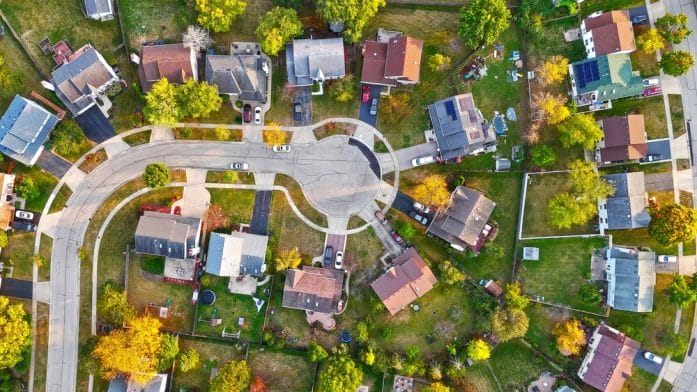
Homeowners insurance has always been a world of fine print, renewal notices, and the occasional surprise premium increase. But in recent years, a new twist has entered the picture — literally. Insurers are increasingly using satellite and aerial imagery to evaluate properties, sometimes without ever stepping foot on the ground.

These images can reveal roof wear, overgrown vegetation, debris, or structural concerns, and insurers are acting on them quickly. For many homeowners, the first sign of trouble is a cancellation or nonrenewal notice that seems to come out of nowhere. What most people don’t realize is that they have a powerful but time‑sensitive tool at their disposal: a 60‑day window to contest the decision. This is your tool, and weapon, to fight back.

When the Sky Becomes the Inspector

Satellite imagery has become one of the insurance industry’s favorite tools because it’s fast, inexpensive, and incredibly detailed. Instead of scheduling an in‑person inspection, insurers can review a property from above and flag anything that looks like a potential risk. This includes roof discoloration, missing shingles, moss growth, tree limbs hanging over the house, or even debris that suggests poor maintenance.

While the technology is impressive, it’s far from perfect. Shadows, seasonal changes, and image quality can all distort what’s actually happening on the ground. That’s why cancellation notices based on aerial photos often feel so shocking — homeowners may have no idea that something on their roof or property was flagged as a hazard. The good news is that insurers are required to give advance notice, and that notice triggers your opportunity to push back.

The 60-Day Countdown Starts With the Notice

There are many reasons why insurers may cancel a plan, but whenever they do so based on property condition, they must send a written notice explaining the reason. This notice typically arrives 30 to 60 days before the policy ends, depending on state regulations. The moment you receive it, the clock starts ticking.

Most states give homeowners a 60‑day window to contest the decision, provide evidence, or complete repairs that address the insurer’s concerns. This window is crucial because once it closes, the cancellation becomes final, and reinstating coverage becomes significantly harder. Acting quickly is essential. The sooner you gather information, schedule inspections, or document the true condition of your property, the stronger your case will be. Waiting until the last week rarely ends well, especially if repairs or professional evaluations are needed.

Understanding What the Insurer Saw

Before contesting a cancellation, you need to know exactly what triggered it. Insurers must provide a reason, but the explanation is often vague — something like “roof condition” or “vegetation hazard.”

You have the right to request the specific images or reports used to make the decision. This step is important because aerial photos can be misleading. Moss may look like structural damage, shadows may resemble missing shingles, and tree branches may appear closer to the roof than they actually are.

Once you have the images, compare them to the real‑world condition of your property. If the photos are outdated, unclear, or simply inaccurate, you have a strong basis for contesting the cancellation. Even if the issue is legitimate, understanding the insurer’s perspective helps you address it effectively.

The 60-Day Window to Contest Homeowner Cancellation Based on Satellite Images
Image source: shutterstock.com

How to Build a Strong Case Within the Window

Contesting a cancellation isn’t just about disagreeing with the insurer — it’s about presenting clear, credible evidence. Start by taking your own photos from multiple angles, including close‑ups of the areas in question. If the issue involves the roof, consider hiring a licensed roofer to perform an inspection and provide a written report. Professional documentation carries significant weight and can counteract assumptions made from aerial images.

If repairs are needed, schedule them immediately and keep receipts, invoices, and before‑and‑after photos. Many insurers will reinstate coverage if the homeowner demonstrates prompt action and provides proof that the issue has been resolved. The key is to communicate clearly, respond quickly, and provide organized documentation. Insurers are far more likely to reconsider when homeowners show initiative and evidence.

When the Insurer Won’t Budge

Even with strong evidence, some insurers may refuse to reverse a cancellation. In these cases, homeowners still have options. Many states allow consumers to file complaints with their insurance department, which can trigger a review of the insurer’s decision. Regulators may request additional information, evaluate whether the cancellation was justified, or require the insurer to reconsider if the decision violated state rules.

While this process doesn’t guarantee reinstatement, it can slow down the cancellation timeline and give homeowners more time to secure alternative coverage. If you must switch insurers, acting early gives you a better chance of finding a standard policy rather than relying on a last‑resort plan.

Staying Ahead of Future Aerial Reviews

The rise of satellite‑based inspections means homeowners need to think differently about property maintenance. Issues that once went unnoticed until an in‑person inspection may now be flagged months earlier from the sky. Regular roof cleaning, trimming overhanging branches, clearing debris, and documenting repairs can help you stay ahead of potential problems.

It’s also wise to keep records of any professional work done on your home, as this documentation can be invaluable if an insurer questions your property’s condition. While you can’t control when or how insurers use aerial imagery, you can control how prepared you are when they do.

Your Window of Opportunity Matters More Than Ever

The 60‑day window to contest a cancellation isn’t just a bureaucratic formality — it’s your chance to correct errors, provide evidence, and keep your insurance intact. As insurers rely more heavily on satellite images, misunderstandings and misinterpretations are becoming more common. Acting quickly, gathering documentation, and understanding your rights can make all the difference. Homeowners who respond promptly often succeed in reversing cancellations or securing better coverage. Those who wait risk losing their policy and facing higher costs or limited options.

What steps would you take if your insurer tried to cancel your policy based on aerial photos? Make sure that you share your tales and successes in the comments below.

You May Also Like…

Heritage Insurance Approved: 9.6% Premium Drop for Seminole County Homeowners

Top 3 Water Damage Claims Home Insurance Actually Covers

Florida Homeowners Are Seeing Insurance Rates Decreasing In 2026

The $2,000 Average National Homeowner Premium — Highest Share of Mortgage Payment Ever

Citizens Property Insurance Sees Sharp Drop in Policies — What It Means for Homeowners in 2026

Brandon Marcus
Brandon Marcus

Brandon Marcus is a writer who has been sharing the written word since a very young age. His interests include sports, history, pop culture, and so much more. When he isn’t writing, he spends his time jogging, drinking coffee, or attempting to read a long book he may never complete.

Filed Under: Insurance Tagged With: aerial imagery, Consumer Protection, home maintenance, homeowners insurance, insurance appeals, insurance cancellation, insurance rights, policy nonrenewal, property inspections, Real estate, satellite photos

FOLLOW US

Search this site:

Recent Posts

  • Can My Savings Account Affect My Financial Aid? by Tamila McDonald
  • 12 Ways Gen X’s Views Clash with Millennials… by Tamila McDonald
  • What Advantages and Disadvantages Are There To… by Jacob Sensiba
  • 10 Tactics for Building an Emergency Fund from Scratch by Vanessa Bermudez
  • Call 911: Go To the Emergency Room Immediately If… by Stephen Kanaval
  • 7 Weird Things You Can Sell Online by Tamila McDonald
  • 10 Scary Facts About DriveTime by Tamila McDonald

Copyright © 2026 · News Pro Theme on Genesis Framework