• Home
  • About Us
  • Toolkit
  • Getting Finances Done
    • Hiring Advisors
    • Debt Management
    • Spending Plan
  • Insurance
    • Life Insurance
    • Health Insurance
    • Disability Insurance
    • Homeowners/Renters Insurance
  • Contact Us
  • Privacy Policy
  • Risk Tolerance Quiz

The Free Financial Advisor

You are here: Home / Archives for storm damage

Florida’s 3.35% Non-Renewal Rate: Why Hundreds of Thousands Lost Home Insurance Last Year

February 10, 2026 by Brandon Marcus Leave a Comment

Florida's 3.35% Non-Renewal Rate: Why Hundreds of Thousands Lost Home Insurance Last Year

Image source: shutterstock.com

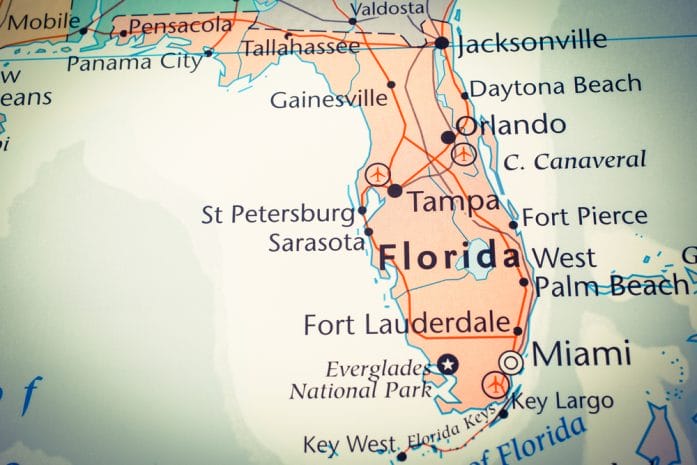
Florida has never been a quiet place when it comes to insurance, but last year’s numbers felt like a jolt even by Florida standards. A 3.35% non-renewal rate may look small on paper, but in a state with millions of policies, that percentage translates into hundreds of thousands of homeowners suddenly left without coverage. It’s the kind of statistic that makes you stop mid-scroll and wonder how a market can change so dramatically in such a short time.

The reality is that Florida’s insurance landscape has been under pressure for years, and this latest wave of non-renewals is the clearest sign yet that the system is straining under the weight of rising risks and rising costs.

When Storm Damage Becomes a Financial Breaking Point

Florida’s weather has always been a character in its own story, but recent years have brought storms that leave insurers with staggering claim totals. According to an analysis of official NAIC data, Florida had the highest non-renewal rate in the nation, with 3.35% of homeowners dropped by their carriers, often after suffering severe storm damage.

Insurers don’t make these decisions lightly, but repeated large-scale losses can push companies to reassess their risk exposure. When storms become more frequent or more destructive, insurers face higher payouts, and some respond by tightening their underwriting standards. That means homeowners in high-risk areas may find themselves without coverage even if they’ve never filed a claim. For residents, this creates a frustrating cycle: the very storms that make insurance essential are the same storms making it harder to keep.

The Rising Cost of Rebuilding and Repairing

Insurance isn’t just about weather—it’s also about the cost of putting things back together. Construction prices have climbed sharply in recent years, driven by labor shortages, supply chain issues, and higher material costs. When the price of rebuilding a home rises, insurers must adjust their risk calculations to match the new reality. A claim that once cost tens of thousands can now cost significantly more, and that financial pressure trickles down into premiums, underwriting decisions, and ultimately non-renewals.

Homeowners may not see the behind-the-scenes math, but they feel the impact when their insurer decides the risk is no longer worth taking. If you’re a homeowner, reviewing your home’s replacement cost estimate each year can help you stay ahead of potential coverage gaps.

Florida's 3.35% Non-Renewal Rate: Why Hundreds of Thousands Lost Home Insurance Last Year

Image source: shutterstock.com

Fraud, Litigation, and the Legal Landscape

Florida’s insurance market has long been shaped by legal challenges, including high rates of litigation and fraud. While not every claim is problematic, the volume of lawsuits in the state has historically been far higher than the national average. This legal environment increases costs for insurers, who must account for the possibility of lengthy disputes even when claims are legitimate.

Over time, these added expenses contribute to higher premiums and more aggressive non-renewal strategies. Recent legislative reforms aim to reduce frivolous lawsuits and stabilize the market, but the effects will take time to fully materialize. Homeowners can help protect themselves by keeping detailed records of repairs, inspections, and communications with contractors.

Insurers Leaving or Shrinking Their Footprint

Another major factor behind the non-renewal wave is the number of insurers reducing their presence in Florida or exiting the state entirely. When companies decide the market is too risky, they stop writing new policies or decline to renew existing ones. This creates a domino effect: fewer insurers mean less competition, which leads to higher prices and fewer options for homeowners.

Some residents end up turning to Citizens Property Insurance Corporation, the state-backed insurer of last resort, which has seen its policy count grow significantly. While Citizens provides essential coverage, it’s not designed to be the primary insurer for such a large portion of the state. If you’re shopping for coverage, comparing quotes early and exploring multiple carriers can help you avoid last-minute scrambles.

The Impact on Everyday Homeowners

For the average homeowner, losing insurance isn’t just an inconvenience—it can jeopardize mortgages, delay repairs, and create financial uncertainty. Lenders require continuous coverage, so a non-renewal notice often triggers a frantic search for a new policy.

In some cases, homeowners may face premiums that are dramatically higher than what they previously paid, stretching budgets already under pressure. Others may struggle to find any insurer willing to take on their property, especially if it’s older or located in a high-risk zone. Staying proactive—by maintaining your home, updating your roof, and documenting improvements—can make you more appealing to insurers and reduce the likelihood of being dropped.

What Homeowners Can Do Moving Forward

While homeowners can’t control the weather or the broader insurance market, they can take steps to strengthen their position. Regular home maintenance, wind mitigation upgrades, and roof inspections can make a meaningful difference in how insurers view your property. Shopping around well before your renewal date gives you time to compare options and avoid rushed decisions.

Staying informed about legislative changes and market trends can also help you anticipate shifts before they hit your mailbox. And if you do receive a non-renewal notice, don’t panic—start gathering quotes immediately and consider speaking with an insurance agent who understands the nuances of Florida’s market.

A Market in Motion, and Homeowners Caught in the Middle

Florida’s 3.35% non-renewal rate is more than a statistic—it’s a snapshot of a market undergoing rapid transformation. Homeowners are navigating a landscape shaped by storms, rising costs, legal complexities, and shifting insurer strategies. While the challenges are real, understanding the forces at play can help you make smarter decisions and stay ahead of potential disruptions. The insurance market may continue to evolve, but informed homeowners can adapt right along with it.

What changes have you noticed in your home insurance situation over the past year? Give us your thoughts below.

You May Also Like…

Florida Homeowners Are Seeing Insurance Rates Decreasing In 2026

The Roof Age That Automatically Disqualifies Florida Homes From Coverage

Insurance Just Stopped Paying for These Routine Health Supplies — Check Your Plan Immediately

The Credit Score That Adds $2,000/Year to Florida Homeowner’s Insurance Premiums

Why South Carolina is Beating Florida in Retirement Relocation


Brandon Marcus
Brandon Marcus

Brandon Marcus is a writer who has been sharing the written word since a very young age. His interests include sports, history, pop culture, and so much more. When he isn’t writing, he spends his time jogging, drinking coffee, or attempting to read a long book he may never complete.
Filed Under: Insurance Tagged With: climate risk, Consumer Protection, Florida insurance crisis, Home insurance, homeowners, insurance market, insurance non-renewal, Planning, property coverage, Real estate, storm damage

The “Act of God” Clause Insurance Companies Are Using to Reject Storm Damage Claims

October 28, 2025 by Travis Campbell Leave a Comment

Lightning

Image source: shutterstock.com

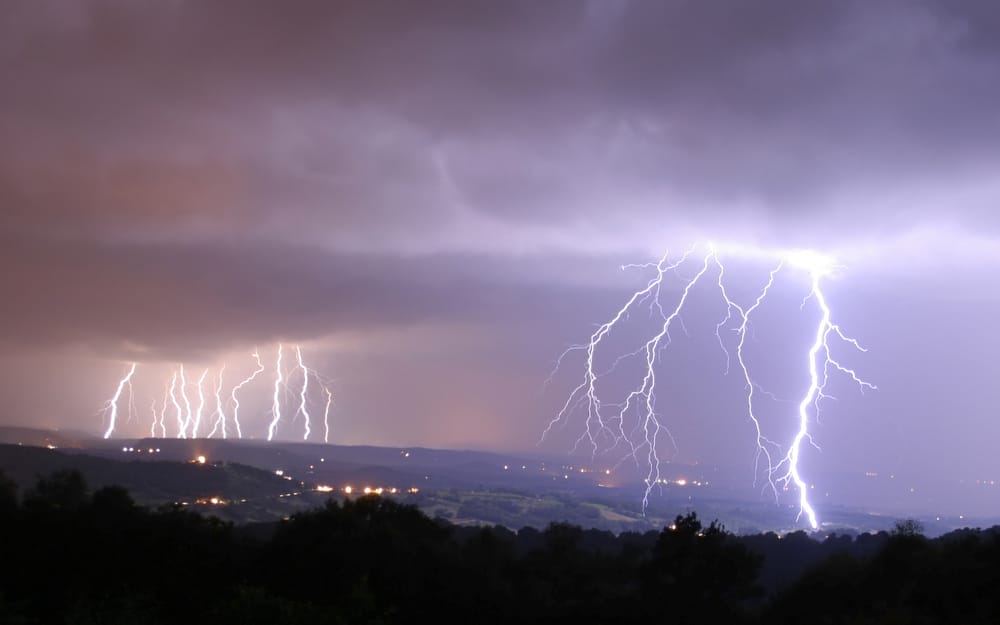
People seek assistance from their insurance providers after severe storms destroy their residential buildings and personal belongings. However, lately, more homeowners are having their claims denied because of a term hidden in their policy: the “Act of God” clause. Storm damage claimants who received a denial after their submission can find support in their situation. Insurance companies now use this clause to deny claims, resulting in financial difficulties for policyholders and dissatisfaction with insurance policies. The “Act of God” clause operates in a specific way, which you need to understand to manage your claims process better. To protect your home and finances, it’s essential to know what to look for and how to respond.

1. What Is the “Act of God” Clause?

The “Act of God” clause is a provision in many insurance policies that excludes coverage for events considered outside human control. Think earthquakes, hurricanes, tornadoes, or floods. These are natural disasters that insurers argue can’t be prevented or predicted. The primary SEO keyword for this article, “Act of God clause,” refers to these very situations.

Insurance companies include this language to limit their exposure to massive losses from catastrophic events. If a storm damages your roof, for example, your insurer might claim the damage was caused by an “Act of God” and deny your claim, even if you thought you were covered. The definition of what qualifies as an “Act of God” can be vague, and that’s where many disputes begin.

2. How Insurers Use the Act of God Clause to Deny Claims

Insurance companies are becoming more aggressive in using the Act of God clause to reject storm damage claims. After a major weather event, adjusters may inspect your property and decide the damage was caused by forces beyond anyone’s control. This gives them an opening to deny your claim, even if your policy includes coverage for wind or hail damage.

In some cases, insurers may argue that only certain types of storm damage are covered, while others fall under the Act of God clause. For example, they might cover wind damage but not flooding—even if both happened during the same storm. Policyholders are often left confused and frustrated, unsure of how to challenge the decision. If you find yourself in this situation, it’s important to review your policy and consider seeking help from a public adjuster.

3. The Fine Print: What Your Policy Really Says

Many people don’t read the details of their homeowners’ insurance policy until something goes wrong. The Act of God clause is often hidden in the exclusions or limitations section. It’s written in legal language that can be hard to interpret. Insurers rely on this confusion to limit payouts.

Take the time to review your policy’s definitions and exclusions. Some policies specifically name the events that are not covered. Others leave it open-ended, saying only that “unforeseeable acts of nature” are excluded. If the Act of God clause is vague, you may have room to argue your case. Keep copies of all correspondence with your insurer and document the damage thoroughly.

4. What Homeowners Can Do to Protect Themselves

Just because your claim was denied under the Act of God clause doesn’t mean you’re out of options. Start by asking your insurer for a detailed explanation of the denial. Request a copy of the adjuster’s report and compare it to your policy. Sometimes, claims are denied in error or because the insurer is betting you won’t push back.

If you believe your damage should be covered, consider filing an appeal. You can also contact your state’s insurance regulator to file a complaint. Some homeowners hire an independent adjuster to get a second opinion. In some cases, legal action may be necessary, but this should be a last resort. The key is to stay organized and persistent. Document every interaction, keep records, and don’t accept a denial without a fight.

5. Why the Act of God Clause Is Becoming More Common

Severe weather events are on the rise, and so are insurance claims. To limit losses, insurers are tightening policy language and relying more heavily on the Act of God clause. This shift helps them manage risk but puts more responsibility on homeowners to understand their coverage.

Some industry experts predict that as storms become more frequent, the use of the Act of God clause will continue to grow. This means more homeowners may face denied claims unless they take steps to protect themselves. If you live in an area prone to severe weather, review your policy every year and talk to your agent about what’s covered—and what isn’t.

Take Charge of Your Insurance Coverage

The Act of God clause serves as a significant obstacle for storm damage insurance claims but understanding it can help you defend your position. Don’t wait for a disaster to strike before familiarizing yourself with your policy. Review all the details and ask questions until you fully understand your insurance coverage for upcoming storms. If your claim is denied, don’t lose hope; there are ways to appeal and pursue a proper resolution.

Have you ever had a storm damage claim denied because of the Act of God clause? Share your experience or questions below. Your story could help others facing the same challenge.

What to Read Next…

  • What Insurance Fine Print Could Void Your Entire Claim
  • Top 3 Water Damage Claims Home Insurance Actually Covers
  • 7 Homeowner Insurance Exclusions That Void Entire Policies
  • The Insurance Clause That Could Nullify Your Entire Estate Plan
  • 8 Insurance Riders That Sound Helpful But Add No Value
Travis Campbell
Travis Campbell

Travis Campbell is a digital marketer/developer with over 10 years of experience and a writer for over 6 years. He holds a degree in E-commerce and likes to share life advice he’s learned over the years. Travis loves spending time on the golf course or at the gym when he’s not working.

Filed Under: Insurance Tagged With: Act of God clause, claims denial, Consumer Protection, homeowners insurance, Insurance, policy exclusions, storm damage

FOLLOW US

Search this site:

Recent Posts

  • Can My Savings Account Affect My Financial Aid? by Tamila McDonald
  • 12 Ways Gen X’s Views Clash with Millennials… by Tamila McDonald
  • What Advantages and Disadvantages Are There To… by Jacob Sensiba
  • Call 911: Go To the Emergency Room Immediately If… by Stephen Kanaval
  • 10 Tactics for Building an Emergency Fund from Scratch by Vanessa Bermudez
  • 7 Weird Things You Can Sell Online by Tamila McDonald
  • 10 Scary Facts About DriveTime by Tamila McDonald

Copyright © 2026 · News Pro Theme on Genesis Framework