• Home
  • About Us
  • Toolkit
  • Getting Finances Done
    • Hiring Advisors
    • Debt Management
    • Spending Plan
  • Insurance
    • Life Insurance
    • Health Insurance
    • Disability Insurance
    • Homeowners/Renters Insurance
  • Contact Us
  • Privacy Policy
  • Risk Tolerance Quiz

The Free Financial Advisor

You are here: Home / Archives for Insurance Industry

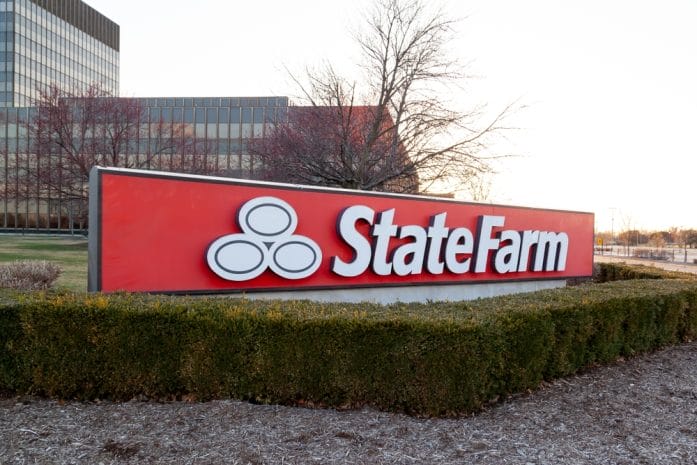
State Farm Files for 10% Rate Reduction in Florida After Years of Increases

February 10, 2026 by Brandon Marcus Leave a Comment

State Farm Files for 10% Rate Reduction in Florida After Years of Increases

Image source: shutterstock.com

Florida’s insurance market has spent years feeling like one of those rides that climbs slowly, drops suddenly, and leaves you wondering why you ever got on in the first place. But for once, the latest twist is actually good news.

State Farm, one of the largest insurers in the country, has filed for a 10% rate reduction for Florida homeowners. Yes, you read that correctly: a reduction, not another increase. After years of rising premiums, shrinking options, and policyholders bracing for the next round of bad news, this filing feels like someone finally cracked open a window in a very stuffy room.

Why a Rate Reduction Is Even on the Table

For years, Florida’s insurance market has been defined by rising costs, insurer exits, and a steady stream of premium hikes. So why would State Farm suddenly decide it’s time to lower rates? The answer lies in a combination of improving financial conditions and recent legislative reforms aimed at stabilizing the market.

Over the past few years, Florida has implemented changes designed to reduce litigation, curb fraudulent claims, and create a more predictable environment for insurers. These reforms are starting to show results, and some companies—State Farm included—are seeing fewer losses and more stability. When an insurer’s financial outlook improves, rate reductions become possible. It’s a sign that the market may finally be inching toward balance after a long stretch of turbulence.

What a 10% Reduction Really Means for Homeowners

A 10% reduction may not sound dramatic at first glance, but in a state where premiums have climbed faster than almost anywhere else, even a modest decrease can feel like a breath of fresh air. For many homeowners, insurance costs have become one of the most unpredictable parts of their budget.

A reduction signals not just lower bills, but a potential shift in momentum. State Farm’s change could encourage other insurers to reevaluate their own rates, especially if they’re experiencing similar improvements in their financial performance. While no one should expect a sudden wave of dramatic cuts, even incremental relief can help homeowners regain a sense of control.

State Farm Files for 10% Rate Reduction in Florida After Years of Increases

Image source: shutterstock.com

The Role of Legislative Reforms in Shaping the Market

Florida’s insurance challenges didn’t appear overnight, and neither did the solutions. Over the past several years, lawmakers have passed reforms aimed at reducing excessive litigation, limiting assignment‑of‑benefits abuses, and encouraging insurers to remain in the state. These changes were designed to address long‑standing issues that contributed to rising premiums and insurer instability.

While the full impact of these reforms will take time to unfold, early indicators suggest they’re helping reduce losses and create a more sustainable environment. State Farm’s rate filing is one of the first major signs that the reforms may be working. For homeowners, this is a reminder that policy changes can have real, tangible effects on their monthly expenses.

Why State Farm’s Move Matters Beyond Its Own Customers

Even if you’re not insured with State Farm, this filing could still affect you. When a major insurer signals confidence in the market by lowering rates, it sends a message to competitors and regulators alike. Other companies may feel pressure to reassess their pricing, especially if they’ve been holding onto higher rates as a precaution.

A healthier market also attracts new insurers, which increases competition and gives homeowners more options. While no one should expect an overnight transformation, State Farm’s decision could be the first domino in a slow but meaningful shift toward a more stable and affordable insurance landscape.

What Homeowners Should Do While Waiting for Approval

Rate filings don’t take effect immediately. While the process unfolds, homeowners can take steps to position themselves for potential savings. Start by reviewing your current policy and checking whether you’re receiving all available discounts, such as wind mitigation credits or home safety upgrades.

It’s also a good time to compare quotes from multiple insurers, especially if you haven’t shopped around in a while. Even if State Farm’s reduction is approved, the best deal for your home may come from another company. Staying proactive ensures you’re ready to take advantage of any positive changes in the market.

A Glimpse of Relief in a Long Journey

A 10% rate reduction won’t solve every problem, but it represents something Florida homeowners haven’t seen in a long time: movement in the right direction. It’s a reminder that markets can recover, reforms can work, and insurers can shift from survival mode to stability. Whether you’re a State Farm customer or simply watching the market from the sidelines, this filing is worth keeping on your radar. It may be the first sign of a more balanced future—one where homeowners can breathe a little easier when renewal season rolls around.

What do you think this rate reduction signals for Florida’s insurance future? How are you feeling about your home insurance options in the Sunshine State?

You May Also Like…

Florida Homeowners Are Seeing Insurance Rates Decreasing In 2026

The Roof Age That Automatically Disqualifies Florida Homes From Coverage

Florida Homeowners See First Rate Decrease in 10 Years — Citizens Property Insurance Dropping Premiums 2.6%

The Home Insurance Review Clause That’s Triggering Surprise Policy Cancellations in 2026

Home Insurance: The Smart Way to Protect Your Home and Finances

Insurance Just Stopped Paying for These Routine Health Supplies — Check Your Plan Immediately

Brandon Marcus
Brandon Marcus

Brandon Marcus is a writer who has been sharing the written word since a very young age. His interests include sports, history, pop culture, and so much more. When he isn’t writing, he spends his time jogging, drinking coffee, or attempting to read a long book he may never complete.


Filed Under: Insurance Industry Tagged With: consumer finance, financial relief, Florida insurance, homeowners insurance, insurance market, insurance trends, property coverage, rate reduction, Real estate, State Farm, storm risk

Rain, Snow, Fire: Bad Weather Is Changing the Insurance Industry

March 28, 2025 by Latrice Perez Leave a Comment

Bad Weather

Image Source: 123rf.com

The year 2025 has witnessed an unprecedented surge in severe weather events, fundamentally altering the landscape of the insurance industry. This article explores how extreme weather conditions are driving up premiums, causing record losses, and reshaping market dynamics. It examines the adjustments insurers are making to adapt to an era marked by uncertainty and environmental challenges. Read on to understand the profound impact of climate change on insurance practices.

Escalating Insurance Premiums

The increasing frequency and severity of natural disasters have forced insurers to raise property and casualty premiums, particularly in high-risk areas. Homeowners in states like Tennessee have seen significant premium hikes due to recent storms and tornadoes. These adjustments are a direct response to the escalating costs associated with higher claim volumes. Insurers are recalibrating risk models to better reflect the current climate realities. Consumers must now navigate a market where insurance is becoming an increasingly expensive necessity.

Record-Breaking Wildfire Losses

The raging flame of fire burn in the fields, forests and black thick acrid smoke. Big spring wildfire close-up.

Image Source: 123rf.com

Recent wildfires, particularly in Southern California, have led to record-breaking insured losses that exceed previous historical benchmarks. The devastation from these fires has strained insurers and forced a reevaluation of risk models. With losses projected to surpass $20 billion, the financial impact on the industry is immense. These events underscore the vulnerability of regions prone to wildfires and the need for improved preventive measures. The situation has sparked urgent discussions about better disaster management and policy structuring.

Increased Reinsurance Costs

Global reinsurers are now facing mounting losses as a result of climate change-induced disasters, driving up reinsurance costs. These increased costs are often passed down to consumers in the form of higher premiums. For example, the recent Los Angeles wildfires have had a noticeable impact on reinsurance rates. This ripple effect makes insurance less affordable for many policyholders. As a result, the overall landscape of insurance pricing is undergoing significant transformation.

Emergence of Insurance Deserts

In regions frequently affected by extreme weather, insurers are reassessing their willingness to provide coverage, leading to the emergence of so-called ‘insurance deserts.’ Homeowners in these high-risk areas may find it increasingly difficult to secure affordable coverage. This trend raises concerns about the accessibility of essential insurance for those most in need. The lack of available options can exacerbate the financial vulnerability of affected communities. Addressing this challenge requires coordinated efforts between regulators and insurers.

Regulatory Responses and Market Stabilization Efforts

In response to the volatile insurance landscape, lawmakers in various states are proposing measures to stabilize the market. Initiatives such as state-backed funds and regulatory reforms aim to keep insurance accessible and affordable. These efforts are designed to address the dual challenges of rising premiums and increasing claim volumes. Collaborative measures between the public and private sectors are essential for long-term market stability. Consumers and insurers alike are closely watching these regulatory developments for signs of relief.

The Weather Has Reshaped The Insurance Industry

The severe weather events of 2025 have reshaped the insurance industry in profound ways, from escalating premiums to the emergence of insurance deserts. As climate change continues to influence weather patterns, both insurers and consumers must adapt to a new financial reality. Proactive measures, improved risk assessments, and regulatory interventions are vital for navigating these changes. The evolving landscape calls for a reassessment of traditional insurance models.

How have recent weather challenges affected your insurance experience? Share your insights in the comments below!

Read More:

False Sense of Security: Why Relying Solely on a Fence Could Leave You Vulnerable

Think You’re Safe Without Flood Insurance? 7 Dangerous Lies Insurance Companies Tell

Latrice Perez

Latrice is a dedicated professional with a rich background in social work, complemented by an Associate Degree in the field. Her journey has been uniquely shaped by the rewarding experience of being a stay-at-home mom to her two children, aged 13 and 5. This role has not only been a testament to her commitment to family but has also provided her with invaluable life lessons and insights.

As a mother, Latrice has embraced the opportunity to educate her children on essential life skills, with a special focus on financial literacy, the nuances of life, and the importance of inner peace.

Filed Under: Insurance Industry Tagged With: climate change, Insurance, market trends, premium increases, risk assessment, severe weather

FOLLOW US

Search this site:

Recent Posts

  • Can My Savings Account Affect My Financial Aid? by Tamila McDonald
  • 12 Ways Gen X’s Views Clash with Millennials… by Tamila McDonald
  • What Advantages and Disadvantages Are There To… by Jacob Sensiba
  • Call 911: Go To the Emergency Room Immediately If… by Stephen Kanaval
  • 10 Tactics for Building an Emergency Fund from Scratch by Vanessa Bermudez
  • 7 Weird Things You Can Sell Online by Tamila McDonald
  • 10 Scary Facts About DriveTime by Tamila McDonald

Copyright © 2026 · News Pro Theme on Genesis Framework