• Home
  • About Us
  • Toolkit
  • Getting Finances Done
    • Hiring Advisors
    • Debt Management
    • Spending Plan
  • Insurance
    • Life Insurance
    • Health Insurance
    • Disability Insurance
    • Homeowners/Renters Insurance
  • Contact Us
  • Privacy Policy
  • Risk Tolerance Quiz

The Free Financial Advisor

You are here: Home / Archives for Brandon Marcus

Student Loan Interest Resumed August 2025 — Costing SAVE Borrowers $300/Month

February 4, 2026 by Brandon Marcus Leave a Comment

Student Loan Interest Resumed August 2025 — Costing SAVE Borrowers $300/Month

Image source: shutterstock.com

Imagine waking up to find that the student debt monster you thought was sleeping has started to stretch, yawn, and gobble up your financial future one dollar at a time.

That’s exactly what happened in August 2025 when interest resumed on federal student loans under the Saving on a Valuable Education (SAVE) plan — a move that could tack on roughly $300 or more to the monthly cost for millions of borrowers who had grown used to a 0% interest break.

This isn’t just a financial blip; it’s a shift that demands attention, strategy, and action if you want to keep your debt from snowballing out of control.

What Exactly Changed on August 1, 2025?

For quite a while, borrowers enrolled in the SAVE plan — an income-driven repayment program designed to make monthly payments more affordable — enjoyed a rare thing in the world of student loans: no interest while on administrative forbearance.

But on August 1, 2025, that interest pause ended, and interest began accruing on loan balances once again. No, you didn’t imagine it: the monster did wake up, and it woke up hungry for your money.

Your balance is quietly growing every single day. Interest isn’t retroactive, thankfully. However, going forward, it sticks to your principal like gum on a shoe. That means more to pay down later.

Why This Matters: The $300 Monthly Impact

Let’s talk numbers. Analysts estimate that the typical borrower under SAVE could see about $300 more in monthly costs as interest accrues on their loans. That’s a big chunk of change you might not have planned for. Over a year, that’s roughly $3,500 in added interest charges before you even pay a penny of principal. Suddenly that “manageable” debt feels a lot heavier.

Interest is compounding — which, in debt terms, is about as friendly as a porcupine in your backpack. Every dollar in interest that isn’t paid gets added to your principal balance, and then interest starts charging interest on that too. That can put you on a treadmill where the total amount you owe keeps creeping up even if you’re doing everything else right.

What This Means for Your Loan Balance (Spoiler: It Grows)

If your loan was enjoying the bliss of 0% interest forbearance, here’s the harsh reality: that party is officially over.

Beginning August 1, interest accrues daily on your outstanding principal, and the clock won’t stop.  Right now, borrowers are functionally in forbearance, not active repayment, meaning the usual SAVE benefits aren’t in play. So the interest you accrue now becomes interest you owe. In other words, it’s time to start paying because your financial situation will only get worse.

Options to Escape the Interest Boom (Yes, You Still Have Them)

All is not lost. You have choices that can help you manage this shift instead of letting it bury you.

Switch to another income-driven repayment plan like IBR or the upcoming Repayment Assistance Plan (RAP) to restart qualifying payments and avoid growing debt without direction. These plans calculate payments based on income and family size, though they might result in higher monthly amounts than you’re used to under SAVE.

Or you can pay the accruing interest now to prevent your balance from ballooning. This can be emotionally tough but financially smart.

Each option comes with tradeoffs — but taking no action is probably the most expensive one. So don’t wait until your balance feels unrecognizable.

Student Loan Interest Resumed August 2025 — Costing SAVE Borrowers $300/Month

Image source: shutterstock.com

Interest Isn’t Waiting — And Neither Should You

Interest resuming on SAVE loans isn’t just a footnote in the news — it’s a financial shift that could add roughly $300 (or more!) to what you need to solve each month. Whether you decide to switch repayment plans, make interest payments now, or tackle principal the moment you can, having a plan beats watching your balance balloon.

Ready to talk strategy? What’s your biggest worry about the return of interest — the growing balance, future payment amounts, or something completely different? Share your thoughts in the comments.

You May Also Like…

7 Million Student Loan Borrowers Must Switch Plans as SAVE Program Ends

The SAVE Plan Settlement: Why Pending Applications Were Just Denied

Student Loan Default Crisis: Millions Of Borrowers Are Now Delinquent or in Default

9 Outrageous Truths About Student Loan Interest

Could Student Loan Forgiveness End Up Costing Borrowers More Later?

Brandon Marcus
Brandon Marcus

Brandon Marcus is a writer who has been sharing the written word since a very young age. His interests include sports, history, pop culture, and so much more. When he isn’t writing, he spends his time jogging, drinking coffee, or attempting to read a long book he may never complete.


Filed Under: Lifestyle Tagged With: Debt Management, Education, Education Department, federal aid, income‑driven repayment, interest accrual, Life, Lifestyle, loan forgiveness, loan repayment, monthly payments, Personal Finance, Planning, SAVE Plan, student loans

6 Benefit Changes Taking Effect in 2026 That Reduce Monthly Support

February 4, 2026 by Brandon Marcus Leave a Comment

These Are 6 Benefit Changes Taking Effect in 2026 That Reduce Monthly Support

Image source: shutterstock.com

Imagine waking up, checking your bank account, and wondering why that familiar support check doesn’t stretch as far as it used to. If you’re someone who relies on government benefits—whether Social Security retirement income, food support, disability payments, or healthcare subsidies—some big changes are coming that could quietly nibble away at your monthly support.

This news isn’t meant to scare you, it’s meant to help prepare you. Keep reading for important information you’ll want to know, with a dash of clarity and yes, a little storytelling flare.

1. Social Security’s Cost-of-Living Adjustment Isn’t Enough After Medicare Premiums Bite Back

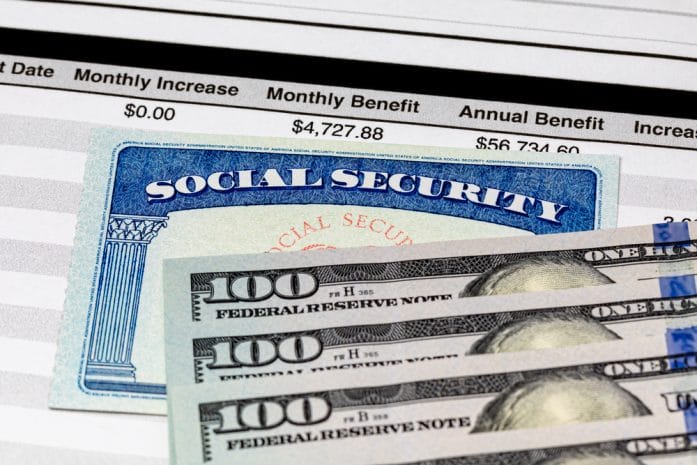
Each year, the Social Security Administration adjusts benefits to keep up with inflation, and in 2026 that adjustment—the so-called cost-of-living adjustment (COLA)—comes in at 2.8%. On paper, that sounds like a win, bumping the average monthly check up by roughly $56. But Medicare Part B premiums are rising sharply in 2026, around 10% to roughly $202.90 per month, and that increase is automatically deducted from Social Security checks for most beneficiaries.

So instead of feeling richer with that COLA bump, many folks end up with a net increase far smaller than expected—or in some cases, almost no extra spending money at all once healthcare costs are taken out. This is one of those changes where the numbers look good until you read the fine print and realize your actual take-home support is being squeezed.

2. SNAP Work Requirements Expand, Cutting Off Support for Many

Food assistance via the Supplemental Nutrition Assistance Program (SNAP) is a lifeline for millions of households. But in 2026, expanded work requirements are rolling out in more states, meaning that able-bodied adults without dependents must work, volunteer, or train for at least 80 hours per month to keep their benefits.

What does this mean in real life? If you live in a state that implements these rules and don’t meet the work or training requirements, your monthly SNAP support could dry up—even if you struggle with transportation, caregiving, health issues, or local job availability.

3. Earnings Limits That Can Reduce Social Security Checks Are Increasing—but Still Bite

If you’re claiming Social Security early and continue to work, the government uses an earnings test that can withhold part of your monthly benefit if your income exceeds certain limits. In 2026, these limits rise but the basic rule stays the same: earn too much and part of your check gets clipped.

That sounds straightforward but remember this isn’t a temporary freeze. Benefits withheld under the earnings test might be added back later, but short-term reductions in monthly support can still bite your everyday budget, especially if you count on that monthly check for current living costs.

4. Medicare Part B Premium Hikes Eat Into Your Disposable Dollars

Yes, we mentioned Medicare Part B earlier in relation to the COLA—because it’s hard to overstate how big a deal this is. In 2026, Part B premiums jump to their highest level yet, and for many people, that means a bigger automatic deduction from your monthly Social Security benefit.

For individuals with higher incomes, this surcharge can be even steeper thanks to the Income-Related Monthly Adjustment Amount (IRMAA), meaning the more you make, the more you could lose in support each month. It’s one thing to get a bigger sticker price on your Medicare card—another to see it reflected in less cash in your pocket.

These Are 6 Benefit Changes Taking Effect in 2026 That Reduce Monthly Support

Image source: shutterstock.com

5. Higher Income Could Mean Less Benefit Through Medicare Surcharges

Speaking of income: depending on what you earn, your Medicare premium could spike even more due to income-related adjustments, which then further reduces your monthly support. This isn’t a flat fee; it’s tied to your reported income from previous years, so smart tax planning and budgeting in advance could make a difference in what you net each month.

This kind of change doesn’t always get front-page attention, but it’s very real for the folks who suddenly find their benefit checks trimmed because their income nudged them into a higher premium bracket.

6. SSI and Related Monthly Support Face Stricter Income/Asset Rules

Supplemental Security Income (SSI) and similar need-based monthly supports already have strict income and asset limits. While COLA changes technically increase payments for SSI recipients, deductions like rising healthcare premiums or asset reclassification rules can offset any nominal increase, effectively reducing the support that shows up in your checking account.

Those on SSI still benefit from a COLA adjustment, but many people on tight budgets find that higher living costs fight right back against any nominal benefit increase, leaving them feeling like they have less breathing room each month.

What to Watch (and What You Can Do)

If you or someone you love relies on monthly support, 2026 is a year to be proactive. Review eligibility rules early, track your earnings if you work while collecting benefits, and pay attention to healthcare premium notices in the fall.

The good news? Knowledge is power: understanding how these changes interact—especially the pesky policy details—can help you preserve your support as much as possible.

Now we want to hear from you: Which of these 2026 benefit changes will affect your monthly support the most—and what are you doing to prepare? Share your experience or strategy in the comments section.

You May Also Like…

Charity Strategy: 9 Giving Moves That Bring Tax Benefits Many People Ignore

Is Your Social Security Spousal Benefit Getting Slashed Without You Realizing?

The Medicare Part B Increase That’s Reducing Social Security Checks By About $185/Month in 2026

The COLA Theft: Why Half of Your Social Security Raise Just Vanished into Medicare This Morning

8 Disqualifications That Keep Veterans From Getting the Benefits They Earned

Brandon Marcus
Brandon Marcus

Brandon Marcus is a writer who has been sharing the written word since a very young age. His interests include sports, history, pop culture, and so much more. When he isn’t writing, he spends his time jogging, drinking coffee, or attempting to read a long book he may never complete.

Filed Under: Lifestyle Tagged With: 2026 benefits, benefit cuts, benefits, cost-of-living adjustment, earnings limits, government policy, Life, Lifestyle, Medicare Part B increase, retirement income, SNAP work requirements, Social Security changes 2026, SSI changes

Why Good Credit (670–739 Score) Gets You 21%–24% APR in 2026

February 4, 2026 by Brandon Marcus Leave a Comment

Why Good Credit (670–739 Score) Gets You 21%–24% APR in 2026

Image source: shutterstock.com

You did everything right. You paid your bills on time. You kept your balances under control. You worked your way into the “good credit” range with a score between 670 and 739, expecting better rates, better offers, and better financial breathing room. And then 2026 shows up… and your APR offers land between 21% and 24%.

Here’s the truth most lenders won’t say out loud: “good credit” doesn’t mean “cheap money.” It means “less risky than average,” and in today’s financial environment, that distinction matters more than ever. This isn’t about you messing up — it’s about how modern lending, inflation pressure, and risk models collide in a world where money simply costs more to borrow.

The Economy Changed the Game, Not Your Credit Score

APR doesn’t exist in a vacuum. It’s tied to broader interest rates, inflation trends, and how expensive it is for lenders themselves to access capital. When base rates stay elevated, everything built on top of them rises too, including credit card APRs, personal loan rates, and revolving credit costs.

In 2026, lenders aren’t pricing loans based on how responsible you feel, they’re pricing them based on systemic risk and funding costs. Even borrowers with solid histories now live in a higher-rate ecosystem where “cheap debt” is no longer the default. A 670–739 score still signals reliability, but it doesn’t override macroeconomic reality.

Risk Models Don’t See “Good,” They See “Probability”

Lenders don’t think in emotional categories like “good” or “bad.” They think in probabilities, data sets, and default risk curves. A 670–739 score still statistically carries more risk than a 760+ borrower, even if you’re financially responsible in real life.

That gap matters because lending algorithms price risk in percentages, not personalities. You might be a stable earner with great habits, but models look at aggregated behavior across millions of borrowers. If people in your score range default more often during economic pressure cycles, rates rise accordingly.

“Good Credit” Is a Marketing Term, Not a Pricing Tier

Always remember that credit categories are designed for consumers, not for lenders. Labels like “fair,” “good,” and “excellent” simplify complexity, but lenders use internal tiers that are far more granular. Your 710 score might look great on an app, but in underwriting systems, it’s often grouped into mid-risk pricing brackets.

That’s why you can work hard for “good credit” and still see 22% APR offers. From a lender’s perspective, the premium rates are attached to ultra-low-risk profiles — long credit history, high income stability, low utilization, diverse credit mix, and top-tier scores. Everyone else pays the risk tax. The label feels flattering, but the pricing tells the real story.

Inflation Didn’t Just Raise Prices — It Repriced Borrowing

Inflation doesn’t just hit groceries and rent, it changes the entire cost structure of money. When inflation stays elevated, lenders build protection into their APRs to preserve profitability and manage default exposure.

Therefore, even responsible borrowers feel squeezed. In 2026, APR inflation is less about borrower behavior and more about systemic financial caution. The lending industry is in defensive mode, and “good credit” borrowers are no longer shielded the way they once were.

Why 21%–24% APR Is the New “Normal Good”

A decade ago, 21% APR felt punitive. Today, it’s increasingly standard for mid-tier borrowers. Lenders know demand for credit still exists, even at higher rates, and consumer borrowing behavior hasn’t slowed enough to force widespread repricing.

As long as people keep using credit, offers stay elevated. The system responds to behavior, not outrage. And because most borrowers in the 670–739 range still qualify — even at higher rates — the pricing structure holds. Accessibility doesn’t equal affordability, and that gap defines modern credit markets.

Smart Borrower Moves in a High-APR World

If 21%–24% APR is the environment, strategy matters more than ever. Carrying balances becomes expensive fast, so utilization discipline isn’t optional anymore. Paying your statements in full, avoiding long-term revolving debt, and using credit cards as tools instead of funding sources becomes crucial.

It also means shopping aggressively for offers, using pre-qualification tools, and leveraging competition between lenders. Credit unions, relationship banking, and secured products often offer better terms than national issuers. You’re not powerless, but you do need to be intentional.

Why Good Credit (670–739 Score) Gets You 21%–24% APR in 2026

Image source: shutterstock.com

The Emotional Side of “Good Credit” in 2026

There’s a psychological hit that comes with doing everything right and still feeling punished by the system. That frustration is real. The promise of credit scoring was fairness: better behavior equals better outcomes. But modern lending blends behavior with macroeconomics, and the result feels less personal and more mechanical.

Understanding that shift matters, because it reframes the story. You didn’t fail. The system evolved. And adapting to it means changing expectations, not just chasing numbers. Financial literacy now includes understanding the environment, not just your score.

Good Credit Still Matters — Just Not the Way You Think It Does

Good credit in 2026 doesn’t buy you low rates — it buys you entry into the system. And that distinction changes everything. APRs are shaped by economic forces bigger than any single borrower, but smart decisions still shape outcomes.

Give us your thoughts! Should “good credit” still mean affordable credit, or is the entire system due for a rethink? Drop your thoughts in the comments, and let’s talk about it.

You May Also Like…

The Credit Score That Adds $2,000/Year to Florida Homeowner’s Insurance Premiums

The Quiet Credit Score Rule Change That’s Raising Borrowing Costs for Older Americans

Why Credit Card APRs Only Dropped 0.35% Even After Three Fed Rate Cuts in 2025

Why Major Banks Are Quietly Lowering Credit Limits for Customers With Holiday Debt

Retail Store Credit Cards Now Charging 30% APR on Average

Brandon Marcus
Brandon Marcus

Brandon Marcus is a writer who has been sharing the written word since a very young age. His interests include sports, history, pop culture, and so much more. When he isn’t writing, he spends his time jogging, drinking coffee, or attempting to read a long book he may never complete.

Filed Under: credit score Tagged With: APR, borrowing, credit cards, credit health, credit score, debt strategy, financial literacy, interest rates 2026, loans, money tips, Personal Finance

The Drone Inspection Finding That’s Triggering Homeowner Policy Cancellations

February 4, 2026 by Brandon Marcus Leave a Comment

The Drone Inspection Finding That's Triggering Homeowner Policy Cancellations

Image source: shutterstock.com

It used to take a ladder, a clipboard, and a very brave insurance inspector to assess your roof. Now? It takes a drone, a high-resolution camera, and about ten minutes of flight time. And that quiet little technological upgrade is creating very loud consequences for homeowners everywhere.

Insurance companies are increasingly using drone inspections to evaluate properties, and one specific finding is quietly triggering policy cancellations, non-renewals, and coverage denials—often without homeowners ever seeing it coming.

The Roof Issue Drones Are Exposing That Homeowners Rarely See

The most common red flag drones are identifying isn’t dramatic storm damage or missing chunks of roof. It’s something far sneakier: deteriorating shingles, soft spots, granular loss, and structural roof wear that’s invisible from the yard but crystal clear from above.

Insurance companies don’t see this as cosmetic. They see it as a future claims risk. A roof that looks “fine” from the street can look like a liability from 60 feet in the air. Even minor deterioration signals increased chances of water intrusion, mold, structural damage, and storm vulnerability. From an underwriting perspective, that’s not a “maybe problem,” that’s a “future payout” problem.

Why Insurance Companies Are Leaning Hard Into Drone Inspections

This shift isn’t random. Drone inspections are cheaper, faster, safer, and more consistent than human inspections. No climbing, no liability risk, no scheduling delays, and no subjective judgment calls. Insurers get standardized imagery, AI-assisted analysis, and digital records that integrate directly into risk models.

From a business standpoint, it’s a no-brainer. Drones can inspect thousands of properties quickly, especially after storms, natural disasters, or policy renewals. Instead of inspecting only high-risk properties, companies can now inspect almost everything. That means more data, more scrutiny, and more reasons to reclassify risk.

Drones Triggering Non-Renewals

This common trigger isn’t catastrophic damage, it’s roof aging and material degradation. That includes worn shingles, brittle materials, exposed underlayment, patchwork repairs, curling edges, granule loss, and uneven wear patterns. These signs suggest a roof that’s nearing the end of its functional lifespan, even if it isn’t leaking yet.

Drones also identify moisture retention zones, algae and moss growth patterns, and structural sagging that indicate water infiltration risks. These aren’t dramatic visuals, but they’re statistically powerful predictors of claims. In insurance language, this falls under “deferred maintenance risk.”

The Drone Inspection Finding That's Triggering Homeowner Policy Cancellations

Image source: shutterstock.com

Why Homeowners Feel Blindsided by the Process

Homeowners think insurance reacts to damage. Insurers now react to probability. That’s a fundamental mindset shift. People expect inspections after claims, not before renewals. They expect notice, not silent evaluations.

Because drone inspections don’t require homeowner presence, people often don’t know they happened. No knock at the door or appointment request. No explanation. Just a data update in an insurance system that changes your risk profile overnight.

What Homeowners Can Do to Protect Themselves

Don’t wait for your insurer to find the problem. Proactive roof inspections matter more than ever. A professional inspection every few years isn’t just maintenance—it’s insurance protection. Documentation matters. If your roof is in good condition, proof helps.

Maintenance is now a financial strategy, not just a homeownership habit. Small repairs prevent big red flags. Cleaning debris, addressing algae growth, replacing damaged shingles, and fixing flashing issues can materially change how your roof appears in aerial imaging.

Also, understand your policy language. Many policies allow cancellation or non-renewal based on “property condition risk.” That language gives insurers broad discretion. Knowing that helps you act before you’re forced to react.

The Wake-Up Call Hidden in the Sky

Drones are revealing problems that were always there, just out of sight and out of mind. The real danger isn’t inspection technology; it’s the assumption that “no visible damage” equals “no risk.” That belief doesn’t hold up in a world of aerial imaging, predictive analytics, and algorithm-driven underwriting.

For homeowners, this is a mindset shift moment. Insurance isn’t just protection anymore—it’s a data relationship. The better your property looks to technology, the safer you are financially.

The sky isn’t falling—but the sky is watching.

Should insurance companies be allowed to cancel policies based on drone inspections that homeowners never knew happened? Give us your thoughts in the comments.

You May Also Like…

Why Major Insurers Are Quietly Canceling 2026 Policies Using Satellite Photos

Why Are So Many DIY Projects Actually Illegal in Your County?

California’s Insurance Cancellation Crisis: 3.18% of Homeowners Lost Coverage in 2024

7 Ways Your Neighbor Could Be Spying on You Without Breaking the Law

The Credit Score That Adds $2,000/Year to Florida Homeowner’s Insurance Premiums

Brandon Marcus
Brandon Marcus

Brandon Marcus is a writer who has been sharing the written word since a very young age. His interests include sports, history, pop culture, and so much more. When he isn’t writing, he spends his time jogging, drinking coffee, or attempting to read a long book he may never complete.

Filed Under: Insurance Tagged With: drone inspections, Home insurance, home protection, homeowner insurance, homeowners, homeownership, insurance cancellations, insurance underwriting, property insurance, risk assessment, roof damage, roof maintenance, smart home tech

American Express Platinum Fee Increases From $695 to $895

February 4, 2026 by Brandon Marcus Leave a Comment

American Express Platinum Fee Increases From $695 to $895 in 2025

Image source: shutterstock.com

Brace yourself—the American Express Platinum Card, the shiny prize of premium travel cards, just cranked its annual fee up a whopping $200, from $695 to $895.

Yep, that’s no typo. Nearly a third more to carry this status symbol in your wallet. But before you gasp into your latte, let’s unpack what’s behind this move and what it might mean for you. Whether you’re a devoted cardholder, a travel addict, or just credit card curious, it’s time to see if the math still adds up.

Why the Fee Jump Feels Like a Rollercoaster Ride

The $200 fee increase, which kicks in starting with renewals on or after January 2, 2026 for consumer cards and December 2, 2025 for business cards, isn’t just about collecting more dollars. American Express has simultaneously overhauled the Platinum Card with fresh benefits, expanded credits, and even a shiny new “mirror” card design to boot — think glossier and more eye-catching than ever.

It’s the first major annual fee bump in years, and it’s paired with a strategy to make the card feel worth the splurge. With travel roaring back and card issuers battling for attention, Amex isn’t afraid to double down on luxury. But that also means cardholders are asking an age-old question: Is the platinum status still worth the price tag?

What You’re Getting (and Why It Matters)

Here’s where things get fun. The new Platinum isn’t just the old card with a heftier price tag. It’s more like your favorite airline lounge — the kind where the champagne is free and someone hands you a warm towel as you sit down. The revamped Platinum now offers more than $3,500 in potential annual value thanks to a buffet of credits and perks across travel, dining, lifestyle, and entertainment categories.

Take hotel credits, for example: up to $600 a year in statement credits on prepaid Fine Hotels + Resorts or The Hotel Collection bookings. Combine that with up to $400 in Resy dining credits, a $300 digital entertainment credit, $120 for Uber One membership, and a $200 credit toward an ŌURA ring purchase, and the benefits start to stack impressively.

American Express Platinum Fee Increases From $695 to $895 in 2025

Image source: shutterstock.com

Crunching the Math: Is It Still Worth It?

Here’s the part where we put our financial goggles on and do a little math. Yes, the card claims up to $3,500 in value — but that’s only if you tap every credit and perk throughout the year, and if those perks align with your lifestyle. Not everyone travels enough to use hotel credits fully, and not everyone subscribes to the digital services included in the entertainment credit.

If you regularly stay in hotels that qualify for Fine Hotels + Resorts credits, fly a handful of times a year, and enjoy dining experiences that match up with your Resy credits, you might end up folding the fee into the value you receive, almost without noticing.

But if your lifestyle is more sofa, less lounge, you might find that the fee feels like a heavier toll on your wallet. Before committing to this card, you have to ask yourself what sort of lifestyle you want.

Your Platinum Passport: Worth the Price of Entry?

If you’re the sort of person who lives for travel perks, lounges, and maximizing every credit offered by your financial products, the jump from $695 to $895 might feel like moving from coach to business class — a bit pricier, but with a lot more comforts. If you’re more of a casual user, this could be the perfect moment to reassess whether the Platinum Card still suits your lifestyle. Whatever path you choose, being informed and intentional about your financial tools always pays off in the end.

What do you think? Will you pay the higher fee and embrace the new Platinum perks, or is it time to explore other cards? Let us know in the comments.

You May Also Like…

10 Signs You’re Actually Having A Harder Time Than Most Americans

Retail Store Credit Cards Now Charging 30% APR on Average

Why Credit Card APRs Only Dropped 0.35% Even After Three Fed Rate Cuts in 2025

8 Times “0% Interest” Credit Cards Turn Into Financial Traps

7 Best Practices for Using Credit Cards Like the Rich Do

Brandon Marcus
Brandon Marcus

Brandon Marcus is a writer who has been sharing the written word since a very young age. His interests include sports, history, pop culture, and so much more. When he isn’t writing, he spends his time jogging, drinking coffee, or attempting to read a long book he may never complete.

Filed Under: credit cards Tagged With: airline lounge access, American Express Platinum, Amex Platinum 2025, credit, credit card annual fee, credit card perks, credit cards, credit score, hotel credits, Personal Finance, premium credit cards, rewards cards, travel rewards

7 Million Student Loan Borrowers Must Switch Plans as SAVE Program Ends

February 3, 2026 by Brandon Marcus Leave a Comment

7 Million Student Loan Borrowers Must Switch Plans as SAVE Program Ends

Image source: shutterstock.com

So, you’ve been cruising through your student loan repayment journey on the SAVE plan — the cushy, income-driven setup that kept your payments low and forgiveness goals in sight. Then reality hits. That safety net is being pulled away, and up to 7 million borrowers are suddenly on the clock to change course before the financial ground shifts beneath their feet.

If that sounds like a plot twist you didn’t sign up for, you’re not alone. But don’t panic. This moment doesn’t have to mean chaos — it can mean clarity, strategy, and smarter choices if you understand what’s happening and act intentionally. Whether you’re fresh out of school, deep into repayment, or counting the months toward forgiveness, the end of the SAVE program is something you need to understand — and prepare for.

Why the SAVE Plan Is Ending — And What That Really Means

The SAVE (Saving on a Valuable Education) plan quickly became a favorite for borrowers. It lowered monthly payments based on income and created a smoother path toward loan forgiveness. For many people, it wasn’t just a repayment plan — it was financial breathing room. But legal challenges and court rulings have changed its future. A proposed settlement involving the U.S. Department of Education is set to formally end the program, block new enrollments, deny pending applications, and transition current borrowers into other repayment options.

For millions of people, this isn’t just a bureaucratic change — it’s a shift in financial reality. The plan you assumed you’d be on for years may no longer exist at all.

Where You Can Move Your Loans Next

Here’s the good news: the end of SAVE doesn’t mean you’re out of options. Federal borrowers still have access to other income-driven repayment plans. A new option called the Repayment Assistance Plan (RAP) is expected to launch in 2026 and will eventually replace several existing plans.

But this is where strategy matters. Not all repayment plans are created equal. Some plans keep payments low but extend repayment timelines. Others shorten timelines but raise monthly costs. And if you do nothing, there’s a real chance you could be moved into a standard repayment plan that doesn’t adjust for income.

The biggest mistake borrowers can make right now is assuming the system will automatically move them into the best option for their situation. It won’t. If you want affordability, forgiveness eligibility, and long-term flexibility, you’ll need to make that choice intentionally.

When You’ll Need to Act (And Why Waiting Could Cost You)

One of the most stressful parts of this transition is the uncertainty around timing. While the settlement still requires court approval, the Department of Education has already made it clear that SAVE is on its way out. Most borrowers will be notified with instructions in the coming months. Most projections point toward early to mid-2026 as the period when large-scale transitions will occur, especially as new repayment systems begin rolling out.

Waiting comes with risks. Interest has already resumed on many loans that were placed into administrative forbearance, meaning balances can grow even while borrowers aren’t making payments. At the same time, loan servicers are facing the reality of processing millions of plan changes. Experts have warned that if too many borrowers wait until the last minute, application backlogs could stretch for months — or even years.

This creates a dangerous combination of rising balances, delayed processing, and financial uncertainty. Acting earlier doesn’t just give you peace of mind — it gives you leverage, flexibility, and options when the system becomes overwhelmed.

What You Should Do Next

The smartest thing you can do right now is get informed and proactive. Log into your Federal Student Aid account and confirm your current loan status, repayment plan, and whether you’re in forbearance or active repayment. Use the federal loan simulator tools to compare how different repayment plans would affect your monthly payments, total interest, and forgiveness timelines.

If your priority is affordability and long-term forgiveness, switching to a qualifying income-driven repayment plan sooner rather than later may protect you from payment shocks and processing delays. Waiting until changes are forced on you increases the risk of mistakes, delays, and lost progress.

Most importantly, don’t treat this as a passive change. This is one of those moments where being proactive can literally save you thousands of dollars over the life of your loans.

7 Million Student Loan Borrowers Must Switch Plans as SAVE Program Ends

Image source: shutterstock.com

This Shift Is Inevitable — But Financial Chaos Isn’t

The end of the SAVE program isn’t just a policy update — it’s a turning point for millions of borrowers. But it doesn’t have to be a financial disaster. With the right information, the right timing, and the right strategy, this transition can become an opportunity to reset your repayment path in a way that actually works for your life, your income, and your future goals.

The system is changing whether we like it or not. But how it affects you is something you still have control over.

So what’s your plan? Wait it out and hope for the best, or take the reins and choose your next move on your terms? Share your thoughts, concerns, and strategies in the comments because your story might help someone else navigate this change too.

You May Also Like…

The SAVE Plan Settlement: Why Pending Applications Were Just Denied

The Estate Planning Shortcut That Saves Time but Costs Families More in the Long Run

Student Loan Wage Garnishment Could Return After 5-Year Pause — 15% of Paychecks at Risk

Will I Ever Be Able to Afford a House With My Current Student Loan Burden?

9 Outrageous Truths About Student Loan Interest

Brandon Marcus
Brandon Marcus

Brandon Marcus is a writer who has been sharing the written word since a very young age. His interests include sports, history, pop culture, and so much more. When he isn’t writing, he spends his time jogging, drinking coffee, or attempting to read a long book he may never complete.

Filed Under: Lifestyle Tagged With: borrower tips, federal loans, IBR, income‑driven repayment, Life, Lifestyle, loan forgiveness, RAP, repayment plans, SAVE Plan, SAVE program ending, student debt, student loans, U.S. Department of Education

The Single Late Payment That Raises APR to 29.99% Permanently at Discover

February 3, 2026 by Brandon Marcus Leave a Comment

The Single Late Payment That Raises APR to 29.99% Permanently at Discover

Image source: shutterstock.com

It happens in a blink. One forgotten due date, one autopay glitch, one chaotic week where life just steamrolls your calendar—and suddenly your credit card balance becomes a financial monster. If you have a Discover card, that single late payment can trigger a penalty APR of 29.99%, a number so high it practically deserves its own warning label.

The scariest part? Many people think it’s permanent. While that’s not technically true, the impact can feel permanent in your wallet if you don’t know how the system works.

The Moment Everything Changes: How One Late Payment Can Flip Your APR Switch

Discover, like most major credit card issuers, includes something called a penalty APR in its cardmember agreements. If your payment is late—typically 60 days past due—Discover can raise your interest rate to as high as 29.99%. No, that’s not a typo. This is nearly double the standard APR many people start with, and it applies to existing balances, not just future purchases.

Many cardholders believe that once the penalty APR hits, they’re stuck with it forever. Technically, Discover does allow for the penalty APR to be reviewed and potentially reduced after six consecutive on-time payments, but that’s not automatic, guaranteed, or fast. For many people, life doesn’t suddenly get calmer just because interest rates went nuclear, and missed payments can snowball.

Why 29.99% Is Financially Dangerous (and Not Just “High Interest”)

29.99% isn’t just “a little expensive.” It’s mathematically punishing. At that rate, interest compounds aggressively, meaning your balance grows faster than most people can realistically pay it down—especially if you’re only making minimum payments. It’s like trying to walk up a downward-moving escalator while carrying groceries and emotional baggage.

What makes this worse is psychological. When balances stop shrinking despite payments, people often get discouraged, avoid checking statements, and fall into financial avoidance mode. That’s how debt becomes sticky. The penalty APR isn’t just a financial hit—it’s a behavioral trap that makes recovery harder because progress feels invisible.

The Myth of “Permanent” vs. the Reality of Long-Term Damage

Discover’s penalty APR is not technically permanent. According to cardmember agreements, issuers may reduce it after consistent on-time payments (typically six months). But just because something isn’t permanent on paper doesn’t mean it isn’t long-lasting in real life. Many people never get the rate reduced because they miss another payment, carry high balances, or don’t even realize they need to request a review.

Even if the APR does eventually drop, the financial damage lingers. You’ve already paid extra interest. Your credit report may reflect late payments. So while the word “permanent” may not be legally accurate, the consequences absolutely can be long-term if you’re not proactive.

How to Protect Yourself From Ever Triggering a Penalty APR

The best strategy is boring, but powerful. Automation beats discipline every time. Set up autopay for at least the minimum payment. Put due date alerts on your phone. Sync your credit card due dates with your calendar. Use one financial app to track all bills in one place. These systems protect you from bad weeks, bad months, and bad mental health days.

If you’re already behind, act fast. Call Discover immediately. Sometimes, late fees can be negotiated and potentially waived, and while penalty APRs are harder to reverse, early communication helps.

The Single Late Payment That Raises APR to 29.99% Permanently at Discover

Image source: shutterstock.com

Why Credit Card Companies Use Penalty APRs in the First Place

Penalty APRs aren’t accidental. Credit card companies use them to manage risk and maximize revenue. From a business perspective, a late payment signals higher default risk. The response? Increase the interest rate to compensate for that risk and profit from it. It’s not personal—it’s math, data, and financial modeling.

But understanding this gives you power. When you realize that the system is designed to profit from mistakes, you stop blaming yourself and start building defenses. Systems beat willpower. Structure beats motivation. Financial safety isn’t about perfection—it’s about designing your life so one mistake doesn’t trigger a financial avalanche.

The Real Lesson Behind Discover’s 29.99% Penalty APR

One missed payment shouldn’t feel like financial doom—but with penalty APRs, it often does. The real lesson is that credit cards are powerful tools, but unforgiving ones. They reward consistency and punish chaos. They amplify habits, good or bad.

If you treat credit like a convenience tool instead of a long-term loan, automate your payments, and stay proactive, you’ll probably never see 29.99% on your statement. But if you rely on memory, stress, or luck to manage your bills, the system eventually catches you slipping. And when it does, it charges interest.

The One Mistake That Can Turn a Good Credit Card Into a Financial Nightmare

It only takes one late payment to turn a useful financial tool into a debt accelerator. Discover’s 29.99% penalty APR is a perfect example of how fast things can flip. One missed due date can reshape your entire financial trajectory for months—or longer. The difference between safety and struggle isn’t income level, intelligence, or even discipline. It’s systems, structure, and awareness.

What do you think? Should penalty APRs even exist, or are they just another way banks profit from everyday mistakes? Give us all of your thoughts in the comments.

You May Also Like…

Why Credit Card APRs Only Dropped 0.35% Even After Three Fed Rate Cuts in 2025

Credit Card Interest Rates Average 23.79% in January 2026 Despite Fed Rate Cuts

7 Ways Credit Card Debt Builds Faster Than Expected

The Truth About “0% APR” Balance Transfer Cards and Their Hidden Fees

10 Reasons Your Credit Card Fraud Claim Was Denied—and What You Can Do About It

Brandon Marcus
Brandon Marcus

Brandon Marcus is a writer who has been sharing the written word since a very young age. His interests include sports, history, pop culture, and so much more. When he isn’t writing, he spends his time jogging, drinking coffee, or attempting to read a long book he may never complete.

Filed Under: credit cards Tagged With: APR, Consumer Protection, credit cards, credit score, Debt, Discover Card, financial literacy, interest rates, Late payment, Penalty APR, Personal Finance

California’s Insurance Cancellation Crisis: 3.18% of Homeowners Lost Coverage in 2024

February 3, 2026 by Brandon Marcus Leave a Comment

California's Insurance Cancellation Crisis: 3.18% of Homeowners Lost Coverage in 2024

Image source: shutterstock.com

If you thought your auto insurance drama was wild, wait until you hear what’s happening with California’s homeowners insurance. In 2024, a staggering 3.18% of homeowners in the Golden State saw their policies canceled or not renewed—one of the highest rates in the entire country.

That might sound like just another number, but when you imagine roughly one in every 30 homeowners losing coverage, the reality hits like a surprise wildfire drill in your living room.

Why 3.18% Matters: The Numbers Behind the Crisis

Numbers on their own can feel dry, but this 3.18% figure tells a bigger story. According to industry data, California recorded the second-highest rate of homeowners’ insurance policy cancellations and non-renewals in the United States in 2024. More than three out of every hundred homes statewide suddenly found themselves without the basic financial protection most lenders require to secure a mortgage.

And that’s not because they were not paying their bills. In fact, many had solid histories. Some were canceled simply because insurers reevaluated risk in high-hazard areas or decided the math no longer added up. That’s a sobering thought for anyone who owns—or hopes to own—a home in fire-prone California.

What’s Driving Insurers Away? Wildfires, Risk, and Regulation

So why the sharp uptick in cancellations? It’s not one single villain, but a perfect storm of factors that have made writing homeowner policies a headache for insurance companies.

First and foremost, California is wildfire country. The state has endured some of the most destructive fire seasons in U.S. history over the past decade. These blazes have forced insurers to pay out record-setting claims and rethink their exposure to loss. Unlike smaller risks that can be predicted with some confidence, wildfire behavior can turn on a dime—leaving insurers with catastrophic bills and little appetite for more.

Now, combine that with regulatory rules in California that limit how much insurers can raise premiums to adapt to rising risk. It means companies are often required to hold rates lower than what their models might demand, squeezing profitability. Facing this squeeze, many insurers have chosen to shrink their footprint or exit altogether rather than continue writing policies they see as financially unsustainable.

The Stories Behind the Statistics

Statistics are one thing, but what about the people behind them? Imagine retiring to a lifelong dream home, only to get a letter saying your insurer won’t renew your coverage. Or picture trying to sell a property and watching deals fall through because potential buyers can’t find any insurer willing to touch certain ZIP codes.

That’s the reality for many Californians. In some communities, especially near fire-prone wildland areas, non-renewal rates soared. Homeowners in places like the Pacific Palisades saw insurers pull out en masse, leaving families scrambling to find alternatives.

What California Is Trying (and What Homeowners Can Do)

Is California just destined for insurance doom? Not quite. The state’s Department of Insurance has undertaken a suite of reforms aimed at stabilizing the market and encouraging insurers to write more policies—especially in high-risk areas. These measures include allowing insurers to incorporate catastrophe modeling into rate decisions and incentivizing coverage expansion across wildfire-distressed regions.

For homeowners themselves, preparedness is key. Mitigating risk by creating defensible space around your home, investing in fire-resistant upgrades, and understanding your insurance options can all improve your odds of staying covered.

California's Insurance Cancellation Crisis: 3.18% of Homeowners Lost Coverage in 2024

Image source: shutterstock.com

What This Means for Homeownership in the Golden State

California’s homeowners insurance crisis isn’t just a headline—it’s a shifting landscape that affects property values, mortgage approvals, and the peace of mind of millions. When 3.18% of homeowners lose coverage in a single year, it signals more than just a statistic. It points to broader systemic challenges that touch everything from climate change and market economics to public policy and personal financial planning.

The coming years will be critical. Will the reforms encourage insurers to return? Can communities adapt to an era of heightened wildfire risk? And perhaps most importantly, will everyday homeowners be able to protect their most valuable asset without breaking the bank?

A New Chapter in California Homeownership

California’s home insurance landscape is changing fast, maybe faster than many anticipated. With significant numbers of policies canceled, rising premiums, and evolving regulations, this isn’t just a temporary blip. It’s a structural shift that homeowners, prospective buyers, policymakers, and insurers all have to reckon with.

Are you surprised by how deep this insurance crisis runs? What do you think California should do next to protect homeowners and keep the market alive? Let us know your take in the comments.

You May Also Like…

FireAid Concert Raises a Staggering $100 Million for LA Wildfire Relief—Here’s How It Happened

California FAIR Plan Exposure Doubles to $650 Billion — 35.8% Rate Hike Requested

The Hidden Cost of Rent Control in California

The Credit Score That Adds $2,000/Year to Florida Homeowner’s Insurance Premiums

The Florida Insurance Trap: Why “Safe” Neighborhoods Are Facing a $500 Monthly Payment Hike This Week

Brandon Marcus
Brandon Marcus

Brandon Marcus is a writer who has been sharing the written word since a very young age. His interests include sports, history, pop culture, and so much more. When he isn’t writing, he spends his time jogging, drinking coffee, or attempting to read a long book he may never complete.
Filed Under: Insurance Tagged With: California insurance crisis, FAIR Plan, home insurance cancellations, homeowner challenges, homeowners insurance, insurance market trends, insurance non-renewals, insurance reform, NAIC data, Ricardo Lara, Weiss Ratings, wildfire risk

Retail Store Credit Cards Now Charging 30% APR on Average

February 3, 2026 by Brandon Marcus Leave a Comment

Retail Store Credit Cards Now Charging 30% APR on Average

Image source: shutterstock.com

Once upon a time, retail store credit cards felt like a harmless little perk. You’d get 10% off your purchase, maybe a birthday coupon, and the occasional “exclusive” sale invite. It felt friendly. Convenient. Almost cozy.

But today, that friendly plastic card in your wallet is starting to look more like a financial landmine. Across the U.S., store credit cards are now charging interest rates that hover around 30% APR on average, turning everyday shopping into one of the most expensive ways to borrow money. This isn’t just a finance nerd issue—it’s a real-life, everyday money problem that affects millions of shoppers who just wanted a discount at checkout and ended up paying triple-digit interest over time.

How Store Credit Cards Quietly Became Some of the Most Expensive Debt You Can Carry

Retail credit cards were originally designed as loyalty tools, not serious lending products. But over time, they’ve evolved into full-blown credit products with interest rates that rival—or even exceed—some of the most expensive consumer credit options available. Many major store cards now advertise APRs that land close to 30%, especially for customers who don’t qualify for top-tier credit pricing.

What makes this tricky is how these cards are marketed. The focus is always on the discount: “Save 15% today!” or “Get $40 off your first purchase!” Meanwhile, the APR is buried in fine print that nobody reads while standing in a checkout line with a cart full of clothes. Psychologically, it feels like a reward card, not a loan. Financially, though, it behaves like high-interest debt, and that disconnect is where people get hurt.

Why Interest Rates on Retail Cards Are So High Right Now

The rise in store card APRs didn’t happen in a vacuum. Over the last few years, overall interest rates in the U.S. have climbed as the Federal Reserve raised benchmark rates to fight inflation. When base rates go up, borrowing gets more expensive across the board—from mortgages to credit cards to auto loans. Retail credit cards feel this pressure more than most and have been rising steadily year after year.

There’s also the business model itself. Store cards are often issued by third-party banks that specialize in retail lending, and they assume a higher risk of default because many applicants have fair or average credit, not excellent credit. Higher risk equals higher interest rates. On top of that, store cards typically lack the competitive pressure that general-purpose credit cards face.

The result is a perfect storm: rising national interest rates, higher-risk borrowers, and a business model that doesn’t prioritize low APRs.

Smarter Ways to Use Store Cards Without Getting Burned

Store cards aren’t automatically evil—they’re just dangerous if used casually. If you’re going to use one, the smartest approach is to treat it like a debit card with a delay, not a credit line. That means only charging what you can pay off in full before interest hits. If you’re using a store card for a one-time discount, set up an immediate payoff plan so the balance doesn’t linger.

If you already carry balances on store cards, prioritizing them in your debt payoff strategy can make a huge difference. High-interest debt should usually be paid down faster than low-interest debt because it’s actively draining your money every month.

What This Says About Consumer Spending and Debt Culture

The rise of 30% APR store cards says something bigger about modern consumer culture. We’ve normalized borrowing for everyday life—clothes, home goods, electronics, even basic essentials. Credit has become frictionless, invisible, and easy, which makes it dangerously seductive. Store cards sit right at the intersection of convenience and temptation.

This isn’t about shame or blame. It’s about understanding the system. Retailers want loyalty. Banks want interest income. Consumers want affordability. The tension between those goals creates products that look helpful on the surface and expensive underneath.

Retail Store Credit Cards Now Charging 30% APR on Average

Image source: shutterstock.com

The Real Win Isn’t the Discount—It’s Control Over Your Money

The biggest takeaway isn’t “never use store cards.” It’s “don’t let store cards use you.” When you understand how these products work, you stop making emotional money decisions at checkout and start making strategic ones. You realize that a 10% discount doesn’t matter if you’re paying 30% interest later. You stop confusing convenience with value. And you start treating credit as a tool instead of a trap.

Have you ever opened a store credit card for a discount and regretted it later, or do you use them strategically without paying interest? Talk about your experiences in the comments section.

You May Also Like…

Why Credit Card APRs Only Dropped 0.35% Even After Three Fed Rate Cuts in 2025

8 Times Retailers Don’t Owe You A Refund

6 Sneaky Ways Retailers Make People Overspend

7 Ways Credit Card Debt Builds Faster Than Expected

10 Reasons Your Credit Card Fraud Claim Was Denied—and What You Can Do About It

Brandon Marcus
Brandon Marcus

Brandon Marcus is a writer who has been sharing the written word since a very young age. His interests include sports, history, pop culture, and so much more. When he isn’t writing, he spends his time jogging, drinking coffee, or attempting to read a long book he may never complete.

Filed Under: credit cards Tagged With: APR, budgeting, consumer finance, credit awareness, Debt Management, financial literacy, Inflation, interest rates, personal finance tips, retail credit cards, shopping habits, store cards

The Roof Age That Automatically Disqualifies Florida Homes From Coverage

February 3, 2026 by Brandon Marcus Leave a Comment

The Roof Age That Automatically Disqualifies Florida Homes From Coverage

Image source: shutterstock.com

In Florida, your roof isn’t just a roof—it’s basically your insurance passport. You can have the perfect paint job, a gorgeous kitchen remodel, and the best landscaping on the block, but if your roof is “too old,” insurance companies may shut the door on coverage faster than a thunderstorm rolls in off the Gulf.

For thousands of homeowners, this isn’t theoretical—it’s happening in real time, often with shocking denial letters and non-renewal notices that seem to come out of nowhere. Roof age has quietly become one of the most powerful gatekeepers in Florida’s insurance market, and many homeowners don’t realize it until they’re already in trouble.

Why Florida Insurers Obsess Over Roof Age More Than Almost Anything Else

Florida’s insurance market isn’t just strict—it’s uniquely high-risk. Hurricanes, tropical storms, heavy rains, high humidity, and intense sun exposure all shorten the life expectancy of roofing materials compared to other parts of the country. Insurers look at roofs not as cosmetic features, but as frontline defense systems against catastrophic losses.

When a roof fails in a storm, the damage isn’t limited to shingles—it means water intrusion, mold, electrical damage, ruined interiors, and massive claims. That’s why roof age has become one of the easiest risk indicators for insurers to assess. From their perspective, an older roof isn’t just old—it’s statistically more likely to fail when Florida weather shows up uninvited and unannounced.

The “Magic Number” That Gets Homes Disqualified From Coverage

Here’s the truth most homeowners don’t hear clearly enough: many Florida insurance companies will not insure homes with roofs older than 15 years, regardless of visible condition. Some carriers allow up to 20 years, but that’s increasingly rare in today’s market. For tile, metal, and other specialty roofs, the acceptable age range is often longer—sometimes 25 to 40 years—but even those materials can face restrictions depending on inspection reports and underwriting guidelines.

This isn’t a statewide law, and it’s not a government rule—it’s underwriting policy, meaning private insurers set their own limits. But functionally, it acts like a hard stop for many homeowners. Once your roof crosses that age threshold, your options shrink fast, your premiums spike, and in many cases, you’re left scrambling for last-resort coverage or taking the first steps to replacing your roof.

Citizens Insurance and the “Last Resort” Reality

When private insurers say no, many Florida homeowners turn to Citizens Property Insurance Corporation, the state-backed insurer of last resort. But even Citizens has roof-age rules. For asphalt shingle roofs, Citizens generally requires the roof to be 15 years old or newer, unless a certified roof inspection proves it has at least five years of useful life remaining.

That means homeowners often have to pay for professional inspections just to stay insured—and even then, approval isn’t guaranteed. This creates a brutal cycle where homeowners are forced into either replacing a roof earlier than financially planned or risking being uninsured. It’s not about whether your roof looks fine—it’s about whether it fits the insurer’s risk model.

Why “It Looks Fine” Doesn’t Matter to Insurance Companies

A roof can look perfectly functional and still be rejected. Insurance underwriting isn’t based on visual appeal—it’s based on probability. Insurers use actuarial data, storm loss models, and historical claims trends to predict risk, not homeowner opinions or surface-level inspections. A 17-year-old asphalt shingle roof might look decent, but statistically, it’s far more likely to fail under hurricane-force winds than a newer one.

That’s why age becomes the deciding factor instead of condition alone. The system isn’t emotional—it’s mathematical, and Florida’s storm history has made those math models brutally conservative.

What Florida Homeowners Can Do Before Insurance Becomes a Crisis

The smartest move is planning ahead instead of reacting in panic. If your roof is approaching 15 years old, start budgeting and exploring options now—not when your renewal notice arrives. A professional roof inspection can sometimes buy you time, especially if the roof is in strong condition and properly maintained.

Keeping documentation, maintenance records, and inspection reports can also help when negotiating with insurers. If replacement is inevitable, choosing hurricane-rated materials and impact-resistant shingles can improve insurability and sometimes reduce premiums. Most importantly, talk to an independent insurance agent who understands Florida’s market—they often know which carriers are stricter and which ones still allow flexibility.

The Roof Age That Automatically Disqualifies Florida Homes From Coverage

Image source: shutterstock.com

Why This Problem Isn’t Going Away

Florida’s roof-age insurance issue isn’t a temporary trend—it’s part of a larger structural shift in the state’s insurance market. Rising reinsurance costs, climate risk modeling, litigation expenses, and repeated storm losses have reshaped how insurers operate.

Roof age is one of the easiest risk filters they can enforce without complex inspections or long underwriting processes. That means homeowners will likely see these age limits become more rigid, not more relaxed. For Florida homeowners, roof replacement is no longer just a maintenance decision—it’s an insurance survival strategy. The roof has become the gatekeeper to affordability, coverage access, and long-term financial stability.

The Real Wake-Up Call Florida Homeowners Can’t Ignore

Your roof is protecting your ability to stay insured in Florida’s increasingly unforgiving insurance market. Once it hits certain age thresholds, especially with asphalt shingles, it can quietly disqualify your home from coverage options you didn’t even realize were fragile. This isn’t fear-based hype—it’s the reality thousands of Florida homeowners are navigating every year. The earlier you understand it, the more control you have over your choices, your budget, and your future coverage options. In Florida, roof age isn’t just a number—it’s leverage, power, and access to insurance itself.

What’s the age of your roof right now, and have you had any surprises from your insurance company because of it? Drop your thoughts in the comments—we’d love to hear your story.

You May Also Like…

Florida Homeowners See First Rate Decrease in 10 Years — Citizens Property Insurance Dropping Premiums 2.6%

The Home Insurance Review Clause That’s Triggering Surprise Policy Cancellations in 2026

The Credit Score That Adds $2,000/Year to Florida Homeowner’s Insurance Premiums

The Sunshine State Squeeze: Why Florida Retirees are Seeing Smaller Social Security Checks This Week

The One Household Appliance That Will Spike Your Insurance Premiums if Discovered During Inspection

Brandon Marcus
Brandon Marcus

Brandon Marcus is a writer who has been sharing the written word since a very young age. His interests include sports, history, pop culture, and so much more. When he isn’t writing, he spends his time jogging, drinking coffee, or attempting to read a long book he may never complete.

Filed Under: Insurance Tagged With: Citizens Insurance, Florida homes, Florida housing, Florida insurance, homeowners insurance, homeownership tips, hurricane risk, insurance coverage, property insurance crisis, roof age, roof replacement

  • « Previous Page
  • 1
  • …
  • 30
  • 31
  • 32
  • 33
  • 34
  • …
  • 63
  • Next Page »

FOLLOW US

Search this site:

Recent Posts

  • Can My Savings Account Affect My Financial Aid? by Tamila McDonald
  • 12 Ways Gen X’s Views Clash with Millennials… by Tamila McDonald
  • What Advantages and Disadvantages Are There To… by Jacob Sensiba
  • Call 911: Go To the Emergency Room Immediately If… by Stephen Kanaval
  • 10 Tactics for Building an Emergency Fund from Scratch by Vanessa Bermudez
  • 7 Weird Things You Can Sell Online by Tamila McDonald
  • 10 Scary Facts About DriveTime by Tamila McDonald

Copyright © 2026 · News Pro Theme on Genesis Framework