
• Home
  • About Us
  • Toolkit
  • Getting Finances Done
    • Hiring Advisors
    • Debt Management
    • Spending Plan
  • Insurance
    • Life Insurance
    • Health Insurance
    • Disability Insurance
    • Homeowners/Renters Insurance
  • Contact Us
  • Privacy Policy
  • Risk Tolerance Quiz

The Free Financial Advisor

You are here: Home / Archives for insurance non-renewals

California’s Insurance Cancellation Crisis: 3.18% of Homeowners Lost Coverage in 2024

February 3, 2026 by Brandon Marcus Leave a Comment

California's Insurance Cancellation Crisis: 3.18% of Homeowners Lost Coverage in 2024

Image source: shutterstock.com

If you thought your auto insurance drama was wild, wait until you hear what’s happening with California’s homeowners insurance. In 2024, a staggering 3.18% of homeowners in the Golden State saw their policies canceled or not renewed—one of the highest rates in the entire country.

That might sound like just another number, but when you imagine roughly one in every 30 homeowners losing coverage, the reality hits like a surprise wildfire drill in your living room.

Why 3.18% Matters: The Numbers Behind the Crisis

Numbers on their own can feel dry, but this 3.18% figure tells a bigger story. According to industry data, California recorded the second-highest rate of homeowners’ insurance policy cancellations and non-renewals in the United States in 2024. More than three out of every hundred homes statewide suddenly found themselves without the basic financial protection most lenders require to secure a mortgage.

And that’s not because they were not paying their bills. In fact, many had solid histories. Some were canceled simply because insurers reevaluated risk in high-hazard areas or decided the math no longer added up. That’s a sobering thought for anyone who owns—or hopes to own—a home in fire-prone California.

What’s Driving Insurers Away? Wildfires, Risk, and Regulation

So why the sharp uptick in cancellations? It’s not one single villain, but a perfect storm of factors that have made writing homeowner policies a headache for insurance companies.

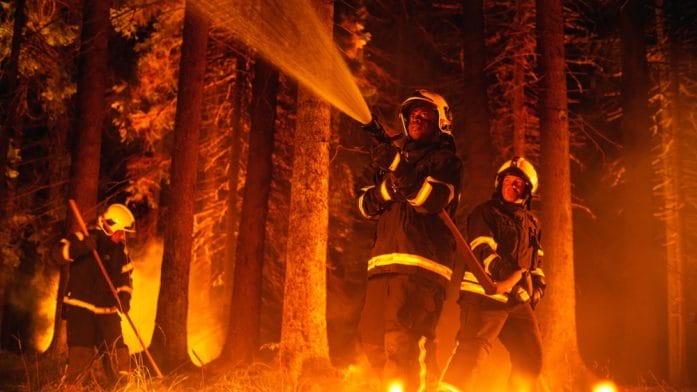
First and foremost, California is wildfire country. The state has endured some of the most destructive fire seasons in U.S. history over the past decade. These blazes have forced insurers to pay out record-setting claims and rethink their exposure to loss. Unlike smaller risks that can be predicted with some confidence, wildfire behavior can turn on a dime—leaving insurers with catastrophic bills and little appetite for more.

Now, combine that with regulatory rules in California that limit how much insurers can raise premiums to adapt to rising risk. It means companies are often required to hold rates lower than what their models might demand, squeezing profitability. Facing this squeeze, many insurers have chosen to shrink their footprint or exit altogether rather than continue writing policies they see as financially unsustainable.

The Stories Behind the Statistics

Statistics are one thing, but what about the people behind them? Imagine retiring to a lifelong dream home, only to get a letter saying your insurer won’t renew your coverage. Or picture trying to sell a property and watching deals fall through because potential buyers can’t find any insurer willing to touch certain ZIP codes.

That’s the reality for many Californians. In some communities, especially near fire-prone wildland areas, non-renewal rates soared. Homeowners in places like the Pacific Palisades saw insurers pull out en masse, leaving families scrambling to find alternatives.

What California Is Trying (and What Homeowners Can Do)

Is California just destined for insurance doom? Not quite. The state’s Department of Insurance has undertaken a suite of reforms aimed at stabilizing the market and encouraging insurers to write more policies—especially in high-risk areas. These measures include allowing insurers to incorporate catastrophe modeling into rate decisions and incentivizing coverage expansion across wildfire-distressed regions.

For homeowners themselves, preparedness is key. Mitigating risk by creating defensible space around your home, investing in fire-resistant upgrades, and understanding your insurance options can all improve your odds of staying covered.
California's Insurance Cancellation Crisis: 3.18% of Homeowners Lost Coverage in 2024

Image source: shutterstock.com

What This Means for Homeownership in the Golden State

California’s homeowners insurance crisis isn’t just a headline—it’s a shifting landscape that affects property values, mortgage approvals, and the peace of mind of millions. When 3.18% of homeowners lose coverage in a single year, it signals more than just a statistic. It points to broader systemic challenges that touch everything from climate change and market economics to public policy and personal financial planning.

The coming years will be critical. Will the reforms encourage insurers to return? Can communities adapt to an era of heightened wildfire risk? And perhaps most importantly, will everyday homeowners be able to protect their most valuable asset without breaking the bank?

A New Chapter in California Homeownership

California’s home insurance landscape is changing fast, maybe faster than many anticipated. With significant numbers of policies canceled, rising premiums, and evolving regulations, this isn’t just a temporary blip. It’s a structural shift that homeowners, prospective buyers, policymakers, and insurers all have to reckon with.

Are you surprised by how deep this insurance crisis runs? What do you think California should do next to protect homeowners and keep the market alive? Let us know your take in the comments.

You May Also Like…

FireAid Concert Raises a Staggering $100 Million for LA Wildfire Relief—Here’s How It Happened

California FAIR Plan Exposure Doubles to $650 Billion — 35.8% Rate Hike Requested

The Hidden Cost of Rent Control in California

The Credit Score That Adds $2,000/Year to Florida Homeowner’s Insurance Premiums

The Florida Insurance Trap: Why “Safe” Neighborhoods Are Facing a $500 Monthly Payment Hike This Week

Brandon Marcus
Brandon Marcus

Brandon Marcus is a writer who has been sharing the written word since a very young age. His interests include sports, history, pop culture, and so much more. When he isn’t writing, he spends his time jogging, drinking coffee, or attempting to read a long book he may never complete.

Filed Under: Insurance Tagged With: California insurance crisis, FAIR Plan, home insurance cancellations, homeowner challenges, homeowners insurance, insurance market trends, insurance non-renewals, insurance reform, NAIC data, Ricardo Lara, Weiss Ratings, wildfire risk

6 Reasons Insurance Companies Are Not Renewing Policies In These 5 States

May 9, 2025 by Travis Campbell Leave a Comment

Top view laptop computer, house model ad notepad on blue background. Concept of real estate investors and leasing insurance

Image Source: 123rf.com

Insurance companies across America increasingly refuse to renew homeowners’ policies in several high-risk states, leaving thousands of property owners scrambling for coverage. This troubling trend isn’t random—it reflects calculated business decisions as insurers face mounting climate-related losses, regulatory challenges, and financial pressures. If you live in California, Florida, Louisiana, Colorado, or Oregon, understanding why insurers retreat could help you navigate this challenging insurance landscape and protect your most valuable asset.

1. Climate Change Is Transforming Risk Calculations

Insurance companies operate on risk assessment, and climate change has dramatically altered their calculations. In California and Colorado, wildfire seasons have extended by months, with fires burning hotter and spreading faster than historical patterns predicted. Florida and Louisiana face increasingly destructive hurricanes, while Oregon battles wildfire and flooding risks.

According to a report from the Insurance Information Institute, insured losses from wildfires alone have increased by over 500% in the past decade. The math simply doesn’t work for many insurers—they can’t collect enough premiums to cover the potential catastrophic losses.

Insurance companies use sophisticated modeling to project future risks, and these models now show unsustainable loss ratios in high-risk regions. Many choose to exit these markets entirely rather than face potential insolvency after a major disaster.

2. Regulatory Constraints Limit Pricing Flexibility

Insurance is heavily regulated at the state level, creating a challenging environment for companies adjusting to new risk realities. In California, for example, insurers must receive approval from the state insurance commissioner before implementing rate increases, which can take years.

These regulatory constraints create a no-win situation for insurers. They can’t charge rates that reflect the true risk of properties in vulnerable areas, but they can’t afford to maintain coverage at artificially low prices. The result? Non-renewal notices and market exits.

Florida’s situation is particularly dire, with insurers facing strict limitations on rate increases despite the state’s hurricane vulnerability. This regulatory environment has contributed to the collapse of several regional insurers and the retreat of national carriers from the state.

3. Reinsurance Costs Have Skyrocketed

Behind every insurance company stands reinsurance—essentially insurance for insurance companies. As climate disasters increase in frequency and severity, reinsurance costs have surged dramatically, especially for companies with significant exposure in high-risk states.

Reinsurance rates increased by over 30% in catastrophe-prone regions between 2020 and 2023. These increased costs get passed down to primary insurers, who must then decide whether to raise rates (if regulators allow) or exit markets entirely.

The reinsurance math no longer works for many insurers operating in these five states. Without affordable reinsurance, they simply cannot maintain the financial reserves required to cover potential catastrophic losses.

4. Construction and Repair Costs Have Increased Dramatically

The post-pandemic economy brought unprecedented inflation in construction materials and labor, significantly increasing the cost of rebuilding homes after disasters. In all five states facing insurance retreats, these increased costs have made claims much more expensive for insurers.

For example, roofing costs have increased by over 40% in Florida since 2019. Combined with the state’s frequent hurricane damage, this creates an unsustainable financial model for insurers. Similar cost increases affect wildfire rebuilding in California, Colorado, and Oregon.

Supply chain disruptions have further complicated matters, extending repair timelines and increasing temporary housing costs that insurers must cover. These factors combine to make insurance in disaster-prone regions financially untenable at current premium levels.

5. Population Growth in High-Risk Areas Concentrates Exposure

Despite increasing natural disaster risks, population growth in vulnerable areas of these five states continues to accelerate. Coastal Florida communities, California’s wildland-urban interface, and Colorado’s mountain towns have significantly developed, concentrating insurance exposure in high-risk zones.

This concentration effect means a single event can trigger billions in losses across multiple insurers’ portfolios. Rather than face this concentrated risk, many companies are choosing to diversify geographically by reducing their footprint in the most vulnerable states.

The problem is particularly acute in areas where zoning laws haven’t kept pace with changing climate realities, allowing continued development in areas that insurers increasingly view as uninsurable.

6. Legal and Claims Environment Has Become Increasingly Hostile

Several states’ legal environment has created additional challenges for insurers. Florida’s insurance crisis has been exacerbated by what insurers describe as excessive litigation, with the state accounting for over 75% of insurance lawsuits nationwide despite representing only 9% of claims.

Similarly, California’s consumer protection laws, while beneficial for homeowners in many ways, create additional liability for insurers operating in the state. This legal environment increases administrative costs and claim payouts, further straining insurers’ financial models.

Louisiana has faced similar challenges with storm-related litigation, creating an environment where insurers struggle to accurately predict their potential losses and legal expenses.

Navigating the New Reality of Limited Insurance Options

As insurance companies continue their retreat from high-risk states, homeowners must adapt to a new reality of limited options and higher costs. Understanding this market transformation is the first step toward protecting your property and financial security.

For those in affected states, exploring alternatives like state-backed insurance programs, strengthening home resilience through mitigation measures, and advocating for community-wide risk reduction may provide partial solutions. The FAIR (Fair Access to Insurance Requirements) plans available in many states offer last-resort coverage, though often with higher costs and more limited protection.

The insurance landscape is fundamentally transforming in response to climate change, and homeowners in vulnerable states must prepare accordingly. The companies that remain in these markets will likely charge significantly higher premiums while imposing stricter underwriting requirements.

Have you received a non-renewal notice from your insurance company? What alternative coverage options have you found in your state? Share your experience in the comments below.

Read More

Is Cheap Insurance Worth It?

Hurricane Season: Here’s What Your Insurance Doesn’t Cover

Travis Campbell
Travis Campbell

Travis Campbell is a digital marketer/developer with over 10 years of experience and a writer for over 6 years. He holds a degree in E-commerce and likes to share life advice he’s learned over the years. Travis loves spending time on the golf course or at the gym when he’s not working.

Filed Under: Insurance Tagged With: climate change insurance, FAIR plans, homeowners insurance crisis, insurance non-renewals, property insurance, state insurance regulations

FOLLOW US

Search this site:

Recent Posts

  • Can My Savings Account Affect My Financial Aid? by Tamila McDonald
  • 12 Ways Gen X’s Views Clash with Millennials… by Tamila McDonald
  • What Advantages and Disadvantages Are There To… by Jacob Sensiba
  • Call 911: Go To the Emergency Room Immediately If… by Stephen Kanaval
  • 10 Tactics for Building an Emergency Fund from Scratch by Vanessa Bermudez
  • 7 Weird Things You Can Sell Online by Tamila McDonald
  • 10 Scary Facts About DriveTime by Tamila McDonald

Copyright © 2026 · News Pro Theme on Genesis Framework