• Home
  • About Us
  • Toolkit
  • Getting Finances Done
    • Hiring Advisors
    • Debt Management
    • Spending Plan
  • Insurance
    • Life Insurance
    • Health Insurance
    • Disability Insurance
    • Homeowners/Renters Insurance
  • Contact Us
  • Risk Tolerance Quiz
  • Our Editorial Commitment

The Free Financial Advisor

You are here: Home / Archives for credit health

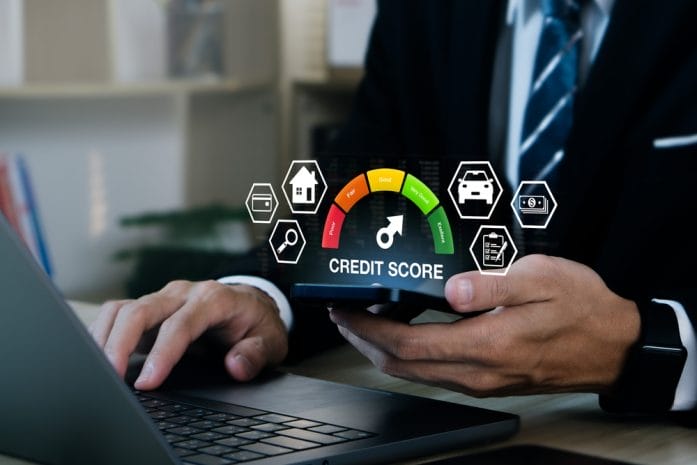
Why Good Credit (670–739 Score) Gets You 21%–24% APR in 2026

February 4, 2026 by Brandon Marcus Leave a Comment

Why Good Credit (670–739 Score) Gets You 21%–24% APR in 2026
Image source: shutterstock.com

You did everything right. You paid your bills on time. You kept your balances under control. You worked your way into the “good credit” range with a score between 670 and 739, expecting better rates, better offers, and better financial breathing room. And then 2026 shows up… and your APR offers land between 21% and 24%.

Here’s the truth most lenders won’t say out loud: “good credit” doesn’t mean “cheap money.” It means “less risky than average,” and in today’s financial environment, that distinction matters more than ever. This isn’t about you messing up — it’s about how modern lending, inflation pressure, and risk models collide in a world where money simply costs more to borrow.

The Economy Changed the Game, Not Your Credit Score

APR doesn’t exist in a vacuum. It’s tied to broader interest rates, inflation trends, and how expensive it is for lenders themselves to access capital. When base rates stay elevated, everything built on top of them rises too, including credit card APRs, personal loan rates, and revolving credit costs.

In 2026, lenders aren’t pricing loans based on how responsible you feel, they’re pricing them based on systemic risk and funding costs. Even borrowers with solid histories now live in a higher-rate ecosystem where “cheap debt” is no longer the default. A 670–739 score still signals reliability, but it doesn’t override macroeconomic reality.

Risk Models Don’t See “Good,” They See “Probability”

Lenders don’t think in emotional categories like “good” or “bad.” They think in probabilities, data sets, and default risk curves. A 670–739 score still statistically carries more risk than a 760+ borrower, even if you’re financially responsible in real life.

That gap matters because lending algorithms price risk in percentages, not personalities. You might be a stable earner with great habits, but models look at aggregated behavior across millions of borrowers. If people in your score range default more often during economic pressure cycles, rates rise accordingly.

“Good Credit” Is a Marketing Term, Not a Pricing Tier

Always remember that credit categories are designed for consumers, not for lenders. Labels like “fair,” “good,” and “excellent” simplify complexity, but lenders use internal tiers that are far more granular. Your 710 score might look great on an app, but in underwriting systems, it’s often grouped into mid-risk pricing brackets.

That’s why you can work hard for “good credit” and still see 22% APR offers. From a lender’s perspective, the premium rates are attached to ultra-low-risk profiles — long credit history, high income stability, low utilization, diverse credit mix, and top-tier scores. Everyone else pays the risk tax. The label feels flattering, but the pricing tells the real story.

Inflation Didn’t Just Raise Prices — It Repriced Borrowing

Inflation doesn’t just hit groceries and rent, it changes the entire cost structure of money. When inflation stays elevated, lenders build protection into their APRs to preserve profitability and manage default exposure.

Therefore, even responsible borrowers feel squeezed. In 2026, APR inflation is less about borrower behavior and more about systemic financial caution. The lending industry is in defensive mode, and “good credit” borrowers are no longer shielded the way they once were.

Why 21%–24% APR Is the New “Normal Good”

A decade ago, 21% APR felt punitive. Today, it’s increasingly standard for mid-tier borrowers. Lenders know demand for credit still exists, even at higher rates, and consumer borrowing behavior hasn’t slowed enough to force widespread repricing.

As long as people keep using credit, offers stay elevated. The system responds to behavior, not outrage. And because most borrowers in the 670–739 range still qualify — even at higher rates — the pricing structure holds. Accessibility doesn’t equal affordability, and that gap defines modern credit markets.

Smart Borrower Moves in a High-APR World

If 21%–24% APR is the environment, strategy matters more than ever. Carrying balances becomes expensive fast, so utilization discipline isn’t optional anymore. Paying your statements in full, avoiding long-term revolving debt, and using credit cards as tools instead of funding sources becomes crucial.

It also means shopping aggressively for offers, using pre-qualification tools, and leveraging competition between lenders. Credit unions, relationship banking, and secured products often offer better terms than national issuers. You’re not powerless, but you do need to be intentional.

Why Good Credit (670–739 Score) Gets You 21%–24% APR in 2026
Image source: shutterstock.com

The Emotional Side of “Good Credit” in 2026

There’s a psychological hit that comes with doing everything right and still feeling punished by the system. That frustration is real. The promise of credit scoring was fairness: better behavior equals better outcomes. But modern lending blends behavior with macroeconomics, and the result feels less personal and more mechanical.

Understanding that shift matters, because it reframes the story. You didn’t fail. The system evolved. And adapting to it means changing expectations, not just chasing numbers. Financial literacy now includes understanding the environment, not just your score.

Good Credit Still Matters — Just Not the Way You Think It Does

Good credit in 2026 doesn’t buy you low rates — it buys you entry into the system. And that distinction changes everything. APRs are shaped by economic forces bigger than any single borrower, but smart decisions still shape outcomes.

Give us your thoughts! Should “good credit” still mean affordable credit, or is the entire system due for a rethink? Drop your thoughts in the comments, and let’s talk about it.

You May Also Like…

The Credit Score That Adds $2,000/Year to Florida Homeowner’s Insurance Premiums

The Quiet Credit Score Rule Change That’s Raising Borrowing Costs for Older Americans

Why Credit Card APRs Only Dropped 0.35% Even After Three Fed Rate Cuts in 2025

Why Major Banks Are Quietly Lowering Credit Limits for Customers With Holiday Debt

Retail Store Credit Cards Now Charging 30% APR on Average

Brandon Marcus
Brandon Marcus

Brandon Marcus is a writer who has been sharing the written word since a very young age. His interests include sports, history, pop culture, and so much more. When he isn’t writing, he spends his time jogging, drinking coffee, or attempting to read a long book he may never complete.
Filed Under: credit score Tagged With: APR, borrowing, credit cards, credit health, credit score, debt strategy, financial literacy, interest rates 2026, loans, money tips, Personal Finance

Why Do Credit Scores Drop Even When Bills Are Paid on Time

September 4, 2025 by Catherine Reed Leave a Comment

Why Do Credit Scores Drop Even When Bills Are Paid on Time
Image source: 123rf.com

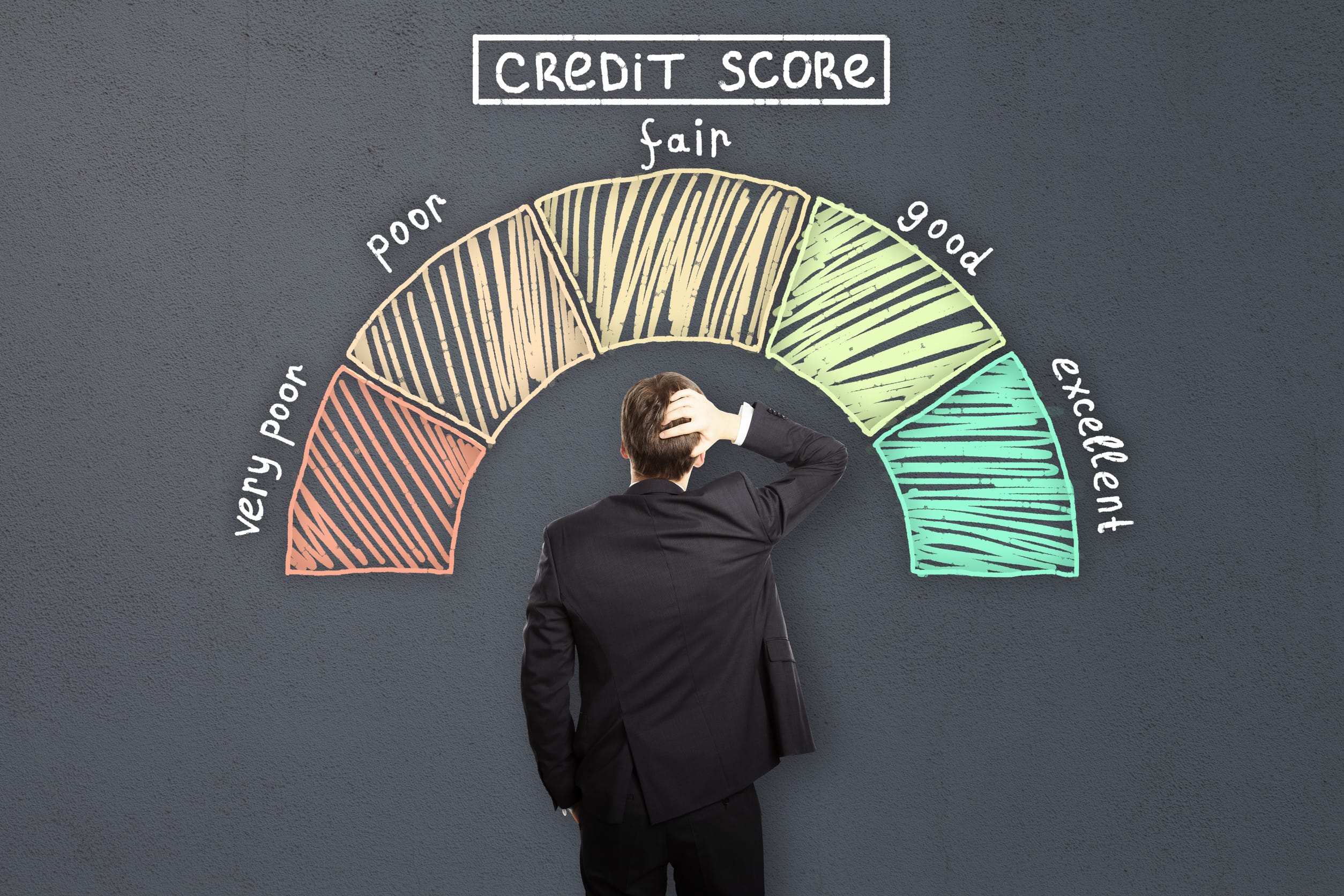
It feels frustrating and confusing when your credit score dips despite doing everything right. Many people assume paying bills on time guarantees a steady climb upward, but that’s not always how credit scoring works. Several other factors affect your score, and changes in your financial activity can trigger unexpected drops. Understanding why credit scores drop even when bills are paid on time helps you protect your financial health and avoid unnecessary surprises.

1. High Credit Utilization Ratios

Even if you never miss a payment, carrying large balances can hurt your score. Credit utilization measures how much of your available credit you’re using, and scoring models prefer it to stay below 30 percent. For example, if your card limit is $5,000 and you owe $3,000, your utilization is 60 percent. Lenders see this as a sign you may be financially stretched, even if you pay on time. That’s one major reason why credit scores drop even when bills are paid on time.

2. Closing Old Accounts

Many people close old credit cards once balances are cleared, but this can backfire. Closing accounts reduces your overall available credit, which can instantly raise your utilization ratio. It also shortens your average account age, another key factor in scoring. Both of these shifts can trigger a score decrease, even though you’re making timely payments. This explains another part of why credit scores drop even when bills are paid on time.

3. Applying for New Credit

Every time you apply for a new card or loan, the lender performs a hard inquiry on your credit report. These inquiries can temporarily lower your score by a few points. Opening new accounts also lowers the average age of your credit history, which further affects your score. Even if you’re responsible with new credit, the initial dip is unavoidable. It’s a subtle but important reason why credit scores drop even when bills are paid on time.

4. Changes in Credit Mix

Credit scoring models value a healthy mix of account types, such as credit cards, auto loans, and mortgages. If you pay off and close an installment loan, like a car loan, you may reduce your mix. While this seems like progress, it can lower your score slightly because your profile looks less diverse. Scoring systems interpret fewer account types as higher risk. This contributes to why credit scores drop even when bills are paid on time.

5. Reporting Errors or Identity Issues

Sometimes the reason for a score drop has nothing to do with your financial behavior at all. Credit bureaus occasionally report incorrect balances or duplicate accounts, which skew your report. In more serious cases, identity theft can introduce fraudulent accounts into your history. These errors lower your score until they’re disputed and corrected. Mistakes like these are another explanation for why credit scores drop even when bills are paid on time.

6. Shifts in Scoring Models

Credit scores aren’t static, and the formulas used to calculate them change over time. Updates to scoring models may weigh certain factors differently, causing a score to drop unexpectedly. For instance, newer models penalize high utilization more than older ones. Borrowers may feel confused by sudden changes even though their habits haven’t shifted. This evolving system also plays a role in why credit scores drop even when bills are paid on time.

Staying Ahead of Score Surprises

Credit scores are influenced by more than just punctual payments, and understanding the hidden factors is essential for financial success. Utilization ratios, account age, credit mix, and even reporting errors all contribute to fluctuations. By keeping balances low, monitoring your credit reports, and avoiding unnecessary account closures, you can maintain stability. The answer to why credit scores drop even when bills are paid on time lies in these overlooked details. Awareness and proactive management make it easier to control your financial reputation and keep your score healthy.

Have you ever noticed your score drop despite paying everything on time? Share your experience in the comments below.

What to Read Next…

Why Do So Many People Believe Credit Cards Are Safer Than They Really Are

5 Times Debt Was Used as a Tool Instead of a Burden

7 Times Living Paycheck to Paycheck Comes With Hidden Costs

6 Times You Might Unknowingly Sign Away Financial Control

8 Silent Wealth Killers That Hide in Everyday Expenses

Catherine Reed
Catherine Reed

Catherine is a tech-savvy writer who has focused on the personal finance space for more than eight years. She has a Bachelor’s in Information Technology and enjoys showcasing how tech can simplify everyday personal finance tasks like budgeting, spending tracking, and planning for the future. Additionally, she’s explored the ins and outs of the world of side hustles and loves to share what she’s learned along the way. When she’s not working, you can find her relaxing at home in the Pacific Northwest with her two cats or enjoying a cup of coffee at her neighborhood cafe.

Filed Under: credit score Tagged With: credit health, credit reports, credit score, credit utilization, Debt Management, loans, Personal Finance, Planning

The Ultimate End-of-Year Financial Checklist to Prepare for Next Year

December 13, 2024 by Latrice Perez Leave a Comment

Checklist concept - checklist, paper and a pen with checklist word on wooden table
123rf

As the year winds down, it’s the ideal moment to take stock of your financial health. Following an end-of-year financial checklist helps you stay organized and sets you up for a prosperous year ahead. It’s not just about tying up loose ends; it’s also an opportunity to make strategic decisions that will benefit your future. Let’s dive into the steps you can take to finish this year strong and prepare for financial success.

Review Your Yearly Budget

Take a close look at how you managed your budget throughout the year. Were there any areas where you consistently overspent or saved more than expected? Identifying these trends will help you make smarter financial choices in the new year. Use these insights to adjust your spending plan and align it with your goals.

Optimize Tax Deductions and Credits

Before the year ends, ensure you’ve maximized all available tax benefits. Contributions to retirement accounts, charitable donations, and certain medical expenses can help lower your taxable income. Proper documentation is key, so organize your receipts and records now. Addressing this on your end-of-year financial checklist can make tax season much less stressful.

Assess Your Credit and Debt

Your credit score is a vital part of your financial health, so make sure it’s in good shape. Check your credit report for errors and address any discrepancies immediately. Pay down high-interest debt to improve your financial standing for the new year. Reducing your credit utilization now can set you up for better opportunities, like lower interest rates on loans.

Set New Financial Goals

The end of the year is the perfect time to reflect on your financial accomplishments and challenges. Set realistic goals for the upcoming year, such as saving for a vacation, paying off a specific debt, or increasing your emergency fund. Break these goals into actionable steps to keep yourself accountable. An end-of-year financial checklist is a great foundation for setting these plans in motion.

Evaluate Your Investment Portfolio

Review your investment portfolio to ensure it aligns with your long-term goals and current market trends. Diversify your investments if needed and rebalance your portfolio to reflect changes in your financial situation. This is also a good time to consider any tax-loss harvesting opportunities to offset capital gains. Taking these steps keeps your investments working efficiently for you.

Organize Financial Documents

Gather all important financial documents and store them in a secure, easily accessible place. This includes tax forms, bank statements, and receipts for major purchases or donations. Digital tools can help you streamline this process and reduce clutter. Staying organized now saves time and frustration when financial tasks arise in the future.

Set Yourself Up for Financial Success

A well-thought-out end-of-year financial checklist ensures you’re ready to face the new year with confidence. Whether it’s optimizing your budget, reducing debt, or planning for taxes, small steps can lead to significant progress. Take charge of your finances now to start the year ahead on the right foot.

Latrice Perez

Latrice is a dedicated professional with a rich background in social work, complemented by an Associate Degree in the field. Her journey has been uniquely shaped by the rewarding experience of being a stay-at-home mom to her two children, aged 13 and 5. This role has not only been a testament to her commitment to family but has also provided her with invaluable life lessons and insights.

As a mother, Latrice has embraced the opportunity to educate her children on essential life skills, with a special focus on financial literacy, the nuances of life, and the importance of inner peace.

Filed Under: budget tips Tagged With: budget planning, credit health, end-of-year financial checklist, financial success, investment review, Planning, Tax Deductions, year-end finances

FOLLOW US

Search this site:

Recent Posts

  • Can My Savings Account Affect My Financial Aid? by Tamila McDonald
  • 12 Ways Gen X’s Views Clash with Millennials… by Tamila McDonald
  • What Advantages and Disadvantages Are There To… by Jacob Sensiba
  • 10 Tactics for Building an Emergency Fund from Scratch by Vanessa Bermudez
  • Call 911: Go To the Emergency Room Immediately If… by Stephen Kanaval
  • 7 Weird Things You Can Sell Online by Tamila McDonald
  • 10 Scary Facts About DriveTime by Tamila McDonald

Copyright © 2026 · News Pro Theme on Genesis Framework