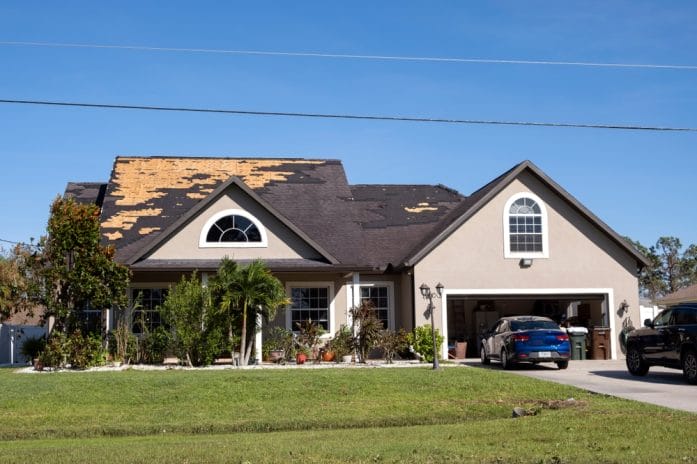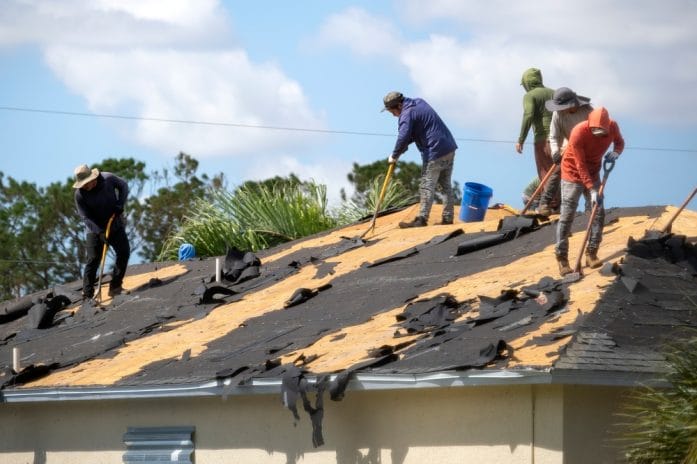
Florida’s sunny promise has always come with a price tag, but this year, that number jumped in a way many retirees didn’t see coming. May insurance statements started landing in mailboxes, and tucked between the usual line items sat something new and confusing: rebuild fees. These charges didn’t just nudge bills upward—they sent some premiums soaring by hundreds or even thousands of dollars annually.
For retirees living on fixed incomes, that kind of surprise hits hard and fast. The reality behind these fees reveals a complicated mix of risk, regulation, and rising construction costs that demand a closer look.
What Exactly Are “Rebuild Fees” and Why Are They Showing Up Now?
These fees represent a recalculation of what it would cost to completely rebuild a home after a disaster. Insurance companies rely on updated construction data, labor costs, and materials pricing to determine these figures. Florida’s recent storms and supply chain issues pushed rebuilding costs significantly higher than in previous years. Insurers now adjust policies to reflect those realities, often without much fanfare. That quiet adjustment explains why so many homeowners first noticed the change only when their May statements arrived.
The term “rebuild fee” might sound like a small administrative charge, but it carries serious financial weight. Insurance providers use it to bridge the gap between older coverage estimates and today’s actual rebuilding expenses. Lumber prices, contractor shortages, and stricter building codes all play a role in inflating those costs. When insurers detect that a home’s insured value falls short of what a rebuild would require, they increase coverage—and premiums—accordingly. That adjustment often appears as a rebuild-related fee or surcharge.
Retirees often feel the impact more sharply because many purchased their homes years ago under very different market conditions. Back then, rebuilding costs sat much lower, and policies reflected that reality. Now, insurers scramble to catch up with current prices, leaving homeowners to absorb the difference. The timing adds to the frustration, especially when increases arrive without clear, upfront explanations. That lack of transparency makes the charges feel sudden, even though the factors behind them have been building for years.
Why Florida’s Unique Risks Are Driving Costs Higher Than Anywhere Else
These risks include hurricanes, flooding, and a growing population concentrated in vulnerable coastal areas. Insurance companies factor in both the frequency and severity of potential disasters when calculating premiums. Florida’s recent history of powerful storms has forced insurers to rethink how much risk they can safely take on. Reinsurance costs, which insurers pay to protect themselves, have also skyrocketed. All of those pressures trickle down to homeowners in the form of higher premiums and new fees.
Florida doesn’t just face occasional storms—it sits in a high-risk zone where severe weather events happen regularly. Each hurricane season brings the possibility of widespread damage, and insurers must prepare for worst-case scenarios. That preparation costs money, and companies pass those expenses along to policyholders. The rebuild fee reflects not only current construction costs but also the probability that a rebuild will actually become necessary. In other words, it’s both a pricing adjustment and a risk signal.
Retirees often choose Florida for its tax benefits and warm climate, but those perks now come with increased financial exposure. Insurance companies have pulled out of certain markets or limited coverage, reducing competition and driving prices higher. Fewer options mean less bargaining power for homeowners. When insurers remain in the market, they tighten their calculations to avoid losses. That environment creates the perfect storm for sudden pricing changes like rebuild fees.
How Rising Construction Costs Are Quietly Reshaping Insurance Bills
Material costs have surged due to global supply disruptions and increased demand for rebuilding after storms. Labor shortages in the construction industry have further driven up prices. Florida’s updated building codes require stronger, more resilient structures, which cost more to build. Insurance companies must account for these factors when determining coverage levels. Those adjustments often show up as higher premiums or added fees like the rebuild charge.
A decade ago, rebuilding a modest home cost far less than it does today. Now, even basic materials like concrete, roofing supplies, and wiring come with elevated price tags. Contractors also charge more due to high demand and limited availability. When a storm hits, those costs spike even further as homeowners compete for repairs. Insurance companies track these trends closely and update their models to reflect real-world pricing.
Retirees may not actively follow construction markets, but those changes directly impact their insurance bills. A policy that once comfortably covered a home might now fall short by tens of thousands of dollars. Insurers step in to correct that gap, but the correction comes at a cost. The rebuild fee essentially acts as a catch-up mechanism. While it ensures adequate coverage, it also creates financial strain for those unprepared for the increase.
What Retirees Can Do Right Now to Manage the Financial Impact
Reviewing policy details, shopping for alternative insurers, and considering higher deductibles can all help Florida retirees. Homeowners should request a detailed breakdown of any new fees or charges from their insurance provider. Comparing quotes from multiple companies can reveal more competitive options. Some retirees may benefit from bundling policies or exploring state-backed insurance programs. Taking action early can prevent further financial surprises later in the year.
Knowledge serves as the first line of defense against unexpected costs. Retirees should carefully examine their insurance statements and look beyond the total premium. Line-by-line analysis often reveals where increases originate and whether they make sense. Calling an insurance agent for clarification can uncover opportunities to adjust coverage without sacrificing protection. Small tweaks sometimes lead to meaningful savings.

Why This Trend Isn’t Going Away
These changes reflect long-term shifts in climate risk, population growth, and construction economics. Insurance companies will continue adjusting pricing models to stay financially viable. Florida’s regulatory environment may evolve, but it won’t eliminate underlying risk factors. Homeowners should expect ongoing fluctuations in premiums and coverage requirements. Preparing for that reality now helps reduce stress and financial strain in the future.
The rebuild fee represents more than a temporary spike—it signals a broader transformation in how insurers approach risk. Climate patterns continue to intensify, and rebuilding costs show no signs of declining. As more people move to Florida, demand for housing and construction services increases. That combination keeps upward pressure on both insurance premiums and rebuilding estimates. Retirees who recognize this trend early can adapt more effectively.
Staying Ahead of the Curve Without Losing Sleep Over It
Florida’s rebuild fees may feel like an unwelcome surprise, but they reveal a deeper shift in the cost of protecting a home in a high-risk environment. Retirees who take the time to dig into their policies, ask questions, and explore alternatives gain a clear advantage. Insurance companies will continue adjusting to changing risks, but homeowners don’t have to accept every increase without scrutiny. A proactive mindset turns confusion into control and helps prevent future financial shocks. Smart planning today keeps those sunny Florida years from getting clouded by rising costs.
What’s your take on these new rebuild fees—fair adjustment or financial overreach? State your opinion below and start a conversation in our comments.
You May Also Like…
Florida Homeowners Are Seeing Major Premium Increases as Citizens Policies Adjust Rates
Texas vs. Florida: Which No-Income-Tax State Actually Leaves You With More Money?
Nevada Trust Rules Offer Less Asset Protection Than Many Homeowners Expect
What Are New Jersey’s ANCHOR Rebate Payments And How Can They Help Homeowners?

Brandon Marcus is a writer who has been sharing the written word since a very young age. His interests include sports, history, pop culture, and so much more. When he isn’t writing, he spends his time jogging, drinking coffee, or attempting to read a long book he may never complete.