• Home
  • About Us
  • Toolkit
  • Getting Finances Done
    • Hiring Advisors
    • Debt Management
    • Spending Plan
  • Insurance
    • Life Insurance
    • Health Insurance
    • Disability Insurance
    • Homeowners/Renters Insurance
  • Contact Us
  • Privacy Policy
  • Risk Tolerance Quiz

The Free Financial Advisor

You are here: Home / Archives for Personal Finance

10 Things You Should Stop Buying to Immediately Save $500 a Month

October 12, 2025 by Travis Campbell Leave a Comment

food delivery

Image source: shutterstock.com

Most of us want to save more, but it’s easy to underestimate how much small, everyday expenses add up. If you’re looking to save $500 a month, the answer often isn’t making more money—it’s stopping certain purchases. By identifying things you don’t really need, you can redirect that cash toward your financial goals. This approach can help you build an emergency fund, pay off debt, or simply have more breathing room in your budget. If you’re ready to take control, here are ten things you should stop buying to save $500 a month, starting right now.

1. Daily Coffee Shop Drinks

Grabbing a latte or cold brew every morning can quickly eat away at your budget. If you spend $4 a day, five days a week, that’s $80 a month—just on coffee. Instead, make your coffee at home. You’ll not only save money but also avoid the temptation of pastries and snacks at the register. Stopping this one habit can make a noticeable dent in your spending each month.

2. Takeout and Food Delivery

Ordering food for convenience is a major culprit when it comes to overspending. Delivery fees, tips, and inflated menu prices add up fast. Skip the delivery apps and cook more meals at home. Even replacing just two takeout meals a week with home-cooked alternatives could save you $100 or more a month.

3. Bottled Water and Single-Use Beverages

Bottled water and fancy drinks from the store are not just bad for the environment—they’re expensive. A family buying bottled water regularly can spend $30–$50 a month without realizing it. Invest in a reusable water bottle and a good filter. Over time, this small change can save you hundreds of dollars a year and help you save $500 a month faster.

4. Name-Brand Groceries

Many shoppers reach for name brands out of habit, but generic options offer the same quality for less. Switching to store brands for staples like cereal, pasta, and cleaning supplies can cut your grocery bill by 20% or more. Compare prices and don’t be afraid to try new brands. This adjustment alone can save a family $50–$100 each month.

5. Unused Subscriptions

Subscription creep is real. Streaming services, digital magazines, apps, and gym memberships you rarely use can quietly drain your wallet. Take an hour to review your statements and cancel anything you don’t use regularly. Even dropping two or three services can save you $30–$60 a month, bringing you closer to your goal of saving $500 a month.

6. Impulse Clothing Purchases

It’s easy to justify a new shirt or pair of shoes, especially with constant sales and ads. But buying clothes you don’t need is a quick way to blow your budget. Set a clothing budget or commit to a “no-buy” month. Use what you have, and only replace items when truly necessary. This can save you $50 or more every month, and you’ll still look great.

7. Premium Cable or TV Packages

Are you paying for hundreds of channels but only watching a few? Premium cable packages often cost over $100 a month. Switching to a streaming service or even using a digital antenna can cut this cost dramatically. There are plenty of affordable entertainment options that won’t sabotage your goal to save $500 a month.

8. Salon and Spa Treatments

Regular manicures, hair coloring, or spa visits feel great, but they’re expensive. A monthly salon trip can easily run $50–$100. Try at-home treatments, stretch the time between appointments, or look for student salons for discounted rates. Cutting back here can provide significant savings without sacrificing self-care.

9. Convenience Foods and Snacks

Pre-cut fruit, packaged snacks, and frozen meals are convenient but come with a hefty markup. Buy whole ingredients and prep snacks at home. Taking a few minutes to portion out your own snacks can save you $30–$60 a month. Over time, this small habit change will help you save $500 a month and eat healthier, too.

10. Tech Upgrades and Gadgets

It’s tempting to have the latest phone or gadget, but frequent upgrades are costly. Unless your device is broken or truly outdated, hold off on upgrades. Skip unnecessary accessories and extended warranties. Waiting an extra year or two between purchases can save you hundreds and keep more money in your pocket each month.

Start Saving $500 a Month Today

Reaching your savings goals doesn’t have to be complicated. When you stop buying these ten things, you can easily save $500 a month—or even more, depending on your habits. The money you free up can go toward paying off debt, investing, or building the life you want. Small changes add up faster than you think.

Remember, the key is to be intentional with your spending and keep your goals in focus.

What’s one thing you could stop buying this month to save money? Share your thoughts in the comments below!

What to Read Next…

  • 7 Tactics Grocery Stores Use to Keep You from Thinking About Price
  • Are These 7 Little Expenses Quietly Costing You Thousands a Year?
  • 6 Monthly Bills You Should Cancel Immediately Even If You Can Afford Them
  • 10 Smart Purchases That Are Slowly Making You Broke
  • Are These 8 Money Saving Tricks Actually Keeping You Broke?
Travis Campbell
Travis Campbell

Travis Campbell is a digital marketer/developer with over 10 years of experience and a writer for over 6 years. He holds a degree in E-commerce and likes to share life advice he’s learned over the years. Travis loves spending time on the golf course or at the gym when he’s not working.

Filed Under: Budgeting Tagged With: budgeting, cutting expenses, frugal living, Personal Finance, saving money

9 Important Factors Affecting Your Social Security Benefits Calculation

October 12, 2025 by Travis Campbell Leave a Comment

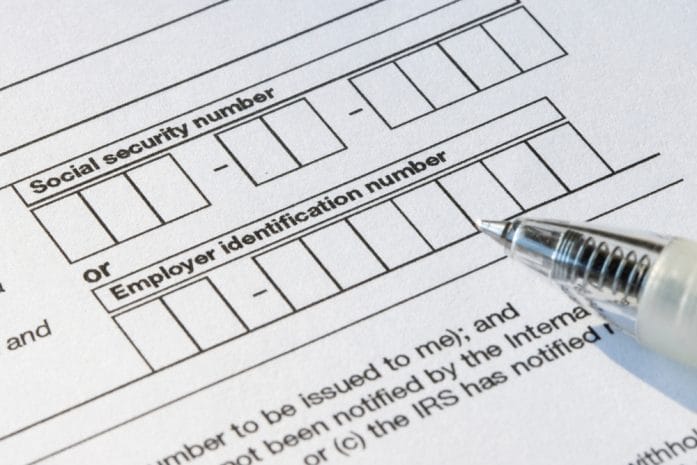
SSN

Image source: shutterstock.com

Social Security benefits play a crucial role in retirement planning for millions of Americans. Yet, most people don’t realize just how many factors affect their Social Security benefits calculation. Knowing what goes into the formula can help you estimate your future payments and make smarter decisions about when and how to claim your benefits. Whether you’re close to retirement or just starting to plan, understanding these factors can help you maximize your monthly income. In this guide, we’ll break down the most important elements that determine your benefits and clear up some common misconceptions.

1. Your Lifetime Earnings

The Social Security Administration (SSA) bases your benefits on your highest 35 years of earnings. The more you earn (up to a certain limit), the higher your benefit will be. If you have fewer than 35 years of work, zeros are averaged in, which can lower your monthly payment. It’s a good idea to regularly check your earnings record for errors to ensure you get credit for all your work history.

2. Age at Which You Claim Benefits

The age you start receiving Social Security has a major impact on your benefits calculation. You can claim as early as 62, but your monthly payment will be reduced. Waiting until your full retirement age (FRA) means you get 100% of your calculated benefit. If you delay claiming past your FRA, your benefit increases each year until age 70. This decision can affect your financial security for decades, so it’s worth considering your personal situation carefully.

3. Full Retirement Age (FRA)

Your FRA depends on the year you were born. For most people today, it falls between 66 and 67. Claiming before this age means you’ll get a reduced benefit, while waiting until after increases your payment. Knowing your FRA is essential for making the best decision about when to start collecting Social Security.

4. Cost-of-Living Adjustments (COLA)

Each year, Social Security benefits may increase based on inflation. This adjustment helps benefits keep pace with rising prices. While COLA doesn’t affect your initial Social Security benefits calculation, it does impact how your payments grow over time. Even small annual increases can add up over the years, so don’t overlook this factor.

5. Work After Claiming Benefits

If you work while receiving Social Security before reaching your FRA, your benefits may be temporarily reduced if you earn over a certain limit. Once you reach FRA, you can work and earn as much as you want without affecting your benefit. However, any benefits withheld because of excess earnings are not lost—they’re recalculated and added back into your payments later on.

6. Marital Status and Spousal Benefits

Your marital status can influence your Social Security benefits calculation. If you’re married, divorced, or widowed, you may be eligible for spousal or survivor benefits. These benefits can be up to 50% of your spouse’s (or ex-spouse’s) benefit, depending on your circumstances. It’s worth reviewing your options, as spousal benefits can sometimes be higher than your own earned benefit.

7. Government Pensions and the Windfall Elimination Provision

If you receive a pension from a job where you didn’t pay Social Security taxes (such as some government jobs), your Social Security benefits may be reduced. The Windfall Elimination Provision (WEP) and Government Pension Offset (GPO) rules are complex, but they can have a significant impact on your monthly payment.

8. Taxes on Social Security Benefits

Depending on your total income, you may have to pay federal taxes on your Social Security benefits. Up to 85% of your benefit could be taxable if your income exceeds certain thresholds. Knowing how taxes factor into your overall retirement income can help you avoid surprises at tax time and plan accordingly.

9. Family Benefits and Dependent Children

If you have dependent children or certain other family members, they may also be eligible for benefits based on your work record. This can increase your household’s total Social Security income. These family benefits can make a big difference, especially for families with young children or those supporting disabled relatives.

Planning Ahead for Your Social Security Benefits Calculation

As you can see, your Social Security benefits calculation isn’t as simple as plugging in your salary and age. Each of these factors—your earnings, the age you claim, your marital status, and more—combine to determine your monthly payment. Taking the time to understand and optimize each element can help you get the most out of the Social Security system.

If you’re looking for more tools to help plan your retirement, you can try the SSA’s Retirement Estimator. It uses your actual earnings record and current law to estimate your benefits based on different scenarios.

What questions do you have about Social Security benefits calculation? Leave a comment below and share your experience!

What to Read Next…

  • What Happens to Your Social Security If the Government Shuts Down Again
  • 7 Asset Transfers That Disrupt Your Social Security Benefits
  • 5 Quiet Changes to Social Security That Reduce Spousal Benefits
  • Is Your Social Security About to Shrink Unless Congress Acts Fast?
  • Why Widowed Spouses Are Facing Delays in Accessing Retirement Accounts
Travis Campbell
Travis Campbell

Travis Campbell is a digital marketer/developer with over 10 years of experience and a writer for over 6 years. He holds a degree in E-commerce and likes to share life advice he’s learned over the years. Travis loves spending time on the golf course or at the gym when he’s not working.

Filed Under: Finance Tagged With: benefits calculation, income planning, Personal Finance, retirement planning, Social Security

The “Buy Now, Pay Later” Trap That’s Drowning People in Hidden Debt

October 12, 2025 by Travis Campbell Leave a Comment

Bnpl

Image source: pexels.com

The rise of “Buy Now, Pay Later” (BNPL) services has changed the way people shop. At checkout, it’s tempting to split a purchase into smaller payments instead of paying the full price upfront. It feels painless and budget-friendly. But behind the scenes, these services can quietly stack up hidden debt. Many shoppers don’t realize how quickly these small payments add up. If you’re not careful, you could find yourself in a financial hole that’s hard to climb out of. Understanding the risks of the buy now, pay later trap is more important than ever.

1. The Illusion of Affordability

One of the biggest dangers of the buy now, pay later trap is how easy it becomes to justify purchases. A $200 jacket doesn’t look so bad when you only have to pay $50 today. The remaining payments are pushed into the future, and that makes it feel like you’re spending less. But you’re not saving money—you’re just delaying the pain. This illusion of affordability encourages overspending. It’s easy to lose track of how much you owe when your purchases are split into bite-sized chunks.

BNPL services bank on this psychology. The more you use them, the easier it is to think you can afford more. But every “small” payment is another obligation on your plate. If you’re not careful, you can end up with several ongoing payments at once, all stacking up into a bigger financial burden.

2. Hidden Fees and Penalties

Many buy now, pay later providers advertise “no interest” or “zero fees.” But the reality can be very different. If you miss a payment, you might get hit with late fees or penalty charges. Some services even report missed payments to credit bureaus, which can hurt your credit score. These fees are often buried in the fine print, making them easy to overlook.

The trap is set when you assume you’ll always pay on time. Life happens—maybe your paycheck is late or you forget a due date. Suddenly, that “interest-free” purchase gets expensive. Always read the terms before you agree, and remember that the buy now, pay later trap isn’t just about the payments you expect—it’s also about the costs you don’t see coming.

3. Multiple Accounts, Multiple Headaches

It’s easy to sign up for several buy now, pay later services. Each one might seem harmless on its own, but together they can create a confusing web of payments and due dates. You might have a payment due to one provider on the 15th, another on the 18th, and a third on the 22nd. Juggling all these can be a nightmare.

Miss a single payment and you could trigger fees, credit dings, or even debt collection calls. The buy now, pay later trap grows as you lose track of your obligations. Some people end up with four, five, or even more BNPL accounts running at the same time. That’s a recipe for financial chaos.

4. Impact on Your Credit and Budget

When you use a buy now, pay later service, you’re taking on debt—even if it doesn’t feel like it. Some providers run soft credit checks, while others report your payments to major credit bureaus. If you fall behind, your credit score could take a hit. This can affect your ability to get loans, rent an apartment, or even land certain jobs.

Even if your credit isn’t directly affected, your monthly budget definitely is. Every BNPL payment reduces your available cash. If you’re juggling several plans, you might find yourself short on money for essentials. The buy now, pay later trap can quietly squeeze your finances until you’re left scrambling to make ends meet.

5. Encouraging Impulse Buying

The buy now, pay later trap doesn’t just create debt—it encourages habits that can make your financial situation worse. When you know you don’t have to pay the full amount upfront, it’s easier to buy things you don’t really need. The barrier to spending is lower, so you’re more likely to make impulse purchases.

Retailers love this. Studies show that shoppers spend more when BNPL is available. That’s great for their bottom line, but not always for yours. If you regularly use BNPL, it’s worth asking yourself: are you buying because you need something, or because it’s easy to delay the cost?

6. Lack of Consumer Protections

Traditional credit cards come with a host of consumer protections, including dispute resolution and fraud protection. Many buy now, pay later services don’t offer the same safety nets. If your item never arrives or doesn’t match the description, getting your money back can be a hassle.

Some BNPL providers have their own policies, but they may not be as robust as those offered by credit card networks. Before you choose BNPL over a credit card, weigh the risks. You might find yourself stuck paying for something you never received.

What You Can Do to Avoid the Buy Now, Pay Later Trap

The buy now, pay later trap is easy to fall into, but you can avoid it with some practical steps. First, treat every BNPL offer as a loan. Ask yourself if you’d still make the purchase if you had to pay the full amount today. If the answer is no, it’s probably not worth it.

Keep a list of any BNPL accounts and payment schedules. Set reminders so you never miss a due date. Most importantly, don’t use BNPL to buy things you can’t afford. Remember, every payment is a future obligation. If you’re struggling with debt, consider reaching out to a nonprofit credit counselor for guidance.

How has using buy now, pay later services affected your finances? Share your experience in the comments below!

What to Read Next…

  • The Benefits Of Taking Personal Loans And Their Impact On Credit Scores
  • Are Budgeting Apps Designed To Push You Into Debt?
  • 5 Things That Instantly Decrease Your Credit Score By 50 Points
  • 7 Hidden Fees That Aren’t Labeled As Fees At All
  • 7 Financial Loopholes That Lenders Exploit Behind The Scenes
Travis Campbell
Travis Campbell

Travis Campbell is a digital marketer/developer with over 10 years of experience and a writer for over 6 years. He holds a degree in E-commerce and likes to share life advice he’s learned over the years. Travis loves spending time on the golf course or at the gym when he’s not working.

Filed Under: Finance Tagged With: buy now pay later, credit, Debt, Hidden Fees, Personal Finance, Spending Habits

Why an Enormous Tax Refund Is Actually a Bad Sign for Your Finances

October 12, 2025 by Travis Campbell Leave a Comment

tax

Image source: pexels.com

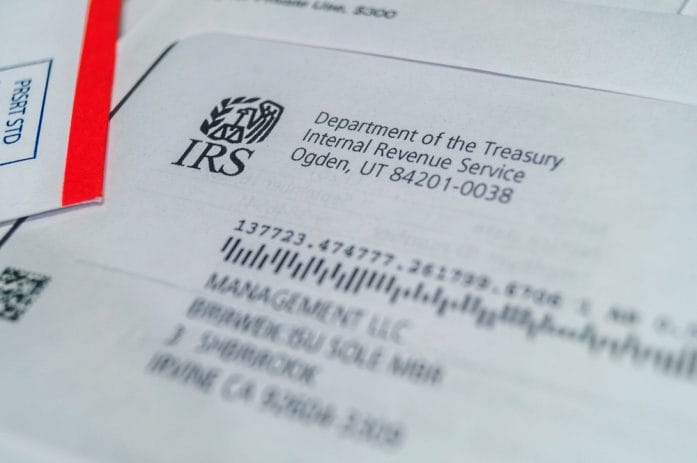
Every spring, millions of Americans eagerly await their tax refunds. For some, receiving a big check from the IRS feels like a financial windfall. It’s common to hear people brag about getting thousands back at tax time, treating it as a reward for a year of hard work. But is this really something to celebrate? When you dig deeper, you’ll see that an enormous tax refund is actually a bad sign for your finances. Understanding why can help you take control of your money and use your income more effectively throughout the year.

If you’re aiming for smart money management, your goal shouldn’t be a huge refund. Instead, you should strive for a balanced approach—one that lets you keep more of your paycheck when you earn it. Let’s look at the real reasons why a large tax refund can be a warning sign that something is off in your financial planning.

1. You’re Giving the Government an Interest-Free Loan

The main reason an enormous tax refund is a bad sign for your finances is simple: you’re letting the government hold onto your money all year, interest-free. When too much is withheld from your paycheck, you’re essentially loaning your hard-earned cash to the IRS, and they don’t pay you any interest in return. That money could be working for you instead.

Imagine if you put that extra cash into a high-yield savings account or used it to pay down credit card debt. You’d earn interest or save on interest payments, making your money grow. Instead, with a big refund, you miss out on those opportunities for months at a time.

2. Missed Opportunities for Saving and Investing

Withholding too much from your paycheck means you have less money available throughout the year. This can make it harder to build an emergency fund, invest for retirement, or reach other financial goals. If you’re waiting for your tax refund to make a big purchase or catch up on bills, you’re not maximizing your financial potential.

By adjusting your tax withholding, you can put more money into your own accounts every month. This regular habit can help you take advantage of compound interest and grow your savings over time. As compound interest shows, even small monthly contributions can add up to significant amounts, especially if you start early.

3. It Signals a Lack of Tax Planning

Receiving an enormous tax refund often points to a lack of proactive tax planning. If you’re not reviewing your tax situation each year, you might miss out on deductions, credits, or other strategies that could keep more money in your pocket now. Good tax planning means understanding how much you owe—and how much you should have withheld—based on your income and life changes.

Life events like getting married, having a child, or starting a side hustle can all impact your tax situation. If you haven’t updated your withholding in years, your refund might be a sign that you’re not paying enough attention. Taking a few minutes to review your W-4 form can make a big difference and help you avoid surprises at tax time.

4. You Could Face Cash Flow Problems

If you’re consistently getting a large tax refund, you might be short-changing yourself throughout the year. More money withheld means smaller paychecks, which can make it difficult to manage monthly expenses, pay off debt, or save for short-term goals. This can lead to relying on credit cards or loans to make ends meet, which creates new financial problems.

Cash flow is key to financial stability. When you get your money as you earn it, you have more flexibility to handle unexpected expenses or take advantage of opportunities. A big tax refund means you’ve been living with less, only to get a lump sum later—money that could have made your life easier all year long.

5. It Can Encourage Unwise Spending

Getting a large tax refund can feel like a bonus, but this mindset can lead to poor financial decisions. Many people see their refund as “found money” and end up splurging on things they don’t really need. This can undermine your progress toward savings goals or debt repayment.

When you receive your money in smaller, regular amounts, you’re more likely to budget wisely and make thoughtful choices. A big, unexpected windfall, on the other hand, can tempt you to spend impulsively. If you want to make the most of your income, it’s better to plan for steady, predictable paychecks.

How to Adjust Your Withholding and Take Control

The good news is that you can fix this problem. If you’ve realized that an enormous tax refund is a bad sign for your finances, it’s time to take action. Start by reviewing your most recent tax return and your current W-4 form. The IRS offers a helpful tax withholding estimator that can guide you through the process. Make adjustments so that you get closer to breaking even at tax time—owing a small amount or receiving a modest refund is ideal.

By taking control of your withholding, you’ll have more money available throughout the year. You can use it to pay down debt, boost your emergency fund, or invest for your future. Remember, your goal shouldn’t be a huge refund; it should be using your money wisely all year long. If you’re proactive, you can avoid giving the government an interest-free loan and start building real financial security.

Have you ever adjusted your tax withholding after getting a large refund? How did it change your approach to your finances? Share your experience in the comments below!

What to Read Next…

  • Are You Reading the Right Fine Print on Your Tax Refund?
  • What Tax Preparers Aren’t Warning Pre-Retirees About in 2025
  • 6 Tax Moves That Backfire After You Sell a Property
  • 5 Ways Missing One Tax Form Can Cost Your Heirs Thousands
  • 7 Tax Breaks That Sound Generous but Cost You Later
Travis Campbell
Travis Campbell

Travis Campbell is a digital marketer/developer with over 10 years of experience and a writer for over 6 years. He holds a degree in E-commerce and likes to share life advice he’s learned over the years. Travis loves spending time on the golf course or at the gym when he’s not working.

Filed Under: tax tips Tagged With: Cash flow, Financial Tips, Personal Finance, tax planning, tax refund, withholding

Commit to Discussing Money Openly and Honestly With Your Partner.

October 12, 2025 by Travis Campbell Leave a Comment

couple money

Image source: pexels.com

Talking about money with your partner isn’t always easy, but it’s one of the most important conversations you can have. When you commit to discussing money openly and honestly with your partner, you lay the groundwork for trust and shared goals. Money impacts almost every aspect of a relationship, from daily routines to big dreams. If you avoid financial conversations, misunderstandings and resentment can build up over time. By facing the topic together, you create a partnership that’s stronger, more transparent, and better equipped to handle life’s challenges.

Open money discussions help you both understand each other’s values, habits, and hopes for the future. Whether you’re just starting out or have been together for years, it’s never too late to start these conversations. Let’s look at practical ways to make your financial talks more honest and productive.

1. Set Aside Time for Money Talks

Life gets busy, and it’s easy to push financial conversations to the back burner. Instead of waiting until there’s a problem, set aside regular time to discuss your finances. This could be a monthly budget meeting or a casual check-in over coffee. By making money talks a routine, you reduce the stress and surprise that can come with unexpected expenses or disagreements.

Choose a time when you’re both relaxed and not distracted. This shows respect for each other and for your shared financial well-being. Consistent conversations also help you stay on the same page as your lives and goals evolve.

2. Be Honest About Your Financial Situation

Honesty is essential when you commit to discussing money openly and honestly with your partner. Be upfront about your income, debts, and financial obligations. If you have student loans, credit card balances, or other commitments, share these details early and clearly. Hiding financial information can lead to bigger issues down the road.

It’s normal to feel nervous about revealing past mistakes or current struggles. Remember, your partner deserves to know the full picture. When you both share openly, you build trust and create a safe space to work through challenges together.

3. Listen Without Judgment

Money brings up all kinds of emotions—pride, shame, fear, and hope. When your partner shares their perspective, listen carefully and avoid jumping to conclusions. Everyone’s financial background is different, shaped by family, culture, and personal experience.

Ask questions to understand where your partner is coming from. For example, “What was money like in your family growing up?” or “What’s your biggest financial worry right now?” Listening without judgment helps both of you feel heard and valued, making it easier to find common ground.

4. Set Shared Goals and Priorities

Once you’ve established open communication, talk about your financial goals as a team. Do you want to save for a house, pay off debt, or plan a dream vacation? Setting shared goals gives your money purpose and direction.

Write down your priorities and revisit them regularly. This helps you stay motivated and adjust your plans as your life changes.

5. Make a Plan for Managing Money Together

Every couple manages money differently. Some keep everything joint, others split expenses, and some use a mix of both. The key is to find a system that works for both of you and supports your commitment to discussing money openly and honestly with your partner.

Decide who will handle which bills, how you’ll track spending, and how you’ll handle big purchases. Regularly review your plan and adjust as needed. Remember, there’s no one-size-fits-all approach—what matters is that you both feel comfortable and informed.

6. Address Conflicts Respectfully

Even with the best intentions, disagreements about money will happen. When they do, stay calm and address issues directly. Avoid blaming or bringing up unrelated problems. Focus on finding solutions together.

If you’re struggling to resolve a financial conflict, you might benefit from speaking with a neutral third party, like a financial counselor. The National Foundation for Credit Counseling offers resources to help couples navigate tough conversations and make informed decisions.

Building a Stronger Financial Future Together

When you commit to discussing money openly and honestly with your partner, you’re investing in both your relationship and your financial future. Honest conversations help you understand each other’s needs, avoid misunderstandings, and plan for the life you want to build together. Over time, these talks become easier and even empowering.

Remember, it’s normal to feel uncomfortable at first. The important thing is to keep the lines of communication open and make financial honesty a habit. Your relationship—and your bank account—will be better for it.

How do you and your partner approach financial conversations? Share your experiences or tips in the comments below!

What to Read Next…

  • 7 Signs Your Marriage and Finances Are Quickly Failing
  • Here Are 8 Things You Should Never Tell Your Spouse About Your Personal Finances
  • Why Are More Couples Using Prenups After Getting Married?
  • What Financial Planners Know About Divorce That Most Couples Don’t
  • 10 Money Mistakes People Make After Losing a Spouse
Travis Campbell
Travis Campbell

Travis Campbell is a digital marketer/developer with over 10 years of experience and a writer for over 6 years. He holds a degree in E-commerce and likes to share life advice he’s learned over the years. Travis loves spending time on the golf course or at the gym when he’s not working.

Filed Under: relationships Tagged With: Communication, money management, Personal Finance, Planning, relationships

9 Everyday Items You’re Wildly Overpaying For at the Grocery Store

October 12, 2025 by Travis Campbell Leave a Comment

grocery

Image source: pexels.com

Grocery shopping is a regular part of life, but it’s easy to overlook how much you’re spending on certain items. Many everyday products are marked up far more than you realize. Sometimes, it’s for the sake of convenience; other times, it’s just clever marketing. If you’re trying to stretch your budget, knowing where you’re overspending can make a real difference. Today, we’re breaking down the everyday items you’re wildly overpaying for at the grocery store. Pay attention to these products on your next trip, and you could save a surprising amount of money.

1. Pre-Cut Fruits and Vegetables

Pre-cut fruits and vegetables are incredibly convenient, but you pay a steep price for that ease. Grocery stores often charge double or even triple the cost of whole produce when it’s sliced, diced, or packaged in a plastic container. While it’s tempting to grab these items for their ready-to-eat appeal, buying whole fruits and veggies and prepping them yourself can lead to big savings over time. Plus, you’ll reduce waste from unnecessary packaging.

2. Bottled Water

Bottled water is one of the most marked-up grocery items. In many cases, tap water at home is just as safe—and costs a fraction of the price. Even if you prefer filtered water, investing in a reusable filter pitcher or a water bottle with a built-in filter can save you money month after month. If you’re still buying bottled water regularly, it’s one of the classic ways people overpay at the grocery store without realizing it.

3. Brand-Name Spices

Spices are essential for cooking, but brand-name jars often come with hefty markups. In some stores, you’re paying three to five times more for a recognizable label. The quality difference is minimal, especially for basics like cinnamon, oregano, or garlic powder. Instead, buy generic or look for spices in the international or bulk foods aisle. You’ll get more for your money and still enjoy flavorful meals.

4. Single-Serve Snack Packs

Single-serve snack packs—nuts, crackers, chips—are a go-to for lunches and busy days. But convenience comes at a cost. These snacks are often much more expensive per ounce than their full-size counterparts. To keep grocery store spending in check, buy larger packages and portion them out yourself. Small reusable containers make DIY snack packs easy and cost-effective.

5. Pre-Shredded Cheese

Pre-shredded cheese saves a step in meal prep, but you pay extra for that shortcut. Not only is it pricier per pound compared to block cheese, but it’s also coated with anti-caking agents that can affect texture and melt quality. Shredding your own cheese takes just a minute and can help you avoid one of the most common ways people overpay at the grocery store.

6. Salad Kits

Salad kits promise a quick, healthy meal, but the markup is significant. You’re essentially paying for someone to chop lettuce and toss in a handful of toppings. When you buy greens, veggies, and dressing separately, you get more servings for less money. Plus, you have control over the freshness and quality of each ingredient. If you want both convenience and value, consider prepping your own salad ingredients for the week.

7. Packaged Deli Meats

Packaged deli meats are a staple in many lunchboxes, but they’re one of the most overpriced items at the grocery store. Sliced meats in branded packaging can cost significantly more than freshly sliced options from the deli counter. You also tend to get less meat per package. For better value and fresher taste, ask for your deli meats to be sliced to order. You can even request thicker or thinner slices to suit your needs.

8. Frozen Convenience Meals

Frozen meals are a quick fix for busy nights, but you’re paying a premium for that convenience. These ready-to-eat items are often much pricier than making a similar dish from scratch. In addition to the cost, many frozen meals have added sodium and preservatives. If you’re short on time, consider batch cooking your own meals and freezing portions for later. It’s a smarter way to cut down on the amount you overpay at the grocery store.

9. Organic Pre-Packaged Snacks

Organic snacks are appealing for health-conscious shoppers, but when they’re individually packaged, the price skyrockets. Whether it’s organic granola bars, fruit snacks, or chips, you’re often paying more for the packaging than the product itself. Instead, buy organic ingredients in bulk and make your own snacks. Not only will you save money, but you’ll also have more control over what goes into your food.

How to Avoid Overpaying at the Grocery Store

It’s easy to fall into the trap of overpaying for everyday items at the grocery store, especially when convenience seems worth the extra cost. But small changes—like prepping your own produce, choosing generic brands, and buying in bulk—can add up to significant savings. Being mindful of what you toss in your cart helps you keep your grocery store costs in check without sacrificing quality or nutrition.

If you’re looking to overhaul your grocery shopping habits, start by tracking which items you’re spending the most on. Compare prices, try out new brands, and experiment with prepping food at home. You might be surprised how much you can save.

What other grocery store items do you think people are overpaying for? Share your thoughts in the comments!

What to Read Next…

  • 7 Tactics Grocery Stores Use to Keep You from Thinking About Price
  • Can Your Grocery Store Loyalty Card Be Used to Track You?
  • Are These 7 Little Expenses Quietly Costing You Thousands a Year?
  • 8 Everyday Services That Are Slowly Becoming Subscription Only
  • 10 Smart Purchases That Are Slowly Making You Broke
Travis Campbell
Travis Campbell

Travis Campbell is a digital marketer/developer with over 10 years of experience and a writer for over 6 years. He holds a degree in E-commerce and likes to share life advice he’s learned over the years. Travis loves spending time on the golf course or at the gym when he’s not working.

Filed Under: Frugal Living Tagged With: budgeting, frugal living, Grocery savings, grocery store, Personal Finance, shopping tips, spending

8 Deceptive Sales Tactics Car Dealerships Use to Inflate Your Loan

October 12, 2025 by Travis Campbell Leave a Comment

car dealer

Image source: pexels.com

Buying a car is one of the largest purchases most people make outside of a home. Yet, the process can be confusing, especially when it comes to car loans. Many car dealerships use deceptive sales tactics to inflate your loan, costing you thousands more over the life of your auto financing. If you’re not careful, you might walk away with a higher interest rate, unnecessary add-ons, or loan terms that don’t fit your budget. Knowing what to watch for helps you make smarter decisions and keeps more money in your pocket. Let’s break down eight common tricks car dealerships use to pad your loan—and how you can avoid them.

1. Hiding the Real Price With Monthly Payment Focus

One of the most common deceptive sales tactics is steering your attention away from the total cost and toward the monthly payment. Dealers will ask, “What monthly payment can you afford?” and then structure the loan to meet that figure, often by extending the loan term or adding extras. This can dramatically increase the total amount you pay for the car. It’s easy to lose sight of the actual purchase price when everything is framed in terms of monthly payments. Always negotiate the total price of the vehicle first, before talking about financing or monthly costs.

2. Packing Loans With Unnecessary Add-Ons

Dealers often slip extra products into your car loan, like extended warranties, paint protection, or gap insurance. These add-ons are not always necessary and can significantly inflate your loan amount. Sometimes, you’ll only notice these charges when reviewing your final paperwork—if you notice them at all. Ask for a detailed breakdown of all fees and extras before signing. If you don’t want an add-on, be firm and request its removal from your loan agreement.

3. Marking Up Interest Rates

Car dealerships frequently act as intermediaries between you and lenders. After a lender approves you for a certain interest rate, the dealer might add their own markup—sometimes up to two percentage points or more—to increase their profit. This tactic can cost you hundreds or thousands of dollars over the life of your auto financing. To protect yourself, shop around for financing before you visit the dealership. Compare rates from banks, credit unions, and online lenders so you know what you qualify for. Letting the dealer know you have other options can help you secure a better deal on your loan.

4. The Yo-Yo Financing Scam

In a yo-yo scam, the dealership lets you take the car home before your loan is fully approved. Days or weeks later, they call and say your financing “fell through,” requiring you to accept a higher interest rate or worse terms to keep the car. This can trap buyers into inflated loans they never agreed to. To avoid this, don’t drive off the lot until your financing is finalized in writing. Read all documents carefully and confirm that your loan terms are locked in before taking possession of the vehicle.

5. Hiding Negative Equity in New Loans

If you owe more on your current car than it’s worth (negative equity), some dealerships will roll that debt into your new auto loan without making it clear. This increases your loan balance and can put you underwater on your new car from day one. While it may sound convenient, you’ll end up paying interest on both your new car and your old debt. Ask for a clear explanation of how your trade-in is handled and whether negative equity is being added to your new loan. Get all figures in writing before agreeing to anything.

6. Misrepresenting Loan Terms

Some dealerships gloss over important details, like the length of the loan or whether it includes a balloon payment at the end. They might quote a low monthly payment without mentioning that it’s spread over seven years instead of five. Longer loan terms mean you pay more interest overall and risk owing more than the car is worth as it depreciates. Always double-check the loan term, interest rate, and total amount financed. Don’t be afraid to ask for clarification or walk away if something feels off.

7. Spot Delivery Pressure Tactics

Spot delivery is when a dealership lets you take the car home immediately, often late at night or on weekends, before your loan is truly finalized. This is meant to get you emotionally invested in the car. If there’s a problem with your financing, they’ll call you back and pressure you into accepting a worse deal. This deceptive sales tactic puts you at a disadvantage and can inflate your auto financing far beyond what you expected. Wait until all paperwork is complete and your financing is official before taking delivery of your new vehicle.

8. Confusing Trade-In Values

Dealerships sometimes inflate your trade-in value on paper but quietly increase the price of the new car or add hidden fees elsewhere to balance it out. This can create the illusion of a great deal when, in fact, your auto financing ends up higher than necessary. Research your trade-in’s value beforehand using tools like Kelley Blue Book, and always get trade-in offers in writing. Compare the numbers side by side to be sure you’re not losing out in the fine print.

Take Control of Your Car Loan

Understanding these deceptive sales tactics can help you save thousands on your next car purchase. Dealers have many ways to inflate your loan and increase their profits, but being informed puts you in the driver’s seat. Always review every document, ask questions, and don’t be afraid to walk away if something doesn’t add up. Consider getting pre-approved for auto financing before you shop, and compare lender offers to ensure you get the best rate. For more tips on protecting yourself, visit the Consumer Financial Protection Bureau for trusted resources.

What car dealership tactics have you seen or experienced when shopping for a vehicle? Share your stories or questions in the comments below!

What to Read Next…

  • The Benefits of Taking Personal Loans and Their Impact on Credit Scores
  • What That New Car Smell Might Be Hiding Legally
  • 7 Hidden Fees That Aren’t Labeled as Fees at All
  • 5 Things That Instantly Decrease Your Credit Score by 50 Points
  • 7 Financial Loopholes That Lenders Exploit Behind the Scenes
Travis Campbell
Travis Campbell

Travis Campbell is a digital marketer/developer with over 10 years of experience and a writer for over 6 years. He holds a degree in E-commerce and likes to share life advice he’s learned over the years. Travis loves spending time on the golf course or at the gym when he’s not working.

Filed Under: Car Tagged With: auto financing, car buying tips, car dealership tactics, car loans, Debt Management, Personal Finance

5 Bank Fees That Are Secretly Draining Hundreds From Your Account Annually

October 11, 2025 by Catherine Reed 2 Comments

5 Bank Fees That Are Secretly Draining Hundreds From Your Account Annually

Image source: shutterstock.com

You might think your money is safe sitting in a checking or savings account, but the truth is, many banks quietly chip away at your balance through small, recurring charges. These sneaky costs can add up to hundreds of dollars every year without you even noticing. From overdraft charges to maintenance fees, many customers pay more in unnecessary bank fees than they realize. The good news? Once you know where these hidden costs lurk, you can take steps to stop the drain and keep more of your hard-earned money.

1. Monthly Maintenance Fees Add Up Faster Than You Think

One of the most common and costly bank fees comes in the form of monthly maintenance charges. Many traditional banks charge $5 to $25 per month simply for holding your account—unless you meet specific conditions like maintaining a minimum balance or setting up direct deposit. While these amounts may seem small, they can cost you $60 to $300 per year for something that online banks often provide for free. Banks rely on customers overlooking these deductions because they blend in with normal activity. To avoid them, switch to a no-fee account or negotiate directly with your bank for a fee waiver.

2. Overdraft Fees Punish Simple Mistakes

Overdraft fees are some of the most frustrating bank fees, often triggered by small timing errors or forgetfulness. If your account dips below zero—even for a few hours—banks can charge you $30 or more per transaction. That means if multiple payments hit at once, you could face several fees in a single day. Some banks also charge “extended overdraft” penalties if you don’t bring your balance positive within a few days. Avoid this financial pitfall by linking your checking to a savings account for automatic transfers or signing up for overdraft protection alerts.

3. Out-of-Network ATM Fees Chip Away at Savings

When you’re on the go, using an ATM that isn’t part of your bank’s network might seem harmless—but those transactions can get expensive quickly. Most banks charge around $2.50 to $3.50 per withdrawal, while the ATM owner may tack on an additional $3 to $5. That means a single cash withdrawal could cost you up to $8. Over a year, even one or two out-of-network withdrawals per month can easily total $100 or more. The simplest fix is to plan ahead, withdraw cash from your bank’s ATMs, or use a bank that reimburses these fees.

4. Paper Statement Fees Penalize the Old-Fashioned

If you still receive printed bank statements by mail, there’s a good chance you’re paying for them. Many institutions now charge $2 to $5 per month to cover “printing and delivery costs.” While that might sound small, it can total up to $60 a year for a service that’s entirely avoidable. Banks push paper statement fees to encourage digital banking, but some customers simply haven’t realized they can opt out. Switching to e-statements is not only free but also more secure and environmentally friendly.

5. Account Inactivity Fees Hit When You Least Expect It

Account inactivity fees are among the sneakiest bank fees because they target customers who use their accounts infrequently. If your account sits dormant for six to twelve months, some banks charge $10 to $20 per month until activity resumes—or they close the account altogether. This can happen with old savings accounts, unused debit cards, or secondary checking accounts you forget about. Over time, inactivity charges can eat through your balance completely. Avoid them by setting up automatic transfers or small recurring deposits to keep your account active.

Hidden Fees Don’t Stop at the Obvious Ones

Beyond these major categories, banks have a long list of smaller fees that can quietly erode your finances. Foreign transaction charges, early account closure fees, wire transfer costs, and balance inquiry charges can all add up, especially for frequent travelers or small business owners. Even mobile deposit limits can lead to extra charges if you exceed them. The key to minimizing these losses is awareness—read your bank’s fee schedule carefully and check statements regularly for anything unexpected. If something looks off, contact your bank immediately to dispute or clarify the charge.

How to Protect Yourself from Costly Bank Fees

Staying vigilant is your best defense against unnecessary bank fees. Start by reviewing your account’s terms and switching to fee-free or online-only banks that offer better transparency. Setting up alerts for low balances or large withdrawals helps you stay in control and avoid penalties. You can also link accounts strategically to cover shortfalls or maintain required balances. Taking a few minutes each month to review your transactions can save you hundreds by year’s end.

Knowledge Is Your Best Financial Shield

Banks count on customer inattention to keep their fee revenue flowing. But once you understand how these hidden costs work, you can make smarter choices that keep your money where it belongs—earning interest, not paying penalties. By choosing low-fee institutions, automating smart alerts, and monitoring your statements, you can stop the slow leak of bank fees once and for all. A little awareness can go a long way toward building financial peace of mind—and that’s worth far more than any convenience a fee-based account might offer.

Have you ever caught your bank charging hidden fees? How did you handle it? Share your experience and advice in the comments below!

What to Read Next…

  • How Can Small Banking Errors Snowball Into Huge Losses
  • 6 Banking Terms That Invalidate Joint Ownership Intentions
  • What Are the Hidden Dangers of Digital-Only Banking?
  • Privacy Settings You Should Never Ignore on Banking Apps
  • Could Social Media Habits Be Hurting Bank Accounts
Catherine Reed
Catherine Reed

Catherine is a tech-savvy writer who has focused on the personal finance space for more than eight years. She has a Bachelor’s in Information Technology and enjoys showcasing how tech can simplify everyday personal finance tasks like budgeting, spending tracking, and planning for the future. Additionally, she’s explored the ins and outs of the world of side hustles and loves to share what she’s learned along the way. When she’s not working, you can find her relaxing at home in the Pacific Northwest with her two cats or enjoying a cup of coffee at her neighborhood cafe.

Filed Under: Banking Tagged With: bank fees, budgeting, checking accounts, financial advice, Hidden Fees, money management, Personal Finance, savings tips

Is It Possible to Get Truly Rich By Only Investing in Safe, Boring Funds?

October 11, 2025 by Catherine Reed Leave a Comment

Is It Possible to Get Truly Rich By Only Investing in Safe, Boring Funds?

Image source: shutterstock.com

The idea of getting rich slowly isn’t flashy—but it’s far more realistic than most people think. While headlines often glorify crypto millionaires or startup investors, many wealthy individuals quietly build fortunes through consistency, patience, and discipline. Investing in safe, boring funds doesn’t make for exciting dinner conversation, but it offers stability and long-term growth that speculation can’t match. The real question is whether “boring” investing can actually make you rich—or if it simply helps you avoid disaster. Let’s unpack the math, psychology, and strategy behind getting wealthy the low-risk way.

1. What “Safe, Boring Funds” Really Mean

When people talk about safe, boring funds, they typically refer to index funds, mutual funds, or ETFs that track broad markets like the S&P 500 or total bond indexes. These funds don’t try to “beat the market”—they are the market, meaning they grow along with the economy as a whole. They offer diversification, low fees, and steady long-term performance that reduces risk without eliminating returns. The trade-off is that you won’t experience dramatic overnight gains. However, those same features make them one of the most reliable tools for building real wealth over time.

2. Compounding Works Best with Time, Not Drama

The key advantage of investing in safe, boring funds is the power of compounding. Every reinvested dividend or interest payment builds on previous earnings, allowing your money to snowball quietly in the background. A 7% annual return may not sound thrilling, but over 30 years, it can multiply your original investment nearly eightfold. The trick is consistency—letting time do the heavy lifting while avoiding the emotional ups and downs of riskier investments. Wealth built this way grows slower, but it’s also far less likely to vanish in a market crash.

3. Risky Investments Can Destroy Progress Overnight

Chasing quick riches often leads to big losses. High-risk assets like speculative stocks, options, or cryptocurrencies promise massive upside but just as easily collapse without warning. When markets turn volatile, emotional investors panic, sell low, and derail their long-term goals. By contrast, safe, boring funds provide stability that keeps you invested even during downturns. In the long run, avoiding catastrophic losses is more important than hitting an occasional jackpot.

4. Diversification Is the Real Secret Weapon

Safe, boring funds naturally diversify your investments across hundreds—or even thousands—of companies. This spreads out risk so that one company’s failure doesn’t destroy your portfolio. Diversification also smooths out returns, making steady progress far more achievable. It’s why Warren Buffett often recommends low-cost index funds for the average investor. Instead of guessing which stock will win, you benefit from the overall growth of the market itself.

5. The Psychological Advantage of “Boring” Investing

Emotional discipline is one of the hardest skills in finance, and safe, boring funds help by removing temptation. You don’t have to monitor them daily or react to headlines because their performance reflects long-term market trends, not short-term noise. This simplicity makes it easier to stay invested during rough patches when others panic. Over time, calm investors outperform impulsive traders who constantly jump in and out of risky assets. In short, boring portfolios often succeed because they’re easier to stick with.

6. The Math of Getting Rich Slowly Still Works

Let’s say you invest $500 a month in safe, boring funds earning an average of 7% annually. In 30 years, you’d have roughly $600,000—even if you never increased your contributions. Double that monthly investment, and you’re looking at over $1.2 million. That’s the quiet power of compound growth at work. It’s not about excitement—it’s about patience, consistency, and letting math outperform emotion.

7. Taxes and Fees Can Make or Break Returns

One of the biggest reasons investors choose safe, boring funds is their low-cost structure. Index funds and ETFs often have expense ratios below 0.10%, compared to active funds that charge 1% or more. Over decades, that difference can cost—or save—you tens of thousands of dollars. Similarly, holding these investments in tax-advantaged accounts like IRAs or 401(k)s can protect your gains from erosion. Boring investors win by keeping more of what they earn instead of handing it to managers or the IRS.

8. Inflation Is the Only Real Threat to “Safe” Investing

The one challenge with safe, boring funds—especially those heavy in bonds—is that inflation can eat away at real returns. While cash and fixed-income assets feel secure, their value declines as prices rise. The solution is balance: include both stock-based and bond-based funds to preserve stability while outpacing inflation. A mix of 60% stocks and 40% bonds is a classic formula that’s served investors well for decades. Adjusting as you age ensures your portfolio remains safe yet productive.

9. Wealth from Stability Builds Freedom, Not Flash

Getting rich through safe, boring funds may not impress anyone in the short term, but it provides something far more valuable—freedom. Over time, your portfolio quietly grows into a reliable source of security, letting you retire early, travel, or pursue passions without financial stress. The process is slow but steady, turning ordinary earners into millionaires simply through consistency. True wealth isn’t about taking reckless risks; it’s about gaining control over your financial future. Patience turns “boring” investing into the ultimate wealth-building strategy.

Why Boring Investing Beats Flashy Gambles Every Time

So, is it possible to get truly rich by investing only in safe, boring funds? Absolutely—but it requires time, discipline, and trust in long-term growth. The steady investor may not make headlines, but they also don’t lose sleep or fortunes chasing hype. The irony is that the slowest path often becomes the surest one to real financial independence. Wealth built quietly tends to last the longest—and that’s what makes it truly rich.

Do you think safe, boring funds can still make someone rich in today’s economy? Share your perspective in the comments below!

What to Read Next…

  • 11 Different Approaches to Overcoming the Fear of Investing
  • 8 Clues You Shouldn’t Be Investing In The Stock Market Right Now
  • 10 Reasons The Lower Middle Class Are Afraid to Invest
  • 8 Strange Investments That Rarely Pay Off
  • 10 Investments That Are Rarely Talked About That Could Make You Rich
Catherine Reed
Catherine Reed

Catherine is a tech-savvy writer who has focused on the personal finance space for more than eight years. She has a Bachelor’s in Information Technology and enjoys showcasing how tech can simplify everyday personal finance tasks like budgeting, spending tracking, and planning for the future. Additionally, she’s explored the ins and outs of the world of side hustles and loves to share what she’s learned along the way. When she’s not working, you can find her relaxing at home in the Pacific Northwest with her two cats or enjoying a cup of coffee at her neighborhood cafe.

Filed Under: Investing Tagged With: boring funds, financial independence, Index Funds, investing, long-term investing, money management, Personal Finance, safe, Wealth Building

5 Reasons You Should Never Co-Sign a Loan (Not Even for Family)

October 11, 2025 by Catherine Reed Leave a Comment

5 Reasons You Should Never Co-Sign a Loan (Not Even for Family)

Image source: shutterstock.com

When a friend or family member asks you to co-sign a loan, it might sound like a simple favor—a quick signature to help them get approved. But agreeing to co-sign a loan is one of the riskiest financial decisions you can make, even with someone you trust completely. The reality is that you’re not just vouching for their character—you’re legally guaranteeing the debt. If they fail to pay, the responsibility shifts entirely to you. Before putting your name on any dotted line, it’s crucial to understand exactly what’s at stake.

1. You’re 100% Responsible If They Don’t Pay

The biggest reason you should never co-sign a loan is that you become legally obligated for the entire balance if the borrower defaults. Lenders don’t care about who was “supposed” to make the payments—they only care about who can. Once you co-sign, you’re just as liable as the primary borrower, meaning your credit, income, and assets are on the line. Even one missed payment can harm your credit score and make future borrowing more difficult. In the worst cases, lenders can pursue collection efforts or even lawsuits against you.

2. Your Credit Score Can Take a Major Hit

When you co-sign a loan, it immediately appears on your credit report as if it were your own debt. That means your credit utilization, debt-to-income ratio, and payment history are all affected. If the borrower misses a payment or pays late, your score suffers just as much as theirs. Even if they pay on time, having that additional loan on your report can make lenders view you as a higher risk. Over time, this can impact your ability to qualify for mortgages, auto loans, or even credit cards.

3. Family and Friendships Can Fall Apart Over Money

One of the most painful consequences of agreeing to co-sign a loan is the potential damage it can cause to relationships. When financial struggles arise, even the closest bonds can quickly sour. You might feel resentful if the borrower stops making payments or hides financial problems from you. They might feel embarrassed, defensive, or avoid communication altogether. Money issues can strain emotional trust in ways that are hard to repair—especially when debt collectors start calling.

4. Your Own Borrowing Power Shrinks

Lenders consider all outstanding debts you’re tied to—including those you co-sign—when evaluating new credit applications. Even if the borrower never misses a payment, that co-signed loan still counts as your liability in the eyes of banks and credit unions. This can reduce how much you’re approved to borrow for your own needs, like buying a home or refinancing existing loans. You might find yourself rejected for credit or offered higher interest rates because of someone else’s financial situation. Co-signing essentially ties your financial future to another person’s behavior.

5. It’s Nearly Impossible to Remove Yourself Later

Once you co-sign a loan, getting your name off it is far more complicated than most people realize. Unless the borrower refinances the loan solely in their name—or pays it off completely—you remain legally attached to it. Some lenders may promise a “release” after a certain number of on-time payments, but these clauses are rare and not guaranteed. Even selling the collateral, like a car, doesn’t automatically clear your obligation if the sale doesn’t cover the loan balance. In many cases, co-signers stay trapped for years, long after they intended to help.

The Safer Alternatives to Co-Signing

If someone close to you needs financial help, there are better ways to assist without risking your credit or peace of mind. Offering a smaller personal loan you can afford to lose, helping them budget, or referring them to a reputable credit counselor can make a real difference. Some banks even allow secured loans where the borrower uses savings or assets as collateral instead of a co-signer. These approaches encourage responsibility while protecting your finances. Remember: helping doesn’t mean jeopardizing your own stability.

Protecting Your Finances Means Protecting Your Future

It’s natural to want to help loved ones, but co-signing a loan can quickly turn a kind gesture into long-term regret. The financial consequences—credit damage, strained relationships, and lost opportunities—are often far greater than the borrower or co-signer expects. Saying no doesn’t make you selfish; it makes you smart and cautious about your financial health. You can still offer support in meaningful, practical ways that don’t put your financial future at risk. When it comes to debt, trust isn’t enough—protection matters more.

Have you ever been asked to co-sign a loan for someone? How did you handle the situation? Share your thoughts and experiences in the comments below!

What to Read Next…

  • 5 Financial Nightmares That Start With Cosigning a Loan
  • Why Do People Ignore the Risks of Cosigning Loans
  • 5 Sneaky Financial Costs of Cosigning a Loan
  • 8 Financial Risks of Buying Property With Siblings
  • 5 Cosigning Mistakes That Could Wreck Your Credit for Years
Catherine Reed
Catherine Reed

Catherine is a tech-savvy writer who has focused on the personal finance space for more than eight years. She has a Bachelor’s in Information Technology and enjoys showcasing how tech can simplify everyday personal finance tasks like budgeting, spending tracking, and planning for the future. Additionally, she’s explored the ins and outs of the world of side hustles and loves to share what she’s learned along the way. When she’s not working, you can find her relaxing at home in the Pacific Northwest with her two cats or enjoying a cup of coffee at her neighborhood cafe.

Filed Under: Personal Finance Tagged With: co-sign a loan, credit score, Debt Management, family money, financial advice, loans, money mistakes, Personal Finance

  • « Previous Page
  • 1
  • …
  • 41
  • 42
  • 43
  • 44
  • 45
  • …
  • 151
  • Next Page »

FOLLOW US

Search this site:

Recent Posts

  • Can My Savings Account Affect My Financial Aid? by Tamila McDonald
  • 12 Ways Gen X’s Views Clash with Millennials… by Tamila McDonald
  • What Advantages and Disadvantages Are There To… by Jacob Sensiba
  • Call 911: Go To the Emergency Room Immediately If… by Stephen Kanaval
  • 10 Tactics for Building an Emergency Fund from Scratch by Vanessa Bermudez
  • 7 Weird Things You Can Sell Online by Tamila McDonald
  • 10 Scary Facts About DriveTime by Tamila McDonald

Copyright © 2026 · News Pro Theme on Genesis Framework