• Home
  • About Us
  • Toolkit
  • Getting Finances Done
    • Hiring Advisors
    • Debt Management
    • Spending Plan
  • Insurance
    • Life Insurance
    • Health Insurance
    • Disability Insurance
    • Homeowners/Renters Insurance
  • Contact Us
  • Privacy Policy
  • Risk Tolerance Quiz

The Free Financial Advisor

You are here: Home / Archives for Money

8 Financial Red Flags to Watch for in the First Three Months of Dating

October 18, 2025 by Travis Campbell Leave a Comment

dating

Image source: shutterstock.com

The first three months of dating are exciting, filled with new experiences and getting to know one another. But while chemistry and shared interests are important, so is paying attention to financial red flags. Money issues can signal deeper incompatibilities and create stress later in a relationship. Spotting these signs early can save you heartache and help you make informed choices. If you’re serious about building a healthy future, being aware of financial red flags in dating should be part of your process. Let’s look at eight warning signs that might show up in those crucial first months.

1. Avoiding Conversations About Money

If your new partner dodges every question about their finances, it’s worth noting. You don’t need to know their salary down to the penny, but a total unwillingness to discuss financial basics can be a red flag. Open communication is key for any relationship, and that includes money matters. If they shut down or change the subject every time you bring up spending habits or financial goals, ask yourself why.

2. Excessive Spending or Lavish Gestures

It can feel flattering to be treated to fancy dinners or expensive gifts. But if your date consistently spends way beyond what seems reasonable, it could signal trouble. Overspending is a financial red flag in dating because it might point to poor money management or a desire to impress without considering long-term consequences. Watch for signs that their lifestyle doesn’t match their means, especially if they mention debt or seem stressed about bills.

3. Reluctance to Split Costs Fairly

In the early stages, couples often navigate who pays for what. If your date always expects you to pick up the tab or never offers to contribute, this could be a warning sign. Financial fairness is important, and chronic freeloading can breed resentment. On the other hand, insisting on splitting every single expense to the penny can also signal discomfort or a lack of generosity. Balance is key.

4. Unexplained Financial Stress

Everyone faces financial bumps now and then. But if your partner frequently complains about money, has creditors calling, or seems anxious about expenses without explanation, pay attention. Unexplained financial stress is a common financial red flag in dating. It might indicate hidden debts, poor planning, or even gambling issues. Gently ask questions and see if they’re willing to share what’s going on.

5. Secretive Behavior Around Spending

Transparency builds trust. If your date hides receipts, deletes payment notifications, or seems uncomfortable when you ask about purchases, something may be off. While everyone deserves privacy, consistent secrecy around spending is a red flag. This behavior could escalate into bigger problems, especially if you consider combining finances down the road.

6. Quick to Borrow Money

It’s not uncommon for couples to help each other out, but if your partner asks to borrow money within the first three months, pause. Early requests for loans or covering bills can be a financial red flag in dating. It may suggest a pattern of relying on others or not managing their own responsibilities. Lending money too soon can complicate the relationship and cause emotional strain if things don’t work out.

7. Signs of Financial Dishonesty

Honesty is critical. If you catch your date lying about their job, income, or financial situation, take it seriously. Financial dishonesty is a major red flag and can foreshadow trust issues in other areas. Even small lies can add up over time. If you’re unsure, pay attention to inconsistencies between what they say and what you observe.

8. No Financial Goals or Plans

Having clear goals isn’t just about saving for retirement. It’s about being able to plan for the future, even in small ways. If your partner never talks about saving, budgeting, or any kind of financial planning, this can be a financial red flag in dating. A lack of goals might mean they’re living only for today or avoiding responsibility. This can make it hard to build a stable life together, especially if you value planning ahead.

Building Healthy Financial Foundations Together

The first few months of dating are a chance to see if your values align—including how you handle money. Spotting financial red flags in dating early can help you avoid future conflicts and disappointment. If you notice any of these signs, don’t ignore them. Instead, have open conversations and ask honest questions about financial habits and expectations.

Building trust and transparency from the start can set you up for a happier, more secure relationship.

What financial red flags have you seen in early dating? Share your experiences in the comments below!

What to Read Next…

  • 8 Financial Red Flags You Might Be Missing in Joint Accounts
  • What If the Person Managing Your Finances Can’t Be Trusted?
  • 7 Signs Your Marriage and Finances Are Quickly Failing
  • Why Are More Couples Using Prenups After Getting Married?
  • What Financial Planners Know About Divorce That Most Couples Don’t
Travis Campbell
Travis Campbell

Travis Campbell is a digital marketer/developer with over 10 years of experience and a writer for over 6 years. He holds a degree in E-commerce and likes to share life advice he’s learned over the years. Travis loves spending time on the golf course or at the gym when he’s not working.

Filed Under: relationships Tagged With: dating, Dating Advice, Financial Health, Money, Personal Finance, red flags, relationships

9 Subtle Signs Your Partner Is Committing Financial Infidelity

October 15, 2025 by Travis Campbell Leave a Comment

arguing

Image source: shutterstock.com

Trust is the foundation of every healthy relationship, and that includes honesty about money. Yet, many couples struggle with financial infidelity—when one partner hides financial activities or decisions from the other. This secretive behavior can quietly undermine even the strongest bonds. You might not notice it right away, but the consequences can be long-lasting and damaging. Spotting the early signs of financial infidelity could save you both from bigger problems down the road. If you’re concerned your partner may be keeping money secrets, watch for these subtle signals.

1. Unexplained Withdrawals or Charges

Have you noticed mysterious withdrawals from your joint account or credit card? Small, frequent amounts might seem harmless at first. But when you ask about them, does your partner give vague or evasive answers? Repeated unexplained charges are a common sign of financial infidelity. Even if the amounts are small, secrecy around spending often signals a deeper issue.

2. Hidden Bank Accounts or Credit Cards

If your partner has accounts or credit cards you never knew existed, that’s a red flag. Financial infidelity often involves opening secret accounts to hide spending, savings, or debt. Sometimes these accounts are discovered by accident—like a statement arriving in the mail or a notification on a shared device. If you’re being kept in the dark about where money is going, it’s time for an honest conversation.

3. Unexplained Gifts or Lavish Purchases

Suddenly, extravagant gifts or purchases that don’t fit your usual budget could signal financial infidelity. Maybe your partner buys something expensive “on sale” or “with a bonus,” but the numbers don’t add up. If you’re not involved in these decisions, or if your partner seems defensive about big buys, take note. Hidden spending can quickly spiral into larger financial problems.

4. Defensive or Evasive When Asked About Money

Does your partner get uncomfortable or irritated when you bring up finances? If simple questions about bills or budgets cause arguments or avoidance, it may be more than just stress. Financial infidelity thrives in secrecy and defensiveness. Honest partners should be able to discuss money openly, even if it’s uncomfortable.

5. Sudden Changes in Financial Habits

When someone’s spending or saving habits change suddenly, pay attention. Maybe your partner starts carrying cash instead of using cards, or stops sharing receipts. These shifts can be subtle, but they often go hand-in-hand with financial infidelity. A partner who once talked about money openly but now keeps things private may be hiding something.

6. Missing Financial Statements

Are you no longer receiving bank or credit card statements you used to receive? Sometimes, a partner committing financial infidelity will switch to paperless statements or change mailing addresses to keep you out of the loop. If you notice bills or statements aren’t arriving as before, ask why. Transparency is key to trust in any relationship.

7. Unexplained Increase in Debt

If your family’s debt is growing but you don’t know why, your partner could be hiding spending or loans. Financial infidelity often leads to secret debts, sometimes with high interest rates or risky lenders. If you’re struggling to keep up with payments or notice new creditors contacting your household, it’s time to dig deeper.

8. Secretive About Salary or Income

Not knowing how much your partner earns is a classic sign of financial infidelity. If your partner receives raises, bonuses, or other income and doesn’t share the details, it’s cause for concern. Some people hide their true income to control spending or to stash money away. Open communication about income is essential for shared financial planning.

9. Frequent “White Lies” About Money

Little lies about the cost of lunch or “forgetting” to mention a purchase can add up. If your partner often tells small fibs about money, it could be a sign of financial infidelity. These “white lies” gradually erode trust. If you catch your partner being dishonest about even minor financial matters, consider what else might be hidden.

Repairing Trust After Financial Infidelity

Financial infidelity can shake your confidence in a relationship, but it doesn’t have to mean the end. Start by having an honest, judgment-free conversation about what happened and why. Rebuilding trust takes time, patience, and sometimes professional help. Many couples find value in working with a certified financial counselor to create a plan and restore transparency.

Set clear expectations for financial sharing moving forward. Some couples use shared budgeting apps or regular money check-ins to stay on the same page. Remember, the goal isn’t to control each other, but to work as a team.

Have you ever encountered financial infidelity in your relationship? How did you handle it? Share your story or advice in the comments below.

What to Read Next…

  • 7 Signs Your Marriage and Finances Are Quickly Failing
  • Here Are 8 Things You Should Never Tell Your Spouse About Your Personal Finances
  • What If the Person Managing Your Finances Can’t Be Trusted?
  • What Happens If Your Spouse Has Secret Debt You Didn’t Know About?
  • 8 Financial Red Flags You Might Be Missing in Joint Accounts
Travis Campbell
Travis Campbell

Travis Campbell is a digital marketer/developer with over 10 years of experience and a writer for over 6 years. He holds a degree in E-commerce and likes to share life advice he’s learned over the years. Travis loves spending time on the golf course or at the gym when he’s not working.

Filed Under: relationships Tagged With: couples, financial infidelity, Marriage, Money, Personal Finance, relationships, trust

5 Awkward Situations When Money Ruins Friendships Completely

October 4, 2025 by Travis Campbell Leave a Comment

money friends

Image source: pexels.com

Money can be a touchy subject, even among the closest of friends. When financial issues creep into relationships, they often bring tension, misunderstanding, and sometimes total fallout. The reasons are straightforward: money means different things to different people, and our personal values and boundaries come into play. There are numerous stories where friendships have ended over money, whether it’s about lending cash, splitting bills, or a business gone wrong. If you’ve ever felt awkward talking about money with a friend, you’re not alone. Let’s look at five situations where money ruins friendships completely—and how to recognize the warning signs.

1. Lending Money That Never Gets Repaid

One of the fastest ways money ruins friendships completely is when someone lends cash to a friend and never sees it again. It starts out with good intentions: a friend is struggling, and you want to help. Maybe you even offer without being asked. But weeks or months pass, and there’s no mention of repayment. Awkwardness sets in. You feel uncomfortable reminding them, and they might avoid the topic—or you entirely.

The real damage comes when trust erodes. You may start to question your friend’s character or feel taken advantage of. Even small amounts can build resentment if there’s no clear agreement or if expectations aren’t set. If a friendship is important, it’s best to set clear terms or, better yet, only lend what you can afford to lose. Otherwise, the emotional cost can outweigh the financial one.

2. Roommate Expenses Gone Wrong

Living with friends can be fun, but shared expenses are a breeding ground for trouble. Money can ruin friendships completely when roommates fail to pay their share of rent or utilities on time. Maybe one person always “forgets” to pay their portion, or claims they’re short this month and promises to pay later. Meanwhile, the others are left covering the gap, feeling frustrated and stressed.

This situation can spiral quickly. Resentment builds, communication breaks down, and before you know it, the friendship is strained beyond repair. To prevent this, lay out clear expectations from the start and use shared expense apps or written agreements to ensure transparency. If things go south, it can be tough to separate the financial mess from the personal hurt.

3. Unequal Spending in Social Situations

Group outings should be fun, but they can easily turn sour when one person consistently spends more—or less—than everyone else. Maybe your friend always insists on pricey restaurants or expects you to split the bill evenly, even if you ordered less. Or perhaps they never chip in for group gifts, assuming someone else will cover their share.

This is another way money ruins friendships completely. The issue isn’t just the cash—it’s the feeling that someone isn’t respecting the group’s boundaries or financial realities. If you’re always compromising your own budget to keep up, resentment is bound to grow. Open conversations about spending expectations can help, but sometimes the friendship just can’t survive repeated awkward moments.

4. Business Ventures That End Badly

Going into business with a friend sounds exciting, but it’s risky. Money ruins friendships completely when business deals fall apart—especially if things weren’t spelled out clearly from the start. Maybe one person invests more time or money, but profits aren’t shared equally. Or disagreements about business direction become personal, making it hard to separate work from friendship.

Legal disputes or financial losses can push friends to stop talking altogether. Even if you both start with trust, stress and differing priorities can bring out the worst in people. If you’re considering partnering with a friend, get everything in writing and discuss your expectations openly. Otherwise, you might lose both your investment and your friendship.

5. Gifting and Borrowing Boundaries Crossed

Gifts and borrowing can be complicated. Some friends feel comfortable lending clothes, electronics, or even a car to others. However, when something is damaged or not returned, money can ruin friendships completely. The borrower may not see the harm, but the lender feels disrespected or taken advantage of. Awkwardness sets in, and sometimes there’s no easy way to ask for your stuff back—or for compensation.

Even generous gifts can backfire if there’s a mismatch in expectations. If one person always gives expensive presents and the other can’t reciprocate, it can create guilt or embarrassment. Setting boundaries and being honest about what you can give or lend is crucial for maintaining healthy friendships.

Building Healthier Friendships Around Money

When it comes to how money ruins friendships completely, the common thread is usually a lack of communication or mismatched expectations. It’s not the dollars themselves, but what they represent—trust, respect, and boundaries. If you value a friendship, it’s worth having honest conversations about money before problems arise. That means talking openly about lending, borrowing, and spending together.

If you’re facing a tough situation, remember you’re not alone—many people struggle to balance friendship and finance. Sometimes, a little planning can go a long way toward avoiding the pitfalls that end relationships for good.

Have you ever experienced a friendship ruined by money? Share your story or tips in the comments below!

What to Read Next…

  • Why Even Wealthy Families Are Now Fighting Over Heirlooms
  • What Happens When You Co Sign A Friends Loan By Accident
  • 7 Times Generosity Has Legal Consequences For Seniors
  • Why Do Adult Children Fight More Over Jewelry Than Homes
  • 10 Ways Youre Wasting Money Just Trying To Keep Up Appearances
Travis Campbell
Travis Campbell

Travis Campbell is a digital marketer/developer with over 10 years of experience and a writer for over 6 years. He holds a degree in E-commerce and likes to share life advice he’s learned over the years. Travis loves spending time on the golf course or at the gym when he’s not working.

Filed Under: relationships Tagged With: conflict, financial boundaries, friendship, Money, Personal Finance

6 Uncomfortable Discussions That Save Marriages and Net Worth

October 3, 2025 by Travis Campbell Leave a Comment

money and relationships

Image source: pexels.com

It’s no secret: money issues are one of the leading causes of stress in relationships. However, what’s less obvious is how uncomfortable conversations about finances can actually be beneficial. Facing tricky topics head-on might feel awkward, but it can mean the difference between growing together and drifting apart. The truth is, couples who regularly have honest money talks tend to have stronger marriages and higher net worth. Avoiding these discussions can lead to resentment, hidden debt, and missed opportunities. If you want to protect your relationship and your financial future, it’s time to lean into these six uncomfortable discussions that save marriages and net worth.

1. How Much Debt Are We Really Carrying?

Debt can be a silent wedge between partners. Whether it’s student loans, credit cards, or a personal loan, not knowing the full picture makes it hard to plan for the future. Some people feel ashamed or embarrassed about their debt, so they downplay or hide it. But honesty is essential. Sit down together and list every balance, interest rate, and monthly payment. Make it a judgment-free zone—this is about teamwork, not blame.

Once you both know exactly what you owe, you can create a plan to pay it down. Tackling debt as a couple can actually strengthen your relationship. It shows you’re in this together, and that’s a key part of building your net worth over time.

2. What Are Our Financial Goals?

Talking about goals might sound simple, but it’s often more complex than it seems. One partner might dream of early retirement, while the other wants to travel or start a business. These differences can lead to conflict if they’re not addressed openly. Setting shared financial goals is one of those uncomfortable discussions that save marriages and net worth. It forces you both to prioritize, compromise, and get on the same page.

Write down your short- and long-term goals, then compare notes. Where do you agree? Where do you need to negotiate? Having regular check-ins—monthly or quarterly—helps keep you both accountable and aligned.

3. How Will We Handle Spending and Budgeting?

Everyone has different spending habits. Some people track every penny, while others are more relaxed. If you’ve ever argued over a big purchase or felt resentful about how money is spent, you’re not alone. Discussing your budgeting style and spending expectations is crucial.

Start by reviewing your monthly expenses together. Decide how much “fun money” each person gets, and agree on a process for big purchases. Will you check in with each other before spending over a certain amount? Having clear guidelines helps prevent surprises and builds trust. These conversations can feel tense, but they’re necessary for a healthy financial partnership and a growing net worth.

4. Should We Combine Our Finances or Keep Them Separate?

This is one of the most personal—and sometimes contentious—money talks a couple can have. There’s no universal right answer. Some couples find that combining everything simplifies life and increases transparency. Others prefer to keep some or all accounts separate to maintain independence.

Discuss the pros and cons of each approach. If you decide to combine accounts, set clear expectations about access and responsibilities. If you keep finances separate, agree on how shared expenses will be split. The important thing is to make a conscious choice together, rather than letting assumptions or traditions decide for you. This clarity protects both your marriage and your net worth in the long run.

5. What’s Our Plan for Emergencies?

Life throws curveballs—job loss, medical issues, or unexpected repairs can strain even the strongest partnership. Talking about emergency planning isn’t fun, but it’s one of those uncomfortable discussions that save marriages and net worth. Ask yourselves: Do we have an emergency fund? How much should we save? What insurance do we need?

Agreeing on a plan before a crisis hit reduces stress and panic. Set a monthly savings goal for your emergency fund and review your insurance coverage together. If you’re unsure where to start, resources like the Consumer Financial Protection Bureau offer helpful guides. Being prepared together is an investment in your relationship and your financial stability.

6. How Will We Handle Family and Friends Asking for Money?

Lending money to loved ones can create tension, especially if you and your partner have different boundaries. One may feel obligated to help, while the other worries about repayment or setting a precedent. It’s important to discuss this before the situation arises.

Decide together how you’ll respond to requests for loans or gifts. Will you set a limit? Will you always discuss it with me before saying yes? Having a united front protects your relationship and your net worth from outside pressure.

Building Stronger Bonds and Bigger Balances

Facing uncomfortable discussions that save marriages, and net worth isn’t always pleasant. But the payoff is enormous: deeper trust, fewer surprises, and a shared sense of purpose. Each conversation is an investment in your relationship and your future wealth. Couples who tackle tough money talks together tend to make better decisions and reach their goals faster.

What’s the hardest money conversation you’ve had with your partner? How did you handle it? Share your story in the comments—we’d love to hear from you.

What to Read Next…

  • 7 Signs Your Marriage and Finances Are Quickly Failing
  • What Financial Planners Know About Divorce That Most Couples Don’t
  • Here Are 8 Things You Should Never Tell Your Spouse About Your Personal Finances
  • Why Are More Couples Using Prenups After Getting Married?
  • 10 Money Mistakes People Make After Losing a Spouse
Travis Campbell
Travis Campbell

Travis Campbell is a digital marketer/developer with over 10 years of experience and a writer for over 6 years. He holds a degree in E-commerce and likes to share life advice he’s learned over the years. Travis loves spending time on the golf course or at the gym when he’s not working.

Filed Under: Marriage & Money Tagged With: budgeting, Communication, Debt, emergency fund, Marriage, Money, Planning

Why Do Couples Keep Separate Accounts Without Talking About It

September 28, 2025 by Travis Campbell Leave a Comment

couples money

Image source: pexels.com

Money is one of the most common sources of tension in relationships. For many couples, the topic of separate accounts can feel like opening Pandora’s box. Why do couples keep separate accounts without talking about it, even when they share nearly everything else? This question matters because financial secrecy can erode trust and create confusion. Understanding the reasons behind this behavior can help couples navigate money issues with more openness and less stress. If you’re wondering whether you’re alone in this, you’re not—the silent divide is more common than you might think.

1. Avoiding Conflict

One major reason couples keep separate accounts without talking about it is to avoid conflict. Money fights can get heated fast. Rather than risk an argument about spending habits or priorities, some partners quietly maintain their own accounts. By sidestepping the conversation, they hope to keep the peace. But over time, this silence can build resentment or suspicion.

It’s not always about big purchases, either. Sometimes, it’s the daily expenses—coffee runs, online subscriptions, or the occasional splurge. If a partner feels judged or criticized for these choices, they might prefer to keep their financial independence under wraps. This way, they avoid scrutiny but also miss out on the benefits of joint planning.

2. Desire for Independence

Personal freedom is another big motivator. Even in committed relationships, many people want some financial autonomy. Keeping separate accounts without discussing them allows individuals to maintain a sense of control. This might be especially true for those who managed their own money for years before coupling up.

For some, having their own account is less about secrecy and more about self-preservation. It can feel empowering to know they can buy what they want without asking permission. But when couples don’t discuss this arrangement, it can lead to misunderstandings about their financial priorities and long-term goals.

3. Past Experiences and Trust Issues

Past experiences often shape how couples handle money. If someone has been burned by a partner’s spending or secrecy before, they may be more cautious. Keeping separate accounts without talking about it becomes a kind of safety net. They might fear history repeating itself or simply want a backup plan.

Trust issues don’t always stem from infidelity or betrayal. Sometimes, they’re rooted in family history or previous financial hardships. Without open communication, these fears can fester. The result? Partners who quietly keep their finances apart, hoping to shield themselves from potential harm.

4. Different Approaches to Money Management

Not everyone sees money the same way. One partner might be a saver, the other a spender. Or maybe one likes detailed budgets while the other prefers a big-picture view. When these differences aren’t discussed, couples might default to keeping separate accounts without talking about it.

This approach can prevent daily disagreements, but doesn’t solve the underlying issue. Without honest conversations, it’s easy to drift apart financially. A lack of transparency can also make it harder to plan for shared goals, like buying a home or saving for retirement.

5. Fear of Judgment or Shame

Money can be a sensitive topic, tied up with feelings of self-worth and shame. Some people keep separate accounts without talking about it because they’re embarrassed about debt, spending habits, or income differences. They might worry their partner will see them differently if the truth comes out.

In some cases, the fear is about losing respect or appearing irresponsible. Rather than face uncomfortable questions, it feels safer to keep things hidden. Unfortunately, this secrecy can make it harder to build the trust and intimacy that healthy relationships need.

6. Lack of Communication Skills

Sometimes, couples keep separate accounts without discussing it simply because they don’t know how to initiate the conversation. Money discussions can feel awkward or intimidating, especially if there’s a history of arguments. If neither partner has modeled healthy communication about finances, it’s easy to fall into patterns of avoidance.

Learning to talk about money openly takes practice. Couples who lack these skills may default to silence, hoping things will work themselves out. But without a clear understanding of each other’s financial habits and goals, misunderstandings are almost guaranteed.

How to Bridge the Financial Gap

Keeping separate accounts without talking about it doesn’t have to spell trouble for your relationship. The key is to break the silence and approach the topic with curiosity rather than judgment. Start by sharing your reasons for wanting financial independence, then listen to your partner’s perspective. Remember, there’s no one-size-fits-all solution—some couples thrive with separate accounts, while others prefer to merge everything.

Honest communication about money can strengthen your bond and help you plan for the future together. Are you and your partner on the same page, or do you keep separate accounts without talking about it? Share your experiences and thoughts in the comments below.

What to Read Next…

  • Why Are More Couples Using Prenups After Getting Married?
  • 7 Signs Your Marriage And Finances Are Quickly Failing
  • Here Are 8 Things You Should Never Tell Your Spouse About Your Personal Finances
  • What Financial Planners Know About Divorce That Most Couples Don’t
  • 7 Ways Your Neighbor Could Be Spying On You Without Breaking The Law
Travis Campbell
Travis Campbell

Travis Campbell is a digital marketer/developer with over 10 years of experience and a writer for over 6 years. He holds a degree in E-commerce and likes to share life advice he’s learned over the years. Travis loves spending time on the golf course or at the gym when he’s not working.

Filed Under: Relationships & Money Tagged With: couples finances, financial communication, independence, Money, relationships, separate accounts, trust

10 Things You Should Never Ignore in Your Personal Finances

May 21, 2024 by Vanessa Bermudez Leave a Comment

a couple checking their finances

123rf

Managing personal finances can sometimes feel like navigating a ship through stormy seas. With fluctuating economies, changing job markets, and endless financial advice streaming through our devices, it’s easy to feel overwhelmed. However, certain financial elements deserve unwavering attention, no matter the climate. Here’s a list of ten critical aspects you should never ignore in your personal finances, whether you’re a seasoned investor or just starting to budget.

1. Emergency Fund

emergency funds

123rf

An emergency fund isn’t just a nice cushion; it’s a necessity. This fund helps cover unexpected expenses like medical bills, car repairs, or sudden job loss. Ideally, aim to save three to six months’ worth of living expenses. Starting small is fine, what’s important is that you start. An emergency fund can mean the difference between a minor financial hiccup and a full-blown crisis.

2. Retirement Savings

retirement savings

123rf

It’s never too early or too late to think about retirement. Ignoring retirement savings can lead to significant stress later in life. Take advantage of employer-sponsored retirement plans like a 401(k), especially if they match contributions. If you’re self-employed or don’t have access to a 401(k), consider setting up an IRA. Consistently contributing, even small amounts, can greatly benefit you due to compound interest over time.

3. Credit Score

credit score

123rf

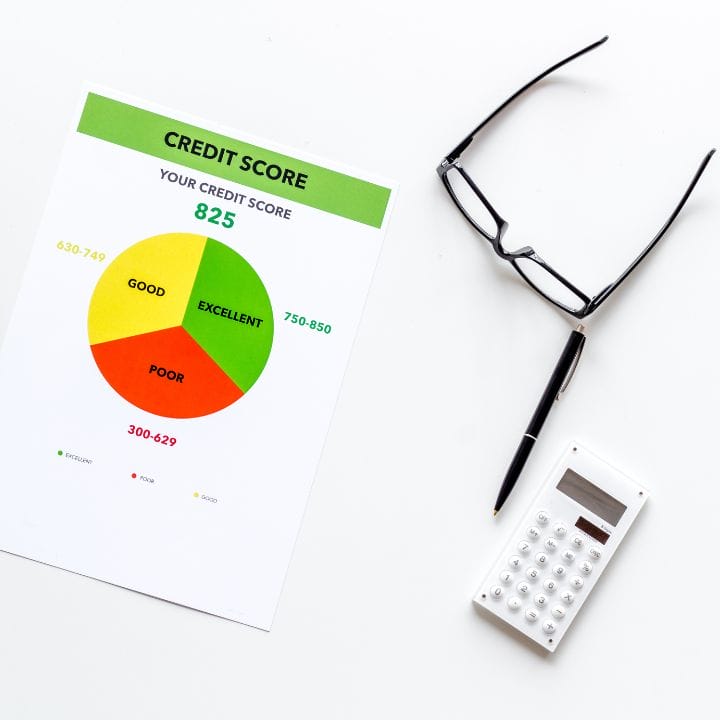
Your credit score is the gateway to your financial health. It affects your ability to secure loans, the interest rates you pay, and even your job prospects. Regularly check your credit report for errors that might be dragging your score down. Paying bills on time, reducing your credit utilization, and avoiding unnecessary debt are crucial steps in maintaining a healthy credit score.

4. Debt Management

debt management

123rf

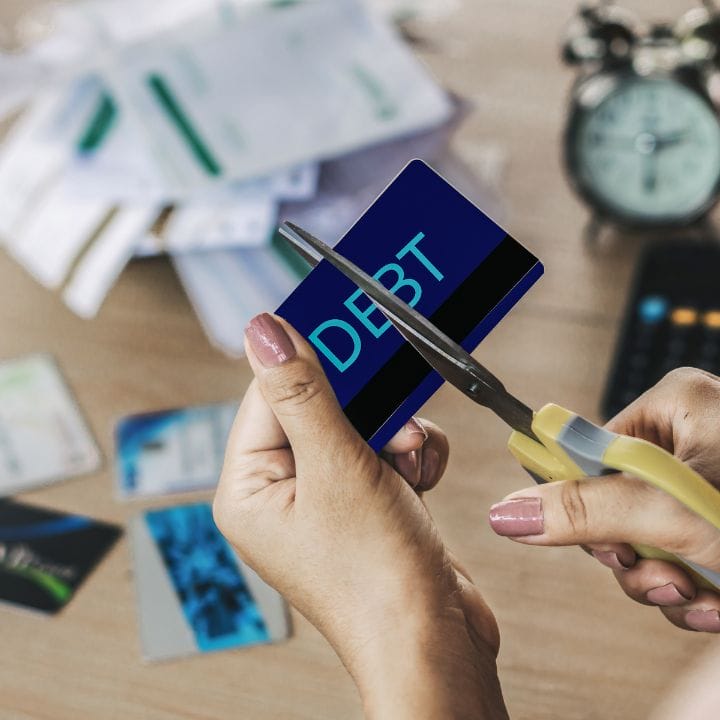
Debt isn’t inherently bad, but mismanaging it is. High-interest debt, such as credit card debt, can cripple your financial progress. Prioritize paying off high-interest debts first while maintaining minimum payments on others. Consider strategies like debt consolidation or balance transfers if you’re juggling multiple debts, but always read the fine print.

5. Budgeting

budgeting

123rf

A budget is your financial blueprint. Without it, you’re navigating blind. Budgeting helps you understand where your money goes, highlighting areas where you can save. It also prevents overspending and helps you reach your financial goals faster. There are plenty of budgeting tools and apps that can simplify this process, so pick one that fits your lifestyle.

6. Insurance Coverage

insurance coverage

123rf

Insurance is essential protection against financial disaster. Regularly review your health, auto, and home insurance to ensure they meet your current needs. Life and disability insurance are also crucial, especially if others depend on your income. As your life circumstances change, adjust your coverage to ensure you’re not underinsured or overpaying for unnecessary coverage.

7. Investments

investment

123rf

Investing is a powerful tool for building wealth, but it requires attention and adjustment. Diversify your investments to mitigate risk and aim for a mix that reflects your age, financial goals, and risk tolerance. Regularly review and rebalance your portfolio to align with your financial objectives, especially as market conditions change.

8. Tax Planning

taxes

123rf

No one loves taxes, but understanding them can save you a lot of money. Make use of tax-advantaged savings accounts and deductions. If you’re unsure, consulting a tax professional can be a worthwhile investment, especially if you have multiple income streams or a complex financial situation. Keeping abreast of new tax laws can also help you optimize your tax outcomes.

9. Financial Goals

financial goal

123rf

Setting financial goals gives you something to strive towards and helps measure your progress. Whether it’s buying a home, saving for a dream vacation, or preparing for retirement, having clear, measurable goals can motivate you to make financially sound decisions and track your achievements.

10. Regular Financial Check-Ups

a couple reviewing their finances

123rf

Just like you need regular health check-ups, your finances need periodic reviews. A yearly financial review can help you adjust your spending, update goals, and catch potential problems before they explode. Life’s changes, like marriage, kids, and new jobs, necessitate a look at and possibly a revision of your financial plan.

Start Your Financial Planning Today!

insurance coverage

123rf

Ignoring these ten aspects of your personal finances can lead to problems down the road. However, by giving them the attention they deserve, you can build a more secure financial future that’s robust enough to handle whatever life throws your way. It’s all about taking those first steps, staying consistent, and not being afraid to seek advice when needed.

Read More

Ways to Help Make Your Business Finances More Secure

How to Ensure Your Savings Thrive in a Low-Interest World

Vanessa Bermudez
Vanessa Bermudez
Vanessa Bermudez is a content writer with over eight years of experience crafting compelling content across a diverse range of niches. Throughout her career, she has tackled an array of subjects, from technology and finance to entertainment and lifestyle. In her spare time, she enjoys spending time with her husband and two kids. She’s also a proud fur mom to four gentle giant dogs.

Filed Under: Personal Finance Tagged With: budgeting, finances, Money, personal finances, savings, spending

Money Anxiety

July 15, 2020 by Jacob Sensiba Leave a Comment

Money Anxiety

Money anxiety is not an official mental disorder but is often treated. It manifests itself in a variety of ways, but I want to explain how anxiety and money affect my own life.

As I’ve mentioned here before, I have been diagnosed with anxiety so my feelings and experiences may be amplified to what you feel.

When it comes to money anxiety, I experience it in a few different scenarios.

Pleasing people

Your willingness or ability to spend money in a relationship should not determine the strength of that relationship. If that’s the case, is that a relationship really worth having?

In my case, it’s directly correlated with my former spouse. She got dealt a few bad hands in life, so I was willing to spend beyond my means to make her happy. Not that the spending inherently would make her happy, it was more of a reluctance to say no due to financial constraints.

That inability to say no stuck me with debt that set me back on my personal finance journey. Obviously, there are other personal factors that resulted in these circumstances, but that’s the gist.

Fitting in

I’ll echo what I said in the first section, your willingness or ability to spend money in a relationship should not determine the strength or quality of that relationship.

Thankfully, I’ve learned from/outgrown this, but it used to be a real challenge for me. Growing up, I never really felt like I fit into a particular friend group. So I developed relationships that I’m thankful for now but otherwise appeared destructive.

Destructive from a personal and financial perspective. As I said, I’ve since outgrown that tendency, but it’s something to be aware of for yourself.

Long-term thinking

This section will specifically talk about my house. The one I’m currently renting. Before we bought that one, we were two years into a mortgage in a different city. The plan was to live there until my son was school-age, and then we’d move to a city with better schools.

The house we ended up buying, I found on a whim. We looked at it, loved it, and put in an offer. It stretched us SUPER thin from a financial perspective. I mean, exhausted all of our savings (including retirement), and we were incredibly close to being negative on our budget.

I knew in my heart that it was the right long-term decision, and I was willing to go through the pain/struggle in the short term for it.

Little did I know that circumstances would change dramatically in the next year or two. Plan for the long term, but also plan for short-term variances (even the dramatic ones).

What I know

Because of my profession, my training, and what I’ve read, I’ve seen what happens when you make poor decisions.

That said, many (if not all) of my financial choices are heavily scrutinized. When I say “financial choices” I mean the larger ones. Day-to-day spending and bills are factored into my budget, though I do a review (as you should) regularly to see where I can trim excess spending.

When I make a financial decision, my money anxiety kicks into gear, as I always second guess myself. I run through the possible scenarios that could play out.

Tim Ferriss calls it fear-setting. The Stoics call it premeditatio morum. It’s a practice of expecting the worst and planning for them as they will happen. Expect the worst, hope for the best. Not a bad thing to do, in money and in life.

My Last Reflection

The Importance of Being Handy

Related reading:

The Psychology of Money

My House and What Brought Me Here

Living with Anxiety and Depression

Jacob Sensiba
Jacob Sensiba

Jacob Sensible is a financial advisor with decades of experience in the financial planning industry.  His journey into finance began out of necessity, stepping up to support his grandfather during a health crisis. This period not only grounded him in the essentials of stock analysis, investment strategies, and the critical roles of insurance and trusts in asset preservation but also instilled a comprehensive understanding of financial markets and wealth management.  Jacob can be reached at: jake.sensiba@mygfpartner.com.

mygfpartner.com/jacob-sensiba-wisconsin-financial-advisor/

Filed Under: Debt Management, money management, Personal Finance, Psychology Tagged With: anxiety, finance, Money, money anxiety, psychology

The Importance of Being Handy

July 1, 2020 by Jacob Sensiba Leave a Comment

The Importance of Being Handy

Perhaps it is just within my circle, but it seems that the character trait or the skill of being handy has lost its value.

People seem unable to fix simple things. Around their house, their car, what have you.

I’m curious if the majority of people know the difference between a Phillips head screwdriver and a flathead screwdriver.

At no time was the importance of being handy more clear than during the last few months, when the entire country went into lockdown. You never know when that service you rely on will be unable to help you.

My Experience

My dad taught me from an early age the importance of being able to fix things yourself and the value of a strong work ethic. Those may seem unrelated, but I believe they are directly correlated.

I watched him and helped him with all of his projects. Plumbing, changing the oil on his car, renovations, replacing his brakes, you name it.

Not only did it save him and us, as a family, money, but it was quality time I got to spend with him. There were valuable lessons taught in those experiences.

Now, I can fix almost anything. It gives me a sense of pride, it saves me money, and now, it’s making me money.

At my last apartment, I was the go-to handyman for our complex. They took a small chunk off my rent and paid me by the hour when I was on a job. Saving and earning at the same time.

Now that I’ve moved, I no longer am the go-to for that complex. Instead, I’m the go-to for all rental units owned by that investor in my city. That’s an incredible opportunity for me to make money outside of my normal 9-5.

Growing up, did I think this kind of circumstance would come upon me? Of course not. But that’s the thing. No matter how you think your life will turn out, it hardly goes that way.

You have to vary your knowledge and competencies across a range of industries. You truly never know what will fall into your lap.

From there, we’re going to take a hard right turn into a different topic

Consumer Math

This is something that should have been on my radar, but it wasn’t. Until this morning. My cousin is taking a consumer math course, and after learning about what it was, I have to promote it.

You can find a consumer math course anywhere, and they all teach the same thing.

Math for real-world situations.

It’s basically a personal finance course. It teaches things like budgeting, taxes, loans, buying a car, wages, deductions, spending, and transportation.

These are topics that everyone should be knowledgeable about, as they lay the foundation for your financial life. Ace these, and you’re steadfastly in the driver’s seat of your finances.

Quick Wrap-Up

Above, we covered two things. Being handy and having a wide range of knowledge can help you later in life, and how having a foundational understanding of consumer math puts you in control of your finances.

Both of these are vitally important but dramatically undervalued by the masses.

Related Reading:

My Life and How I Manage Stress

How to Teach Your Kids About Money

Why Financial Literacy is Important

Jacob Sensiba
Jacob Sensiba

Jacob Sensible is a financial advisor with decades of experience in the financial planning industry.  His journey into finance began out of necessity, stepping up to support his grandfather during a health crisis. This period not only grounded him in the essentials of stock analysis, investment strategies, and the critical roles of insurance and trusts in asset preservation but also instilled a comprehensive understanding of financial markets and wealth management.  Jacob can be reached at: jake.sensiba@mygfpartner.com.

mygfpartner.com/jacob-sensiba-wisconsin-financial-advisor/

Filed Under: kids and money, money management, Personal Finance Tagged With: basics, financial, fixing, handy, handyman, literacy, Money, Saving

Down Payment or Investment Opportunities?

June 17, 2020 by Jacob Sensiba Leave a Comment

Down Payment or Investment Opportunities

The current dilemma I am having is whether to stash my savings for a down payment on a house or contribute to my Roth so I have cash available for buying opportunities.

I’m pinching pennies, and I’m saving money wherever I can so that cash is accessible when I need it. I just don’t know what to do with it.

Do I put it towards a down payment or set it aside for investment opportunities. Like most things in life, the answer will lie somewhere in the middle.

Down payment

I’ve mentioned in prior reflections that I’m renting right now.

I’m renting because I got divorced and exhausted all of my savings on the down payment for my house. That house is currently being rented by another family, and my ex-wife and I still own it.

That’ll help build equity into the house so we receive more if/when we decide to sell, which is good.

I’m happy with my current living arrangements. I like the place. I like the neighborhood. My commute to work is 2 minutes, and I’m close to all of my family and friends. All good things.

The only bad part is I have no outdoor space to call my own. I have no yard.

I’m trying to frame it positively by saying that I’m not spending my time on yard work, and instead, have more time to spend with my son/work on myself when he’s not here. These are both very good things.

However, I want to give my son a space to play. A place to put a jungle gym and a sandbox. A place where he can just run around and have fun.

I want to give him that because he deserves it. I want to use my savings for a down payment on a house so we can have a place to call our own. 

Investment opportunities

Here’s the second part of my dilemma. I see a lot of chances to put my money to work in the market.

I’m able to play the long game because of my investment philosophy and my training. The best investors I have long-term time horizons.

What I mean to say is I can see past the present and I have an idea of what my investments can do over the long term, and the [possible] reward for investing now can’t be ignored.

That’s why I’m having a difficult time deciding what to do.

What will I do?

As a parent, you want to give your kids everything. I want to have a place we can call our own.

At the same time, I know how valuable it is to start saving and investing early so I can take advantage of compounding returns.

So here’s what I’m thinking. I’m going to develop a “savings plan”. I’ll take the dollar amount for an ideal down payment and how far in the future (in terms of years) when I’ll want to use it.

I’m thinking of $25,000 for a down payment and four years until I’ll use it. I’ll, then, divide $25k by 48 to get my monthly savings goal. Anything over that number I’ll put in my Roth.

That’ll take care of saving for a house and for retirement.

My Last Reflection:

My Experience with Life Insurance

Related reading:

Your Go-To Budget Guide

What is Time Horizon and Risk Tolerance?

My Life and How I Manage Stress

My House and What Brought Me Here

Jacob Sensiba
Jacob Sensiba

Jacob Sensible is a financial advisor with decades of experience in the financial planning industry.  His journey into finance began out of necessity, stepping up to support his grandfather during a health crisis. This period not only grounded him in the essentials of stock analysis, investment strategies, and the critical roles of insurance and trusts in asset preservation but also instilled a comprehensive understanding of financial markets and wealth management.  Jacob can be reached at: jake.sensiba@mygfpartner.com.

mygfpartner.com/jacob-sensiba-wisconsin-financial-advisor/

Filed Under: Investing, money management, Personal Finance, Real Estate Tagged With: down payment, investing, Investment, Money, Real estate, savings

How To Find Money Management Success – Create a Dashboard

May 17, 2015 by Joe Saul-Sehy Leave a Comment

I just answered a question on Facebook about a recent podcast interview featuring some bill pay app creators. My interviewees had discussed just how difficult it can be to quickly and efficiently pay bills. “I don’t understand the problem these guys are presenting,” the poster said (I’m paraphrasing….). “I just go to my bank and use their bill pay app every other week. No problem.”

I wish it were that easy for everyone.

Let’s face it. Most of us have one big problem with our financial profile: we’re disorganized. After 16 years in the financial trenches, I’ve seen it far too often to think it’s anything other than a widespread problem. Most of us pay bills on sixteen different sites and have two old 401k plans with former employers, our current job’s plan AND different 529 plans for each child. It’s impossible to manage everything. I’d ask people with all of these different investments and bill paying problems how they juggle everything, and the answer I most often heard was, “I manage it very poorly.”

Yet moving investments to a single provider is a scary proposition. We’ve all heard of Bernie Madoff and don’t want to trust one person with our money. We also have all heard of diversification. Having different plans ensures that I won’t have all of my eggs in one basket.
So we have two problems: safety and diversification….and the fact that by having your assets spread out it’s impossible to track. How do we reconcile these two ideas?

It’s easier than you think.

dashboard

Could you drive a car with three different dashboards?

Think About Driving A Car

When you drive a car, do you have one set of gauges or several? Of course, you only have one set of gauges. It’d be impossible to drive if you had five different dashboards. Imagine! Yet, when you think about your car, it’s a diversified collection of inputs, all working independently. However, when you put it all together, these gauges make your car easier to drive. You get the right data at the appropriate time.
That’s what we’re looking for with money management success….we don’t want to get rid of diversification. Our goal is to create a single dashboard.

In Your Personal Life

There are three areas you should look at with your money:

– Budget and bill tracking. Budgets fail when you’re making decisions about spending without knowing where your money goes each month. Items like a mortgage or rent payment and grocery bills are easy to track, but how much do you spend each week on entertainment? If you don’t track your expenses, it’s difficult to project the future or find any money management success. The gauge you’re looking for to help with daily money management is an app like Mint or Yodlee, that will automatically track your expenses so when you’re planning next week’s expenses you know how you’ve spent money in the past.

For budgets, Mint will allow you to set up alerts so that you’re notified when going over budget categories. YNAB (paid subscription) will help you think differently about your budget and keeping every area in check. People who like the old-fashioned envelope system may be attracted to MVelopes, an automatic way of instituting envelope budgets so you don’t have cash sitting around your home.

– Investments. Many apps will help you track your investment life. In particular, Mint can create a pie chart of your overall diversification so you can easily make investment decisions. Companies like Jemstep allow investors to input their goals and then recommends investment shifts. FeeX will look at all of your investments across platforms and tell you how much you’re paying in fees….an important gauge to see when investing. Zillow has a cool app that will track any real estate properties you own. NVestly is a social media site that not only helps you see results across your whole portfolio, but also makes investing social (you can see others investment pies…but not the amounts of money they have in any investment). While each of these is different, using a couple of these apps can help you make better investment decisions without worrying about having too much money at a single brokerage account.

That said, brokerage houses all offer a diversified collection of investments through different companies. Just because your portfolio is housed as Fidelity, for example, doesn’t mean you have to have all Fidelity investments. They work with a wide range of providers….and you only have to visit one brokerage site to see everything. One dashboard but still diversification!

– Big Picture. You should be able to see how your net worth is growing at a glance. Mint and Yodlee, among others, will give you that quick at-a-glance overall picture.

With Your Business or Side Gig

If you’re self employed, you’re even more crunched for time. You have your personal books AND business metrics to track. As a fan of the excellent management book The E-Myth Revisited: Why Most Small Businesses Don’t Work and What to Do About It, I know that the keys to business success are in systems and data. How much data you have and how quickly you can use that data to your advantage are important. That means three things:

– Platform. If your business or side-gig project isn’t build on a solid footing, you’re hurting. A web presence built by experts like 1and1.com means that you won’t have to worry about the “bones” of your business being difficult for customers or employees to navigate.

– Reporting. Using your bank’s application to track inflows and outflows (as well as setting up a Mint or Yodlee account for your business) can help you stay on top of business expenditures and inflows. Ask your accountant about great business tracking apps and software that they recommend.

Overall

Staying diversified doesn’t mean having money scattered all over. By focusing on systems, building a dashboard, and reliable business help, you’ll find that you’re able to more quickly make financial decisions that move the needle. That’s how you build long-term wealth!

Photo: Steve Jurvetson

Photo of Joe Saul-Sehy
Joe Saul-Sehy

Joe is a former financial advisor and media representative for American Express and Ameriprise. He was the “Money Man” at Detroit television WXYZ-TV, appearing twice weekly. He’s also appeared in Bride, Best Life, and Child magazines, the Los Angeles Times, Chicago Sun-Times, Detroit News and Baltimore Sun newspapers and numerous other media outlets.  Joe holds B.A Degrees from The Citadel and Michigan State University.

joesaulsehy.com/

Filed Under: Featured, Investing, Planning, successful investing, Uncategorized Tagged With: apps, Budget, cash, finance, Money

  • « Previous Page
  • 1
  • …
  • 7
  • 8
  • 9
  • 10
  • Next Page »

FOLLOW US

Search this site:

Recent Posts

  • Can My Savings Account Affect My Financial Aid? by Tamila McDonald
  • 12 Ways Gen X’s Views Clash with Millennials… by Tamila McDonald
  • What Advantages and Disadvantages Are There To… by Jacob Sensiba
  • 10 Tactics for Building an Emergency Fund from Scratch by Vanessa Bermudez
  • Call 911: Go To the Emergency Room Immediately If… by Stephen Kanaval
  • 7 Weird Things You Can Sell Online by Tamila McDonald
  • 10 Scary Facts About DriveTime by Tamila McDonald

Copyright © 2026 · News Pro Theme on Genesis Framework