
• Home
  • About Us
  • Toolkit
  • Getting Finances Done
    • Hiring Advisors
    • Debt Management
    • Spending Plan
  • Insurance
    • Life Insurance
    • Health Insurance
    • Disability Insurance
    • Homeowners/Renters Insurance
  • Contact Us
  • Risk Tolerance Quiz
  • Our Editorial Commitment

The Free Financial Advisor

You are here: Home / Archives for apps

Why Investing Apps Will Remain Popular in 2026

December 15, 2025 by Brandon Marcus Leave a Comment

Investing Apps Will Remain Popular in 2026
Image Source: Shutterstock.com

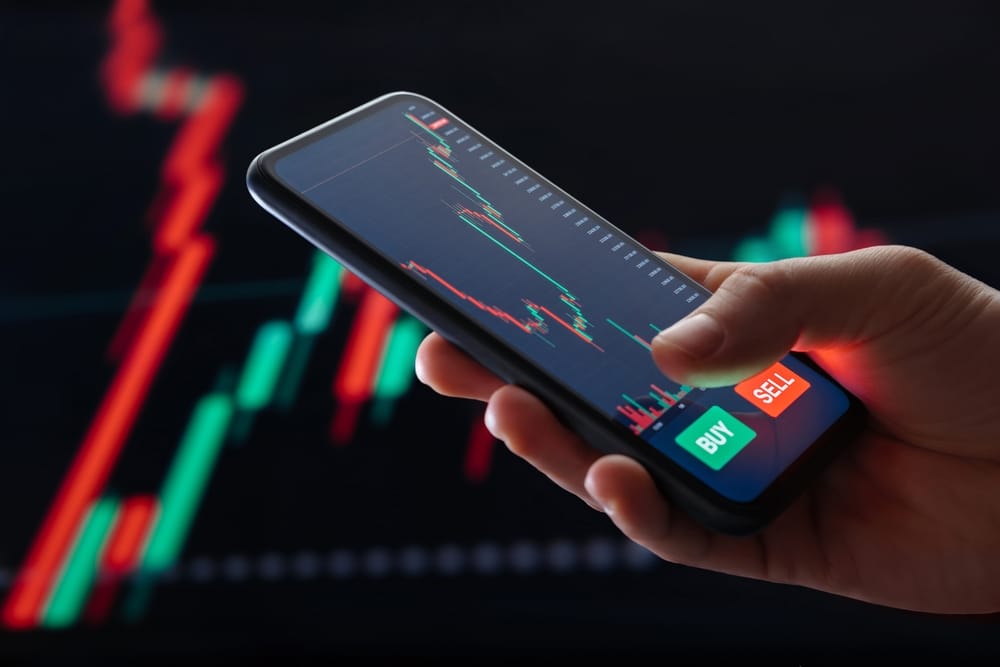
The way people invest has changed forever, and it didn’t happen quietly. What used to require phone calls, paperwork, and a stiff meeting in a quiet office now fits in your pocket and buzzes with notifications. Investing apps didn’t just make investing easier; they made it feel approachable, flexible, and even a little fun.

As markets evolve and technology keeps accelerating, these apps aren’t fading into the background anytime soon. In fact, all signs point to 2026 being another big year for investing apps as they continue to shape how everyday people grow their money.

1. Convenience Will Always Win

Investing apps thrive because they meet people where they already are, which is on their phones. In 2026, convenience will still be king, and few things are more convenient than managing investments during a coffee break or while waiting in line. These apps remove traditional barriers like office hours, long forms, and intimidating financial language. They allow users to check balances, make trades, and adjust strategies in seconds. As long as people value speed and simplicity, investing apps will remain a go-to solution.

2. Lower Barriers Keep New Investors Coming

One of the biggest reasons investing apps stay popular is their ability to welcome beginners without judgment. Fractional shares, low minimums, and intuitive design make investing feel possible for almost anyone. In 2026, younger generations will continue entering the market with limited capital but big curiosity. Apps that let users start small help turn interest into action. This steady flow of new investors keeps the ecosystem growing and relevant.

3. Education Is Built Right In

Modern investing apps don’t just let people trade; they teach them along the way. Short articles, videos, quizzes, and explainers turn confusing concepts into digestible lessons. By 2026, educational tools will be even more interactive and personalized based on user behavior. Learning while doing helps users feel more confident and engaged. That confidence makes people stick around instead of walking away when markets get choppy.

4. Automation Reduces Stress

Investing can be emotional, but apps help take some of that pressure off. Automated features like recurring investments, portfolio rebalancing, and goal-based tracking keep users consistent. In 2026, automation will continue to appeal to people who want progress without constant decision-making. These tools make investing feel less like gambling and more like a habit. When stress goes down, long-term participation goes up.

5. Customization Feels Personal

Investing apps increasingly adapt to the individual instead of forcing everyone into the same mold. Users can choose risk levels, themes, values-based investing, or hands-on control. By 2026, personalization will feel even smarter and more intuitive. When an app feels like it understands your goals, it becomes harder to replace. That sense of personalization turns a tool into a trusted companion.

6. Community And Social Features Drive Engagement

Many investing apps now include social elements like shared insights, discussion boards, or visible trends. These features make investing feel less isolating and more like a shared experience. In 2026, community-driven investing will continue to appeal to people who want connection alongside financial growth. Seeing how others think and react adds context and perspective. Engagement increases when users feel like they’re part of something bigger.
Investing Apps Will Remain Popular in 2026
Image Source: Shutterstock.com

7. Technology Keeps Making Them Smarter

Advancements in data analysis, interfaces, and real-time information continue to push investing apps forward. Faster execution, clearer visuals, and smarter alerts improve the overall experience. By 2026, apps will feel smoother and more responsive than ever. When technology improves quietly in the background, users simply enjoy better results and fewer frustrations. That steady improvement keeps apps competitive and appealing.

8. Trust Has Grown Over Time

Early skepticism around investing apps has softened as they’ve proven reliable and secure. Years of consistent performance, regulatory oversight, and improved transparency have built user confidence. In 2026, trust will be one of their strongest assets. People are far more likely to stick with platforms that feel established and dependable. Once trust is earned, loyalty often follows.

Investing Apps Are Here To Stay

Investing apps didn’t succeed by accident, and their staying power isn’t a fluke. They combine convenience, education, personalization, and technology in a way that fits modern life. As 2026 approaches, these platforms will continue evolving alongside the people who use them.

Whether you’re a seasoned investor or someone just starting out, investing apps have likely played a role in your financial journey. Share your thoughts, experiences, or stories with investing apps in the comments section below and join the conversation.

You May Also Like…

5 Lessons Young People Should Know About Investing

7 Dangers Lurking in Rideshare Apps You’ve Probably Ignored

8 Bold Strategies for Investing During Periods of High Inflation

Confront Your Fears of Investing With Our Step-by-Step Training Guide

Begin Learning the Secrets of Tax-Efficient Investing Today

Brandon Marcus
Brandon Marcus

Brandon Marcus is a writer who has been sharing the written word since a very young age. His interests include sports, history, pop culture, and so much more. When he isn’t writing, he spends his time jogging, drinking coffee, or attempting to read a long book he may never complete.

Filed Under: Investing Tagged With: apps, beginner investing, beginner investors, beginning investors, invest, investing, investing apps, investment tips, smartphone apps, smartphones, values-based investing

8 Apps That Are Quietly Stealing Your Retirement Budget

July 19, 2025 by Travis Campbell Leave a Comment

apps
Image Source: pexels.com

Retirement should be a time to relax, not worry about money slipping away. But many people don’t realize how much small, recurring expenses can add up, especially those tied to apps on your phone or tablet. These apps often start as harmless subscriptions or “free” trials, but over time, they can quietly drain your retirement budget. You might not even notice the impact until you check your bank statement and see how much is going out each month. It’s easy to overlook these costs because they seem small on their own. But together, they can make a real dent in your savings. Here’s how some common apps might be taking more from your retirement budget than you think.

1. Streaming Services

Streaming apps like Netflix, Hulu, and Disney+ are everywhere. They promise endless entertainment for a monthly fee. But if you subscribe to more than one, the costs add up fast. Many people forget to cancel free trials or keep multiple subscriptions they rarely use. Even a $10 or $15 monthly charge can become hundreds of dollars a year. If you’re not watching regularly, consider cutting back to just one service or sharing a plan with family. Review your subscriptions every few months to see what you really use.

2. Food Delivery Apps

Apps like DoorDash, Uber Eats, and Grubhub make it easy to order food without leaving home. But the convenience comes at a price. Delivery fees, service charges, and tips can turn a $12 meal into a $25 expense. If you use these apps often, you could be spending hundreds each month without realizing it. Cooking at home or picking up your order can save a lot. Try tracking your food delivery spending for a month. You might be surprised by the total.

3. Fitness and Wellness Subscriptions

Fitness apps and online workout programs are increasingly popular, particularly among individuals seeking to stay active from the comfort of their own homes. But many charge monthly or yearly fees. Some apps also offer “premium” features that cost extra. If you’re not using the app regularly, you’re wasting money. Look for free alternatives or stick to one program you enjoy. And always check if you’re being charged for old subscriptions you no longer use.

4. Mobile Games With In-App Purchases

Many mobile games are free to download but make money through in-app purchases. These can be tempting—just a few dollars for extra lives or special items. But small charges add up quickly, especially if you play often. Some people spend hundreds or even thousands a year without noticing. Set limits on in-app purchases or avoid games that push you to spend. If you have grandkids who use your device, check your settings to prevent accidental charges.

5. Cloud Storage Services

Apps like iCloud, Google Drive, and Dropbox offer extra storage for a monthly fee. It’s easy to sign up when you run out of space, but many people pay for more storage than they need. Review your files and delete those you no longer use. You might be able to downgrade to a free plan or a cheaper option. If you’re paying for multiple storage services, pick one and cancel the rest.

6. News and Magazine Subscriptions

Many news outlets and magazines have moved to digital subscriptions. It’s easy to sign up for a low monthly rate, but these charges can pile up. If you subscribe to several publications, you could be spending $50 or more each month. Ask yourself which ones you actually read. Many libraries offer free access to digital magazines and newspapers. Check what’s available before you pay for another subscription.

7. Shopping and Deal Apps

Apps like Amazon, eBay, and Groupon make it easy to shop from your phone. They send notifications about sales and deals, tempting you to buy things you don’t need. Even small purchases can add up over time. If you find yourself shopping out of boredom, delete the app or turn off notifications. Make a list before you shop and stick to it. Remember, a deal isn’t a deal if you didn’t need the item in the first place.

8. Budgeting and Finance Apps

It sounds strange, but some budgeting apps can actually hurt your retirement budget. Many charge monthly or yearly fees for “premium” features. If you’re not using these tools to their full potential, you’re wasting money. There are plenty of free budgeting tools available. Review what you’re paying for and decide if it’s worth it. Sometimes, a simple spreadsheet does the job just as well.

Small Charges, Big Impact

It’s easy to ignore small, recurring charges. But over time, these apps can quietly steal a big chunk of your retirement budget. Take a close look at your bank and credit card statements. Cancel subscriptions you don’t use. Set reminders to review your spending every few months. Protecting your retirement savings doesn’t have to be hard, but it does take attention. Every dollar you save now is a dollar you can use later for things that really matter.

Have you found any apps quietly draining your retirement budget? Share your experience in the comments.

Read More

Phone Apps That Drain Battery and Bank Account at the Same Time

8 Apps You Could Make Right Now to Start Making Six Figures

Travis Campbell
Travis Campbell

Travis Campbell is a digital marketer/developer with over 10 years of experience and a writer for over 6 years. He holds a degree in E-commerce and likes to share life advice he’s learned over the years. Travis loves spending time on the golf course or at the gym when he’s not working.

Filed Under: Retirement Tagged With: apps, budgeting, Personal Finance, Planning, Retirement, savings, subscriptions

6 Apps That Secretly Share Your Location (and How to Disable Them)

April 2, 2025 by Latrice Perez Leave a Comment

Woman hand using smartphone with gps navigator map icon on blur street background. Technology and business travel concept. Generative ai.
Image Source: 123rf.com

In today’s hyper-connected world, our smartphones have become indispensable tools, guiding us through daily life and keeping us connected. They guide us, connect us, and track our fitness goals, making our lives more convenient. However, this convenience comes with a trade-off: our location data, a valuable commodity that many apps seek to collect.

Many apps, often without our explicit knowledge, monitor our whereabouts, raising serious privacy concerns and prompting us to question the extent of our digital footprint. It’s crucial to understand which apps have access to your location and how to regain control of this sensitive information, safeguarding our privacy in an increasingly digital age.

1. Understanding Location Tracking

Location tracking isn’t inherently malicious, as many apps use it for legitimate purposes like navigation or ride-sharing, providing essential services. The concern arises when this data falls into the wrong hands, potentially leading to identity theft or harm, compromising our personal security. It’s vital to know that most smartphones allow you to see what apps use your location and change those settings, empowering us to make informed choices about our privacy. Understanding the nuances of location tracking empowers you to make informed decisions about your privacy. This knowledge helps you navigate the digital world with greater awareness, protecting yourself from potential privacy breaches.

2. Reviewing App Permissions

The first step to safeguarding your location privacy is to review your app permissions, taking control of the information you share. Both Android and iOS provide settings to control which apps access your location, giving you granular control over your data. You can choose from options like “Always,” “While Using the App,” “Ask Next Time,” or “Never,” customizing your settings to fit your needs. Regularly auditing these permissions helps identify and disable unnecessary location tracking, minimizing the risk of unauthorized access. You can also research app permissions to understand the best settings for each app.

3. Identifying Suspicious Apps

Some apps request location permissions even when it’s not essential for their functionality, raising red flags about their intentions. For example, a simple flashlight app shouldn’t require constant location access, suggesting a potential privacy violation. Be wary of apps that ask for excessive permissions and research their privacy policies, scrutinizing their data collection practices.

If you suspect an app is tracking you without a valid reason, consider uninstalling it or disabling its permissions, removing the threat from your device. Recognizing suspicious apps is key to maintaining your digital safety, and helps you protect yourself from potential privacy breaches.

4. Disabling Background Location Tracking

Many apps track your location even when not actively in use, draining your battery and raising privacy concerns, compromising your device’s performance. To disable this, navigate to your phone’s settings and adjust location permissions for individual apps, limiting their access to your location data.

You can also disable location services altogether when not needed, preventing any apps from tracking your whereabouts. Understanding how background tracking works is vital for privacy, enabling you to manage your device’s settings effectively and protect your personal information.

5. Utilizing Privacy-Focused Apps

Privacy Access Identification Password Passcode and Privacy
Image Source: 123rf.com

Several privacy-focused apps help control and monitor your location data, providing detailed reports and blocking unwanted tracking, enhancing your privacy. Consider using a VPN to encrypt traffic and mask your IP, making tracking harder, and adding an extra layer of security. These tools offer enhanced privacy and security features, giving you greater control over your digital footprint. They provide an extra layer of protection against digital surveillance, and help you maintain your anonymity.

6. Staying Informed to New Challenges to Privacy

The landscape of location tracking evolves, with new apps and technologies emerging regularly, posing new challenges to privacy. Stay informed about privacy threats and best practices, keeping up with the latest developments. Regularly update your OS and apps for the latest security patches, ensuring your devices are protected against vulnerabilities. Be cautious about granting permissions and read the fine print, understanding the implications of your choices. Maintaining vigilance is crucial in the digital age, and helps to safeguard your personal information.

Taking Control of Your Location Privacy

Protecting your location privacy is an ongoing process requiring vigilance, awareness, and proactive measures. By understanding how apps track you and controlling permissions, you safeguard your personal information, reclaiming your digital autonomy. This proactive approach helps you maintain control over your digital footprint, and allows you to use your devices safely. Take the time to understand your phone’s settings, and to make informed choices.

Have you encountered apps that secretly track you? What steps do you take to protect your privacy? Share your experiences and tips below, and help others to protect their digital privacy!

Read More:

8 Privacy Settings Everyone Should Change Immediately

Delete These 8 Apps Right Now—They’re Secretly Spying on You

Latrice Perez

Latrice is a dedicated professional with a rich background in social work, complemented by an Associate Degree in the field. Her journey has been uniquely shaped by the rewarding experience of being a stay-at-home mom to her two children, aged 13 and 5. This role has not only been a testament to her commitment to family but has also provided her with invaluable life lessons and insights.

As a mother, Latrice has embraced the opportunity to educate her children on essential life skills, with a special focus on financial literacy, the nuances of life, and the importance of inner peace.

Filed Under: safety Tagged With: apps, digital privacy, location tracking, privacy, security, smartphone, technology

5 Great DIY Investor Apps You Need to Know About

March 21, 2018 by Tamila McDonald Leave a Comment

It wasn’t long ago that you had to find a broker if you wanted to invest. Now, there are plenty of DIY Investor Apps that can let you control your portfolio from just about anywhere. [Read more…]

Tamila McDonald
Tamila McDonald

Tamila McDonald is a U.S. Army veteran with 20 years of service, including five years as a military financial advisor. After retiring from the Army, she spent eight years as an AFCPE-certified personal financial advisor for wounded warriors and their families. Now she writes about personal finance and benefits programs for numerous financial websites.

Filed Under: Investing, investment websites Tagged With: apps

How To Find Money Management Success – Create a Dashboard

May 17, 2015 by Joe Saul-Sehy Leave a Comment

I just answered a question on Facebook about a recent podcast interview featuring some bill pay app creators. My interviewees had discussed just how difficult it can be to quickly and efficiently pay bills. “I don’t understand the problem these guys are presenting,” the poster said (I’m paraphrasing….). “I just go to my bank and use their bill pay app every other week. No problem.”

I wish it were that easy for everyone.

Let’s face it. Most of us have one big problem with our financial profile: we’re disorganized. After 16 years in the financial trenches, I’ve seen it far too often to think it’s anything other than a widespread problem. Most of us pay bills on sixteen different sites and have two old 401k plans with former employers, our current job’s plan AND different 529 plans for each child. It’s impossible to manage everything. I’d ask people with all of these different investments and bill paying problems how they juggle everything, and the answer I most often heard was, “I manage it very poorly.”

Yet moving investments to a single provider is a scary proposition. We’ve all heard of Bernie Madoff and don’t want to trust one person with our money. We also have all heard of diversification. Having different plans ensures that I won’t have all of my eggs in one basket.
So we have two problems: safety and diversification….and the fact that by having your assets spread out it’s impossible to track. How do we reconcile these two ideas?

It’s easier than you think.

dashboard
Could you drive a car with three different dashboards?

Think About Driving A Car

When you drive a car, do you have one set of gauges or several? Of course, you only have one set of gauges. It’d be impossible to drive if you had five different dashboards. Imagine! Yet, when you think about your car, it’s a diversified collection of inputs, all working independently. However, when you put it all together, these gauges make your car easier to drive. You get the right data at the appropriate time.
That’s what we’re looking for with money management success….we don’t want to get rid of diversification. Our goal is to create a single dashboard.

In Your Personal Life

There are three areas you should look at with your money:

– Budget and bill tracking. Budgets fail when you’re making decisions about spending without knowing where your money goes each month. Items like a mortgage or rent payment and grocery bills are easy to track, but how much do you spend each week on entertainment? If you don’t track your expenses, it’s difficult to project the future or find any money management success. The gauge you’re looking for to help with daily money management is an app like Mint or Yodlee, that will automatically track your expenses so when you’re planning next week’s expenses you know how you’ve spent money in the past.

For budgets, Mint will allow you to set up alerts so that you’re notified when going over budget categories. YNAB (paid subscription) will help you think differently about your budget and keeping every area in check. People who like the old-fashioned envelope system may be attracted to MVelopes, an automatic way of instituting envelope budgets so you don’t have cash sitting around your home.

– Investments. Many apps will help you track your investment life. In particular, Mint can create a pie chart of your overall diversification so you can easily make investment decisions. Companies like Jemstep allow investors to input their goals and then recommends investment shifts. FeeX will look at all of your investments across platforms and tell you how much you’re paying in fees….an important gauge to see when investing. Zillow has a cool app that will track any real estate properties you own. NVestly is a social media site that not only helps you see results across your whole portfolio, but also makes investing social (you can see others investment pies…but not the amounts of money they have in any investment). While each of these is different, using a couple of these apps can help you make better investment decisions without worrying about having too much money at a single brokerage account.

That said, brokerage houses all offer a diversified collection of investments through different companies. Just because your portfolio is housed as Fidelity, for example, doesn’t mean you have to have all Fidelity investments. They work with a wide range of providers….and you only have to visit one brokerage site to see everything. One dashboard but still diversification!

– Big Picture. You should be able to see how your net worth is growing at a glance. Mint and Yodlee, among others, will give you that quick at-a-glance overall picture.

With Your Business or Side Gig

If you’re self employed, you’re even more crunched for time. You have your personal books AND business metrics to track. As a fan of the excellent management book The E-Myth Revisited: Why Most Small Businesses Don’t Work and What to Do About It, I know that the keys to business success are in systems and data. How much data you have and how quickly you can use that data to your advantage are important. That means three things:

– Platform. If your business or side-gig project isn’t build on a solid footing, you’re hurting. A web presence built by experts like 1and1.com means that you won’t have to worry about the “bones” of your business being difficult for customers or employees to navigate.

– Reporting. Using your bank’s application to track inflows and outflows (as well as setting up a Mint or Yodlee account for your business) can help you stay on top of business expenditures and inflows. Ask your accountant about great business tracking apps and software that they recommend.

Overall

Staying diversified doesn’t mean having money scattered all over. By focusing on systems, building a dashboard, and reliable business help, you’ll find that you’re able to more quickly make financial decisions that move the needle. That’s how you build long-term wealth!

Photo: Steve Jurvetson

Photo of Joe Saul-Sehy
Joe Saul-Sehy

Joe is a former financial advisor and media representative for American Express and Ameriprise. He was the “Money Man” at Detroit television WXYZ-TV, appearing twice weekly. He’s also appeared in Bride, Best Life, and Child magazines, the Los Angeles Times, Chicago Sun-Times, Detroit News and Baltimore Sun newspapers and numerous other media outlets.  Joe holds B.A Degrees from The Citadel and Michigan State University.

joesaulsehy.com/

Filed Under: Featured, Investing, Planning, successful investing, Uncategorized Tagged With: apps, Budget, cash, finance, Money

FOLLOW US

Search this site:

Recent Posts

  • Can My Savings Account Affect My Financial Aid? by Tamila McDonald
  • 12 Ways Gen X’s Views Clash with Millennials… by Tamila McDonald
  • What Advantages and Disadvantages Are There To… by Jacob Sensiba
  • 10 Tactics for Building an Emergency Fund from Scratch by Vanessa Bermudez
  • Call 911: Go To the Emergency Room Immediately If… by Stephen Kanaval
  • 7 Weird Things You Can Sell Online by Tamila McDonald
  • 10 Scary Facts About DriveTime by Tamila McDonald

Copyright © 2026 · News Pro Theme on Genesis Framework