• Home
  • About Us
  • Toolkit
  • Getting Finances Done
    • Hiring Advisors
    • Debt Management
    • Spending Plan
  • Insurance
    • Life Insurance
    • Health Insurance
    • Disability Insurance
    • Homeowners/Renters Insurance
  • Contact Us
  • Privacy Policy
  • Risk Tolerance Quiz

The Free Financial Advisor

You are here: Home / Archives for market downturns

3 Money Lessons Every Market Correction Teaches

March 10, 2026 by Brandon Marcus Leave a Comment

3 Money Lessons Every Market Correction Teaches

Image Source: Unsplash.com

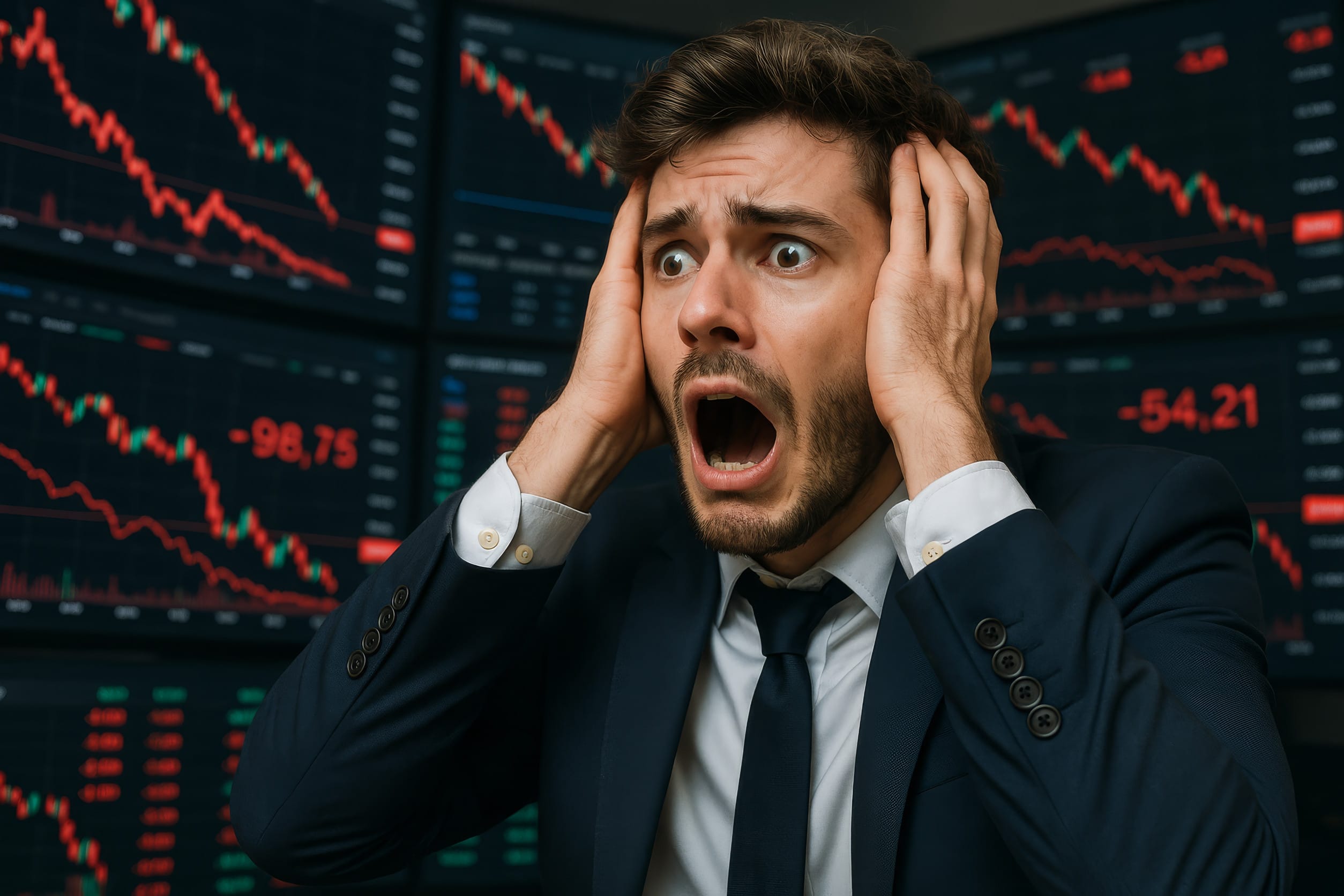
Markets can rise for years, then shift direction in what feels like an instant. When stocks start sliding, even the most confident strategies face a real-world stress test. Portfolios that looked unstoppable during long bull runs suddenly reveal weaknesses, emotions begin to influence decisions, and investors are reminded of an uncomfortable truth: growth always travels alongside volatility.

Corrections don’t just reduce numbers on a brokerage statement. They expose habits, challenge assumptions, and force investors to reconsider how they manage risk. Some people panic and sell, others freeze, and a smaller group quietly adjusts their approach and positions themselves for the next cycle.

Every correction, no matter when it happens, delivers lessons that outlast the downturn itself. Those lessons strengthen discipline, sharpen strategy, and help investors build resilience for whatever comes next.

Lesson One: Bull Markets Build Confidence, Sometimes Too Much

Long stretches of rising markets create a powerful illusion. Portfolios climb, headlines celebrate new highs, and investing starts to feel easy. When gains arrive month after month, it becomes tempting to believe that skill alone produced those results. Corrections interrupt that narrative. They reveal how much risk may have accumulated quietly during the good years, especially in portfolios heavily concentrated in a single sector or investment theme. Concentration works beautifully during rallies but becomes painful when the market shifts.

Diversification remains one of the most reliable ways to reduce damage during downturns. Spreading investments across industries, asset classes, and global markets helps cushion the impact when one area stumbles. Corrections offer a natural moment to review allocations, trim oversized positions, and restore balance before the next cycle begins.

Lesson Two: Volatility Rewards Patience, Not Panic

Market downturns test emotional discipline more than financial knowledge. Falling prices create urgency, and that urgency pushes many investors toward decisions that harm long-term results. History shows that markets recover from corrections, yet panic selling often locks in losses and removes the chance to benefit from rebounds. Investors who continue contributing to retirement accounts or brokerage portfolios during downturns often come out ahead because lower prices allow each contribution to buy more shares.

Dollar-cost averaging helps maintain consistency when emotions run high. Investing the same amount at regular intervals smooths out volatility and builds discipline over time. The lesson is simple but powerful: long-term wealth grows from patience, not perfect timing.

3 Money Lessons Every Market Correction Teaches

Image Source: Unsplash.com

Lesson Three: Emergency Funds Protect Investments From Bad Timing

One of the most painful situations during a downturn occurs when someone needs cash and has no savings to draw from. Without an emergency fund, investors may be forced to sell assets at the worst possible moment. Emergency savings act as a buffer between life’s surprises and long-term investments. Financial planners often recommend three to six months of living expenses in an accessible account. That cushion allows investors to leave their portfolios untouched during market turbulence and gives them the freedom to wait for recovery rather than react out of necessity.

Corrections consistently highlight how essential this buffer can be. Investors with strong emergency funds stay calmer, make fewer emotional decisions, and give their portfolios time to rebound.

Opportunity Favors the Prepared

Although corrections feel uncomfortable, they often create opportunities for disciplined investors. Falling prices allow long-term investors to buy quality companies or diversified funds at more attractive valuations. Those who maintain steady contributions or keep some cash available for strategic purchases often emerge from downturns in stronger positions.

This doesn’t mean rushing into speculative bets. It means recognizing that lower prices can benefit those who stay focused on fundamentals and long-term goals.

The Market’s Toughest Moments Often Teach the Most Valuable Lessons

Corrections are not failures of the financial system. They are normal phases in economic cycles. They reset valuations, test discipline, and prepare the ground for future growth.

Investors who absorb the lessons from these periods gain something more durable than short-term profits. They gain perspective. Diversification reduces risk, patience outperforms panic, and emergency savings protect long-term plans from short-term disruptions.

Markets will experience future corrections. That is guaranteed. The investors who navigate them successfully will rely on preparation, balance, and steady discipline rather than luck or fear.

What do you think? What advice do you have for investors, especially new ones, as they learn lessons that only the stock market can provide? Tell us all of your thoughts in the comments below.

You May Also Like…

7 Alternative Investments That Outperformed the S&P 500 in 2025

Can You Trust AI With Your Taxes and Investments? 8 Risks No One Explains

Here’s What Your Financial Advisor Isn’t Telling You About Investing in 2026

9 Investing Assumptions That Fail When Markets Stay Flat for Years

7 Questions Investors Wish They’d Asked Before Hiring an Advisor

Brandon Marcus
Brandon Marcus

Brandon Marcus is a writer who has been sharing the written word since a very young age. His interests include sports, history, pop culture, and so much more. When he isn’t writing, he spends his time jogging, drinking coffee, or attempting to read a long book he may never complete.

Filed Under: Personal Finance Tagged With: economic trends, investing strategy, investment strategy, long-term investing, market correction, market downturns, money lessons, Personal Finance, Planning, portfolio management, stock market, Stock Market Volatility

Why Must I Pay a Percentage of My Assets Even When Markets Fall Hard?

October 26, 2025 by Travis Campbell Leave a Comment

investing

Image source: shutterstock.com

When markets take a nosedive, it’s natural to question every fee you pay. The most common question? “Why must I pay a percentage of my assets even when markets fall hard?” It’s frustrating to see your portfolio shrink and still owe the same advisor fee. This issue matters because fees eat into your returns, and in tough years, it feels like you’re losing twice. Understanding why these fees are structured this way—and what you’re really paying for—can help you make smarter decisions about your investments and your financial advisor relationship.

Let’s break down the reasons behind asset-based fees, especially during rough market cycles, and what it means for your long-term financial strategy.

1. The Asset-Based Fee Model Explained

Most financial advisors charge a percentage of assets under management (AUM). This means you pay a set rate—often 1%—on the total value of your portfolio, regardless of whether the market is up or down. The primary SEO keyword here is “asset-based fees.”

This model is straightforward and aligns the advisor’s compensation with your account size. If your assets grow, so does their fee; if your assets shrink, their fee shrinks too. But even when markets fall, you’re still paying that percentage on your remaining assets. It’s not about the market’s direction, but rather the ongoing management and advice you receive.

2. Advisors Provide Continuous Service

You’re not just paying for trades or investment picks with asset-based fees. Advisors offer ongoing services, including portfolio rebalancing, tax planning, financial planning, and emotional guidance—especially during volatile markets. Their work doesn’t stop when markets drop. In fact, it often ramps up as they help you avoid costly panic-driven mistakes.

Even in tough years, advisors monitor your allocations, suggest adjustments, and keep you focused on your long-term plan. These services are year-round, not just when markets are booming. The fee reflects this continuous support, not just the performance of your investments.

3. Incentives Are (Mostly) Aligned

Asset-based fees aim to align advisor incentives with your own. When your portfolio grows, their compensation increases; when it falls, so does their pay. If your account drops in value, the dollar amount they receive is lower, even if the percentage stays the same.

This structure is meant to keep advisors motivated to help you succeed over time, not just chase short-term gains. That said, some critics argue that asset-based fees can still be high during downturns, leading clients to question their value. It’s important to weigh these incentives when choosing an advisor.

4. Administrative Costs Remain Steady

Running a financial advisory business comes with fixed costs—compliance, technology, staffing, and ongoing education. These expenses don’t disappear in a bear market. Asset-based fees provide a predictable revenue stream for advisors, allowing them to maintain quality service through both good and bad times.

This stability benefits clients, too. If advisors relied solely on transactional or hourly fees, you might see dramatic swings in service quality or availability during market downturns. Asset-based fees help keep the lights on and the advice flowing, even when your portfolio is down.

5. Alternatives Have Drawbacks

Why not just pay by the hour or per trade? While those models exist, they come with their own challenges. Hourly fees can add up quickly, especially if you need frequent help. Per-trade fees may incentivize unnecessary transactions. Both can make it harder to budget for advice or know what you’ll pay each year.

Asset-based fees, despite their flaws, offer a clear, predictable structure. You know what to expect, and you’re less likely to be nickel-and-dimed for every service or question. For many investors, this simplicity is worth the cost—especially when markets are rough and steady guidance is needed most.

6. Regulatory and Industry Standards

Asset-based fees are the industry standard, in part because regulators prefer transparent, easy-to-understand pricing. This model is widely used by registered investment advisors, and it’s often seen as more client-friendly than commission-based compensation, which can create conflicts of interest.

Understanding the pros and cons can help you decide which arrangement fits your needs best.

What Can You Do If You’re Unhappy with Asset-Based Fees?

If you’re questioning asset-based fees, especially after a market drop, you’re not alone. Start by having an honest conversation with your advisor. Ask for a breakdown of what services you’re receiving and how your fees compare to industry averages. You might also consider alternatives, like flat-fee or hourly advisors, if you feel the percentage-based model no longer fits your situation.

Remember, you have the right to shop around. Platforms like NAPFA’s advisor search tool can help you find fee-only advisors who may offer different pricing structures. Ultimately, the right fee model is the one that gives you value, clarity, and peace of mind—even when markets are down.

How do you feel about paying asset-based fees during market downturns? Have you ever switched to a different fee structure? Share your thoughts in the comments below!

What to Read Next…

  • What Happens to Retirement Payouts When the Market Drops Mid Inheritance
  • 7 Areas of Your Portfolio Exposed to Sudden Market Shocks
  • Why So Many Investors Are Losing Assets in Plain Sight
  • How Financial Planners Are Recommending Riskier Portfolios in 2025
  • 7 Financial Loopholes That Lenders Exploit Behind the Scenes
Travis Campbell
Travis Campbell

Travis Campbell is a digital marketer/developer with over 10 years of experience and a writer for over 6 years. He holds a degree in E-commerce and likes to share life advice he’s learned over the years. Travis loves spending time on the golf course or at the gym when he’s not working.

Filed Under: Investing Tagged With: advisor compensation, asset-based fees, financial advisor fees, Investment management, market downturns, Planning

Why Do Some Investors Panic at the Worst Possible Time

September 5, 2025 by Catherine Reed Leave a Comment

Why Do Some Investors Panic at the Worst Possible Time

Image source: 123rf.com

Markets rise and fall, but human behavior often magnifies those swings. Instead of staying calm, many investors sell off stocks or abandon strategies during downturns, locking in losses at exactly the wrong moment. This reaction can derail long-term plans and create financial setbacks that take years to recover from. To answer why do some investors panic at the worst possible time, it’s important to explore both the psychology and the financial pressures behind these decisions.

1. Fear Overpowers Rational Thinking

Fear is one of the most powerful drivers of human behavior. When markets dip sharply, headlines amplify the panic, and many investors respond emotionally instead of logically. Even experienced investors may forget that markets historically recover over time. The instinct to “stop the bleeding” can cause them to sell at a loss. This fear-based decision-making is a clear example of why some investors panic at the worst possible time.

2. Short-Term Focus Clouds Long-Term Goals

Investors who focus too much on daily market swings often lose sight of long-term objectives. Retirement accounts or long-term portfolios are designed to weather short-term volatility, but panic can override patience. When investors check balances too frequently, small losses feel larger than they are. This short-term mindset leads to hasty decisions that hurt long-term outcomes. The inability to focus on the bigger picture shows why some investors panic at the worst possible time.

3. Herd Mentality Magnifies the Panic

When markets fall, people often look to others for cues on what to do. If friends, colleagues, or news outlets emphasize selling, investors may follow the crowd to avoid feeling left behind. This herd mentality creates a snowball effect, with more selling leading to sharper declines. Acting with the crowd often feels safe, but it usually means selling low and buying high later. This behavior highlights another reason why some investors panic at the worst possible time.

4. Lack of Emergency Savings Creates Pressure

For some, the decision to sell investments isn’t just emotional—it’s financial necessity. Without emergency savings, people may be forced to pull money from investments during downturns to cover expenses. This locks in losses and disrupts financial plans. Having cash reserves can prevent investors from touching long-term accounts when markets dip. A lack of safety nets explains another layer of why some investors panic at the worst possible time.

5. Overexposure to Risk Fuels Anxiety

Investors who take on more risk than they can emotionally handle are more likely to panic. A portfolio that swings wildly during downturns may cause sleepless nights and trigger rash decisions. Diversification and balanced asset allocation can reduce this stress, but many ignore those principles in pursuit of higher returns. When risk tolerance and investments don’t align, panic is almost inevitable. Overexposure to risk is a major reason why some investors panic at the worst possible time.

6. Overconfidence Backfires in Market Volatility

During strong markets, some investors become overconfident, assuming gains will continue indefinitely. When reality shifts, they’re unprepared emotionally and financially for losses. This overconfidence often leads to poor preparation, such as failing to diversify or ignoring risk management. The shock of a downturn then triggers panic selling. This swing from overconfidence to fear is another reason why some investors panic at the worst possible time.

7. Media Amplifies Market Anxiety

Financial news outlets thrive on attention, and dramatic headlines grab more viewers. Constant coverage of downturns, market crashes, or economic uncertainty creates a sense of urgency. Even disciplined investors may feel compelled to react after absorbing hours of negative news. In reality, markets are often less volatile than the headlines suggest. Media influence is a strong factor in why some investors panic at the worst possible time.

Staying Calm When Markets Shake

Market downturns are inevitable, but panic doesn’t have to be. The key lies in preparation: setting realistic expectations, maintaining emergency savings, and aligning portfolios with true risk tolerance. Recognizing the psychological traps that lead to poor timing helps investors make rational decisions. Ultimately, understanding why some investors panic at the worst possible time offers valuable lessons on how to avoid costly mistakes and build long-term financial resilience.

Have you ever felt the urge to sell during a market downturn? Share your experience and strategies in the comments below.

What to Read Next…

8 Smart Investing Rules the Wealthy Actually Follow

7 Strange Things That End Up in High-Net-Worth Portfolios

8 Suspicious Portfolio Shifts After Advisor Change

5 Financial Moves That Sound Smart but Hurt Over Time

8 Signs Your Portfolio Strategy May Be Outdated in This Economy

Catherine Reed
Catherine Reed

Catherine is a tech-savvy writer who has focused on the personal finance space for more than eight years. She has a Bachelor’s in Information Technology and enjoys showcasing how tech can simplify everyday personal finance tasks like budgeting, spending tracking, and planning for the future. Additionally, she’s explored the ins and outs of the world of side hustles and loves to share what she’s learned along the way. When she’s not working, you can find her relaxing at home in the Pacific Northwest with her two cats or enjoying a cup of coffee at her neighborhood cafe.

Filed Under: Investing Tagged With: investing, market downturns, market psychology, panic selling, Personal Finance, Planning, retirement planning, Risk management

What No One Admits About Timing a Bear Market

April 29, 2025 by Travis Campbell Leave a Comment

stock chart

Image Source: pexels.com

The elusive dream of perfectly timing market downturns has captivated investors for generations. While financial advisors often preach the gospel of “time in the market beats timing the market,” many investors still attempt to outsmart bear markets. This pursuit isn’t merely about preserving capital—it’s about the psychological comfort of feeling in control during chaotic market conditions. Yet beneath the surface of this seemingly rational strategy lie uncomfortable truths that few professionals openly discuss. Understanding these hidden realities might be the difference between financial security and costly mistakes.

1. Even Professionals Fail at Market Timing Consistently

Professional fund managers, with their advanced degrees, sophisticated models, and dedicated research teams, consistently struggle to time market downturns effectively. According to a study by Morningstar, over 10 years ending in 2020, only 23% of active fund managers outperformed their passive benchmarks. This underperformance isn’t due to a lack of effort or intelligence—it stems from the fundamental unpredictability of markets.

Market timing requires two perfect decisions: when to exit and when to re-enter. Getting just one wrong can devastate returns. Many professionals who correctly predicted the 2008 financial crisis failed to anticipate the rapid recovery that followed, missing substantial gains while waiting for a “double-dip” recession that never materialized.

2. Psychological Biases Make Timing Nearly Impossible

Our brains are wired with cognitive biases that sabotage market timing attempts. Confirmation bias leads us to seek information supporting our existing beliefs about market direction. Recency bias causes us to overweight recent events, making downturns seem permanent during bear markets. Loss aversion makes us twice as sensitive to losses as to equivalent gains, often triggering premature selling.

Perhaps most damaging is hindsight bias—the tendency to believe past events were predictable after they’ve occurred. This creates the illusion that we could have foreseen market crashes, when in reality, genuine black swan events are recognized only in retrospect. These psychological factors explain why individual investors’ actual returns typically lag market returns by 1-2% annually.

3. The Cost of Being Wrong Is Astronomical

Missing just a handful of the market’s best days can dramatically reduce long-term returns. Research from J.P. Morgan shows that missing the 10 best market days over 20 years would cut returns nearly in half. What makes this particularly challenging is that the market’s best days often occur during periods of extreme volatility, frequently within days or weeks of its worst performances.

The mathematics of recovery also works against market timers. A 20% market decline requires a 25% gain just to break even. The deeper the decline, the steeper the climb back. Investors who exit during downturns often wait for “confirmation” of recovery, missing the initial sharp rebounds that contribute disproportionately to long-term returns.

4. Market Timing Creates Tax Inefficiencies

The tax implications of frequent trading rarely factor into market timing discussions. Each successful market exit potentially triggers capital gains taxes, immediately reducing the capital available for reinvestment. This tax drag compounds over time, creating a significant headwind against long-term performance.

For high-income investors in states with substantial income taxes, combined federal and state tax rates on short-term gains can exceed 40%. This means market timing strategies must generate returns significantly above buy-and-hold approaches just to break even after taxes. Few market timing systems can consistently overcome this hurdle.

5. Economic Indicators Often Mislead Investors

Many investors rely on economic indicators to time market exits and entries. However, markets are forward-looking mechanisms that frequently move in advance of economic data. When recession indicators appear in official statistics, markets have often already priced in this information.

The COVID-19 market crash and recovery perfectly illustrated this disconnect. The market bottomed on March 23, 2020, while economic data deteriorated for months afterward. Investors waiting for economic “all-clear” signals missed a 40%+ recovery in major indices. Similarly, markets often begin declining while economic indicators still show strength, as they did before the 2008 financial crisis.

6. The Real Secret: Risk Management Beats Market Timing

The uncomfortable truth most professionals won’t admit is that effective risk management strategies outperform market timing attempts. Rather than trying to predict market movements, successful investors focus on controlling portfolio risk through proper asset allocation, diversification, and periodic rebalancing.

Dollar-cost averaging—investing fixed amounts at regular intervals regardless of market conditions—removes emotion from the equation while capitalizing on market volatility. This approach acknowledges our inability to predict short-term market movements while harnessing the market’s long-term upward bias.

The Courage to Stay the Course When Others Panic

Perhaps the most valuable skill in investing isn’t timing ability but emotional resilience. The capacity to maintain conviction during market turmoil—when headlines scream disaster and others rush for exits—separates successful investors from the crowd. This isn’t about blind faith but understanding market history: every bear market has eventually given way to new highs.

The real edge comes not from predicting market turns but from preparing psychologically and financially for inevitable downturns. This means maintaining appropriate emergency funds, avoiding excessive leverage, and creating a written investment policy statement to guide decisions when emotions run high.

Have you ever been tempted to time the market during a downturn? What strategies helped you resist the urge to sell when markets plunged?

Read More

Is it time for the market to crash?

5 great stock buying tips to practice today

Travis Campbell
Travis Campbell

Travis Campbell is a digital marketer/developer with over 10 years of experience and a writer for over 6 years. He holds a degree in E-commerce and likes to share life advice he’s learned over the years. Travis loves spending time on the golf course or at the gym when he’s not working.

Filed Under: Investing Tagged With: bear market timing, investment strategy, investor psychology, market downturns, market volatility, portfolio management

FOLLOW US

Search this site:

Recent Posts

  • Can My Savings Account Affect My Financial Aid? by Tamila McDonald
  • 12 Ways Gen X’s Views Clash with Millennials… by Tamila McDonald
  • What Advantages and Disadvantages Are There To… by Jacob Sensiba
  • Call 911: Go To the Emergency Room Immediately If… by Stephen Kanaval
  • 10 Tactics for Building an Emergency Fund from Scratch by Vanessa Bermudez
  • 7 Weird Things You Can Sell Online by Tamila McDonald
  • 10 Scary Facts About DriveTime by Tamila McDonald

Copyright © 2026 · News Pro Theme on Genesis Framework