• Home
  • About Us
  • Toolkit
  • Getting Finances Done
    • Hiring Advisors
    • Debt Management
    • Spending Plan
  • Insurance
    • Life Insurance
    • Health Insurance
    • Disability Insurance
    • Homeowners/Renters Insurance
  • Contact Us
  • Privacy Policy
  • Risk Tolerance Quiz

The Free Financial Advisor

You are here: Home / Archives for overdraft charges

6 Outrageous Truths About Hidden Bank Fees

September 28, 2025 by Catherine Reed Leave a Comment

6 Outrageous Truths About Hidden Bank Fees

Image source: 123rf.com

Banks often present themselves as helpful partners in managing money, but the reality is that their fee structures are designed to maximize profit. Many consumers are shocked when small, unexpected charges quietly drain their accounts. These hidden bank fees don’t always make headlines, but they can add up to hundreds of dollars a year. Worse, they often punish everyday customers for simple mistakes or ordinary financial activity. Here are six outrageous truths about hidden bank fees you need to know.

1. Overdraft Fees Are a Profit Machine

One of the most notorious hidden bank fees is the overdraft charge. While overdraft protection is marketed as a safety net, it’s really a costly trap. Banks earn billions each year from customers who accidentally spend a little more than they have. Even a small $5 purchase can trigger an overdraft fee of $35 or more. The outrageous truth is that this system disproportionately affects people living paycheck to paycheck.

2. Maintenance Fees Punish Low Balances

Another shocking reality of hidden bank fees is the monthly maintenance charges. Many accounts require a minimum balance or certain activity to waive the fee. If you fall short, the bank charges between $10 and $25 each month. This means the customers who can least afford extra costs end up paying the most. It’s a frustrating system that rewards wealthier customers while punishing those with smaller accounts.

3. ATM Fees Multiply Quickly

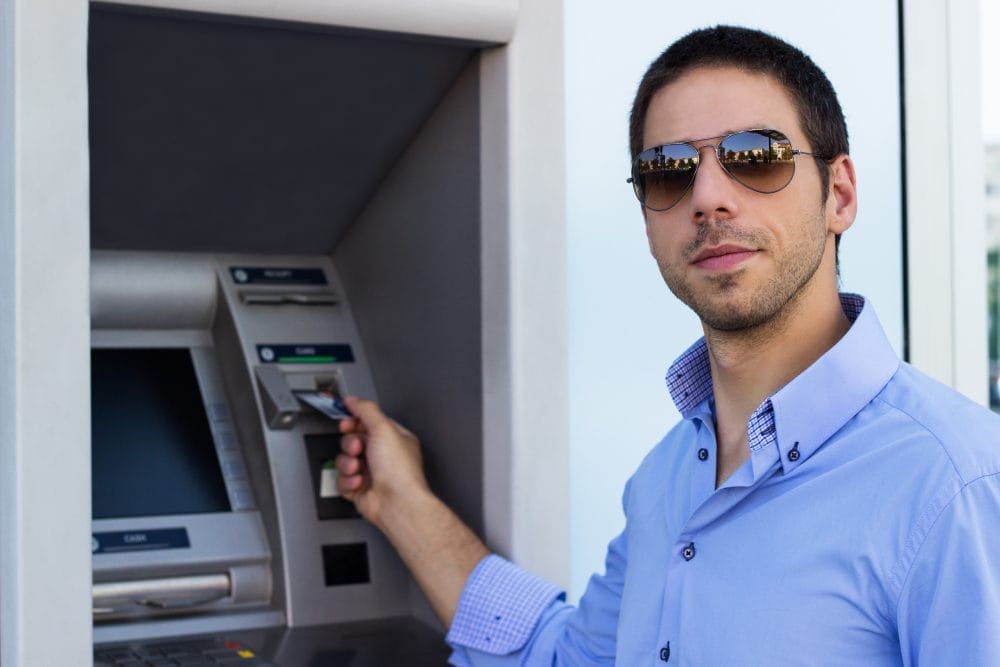
Using an ATM outside your bank’s network often comes with multiple hidden bank fees. First, the machine itself charges you, then your bank tacks on its own fee. Together, these can easily cost $5 or more per withdrawal. Over time, these fees quietly eat into savings, especially for people in areas with limited bank branches. What seems like a convenient option quickly becomes an expensive habit.

4. Paper Statement Charges Feel Like a Penalty

Many banks now charge for paper statements, making them one of the more surprising hidden bank fees. Customers who prefer or need physical records may be penalized $2 to $5 per statement. While digital delivery saves banks money, they pass the cost of paper onto consumers. This fee targets older customers and those who are less comfortable with technology. It’s less about environmental impact and more about squeezing extra revenue.

5. Wire Transfers Come with Shocking Costs

Sending or receiving money through wire transfers is another area where hidden bank fees thrive. Banks may charge $15 to $50 for each transaction, even when the process is automated. International transfers incur even higher costs, with additional conversion fees often hidden in the exchange rate. For customers, it feels like paying premium prices for a basic service. The high cost of convenience makes wire transfers one of the most outrageous fees of all.

6. Early Account Closure Fees Trap Customers

One of the lesser-known hidden bank fees is the charge for closing an account too soon. Some banks require accounts to remain open for 90 to 180 days, or they charge customers fees of $25 or more. This discourages people from switching to better options and locks them into accounts they may not want to use. It’s a tactic that limits consumer choice while boosting bank profits. The fee feels unfair because it penalizes customers for exercising financial freedom.

Awareness Is the Best Defense Against Fees

The truth about hidden bank fees is that they are everywhere, and they’re designed to catch customers off guard. From overdrafts to ATM charges and wire transfer costs, these fees quietly add up and make banking far more expensive than it should be. The good news is that awareness allows you to fight back. By choosing fee-free accounts, monitoring balances closely, and avoiding unnecessary services, you can protect your hard-earned money. Banks may rely on hidden charges, but smart consumers don’t have to play along.

Which hidden bank fees have surprised you the most? Share your stories and tips in the comments below!

What to Read Next…

  • 9 Hidden Costs of Switching Banks Nobody Warns You About
  • 5 Outrageous Fees Hidden in Everyday Banking Services
  • 8 New Tools That Collect Bank Info Through Pop-Ups
  • 5 Surprising Risks of Keeping Large Savings at Home
  • 7 Surprising Risks of Keeping Too Much Cash at Home
Catherine Reed
Catherine Reed

Catherine is a tech-savvy writer who has focused on the personal finance space for more than eight years. She has a Bachelor’s in Information Technology and enjoys showcasing how tech can simplify everyday personal finance tasks like budgeting, spending tracking, and planning for the future. Additionally, she’s explored the ins and outs of the world of side hustles and loves to share what she’s learned along the way. When she’s not working, you can find her relaxing at home in the Pacific Northwest with her two cats or enjoying a cup of coffee at her neighborhood cafe.

Filed Under: Banking Tagged With: ATM Fees, banking costs, financial traps, hidden bank fees, money management, overdraft charges, Personal Finance

8 Outrageous Fees That Appear on Bank Statements

September 26, 2025 by Catherine Reed Leave a Comment

8 Outrageous Fees That Appear on Bank Statements

Image source: 123rf.com

Opening your account online or reviewing your monthly paperwork should give you peace of mind, not frustration. Yet for many people, the sight of surprise charges on bank statements can feel like a financial ambush. Banks may advertise convenience and safety, but behind the scenes, hidden costs quietly eat away at your balance. These fees often appear small at first glance but add up over time, creating unnecessary financial strain. Let’s look at some of the most outrageous fees that sneak into everyday banking.

1. Overdraft Fees That Multiply Quickly

One of the most common complaints about bank statements is overdraft fees. When you accidentally spend more than you have, banks charge anywhere from $25 to $40 per occurrence. The problem is that these fees can multiply if multiple transactions go through while your account is negative. In some cases, customers end up paying more in fees than the original purchase amount. It’s a costly reminder of why monitoring your balance is so important.

2. ATM Fees for “Convenience”

Using an out-of-network ATM can feel harmless until you see the charge on your bank statements. You’re often hit with two fees—one from your bank and one from the machine owner. These small charges, usually $3 to $6, can add up if you withdraw cash frequently. Banks market their ATM networks as a convenience but punish you for stepping outside them. Planning ahead to use in-network machines can help you avoid these sneaky costs.

3. Monthly Maintenance Charges

Some accounts quietly slip in maintenance fees unless you meet certain requirements. If your balance drops too low or you don’t set up direct deposit, you might find a $10 to $25 charge on your bank statements. These fees can feel insulting, especially when the bank profits from holding your money. It’s their way of rewarding loyalty only when you follow specific conditions. Choosing accounts with no maintenance requirements can save you significant money each year.

4. Paper Statement Fees

Want to receive physical copies of your bank statements in the mail? Many banks now charge $2 to $5 per month for the privilege. They frame this as promoting “eco-friendly” behavior, but it’s really a revenue tactic. While going digital is smart for most people, some customers prefer paper records for organization. Charging for a basic service that was once standard feels outrageous.

5. Foreign Transaction Fees

Travelers often notice unfamiliar charges when they return home and review their bank statements. Foreign transaction fees are typically 1% to 3% of each purchase made abroad. Even online purchases from international retailers can trigger these charges. While the percentage may seem small, it adds up quickly on big-ticket items. Using a credit card with no foreign transaction fee is often a smarter choice for travelers.

6. Inactivity Penalties

Believe it or not, some banks punish you for not using your account enough. If an account remains inactive for several months, inactivity fees may suddenly appear on your bank statements. These charges are meant to push customers to close dormant accounts or resume activity. Unfortunately, they often penalize people who were simply saving money quietly. Checking account terms before leaving funds untouched is the best defense.

7. Wire Transfer Fees

Sending or receiving money via wire transfer is often marketed as quick and reliable. However, the fees you’ll see on your bank statements can be shocking. Outgoing transfers may cost $25 to $50, while even incoming wires can carry a charge. Considering these transfers are mostly automated, the high price is hard to justify. Whenever possible, explore alternative methods like ACH transfers or payment apps to cut costs.

8. Account Closing Fees

Yes, some banks even charge you for leaving. If you close an account within a certain timeframe, usually 90 to 180 days, you might face an early closure fee. These charges on bank statements feel particularly frustrating because they penalize customers for making financial choices that work best for them. It’s another way banks try to lock you into accounts that may not serve your needs. Reading fine print before opening an account helps you avoid this trap.

Taking Control of Your Money

Bank statements shouldn’t feel like riddles filled with hidden costs. By understanding the most common outrageous fees, you can take steps to avoid them and keep more of your hard-earned money. Whether it’s switching to a no-fee account, choosing smarter travel cards, or monitoring your activity more closely, the key is staying informed. Banks rely on customers overlooking the small print and ignoring recurring charges. Protecting your finances starts with reviewing every line of your statements and questioning what doesn’t feel right.

Have you ever spotted a fee on your bank statements that caught you by surprise? How did you handle it? Share your experience in the comments.

What to Read Next…

9 Hidden Costs of Switching Banks Nobody Warns You About

5 Outrageous Fees Hidden in Everyday Banking Services

8 New Tools That Collect Bank Info Through Pop-Ups

7 Surprising Risks of Keeping Too Much Cash at Home

Why Do Some People Lose Money by Keeping Too Much in Cash

Catherine Reed
Catherine Reed

Catherine is a tech-savvy writer who has focused on the personal finance space for more than eight years. She has a Bachelor’s in Information Technology and enjoys showcasing how tech can simplify everyday personal finance tasks like budgeting, spending tracking, and planning for the future. Additionally, she’s explored the ins and outs of the world of side hustles and loves to share what she’s learned along the way. When she’s not working, you can find her relaxing at home in the Pacific Northwest with her two cats or enjoying a cup of coffee at her neighborhood cafe.

Filed Under: Banking Tagged With: ATM Fees, bank statements, banking tips, financial literacy, Hidden Fees, overdraft charges, saving money

FOLLOW US

Search this site:

Recent Posts

  • Can My Savings Account Affect My Financial Aid? by Tamila McDonald
  • 12 Ways Gen X’s Views Clash with Millennials… by Tamila McDonald
  • What Advantages and Disadvantages Are There To… by Jacob Sensiba
  • Call 911: Go To the Emergency Room Immediately If… by Stephen Kanaval
  • 10 Tactics for Building an Emergency Fund from Scratch by Vanessa Bermudez
  • 7 Weird Things You Can Sell Online by Tamila McDonald
  • 10 Scary Facts About DriveTime by Tamila McDonald

Copyright © 2026 · News Pro Theme on Genesis Framework