• Home
  • About Us
  • Getting Finances Done
    • Hiring Advisors
    • Debt Management
    • Spending Plan
  • Insurance
    • Life Insurance
    • Health Insurance
    • Disability Insurance
    • Homeowners/Renters Insurance
  • Contact Us
  • Our Editorial Commitment

The Free Financial Advisor

You are here: Home / Archives for banking tips

9 Silent Bank Policy Changes That Eat Into Your Savings

August 14, 2025 by Travis Campbell Leave a Comment

money
Image source: pexels.com

Bank policy changes can sneak up on you. You might not notice them at first, but over time, they can eat into your savings. Banks often update their terms quietly, and unless you read every notice or email, you could miss important details. These changes can mean new fees, lower interest rates, or stricter rules. If you’re not paying attention, your hard-earned money could slowly disappear. Understanding these silent bank policy changes is key to protecting your savings and making smart choices with your money.

1. Lowering Savings Account Interest Rates

Banks can change the interest rates on your savings account at any time. They might send a notice, but it’s easy to miss. A small drop in your rate may not seem like much, but over a year, it adds up. If you keep a large balance, you lose even more. Always check your statements for changes in your interest rate. If your bank keeps lowering rates, look for better options. Online banks and credit unions often offer higher rates.

2. Increasing Minimum Balance Requirements

Some banks raise the minimum balance you need to avoid fees. If you don’t keep enough money in your account, you get charged a monthly fee. These fees can be $10 or more. Banks may not highlight this change, so you might not notice until you see a fee on your statement. Review your account terms every few months. If your bank raises the minimum, consider switching to an account with no minimum balance.

3. Adding or Raising Monthly Maintenance Fees

Monthly maintenance fees can appear out of nowhere. Banks sometimes add new fees or increase existing ones. You might have opened your account when there were no fees, but that can change. These fees can eat into your savings fast, especially if you have more than one account. Check your statements for new charges. If you see a new fee, call your bank and ask if there’s a way to avoid it. Sometimes, setting up direct deposit or using your debit card a certain number of times can help.

4. Reducing Overdraft Protection

Overdraft protection used to be a safety net. Now, some banks are making it harder to use or are charging more for it. They might limit the number of times you can use overdraft protection or raise the fee for each use. If you rely on this feature, you could end up paying more than you expect. Read your bank’s overdraft policy and look for changes. If the fees are too high, consider linking your savings account for backup or using a bank with lower overdraft fees.

5. Shortening Grace Periods for Fees

Banks sometimes shorten the grace period before they charge you a fee. For example, if you go below the minimum balance, you might have a few days to fix it. Now, some banks charge the fee right away. This change can catch you off guard. Always know your account balance and set up alerts if your bank offers them. Quick action can help you avoid unnecessary fees.

6. Limiting Free ATM Withdrawals

Many banks used to offer unlimited free ATM withdrawals. Now, some limit the number of free transactions each month. After you hit the limit, you pay a fee for each withdrawal. These fees can add up, especially if you use ATMs often. Check your account terms to see if there’s a limit. If you need more withdrawals, look for a bank that offers more free transactions or reimburses ATM fees.

7. Changing Deposit Hold Policies

Deposit hold policies determine the waiting period before you can access your money. Banks can change these policies without much notice. They might hold your check deposits longer, especially if the amount is large. This can be a problem if you need the money right away. Always ask how long your deposit will be held, especially if you’re expecting a large check. If your bank’s hold times are too long, consider other options.

8. Adding Inactivity or Dormancy Fees

If you don’t use your account for a while, some banks charge inactivity or dormancy fees. These fees can drain your savings if you forget about an old account. Banks may not remind you before charging the fee. To avoid this, use your account at least once every few months. Even a small deposit or withdrawal can keep your account active. If you have unused accounts, consider closing them or consolidating your funds.

9. Tightening Rules for Account Bonuses

Banks often offer bonuses for opening new accounts. But they can change the rules for earning or keeping these bonuses. You might need to meet higher deposit requirements or keep your account open longer. If you don’t follow the new rules, you could lose your bonus. Always read the fine print before signing up for a bonus. If the requirements change, decide if it’s still worth it.

Protecting Your Savings from Silent Bank Policy Changes

Bank policy changes can be hard to spot, but they have a real impact on your savings. The best way to protect yourself is to stay informed. Read every notice from your bank, even if it looks boring. Check your statements for new fees or changes in interest rates. Compare your bank’s policies with others at least once a year. If you find better terms elsewhere, don’t be afraid to switch. Your savings deserve the best protection you can give.

Have you noticed any silent bank policy changes that affected your savings? Share your story or tips in the comments below.

Read More

7 Bank Practices That Drop Accounts When You Mention “Estate”

What Are the Hidden Dangers of Digital-Only Banking?

Travis Campbell
Travis Campbell

Travis Campbell is a digital marketer/developer with over 10 years of experience and a writer for over 6 years. He holds a degree in E-commerce and likes to share life advice he’s learned over the years. Travis loves spending time on the golf course or at the gym when he’s not working.
Filed Under: Banking Tagged With: bank fees, bank policy changes, banking tips, financial literacy, hidden charges, money management, Personal Finance, savings

7 ATM Withdrawal Behaviors That Raise Government Surveillance Flags

August 13, 2025 by Catherine Reed Leave a Comment

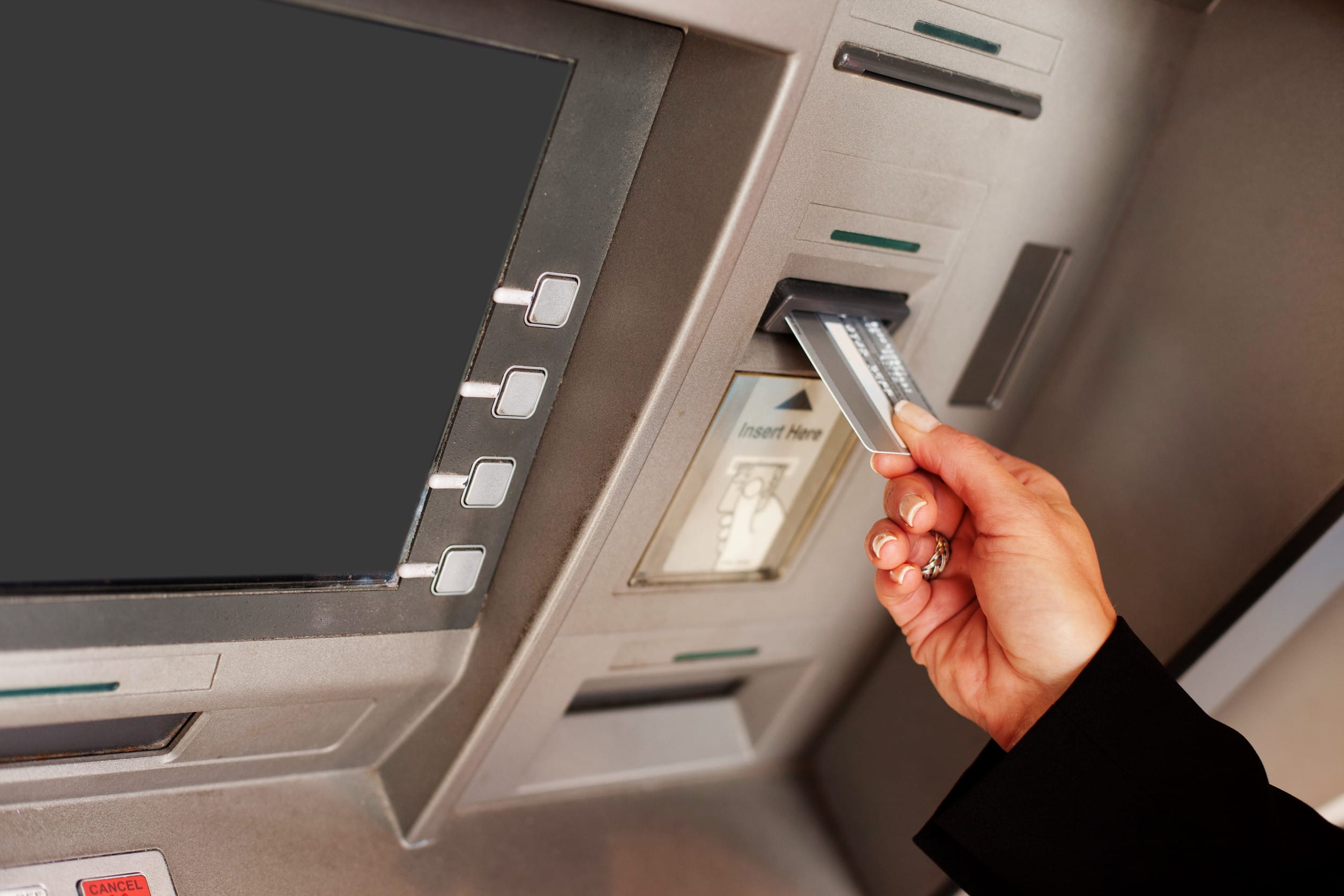
7 ATM Withdrawal Behaviors That Raise Government Surveillance Flags
Image source: 123rf.com

While most people use ATMs without giving it a second thought, certain withdrawal patterns can draw unwanted attention from regulators and law enforcement agencies. Banks are required to monitor transactions for signs of suspicious activity, and in some cases, these patterns get flagged for further review by government agencies. Even if your money is completely legitimate, unusual habits at the ATM can lead to delays, account freezes, or questions you’d rather avoid. Understanding the ATM withdrawal behaviors that raise government surveillance flags can help you keep your banking routine low-risk and hassle-free. Here are seven behaviors worth knowing about.

1. Large Cash Withdrawals Over Reporting Thresholds

Withdrawing cash above certain limits — typically $10,000 in a single day — automatically triggers a Currency Transaction Report (CTR) to the government. Even if you are withdrawing for a perfectly legal reason, the transaction is flagged for recordkeeping under anti-money laundering laws. Banks are required to report these large withdrawals, and frequent high-value cash movements may invite further scrutiny. The government sees large sums of cash as a potential sign of illicit activity, such as tax evasion or money laundering. If you truly need to withdraw this much, be prepared for questions or documentation requests.

2. Multiple Withdrawals Just Under the Limit

Some people try to avoid triggering a report by making several withdrawals just under the $10,000 threshold. This tactic, known as “structuring,” is itself illegal and often more suspicious than a single large withdrawal. Regulators view this pattern as an intentional attempt to avoid reporting requirements. Even if the intention is innocent, such as withdrawing in stages for budgeting, banks may still flag the account. This is one of the most common ATM withdrawal behaviors that raise government surveillance flags.

3. Frequent Withdrawals in Unusual Locations

Withdrawing cash in multiple states, cities, or foreign countries in a short period can trigger monitoring alerts. These patterns suggest potential fraud or money movement designed to avoid detection. Banks may freeze your card until they verify your travel plans or intentions. If the withdrawals occur in areas known for high crime or financial fraud, the risk of scrutiny is even greater. Letting your bank know before traveling can help avoid unnecessary flags.

4. Consistent Withdrawals at Odd Hours

Late-night or very early morning withdrawals, especially if they happen regularly, can look suspicious to automated monitoring systems. While many people have legitimate reasons for nighttime transactions, unusual timing paired with high frequency can raise questions. The concern is that such behavior might be tied to illicit activities that operate during those hours. Even modest cash amounts withdrawn in the middle of the night can be flagged if they create a recognizable pattern. Being mindful of timing can reduce unwanted attention.

5. Using Multiple ATMs for Back-to-Back Withdrawals

Some account holders hop between different ATMs to take out cash in quick succession, either to avoid machine limits or to withdraw large sums without going into a branch. This can be interpreted as an attempt to conceal the total amount withdrawn. Banks are trained to spot this “ATM hopping” and may flag it as suspicious, even if you’re simply trying to access your own money. In certain cases, the bank might impose temporary withdrawal restrictions. Planning a single withdrawal through the bank can avoid this problem.

6. Repeated Maximum Daily Limit Withdrawals

Consistently taking out the maximum allowed amount each day — even if it’s below reporting thresholds — can catch the attention of monitoring systems. This is especially true if the withdrawals are in cash and not followed by a corresponding purchase or deposit pattern. Regulators may suspect the cash is being stockpiled or used in untraceable transactions. Over time, this can trigger further investigation or inquiries from your financial institution. Adjusting your withdrawal habits can help reduce the risk.

7. Frequent International ATM Transactions Without Travel History

Regularly withdrawing cash from ATMs in foreign countries while your main residence is in the U.S. can be a red flag. This behavior might be associated with offshore accounts, unreported income, or cross-border money movement. If you’re not physically traveling but using international ATMs through proxies or services, banks may consider this suspicious. Currency conversion patterns can also draw attention if the amounts are large or occur in high-risk regions. Among ATM withdrawal behaviors that raise government surveillance flags, this one often leads to deeper reviews by both banks and government agencies.

Staying Below the Radar with Smart Banking Habits

You don’t have to be doing anything illegal to trigger financial monitoring — sometimes, all it takes is a pattern that looks unusual to a computer algorithm. The best way to avoid ATM withdrawal behaviors that raise government surveillance flags is to keep transactions consistent, transparent, and in line with your known spending habits. If you anticipate a transaction that might raise questions, informing your bank ahead of time can prevent unnecessary freezes or reports. Your money should work for you without creating avoidable headaches.

Have you ever had a bank flag or question one of your withdrawals? Share your story in the comments — your experience could help others avoid the same situation.

Read More:

7 ATM Removal Features That Could Reduce Your Financial Privacy

Everyday Mistakes That Make You Vulnerable to Criminals

Catherine Reed
Catherine Reed

Catherine is a tech-savvy writer who has focused on the personal finance space for more than eight years. She has a Bachelor’s in Information Technology and enjoys showcasing how tech can simplify everyday personal finance tasks like budgeting, spending tracking, and planning for the future. Additionally, she’s explored the ins and outs of the world of side hustles and loves to share what she’s learned along the way. When she’s not working, you can find her relaxing at home in the Pacific Northwest with her two cats or enjoying a cup of coffee at her neighborhood cafe.

Filed Under: Banking Tagged With: ATM safety, banking tips, financial monitoring, government surveillance, personal finance habits, suspicious transactions

5 Invisible Service Charges Eating Into Your Bank Balance

August 12, 2025 by Travis Campbell Leave a Comment

bank balance
Image source: pexels.com

Keeping track of your money is hard enough without sneaky fees making it even harder. You check your bank balance, and it’s lower than you expected. Where did the money go? Sometimes, it’s not the big purchases that drain your account. It’s the invisible service charges that chip away at your savings, little by little. These fees often hide in the fine print, and most people don’t even realize they’re paying them. If you want to keep more of your money, you need to know what these charges are and how to stop them. Here are five invisible service charges that could be eating into your bank balance right now.

1. Monthly Maintenance Fees

Monthly maintenance fees are one of the most common invisible service charges. Banks often charge these fees just for keeping your account open. You might not notice them at first because they’re small—maybe $5 or $10 a month. But over a year, that adds up to $60 or $120, and that’s money you could use elsewhere. Some banks will waive these fees if you keep a minimum balance or set up direct deposit. But if you don’t meet those requirements, the fee hits your account every month. The worst part? Many people don’t even realize they’re paying it until they look closely at their statements. If you want to avoid this invisible service charge, look for banks that offer free checking or savings accounts. Or, ask your current bank what you need to do to get the fee waived. Don’t let a simple oversight cost you money every month.

2. Out-of-Network ATM Fees

Using an ATM that doesn’t belong to your bank can cost you more than you think. Out-of-network ATM fees are a classic invisible service charge. When you use another bank’s ATM, you might get hit with two fees: one from your bank and one from the ATM owner. These fees can range from $2 to $5 each time. If you use out-of-network ATMs a few times a month, you could lose $100 or more a year. That’s money you’re paying just to access your own cash. Some banks refund these fees, but many don’t. To avoid this invisible service charge, plan ahead. Use your bank’s ATM locator app or website to find free ATMs near you. Or, get cash back at the grocery store when you make a purchase. Small changes in your habits can save you a lot over time.

3. Overdraft Protection Fees

Overdraft protection sounds helpful, but it can be another invisible service charge draining your bank balance. When you spend more than you have in your account, overdraft protection covers the difference—usually by moving money from another account or giving you a short-term loan. But this service isn’t free. Banks often charge $10 to $35 each time it kicks in. Some people think overdraft protection means they won’t pay any fees, but that’s not true. The fee might be less than a regular overdraft charge, but it still adds up. If you use overdraft protection a few times a year, you could lose hundreds of dollars. The best way to avoid this invisible service charge is to keep a close eye on your balance. Set up alerts for low balances or use budgeting apps to track your spending. If you don’t need overdraft protection, consider opting out. That way, your card will be declined if you don’t have enough money, and you won’t get hit with a fee.

4. Paper Statement Fees

Getting a paper statement in the mail might seem harmless, but it can cost you. Many banks now charge a fee for mailing paper statements—sometimes $2 or $3 per month. This is another invisible service charge that’s easy to miss. You might not even realize you’re paying it unless you read your statement carefully. Over a year, this fee can add up to $24 or $36. That’s money you could save just by switching to electronic statements. Most banks offer free online statements, and you can access them anytime. If you still want a paper copy, you can usually print one at home. To avoid this invisible service charge, log in to your online banking and switch to e-statements. It’s a quick change that saves you money and helps the environment.

5. Foreign Transaction Fees

Traveling or shopping online from international retailers can trigger foreign transaction fees. These invisible service charges usually show up as a percentage of your purchase—often 1% to 3%. If you travel abroad or buy from overseas websites, these fees can add up fast. You might not notice them right away because they’re small, but over time, they can take a big bite out of your bank balance. Some banks and credit cards don’t charge foreign transaction fees, but many still do. Before you travel or shop online, check your bank’s policy. If you see these fees on your statement, consider switching to a card that doesn’t charge them. You can also use digital wallets or payment services that offer better exchange rates and lower fees. Being aware of this invisible service charge can help you keep more of your money when you spend internationally.

Protect Your Bank Balance by Staying Alert

Invisible service charges can quietly drain your bank balance if you’re not paying attention. The good news is, you can fight back. Review your statements every month. Ask your bank about any fees you don’t understand. Switch to accounts with fewer fees, and use technology to help you track your spending. Small steps can make a big difference. The more you know about invisible service charges, the easier it is to keep your money where it belongs—in your account.

Have you noticed any invisible service charges on your bank statements? Share your experiences or tips in the comments below.

Read More

Top Ways to Save Your Finances

How to Ensure Your Budget is Working for You

Travis Campbell
Travis Campbell

Travis Campbell is a digital marketer/developer with over 10 years of experience and a writer for over 6 years. He holds a degree in E-commerce and likes to share life advice he’s learned over the years. Travis loves spending time on the golf course or at the gym when he’s not working.

Filed Under: Banking Tagged With: bank fees, banking tips, financial literacy, hidden charges, invisible service charges, Personal Finance, saving money

10 Silent Triggers That Cause Retirement Funds to Lose FDIC Protection

August 9, 2025 by Catherine Reed Leave a Comment

10 Silent Triggers That Cause Retirement Funds to Lose FDIC Protection
Image source: 123rf.com

Most people assume their retirement savings are safe as long as they’re parked in reputable accounts. But that safety net isn’t always guaranteed—especially when it comes to FDIC protection. What many don’t realize is that a few seemingly minor moves can cause your retirement funds to lose FDIC protection without warning. One wrong transfer, account structure, or investment shift can leave your savings exposed. To safeguard your financial future, here are ten silent triggers that can quietly strip your retirement accounts of crucial FDIC insurance.

1. Moving Retirement Money into Investment Products

One of the most common ways for retirement funds to lose FDIC protection is when they’re moved into non-deposit investment products. Stocks, bonds, mutual funds, and annuities—even when offered by banks—are not FDIC insured. If your IRA or 401(k) is allocated heavily into market-based products, it’s no longer under the FDIC umbrella. This doesn’t mean they’re unsafe, but you do lose the guarantee against bank failure. Always double-check whether your funds are in a deposit account or an investment vehicle.

2. Exceeding the FDIC Coverage Limits

FDIC insurance covers up to \$250,000 per depositor, per insured bank, and per account category. If your retirement accounts exceed this limit and are held at a single bank, the amount over \$250,000 is no longer protected. Many people unintentionally let balances grow past this cap, believing all of it is insured. To stay protected, consider splitting funds across multiple banks or using account titling strategies. This trigger is silent but costly if your bank ever fails.

3. Rolling Over Funds Without Direct Transfer

When you roll over retirement funds from one institution to another, it’s safest to use a direct trustee-to-trustee transfer. If you take possession of the funds—even temporarily—it can disqualify them from FDIC coverage and open you up to tax penalties. During this brief holding period, the funds are no longer in an insured account. If something happens to your bank or you miss the 60-day window to redeposit, you risk both coverage and tax consequences. Always ask for a direct transfer when moving retirement money.

4. Holding Funds at Non-FDIC Institutions

Not all financial institutions are FDIC-insured. If your retirement funds are held at a credit union, brokerage, or fintech platform that’s not FDIC-backed, your money may not be protected from institutional failure. While some offer SIPC coverage or private insurance, it’s not the same as FDIC protection. Double-check that the bank or custodian holding your retirement account is FDIC insured. It’s easy to assume they are—but many aren’t.

5. Choosing Money Market Funds Instead of Deposit Accounts

Money market accounts and money market funds are not the same thing. Deposit-based money market accounts are FDIC insured, while money market funds (offered by brokerages) are investment products with no guarantee. Many retirement investors unknowingly switch into money market funds, thinking they’re equally safe. This switch is one of the most misunderstood ways for retirement funds to lose FDIC protection. Always confirm the product type before parking your cash.

6. Using Online “Sweep” Programs Without Understanding the Fine Print

Some online brokerages and financial platforms use sweep programs to automatically move uninvested cash into interest-bearing accounts. While some of these are FDIC-insured bank accounts, others are not. You might assume your retirement cash is safe, but depending on the sweep destination, it may fall outside FDIC coverage. These programs aren’t always clearly labeled, making them one of the silent triggers to watch for. Ask your platform where your sweep cash is being held.

7. Keeping Retirement Funds in Foreign Accounts

If you’ve opened foreign bank accounts for retirement purposes or have international investment platforms, your funds are not covered by the FDIC. Even if the bank is reputable, U.S. deposit insurance does not extend overseas. Some retirees explore offshore opportunities to diversify or avoid domestic taxes, but they trade off deposit protection in the process. For anyone considering global diversification, know that this move removes a layer of security. It’s another quiet way for retirement funds to lose FDIC protection.

8. Co-Mingling Retirement and Non-Retirement Funds

Blurring the lines between retirement and non-retirement accounts can create confusion and loss of protection. For example, placing both types of funds in a single joint account may disqualify portions from FDIC coverage if the titling is incorrect. Account types must remain distinct to qualify for separate FDIC insurance. If they’re lumped together, the insurance limit may be applied as if they’re one account. That’s an easy oversight with expensive consequences.

9. Using Trust Accounts Without Proper Titling

Retirement funds held in trust accounts must be titled correctly to qualify for FDIC insurance. If the trust’s beneficiaries are not properly documented or exceed the coverage limits, your account may not be protected. This is especially tricky for blended families or complex estate plans. Improper trust structuring is a silent trigger many retirees miss until they need to make a claim. Always review titling with your financial advisor or bank representative.

10. Assuming All Retirement Accounts Are Automatically Protected

Perhaps the most dangerous trigger is complacency. Many people believe all retirement accounts come with FDIC protection by default, when in reality, only specific types and amounts are covered. IRAs and 401(k)s held in deposit accounts are insured—but only within limits, and only at insured banks. If your retirement strategy involves brokerage accounts, mutual funds, or real estate holdings, you may be far outside the FDIC’s reach. Never assume coverage—confirm it.

The FDIC Safety Net Isn’t Automatic

FDIC protection is a valuable safeguard, but it’s not guaranteed for every retirement dollar. Small missteps in account setup, transfers, or investment choices can quietly trigger a loss of coverage when you least expect it. Understanding how retirement funds lose FDIC protection gives you the power to adjust your strategy and protect what you’ve worked so hard to build. When in doubt, ask questions—and read the fine print before assuming your money is safe.

Have you reviewed your accounts to ensure your retirement funds are fully protected? What surprised you the most about FDIC coverage? Share your thoughts in the comments!

Read More:

Is Your Roth IRA Protected From All Future Tax Code Changes?

6 Reasons Your Financial Advisor May Not Be Acting in Your Best Interest

Catherine Reed
Catherine Reed

Catherine is a tech-savvy writer who has focused on the personal finance space for more than eight years. She has a Bachelor’s in Information Technology and enjoys showcasing how tech can simplify everyday personal finance tasks like budgeting, spending tracking, and planning for the future. Additionally, she’s explored the ins and outs of the world of side hustles and loves to share what she’s learned along the way. When she’s not working, you can find her relaxing at home in the Pacific Northwest with her two cats or enjoying a cup of coffee at her neighborhood cafe.

Filed Under: Retirement Tagged With: account insurance, banking tips, FDIC protection, financial safety, identity protection, Personal Finance, retirement fund risks, retirement planning, retirement security

6 Bank Services That Start Charging After Just 60 Days

August 9, 2025 by Travis Campbell Leave a Comment

banking
Image source: unsplash.com

Banking isn’t always as simple as it looks. You open an account, set up direct deposit, and think you’re set. But banks have rules that can cost you money if you’re not careful. Some services are free at first, but after 60 days, the fees start. These charges can sneak up on you, especially if you’re not reading the fine print. Knowing which bank services start charging after just 60 days can help you avoid surprise fees and keep more money in your pocket. Here’s what you need to watch out for.

1. Inactive Account Fees

If you open a bank account and don’t use it for a while, you might get hit with an inactive account fee. Many banks give you a grace period—often 60 days—before they start charging. After that, if you haven’t made a deposit, withdrawal, or transfer, the bank may consider your account inactive. The fee can be a flat monthly charge or a percentage of your balance. It’s easy to forget about an account you opened for a bonus or as a backup. But if you leave it alone for too long, you’ll start losing money. To avoid this, set a reminder to make a small transaction every month or two. Even a $1 transfer can keep your account active and fee-free.

2. Paper Statement Fees

Banks want you to go paperless. That’s why many offer free paper statements for the first 60 days. After that, they start charging a monthly fee if you still get statements by mail. The fee might seem small—usually $2 to $5 per month—but it adds up over time. If you’re not careful, you could pay $60 a year just for paper. Switching to electronic statements is usually free and easy. You’ll get your statements by email or through your bank’s app. If you prefer paper, check if your bank offers any exceptions, like for seniors or students. Otherwise, go digital to avoid this unnecessary charge.

3. Overdraft Protection Transfers

Overdraft protection sounds helpful. It lets you link your checking account to a savings account or credit card. If you spend more than you have, the bank covers the difference by moving money from your linked account. Some banks offer this service for free at first, but after 60 days, they start charging a fee for each transfer. The fee can be $10 or more per transfer. If you’re not watching your balance, these charges can pile up fast. To avoid them, keep an eye on your account and set up low-balance alerts. If you rarely overdraw, you might want to turn off overdraft protection altogether. That way, your card will just be declined if you don’t have enough money, and you won’t get hit with a fee.

4. Safe Deposit Box Rental

Safe deposit boxes are a secure way to store valuables, but they’re not always free. Some banks offer a free or discounted rental for the first 60 days when you open a new account. After that, the regular rental fee kicks in. The cost depends on the size of the box and the bank, but it’s usually billed annually. If you don’t need the box long-term, make sure to empty it and cancel before the 60 days are up. Otherwise, you’ll be on the hook for the full year’s fee. If you’re just looking for a place to store documents or jewelry for a short time, ask about the exact terms before signing up.

5. Account Maintenance Fees

Some banks waive monthly maintenance fees for the first 60 days as a welcome perk. After that, you need to meet certain requirements to keep the account free. These might include keeping a minimum balance, setting up direct deposit, or making a certain number of transactions each month. If you don’t meet the requirements, the bank starts charging a maintenance fee—often $10 to $15 per month. These fees can eat into your savings if you’re not careful. Review your account terms and set up alerts to make sure you’re meeting the requirements. If you can’t, consider switching to a no-fee account or a credit union.

6. ATM Fee Reimbursements

Many banks offer free ATM fee reimbursements for the first 60 days after you open an account. This means they’ll refund fees charged by other banks’ ATMs. After the initial period, the reimbursements may stop or be limited. You could end up paying $3 to $5 every time you use an out-of-network ATM. If you travel or live in an area with few of your bank’s ATMs, these fees can add up quickly. To avoid them, use your bank’s ATM locator app or get cash back at stores when you make a purchase. Some online banks and credit unions offer ongoing ATM fee reimbursements, so shop around if this is important to you.

Stay Ahead of Sneaky Bank Fees

Bank fees can feel like a moving target. What’s free today might cost you tomorrow. The key is to read the fine print and set reminders for when introductory offers end. Don’t assume a service will stay free forever. Check your statements regularly and ask your bank about any fees that might start after 60 days. A little attention now can save you a lot of money later. Staying informed about which bank services start charging after just 60 days helps you keep more of your hard-earned cash.

What’s your experience with surprise bank fees? Share your story or tips in the comments below.

Read More

6 Banking Terms That Invalidate Joint Ownership Intentions

Some U.S. Banks Are Now Charging a “Cash Handling” Fee—Even at ATMs

Travis Campbell
Travis Campbell

Travis Campbell is a digital marketer/developer with over 10 years of experience and a writer for over 6 years. He holds a degree in E-commerce and likes to share life advice he’s learned over the years. Travis loves spending time on the golf course or at the gym when he’s not working.

Filed Under: Banking Tagged With: account maintenance, ATM Fees, avoid fees, bank fees, banking tips, checking accounts, Personal Finance, savings accounts

6 Times Banks Quietly Close Your Account Without Warning

August 1, 2025 by Travis Campbell Leave a Comment

bank
Image Source: unsplash.com

Bank accounts are supposed to be safe places for your money. You expect to have access to your funds when you need them. But sometimes, banks close accounts without warning. This can leave you confused, frustrated, and scrambling to pay bills or get your money back. It’s not just rare cases, either. Many people have faced this problem, and it can happen for reasons you might not expect. Knowing why banks close accounts can help you avoid trouble and protect your finances. Here are six times banks quietly close your account without warning—and what you can do about it.

1. Suspicious or Unusual Activity

Banks watch for anything that looks out of the ordinary. If your account suddenly has large deposits, frequent transfers, or activity that doesn’t match your usual spending, the bank may see this as a red flag. They use automated systems to spot possible fraud or money laundering. If your account gets flagged, the bank might freeze or close it right away. You may not get a call or email first. This is to protect both you and the bank, but it can be a shock if you’re not expecting it. If you know you’ll be making a big deposit or transfer, let your bank know ahead of time. This can help prevent misunderstandings and keep your account open.

2. Too Many Overdrafts or Negative Balances

Banks don’t like accounts that cost them money. If you often overdraw your account or keep a negative balance, the bank may decide it’s not worth the risk. Some banks have strict rules about how many times you can go into overdraft before they close your account. You might not get a warning. One day, you just can’t log in or use your debit card. To avoid this, keep track of your balance and set up alerts for low funds. If you’re struggling, talk to your bank about overdraft protection or other options.

3. Inactivity or Dormant Accounts

If you haven’t used your account in a long time, the bank may close it. This is called a dormant account. Banks don’t want to keep accounts open that aren’t being used, especially if there’s little or no money in them. Sometimes, they’re required by law to close inactive accounts and send the money to the state as unclaimed property. You might not notice until you try to use the account and find it’s gone. To keep your account active, make a small deposit or withdrawal every few months. Even a tiny transaction can keep your account from being marked as dormant.

4. Violating Bank Policies or Terms

Every bank has rules you agree to when you open an account. If you break those rules, the bank can close your account without warning. This could mean using your personal account for business, writing bad checks, or giving false information when you sign up. Sometimes, even letting someone else use your account can be a problem. Banks take these violations seriously because they can lead to legal trouble or financial loss. Always read the terms and conditions, even if they’re long. If you’re not sure about something, ask your bank before you act.

5. Suspected Fraud or Identity Theft

If the bank thinks your account is involved in fraud or identity theft, it will act fast. This could be because of a report from another bank, a government agency, or their own internal checks. You might not even know there’s a problem until your account is closed. The bank does this to protect itself and other customers. If you think your account was closed by mistake, contact your bank right away. You may need to provide documents to prove your identity and clear up any confusion.

6. Links to Sanctioned Countries or Individuals

Banks must follow strict rules about who they do business with. If your account is linked to a country or person under government sanctions, the bank may close it immediately. This can happen if you send or receive money from certain countries, or if your name matches someone on a government list. Sometimes, it’s just a mistake or a false match, but the bank won’t take chances. If you have family or business ties overseas, check the rules before sending money. This can help you avoid sudden account closures and legal headaches.

Protecting Yourself from Sudden Account Closures

Having your bank account closed without warning is stressful. It can mess up your finances and make it hard to pay bills or get your money. The best way to protect yourself is to know the rules and keep your account in good standing. Watch for signs of trouble, like letters from your bank or problems logging in. Keep your contact information up to date so the bank can reach you if there’s a problem. If your account is closed, act fast. Contact the bank, ask for an explanation, and find out how to get your money. Staying informed and proactive can help you avoid surprises and keep your money safe.

Have you ever had a bank close your account without warning? Share your story or tips in the comments below.

Read More

What Are Banks Really Doing With Your Personal Spending Data?

What Happens When a Joint Bank Account Owner Dies?

Travis Campbell
Travis Campbell

Travis Campbell is a digital marketer/developer with over 10 years of experience and a writer for over 6 years. He holds a degree in E-commerce and likes to share life advice he’s learned over the years. Travis loves spending time on the golf course or at the gym when he’s not working.

Filed Under: Banking Tagged With: account closure, bank accounts, banking tips, financial safety, fraud prevention, overdraft, Personal Finance

Bank Accounts That Vanish Your Money Through Micro-Fees

July 5, 2025 by Travis Campbell Leave a Comment

bank
Image Source: pexels.com

Have you ever checked your bank statement and wondered where your money went? You’re not alone. Many people open bank accounts thinking their money is safe, only to watch it slowly disappear through a series of small, almost invisible charges. These micro-fees might seem insignificant at first, but over time, they can add up to a substantial loss. Understanding how these fees work—and how to avoid them—can make a real difference in your financial health. If you want to keep more of your hard-earned cash, it’s time to get wise to the sneaky ways banks chip away at your balance.

Micro-fees are the silent killers of savings. They’re often buried in the fine print, and banks count on customers not noticing them. From maintenance charges to ATM fees, these costs can drain your account before you realize what’s happening. Let’s break down the most common micro-fees that can make your bank account feel like a leaky bucket—and what you can do to plug those holes.

1. Monthly Maintenance Fees

Monthly maintenance fees are one of the most common ways banks quietly siphon money from your account. These charges can range from $5 to $15 per month, and they’re often applied if your balance falls below a certain threshold or if you don’t meet specific requirements, like setting up direct deposit. Over a year, even a$10 monthly fee adds up to$120—money that could be earning interest elsewhere. To avoid these fees, look for accounts that offer no-fee options or meet the minimum requirements to have the fee waived. Always read the account terms before signing up, and don’t be afraid to switch banks if your current one is nickel-and-diming you.

2. ATM Withdrawal Fees

Using an out-of-network ATM can cost you more than you think. Not only does the ATM owner charge a fee, but your own bank might tack on an additional charge. These fees typically range from $2 to $5 per transaction, and if you use ATMs frequently, the costs can add up fast. For example, using an out-of-network ATM just twice a month could cost you $120 a year. To minimize these micro-fees, use your bank’s ATMs whenever possible or choose a bank that reimburses ATM fees. Some online banks offer nationwide ATM fee refunds, which can save you a significant amount over time.

3. Overdraft Protection Fees

Overdraft protection might sound like a safety net, but it often comes with a hefty price tag. When you spend more than you have in your account, the bank covers the difference, then charges you a fee for the privilege. These fees can be as high as $35 per transaction, and if you make several purchases in a row, you could rack up hundreds of charges before you even realize it. Some banks also charge daily fees until your account is back in the black. To avoid these micro-fees, opt out of overdraft protection or set up alerts to notify you when your balance is low. Consider linking your checking account to a savings account for automatic transfers instead.

4. Paper Statement Fees

In the digital age, some banks still charge customers for receiving paper statements. These micro-fees usually range from $2 to $5 per month. While it might not seem like much, it’s an unnecessary expense for something you can access online for free. If you prefer paper statements for record-keeping, consider downloading and printing them yourself. Otherwise, switch to electronic statements to eliminate this fee entirely. Not only will you save money, but you’ll also help reduce paper waste.

5. Inactivity Fees

Believe it or not, some banks penalize you for not using your account. Inactivity fees are charged when there’s no activity—such as deposits or withdrawals—for a set period, often six to twelve months. These fees can range from $5 to $20 per month and can quickly eat away at your balance, especially if you have a dormant account you’ve forgotten about. To avoid inactivity fees, make a small transaction every few months or close accounts you no longer use. If you’re managing multiple accounts, set reminders to check in regularly.

6. Foreign Transaction Fees

Traveling abroad or shopping online from international retailers? Watch out for foreign transaction fees. Many banks charge 1% to 3% of the transaction amount for purchases made outside the U.S. or in a foreign currency. These micro-fees can add up quickly, especially if you travel frequently or use international services. To avoid them, look for accounts or credit cards that offer no foreign transaction fees.

7. Minimum Balance Fees

Some accounts require you to maintain a minimum balance, and if you dip below that amount, you’ll be hit with a fee. These minimum balance fees can range from $5 to $25 per month. If you’re not careful, you could end up paying just to keep your account open. To avoid this, choose accounts with no minimum balance requirements or set up automatic transfers to ensure you always meet the threshold.

Take Control: Don’t Let Micro-Fees Drain Your Bank Account

Micro-fees may seem small, but they can have a big impact on your finances over time. By understanding the most common bank account micro-fees and taking proactive steps to avoid them, you can keep more of your money where it belongs—in your pocket. Review your account statements regularly, ask questions about any unfamiliar charges, and don’t hesitate to shop around for a better banking experience. Remember, you have the power to choose a bank that values your business and helps you grow your savings, not one that chips away at it with hidden fees.

What micro-fees have you encountered with your bank account, and how did you handle them? Share your stories in the comments below!

Read More

The Definition of Irony (or Why You Should Know What You’re Doing)

Stop Reading About Last Year’s Top Ten Mutual Funds

Travis Campbell
Travis Campbell

Travis Campbell is a digital marketer/developer with over 10 years of experience and a writer for over 6 years. He holds a degree in E-commerce and likes to share life advice he’s learned over the years. Travis loves spending time on the golf course or at the gym when he’s not working.

Filed Under: Banking Tagged With: bank fees, banking tips, financial literacy, hidden charges, micro-fees, Personal Finance, saving money

8 Sneaky Bank Fees You’re Probably Paying (And How to Dodge Them)

June 28, 2025 by Travis Campbell Leave a Comment

bank fees
Image Source: pexels.com

Banking should make your life easier, not quietly drain your wallet. Yet, many people are losing money to sneaky bank fees they barely notice—until it’s too late. These charges can add up fast, eating into your hard-earned cash and making it harder to reach your financial goals. The good news? Most of these fees are avoidable if you know what to look for and how to sidestep them. Understanding the most common bank fees and how to dodge them can help you keep more money in your pocket. Let’s break down the eight most common sneaky bank fees and give you practical tips to avoid them.

1. Monthly Maintenance Fees

Monthly maintenance fees are one of the most common bank fees, and they can quietly chip away at your balance. Banks often charge these fees just for keeping your account open, especially if you don’t meet specific requirements like maintaining a minimum balance or setting up direct deposit. These fees can range from $5 to $15 per month, totaling $60 to $180 per year. To dodge this fee, look for banks that offer no-fee checking or savings accounts. Many online banks and credit unions provide free accounts with no strings attached. If you prefer your current bank, ask about ways to waive the fee—sometimes, setting up a recurring direct deposit or keeping a certain balance is all it takes.

2. Overdraft Fees

Overdraft fees are a classic example of a sneaky bank fee that can catch you off guard. If you spend more than you have in your account, your bank may cover the transaction but hit you with a hefty fee, often $35 or more per incident. Some banks even charge multiple overdraft fees in a single day. To avoid this, opt out of overdraft protection, which may seem helpful but often results in additional fees. Instead, set up low-balance alerts and link your checking account to a savings account for automatic transfers.

3. ATM Fees

Using an out-of-network ATM can cost you twice, once from your bank and again from the ATM owner. These fees can total $4 or more per transaction. If you withdraw cash a few times a month, that’s a significant hit. To dodge ATM fees, use your bank’s ATM locator app to find free machines nearby. Some banks also reimburse ATM fees up to a certain amount each month, so consider switching if your current bank doesn’t offer this perk. Alternatively, you can earn cash back at grocery stores when making purchases, which is usually free.

4. Paper Statement Fees

Banks are increasingly charging for paper statements, with fees ranging from $2 to $5 per month. Although it may seem minor, this fee is easily avoidable. Switch to electronic statements, which are not only free but also more secure and environmentally friendly. Most banks make it easy to opt in to e-statements through their online banking portal. If you need a paper copy for your records, you can usually print one at home.

5. Excessive Transaction Fees

Savings accounts are designed for saving, not frequent transactions. Many banks limit the number of withdrawals or transfers you can make from a savings account each month. Exceeding the limit may result in a fee of $10 or more per additional transaction. To avoid this, keep your savings and spending separate. Use your checking account for everyday transactions and reserve your savings account for, well, saving. If you frequently need to transfer money, consider a checking account with no transaction limits.

6. Foreign Transaction Fees

Traveling abroad or shopping online from international retailers? You might be paying foreign transaction fees without realizing it. These fees, typically around 3% of the transaction amount, can add up quickly. To dodge them, use a credit card or bank account that doesn’t charge foreign transaction fees. Many travel-focused credit cards and some online banks offer this feature. Always check your card’s terms before making international purchases.

7. Returned Deposit Fees

Depositing a check that bounces can cost you, even if you’re not at fault. Banks may charge a returned deposit fee, usually around $10 to $15, if a check you deposit is returned unpaid. To avoid this, only accept checks from trusted sources and consider using mobile deposit, which can sometimes flag suspicious checks before they are deposited. If you’re paid by check regularly, ask your employer or clients about direct deposit options.

8. Inactivity Fees

Some banks charge inactivity fees if you don’t use your account for a certain period, often six to twelve months. These fees can range from $5 to $20 per month and can quickly drain a dormant account. To avoid inactivity fees, set a calendar reminder to make a small transaction—like transferring a few dollars or making a debit card purchase—every few months. If you have an account you no longer use, consider closing it or consolidating your funds.

Take Control: Make Sneaky Bank Fees a Thing of the Past

Bank fees don’t have to be an inevitable part of managing your money. By staying alert to these sneaky charges and taking a few proactive steps, you can keep more of your hard-earned cash where it belongs—in your account. Review your statements regularly, ask questions when you don’t understand a fee, and don’t be afraid to shop around for a better bank. The right habits and a little vigilance can help you dodge unnecessary costs and build a stronger financial future.

Have you ever been surprised by a sneaky bank fee? Share your story or tips in the comments below!

Read More

How to Date Your Bank

Vacation Without Breaking the Bank

Travis Campbell
Travis Campbell

Travis Campbell is a digital marketer/developer with over 10 years of experience and a writer for over 6 years. He holds a degree in E-commerce and likes to share life advice he’s learned over the years. Travis loves spending time on the golf course or at the gym when he’s not working.

Filed Under: Banking Tagged With: avoid fees, bank fees, banking tips, checking accounts, financial advice, Personal Finance, saving money, savings accounts

10 Questions to Ask Before Opening a New Bank Account

June 17, 2025 by Travis Campbell Leave a Comment

banking
Image Source: pexels.com

Opening a new bank account might seem like a simple task, but it’s a decision that can impact your financial life for years to come. With so many banks and account options available, the choices make it easy to feel overwhelmed. The right account can help you save money, avoid unnecessary fees, and even earn a little extra through interest or rewards. On the other hand, the wrong account could cost you in hidden charges or limit your access to essential services. Before you sign on the dotted line, asking the right questions is crucial to ensure your new bank account truly fits your needs. Here are ten essential questions to guide you through the process and help you make a smart, informed choice.

1. What Types of Fees Will I Be Charged?

Bank fees can quickly eat into your savings if you’re not careful. Common charges include monthly maintenance fees, overdraft fees, ATM fees, and charges for paper statements. Some banks waive these fees if you meet certain requirements, like maintaining a minimum balance or setting up direct deposit. Always ask for a full list of potential fees before opening a new bank account.

2. Is There a Minimum Balance Requirement?

Many banks require you to keep a minimum balance in your account to avoid monthly fees or to earn interest. If your balance falls below this threshold, you could be hit with penalties. Make sure you understand the minimum balance rules and whether they fit your financial habits. If you prefer to keep your account balance low, look for banks that offer no-minimum-balance accounts.

3. What Interest Rates Are Offered?

Interest rates can make a big difference, especially if you’re opening a savings account. Some banks offer competitive rates, while others pay next to nothing. Ask about the annual percentage yield (APY) and whether the rate is fixed or variable. Online banks often offer higher rates than traditional brick-and-mortar institutions, so it’s worth comparing your options.

4. How Convenient Is Access to My Money?

Convenience is key when it comes to managing your finances. Find out how easy it is to access your money through ATMs, online banking, and mobile apps. Ask about the bank’s ATM network and whether you’ll be charged for using out-of-network machines. If you travel frequently or live in a rural area, make sure the bank’s services are accessible wherever you go.

5. What Digital Banking Features Are Available?

In today’s world, digital banking features can make managing your account much easier. Look for banks that offer robust online and mobile banking platforms, including mobile check deposit, bill pay, account alerts, and budgeting tools. These features can save you time and help you stay on top of your finances.

6. Are There Any Account Opening Bonuses or Promotions?

Some banks offer cash bonuses or other incentives for opening a new bank account and meeting certain requirements, such as setting up direct deposit or making a minimum number of transactions. While these offers can be attractive, make sure you read the fine print. Sometimes, the requirements to earn the bonus are more trouble than they’re worth.

7. What Is the Bank’s Customer Service Like?

Good customer service can make a big difference, especially if you run into problems with your account. Ask about the bank’s customer support options, including phone, email, and live chat. Check online reviews to see what other customers have to say about their experiences. A bank with responsive, helpful support can save you a lot of headaches down the road.

8. How Safe and Secure Is My Money?

Security should always be a top priority when opening a new bank account. Ensure the bank is FDIC-insured (or NCUA-insured for credit unions), which protects your deposits up to $250,000 per account holder. Ask about the bank’s security measures, such as two-factor authentication and fraud monitoring, to keep your money and personal information safe.

9. What Are the Account’s Limitations?

Some accounts come with restrictions, such as limits on the number of monthly transactions, withdrawal caps, or requirements for certain types of deposits. Make sure you understand any limitations that could affect how you use your account. If you need flexibility, look for accounts with fewer restrictions.

10. Can I Easily Link This Account to Others?

If you have multiple bank accounts or plan to set up automatic transfers, it’s important to know how easily you can link your new bank account to others. Ask about transfer times, potential fees, and whether you can connect to external accounts for seamless money management.

Making Your Bank Account Work for You

Choosing the right bank account is about more than just picking a place to stash your cash. By asking these ten questions before opening a new bank account, you’ll be better equipped to find an option that fits your lifestyle, helps you avoid unnecessary fees, and supports your financial goals. Take your time, compare your options, and don’t be afraid to ask for clarification on anything that’s unclear. The right account can make managing your money easier and more rewarding.

Have you ever been surprised by a hidden fee or unexpected rule after opening a new bank account? Share your story or tips in the comments below!

Read More

How to Date Your Bank

Find the Right Amount of Life Insurance in 10 Minutes

Travis Campbell
Travis Campbell

Travis Campbell is a digital marketer/developer with over 10 years of experience and a writer for over 6 years. He holds a degree in E-commerce and likes to share life advice he’s learned over the years. Travis loves spending time on the golf course or at the gym when he’s not working.

Filed Under: Banking Tagged With: bank accounts, banking tips, checking accounts, money management, Personal Finance, Planning, savings

Need Big Bills? These 4 Bank ATMs Dispense $100 Bills on Demand

March 17, 2025 by Latrice Perez Leave a Comment

100 dollar bills
Image Source: 123rf.com

Most ATMs are designed to dispense $20 bills by default, but sometimes you need higher denominations. Whether you’re making a large cash purchase, withdrawing money for travel, or simply don’t want to carry a thick stack of smaller bills, getting $100 bills straight from an ATM can be a major convenience.

Fortunately, some banks have ATMs that allow customers to choose their preferred bill denominations—including $100 bills. If you’re wondering where to find these machines, here are four banks that offer ATMs with the option to withdraw $100 bills.

1. Chase Bank

Chase has been upgrading its ATMs to provide more flexible cash withdrawal options. Many of its modern ATMs allow customers to select their preferred denominations, including $100 bills. When withdrawing money, users can customize their selection rather than receiving only $20 bills.

These ATMs are primarily found in Chase branches and high-traffic areas. To locate an ATM that dispenses $100 bills, customers can use Chase’s online ATM locator, which provides details on the features of each machine.

2. Bank of America

Bank of America has also introduced ATMs with customizable withdrawal options, giving customers the ability to choose their preferred bill denominations. Many of these machines dispense $100 bills, making it easier for customers who need larger amounts of cash without receiving stacks of smaller bills.

Bank of America’s website and mobile app allow users to find nearby ATMs that offer specific denominations. If you’re planning to withdraw larger bills, checking ahead can help ensure you find the right machine.

3. U.S. Bank

U.S. Bank is another financial institution that has upgraded its ATM network to offer more flexible withdrawal options. Many of its ATMs now allow customers to withdraw cash in multiple denominations, including $100 bills. This feature is particularly useful for those who prefer fewer, larger bills rather than numerous smaller ones.

To find a U.S. Bank ATM that dispenses $100 bills, customers can use the bank’s online ATM locator or inquire at their local branch about which machines have this capability.

4. PNC Bank

PNC Bank’s advanced ATMs, particularly those equipped with the PNC DepositEasySM feature, allow customers to select their preferred bill denominations during withdrawals. Many of these machines include the option to withdraw $100 bills, making them convenient for those needing larger denominations.

PNC Bank customers can check the bank’s website or mobile app to find an ATM that provides this option. Since not all ATMs offer every denomination, using the locator tool can save time and ensure you visit a machine with the features you need.

How to Find ATMs That Dispense $100 Bills

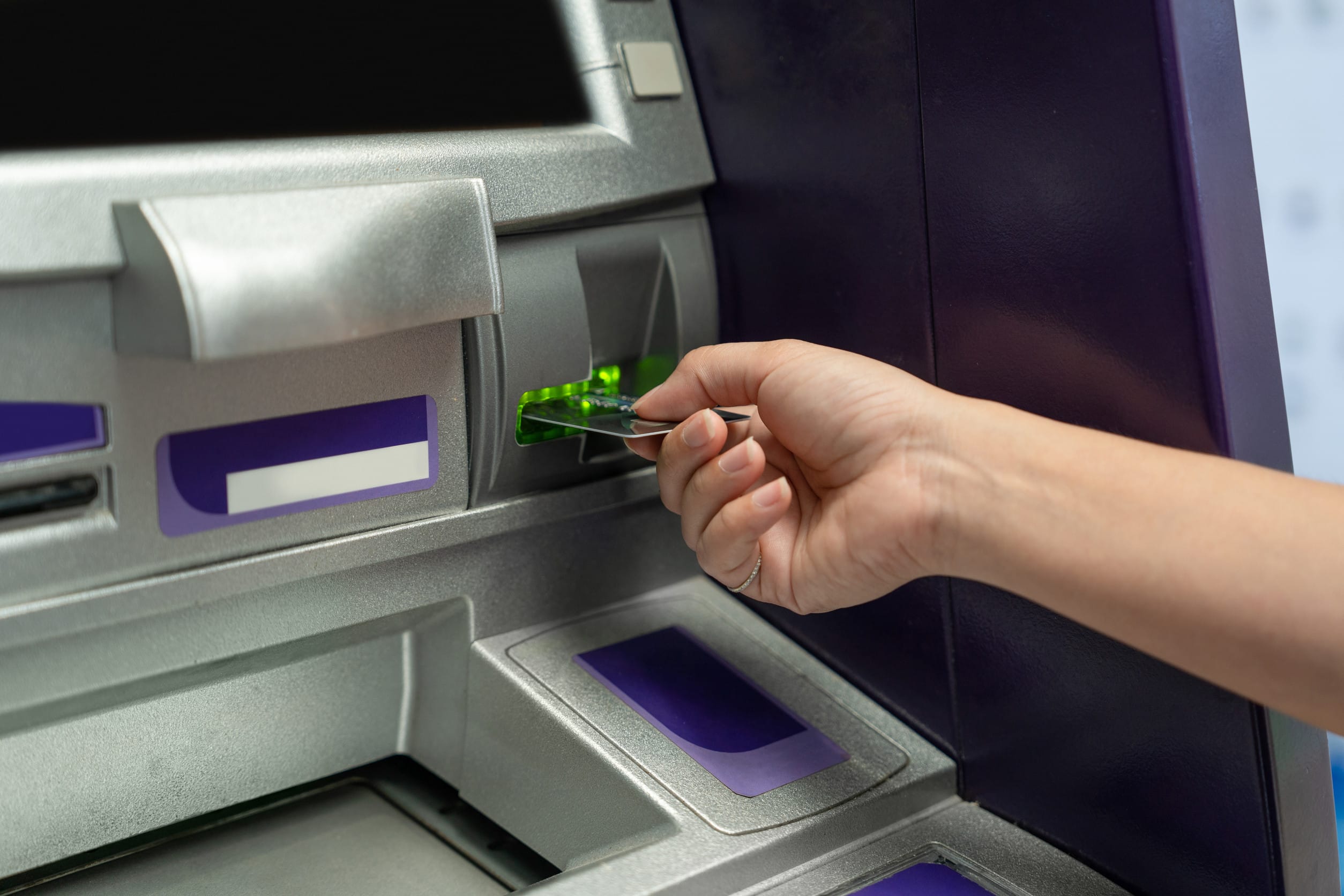
ATM Machine with hand using it
Image Source: 123rf.com

Not all ATMs within these banks’ networks will have the option to withdraw $100 bills, so it’s important to check before heading out. Here are a few ways to locate the right machine:

  • Use the Bank’s ATM Locator – Most major banks have online ATM locators that specify which machines offer customizable withdrawal options.
  • Look for Machines at Full-Service Branches – ATMs located inside or near full-service bank branches are more likely to have larger denominations available.
  • Check for Denomination Options on the Screen – Some ATMs display denomination options during the withdrawal process, allowing you to select $100 bills if they’re available.

Making Withdrawals More Convenient

With the increasing demand for customizable cash withdrawals, more banks are offering ATMs that provide $100 bills. If you prefer withdrawing larger denominations, checking your bank’s ATM locator or visiting a full-service branch can help you find a machine that meets your needs.

Have you ever needed a $100 bill from an ATM but couldn’t find one? Share your experience in the comments below.

Read More:

8 Things You Didn’t Know About Digital-Only Banks (And Why They’re the Future)

Check Your Credit Report NOW—5 Signs of Identity Theft

Latrice Perez

Latrice is a dedicated professional with a rich background in social work, complemented by an Associate Degree in the field. Her journey has been uniquely shaped by the rewarding experience of being a stay-at-home mom to her two children, aged 13 and 5. This role has not only been a testament to her commitment to family but has also provided her with invaluable life lessons and insights.

As a mother, Latrice has embraced the opportunity to educate her children on essential life skills, with a special focus on financial literacy, the nuances of life, and the importance of inner peace.

Filed Under: Banking Tagged With: $100 bills, ATM locator, ATMs, bank withdrawals, banking tips, cash machines, financial convenience, large denomination cash, money management, personal finance tips

  • « Previous Page
  • 1
  • 2
  • 3
  • Next Page »

Follow Us

Search this site:

Recent Posts

  • Can My Savings Account Affect My Financial Aid? by Tamila McDonald
  • 12 Ways Gen X’s Views Clash with Millennials… by Tamila McDonald
  • What Advantages and Disadvantages Are There To… by Jacob Sensiba
  • 10 Tactics for Building an Emergency Fund from Scratch by Vanessa Bermudez
  • Call 911: Go To the Emergency Room Immediately If… by Stephen Kanaval
  • 7 Weird Things You Can Sell Online by Tamila McDonald
  • 10 Scary Facts About DriveTime by Tamila McDonald

Copyright © 2026 · News Pro Theme on Genesis Framework