• Home
  • About Us
  • Toolkit
  • Getting Finances Done
    • Hiring Advisors
    • Debt Management
    • Spending Plan
  • Insurance
    • Life Insurance
    • Health Insurance
    • Disability Insurance
    • Homeowners/Renters Insurance
  • Contact Us
  • Risk Tolerance Quiz
  • Our Editorial Commitment

The Free Financial Advisor

You are here: Home / Archives for suspicious transactions

The Bank Account Features That Can Freeze Your Money Without a Court Order

January 27, 2026 by Brandon Marcus Leave a Comment

The Bank Account Features That Can Freeze Your Money Without a Court Order
Image source: shutterstock.com

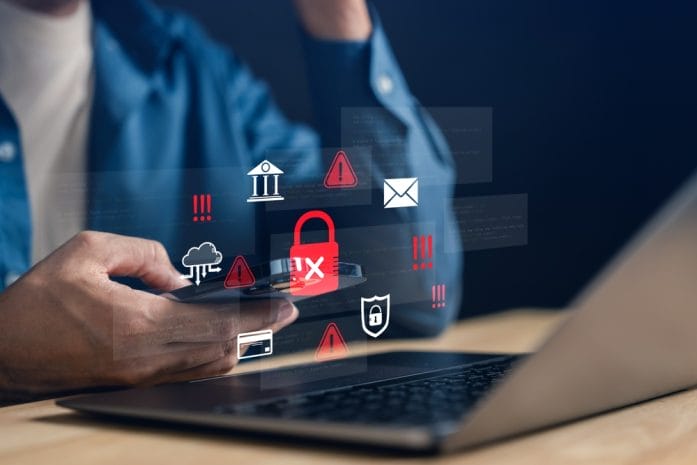
Imagine logging into your bank account one morning, excited to pay your rent or grab your morning coffee, only to find your funds totally frozen. And it’s not because of a mistake or a legal battle you forgot about, but because of a little-known banking tool that can lock your money without ever setting foot in a courtroom.

Banks can initiate it for a variety of reasons, and the result is the same: your money is temporarily untouchable. While this might feel like a nightmare, it’s actually a mechanism designed to prevent bigger financial headaches, but it’s also a reminder that your money isn’t always as free as you might think.

How Bank Account Freezes Work And Why Banks Use Them

A bank account freeze isn’t about your bank being mean or plotting against you. It’s a tool used to manage risk, comply with regulations, and ensure the institution isn’t facilitating fraud or illegal activity. When a freeze happens, the bank effectively locks the funds in your account so they can’t be withdrawn, transferred, or spent.

It’s important to understand that banks don’t make these decisions lightly; they’re often responding to federal and state regulations, their own compliance requirements, or alerts from financial monitoring systems.

Suspicious Activity Alerts That Can Trigger A Freeze

One of the most common reasons for a freeze is suspicious transactions and activity. Banks have sophisticated algorithms that monitor transactions for anything unusual: a sudden influx of cash, large withdrawals, or transactions in a different country can all trigger alarms. Even consistent small purchases in odd locations can raise red flags.

When these alerts pop up, the bank might freeze the account to prevent potential fraud or identity theft. While it may feel invasive, these measures protect both the customer and the bank. Banks must balance customer convenience with the responsibility to safeguard the system from illicit activity, which sometimes means freezing money until the situation is clarified.

Fraud Prevention And Security Holds

Banks also freeze accounts proactively for fraud prevention. When a bank suspects unauthorized access or potential criminal activity, it can impose a security hold. Sometimes these holds are temporary, lasting only a few hours or days, but they can feel dramatic because they disrupt access to your money unexpectedly.

Customers might be asked to verify their identity, confirm recent transactions, or provide additional documentation. While it may feel like a hassle, these security measures are essential for preventing larger financial disasters.

How To React When Your Account Is Frozen

So, what should you do? First, contact your bank immediately and ask why the freeze was placed. Be ready to provide any necessary documentation or explanations to resolve the issue. If it’s related to suspicious activity, be prepared to verify recent transactions.

Keeping calm and proactive is key. Also, documenting your communications with the bank and keeping records ensures that the process moves as smoothly as it can.

The Bank Account Features That Can Freeze Your Money Without a Court Order
Image source: shutterstock.com

Protecting Yourself From Unexpected Freezes

Preventing an account freeze is not always entirely under your control, but there are steps you can take to reduce the likelihood. Monitor your account regularly for unusual activity and report discrepancies immediately. Keep your contact information up to date with your bank so alerts reach you promptly, and stay on top of any tax obligations and debts that could trigger government intervention.

Understanding the triggers for freezes can make it less surprising if one happens. While you may never completely eliminate the risk, these practices create a buffer of preparedness that makes handling a freeze much less stressful when it occurs.

Understanding The Bigger Picture

Remember, your money isn’t vanishing into a void; it’s temporarily inaccessible to protect you, the bank, or the system as a whole.

Freezes highlight the importance of understanding your financial environment and staying informed about how banking systems work behind the scenes. They may be inconvenient, but they also reflect the complex dance between personal finance, regulatory compliance, and security measures that keep our money safer than most people realize.

Conclusion: Tell Us Your Experience With Account Freezes

These stories are more common than many think, and they often carry lessons about vigilance, communication, and financial awareness.

Your experiences can help others understand these mysterious banking moves and approach them with confidence instead of panic. Drop your thoughts and reflections in the comments section below and join the conversation about one of the most unusual tools in modern banking.

You May Also Like…

The Verizon $20 Trap: Why That “Outage Refund” Text Message Could Wipe Out Your Bank Account

What To Look For When Opening A Bank Account For Your Teen

Breaking Up Without Breaking the Bank: A Guide to Affordable Divorce

8 Suspicious Portfolio Shifts After Advisor Change

What Happens if You Use Tax Software After Fraudulent Activity?


Brandon Marcus
Brandon Marcus

Brandon Marcus is a writer who has been sharing the written word since a very young age. His interests include sports, history, pop culture, and so much more. When he isn’t writing, he spends his time jogging, drinking coffee, or attempting to read a long book he may never complete.
Filed Under: Banking Tagged With: bank, bank account freeze, bank accounts, bank customer service, bank info, bank policies, bank policy, banking, banking issues, Banks, court order, fraud prevention, government order, security holds, suspicious transactions, tax liens

7 ATM Withdrawal Behaviors That Raise Government Surveillance Flags

August 13, 2025 by Catherine Reed Leave a Comment

7 ATM Withdrawal Behaviors That Raise Government Surveillance Flags
Image source: 123rf.com

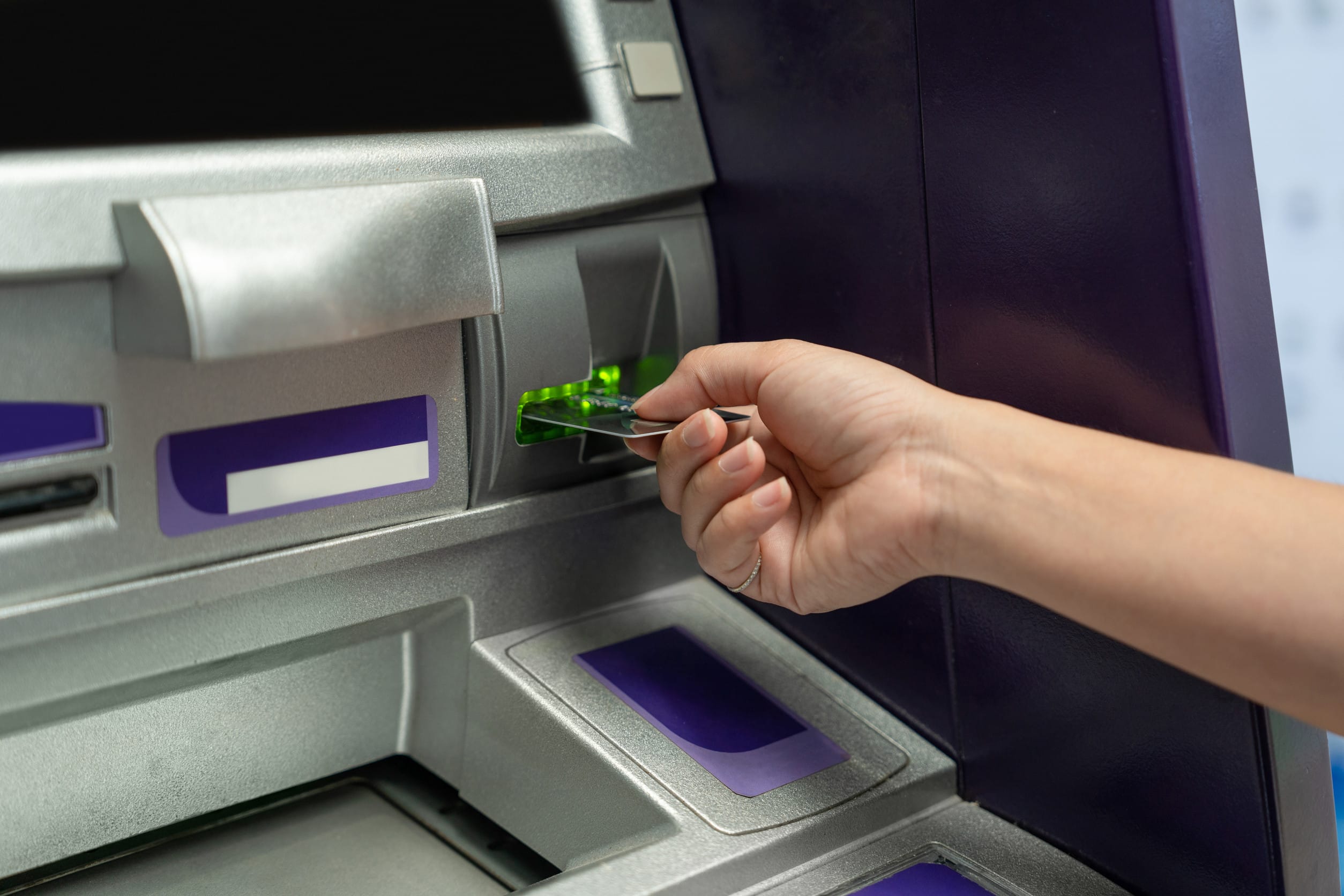
While most people use ATMs without giving it a second thought, certain withdrawal patterns can draw unwanted attention from regulators and law enforcement agencies. Banks are required to monitor transactions for signs of suspicious activity, and in some cases, these patterns get flagged for further review by government agencies. Even if your money is completely legitimate, unusual habits at the ATM can lead to delays, account freezes, or questions you’d rather avoid. Understanding the ATM withdrawal behaviors that raise government surveillance flags can help you keep your banking routine low-risk and hassle-free. Here are seven behaviors worth knowing about.

1. Large Cash Withdrawals Over Reporting Thresholds

Withdrawing cash above certain limits — typically $10,000 in a single day — automatically triggers a Currency Transaction Report (CTR) to the government. Even if you are withdrawing for a perfectly legal reason, the transaction is flagged for recordkeeping under anti-money laundering laws. Banks are required to report these large withdrawals, and frequent high-value cash movements may invite further scrutiny. The government sees large sums of cash as a potential sign of illicit activity, such as tax evasion or money laundering. If you truly need to withdraw this much, be prepared for questions or documentation requests.

2. Multiple Withdrawals Just Under the Limit

Some people try to avoid triggering a report by making several withdrawals just under the $10,000 threshold. This tactic, known as “structuring,” is itself illegal and often more suspicious than a single large withdrawal. Regulators view this pattern as an intentional attempt to avoid reporting requirements. Even if the intention is innocent, such as withdrawing in stages for budgeting, banks may still flag the account. This is one of the most common ATM withdrawal behaviors that raise government surveillance flags.

3. Frequent Withdrawals in Unusual Locations

Withdrawing cash in multiple states, cities, or foreign countries in a short period can trigger monitoring alerts. These patterns suggest potential fraud or money movement designed to avoid detection. Banks may freeze your card until they verify your travel plans or intentions. If the withdrawals occur in areas known for high crime or financial fraud, the risk of scrutiny is even greater. Letting your bank know before traveling can help avoid unnecessary flags.

4. Consistent Withdrawals at Odd Hours

Late-night or very early morning withdrawals, especially if they happen regularly, can look suspicious to automated monitoring systems. While many people have legitimate reasons for nighttime transactions, unusual timing paired with high frequency can raise questions. The concern is that such behavior might be tied to illicit activities that operate during those hours. Even modest cash amounts withdrawn in the middle of the night can be flagged if they create a recognizable pattern. Being mindful of timing can reduce unwanted attention.

5. Using Multiple ATMs for Back-to-Back Withdrawals

Some account holders hop between different ATMs to take out cash in quick succession, either to avoid machine limits or to withdraw large sums without going into a branch. This can be interpreted as an attempt to conceal the total amount withdrawn. Banks are trained to spot this “ATM hopping” and may flag it as suspicious, even if you’re simply trying to access your own money. In certain cases, the bank might impose temporary withdrawal restrictions. Planning a single withdrawal through the bank can avoid this problem.

6. Repeated Maximum Daily Limit Withdrawals

Consistently taking out the maximum allowed amount each day — even if it’s below reporting thresholds — can catch the attention of monitoring systems. This is especially true if the withdrawals are in cash and not followed by a corresponding purchase or deposit pattern. Regulators may suspect the cash is being stockpiled or used in untraceable transactions. Over time, this can trigger further investigation or inquiries from your financial institution. Adjusting your withdrawal habits can help reduce the risk.

7. Frequent International ATM Transactions Without Travel History

Regularly withdrawing cash from ATMs in foreign countries while your main residence is in the U.S. can be a red flag. This behavior might be associated with offshore accounts, unreported income, or cross-border money movement. If you’re not physically traveling but using international ATMs through proxies or services, banks may consider this suspicious. Currency conversion patterns can also draw attention if the amounts are large or occur in high-risk regions. Among ATM withdrawal behaviors that raise government surveillance flags, this one often leads to deeper reviews by both banks and government agencies.

Staying Below the Radar with Smart Banking Habits

You don’t have to be doing anything illegal to trigger financial monitoring — sometimes, all it takes is a pattern that looks unusual to a computer algorithm. The best way to avoid ATM withdrawal behaviors that raise government surveillance flags is to keep transactions consistent, transparent, and in line with your known spending habits. If you anticipate a transaction that might raise questions, informing your bank ahead of time can prevent unnecessary freezes or reports. Your money should work for you without creating avoidable headaches.

Have you ever had a bank flag or question one of your withdrawals? Share your story in the comments — your experience could help others avoid the same situation.

Read More:

7 ATM Removal Features That Could Reduce Your Financial Privacy

Everyday Mistakes That Make You Vulnerable to Criminals

Catherine Reed
Catherine Reed

Catherine is a tech-savvy writer who has focused on the personal finance space for more than eight years. She has a Bachelor’s in Information Technology and enjoys showcasing how tech can simplify everyday personal finance tasks like budgeting, spending tracking, and planning for the future. Additionally, she’s explored the ins and outs of the world of side hustles and loves to share what she’s learned along the way. When she’s not working, you can find her relaxing at home in the Pacific Northwest with her two cats or enjoying a cup of coffee at her neighborhood cafe.

Filed Under: Banking Tagged With: ATM safety, banking tips, financial monitoring, government surveillance, personal finance habits, suspicious transactions

FOLLOW US

Search this site:

Recent Posts

  • Can My Savings Account Affect My Financial Aid? by Tamila McDonald
  • 12 Ways Gen X’s Views Clash with Millennials… by Tamila McDonald
  • What Advantages and Disadvantages Are There To… by Jacob Sensiba
  • 10 Tactics for Building an Emergency Fund from Scratch by Vanessa Bermudez
  • Call 911: Go To the Emergency Room Immediately If… by Stephen Kanaval
  • 7 Weird Things You Can Sell Online by Tamila McDonald
  • 10 Scary Facts About DriveTime by Tamila McDonald

Copyright © 2026 · News Pro Theme on Genesis Framework