• Home
  • About Us
  • Toolkit
  • Getting Finances Done
    • Hiring Advisors
    • Debt Management
    • Spending Plan
  • Insurance
    • Life Insurance
    • Health Insurance
    • Disability Insurance
    • Homeowners/Renters Insurance
  • Contact Us
  • Privacy Policy
  • Risk Tolerance Quiz

The Free Financial Advisor

You are here: Home / Archives for Crime

Is Your State a Skimmer Hub? The 9 Places Where Credit Card Fraud Is Skyrocketing

February 24, 2026 by Brandon Marcus Leave a Comment

Is Your State a Skimmer Hub? The 9 Places Where Credit Card Fraud Is Skyrocketing

Image Source: Pexels.com

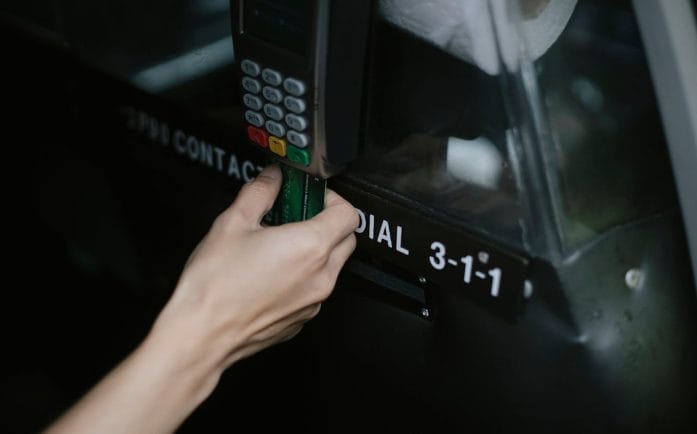
Think about this scenario: you’re fueling up, grabbing lunch, or swiping at a checkout—and somewhere in the machinery, someone isn’t playing by the rules.

Credit card fraud isn’t just something that happens to other people. It’s exploding in certain parts of the country, and understanding where it’s happening most can be the difference between catching a great deal and getting hit with a nasty financial surprise. Let’s cut through the fear-mongering and get to the facts, plus exact strategies to keep your money where it belongs.

1. Florida: Sunshine and Skimmers

Florida isn’t just a top travel destination; it also tops the list for credit card fraud reports per capita in the U.S. This has been a growing trend shaped by heavy tourism, transient customers less likely to scrutinize their statements, and endless high-traffic transactions that make perfect cover for card thieves.

Gas stations along major interstates and standalone ATMs in tourist zones often turn into magnets for skimming devices because of that constant footfall. If you find yourself in Florida, think beyond the beach umbrella: choose payment methods like tap-to-pay where possible, and ALWAYS check your statements within days of any travel. On the road, watch for unfamiliar ATMs and skip the ones tucked out of sight.

2. Georgia: The New Fraud Frontier

Georgia has rapidly risen up the charts to become one of the most common places for credit card fraud. Atlanta’s busy airport, sprawling suburbs, and high commuter traffic create a near-endless corridor of opportunity for skimming rings to plant devices unnoticed.

In addition to gas pumps, convenience store POS units and hotel lobby ATMs are frequently hit because they move so much volume in a single day it’s easier for thieves to stay under the radar. One of the few bright spots? If your card supports contactless payments through your phone or smart watch, using that option can sidestep swipe-based skimmers entirely. If you must dip your chip or swipe, glance at the reader and back away if anything seems out of place.

3. Nevada: Tourist Traps Aren’t Just Casinos

Las Vegas and Reno don’t just lure visitors for entertainment—they also attract fraudsters hunting for card data. Nevada’s blend of tourism, heavy cash flow, and high-turnover transactions makes it a perfect playground for skimming operations.

Whether you’re grabbing gas to hit the next attraction or using an ATM after dinner, criminals know that large crowds can camouflage illegal card readers. Casinos and hospitality businesses invest heavily in security, but smaller ATMs and gas station terminals often lag behind. As with other hotspots, the smartest move here is caution: prefer payments that don’t require swiping or inserting your card, and take a moment to inspect devices before touching them.

4. California: Population Power Meets Criminal Innovation

When it comes to sheer numbers of skimming events, California tops many lists. Far too many incidents have taken place in the Golden State, largely because of massive population density and a vast network of ATMs and independent gas stations.

Whether you’re in Los Angeles, the Bay Area, or smaller inland towns, the sheer volume of financial transactions gives thieves more victims with less effort. Even with advanced EMV chip technology widely deployed, the human element still matters; as more criminals switch to internal skimmers that latch inside card slots, spotting them becomes harder. Routine vigilance—like wiggling a card reader before using it or preferring chip or contactless transactions—is essential here.

5. Texas: Big State, Growing Problem

Texas often makes this list not because it has the highest per-capita rate, but because of its size and sheer number of cases reported annually. Large metropolitan areas like Houston, Dallas and Austin see a lot of card usage, and that volume gives fraudsters plenty of opportunities.

Law enforcement is cracking down in parts of the state with tougher sentencing and focused fraud units, and that’s helping to deter some shady players. However, people should stay alert everywhere from freeway gas stations to mall kiosks. If a payment terminal seems loose or sticker seals are damaged, walk inside and pay at the register. This isn’t paranoia—it’s paying attention to the details that protect you.

6. New York: Big City Risks, Big Data Losses

New York doesn’t just draw headlines for its skyline; it draws fraud activity too. Heavy travel, millions of daily transactions, and abundant independent ATMs and retail terminals make the state a high-risk zone for skimming devices.

Federal and local task forces have recently upped enforcement in cities like New York City itself to crack down on organized skimming rings, especially ones targeting lower-income communities and benefit cards that often lack modern security features. In such environments, choosing EMV chip or contactless payments isn’t just smart, it’s one of the most effective defenses you have.

Is Your State a Skimmer Hub? The 9 Places Where Credit Card Fraud Is Skyrocketing

Image Source: Pexels.com

7. Pennsylvania: A Quiet but Dangerous Player

Pennsylvania doesn’t always top the news for fraud, but its mix of urban centers like Philadelphia and Pittsburgh coupled with endless smaller towns makes it fertile ground for skimming.

Criminals know that in quieter areas, people might be less wary. Payment terminals at gas stations and smaller merchants often lack the most advanced tamper-proof protections, and that makes them inviting targets. Staying informed about local alerts—many police departments will publicize skimming devices found in their precincts—can give you an edge before you swipe. Naming unfamiliar ATMs and choosing terminals within sight of staff cuts your risk dramatically.

8 & 9. Maryland and Virginia: Beltway Busts

Down on the East Coast, Maryland and Virginia round out a cluster of states where card skimming has frequently been spotted. Their proximity to major travel corridors, commuter traffic, and dense populations means payment terminals get hammered every day. In these states, fraud isn’t always about big numbers in one city—it’s about opportunity everywhere you look.

If you’re filling up on I-95 or stopping at a rest area kiosk, assume that thieves are trying to get ahead of you. When possible, switch to contactless payments, check terminals for tampering just like you check your locks at night, and set up instant fraud alerts with your bank so if anything unusual happens, you know immediately.

Getting Ahead of the Skimmers

Credit card fraud isn’t going away. In fact, the FBI estimates card skimming alone costs consumers and banks more than $1 billion annually, and criminals keep refining their tools and tactics. While EMV chips, tokenization, and digital wallets have cut down some types of fraud, physical skimmers and the digital scams that follow still thrive because there’s always personal data to grab. Skimmers often attach to ATMs, gas pumps, and point-of-sale devices and harvest card info and PINs before you even notice a thing.

Do you think your state could be next, or have you spotted high-risk areas where you live? Share your thoughts in the comments.

You May Also Like…

8 Job-Scam Red Flags Everyone Needs to Know in 2025

8 Beauty Scams That Fooled Everyone — And Still Do

The “Love Bombing” Tactic Scammers Use to Gain Financial Control in a New Relationship

7 Reasons Credit Card Limits Drop After Paydowns — Even When You Never Miss a Payment

23% of Americans With Credit Card Debt Don’t Believe They’ll Ever Pay It Off

Brandon Marcus
Brandon Marcus

Brandon Marcus is a writer who has been sharing the written word since a very young age. His interests include sports, history, pop culture, and so much more. When he isn’t writing, he spends his time jogging, drinking coffee, or attempting to read a long book he may never complete.

Filed Under: Crime Tagged With: card skimmers, consumer advice, credit card fraud, credit theft statistics, Financial Security, fraud prevention, identity theft, skimming hotspots, U.S. fraud trends

7 Legendary Heists That Still Have Detectives Stumped

November 28, 2025 by Travis Campbell Leave a Comment

detective

Image source: shutterstock.com

The public memory of heists persists because these crimes reveal how easily society can transition from order to complete disorder. The disappearance of thieves, along with depleted evidence, creates a void that becomes an essential part of the narrative. Basic thefts evolve into permanent heists as they become famous crimes that continue for extended periods. The unresolved cases in files continue to age, showing that any secure system remains vulnerable to attack. The three elements of human error, strategic planning, and unexpected events, together produce a critical point in time according to the cases.

1. The Isabella Stewart Gardner Museum Theft

Thirteen masterpieces vanished in a single night, lifted from the museum by two men posing as police officers. The haul included works by Vermeer and Rembrandt, a collection so valuable that no black-market dealer could easily move it. This remains one of the most well-known legendary heists because every lead fizzled, every suspect cracked under pressure, and fallen timelines. The museum still displays empty frames as placeholders, a stark reminder that art can disappear into a void.

The investigation produced theories involving crime families, small-time thieves, and international smugglers. None held. The canvas-shaped holes in Boston’s cultural memory keep the case alive, and the unanswered questions keep detectives circling the same shadows.

2. The Great Train Robbery

A rural bridge. A halted mail train. A gang that slipped in and out before anyone understood what happened. The crew took the equivalent of millions in cash, stacking bags like cargo and driving off in a truck waiting in the darkness. Some were caught, but the money largely vanished.

This remains one of the earliest modern legendary heists, demonstrating how planning and timing could overwhelm security systems that relied on routine. The case loses clarity over time. Confessions contradict each other. People who weren’t there claim they were. Others who played roles go silent. And the money remains buried somewhere in the past.

3. The Antwerp Diamond Heist

The vault sat beneath layers of steel, motion detectors, magnetic locks, and sensors. A man known as “the genius” bypassed most of it. His team emptied safety deposit boxes filled with diamonds, gold, and jewelry. Security was confident no one could beat the system. Then someone did.

The haul made global headlines. Police recovered some evidence, including odd clues that suggested both meticulous planning and reckless mistakes. Even with arrests, much of the loot never resurfaced. That absence pushes this case deeper into the catalog of legendary heists and fuels speculation about hidden caches in the countryside and silent partners still walking free.

4. The Banco Central Burglary

In Brazil, thieves posed as workers, rented a property, and tunneled directly into a bank vault. The tunnel stretched hundreds of feet. It had lighting, ventilation, and reinforcement—engineering at a scale that stunned investigators. When the team broke into the vault, they escaped with piles of cash weighing several tons.

Police found abandoned equipment and a trail of dirt, but few clear leads. The money, mostly untraceable currency, dispersed quickly. Many arrests followed, but the bulk of the cash evaporated into the economy. The precision of the dig remains the focus, proof that patient planning can undermine even reinforced walls.

5. The Lufthansa Cargo Terminal Heist

A crew slipped into the cargo terminal at JFK Airport in the final hours of the night. They bound employees, loaded bags of cash into a van, and vanished. The job looked almost effortless. It became a case study in how insider knowledge turns security layers into suggestions rather than barriers.

This heist sits near the top of discussions about legendary heists because the aftermath was bloodier than the crime itself. People connected to the operation began dying, disappearing, or turning up in places no one wanted to find them. The money never surfaced in full. Neither did the truth about the full roster of participants.

6. The Hatton Garden Safe Deposit Raid

A group of older thieves—men considered past their prime—broke into a London safe deposit facility over a holiday weekend. They drilled through concrete, disabled alarms, and emptied boxes packed with cash, gems, and personal documents. Their ages shocked the public. Their methods impressed investigators.

Some of the men were caught, but a significant portion of the stolen items never reappeared. The case stands out because it blends old-school burglary with the patience of people who had spent lifetimes studying security systems. It’s a reminder that experience can be its own weapon.

7. The United California Bank Robbery

A crew flew across the country, rented a house, and spent days preparing for the break-in. They cracked into a vault packed with cash, leaving behind only footprints and damaged locks. The gang tried to replicate their success elsewhere, which eventually led to arrests. But by the time police tracked them, the money had scattered.

This case keeps its place among legendary heists because it shows how ambition pushes thieves forward even after a major score. The vault, once thought secure, became a symbol of misplaced confidence.

Why These Cases Still Hold Power

The public memory of unsolved crimes persists because these crimes demonstrate the complete breakdown of security systems, which failed to protect citizens. The public remains interested in legendary heists because they indicate how thieves can overcome supposedly secure measures. The public reaction to these crimes includes fear, curiosity, and admiration for the sophisticated planning that went into them. The most advanced security measures prove vulnerable to those who can be deceived, bribed, or outsmarted.

Which of these cases still raises questions for you? Share your thoughts in the comments.

What to Read Next…

  • 7 Places Criminals Watch Before Picking a Home to Rob
  • 8 Things You’re Doing That Make Criminals Think You’re an Easy Target
  • 9 Cities Where Car Theft Is Becoming a Daily Occurrence
  • What Do Police Say About These Safe Neighborhood Assumptions
  • Why Some Fire Departments Are No Longer Responding to Burglar Alarms
Travis Campbell
Travis Campbell

Travis Campbell is a digital marketer/developer with over 10 years of experience and a writer for over 6 years. He holds a degree in E-commerce and likes to share life advice he’s learned over the years. Travis loves spending time on the golf course or at the gym when he’s not working.

Filed Under: Crime Tagged With: heists, history, security, true crime, unsolved cases

10 Secret Rituals Hidden Inside the World’s Strangest Cults

November 25, 2025 by Travis Campbell Leave a Comment

ritual

Image source: shutterstock.com

The world’s most unusual cults conduct their rituals in secret locations that remain invisible to outside observers. The secret rituals of these groups exist behind locked doors because members use cryptic language to share only limited information. The evaluation of their practices reveals distinct patterns. Groups use rituals as their primary tools to foster member commitment, guide actions, and establish common identities among members. Knowledge of these rituals is significant because group secrecy enables their power structure to function. The loss of secrecy makes it difficult for them to influence others’ decisions.

1. Midnight Oaths Carried Out in Silence

Some of the strangest cults rely on a silent ritual designed to sever ties with outside life. Recruits gather after dark, stand in a circle, and recite vows that bind them to the group. The words change from group to group, but the intent stays constant: isolate the individual, then reshape them. The hush of the ritual becomes a weapon. Breaking the silence signals betrayal.

2. Purification Through Controlled Sleep Deprivation

Sleep loss takes the edge off critical thinking. Many groups use it without naming it. Members stay awake through long chants, rotating watch duties, or constant movement. Leaders frame the exhaustion as a cleansing of mental clutter. But the real impact comes later, when the tired mind clings to whatever authority remains. It’s a ritual built on vulnerability.

3. Food Restrictions Framed as Higher Purpose

Restrictive diets appear across the world’s strangest cults. Followers fast for long stretches or live on narrow menus—roots, soups, or a single staple. The deprivation creates a sense of achievement. It also weakens the body just enough to lower resistance. These food rituals often become a quiet test of submission that members don’t label as control.

4. Symbolic Burnings That Mark a New Identity

Some groups burn objects that represent past lives. A photograph, a letter, a piece of clothing. The fire becomes a ceremonial line between the old self and the new one. The ritual doesn’t end with the flames. Leaders often require members to share the meaning behind what they burned, pushing them to rewrite their own histories.

5. Chant Cycles Timed to Induce Trance

Repetition works. Many of the strangest cults structure chants around steady rhythms that run for hours. Members fall into sync, breathing as one, moving as one. The chant becomes a physical experience rather than a verbal one. That shift opens the door to powerful group pressure. When the trance hits, resistance breaks.

6. Isolation Rooms Presented as Spiritual Retreats

Isolation gets framed as reflection, but the effect is sharper. Members step into small rooms or tents with little light and few stimuli. They’re told they’re searching for clarity. What actually happens is a slow erosion of time, grounding, and emotional steadiness. Leaders collect whatever insights emerge and use them to steer behavior.

7. Hierarchy Marking Through Assigned Uniforms

Clothing becomes a coded language. Uniforms change as members climb through ranks. The system looks simple, but it shapes daily life. Members start reading status in hems and colors. They adjust their behavior based on who stands above or below them. In many of the world’s strangest cults, the uniform ritual binds people more effectively than rules.

8. Confession Circles That Pressure Compliance

Confession rituals appear in different forms. Some groups ask for daily admissions. Others gather weekly. But the pattern stays the same: share personal details, often uncomfortable or embarrassing ones. Leaders store this information and use it to maintain control. The ritual feels cleansing at first. Later, it becomes leverage.

9. Pilgrimage Walks Done Barefoot or in Silence

Many groups assign long walks meant to represent progress, sacrifice, or rebirth. Some require silence. Others require bare feet on rough ground. These journeys create shared hardship, which bonds members quickly. The walk becomes a story they repeat to themselves, reinforcing their commitment without realizing how the ritual shapes their sense of belonging.

10. Light-and-Dark Ceremonies Used to Trigger Emotional Swings

Some rituals rely on rapid shifts between darkness and bright light. Members sit in enclosed rooms while candles, lamps, or windows open and close in timed patterns. The shifts unsettle the senses. They create a mix of fear, relief, and anticipation. Leaders then guide the emotional peak toward loyalty. It’s manipulation masked as enlightenment.

The Grip of Ritual on Human Behavior

Rituals work because they tap into basic human instincts that help people create social bonds, establish identity, find purpose, and overcome fear. Throughout history, people have established new rituals that formed an internal defense mechanism against external threats. The same pattern appears throughout all the world’s most unusual cults. The fundamental activities of these organizations become apparent after eliminating their concealed operations. People establish control areas by dismissing their personal doubts.

What ritual surprised you most, and why?

What to Read Next…

  • 8 Everyday Scams Seniors Are Falling For Right Now
  • 7 Ways Your Neighbor Could Be Spying On You Without Breaking The Law
  • What Are The Quiet Red Flags That A Caregiver Shouldn’t Be Trusted?
  • 8 Cringeworthy Promotions That Foreshadow Fraudulent Financial Advice
  • 7 Legal Loopholes That Let Authorities Freeze Assets Without Warning
Travis Campbell
Travis Campbell

Travis Campbell is a digital marketer/developer with over 10 years of experience and a writer for over 6 years. He holds a degree in E-commerce and likes to share life advice he’s learned over the years. Travis loves spending time on the golf course or at the gym when he’s not working.

Filed Under: Crime Tagged With: behavior, control, cults, psychology, rituals

The AI Voice Scam That Tricks You Into Thinking a Loved One Is in Jail

October 16, 2025 by Travis Campbell Leave a Comment

AI voice

Image source: shutterstock.com

Imagine getting a frantic phone call late at night. The voice on the line sounds exactly like your child, spouse, or parent. They’re scared. They say they’re in jail and need money for bail. You feel your heart race. This is the reality of the new AI voice scam—a sophisticated scheme that uses artificial intelligence to mimic the voices of people you know and trust.

This scam is spreading fast, and it’s targeting everyday families. Scammers are using advanced technology to create convincing fake calls. If you’re not prepared, you could lose thousands of dollars in minutes. Understanding how the AI voice scam works is critical to protecting your loved ones and your finances.

Let’s break down how this scam operates, what to watch for, and how you can stay one step ahead.

1. How the AI Voice Scam Works

The AI voice scam uses artificial intelligence to clone someone’s voice. Scammers only need a few seconds of audio from social media or a voicemail to create a convincing replica. With the right software, they can generate a call that sounds nearly identical to your loved one. The scammer then scripts a believable emergency—often claiming the person is in jail and needs bail money fast.

These calls feel urgent and real. The scammer may even use personal details pulled from public profiles to add credibility. The goal is to keep you panicked so you won’t stop to question the situation.

2. Why the Scam Is So Convincing

Traditional scams often fail because the caller’s voice or story doesn’t add up. With the AI voice scam, everything sounds authentic. The technology behind these scams has improved rapidly, making it almost impossible to tell the difference between a real and a fake call—especially in a stressful moment.

Scammers rely on emotion. When you hear what sounds like your loved one’s voice begging for help, your instincts kick in. You want to act fast. That’s exactly what the scammer wants. They pressure you to send money before you have time to think.

3. The Tactics Scammers Use

Scammers using the AI voice scam often create a sense of urgency. They might say your family member has been arrested and only you can help by sending money right away. Payment methods usually include wire transfers, prepaid gift cards, or cryptocurrency—methods that are hard to trace and nearly impossible to recover.

They may also try to keep you on the phone to prevent you from contacting the real person. Some scammers even have accomplices pose as police officers to make the story sound more official.

4. Red Flags to Watch For

There are warning signs that can help you spot the AI voice scam. If you get a call claiming a loved one is in jail and you’re asked to send money immediately, pause. Check for inconsistencies in the story or background noise that seems off. If the caller insists you keep the call secret or won’t let you hang up, that’s a major red flag.

Legitimate authorities will never demand payment over the phone or ask for gift cards. If you’re unsure, hang up and try to contact your loved one directly using a trusted number. You can also call their friends or another family member to confirm their whereabouts.

5. How to Protect Yourself and Your Family

Preparation is the best defense against the AI voice scam. Talk with your family about this type of fraud. Set up a family password or code word that only you would know. If you get a suspicious call, ask the caller to say the code word. If they can’t, you know it’s a scam.

Be careful about sharing audio or video of yourself and your loved ones on public platforms. The less material scammers can access, the harder it is for them to clone your voice. Keep your social media privacy settings up to date and remind family members to do the same.

If you receive a call that feels suspicious, don’t rush. Take a deep breath, hang up, and verify the information independently. Report any scams to authorities and share your experience with others so they know what to watch for.

What to Do If You’ve Been Targeted

If you think the AI voice scam has targeted you, act quickly. Contact your bank if you’ve sent money. Report the scam to local law enforcement. Sharing details can help prevent others from falling victim. You may also want to warn your network—friends, family, and coworkers—so they can be on alert. The technology behind the AI voice scam is always evolving, which means staying informed is your best defense. Staying ahead of scammers requires vigilance and a willingness to talk about these risks openly.

Have you or someone you know experienced the AI voice scam or a similar fraud attempt? Share your story in the comments below—your experience could help others stay safe.

What to Read Next…

  • 8 Grandparent Rescue Scams That Use Voice Cloning to Trick You
  • 8 Everyday Scams Seniors Are Falling For Right Now
  • What Scams Are Targeting Retirees While You Still Trust Your Phone
  • 8 Email Formats That Signal a Financial Scam in Disguise
  • How Low Financial Knowledge Can Make Seniors 2.5x More Scam Prone
Travis Campbell
Travis Campbell

Travis Campbell is a digital marketer/developer with over 10 years of experience and a writer for over 6 years. He holds a degree in E-commerce and likes to share life advice he’s learned over the years. Travis loves spending time on the golf course or at the gym when he’s not working.

Filed Under: Crime Tagged With: AI scams, family security, financial safety, fraud prevention, identity theft, voice cloning

10 Elder Financial Abuse Signs Most Overlook

August 24, 2025 by Travis Campbell Leave a Comment

elder abuse

Image source: pexels.com

Elder financial abuse is a growing problem that often hides in plain sight. Many older adults fall victim to scams, manipulation, or theft, sometimes by people they trust most. Financial losses can devastate retirement savings and lead to unnecessary stress, anxiety, and hardship. Spotting elder financial abuse early is critical to protecting loved ones’ well-being and independence. Yet, the warning signs are easy to miss, even for attentive family and friends. Understanding the subtle and overlooked indicators can make all the difference in keeping seniors safe from exploitation.

1. Unexplained Withdrawals or Transfers

One of the most significant elder financial abuse signs is unexpected activity in bank accounts. Large or frequent withdrawals, transfers to unfamiliar accounts, or sudden changes in spending patterns can signal trouble. Sometimes, abusers convince elders to make these transactions, while other times, they act without consent. If you notice odd account activity, don’t dismiss it as a simple mistake. Investigate further to ensure your loved one isn’t being taken advantage of.

2. Abrupt Changes to Legal Documents

Watch for sudden revisions to wills, powers of attorney, or beneficiary designations. If an older adult quickly amends important documents—especially under someone’s guidance—it could mean they’re being pressured. These changes often benefit the abuser or cut out long-standing heirs. Always ask questions if a senior unexpectedly alters their estate plans.

3. Isolation from Friends and Family

Abusers often isolate elders from their support networks to gain more control. If your loved one stops attending gatherings, avoids phone calls, or seems withdrawn, it’s a red flag. Social isolation makes it easier for predators to carry out financial abuse without interference. Stay connected and check in regularly, especially if someone new is suddenly “helping” manage their affairs.

4. Unpaid Bills or Essential Needs Neglected

Are important bills going unpaid, or is your loved one lacking food, medication, or basic care? These can be elder financial abuse signs, especially if there is enough money to cover expenses. Abusers may steal funds intended for essentials, leaving seniors vulnerable. Always look beyond surface explanations for missed payments or neglected needs.

5. Unusual Relationships or “New Best Friends”

Be alert when an older adult forms a quick, intense bond with someone new—especially if that person gains access to finances. Scammers and opportunists often pose as caregivers, romantic interests, or long-lost relatives. They may shower the elder with attention, then slowly gain control over money or assets. Don’t ignore sudden new relationships, especially if they come with requests for loans or gifts.

6. Missing Belongings or Property

Disappearing valuables, such as jewelry, cash, or important documents, can indicate financial exploitation. Sometimes, abusers sell or pawn items without the elder’s knowledge. If possessions start vanishing and there’s no reasonable explanation, ask questions. Keeping a simple inventory of valuables can help track any changes over time.

7. Fear, Anxiety, or Reluctance to Talk About Money

If an elder seems nervous, anxious, or evasive when discussing finances, take it seriously. Fear of retaliation or embarrassment often keeps victims silent. They may avoid the topic or insist everything is fine, even when it’s not. Gently encourage open conversations about money and assure your loved one that they can trust you.

8. Unfamiliar Signatures or Handwriting on Checks

Forged signatures or handwriting that doesn’t match your loved one’s can be a clear sign of elder financial abuse. Review checks, contracts, and other documents for anything out of the ordinary. Even small inconsistencies might reveal someone is forging documents to steal money or assets.

9. Sudden Increase in “Gifts” or Loans

If you notice your loved one giving away money, writing frequent checks, or making loans to a particular individual, pay attention. Abusers often manipulate elders into believing they must help or support them financially. These “gifts” may not be voluntary or in the senior’s best interest. It’s important to have open discussions about any significant or repeated financial outlays.

10. Unexplained Decline in Financial Confidence

When an older adult suddenly seems confused about financial matters or unsure how to manage money, it could signal abuse. Sometimes, abusers intentionally create confusion or overwhelm their victims to gain control. A once-confident person who suddenly doubts their ability to pay bills or handle banking may be experiencing elder financial abuse.

Taking Action to Prevent Elder Financial Abuse

Elder financial abuse is far too common, but you can take steps to protect the seniors in your life. Stay involved in their financial matters while respecting their independence. Encourage regular reviews of accounts and legal documents, and support them in making informed decisions. If something feels off, trust your instincts and seek help.

Resources like the Consumer Financial Protection Bureau’s guide to protecting seniors from fraud and the National Center on Elder Abuse offer practical advice and support. Remember, recognizing elder financial abuse signs early can prevent lasting harm and help your loved one maintain their dignity and security.

Have you ever spotted elder financial abuse signs others missed? Share your experience or tips in the comments below.

Read More

8 Everyday Scams Seniors Are Falling For Right Now

What Are The Quiet Red Flags That A Caregiver Shouldn’t Be Trusted?

Travis Campbell
Travis Campbell

Travis Campbell is a digital marketer/developer with over 10 years of experience and a writer for over 6 years. He holds a degree in E-commerce and likes to share life advice he’s learned over the years. Travis loves spending time on the golf course or at the gym when he’s not working.

Filed Under: Crime Tagged With: elder financial abuse, family finance, financial exploitation, fraud prevention, Retirement, senior safety

7 Quiet Fraud Methods That Use Fake Tech Support Calls

August 24, 2025 by Travis Campbell Leave a Comment

tech support

Image source: pexels.com

Fake tech support calls have quietly become one of the most effective fraud methods in recent years. These scams prey on people’s trust and lack of technical knowledge, making it easy for criminals to steal money and sensitive data. The goal is simple: convince you that your computer or device has a problem, then offer to “fix” it for a fee or access to your information. Because the techniques are subtle and convincing, many victims don’t even realize they’ve been scammed until it’s too late. Understanding how these fake tech support calls operate is the first step to protecting yourself and your loved ones.

This article highlights seven quiet fraud methods that use fake tech support calls, explaining how each one works and what you can do to spot the warning signs. If you use a computer or smartphone, knowing these tricks is essential for keeping your finances and personal data safe.

1. Impersonating Trusted Brands

One of the most common quiet fraud methods in fake tech support calls is impersonating well-known companies like Microsoft, Apple, or your internet provider. Scammers use official-sounding language, spoofed caller IDs, and even stolen logos to convince you the call is legitimate. They might claim there’s a virus on your computer or that your account has suspicious activity.

The use of trusted brand names is powerful because it lowers your guard. If you get a call from someone claiming to be from a company you recognize, always hang up and contact the company directly using a number from their official website. Never trust numbers provided during the call.

2. Remote Access Requests

Many fake tech support calls escalate by asking you to install remote access software, such as TeamViewer or AnyDesk. The caller will guide you through the process, claiming they need to “diagnose” or “fix” your device. Once installed, scammers can control your computer, access files, and even watch you type passwords or credit card numbers.

This quiet fraud method is highly effective because it gives criminals full access without you realizing the extent of the risk. If anyone calls and asks you to install software or give them control of your device, it’s almost certainly a scam.

3. Phishing for Payment Details

Some scammers use fake tech support calls to trick you into sharing payment information. They might say you need to pay for a warranty renewal, a software update, or virus removal. The request often comes after convincing you of a fake problem, making the payment seem urgent and necessary.

These fraud methods are quiet but effective because the caller may already have some of your details, making the request seem more credible. Never give out your credit card or bank information over the phone to unsolicited callers. If payment is truly required, contact the company directly using the contact details from the official website.

4. Silent Malware Installation

Sometimes, scammers don’t just want your money—they want access to your device for other criminal activity. During a fake tech support call, they may trick you into downloading software that secretly installs malware. This could be spyware, ransomware, or keyloggers that monitor your keystrokes and steal sensitive information over time.

Unlike obvious scams, this quiet fraud method can go unnoticed for weeks or months. Keep your antivirus software updated and never download anything from a source you don’t trust, especially if prompted over a phone call.

5. “Refund” and Overpayment Scams

Some fake tech support calls claim you’re owed a refund for unused services or accidental charges. The scammer will ask for your bank account or credit card information to “process” the refund. In some cases, they claim to accidentally send too much money and ask you to send the excess back, often through gift cards or wire transfers.

This quiet fraud method plays on your desire to recover lost funds, but ends up costing you even more. Legitimate companies will never ask you to return money via gift cards or wire transfers. If you receive a call like this, end the conversation and report it to your bank.

6. Threats of Account Suspension or Legal Action

Scammers know that fear is a strong motivator. In this method, fake tech support calls threaten to suspend your account, disconnect your internet, or even take legal action if you don’t comply. The urgency is meant to make you act without thinking.

While these threats are rarely loud or aggressive, they are highly effective. If you receive such a call, pause and verify the claim independently. No legitimate tech support will threaten you with immediate legal action over the phone. For more tips on handling suspicious calls, the FTC’s guide to tech support scams is a helpful resource.

7. Collecting Personal Information for Identity Theft

Some fake tech support calls focus on quietly gathering personal information—like your address, date of birth, or Social Security number. The caller may say they need this data to verify your identity before helping you. Over time, these details are enough to steal your identity or open fraudulent accounts in your name.

Be extremely cautious about sharing any personal information over the phone. If you suspect you’ve given sensitive data to a scammer, contact your bank and consider placing a fraud alert on your credit report. For more information on identity theft prevention, visit IdentityTheft.gov.

Staying Safe from Fake Tech Support Calls

Fake tech support calls use a variety of quiet fraud methods to trick even the most careful individuals. They rely on trust, urgency, and technical jargon to make their scams believable. By understanding these tactics and knowing how to respond, you can avoid becoming a victim.

If you ever receive an unsolicited tech support call, remember that legitimate companies don’t contact you out of the blue to fix your device. Hang up, verify independently, and never give out personal or financial information. Have you or someone you know experienced a fake tech support call? Share your stories or tips in the comments below.

Read More

How Low Financial Knowledge Can Make Seniors 2.5x More Scam Prone

Senior Citizens Alert: 8 Pieces Of Information You Should Never Give Out Over The Phone

Travis Campbell
Travis Campbell

Travis Campbell is a digital marketer/developer with over 10 years of experience and a writer for over 6 years. He holds a degree in E-commerce and likes to share life advice he’s learned over the years. Travis loves spending time on the golf course or at the gym when he’s not working.

Filed Under: Crime Tagged With: cybersecurity, fraud prevention, identity theft, phone scams, tech support scams

10 Caregiver Payment Tactics That Can Mask Embezzlement

August 16, 2025 by Travis Campbell Leave a Comment

caregiver

Image source: pexels.com

Choosing to hire a caregiver for a loved one is a big decision. You want to trust that person with sensitive tasks, including managing money. But unfortunately, caregiver embezzlement is a real risk. Some caregivers use clever payment tactics to mask embezzlement, making it hard to spot financial abuse until real damage is done. Knowing what these tactics look like can help families protect their finances and loved ones. Let’s break down ten specific caregiver payment tactics that can be used to hide embezzlement, so you can be prepared and vigilant.

1. Inflated Hours on Timesheets

One of the most common caregiver payment tactics that can mask embezzlement is inflating the hours worked. Caregivers may add extra hours to their timesheets, especially if payment is based on self-reported time. These small additions can go unnoticed unless families carefully review timesheets and compare them with observed activity or home monitoring systems. If you see hours that don’t match your expectations, ask questions and keep detailed records.

2. Double Billing for the Same Shift

Some caregivers submit invoices for the same shift more than once, hoping it slips through unnoticed. This tactic works especially well when multiple family members pay bills or when there’s a lack of communication between those overseeing payment. Regularly checking for duplicate payments can help you catch this form of caregiver embezzlement before it becomes a bigger problem.

3. Adding “Miscellaneous” Charges

Caregivers may tack on vague or unexplained “miscellaneous” charges to invoices. These small amounts, if left unchecked, can add up over time. Always ask for a breakdown of any extra charges and make it clear that all expenses must be approved in advance. Embezzlement often hides in the details, so pay attention to every line item.

4. Reimbursement for Fake Expenses

Another caregiver payment tactic that can mask embezzlement is submitting receipts for purchases that never happened or weren’t actually for the care recipient. Fake grocery bills, pharmacy receipts, or gas charges are common. Insist on original receipts and consider using prepaid cards or direct payment to vendors to reduce the risk. Cross-check receipts with actual needs or supplies at home.

5. Unauthorized Use of Credit or Debit Cards

Caregivers may convince families to give them access to the care recipient’s credit or debit cards for convenience. Unfortunately, this opens the door to unauthorized purchases and cash withdrawals. If you must provide card access, set up account alerts and review statements weekly. Limit spending authority and require receipts for every transaction.

6. Cash Advances or “Loans” That Aren’t Repaid

Sometimes, caregivers ask for a cash advance or a “loan” with a promise to pay it back later. In reality, these advances are rarely repaid and are simply another form of embezzlement. Set a clear policy: no loans, and all payments must be earned and documented. Any request for extra money should be treated as a red flag.

7. Charging for Services Never Rendered

Caregivers might bill for services that weren’t actually provided, such as running errands or performing household chores. If you’re not present to verify these services, it’s easy for fraudulent charges to slip through. Consider using checklists or logs that must be signed off on daily. If possible, drop in unexpectedly or use technology to monitor activity.

8. Manipulating Overtime or Holiday Pay

Some caregivers inflate their pay by claiming overtime or holiday hours when they didn’t actually work extra. This is one of the more sophisticated caregiver payment tactics that can mask embezzlement. Make sure you understand local labor laws and confirm which hours actually qualify for overtime. Keep a shared calendar to track holidays and regular shifts.

9. Using Multiple Payment Methods to Confuse Records

Caregivers who are intent on embezzlement might request to be paid with a mix of cash, checks, and electronic transfers. This tactic makes it harder to reconcile payments and spot discrepancies. Stick to one payment method when possible, and always keep copies of all transactions. Consistency is key in preventing confusion and catching errors.

10. Falsifying Care Logs or Activity Reports

Some caregivers create fake logs or activity reports to justify higher payments. They may list tasks that were never completed or exaggerate the complexity of care provided. Insist on accurate daily logs and verify them with your own observations or through conversations with your loved one. Spot checks and regular reviews help ensure records are honest.

Staying Proactive Against Caregiver Embezzlement

Understanding caregiver payment tactics that can mask embezzlement is the first step in protecting your loved one’s finances. Set clear payment policies, keep detailed records, and never hesitate to question anything that seems off. You can also consult resources like the guide to elder financial abuse for more tips.

For families who want extra peace of mind, consider working with a reputable agency or using elder care management tools. Staying vigilant and informed is key to keeping your loved one’s finances safe from caregiver embezzlement.

Have you ever spotted suspicious payment tactics with a caregiver? Share your experience or questions in the comments below!

Read More

What Are The Quiet Red Flags That A Caregiver Shouldn’t Be Trusted?

5 Times Financial Power Was Abused Without Breaking A Single Law

Travis Campbell
Travis Campbell

Travis Campbell is a digital marketer/developer with over 10 years of experience and a writer for over 6 years. He holds a degree in E-commerce and likes to share life advice he’s learned over the years. Travis loves spending time on the golf course or at the gym when he’s not working.

Filed Under: Crime Tagged With: caregiver embezzlement, caregiver fraud, caregiver payment, elder financial abuse, family finance, financial protection, Personal Finance

12 Financial Experts Who Turned Out to Be Frauds

June 15, 2025 by Travis Campbell Leave a Comment

financial expert

Image Source: pexels.com

Trust forms the foundation of financial advice. When we hand over our hard-earned money to financial experts, we expect honesty, integrity, and genuine expertise. Unfortunately, the financial world has seen its share of wolves in sheep’s clothing—individuals who built empires on deception rather than sound financial principles. These fraudsters not only devastated countless lives but also eroded public trust in financial institutions. Understanding their tactics can help you protect your wealth and recognize warning signs before becoming a victim yourself.

1. Bernie Madoff

Bernie Madoff orchestrated the largest Ponzi scheme in history, defrauding investors of approximately$65 billion. For decades, he maintained the illusion of consistent returns while using new investor funds to pay existing clients. His fraud collapsed during the 2008 financial crisis when redemption requests exceeded available funds. Madoff’s scheme succeeded partly because of his respected position as former NASDAQ chairman, which gave him an aura of legitimacy few questioned.

2. Elizabeth Holmes

The Theranos founder promised revolutionary blood-testing technology that required only a finger prick. Holmes raised over $700 million from investors, achieving a $9 billion company valuation. Her financial fraud extended beyond technology claims—she repeatedly misrepresented revenue projections and falsified demonstrations for investors. In 2022, Holmes received an 11-year prison sentence for defrauding investors through elaborate financial misrepresentations.

3. Allen Stanford

Texas financier R. Allen Stanford sold $7 billion in certificates of deposit through his Stanford International Bank, promising returns significantly above market rates. His financial empire collapsed in 2009 when investigators discovered he had been running a massive Ponzi scheme for over two decades. Stanford’s fraud particularly devastated investors in the Caribbean and Latin America, where he had cultivated a reputation as a financial genius and philanthropist.

4. Jordan Belfort

The infamous “Wolf of Wall Street” built Stratton Oakmont, a brokerage firm that defrauded investors through pump-and-dump schemes and securities fraud. Belfort manipulated penny stocks, artificially inflating prices before selling his own holdings at a profit. His financial crimes cost investors approximately$200 million before his 1998 indictment. Belfort later reinvented himself as a motivational speaker after serving 22 months in prison.

5. Charles Ponzi

The original namesake of the Ponzi scheme promised investors 50% returns in 45 days through international postal reply coupon arbitrage in the 1920s. Ponzi never actually conducted legitimate business operations—he simply used new investor money to pay earlier investors. His scheme collapsed after just one year, but not before he had defrauded investors of approximately$20 million in today’s dollars. His name became synonymous with financial fraud schemes worldwide.

6. Lou Pearlman

Before his financial crimes were exposed, Pearlman was known for managing successful boy bands like NSYNC and the Backstreet Boys. Behind this legitimate business, he ran a $300 million Ponzi scheme through his Trans Continental companies. Pearlman fabricated financial statements for a non-existent airline and convinced investors and banks to fund his fraudulent enterprises for over 20 years before his 2008 conviction.

7. Marc Dreier

New York attorney Marc Dreier sold $700 million in fictitious promissory notes to hedge funds and investment firms. His elaborate fraud included impersonating executives, creating fake financial documents, and renting conference rooms at legitimate companies to conduct fraudulent meetings. Dreier’s scheme collapsed in 2008 when he was caught impersonating a pension fund executive in Canada, leading to a 20-year prison sentence.

8. Barry Minkow

Minkow founded ZZZZ Best, a carpet cleaning company, as a teenager. He took the company public through fraudulent financial statements showing millions in non-existent restoration contracts. After his first fraud was exposed and he served prison time, Minkow reinvented himself as a fraud investigator and pastor, only to commit securities fraud again by shorting stocks of companies he publicly accused of wrongdoing.

9. Nicholas Cosmo

Cosmo’s Agape World promised investors 48-80% returns annually through bridge loans to businesses. In reality, he operated a $413 million Ponzi scheme that collapsed in 2009. Cosmo’s fraud was particularly egregious because he had previously served prison time for financial fraud before launching Agape World, yet still managed to attract thousands of investors through promises of extraordinary returns.

10. Tom Petters

Minnesota businessman Tom Petters claimed to purchase electronics wholesale and sell them to major retailers, raising billions from investors for these purported deals. In reality, Petters fabricated purchase orders and bank statements while running a $3.65 billion Ponzi scheme. His fraud unraveled in 2008 when a company insider became a government informant, leading to Petters’ 50-year prison sentence.

11. Nevin Shapiro

Shapiro’s grocery distribution business, Capitol Investments USA, was actually a $930 million Ponzi scheme. He used his fraudulent wealth to become a prominent University of Miami booster, providing improper benefits to athletes. Shapiro’s financial fraud collapsed in 2009, revealing he had fabricated grocery contracts while using investor funds to finance his lavish lifestyle and sports connections.

12. Marcus Schrenker

Financial advisor Marcus Schrenker attempted one of the most dramatic escapes from financial fraud charges. When his investment schemes began unraveling, Schrenker faked his death by parachuting from his airplane and leaving it to crash. His financial crimes included selling annuities with hidden fees and misappropriating client funds. Authorities quickly apprehended him, ending his brief flight from justice.

Protecting Yourself in a World of Financial Deception

The common thread among these fraudsters is their ability to exploit trust through promises of exceptional returns with minimal risk. Legitimate investments involve tradeoffs between risk and reward—claims that circumvent this fundamental principle should trigger immediate skepticism. Protect yourself by verifying credentials, understanding investment mechanics, and recognizing that sustainable wealth-building rarely happens through shortcuts or “exclusive” opportunities.

Have you ever encountered investment opportunities that seemed too good to be true? What made you suspicious, and how did you respond?

Read More

The Definition of Irony (or Why You Should Know What You’re Doing)

I’m Not an Expert on Everything

Travis Campbell
Travis Campbell

Travis Campbell is a digital marketer/developer with over 10 years of experience and a writer for over 6 years. He holds a degree in E-commerce and likes to share life advice he’s learned over the years. Travis loves spending time on the golf course or at the gym when he’s not working.

Filed Under: Crime Tagged With: Bernie Madoff, financial advisors, financial fraud, Financial Security, investment scams, ponzi schemes, wealth protection

How Burglars Use Pizza Delivery Apps to Scope Out Homes

June 15, 2025 by Travis Campbell Leave a Comment

pizza

Image Source: pexels.com

Ordering pizza through an app is a modern convenience many of us take for granted. With just a few taps, dinner arrives at your doorstep, and you barely have to leave the couch. But what if that same convenience is being used against you? In recent years, there’s been a rise in reports of burglars exploiting pizza delivery apps to gather information about homes and neighborhoods. This isn’t just a far-fetched urban legend—it’s a real risk that can affect anyone who orders food online. Understanding how these tactics work is crucial for protecting your home and your family. Here’s what you need to know about how burglars use pizza delivery apps to scope out homes, and what you can do to stay safe.

1. Gathering Addresses and Delivery Patterns

When you place an order through a pizza delivery app, you provide your full address, phone number, and sometimes even delivery instructions. While most delivery drivers are honest, some bad actors may use this information to identify which homes are occupied, which ones are frequently ordering late at night, and which addresses seem to be empty during certain hours. Burglars can use this data to create a map of potential targets, especially if they have access to delivery records or work for a delivery service themselves. This is why it’s important to be cautious about the information you share and to use reputable apps with strong privacy policies.

2. Scoping Out Neighborhoods Under the Guise of Delivery

Pizza delivery drivers are common in most neighborhoods, so it’s easy for someone to blend in while scoping out homes. Burglars may pose as delivery drivers, walking up to doors, peering through windows, and noting security features or lack thereof. They can observe which homes have security cameras, which ones have dogs, and which ones seem unprotected. This reconnaissance allows them to plan break-ins with minimal risk of being caught. If you notice someone lingering around your property or acting suspiciously, don’t hesitate to report it to your local authorities.

3. Identifying Vulnerable Entry Points

During a delivery, a person has a legitimate reason to approach your front door, porch, or even side entrances. This gives them a perfect opportunity to look for vulnerabilities—like unlocked gates, poorly lit areas, or windows left ajar. Some may even take note of whether you have a security system sign or visible cameras. If you regularly order food, make sure your entry points are secure and well-lit, and consider installing visible deterrents like motion-activated lights or security cameras.

4. Timing Break-Ins Based on Delivery Schedules

Burglars are observant. If they notice that you order pizza every Friday night at 7 p.m., they can assume you’ll be distracted or away from certain parts of your home during that time. Some may even use the delivery as a distraction, knocking on your door while an accomplice checks for unlocked doors or windows elsewhere. To avoid this, vary your delivery times and avoid establishing predictable routines. Always double-check that your doors and windows are locked before your food arrives.

5. Exploiting App Glitches and Data Breaches

Like any online service, pizza delivery apps are vulnerable to data breaches. Hackers can access customer databases, exposing addresses, phone numbers, and order histories. This information can be sold on the dark web or used directly by criminals to target homes. To protect yourself, use strong, unique passwords for your accounts and monitor your app settings for any unusual activity.

6. Social Engineering Through Delivery Interactions

Some burglars use social engineering tactics during deliveries to gather more information. They might ask seemingly innocent questions about your schedule, who else lives in the home, or when you’ll be home next. These questions can seem like friendly small talk, but they’re actually attempts to gather intel. Be cautious about sharing personal details with anyone who comes to your door, even if they seem trustworthy.

7. Using Fake Orders to Test Security

In some cases, burglars place fake pizza orders to see how homeowners respond. If you open the door without checking who’s there, or if you leave the door unlocked while waiting for your food, you could be making yourself an easy target. Always verify the identity of your delivery driver, and never open the door to someone you weren’t expecting. If something feels off, trust your instincts and keep your door closed.

Staying One Step Ahead: Smart Habits for Safe Deliveries

The convenience of pizza delivery apps shouldn’t come at the cost of your safety. By understanding how burglars use pizza delivery apps to scope out homes, you can take proactive steps to protect yourself. Secure your entry points, be mindful of the information you share, and stay alert to unusual activity in your neighborhood. Simple habits—like varying your delivery times, using reputable apps, and installing visible security measures—can make a big difference. Remember, your home’s security starts with awareness and vigilance.

How do you keep your home safe when ordering food online? Share your tips or experiences in the comments below!

Read More

The Definition of Irony (or Why You Should Know What You’re Doing)

Im Not An Expert On Everything

Travis Campbell
Travis Campbell

Travis Campbell is a digital marketer/developer with over 10 years of experience and a writer for over 6 years. He holds a degree in E-commerce and likes to share life advice he’s learned over the years. Travis loves spending time on the golf course or at the gym when he’s not working.

Filed Under: Crime

10 Things You Should NEVER Ask Someone Who’s Been to Prison

May 28, 2025 by Travis Campbell Leave a Comment

prison

Image Source: pexels.com

Navigating conversations with someone who’s been to prison can be tricky, especially if you want to build trust and avoid causing discomfort. Many people don’t realize that certain questions can reopen old wounds, reinforce stigma, or even impact someone’s ability to reintegrate into society. With over 600,000 people released from state and federal prisons each year in the U.S., chances are you’ll encounter someone with this experience—whether at work, in your community, or even within your family. Understanding what not to ask is crucial for fostering respect and supporting successful reentry. This guide will help you avoid common pitfalls and make more informed, compassionate choices in your interactions.

1. What Did You Do?

Asking directly about the crime is one of the most invasive questions you can pose. For many, their conviction is a deeply personal matter and reliving it can trigger shame or anxiety. The U.S. Department of Justice reports that nearly 1 in 3 Americans has a criminal record, but not all convictions reflect the person’s character or current life. Instead of focusing on the past, prioritize the present and future. If someone wants to share their story, let them do so on their own terms.

2. Were You Scared in Prison?

This question can trivialize the trauma many people experience behind bars. Research from the Prison Policy Initiative highlights that incarcerated individuals face high rates of violence, with over 200,000 assaults reported annually in U.S. prisons. Asking about fear can force someone to relive traumatic events and may make them feel unsafe or judged. Instead, offer support by listening without probing for sensational details.

3. Did You Meet Any Famous Criminals?

Curiosity about notorious inmates might seem harmless, but it reduces a person’s experience to entertainment. This approach ignores the real challenges of incarceration, such as isolation, loss of autonomy, and the struggle to maintain relationships. Focusing on celebrity criminals can make someone feel like their pain is being minimized or turned into a spectacle. Keep the conversation centered on the individual, not sensational stories.

4. How Long Were You In For?

While this might seem like a neutral question, it often leads to judgment or assumptions about the severity of someone’s crime. Sentencing disparities are well-documented, with people of color receiving longer sentences for similar offenses compared to their white counterparts, as shown by the Sentencing Project. Instead of asking about the length of time served, focus on the person’s current goals and achievements.

5. Are You Allowed to Vote or Get a Job?

Questions about legal restrictions can be a painful reminder of the barriers faced after release. Over 4.6 million Americans are disenfranchised due to felony convictions, and unemployment rates for formerly incarcerated people are five times higher than the general population. Rather than highlighting these obstacles, offer encouragement and ask how you can support their ambitions.

6. Do You Regret What You Did?

This question assumes guilt and can come across as judgmental. Many people have already gone through extensive rehabilitation and self-reflection. The focus should be on growth and positive change, not forcing someone to justify or relive their past. If you’re interested in their journey, ask about what they’ve learned or how they’ve changed, but only if they’re comfortable sharing.

7. Are You Still Friends With People From Prison?

Friendships formed in prison are often based on survival and mutual support. Asking about these relationships can feel intrusive and may bring up complicated emotions. Maintaining contact after release can be difficult due to parole restrictions or the desire to move forward. Respect their privacy and let them decide what to share about their social connections.

8. Did You Deserve Your Sentence?

This question puts someone on the defensive and can reopen feelings of injustice or resentment. The criminal justice system is far from perfect, with wrongful convictions and sentencing disparities affecting thousands each year. Instead of questioning the fairness of their sentence, focus on how they’re rebuilding their life and what support they need.

9. What Was the Worst Thing That Happened to You Inside?

Probing for traumatic stories can be deeply harmful. Studies show that over half of incarcerated people have experienced serious psychological distress, and many develop PTSD as a result of their time inside. Instead of seeking out painful details, offer empathy and a willingness to listen if they choose to open up.

10. Are You Going Back?

This question reinforces negative stereotypes and can undermine someone’s confidence in their ability to succeed after release. Recidivism rates are often cited—about 44% of released prisoners are rearrested within the first year—but these numbers don’t reflect the full picture. Many people work hard to rebuild their lives, find stable employment, and reconnect with family. Show your support by expressing belief in their potential and celebrating their progress.

Building Respectful Connections After Prison

Conversations with someone who’s been to prison should be rooted in empathy, not curiosity or judgment. The primary keyword, “someone who’s been to prison,” is central to understanding the real challenges faced during reentry. By avoiding intrusive questions and focusing on support, you help break down stigma and create opportunities for genuine connection. Remember, everyone deserves a chance to move forward without being defined by their past. If you’re unsure what to say, simply listen and let the person guide the conversation. How can you help create a more welcoming environment for someone who’s been to prison in your community?

Read More

Making an Honest Living: Joining the Workforce After Facing Criminal Charges

11 Things You Should Never Tell Your Partner About Your Past

Travis Campbell
Travis Campbell

Travis Campbell is a digital marketer/developer with over 10 years of experience and a writer for over 6 years. He holds a degree in E-commerce and likes to share life advice he’s learned over the years. Travis loves spending time on the golf course or at the gym when he’s not working.

Filed Under: Crime Tagged With: criminal justice, empathy, life after prison, prison reentry, reintegration, Respectful Communication, social stigma, support

  • 1
  • 2
  • Next Page »

FOLLOW US

Search this site:

Recent Posts

  • Can My Savings Account Affect My Financial Aid? by Tamila McDonald
  • 12 Ways Gen X’s Views Clash with Millennials… by Tamila McDonald
  • What Advantages and Disadvantages Are There To… by Jacob Sensiba
  • Call 911: Go To the Emergency Room Immediately If… by Stephen Kanaval
  • 10 Tactics for Building an Emergency Fund from Scratch by Vanessa Bermudez
  • 7 Weird Things You Can Sell Online by Tamila McDonald
  • 10 Scary Facts About DriveTime by Tamila McDonald

Copyright © 2026 · News Pro Theme on Genesis Framework