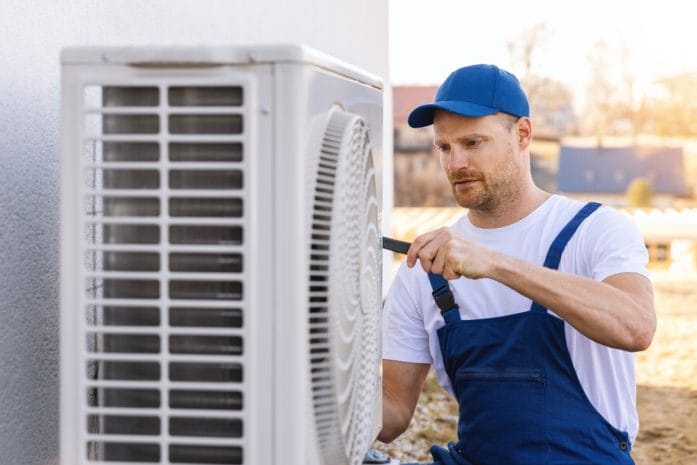
Summer heat arrived early across Arizona, and utility bills wasted no time following it upward. Homeowners over 60 now face a sharp spike in cooling costs as air conditioners run longer and harder each day. Temperatures have already climbed into triple digits in several regions, forcing cooling systems to work overtime just to keep indoor spaces livable. Many households that carefully planned their retirement budgets now find themselves adjusting on the fly. The combination of extreme heat and rising energy demand creates a financial squeeze that hits older homeowners especially hard.
Utility companies continue adjusting rates during peak demand periods, which adds even more pressure to monthly bills. Older adults who spend more time at home during the day feel these increases more intensely than working households. Cooling systems that once cycled on and off now run nearly nonstop during peak afternoon hours. The result shows up quickly in monthly statements, often with little warning.
Early Heat Waves Push Air Conditioners Into Constant Operation
Arizona’s heat arrived earlier than usual this year, and that shift immediately changed household energy patterns. Air conditioners now operate for longer stretches throughout the day, especially in homes without upgraded insulation or shading. Many systems struggle to keep indoor temperatures stable when outdoor readings climb above 100 degrees before noon. Homeowners notice rooms warming quickly even after the AC shuts off briefly. That cycle repeats all day and drives energy consumption higher than expected.
Older cooling units amplify the problem by working harder to deliver the same level of comfort. Maintenance issues like dirty filters or aging compressors reduce efficiency and increase runtime. Homeowners over 60 often rely on fixed incomes, so even small increases in daily usage create noticeable financial strain. The early heat wave turns a normally predictable utility expense into a growing monthly burden. That shift forces many households to rethink how and when they cool their homes.
Why Homeowners Over 60 Feel the Financial Pressure Most
Retirees and older homeowners often spend more time inside their homes, especially during peak heat hours. That daily presence increases reliance on air conditioning from morning until late evening. Unlike younger households that may leave for work or errands, these homeowners keep systems running continuously. The result leads to higher baseline energy use that spikes further during extreme weather. Comfort becomes essential, but it comes at a steep price during Arizona summers.
Fixed incomes make these rising costs even harder to absorb. Many homeowners over 60 budget carefully for essentials, and unexpected utility increases disrupt that balance quickly. Medical conditions that require temperature control add another layer of necessity to cooling expenses. Cutting back on air conditioning often feels unrealistic when heat levels reach dangerous highs. This combination of financial limits and health concerns creates a uniquely stressful situation for older residents.
Smart Cooling Habits That Cut Energy Bills Fast
Small adjustments inside the home can significantly reduce cooling costs without sacrificing comfort. Homeowners who close blinds during peak sunlight hours often notice immediate improvements in indoor temperature stability. Ceiling fans also help circulate cool air more efficiently, allowing thermostats to stay set a few degrees higher. Even minor thermostat adjustments, such as raising settings by two or three degrees, reduce system strain over time. These simple habits add up quickly during long Arizona summers.
Routine maintenance plays a major role in keeping cooling systems efficient. Clean filters allow air conditioners to work with less effort, which lowers daily energy use. Sealing gaps around windows and doors prevents cool air from escaping and hot air from entering. Many homeowners also benefit from scheduling professional HVAC inspections before peak summer months. These proactive steps help control costs while extending the life of expensive cooling equipment.
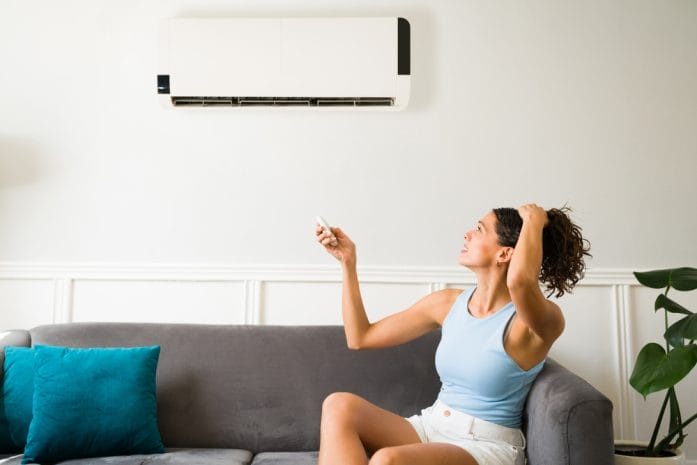
Utility Rate Surges and Hidden Cost Traps Across Arizona Homes
Utility pricing structures often include peak-hour surcharges that catch many homeowners off guard. These higher rates typically apply during the hottest parts of the day when air conditioners already run the most. Small increases in per-kilowatt pricing quickly translate into much larger monthly bills. Homeowners who do not track usage patterns often miss the moments when costs climb the fastest. That lack of visibility creates frustration when the bill arrives.
Energy demand across Arizona continues to grow as more households rely on constant cooling. Power grids respond by adjusting pricing to manage strain during extreme heat events. Older adults feel these changes more intensely because their daily routines center around home comfort. Even small inefficiencies in appliances or insulation can magnify costs under these conditions. Understanding rate structures helps homeowners make smarter decisions before bills spiral upward.
A Smarter Summer Strategy for Managing Cooling Expenses
Arizona homeowners over 60 face a challenging balance between comfort and cost during early summer heat waves. Strategic cooling habits, combined with system maintenance, offer real relief from rising energy bills. Small changes in daily routines often produce noticeable savings without reducing indoor comfort. Utility rate awareness also helps households avoid the worst of peak-hour pricing. These combined strategies create a more manageable approach to extreme summer weather.
What strategies help keep cooling costs manageable during extreme summer heat in your area, and which habits make the biggest difference?
You May Also Like…
California Seniors Face Insurance Renewal Shock as Housing and Utility Costs Continue Climbing
9 Estate Planning Moves That End Up in Heated Probate Cases
Massachusetts’ Millionaire Tax Is Creating Indirect Costs for Some Retirees
Savings Repair: 4 Moves to Catch Up if You’re Within 10 Years of Retirement
How Prioritizing Your Lawn Boosts Your Home’s Value

Brandon Marcus is a writer who has been sharing the written word since a very young age. His interests include sports, history, pop culture, and so much more. When he isn’t writing, he spends his time jogging, drinking coffee, or attempting to read a long book he may never complete.