• Home
  • About Us
  • Getting Finances Done
    • Hiring Advisors
    • Debt Management
    • Spending Plan
  • Insurance
    • Life Insurance
    • Health Insurance
    • Disability Insurance
    • Homeowners/Renters Insurance
  • Contact Us
  • Our Editorial Commitment

The Free Financial Advisor

You are here: Home / Archives for utility bills

Why You Should Never, Ever Skip Paying Your Bills

December 25, 2025 by Brandon Marcus Leave a Comment

Why You Should Never, Ever Skip Paying Your Bills
Image Source: Shutterstock.com

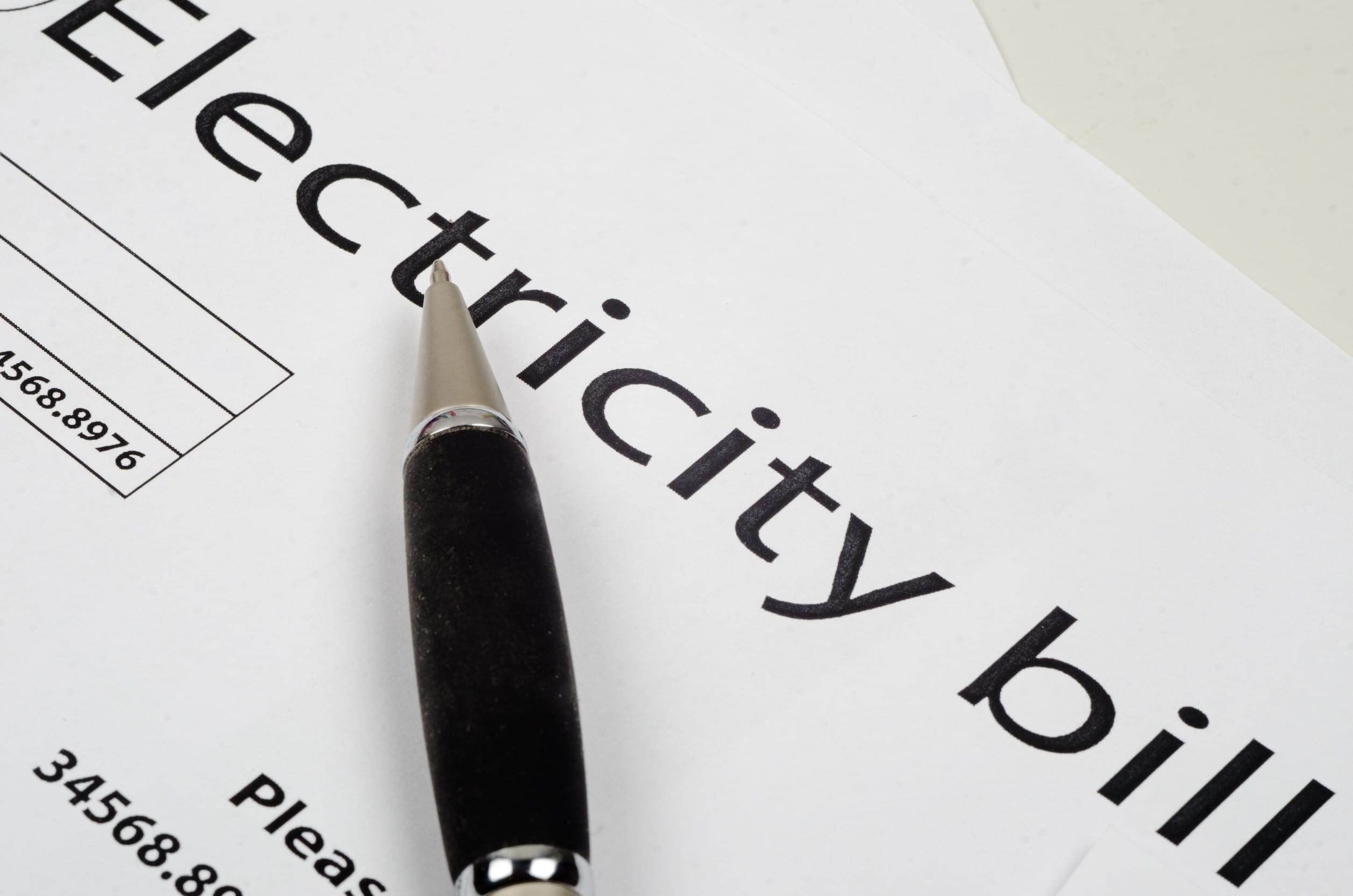
Bills are like the villains in every thrilling story—they lurk in your mailbox, hide in your inbox, and sneak up on you when you least expect it. But unlike fictional villains, ignoring them doesn’t make you a hero; it sets off a chain reaction of chaos that can haunt your financial life for years.

Skipping a payment might feel like a tiny victory, a way to buy yourself some breathing room, but that brief relief comes at a steep price. From skyrocketing late fees to irreparable credit damage, unpaid bills are a ticking time bomb. And once they explode, it’s not just your wallet that suffers—your stress levels, sleep schedule, and personal freedom could all take a hit too.

Late Fees Are Not Your Friend

Skipping a bill doesn’t make it disappear—it just makes it angrier. Late fees are designed to punish procrastinators, and they grow faster than you might expect. A $50 overdue charge can balloon into hundreds if left unchecked, adding unnecessary financial weight. Many utility companies, credit card issuers, and service providers impose compounding penalties that make the original amount feel like a drop in the bucket. The sooner you pay, the sooner you stop the fees from multiplying and taking over your life.

Your Credit Score Hangs In The Balance

Your credit score is more than just a number; it’s the key to better loans, lower interest rates, and even some job opportunities. Missing payments can slash your score in ways that take months, even years, to repair. A single late payment might seem minor, but repeated delinquencies scream “financial risk” to lenders. Poor credit doesn’t just affect borrowing—it can impact insurance premiums, rental applications, and your financial reputation. Protecting your credit score by paying on time is like installing a personal financial force field against future hardships.

Debt Can Spiral Out Of Control

Ignoring bills is like poking a hornet’s nest with a stick—the mess just multiplies. When unpaid balances accumulate, interest and penalties combine to create a snowball effect of debt. That snowball starts small but quickly grows until it’s nearly impossible to control. Credit cards, medical bills, and loans all have different interest rates, but they share one universal truth: the longer you wait, the more you owe. Staying ahead of payments keeps you in control and prevents debt from taking over your financial life.

Stress And Anxiety Will Multiply

Skipping bills doesn’t just harm your bank account—it also wrecks your peace of mind. Every unanswered invoice adds a mental weight, gnawing at your focus and making daily life feel heavier. Stress from financial uncertainty can trigger sleepless nights, irritability, and even health issues. The longer you put off payment, the more it dominates your thoughts, leaving little room for joy or creativity. Paying bills promptly is not just a financial move; it’s a mental health strategy that keeps your head clear and your heart lighter.

Why You Should Never, Ever Skip Paying Your Bills
Image Source: Shutterstock.com

Service Interruptions Are A Nightmare

Failing to pay bills can lead to a sudden, shocking loss of essential services. Electricity, water, internet, or phone access can be shut off with minimal warning, creating immediate disruption. Imagine coming home after a long day only to find the lights out or the water off—it’s stressful, inconvenient, and completely avoidable. Service providers often charge reconnection fees, doubling the cost of your oversight. Staying current with bills ensures your lifestyle continues uninterrupted and keeps surprise chaos at bay.

Legal Consequences Can Be Real

Unpaid bills don’t just vanish; they can escalate into legal headaches you never anticipated. Some creditors have the power to file lawsuits, garnish wages, or place liens on property for delinquent payments. Legal battles are time-consuming, expensive, and emotionally draining, often far outweighing the relief of skipping a payment. Even minor bills can snowball if left unattended, creating scenarios that require lawyers and court appearances. Staying responsible with payments keeps your life legally smooth and avoids unnecessary courtroom drama.

Protect Your Relationships And Reputation

Financial responsibility isn’t just about numbers—it’s about trust. Consistently failing to pay bills can damage your reputation with lenders, landlords, and even family members who might co-sign or rely on you. Friends and business partners notice patterns of unreliability, which can affect opportunities both personal and professional. Conversely, timely payments demonstrate integrity and reliability, reinforcing your credibility in multiple spheres. Paying bills promptly is a way of maintaining trust and ensuring others see you as dependable.

Future Opportunities Depend On It

Skipping bills might feel like a short-term fix, but it can rob you of long-term possibilities. Poor payment history can prevent you from qualifying for mortgages, car loans, or even premium credit cards. It can limit your options when you want to move, expand a business, or invest in new opportunities. Every on-time payment builds a track record of financial responsibility that opens doors rather than closing them. Treating bills as priority investments in your future creates freedom and flexibility for years to come.

Habits Shape Your Financial Life

Consistency matters more than occasional heroics. The habit of paying bills on time creates a rhythm that improves overall financial health. You learn to budget, prioritize, and manage resources more efficiently, avoiding panic or last-minute scrambles. Skipping bills disrupts that rhythm, introducing chaos into a system that thrives on consistency. By establishing strong habits, you set yourself up for sustainable success, reducing stress and creating opportunities for growth.

Avoiding Regret Is Priceless

At the end of the day, the biggest cost of skipped payments is regret. Watching debt pile up, stress mount, or services get cut is far worse than the temporary relief of avoidance. Regret lingers longer than any bill ever could, coloring future decisions and confidence. Paying bills promptly eliminates the “what ifs” and frees you to focus on positive financial moves. The peace of mind that comes from responsibility is priceless—and far more satisfying than any fleeting advantage from delay.

Your Financial Health Is Worth Every Cent

Skipping bills might feel like a clever shortcut, but the consequences are severe, far-reaching, and often irreversible. Paying on time protects your credit, prevents debt spirals, safeguards essential services, and keeps stress levels manageable. It builds trust, strengthens habits, and preserves opportunities for the future. Your financial life deserves attention, care, and consistent action—ignoring bills undermines all three.

Tell us your thoughts or experiences with bill management in the comments section below; we’d love to hear how you’ve navigated these challenges successfully.

You May Also Like…

Here’s When It’s Okay To Let Kids Move Back Home To Pay Off Bills

7 Silent Money Traps in Monthly Bills

8 Shocking Costs of Ignoring Small Medical Bills

6 Charges You’re Paying for… But Getting Nothing in Return

7 Silent Money Traps in Monthly Bills


Brandon Marcus
Brandon Marcus

Brandon Marcus is a writer who has been sharing the written word since a very young age. His interests include sports, history, pop culture, and so much more. When he isn’t writing, he spends his time jogging, drinking coffee, or attempting to read a long book he may never complete.

Filed Under: Lifestyle Tagged With: anxiety, bills, credit repair, credit report, credit score, Debt, foreclosure, household bills, household responsibilities, late fees, money issues, paying bills, paying off debt, Paying Rent, skipping bills, stress, utility bills

Could Rising Utility Costs Be the New Debt Trap

September 14, 2025 by Travis Campbell Leave a Comment

utilities
Image source: pexels.com

Utility bills are climbing faster than many people expect. From electricity and water to natural gas and internet, the monthly costs keep inching up. For some households, these rising utility costs are starting to feel like a new kind of debt trap. Instead of credit card bills or personal loans, families now face mounting balances just to keep the lights on. If you’re feeling squeezed, you’re not alone. Let’s explore why this is happening and how to avoid getting caught in a cycle of utility debt.

1. How Utility Bills Became a Major Budget Threat

For years, utilities were a predictable part of the budget. Most people could estimate their monthly electricity or water bill with a fair amount of accuracy. That’s changing. Rising utility costs are outpacing wage growth in many areas. Factors like inflation, increased demand, and aging infrastructure are all making it more expensive to power and heat your home. Even small increases add up over time, especially for those on fixed incomes or with tight budgets.

Now, missing a payment or two doesn’t just mean a late fee. It can lead to service shutoffs or accumulating balances that are hard to pay down. The gap between what people earn and what they owe for basic services is widening, pushing more families toward financial instability.

2. The Link Between Rising Utility Costs and Debt

Many people think of debt as something that comes from credit cards, loans, or medical bills. But utility debt is becoming more common. As prices go up, some households postpone payments or pay only part of their bill. Penalties and fees start piling up. If you fall behind, it’s easy for balances to snowball.

Unlike some types of debt, utility balances don’t always show up on your credit report right away. But if an unpaid bill is sent to collections, it can hurt your credit score and make it harder to get approved for apartments or loans in the future. More importantly, persistent utility debt puts your access to essential services at risk.

3. Why Are Utility Prices Rising So Quickly?

Several factors are pushing utility prices higher, and it’s not just inflation. Energy companies are investing in new infrastructure and cleaner technology, which costs money. Severe weather events, like storms and heatwaves, drive up demand and can damage supply lines. Regulatory changes sometimes require utilities to upgrade equipment, passing those costs on to customers.

Natural gas prices have also been volatile, impacting heating and electricity costs. Water systems in many cities are aging, requiring expensive repairs. All these factors trickle down to the consumer, making rising utility costs a widespread problem. Some states are seeing double-digit percentage increases in just a year or two.

4. Who Is Most at Risk from the New Debt Trap?

Low-income families, seniors on fixed incomes, and renters are especially vulnerable. When a bigger share of income goes to utilities, less is left for food, medicine, or savings. Some people have to choose between paying their utility bill and covering other essentials. This is how rising utility costs can quickly become a debt trap.

Renters may be hit with higher rates if landlords pass on increased costs, and those living in older homes may face higher bills due to inefficient appliances or poor insulation. Even middle-income households are feeling the pinch as rates outpace wage growth.

5. Practical Steps to Avoid Utility Debt

Not everyone can simply use less power or water, especially in extreme weather. But there are still ways to manage rising utility costs and avoid falling into debt. Start by reviewing your bills and looking for patterns. Are there months where usage spikes? Many utility companies offer budget billing or payment plans to help even out costs throughout the year.

Ask about assistance programs if you’re struggling. Many local governments and nonprofits offer help with utility bills for those who qualify. Upgrading to energy-efficient appliances, sealing drafts, and using smart thermostats can help cut costs. Small changes add up, and every dollar saved reduces the risk of falling behind.

6. What to Do If You’re Already Behind

If you’ve already missed a payment or are carrying a balance, don’t ignore it. Contact your utility provider as soon as possible. Many companies are willing to set up payment plans or temporarily suspend late fees if you ask. The worst thing to do is wait until you get a shutoff notice.

Look for local resources. Some states offer emergency assistance or weatherization programs to help reduce bills. You may also be able to negotiate a lower payment if you can prove financial hardship. It’s important to act early before small balances become a bigger problem.

Staying Ahead of Rising Utility Costs

Rising utility costs are more than just an inconvenience—they’re creating a new debt trap for many Americans. By paying attention to your monthly bills and knowing your options, you can avoid falling behind. Don’t be afraid to reach out for help or explore ways to reduce your usage. The sooner you act, the easier it is to keep these costs from putting you in a financial bind.

Are rising utility costs causing problems in your budget? How are you managing your bills? Share your experience and tips in the comments below.

What to Read Next…

  • Are These 7 Little Expenses Quietly Costing You Thousands a Year?
  • 6 Monthly Bills You Should Cancel Immediately Even If You Can Afford Them
  • 5 Emergency Repairs That Could Force You Into Debt Overnight
  • 7 Tactics Grocery Stores Use to Keep You From Thinking About Price
  • Are These 8 Money Saving Tricks Actually Keeping You Broke?
Travis Campbell
Travis Campbell

Travis Campbell is a digital marketer/developer with over 10 years of experience and a writer for over 6 years. He holds a degree in E-commerce and likes to share life advice he’s learned over the years. Travis loves spending time on the golf course or at the gym when he’s not working.

Filed Under: Home Hacks Tagged With: Cost of living, debt trap, energy costs, household expenses, Personal Finance, utility bills

5 Surprising Places Where Cash Payments Come With a Penalty Fee

July 20, 2025 by Travis Campbell Leave a Comment

cash
Image Source: pexels.com

Paying with cash used to be simple. You hand over your bills, get your change, and move on. But things have changed. More businesses are moving to digital payments, and some even charge you extra if you insist on using cash. This shift can catch you off guard, especially if you’re used to cash being king. Knowing where you might face a penalty for cash payments can help you avoid unnecessary fees and frustration. Here are five places where paying with cash could cost you more than you expect.

1. Utility Companies

Many utility companies now prefer digital payments. If you walk into a payment center with cash, you might face a “processing fee.” This fee covers the cost of handling cash, which is higher than processing electronic payments. Some companies even outsource cash payments to third-party locations, like convenience stores or check-cashing outlets. These places often charge a flat fee—sometimes $1.50 or more—just to process your payment. If you pay your electric or water bill in cash every month, those fees add up fast. To avoid this, check if your utility provider offers free online payments or automatic bank drafts. If you don’t have a bank account, consider prepaid debit cards, which some companies accept without extra fees.

2. Government Offices and Courts

You might think government offices would welcome cash, but that’s not always true. Many local courts, DMVs, and city offices now charge a “cash handling fee” if you pay fines, fees, or taxes in person with cash. The reason? Handling cash takes more time and security. Some offices even require you to use a money order instead of cash, which means you’ll pay a fee to buy the money order. In some cities, paying a parking ticket in cash at a kiosk or window can cost you an extra $2 to $5. Before you head to city hall with a wad of bills, check their payment policies online. You might save money by paying with a card or through an online portal.

3. Rental Car Agencies

Rental car companies have strict rules about cash payments. Some don’t accept cash at all, but others allow it—if you’re willing to pay a penalty. This can come as a “cash deposit fee” or a “cash payment surcharge.” The fee covers the extra paperwork and risk involved with cash. It’s not unusual to see a $50 or $100 fee added to your bill if you pay in cash. Plus, you may have to provide extra identification or proof of insurance. If you’re planning to rent a car and want to pay with cash, call ahead and ask about their policy. You might find it’s cheaper and easier to use a debit or credit card.

4. Some Medical Offices and Clinics

It sounds odd, but some medical offices now charge a fee for cash payments. This is especially true for clinics that use third-party billing services. When you pay in cash, the office has to manually process your payment, which takes more time and can lead to errors. Some clinics pass this cost on to you as a “cash handling fee.” The fee might be small$3 or$5—but it’s still an extra cost. If you’re paying for a prescription or a doctor’s visit, ask about payment options before you go. Many offices offer discounts for paying with a card or through their online portal. If you don’t have insurance or a bank account, look for clinics that advertise “no cash fees” or sliding scale payments.

5. Toll Roads and Bridges

Toll roads used to be a cash-only affair. Now, many have switched to electronic tolling systems. If you insist on paying cash, you might face a penalty. Some toll booths charge a “cash surcharge” or a higher toll rate for cash payments. Others have removed cash lanes entirely, forcing you to pay by mail, which often comes with a processing fee. In some states, the cash toll can be double the electronic rate. If you travel toll roads often, consider getting a transponder or using a prepaid toll account. This can save you money and time. Always check the toll authority’s website before your trip to see the latest payment options and fees.

Why Cash Isn’t Always King Anymore

Cash used to be the easiest way to pay. Now, it can cost you extra in places you wouldn’t expect. Businesses and agencies are moving to digital payments because it’s faster, safer, and cheaper for them. For you, that means watching out for penalty fees when you use cash. The best way to avoid these fees is to check payment policies before you go. If you don’t have access to digital payments, look for businesses that still accept cash without extra charges. And if you’re hit with a cash penalty, ask if there’s a way to waive it or use another payment method next time. Staying aware of these changes can help you keep more money in your pocket.

Have you ever been surprised by a cash payment penalty? Share your story or tips in the comments below.

Read More

What Do Lawyers Say About Leaving Cash to Your Kids?

Should You Cash Out Your 401(k) If You Need Help Now?

Travis Campbell
Travis Campbell

Travis Campbell is a digital marketer/developer with over 10 years of experience and a writer for over 6 years. He holds a degree in E-commerce and likes to share life advice he’s learned over the years. Travis loves spending time on the golf course or at the gym when he’s not working.

Filed Under: Banking Tagged With: cash payments, government fees, medical bills, penalty fees, Personal Finance, rental cars, toll roads, utility bills

How Your Bathroom Habits Impact Your Monthly Water Bill

July 9, 2025 by Travis Campbell Leave a Comment

bathroom
Image Source: pexels.com

If you’re like most people, you probably don’t think twice about your bathroom habits—until your monthly water bill arrives and leaves you scratching your head. The bathroom is where the average household uses the most water, and small changes in your daily routine can make a big difference in your wallet. Whether you’re looking to save money, conserve resources, or just become more mindful of your water use, understanding the connection between your bathroom habits and your water bill is a smart move. Let’s break down the everyday choices that quietly add up and see how you can take control of your water costs. After all, every drop counts, and so does every dollar.

1. Long Showers Add Up Fast

A hot, relaxing shower can feel like a daily luxury, but those extra minutes under the spray come with a price. The average shower uses approximately 2.1 gallons of water per minute, so a 15-minute shower can consume over 31 gallons. Multiply that by the number of people in your household, and the gallons and dollars add up quickly. Cutting your shower time by just a few minutes can save hundreds of gallons each month. Try setting a timer or listening to a short playlist to keep your showers efficient.

2. Flushing Habits Matter

Toilets are one of the biggest water users in the home, accounting for nearly 30% of indoor water consumption. Older toilets can use up to 6 gallons per flush, while newer, efficient models use as little as 1.28 gallons. Even if you have a modern toilet, frequent unnecessary flushing can still drive up your water bill. Consider the “if it’s yellow, let it mellow” approach for liquid waste, or at least avoid flushing tissues and other non-essential items. If you’re not ready to replace your toilet, placing a filled water bottle in the tank can reduce the amount used per flush.

3. Leaky Faucets and Toilets Drain Your Wallet

A dripping faucet or a running toilet might seem like a minor annoyance, but these leaks can waste thousands of gallons a year. A faucet that drips once per second can waste over 3,000 gallons annually, and a running toilet can waste even more. Not only does this impact your water bill, but it’s also bad for the environment. Regularly check for leaks and fix them promptly. Many leaks are easy DIY repairs, and the savings on your monthly water bill can be significant.

4. Brushing and Shaving with the Tap Running

Leaving the tap running while brushing your teeth or shaving is a common habit, but it’s also a costly one. Running the faucet for just two minutes while brushing can waste up to 4 gallons of water. Multiply that by twice a day, and you’re looking at nearly 3,000 gallons a year per person. Instead, turn off the tap while you brush or shave, and only turn it on when you need to rinse. This simple change can have a noticeable impact on your monthly water bill.

5. Bath vs. Shower: Making the Right Choice

Many people assume that showers always use less water than baths, but that’s not always the case. A full bathtub can use up to 70 gallons of water, while a quick five-minute shower with a low-flow showerhead might use only 10 gallons. If you love baths, try filling the tub only halfway, or reserve baths for special occasions. For daily cleaning, opt for shorter showers with efficient fixtures. Being mindful of your bathing habits can help you keep your water bill in check.

6. Washing Towels and Linens Too Often

It’s easy to toss towels and bathmats into the laundry after every use, but frequent washing means more water down the drain. Most towels can be used several times before they need to be washed, especially if they’re hung up to dry between uses. Try to establish a routine where towels are washed once a week, or as needed, rather than after every use. This not only saves water but also extends the life of your linens.

7. Upgrading Fixtures for Long-Term Savings

If you’re serious about lowering your monthly water bill, consider upgrading to water-efficient fixtures. Low-flow showerheads, faucets, and toilets can dramatically reduce your water usage without sacrificing performance. Many of these upgrades are affordable and easy to install, and some local utilities even offer rebates. Over time, the savings on your water bill can more than pay for the initial investment. Look for products with the Water Sense label to ensure you’re getting the most efficient options.

Small Changes, Big Impact: Rethinking Your Bathroom Routine

Your bathroom habits have a direct impact on your monthly water bill, but the good news is that small, mindful changes can lead to big savings. By shortening your showers, fixing leaks, turning off the tap, and making smart choices about flushing and laundry, you can take control of your water use and your budget. Every step you take not only helps your wallet but also supports a more sustainable future for everyone.

What bathroom habit have you changed that made the biggest difference in your water bill? Share your tips and experiences in the comments!

Read More

Vacation Without Breaking the Bank

5 Biggest Refinance Concerns

Travis Campbell
Travis Campbell

Travis Campbell is a digital marketer/developer with over 10 years of experience and a writer for over 6 years. He holds a degree in E-commerce and likes to share life advice he’s learned over the years. Travis loves spending time on the golf course or at the gym when he’s not working.

Filed Under: Budgeting Tagged With: bathroom habits, eco-friendly, Home Savings, household tips, utility bills, water bill, water conservation

7 Financial Tolls Leaving Home For The First Time Will Cause You

April 27, 2025 by Travis Campbell Leave a Comment

moving out
Image Source: pexels.com

Moving out on your own is a milestone that brings newfound independence and responsibility. However, this transition often comes with unexpected financial challenges that can catch first-time movers off guard. Whether you’re heading to college, starting a new job, or simply seeking independence, understanding these financial tolls beforehand can help you prepare and avoid common pitfalls. The journey to financial independence begins with awareness of these seven common expenses that will test your budgeting skills and financial resilience.

1. Security Deposits and Move-In Fees

You’ll face significant upfront costs when you decide to leave home. Most landlords require a security deposit equal to one month’s rent, plus the first month’s rent, before you even get the keys. Some properties also charge application fees, admin fees, and pet deposits if applicable.

According to Rent.com, the average security deposit in the U.S. ranges from $600 to $1,000, depending on location. These initial expenses can quickly deplete your savings before unpacking your first box.

Research properties with lower deposit requirements or look for move-in specials to minimize this burden. Some landlords offer reduced deposits to tenants with excellent credit scores or rental history references.

2. Utility Setup and Monthly Bills

When living at home, utilities like electricity, water, internet, and gas were likely handled by your parents. Now, these essential services become your responsibility to set up and pay for monthly.

Many utility companies require deposits for new customers without an established credit history, adding hundreds to your initial moving expenses. Additionally, the monthly cost of these services can surprise first-time movers.

Create a comprehensive budget that includes all utilities. It’s recommended that you allocate approximately 5-10% of your monthly income to utilities. Consider energy-efficient practices to keep costs manageable.

3. Furnishing and Household Essentials

The cost of transforming an empty apartment into a livable space is often underestimated. These expenses add up quickly, from furniture, kitchen supplies, bathroom necessities, and cleaning products.

If you buy new items, basic furnishings for a one-bedroom apartment can cost between $3,000 and $5,000. Even when shopping secondhand, expect to spend at least $1,500 for essential pieces.

Start with only the necessities and gradually add items as your budget allows. Thrift stores, online marketplaces, and family hand-me-downs can significantly reduce this financial burden while you establish yourself.

4. Transportation Costs

Living independently often means longer commutes or new transportation needs. Whether you’re maintaining a car (insurance, gas, maintenance) or relying on public transportation, these costs become a regular part of your budget.

If you’re bringing a car, your insurance rates may increase when you move out alone. Additionally, you might face parking fees in urban areas or apartment complexes.

Consider all transportation options in your new location and choose the most cost-effective solution for your lifestyle and budget.

5. Grocery and Meal Planning Expenses

The convenience of a stocked refrigerator and pantry at your parents’ home disappears when you move out. Grocery shopping becomes your responsibility, and the cost can be shocking if you’re unprepared.

The average American spends about 10-15% of their monthly income on food. Without careful planning, this percentage can climb much higher for inexperienced shoppers.

Learning to meal plan, shop sales, and cook efficiently becomes essential to managing this recurring expense. Apps that compare grocery prices and offer coupons can help reduce this financial toll.

6. Emergency Fund Depletion

Moving out often coincides with depleting savings to cover initial expenses. This leaves many first-time movers without an adequate emergency fund—a dangerous financial position.

Financial experts recommend having 3-6 months of living expenses saved for emergencies. Without this safety net, unexpected costs like medical bills, car repairs, or job loss can lead to debt accumulation.

Once you’re settled, make rebuilding your emergency fund a priority. Set up automatic transfers to a dedicated savings account to restore this essential financial buffer gradually.

7. Credit Building Challenges

Living independently creates opportunities to build credit history, but also presents risks for those new to managing multiple financial obligations.

Late payments on rent, utilities, or other bills can damage your credit score before you’ve had a chance to establish good credit. This can affect future housing options, loan approvals, and employment opportunities.

Monitor your credit regularly and prioritize on-time payments for all obligations to build a positive credit history during this transition.

The Hidden Cost of Financial Education

Perhaps the most significant toll of moving out is the steep learning curve of financial independence. Mistakes made during this transition can have lasting impacts on your financial health. However, this education, though sometimes costly, provides valuable life skills that serve you throughout adulthood.

Invest time in financial education through free resources like library books, podcasts, and online courses. Learning basic budgeting, saving strategies, and debt management will pay dividends throughout your independent life.

Have you recently moved out on your own? What financial surprise hit you the hardest, and how did you adapt to overcome it? Share your experience in the comments below!

Read More

5 Apps to Simplify Your Finances

How to Start Saving Money Now

Travis Campbell
Travis Campbell

Travis Campbell is a digital marketer/developer with over 10 years of experience and a writer for over 6 years. He holds a degree in E-commerce and likes to share life advice he’s learned over the years. Travis loves spending time on the golf course or at the gym when he’s not working.

Filed Under: Budgeting Tagged With: budgeting, emergency fund, financial independence, first-time mover, moving costs, security deposits, utility bills

Skyrocketing Electric Bill: 8 Reasons Your Costs Keep Rising (And It’s Not Your Fault)

February 17, 2025 by Latrice Perez 2 Comments

Electric Bill
Image Source: 123rf.com

Electric bills have become a painful reminder of just how expensive energy can be, but what’s worse is that the reasons behind those rising costs are not always within your control. While many homeowners and renters are quick to blame themselves for high bills, the truth is, external factors often play a far bigger role than you think. From outdated infrastructure to fluctuating energy markets, here are 8 reasons why your electric bill might be skyrocketing—and why it’s not your fault.

1. Increased Energy Demand

The demand for energy is increasing rapidly as more people rely on electricity for heating, cooling, and running appliances, particularly during extreme weather months. While you may feel like you’re doing everything right by switching to energy-efficient products, the overall demand on the grid still increases. With higher demand, electricity prices go up as the supply becomes strained, which directly affects your monthly bill.

2. Aging Power Grid Infrastructure

Most of the U.S. still operates on an aging power grid infrastructure, which means the system that distributes electricity is inefficient and prone to problems. Old transmission lines, equipment, and facilities are not as energy-efficient as modern alternatives, and they require costly repairs and maintenance to keep functioning. These costs are often passed down to consumers in the form of higher electricity prices.

3. Global Energy Prices

Electricity is increasingly tied to the global energy market, meaning that fluctuations in the price of oil, natural gas, and coal can have a significant impact on your bill. Even if your energy provider relies primarily on renewable sources, they may still purchase backup power from fossil fuel plants when demand is high or renewable output is low. If global energy prices rise, so do your electricity costs.

4. Increased Utility Fees and Charges

In many regions, utilities have been increasing their rates and fees, citing reasons such as infrastructure maintenance and environmental initiatives. These added charges, such as demand fees or transmission fees, aren’t always directly linked to how much power you consume, but they can still make up a significant portion of your bill. Unfortunately, these charges are outside your control and typically aren’t affected by your energy usage.

5. Seasonal Weather Changes

Seasonal Weather Changes
Image Source: 123rf.com

Unpredictable weather patterns, such as hotter summers and colder winters, are causing more people to run their air conditioners or heaters for longer periods. When these devices are running full-blast, your bill rises as a result of the increased energy consumption. While you may take measures to conserve energy, prolonged extreme temperatures can make it almost impossible to keep your bill low.

6. Energy Supply Chain Disruptions

The global supply chain has seen significant disruptions in recent years, affecting nearly every industry, including energy. Shortages in the production and transportation of fuel have caused utility companies to raise their prices to cover costs. Whether it’s the cost of natural gas or issues in coal production, these disruptions trickle down to you as a consumer, driving up the cost of your electricity.

7. Inefficient Appliances and Electronics

While you may think you’re saving money by using energy-efficient appliances, some older models or devices still use far more electricity than you might realize. Things like refrigerators, air conditioning units, and water heaters tend to consume large amounts of energy. Even with the best intentions, if your appliances are outdated or malfunctioning, you may end up spending far more than you need to on electricity.

8. Utility Deregulation

In some states, deregulation has allowed multiple energy suppliers to enter the market, creating competition but also confusion. While you might have the option to switch to a different supplier, it doesn’t always guarantee you’re getting the best deal. In fact, these changes can lead to higher rates if you’re not savvy about your options. Utility deregulation often means that you’re at the mercy of fluctuating prices from multiple companies, which can drive your electric bill up unexpectedly.

Understanding The Root Cause

As you can see, your skyrocketing electric bill may not be entirely your fault. With increasing demand, aging infrastructure, and unpredictable energy markets, there are plenty of factors that can push your costs up. While you can certainly make efforts to conserve energy at home, it’s important to recognize that much of what drives your bill higher is out of your hands. Understanding the root causes behind rising electricity prices will help you stay informed—and possibly help you find ways to mitigate these factors in the future.

Are you in disbelief of how quickly your electric bill is rising? Let us know in the comments below.

Read More:

Autopay Secrets: 11 Ways To Successfully Use Autopay To Simplify Your Bills

Cold Hard Facts: 12 Unexpected Complications of Electric Scooters

Latrice Perez

Latrice is a dedicated professional with a rich background in social work, complemented by an Associate Degree in the field. Her journey has been uniquely shaped by the rewarding experience of being a stay-at-home mom to her two children, aged 13 and 5. This role has not only been a testament to her commitment to family but has also provided her with invaluable life lessons and insights.

As a mother, Latrice has embraced the opportunity to educate her children on essential life skills, with a special focus on financial literacy, the nuances of life, and the importance of inner peace.

Filed Under: Personal Finance Tagged With: electricity prices, electricity supply, energy costs, Energy Efficiency, global energy markets, power grid, rising electric bills, seasonal energy costs, utility bills

  • « Previous Page
  • 1
  • 2
  • 3

Follow Us

Search this site:

Recent Posts

  • Can My Savings Account Affect My Financial Aid? by Tamila McDonald
  • 12 Ways Gen X’s Views Clash with Millennials… by Tamila McDonald
  • What Advantages and Disadvantages Are There To… by Jacob Sensiba
  • 10 Tactics for Building an Emergency Fund from Scratch by Vanessa Bermudez
  • Call 911: Go To the Emergency Room Immediately If… by Stephen Kanaval
  • 7 Weird Things You Can Sell Online by Tamila McDonald
  • 10 Scary Facts About DriveTime by Tamila McDonald

Copyright © 2026 · News Pro Theme on Genesis Framework