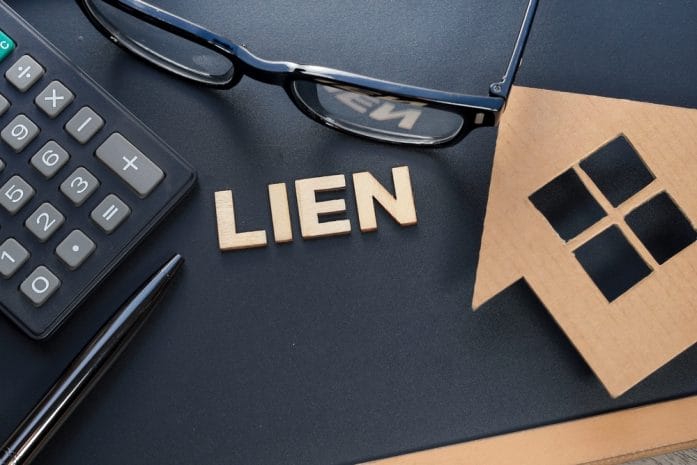
A growing number of Illinois homeowners now face an unexpected financial threat that has nothing to do with missed mortgage payments. Local governments across the state have ramped up efforts to collect unpaid water, sewer, and garbage bills by placing liens directly on properties.
This shift turns what once felt like a manageable monthly expense into a serious legal and financial burden. Property liens can complicate refinancing, delay home sales, and even trigger foreclosure risks if left unresolved.
Why Illinois Counties Are Cracking Down on Unpaid Utility Bills
Illinois counties have tightened enforcement because unpaid utility balances continue to pile up year after year. Local governments rely heavily on these payments to fund essential services like water treatment and waste management. When residents fall behind, municipalities absorb the shortfall, which strains already tight budgets.
Officials now use property liens as a faster, more reliable way to recover those funds. This approach ensures the debt attaches to the property itself, making repayment far more likely during a sale or refinance.
How Property Liens for Utilities Actually Work
A property lien for unpaid utilities gives the county a legal claim against a home until the debt gets paid. Once officials place the lien, it becomes part of the public record and follows the property, not just the owner. That means even if the home changes hands, the debt does not disappear.
Title companies usually flag these liens during a sale, forcing resolution before closing. In some cases, counties can escalate the situation, adding penalties or initiating foreclosure proceedings if the balance remains unpaid for too long.
The Financial Ripple Effects Homeowners Can’t Ignore
Property liens for unpaid utilities create more than just a paperwork headache—they can hit finances from multiple angles. Homeowners often face additional fees, interest charges, and administrative costs once a lien gets filed. Lenders may hesitate to approve refinancing applications when a lien clouds the title.
Even selling a home becomes more complicated because buyers expect a clean title before closing. These ripple effects can turn a relatively small unpaid bill into a much larger financial obstacle.
Why More Residents Are Falling Behind on Utility Payments
Several factors have contributed to the rise in unpaid utility balances across Illinois. Inflation has pushed everyday expenses higher, leaving many households with tighter budgets. Utility rates themselves have increased in some areas, adding pressure to monthly bills. Unexpected events like job loss or medical expenses can quickly disrupt even the most carefully planned finances. When households prioritize immediate needs like food and housing, utility payments sometimes slip down the list—setting the stage for liens later.
Practical Steps to Avoid Property Liens for Unpaid Utilities
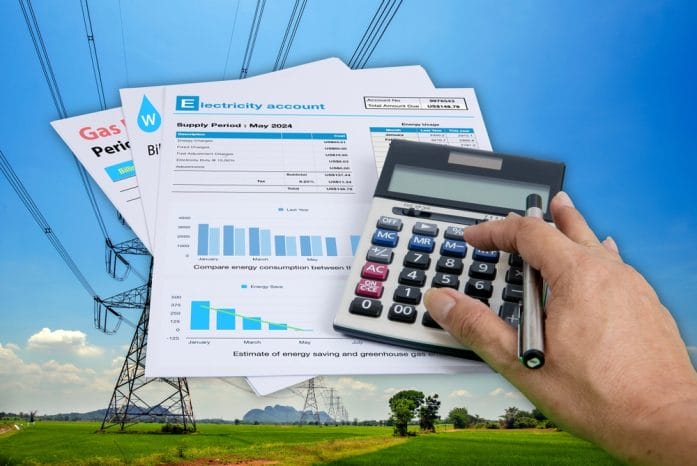
Homeowners can take proactive steps to avoid the risk of property liens for unpaid utilities. Setting up automatic payments helps ensure bills never get overlooked during busy months. Many municipalities offer payment plans or assistance programs for residents who fall behind, but those options require early action.
Reviewing utility bills regularly can also catch errors or unusual spikes before they turn into larger debts. Staying in communication with local utility offices often opens the door to flexible solutions that prevent liens from ever being filed.
What to Do If a Lien Has Already Been Filed
Facing a property lien for unpaid utilities may feel overwhelming, but several options can help resolve the situation. Contacting the county or utility provider immediately can clarify the total balance and any added fees. Some areas allow homeowners to negotiate payment plans or even reduce penalties under certain conditions. Paying off the lien quickly removes the claim and restores a clear property title. Ignoring the issue only increases costs and risks, so taking action early remains the smartest move.
A Growing Trend That Demands Attention
Illinois counties continue expanding the use of property liens for unpaid utilities, signaling a long-term shift in how local governments handle delinquent accounts. This trend places greater responsibility on homeowners to stay current and informed about their utility obligations. Even small unpaid balances can snowball into significant financial consequences when liens enter the picture. Staying proactive, organized, and communicative can make the difference between a minor hiccup and a major financial setback. Awareness and early action remain the strongest defenses against this growing challenge.
Have you or someone you know dealt with property liens for unpaid utilities, and how did it impact your finances? We want to hear your stories in the comments section below!
You May Also Like…
The Real Reason Your Utility Bill Is Skyrocketing and What You Can Do
Texas Property Tax Relief Is Being Offset by Rapidly Rising Appraisals
California Heirs Are Facing Higher Property Taxes Under Prop 19 Transfer Rules
Utility Billing Cycle Changes Causing Double Charges

Brandon Marcus is a writer who has been sharing the written word since a very young age. His interests include sports, history, pop culture, and so much more. When he isn’t writing, he spends his time jogging, drinking coffee, or attempting to read a long book he may never complete.