
• Home
  • About Us
  • Getting Finances Done
    • Hiring Advisors
    • Debt Management
    • Spending Plan
  • Insurance
    • Life Insurance
    • Health Insurance
    • Disability Insurance
    • Homeowners/Renters Insurance
  • Contact Us
  • Our Editorial Commitment

The Free Financial Advisor

You are here: Home / Archives for tax filing

9 Everyday Money Mistakes That Quietly Lead to IRS Penalties

May 18, 2026 by Brandon Marcus Leave a Comment

9 Everyday Money Mistakes That Quietly Lead to IRS Penalties
The official IRS website – Shutterstock

Tax penalties rarely arrive out of nowhere. They often grow from small, everyday financial habits that seem harmless at first glance. A missed form here or a rushed filing there can quietly snowball into fees, interest, and stress.

The IRS does not ignore small errors when they repeat or involve missing payments. Staying ahead of these mistakes helps protect both money and peace of mind.

1. Missing Tax Deadlines Sets Off Immediate Penalties

Missing the federal tax deadline triggers automatic penalties that begin the very next day. The IRS charges a failure-to-file penalty that increases the longer the delay continues. Interest also builds on any unpaid balance, creating a compounding financial burden. Even short delays can cost significantly more than expected. Filing on time eliminates one of the fastest ways to lose money unnecessarily.

2. Underpaying Estimated Taxes Creates a Growing IRS Bill

Self-employed workers and freelancers must pay estimated taxes throughout the year. Underpaying those quarterly amounts leads to penalties even if the annual return gets filed correctly. The IRS calculates penalties based on how much gets underpaid and how long the shortfall lasts. Many taxpayers underestimate income fluctuations and accidentally fall short. Staying consistent with estimated payments helps prevent surprise fees.

3. Mixing Personal and Business Expenses Confuses Tax Records

Blending personal spending with business expenses creates confusion during tax season. The IRS expects clear separation between business costs and personal purchases. Mixed records often lead to disallowed deductions and higher taxable income. Small business owners face extra risk when they rely on one bank account for everything. Clean financial separation strengthens accuracy and reduces audit concerns.

4. Ignoring 1099 Income Leads to Underreported Earnings

The IRS receives copies of all 1099 forms directly from employers and clients. Failing to report that income creates a mismatch that often triggers penalties or audits. Gig workers and freelancers sometimes overlook smaller payments from side projects. Every dollar reported on a 1099 must appear on a tax return. Accurate reporting prevents automatic enforcement actions from the IRS system.

5. Claiming Incorrect Deductions Raises Audit Risk

Taxpayers sometimes claim deductions they cannot fully support with documentation. The IRS requires proof for business expenses, charitable donations, and certain credits. Inflated or incorrect deductions increase the chance of an audit and penalties. Even honest mistakes can lead to costly adjustments later. Careful recordkeeping ensures deductions hold up under review.

9 Everyday Money Mistakes That Quietly Lead to IRS Penalties
A collection of money and forms and a clipboard that reads “Tax Deductions” – Shutterstock

6. Failing to Report Side Hustle Income Triggers Red Flags

Side gigs generate income that still falls under federal tax rules. The IRS tracks digital payment platforms and third-party processors closely. Missing even small amounts of side income can create discrepancies. These discrepancies often result in penalty notices or delayed refunds. Reporting all earnings keeps tax filings aligned with federal records.

7. Poor Recordkeeping Makes Tax Season Riskier

Receipts, invoices, and financial statements support every tax claim made on a return. Losing or failing to organize these documents weakens a taxpayer’s position during an audit. The IRS can reject deductions that lack proper proof. Digital tools and apps help track expenses throughout the year. Organized records reduce stress and improve filing accuracy.

8. Choosing the Wrong Filing Status Increases Tax Liability

Filing status affects tax rates, deductions, and eligibility for credits. Selecting the wrong category can raise taxes or reduce refunds. Common mistakes include incorrectly filing as single, head of household, or married filing separately. The IRS reviews filing status carefully when returns show inconsistencies. Choosing the correct status ensures fair and accurate taxation.

9. Ignoring IRS Notices Makes Penalties Grow Faster

IRS notices often start with simple correction requests or payment reminders. Ignoring these letters allows penalties and interest to accumulate quickly. The agency escalates enforcement when taxpayers fail to respond. Even minor issues can turn into larger financial problems over time. Responding early often prevents serious consequences.

The Real Cost of Small Tax Mistakes Add Up Fast

Small tax mistakes rarely stay small when the IRS gets involved. Each error, from missed deadlines to incorrect deductions, adds financial pressure that compounds over time. Many taxpayers discover that prevention costs far less than correction after penalties appear. Staying organized, reporting all income, and filing on time builds a strong defense against unnecessary fees. Tax rules may feel complicated, but consistent habits keep most problems away.

What tax mistake has caused the biggest surprise in your life, and how did it get resolved? We want to hear your tales of the IRS below in our comments.

You May Also Like…

The IRS’s “Math Error” Notice Could Cost You More Than You Think

IRS Audit Rates Are Increasing for Middle-Income Earners—Here’s Why

6 Mistakes People Make When Appealing an IRS Identity Check

7 “Trigger Words” the IRS Uses to Flag Returns Faster

The IRS Is Sending More “Math Error” Notices—Here’s What They Really Mean

Brandon Marcus
Brandon Marcus

Brandon Marcus is a writer who has been sharing the written word since a very young age. His interests include sports, history, pop culture, and so much more. When he isn’t writing, he spends his time jogging, drinking coffee, or attempting to read a long book he may never complete.


Filed Under: Lifestyle Tagged With: 1099 income, deductions, Estimated taxes, financial mistakes, IRS penalties, IRS rules, side hustle taxes, tax audit, tax filing, tax mistakes, taxes

The IRS’s “Math Error” Notice Could Cost You More Than You Think

May 17, 2026 by Brandon Marcus Leave a Comment

The IRS’s “Math Error” Notice Could Cost You More Than You Think
A letter from the IRS – Shutterstock

The IRS rarely makes big announcements without consequences hiding behind the fine print, and the “Math Error” notice stands out as one of the most overlooked. This notice often arrives after a tax return review and signals that something on a return does not add up according to IRS systems. Many taxpayers assume it means a simple typo or harmless correction, but the reality can feel much sharper once the numbers change.

Refunds shrink, balances jump, and penalties can appear faster than expected. The biggest surprise comes from how quickly the IRS can adjust a return without needing a full audit. That speed leaves little room for hesitation or confusion. A small mistake on paper can snowball into a costly financial shift if no one responds in time.

What the IRS Math Error Notice Really Means

The IRS sends a math error notice when its automated systems detect discrepancies in calculations, credits, or reported income. The agency does not need to open a full audit to make adjustments, which allows it to correct returns rapidly. These changes often involve missed income, incorrect dependents, or miscalculated credits like the Child Tax Credit or Earned Income Tax Credit. The notice explains the adjustment and shows how the IRS changed the return. Many taxpayers miss the importance of the response window, which usually lasts only 60 days.

The IRS treats this notice as a legal adjustment unless the taxpayer responds with proof or disagreement. That detail matters because silence locks in the change automatically. Taxpayers often overlook the fact that the IRS already assumes its calculation stands correct unless challenged. The notice may appear routine, but it carries real financial consequences that demand immediate attention. A quick review can reveal whether the IRS made a simple correction or a costly mistake.

Why a Small IRS Adjustment Can Turn Into a Bigger Bill

A math error notice rarely stays small once penalties and interest enter the picture. The IRS recalculates the return based on its findings and immediately adjusts the refund or balance owed. Interest starts accruing on unpaid amounts, even if the taxpayer disagrees with the adjustment. That timeline creates pressure because delays increase the final amount due. Many taxpayers underestimate how fast those extra charges grow.

The financial impact often surprises people because the IRS does not wait for confirmation before applying changes. A refund that looked solid on paper can shrink by hundreds or even thousands of dollars overnight. A balance due can also appear out of nowhere when credits get removed or reduced. The system prioritizes speed and correction over negotiation at this stage. That structure means quick action becomes the only real defense against rising costs.

Common Triggers That Lead to IRS Math Error Notices

Several common filing issues trigger these notices every tax season. Incorrect Social Security numbers for dependents often lead the list, especially when parents mix up digits during filing. Misreported income from W-2s or 1099s also creates mismatches between IRS records and tax returns. Taxpayers sometimes claim credits without meeting eligibility rules, which instantly flags the return. Even small math mistakes in manual entries can trigger automatic corrections.

The IRS also flags returns when filing status does not match supporting documentation. For example, claiming head of household status without qualifying criteria often leads to adjustments. Missing or duplicate income entries create another major trigger point. Tax software reduces some errors, but it does not eliminate taxpayer input mistakes. Careful review before filing can prevent many of these issues from ever reaching the IRS system.

The IRS’s “Math Error” Notice Could Cost You More Than You Think
A woman reading a letter from the IRS – Shutterstock

How to Respond Before the IRS Locks In the Change

The IRS gives taxpayers a limited window to respond, and that window plays a critical role in protecting refunds or reducing balances owed. A taxpayer can agree with the notice and accept the correction, or disagree and submit documentation to support the original return. Supporting records might include W-2 forms, dependent verification, or corrected 1099 statements. Clear and organized evidence increases the chance of reversing the adjustment. Speed matters because delays often strengthen the IRS position.

Tax professionals often recommend responding immediately instead of waiting to gather information later. The IRS already assumes the adjustment stands, so silence removes negotiation power. A written response with clear proof can reopen the case for review. Many taxpayers regain lost refunds simply by providing missing or corrected documentation. A proactive response often changes the outcome entirely.

Protecting Yourself From IRS Math Error Surprises in the Future

Taxpayers reduce risk significantly when they double-check every entry before submitting a return. Accuracy in Social Security numbers, income reporting, and credit eligibility prevents most math error notices. Reviewing IRS transcripts after filing also helps catch mismatches early. Filing early gives more time to fix issues before deadlines close response windows. Small habits like these create a strong defense against unexpected adjustments.

Tax filing software helps, but it does not replace careful human review. Many errors still come from rushed inputs or assumptions about eligibility rules. Organized recordkeeping throughout the year makes tax season smoother and less stressful. Staying alert to IRS mail notices ensures quick responses when issues arise. A careful approach keeps money where it belongs instead of letting corrections drain it away.

What steps would make tax season feel less stressful and more predictable for your household? We want to hear your thoughts below in our comments.

You May Also Like…

The IRS Is Sending More “Math Error” Notices—Here’s What They Really Mean

7 “Trigger Words” the IRS Uses to Flag Returns Faster

7 New IRS Changes That Could Delay Your 2026 Tax Refund

6 Mistakes People Make When Appealing an IRS Identity Check

Estate Portability Warning: Why One IRS Form Protects a Surviving Spouse’s $15M Exemption

Brandon Marcus
Brandon Marcus

Brandon Marcus is a writer who has been sharing the written word since a very young age. His interests include sports, history, pop culture, and so much more. When he isn’t writing, he spends his time jogging, drinking coffee, or attempting to read a long book he may never complete.

Filed Under: tax tips Tagged With: IRS, IRS audit, IRS correspondence, IRS notice, math error notice, money tips, Personal Finance, tax filing, tax penalties, tax refund, tax return mistakes

7 “Trigger Words” the IRS Uses to Flag Returns Faster

May 11, 2026 by Brandon Marcus Leave a Comment

9 “Trigger Words” the IRS Uses to Flag Returns Faster
An IRS agent looking over a rule book – Shutterstock

Tax season turns even calm people into nervous wrecks once the word “audit” enters the conversation. The IRS relies on automated systems that scan millions of returns every year, and certain words, phrases, and claims immediately attract extra attention. A return does not need fraud to trigger scrutiny because unusual deductions, massive losses, and sloppy reporting often spark the same reaction.

Smart taxpayers know the biggest danger usually comes from exaggerated claims that fail to match income, industry standards, or reported expenses. Let’s discuss seven trigger words and phrases that push returns higher on the IRS radar.

1. “Home Office” Still Makes the IRS Take a Hard Look

The home office deduction saves real money, but it also attracts intense IRS scrutiny because taxpayers frequently stretch the rules beyond reality. A legitimate deduction requires a space used exclusively and regularly for business, which means the kitchen table beside a pile of homework usually fails the test. Freelancers, consultants, and remote workers often trigger problems when they claim huge percentages of rent, utilities, or internet costs without accurate measurements or documentation.

The IRS computer system compares home office deductions against income levels and industry averages, so oversized claims jump off the screen fast. A graphic designer who earns $35,000 but deducts half the house as office space practically sends an engraved invitation for questions. Clear floor plans, utility bills, and organized records dramatically lower the odds of trouble.

2. “Charitable Donations” Can Raise Eyebrows Quickly

Charitable deductions sound generous, but inflated claims often spark IRS suspicion because taxpayers frequently overestimate the value of donated items. Clothing donations create one of the biggest issues since people routinely assign luxury-store prices to faded sweaters and old shoes. The IRS expects receipts, written acknowledgments, and realistic valuations, especially when deductions exceed a few hundred dollars.

Large cash donations also attract attention when they look wildly inconsistent with reported income. Someone earning $45,000 who suddenly claims $20,000 in donations will almost certainly trigger additional scrutiny. Tax experts often recommend keeping photos, receipts, and donation logs because organized records stop small questions from becoming giant problems.

3. “Business Losses” Often Trigger Extra Attention

The IRS understands that businesses lose money sometimes, but repeated annual losses create suspicion fast. Small side hustles frequently cross into dangerous territory when taxpayers treat hobbies like businesses just to rack up deductions. A photography business that reports losses for six straight years while generating barely any revenue looks less like entrepreneurship and more like creative accounting.

The agency pays especially close attention to businesses involving travel, entertainment, horses, collectibles, or online influencing because taxpayers often blur personal and business expenses. Clear invoices, contracts, profit goals, and marketing activity help prove legitimate business intent. Strong documentation gives taxpayers a fighting chance if the IRS starts asking tough questions.

Between aggressive deduction claims and inconsistent income reports, many taxpayers accidentally create patterns that automated IRS systems flag within seconds. The agency’s software compares similar occupations, income brackets, and deduction averages, so unusual numbers rarely hide for long. Honest taxpayers still win by keeping organized records, filing accurate information, and avoiding exaggerated write-offs that look too good to believe.

4. “Cryptocurrency” Sends Instant Signals to the IRS

Cryptocurrency reporting exploded into a major IRS focus after years of underreported gains and confusion about digital assets. Bitcoin, Ethereum, and meme coins may feel futuristic, but the IRS treats them like taxable property with strict reporting rules. Every sale, trade, or conversion can create taxable events, even when taxpayers never cash out into traditional dollars.

The IRS now asks direct crypto questions on federal tax returns, which means skipping details can create major risks. Crypto exchanges regularly share customer data with tax authorities, so missing transactions rarely stay invisible forever. Taxpayers who track every transaction carefully and use accurate gain calculations usually avoid the nightmare of surprise penalties later.

5. “Round Numbers” Make Returns Look Suspicious

Perfectly rounded deductions often signal guesswork instead of accurate bookkeeping, and IRS systems notice those patterns immediately. Expenses listed as exactly $5,000 for travel, $2,000 for meals, and $7,000 for supplies create a return that feels manufactured rather than documented. Real financial records almost always include uneven totals because actual receipts rarely land on perfect numbers.

Tax preparers constantly warn clients about this mistake because sloppy estimates can snowball into bigger credibility problems. The IRS may start questioning every deduction once a return looks padded with convenient guesses. Detailed logs, bank statements, and expense-tracking apps create a much stronger defense than rough estimates scribbled together at midnight before filing deadlines.

9 “Trigger Words” the IRS Uses to Flag Returns Faster
Unfinished tax returns – Shutterstock

6. “Cash Income” Creates Serious Audit Risk

Cash-heavy businesses face intense IRS attention because underreporting remains incredibly common in industries that rely on tips or direct payments. Restaurants, salons, construction jobs, rideshare gigs, and flea market sales often generate income streams that taxpayers forget or intentionally ignore. The IRS compares income reports against industry averages, credit card records, and even public lifestyle clues when numbers appear suspiciously low.

A bartender who reports tiny income while financing luxury vacations and expensive car payments practically waves a red flag in front of auditors. Digital payment platforms like Venmo, PayPal, and Cash App also report more transaction data than many taxpayers realize. Accurate income reporting protects taxpayers far better than gambling against increasingly sophisticated tracking systems.

7. “Dependent Claims” Spark Plenty of IRS Disputes

Dependents save taxpayers serious money, which explains why the IRS aggressively reviews questionable claims every year. Divorced parents often trigger disputes when both parties attempt to claim the same child on separate returns. College students, elderly relatives, and adult children also create confusion when financial support arrangements become murky or inconsistent.

The IRS looks closely at residency, support percentages, and custody agreements when reviewing dependent claims. Incorrect filings can delay refunds for months while the agency sorts out conflicting information. Accurate records, signed agreements, and careful communication prevent emotional family disputes from turning into expensive tax problems.

More Than Fear: Smart Filing Wins Every Time

The IRS does not target taxpayers randomly because automated systems search for inconsistencies, exaggerated deductions, and patterns that fail basic credibility tests. Most audits start with simple mismatches between reported income, deductions, and supporting records rather than dramatic criminal schemes straight from a movie. Taxpayers who keep organized paperwork, report income honestly, and avoid aggressive shortcuts usually move through tax season without major trouble.

Fear causes plenty of people to panic about ordinary deductions, but legitimate claims backed by strong documentation rarely create lasting issues. Smart taxpayers treat tax returns like financial blueprints instead of marketing brochures designed to impress the government with giant write-offs.

Which IRS trigger word surprises you the most, and which one seems easiest for taxpayers to mess up?

You May Also Like…

6 Mistakes People Make When Appealing an IRS Identity Check

Waiting on a Refund? New IRS Identity Flags Are Pulling More Returns

7 New IRS Changes That Could Delay Your 2026 Tax Refund

New York’s Rent-Audit Increase: Why More Seniors Are Getting Verification Letters

7 Common Deductions That Are Getting More Scrutiny From the IRS

Brandon Marcus
Brandon Marcus

Brandon Marcus is a writer who has been sharing the written word since a very young age. His interests include sports, history, pop culture, and so much more. When he isn’t writing, he spends his time jogging, drinking coffee, or attempting to read a long book he may never complete.

Filed Under: tax tips Tagged With: cryptocurrency taxes, deductions, financial advice, freelance income, IRS, IRS audit, Personal Finance, saving advice, small business taxes, tax filing, tax mistakes, tax return, taxes

7 New IRS Changes That Could Delay Your 2026 Tax Refund

May 9, 2026 by Brandon Marcus Leave a Comment

7 New IRS Changes That Could Delay Your 2026 Tax Refund
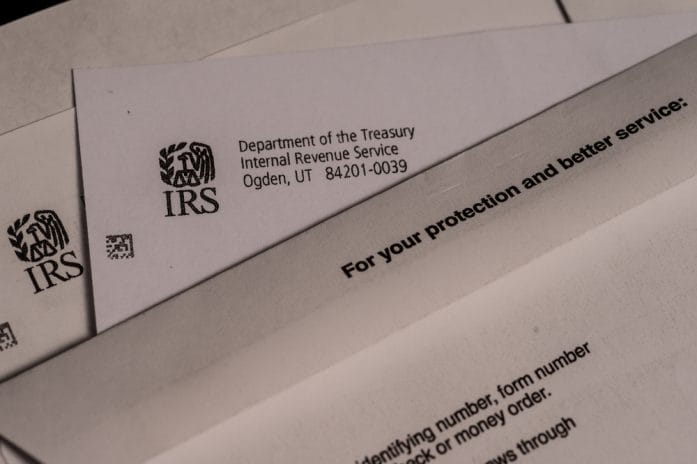
Paperwork mailed from the IRS – Shutterstock

Tax season rarely brings calm, but 2026 may crank up the tension even more for millions of filers expecting a fast refund. The IRS continues to upgrade its systems, tighten security, and expand reporting rules, all in the name of fraud prevention and accuracy. Those improvements sound helpful on paper, yet they often create real-world delays that hit bank accounts hard. Refund timelines may stretch longer as new verification layers kick in across the filing system.

Many taxpayers rely on refunds for bills, rent, savings goals, or catching up after the holidays. Even a one- or two-week delay can disrupt budgets in a big way. The IRS insists these changes protect taxpayers from identity theft and improper payments. Still, the 2026 filing season introduces several shifts that could slow things down more than expected.

1. Stronger Identity Verification Steps Slow Early Refunds

The IRS continues tightening identity verification rules to reduce fraud and stolen refunds. New digital ID checks now compare more data points across banking, employment, and prior tax filings. Filers may need to confirm identity through extra verification prompts before refund approval moves forward. These added steps often create bottlenecks during the first weeks of tax season when volume peaks.

Taxpayers who change addresses, switch banks, or file under new names may feel the slowdown the most. The system flags mismatches more aggressively than in prior years, which triggers manual review. Even honest returns may sit longer in processing queues while verification completes. This shift aims to protect taxpayers, but it also stretches refund timelines across the board.

2. AI Fraud Detection Tools Expand Across All Returns

The IRS now uses more advanced AI systems to scan tax returns for suspicious activity. These tools compare filings against massive data sets to detect inconsistencies or unusual patterns. When the system flags a return, it places it into a review queue before releasing any refund. That extra step can add days or even weeks to processing times during peak season.

False positives create the biggest frustration for everyday filers. A simple typo or mismatched form can trigger a hold that requires human review. The IRS continues refining the system, but early-season delays often spike as algorithms adjust. This technology improves long-term accuracy, but short-term refund speed may take a hit.

3. Refundable Credit Claims Face Longer Review Times

Refundable credits like the Earned Income Tax Credit and Child Tax Credit often receive additional scrutiny under IRS rules. These credits attract higher fraud risk, so the agency verifies eligibility more aggressively before issuing refunds. In 2026, enhanced checks will extend review timelines even further for these claims. That means families relying on early refunds may experience longer waits than expected.

The PATH Act already delays many of these refunds until mid-February, and new rules add another layer of verification. Even fully accurate filings may sit in review status longer due to expanded documentation checks. The IRS focuses on accuracy and fraud prevention, but that focus often slows refund release schedules. Families depending on these credits should prepare for extended processing windows.

4. 1099-K Reporting Changes Increase Cross-Checking

New reporting thresholds for Form 1099-K continue reshaping how the IRS tracks income from online platforms. More taxpayers now receive these forms for side gigs, resale activity, and digital payments. The IRS cross-checks these forms against tax returns more aggressively than before. That process can trigger delays when reported income doesn’t match return entries.

Many filers underestimate how these forms affect refund timing. Even small inconsistencies can place a return under review while the IRS verifies payment records. Platforms like payment apps and online marketplaces now feed more data directly into IRS systems. This expanded visibility helps reduce underreporting but increases processing time for millions of returns.

5. Direct File Expansion Changes Early Filing Flow

The IRS Direct File program continues expanding into more states and taxpayer groups. This system allows eligible filers to submit returns directly through IRS platforms instead of third-party software. While convenient, the rollout shifts processing patterns during the early filing window. More direct submissions create higher initial system load and longer review times.

The IRS also tests new integration tools behind the scenes during expansion phases. These updates sometimes slow internal processing while the agency fine-tunes performance. Early adopters may notice faster submission but not necessarily faster refunds. The system still balances accuracy, security, and scaling challenges at the same time.

7 New IRS Changes That Could Delay Your 2026 Tax Refund
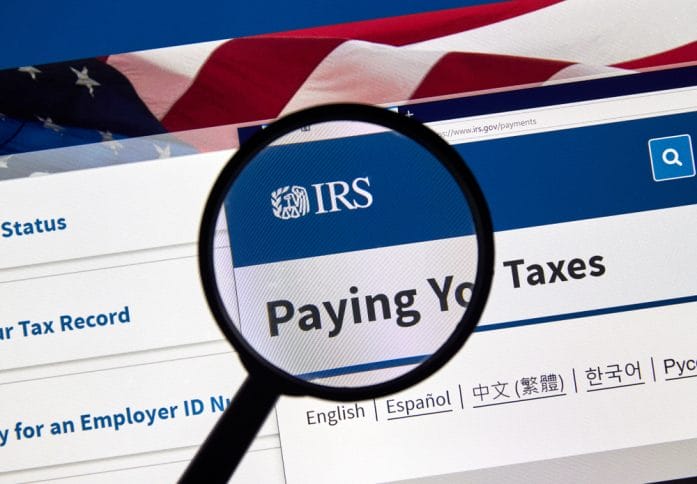
A magnifying glass examining the IRS website – Shutterstock

6. System Upgrades and Staffing Gaps Affect Processing Speed

The IRS continues upgrading its digital infrastructure to handle increasing tax complexity. These upgrades improve long-term performance but often introduce short-term disruptions during filing season. System maintenance windows and backend migrations can temporarily slow refund approvals. Taxpayers feel the impact most during peak filing weeks.

Staffing shortages also play a role in processing delays. Manual reviews still require human agents, especially for flagged returns. High filing volume combined with limited staff creates longer queues for verification. The agency continues hiring and training, but demand still outpaces capacity during busy periods.

7. Bank Account Verification Rules Create Refund Holds

The IRS now places stronger emphasis on verifying direct deposit information before releasing refunds. Mismatched routing numbers, account name differences, or closed accounts trigger automatic holds. These safeguards aim to reduce fraud and misdirected payments. However, they also increase refund delays for taxpayers with minor banking errors.

Even small input mistakes can send a return back for correction and reprocessing. That restart process adds days or weeks to the timeline depending on when the issue gets resolved. Taxpayers who recently switched banks face the highest risk of delays. Careful entry of banking details now matters more than ever.

What These IRS Changes Mean for 2026 Refund Timelines

The 2026 tax season introduces more security layers, data matching, and digital verification across the IRS system. These upgrades strengthen fraud protection and improve long-term accuracy, but they also slow down refund distribution in many cases. Filers with credits, mismatched records, or banking changes may experience the longest waits.

Planning ahead becomes more important than ever during this filing season. Early filing, accurate documentation, and careful review of forms can help reduce delays. Even then, new IRS systems may still add extra processing time compared to previous years. Patience and preparation now play a bigger role in refund timing than ever before.

What part of these IRS changes feels like it could impact tax season the most for everyday filers? If you have opinions about this, share them below in our comments.

You May Also Like…

California Prop 19 Alert: Why Heirs Are Receiving Supplemental Property Tax Bills

Garage Sale Trap: Why Casual Sales May Now Be Reported to the IRS

Michigan Pension Withdrawals Are Still Flagged for Federal Review Under IRS Rules

Tennessee Residents Still Pay Federal Taxes on Investment Income Despite State Changes

Texas Has No Income Tax — But Property Taxes Can Get Close To 2% in Some Areas

Brandon Marcus
Brandon Marcus

Brandon Marcus is a writer who has been sharing the written word since a very young age. His interests include sports, history, pop culture, and so much more. When he isn’t writing, he spends his time jogging, drinking coffee, or attempting to read a long book he may never complete.
Filed Under: tax tips Tagged With: 1099-K, 2026 taxes, Child Tax Credit, Earned Income Tax Credit, financial news, IRS, IRS changes, IRS updates, refund delays, tax filing, tax refunds, tax rules, tax season

IRS Audits Very Few Returns — But These 5 Triggers Put You at Risk

April 12, 2026 by Brandon Marcus Leave a Comment

IRS Audits Very Few Returns — But These 5 Triggers Put You at Risk
Image Source: Shutterstock.com

A tax return travels through a system built to notice patterns, flag outliers, and question anything that looks even slightly off. That system doesn’t need to audit everyone to stay effective, and it doesn’t try to. The IRS audits a very small percentage of returns each year, which sounds comforting until the spotlight lands on a return that stands out for the wrong reasons. Numbers tell stories, and when those stories don’t add up, the system takes notice quickly.

That’s where things get interesting, because audits don’t happen at random as often as people think. Certain choices, certain claims, and certain inconsistencies pull more attention than others. A return doesn’t need to scream “problem” to get flagged; it just needs to look different enough from the norm.

1. Big Deductions That Don’t Match Your Income

Nothing grabs attention faster than a tax return that claims unusually large deductions compared to reported income. The IRS relies heavily on data comparisons, and it knows what typical deduction ranges look like for different income levels. When a return shows modest earnings but extremely high deductions, the system flags that mismatch almost immediately. That doesn’t mean the deductions are wrong, but it does mean they stand out in a big way.

Charitable contributions often fall into this category. Donating generously feels great and does provide tax benefits, but those donations need to make sense relative to income. Claiming tens of thousands in donations while reporting a relatively low income creates a disconnect that the IRS will want to examine more closely. The same logic applies to business expenses, medical deductions, and other itemized claims that stretch beyond typical ranges.

Keeping detailed records changes everything here. Receipts, documentation, and clear explanations support legitimate deductions and reduce the risk of problems later. Accuracy matters more than strategy in this situation, because inflated or poorly documented deductions create unnecessary risk. Staying within reasonable ranges and backing up every claim with solid proof keeps things clean and defensible.

2. Income That Doesn’t Line Up With What the IRS Sees

The IRS doesn’t rely on guesswork when it comes to income reporting. Employers, banks, and payment platforms send copies of tax forms directly to the agency, which means the IRS already has a version of the income picture before a return even gets filed. When the numbers on a tax return don’t match those records, the system flags the discrepancy quickly and moves it up the chain.

This issue shows up often with freelance work, side gigs, and contract income. A business might issue a 1099 form, but if that income doesn’t appear on the return, it creates a clear mismatch. Even small differences can trigger attention, because the system looks for consistency above all else. Forgetting to include a form or misreporting a number doesn’t just slip through unnoticed.

Double-checking every income source solves most of these problems. Matching each form to the reported totals ensures everything lines up exactly the way the IRS expects. That includes interest income, investment gains, and even smaller side earnings that might feel easy to overlook. Clean, consistent reporting keeps the return aligned with IRS records and avoids unnecessary questions.

3. The Home Office Deduction That Raises Eyebrows

The home office deduction offers real tax savings, but it also carries a reputation for attracting scrutiny. The IRS sets clear rules for this deduction, and those rules leave very little room for interpretation. A space must serve exclusively and regularly for business use to qualify, which means a kitchen table or a shared living area doesn’t meet the standard.

Problems arise when taxpayers stretch the definition of a home office. Claiming a large percentage of a home as business space without a clear justification creates a mismatch that stands out. The IRS expects the deduction to reflect reality, not convenience. A small workspace should lead to a small deduction, and anything beyond that needs strong documentation.

Taking a measured approach works best here. Calculating the exact square footage of the workspace and applying that percentage accurately keeps the numbers grounded. Photos, floor plans, and records of business use provide additional support if questions ever arise. This deduction works well when used correctly, but it demands precision and honesty to stay safe.

IRS Audits Very Few Returns — But These 5 Triggers Put You at Risk
Image Source: Shutterstock.com

4. Business Losses That Keep Showing Up Year After Year

Running a business comes with ups and downs, and losses happen, especially in the early stages. The IRS understands that reality, but it also looks for patterns that suggest something else might be going on. When a business reports losses year after year without showing a path to profitability, the agency may question whether it qualifies as a legitimate business or a hobby.

This distinction matters because hobby expenses don’t receive the same tax treatment as business losses. A business should show intent to make a profit, and that intent should appear through actions like marketing, pricing strategies, and operational changes. Consistent losses without signs of improvement raise questions about that intent.

Maintaining clear records and demonstrating efforts to grow the business can help address this concern. Adjusting strategies, tracking performance, and showing progress—even if gradual—reinforces the legitimacy of the operation. Treating the business seriously and documenting that effort creates a stronger case if the IRS takes a closer look.

5. Claiming Credits That Don’t Quite Fit

Tax credits offer powerful ways to reduce a tax bill, but they come with strict eligibility requirements. Credits like the Earned Income Tax Credit or education-related credits provide valuable benefits, yet they also rank among the most commonly reviewed items on tax returns. The IRS pays close attention to these claims because errors happen frequently.

Incorrect income reporting, filing status mistakes, or claiming dependents who don’t meet the criteria can all trigger issues. Even small misunderstandings can lead to a credit being flagged or denied. The system checks these details carefully, and anything that doesn’t align with the rules stands out quickly.

Verifying eligibility before claiming a credit makes a huge difference. Reviewing the requirements, checking documentation, and ensuring all details match the criteria reduces the risk significantly. These credits remain valuable tools, but they require careful attention to detail to use them correctly and safely.

Stay Boring, Stay Accurate, Stay Stress-Free

A tax return doesn’t need to impress anyone, and it definitely doesn’t need to push boundaries to deliver value. The safest approach focuses on accuracy, consistency, and solid documentation instead of risky strategies or aggressive claims. The IRS doesn’t target people at random; it looks for patterns that break away from the norm. Keeping everything aligned with expectations removes most of the risk right away.

Which of these triggers feels closest to home, and what changes could make next year’s return feel even more locked in and stress-free? Share thoughts, strategies, or lessons learned in the comments.

You May Also Like…

Property Taxes Are Catching Homeowners Off Guard — Especially After Buying or Renovating

Penalty Traps: Everyday Actions That Trigger IRS Fines

IRS Refund Delays Surge: Incorrect Bank Info Is Triggering Weeks-Long Payment Holds

Refunds Are Being Delayed Over New IRS Identity Flags — Why More Returns Are Getting Pulled

7 Common Deductions That Are Getting More Scrutiny From the IRS

Brandon Marcus
Brandon Marcus

Brandon Marcus is a writer who has been sharing the written word since a very young age. His interests include sports, history, pop culture, and so much more. When he isn’t writing, he spends his time jogging, drinking coffee, or attempting to read a long book he may never complete.
Filed Under: tax tips Tagged With: audit triggers, deductions, financial advice, income reporting, IRS audits, IRS rules, Personal Finance, small business taxes, tax filing, tax mistakes, tax return tips, tax season

How a Small Mistake on Your Tax Form Can Spiral Into Big Trouble

April 7, 2026 by Brandon Marcus Leave a Comment

How a Small Mistake on Your Tax Form Can Spiral Into Big Trouble
Image Source: Shutterstock.com

The moment that tax return gets submitted, a clock starts ticking. Numbers lock into place, records get stored, and suddenly every detail carries weight. A single incorrect digit or missed form does not just sit quietly in a system—it sets off a chain reaction that can grow faster than expected. What looks like a harmless oversight can stretch into penalties, letters, and stress that refuses to fade.

Tax forms demand precision, and the system does not shrug off mistakes just because they seem small. Financial institutions, employers, and government agencies all send their own copies of income records, and those numbers must match. When they do not, red flags pop up fast. That mismatch can lead to questions, delays, and sometimes serious consequences that go far beyond a simple correction.

When One Number Doesn’t Match, Everything Gets Loud

Accuracy matters because tax systems rely on cross-checking. Employers submit wage information through forms like W-2s, while banks report interest income through documents like 1099-INTs. When a tax return shows numbers that do not align with those reports, the system notices immediately. That mismatch does not stay hidden; it creates a discrepancy that demands attention.

The issue often starts with something simple, like leaving out a freelance payment or entering a number incorrectly. Even a small amount of unreported income can trigger a notice because automated systems compare data line by line. Once that notice arrives, the process begins. That process can include requests for clarification, additional documentation, or even a deeper review of the entire return.

Corrections take time and effort, and they often involve more than just fixing one number. Tax authorities may review surrounding details to ensure everything else checks out. That means a small slip can pull more information into focus than expected. The best way to avoid this situation involves double-checking every reported income source, including side gigs, investments, and any irregular earnings that might slip through the cracks.

Penalties Add Up Faster Than Expected

A mistake on a tax form rarely stays just a mistake. When an error results in underpaid taxes, penalties can start building right away. Late payment penalties and interest charges do not wait politely—they accumulate daily. Even a modest underpayment can grow into a much larger amount over time. Interest rates on unpaid taxes change periodically, but they always add pressure. That means delaying a correction makes the situation more expensive. Filing an amended return quickly can reduce the damage, but waiting too long allows those extra costs to stack up. Speed matters when fixing errors.

Beyond financial penalties, repeated mistakes can lead to stricter scrutiny in future filings. Tax authorities may pay closer attention to returns that show patterns of inaccuracies. That increased attention can mean more questions, more documentation requests, and more time spent dealing with the aftermath. Taking time to review every detail before filing helps prevent this snowball effect.

Audits: Rare, But Not Random

Audits do not happen to everyone, but they also do not appear out of nowhere. Certain mistakes increase the chances of an audit, especially when they involve large discrepancies or unusual deductions. Claiming expenses that seem inconsistent with reported income can raise eyebrows quickly.

The process of an audit can feel overwhelming because it requires documentation for nearly every claim. Receipts, bank statements, and records must support every number on the return. Without proper documentation, deductions can disappear, and additional taxes may follow. That situation turns a simple oversight into a complicated financial headache.

Preparation offers the strongest defense. Keeping organized records throughout the year makes it easier to support claims if questions arise. That includes saving receipts, tracking expenses, and maintaining clear documentation for any deductions. Staying organized reduces stress and helps ensure that every number on the return stands on solid ground.

The Hidden Risk of “Harmless” Assumptions

Some of the biggest tax mistakes come from assumptions that seem logical at the time. People often believe that small income amounts do not need reporting or that certain expenses automatically qualify as deductions. These assumptions can lead to incorrect filings that create problems later.

Tax rules change regularly, and what worked one year may not apply the next. Credits and deductions often come with specific requirements, and missing those details can lead to errors. Relying on outdated information or guesswork increases the risk of filing inaccuracies. Staying informed about current tax rules helps avoid these pitfalls.

Using reliable tax software or consulting a qualified tax professional can make a significant difference. These tools and experts help catch errors before submission. They also provide guidance on what qualifies as income or deductions, reducing the chance of making incorrect assumptions. Taking that extra step can prevent costly consequences down the line.

How to Catch Mistakes Before They Catch You

Preventing tax mistakes requires attention to detail and a bit of patience. Reviewing every entry before submitting a return helps catch errors early. That includes verifying personal information, checking income totals, and confirming that all forms match official documents.

Keeping a checklist can simplify the process. That checklist might include confirming all income sources, reviewing deductions, and ensuring that supporting documents are complete. Taking a systematic approach reduces the chance of overlooking important details. It also creates a sense of control over a process that often feels overwhelming.

Filing early can also provide an advantage. Early filing allows time to address any unexpected issues without rushing. It also reduces the risk of identity theft-related tax fraud, which can complicate the filing process even further. A calm, methodical approach leads to more accurate results and fewer surprises.

How a Small Mistake on Your Tax Form Can Spiral Into Big Trouble
Image Source: Shutterstock.com

A Tiny Error Today Can Shape Tomorrow’s Finances

A tax return might seem like just another annual task, but it holds real power over financial stability. Every number carries weight, and every detail contributes to a bigger picture. Small mistakes can ripple outward, creating consequences that extend far beyond a single filing season.

What strategies keep those tiny mistakes from turning into massive problems, and which lessons have proven the most valuable when handling taxes? Share thoughts, tips, or even close calls in the comments.

You May Also Like…

Property Taxes Are Catching Homeowners Off Guard — Especially After Buying or Renovating

IRS Refund Delays Surge: Incorrect Bank Info Is Triggering Weeks-Long Payment Holds

Refunds Are Being Delayed Over New IRS Identity Flags — Why More Returns Are Getting Pulled

5 Reasons To Talk To Your Kids About Taxes

9 Georgia Counties Where Property Taxes Are Set to Rise the Fastest

Brandon Marcus
Brandon Marcus

Brandon Marcus is a writer who has been sharing the written word since a very young age. His interests include sports, history, pop culture, and so much more. When he isn’t writing, he spends his time jogging, drinking coffee, or attempting to read a long book he may never complete.

Filed Under: tax tips Tagged With: deductions, Financial Tips, income reporting, IRS, money management, penalties, Personal Finance, tax audit, tax filing, tax mistakes, tax return errors, taxes

Don’t File Yet: The Biggest Tax Mistakes You Might Make In 2026

April 3, 2026 by Brandon Marcus Leave a Comment

Don't File Yet: The Biggest Tax Mistakes You Might Make In 2026
Image Source: Shutterstock.com

Taxes. They sneak up every year like an uninvited relative at the holiday table, and just when you think you’ve got a handle on it, a tiny misstep can cost hundreds or even thousands of dollars. 2026 promises to bring fresh changes to deductions, credits, and reporting requirements, and ignoring them can turn a straightforward filing into a full-blown nightmare. From misreporting income to missing out on deductions, there are plenty of ways to trip up, and the IRS doesn’t exactly send a reminder with a smiley face.

Even if you’re usually confident with numbers, this year is tricky. New rules around digital assets, retirement contributions, and gig work income are confusing a lot of people. Making the wrong claim, filing late, or simply forgetting a crucial piece of paperwork can trigger audits, delays, or penalties. But don’t panic. With the right approach and a little attention to detail, it’s possible to file smartly, legally, and even maximize refunds.

1. Forgetting About Digital Assets

Cryptocurrency has gone mainstream, and so has its impact on taxes. Many taxpayers assume that trading or holding digital currencies is somehow “off the radar,” but the IRS has made it clear that all transactions must be reported. Even small trades, like swapping Bitcoin for Ethereum, count as taxable events. Forgetting to report gains or losses can quickly escalate into fines and penalties. The rules cover sales, exchanges, and even using crypto for purchases. It’s crucial to track cost basis and transaction history carefully, because guesswork won’t fly if the IRS comes knocking.

Additionally, airdrops, staking rewards, and even certain NFTs have tax implications. Many people treat these as collectibles or gifts, but in reality, they often count as income the year they are received. Failing to include them can increase audit risk or reduce your ability to claim deductions later. Using crypto tax software or consulting a tax professional familiar with digital assets can save headaches. Recording every transaction and understanding the tax category—whether capital gains, ordinary income, or business income—is essential for keeping your filing clean and your wallet safe.

2. Miscalculating Retirement Contributions

Contributing to retirement accounts sounds simple: put money into a 401(k) or IRA and get tax benefits. But the limits for 2026 have shifted slightly, and exceeding them can cost serious penalties. For example, the IRS allows a $7,000 contribution for those 50 and older into a traditional or Roth IRA, but going over this cap leads to an excise tax. Overlooking catch-up contributions, employer matches, or combined limits can result in unintended tax hits.

Another common trap involves withdrawing funds too early or misreporting distributions. Early withdrawals from IRAs or 401(k)s usually trigger a 10% penalty on top of the owed income tax. Taxpayers also forget to report rollovers correctly; a direct rollover is fine, but an indirect rollover has a strict 60-day window. Mistakes here can turn what seems like a smart move into a costly misstep. Checking annual IRS notices, maintaining detailed contribution records, and verifying your plan’s limits are easy ways to avoid these pitfalls while maximizing tax benefits.

3. Ignoring Gig Economy Income

Freelancers, side hustlers, and gig workers have exploded in numbers, but tax compliance hasn’t gotten any simpler. Many fail to report all income, thinking small side gigs don’t count. That’s a trap. Every payment, even occasional tips or one-off jobs, counts as taxable income in 2026. Failing to report it can trigger penalties, interest, and audit attention.

Beyond just reporting income, gig workers need to track business expenses carefully. Misclassifying personal expenses as business deductions, or skipping eligible deductions altogether, can be costly. Deductible items include home office expenses, software subscriptions, mileage, and equipment. Staying organized with receipts, digital records, and monthly reconciliations helps prevent mistakes. Quarterly estimated tax payments are also crucial. Waiting until April could lead to a nasty surprise if your side income is significant. Planning ahead keeps your finances predictable and avoids unnecessary stress.

4. Overlooking Education-Related Deductions and Credits

Education credits and deductions get confusing fast. The American Opportunity Credit, Lifetime Learning Credit, and student loan interest deductions each have eligibility rules and income limits that change annually. Misunderstanding them can mean leaving money on the table or accidentally claiming a credit you can’t legally take. For instance, using the Lifetime Learning Credit for a student who already benefited from the American Opportunity Credit for the same year is a mistake many taxpayers make.

Taxpayers often forget about employer-provided educational assistance too. Some tuition reimbursements and training programs are non-taxable if correctly documented. Gathering official forms like 1098-Ts, keeping receipts for qualified expenses, and understanding phase-out thresholds can dramatically reduce errors. The IRS pays close attention to education-related claims, and small mistakes can trigger follow-up notices or audits. Staying organized and double-checking eligibility ensures that every education credit or deduction is claimed correctly, making tax filing less stressful and more rewarding.

Don't File Yet: The Biggest Tax Mistakes You Might Make In 2026
Image Source: Shutterstock.com

5. Neglecting Health Savings Accounts

Health Savings Accounts (HSAs) remain a powerful, underused tool. Contributions are tax-deductible, growth is tax-free, and qualified withdrawals aren’t taxed. Despite this, many filers either over-contribute or fail to report distributions properly. For 2026, HSA contribution limits are $4,150 for individual coverage and $8,300 for family coverage, with an extra $1,000 catch-up for those over 55. Overshooting these limits leads to excise taxes.

Misreporting medical expenses or failing to distinguish between qualified and non-qualified withdrawals can cause extra headaches. Tracking medical costs and HSA spending carefully helps prevent audits and reduces tax liabilities. Using an HSA calculator or consulting your plan provider ensures contributions stay within legal limits while maximizing benefits. Incorporating HSAs into your financial strategy isn’t just smart—it can provide significant savings while covering healthcare costs efficiently.

6. Filing Errors That Can Trigger Audits

Some mistakes are classic, but still deadly. Math errors, missing signatures, incorrect Social Security numbers, or mismatched employer information trigger automatic IRS notices. Even simple oversights like entering a W-2 figure incorrectly or failing to attach a required schedule can slow your refund or invite scrutiny. 2026 tax forms have slight changes, and assuming you can reuse last year’s filing template often backfires.

Software helps, but double-checking numbers manually is still a wise step. Confirm that all forms are attached, cross-verify totals, and keep backup copies of all submissions. Avoiding rushed filings and allowing extra time for review reduces stress. Filing carefully is not just about avoiding penalties—it’s about peace of mind, ensuring that your return is correct and defensible if the IRS asks questions.

Make 2026 Your Smartest Filing Year

Taxes don’t have to feel like a trapdoor into confusion, fines, and frustration. Paying attention to digital assets, retirement limits, gig income, education deductions, and HSAs makes a world of difference. Careful record-keeping, timely submissions, and staying aware of new IRS rules keep your filing clean and efficient. Avoiding the biggest mistakes isn’t just about following rules—it’s about turning tax season into an opportunity to save money and plan smartly for the year ahead.

What strategies have worked for you in staying on top of taxes? Have you discovered any clever ways to maximize deductions or simplify filing in 2026? Share your insights, stories, or tips in the comments. There’s always something new to learn, and your experience might just help someone else turn tax season from a headache into a victory.

You May Also Like…

Property Taxes Are Catching Homeowners Off Guard — Especially After Buying or Renovating

Refunds Are Being Delayed Over New IRS Identity Flags — Why More Returns Are Getting Pulled

7 Common Deductions That Are Getting More Scrutiny From the IRS

9 Georgia Counties Where Property Taxes Are Set to Rise the Fastest

5 Reasons To Talk To Your Kids About Taxes

Brandon Marcus
Brandon Marcus

Brandon Marcus is a writer who has been sharing the written word since a very young age. His interests include sports, history, pop culture, and so much more. When he isn’t writing, he spends his time jogging, drinking coffee, or attempting to read a long book he may never complete.

Filed Under: tax tips Tagged With: Financial Tips, IRS tips, money management, Personal Finance, tax credits, Tax Deductions, tax filing, tax mistakes, tax planning, tax season, taxes 2026

10 Unexpected Tax Filings Required After Financial Gifts

August 25, 2025 by Travis Campbell Leave a Comment

tax
Image source: pexels.com

Giving or receiving financial gifts can be a generous act, but it often comes with tax responsibilities that many overlook. The rules around tax filings after financial gifts are more complicated than most expect. If you don’t follow the IRS guidelines, you could face unexpected penalties or paperwork headaches down the road. Whether you’re helping a family member with tuition, giving a large cash gift, or transferring property, it’s crucial to understand which tax forms you might need to file. Knowing these requirements ahead of time helps you avoid surprises and keeps your finances in order.

1. Gift Tax Return (Form 709)

The most common tax filing after giving a substantial financial gift is IRS Form 709, the United States Gift (and Generation-Skipping Transfer) Tax Return. If you give someone more than the annual exclusion amount—$17,000 per recipient in 2024—you’re required to file this form, even if you don’t owe any tax. Many people assume only the giver’s taxes are affected, but proper filing is essential to track your lifetime gift tax exemption.

2. Reporting Gifts from Foreign Persons

If you receive a financial gift from a foreign individual or estate that exceeds $100,000 in a year, you must file Form 3520. This often surprises recipients who don’t realize that reporting is required even if no tax is due. The IRS uses this information to monitor large sums entering the U.S. from abroad, and penalties for not filing can be steep.

3. State-Specific Gift Tax Filings

While most states do not impose a separate gift tax, a few have their own rules and reporting requirements. Connecticut, for example, requires residents to file a state gift tax return for gifts above its exemption limit. Always check your state’s tax authority to see if additional filings are needed after financial gifts.

4. Filing for Tuition and Medical Payments

Payments made directly to educational or medical institutions for someone else are generally exempt from the federal gift tax. However, you may still need to document these transactions. If you’re audited, you’ll want clear records showing that the payment went straight to the institution and not to the individual. This is especially important if you’re combining these payments with other financial gifts.

5. Documenting Gifts of Appreciated Assets

Giving stocks, real estate, or other assets that have increased in value requires special attention. You’ll need to report the fair market value at the time of the gift and possibly file Form 709. The recipient will also need this documentation for future capital gains reporting. Financial gifts of appreciated assets can trigger additional tax filings for both parties if not handled correctly.

6. Reporting Gift-Splitting Between Spouses

Married couples can “split” gifts, allowing them to double the annual exclusion per recipient. However, if you split a gift, both spouses must file Form 709—even if only one spouse actually gave the financial gift. This is a common area where mistakes happen, so ensure both spouses are on the same page with their filings.

7. Reporting Gifts to Charitable Trusts

If you make a financial gift to a charitable trust or donor-advised fund, you may need to file additional forms, such as IRS Form 8283 for non-cash donations. While gifts to qualified charities are usually tax-deductible, there are strict documentation requirements. Failing to file the correct paperwork could mean losing out on your deduction.

8. Disclosing Gifts to Political Organizations

Gifts to political campaigns or organizations aren’t subject to gift tax, but they may require disclosure. Large contributions are reported to the Federal Election Commission (FEC), and you should keep detailed records in case the IRS asks for clarification. Reporting requirements can be complex, so consult both the FEC and IRS guidelines if you’re making substantial political financial gifts.

9. Income Tax Implications for Gift Recipients

While recipients of financial gifts generally don’t pay income tax on what they receive, there are exceptions. If you inherit retirement accounts or receive gifts that generate income, you may need to report that income on your own tax return. Always clarify whether the gift itself or any income it produces is taxable, and file accordingly.

10. Reporting Forgiven Loans as Gifts

If you lend money to someone and later decide not to collect repayment, the IRS may treat the forgiven amount as a financial gift. This means you could have to file Form 709 if the amount exceeds the annual exclusion. Many people are unaware that forgiving a loan can trigger tax filings, so document your intent and follow up with the necessary paperwork.

Staying Ahead with Financial Gift Tax Filings

Understanding tax filings after financial gifts is key to avoiding surprises and keeping your finances on track. The IRS and state tax agencies have strict rules, and missing a required filing can lead to penalties or lost exemptions. Always keep thorough records and consult a tax professional if you’re unsure about your obligations.

Have you ever been surprised by a tax filing requirement after giving or receiving a financial gift? Share your story or questions in the comments below!

Read More

5 Ways Missing One Tax Form Can Cost Your Heirs Thousands

9 Mistakes That Turned Wealth Transfers Into IRS Nightmares

Travis Campbell
Travis Campbell

Travis Campbell is a digital marketer/developer with over 10 years of experience and a writer for over 6 years. He holds a degree in E-commerce and likes to share life advice he’s learned over the years. Travis loves spending time on the golf course or at the gym when he’s not working.

Filed Under: Tax Planning Tagged With: Estate planning, financial gifts, gift reporting, gift tax, IRS Form 709, tax compliance, tax filing

7 Major Mistakes in DIY Tax Filing

August 20, 2025 by Travis Campbell Leave a Comment

tax plan
Image source: pexels.com

Filing your own taxes can save money and give you more control over your finances. But do-it-yourself, or DIY, tax filing comes with risks that can lead to costly errors. With tax laws changing and forms getting more complex, even small mistakes can trigger audits, missed refunds, or penalties. Understanding the most common pitfalls helps you file with more confidence. If you’re taking the DIY route this season, keep reading to learn about the seven major mistakes people make—and how to avoid them.

1. Missing Out on Credits and Deductions

One of the biggest DIY tax filing mistakes is overlooking valuable tax credits and deductions. Many filers stick to the basics and miss out on savings like the Earned Income Tax Credit, education credits, or deductions for student loan interest. Others don’t realize that medical expenses, charitable donations, or home office costs might lower their tax bill. Each year, millions leave money on the table simply because they don’t know what they qualify for.

To avoid this mistake, review the IRS website or use reputable tax software that prompts you for all relevant information. If you’re unsure, consider consulting a tax professional for a second look.

2. Entering Incorrect Personal Information

It’s easy to overlook typos, but entering the wrong Social Security number, birthdate, or bank account information can cause major headaches. These errors can delay your refund or even result in a rejected return. Double-check all personal details before you file, especially if you’re rushing to meet the deadline. Make sure names match what’s on your Social Security card and that you haven’t transposed any numbers.

3. Misreporting Income

DIY tax filers sometimes forget to report all their income, especially from side gigs, freelance work, or investments. The IRS receives copies of all your W-2s and 1099s, so leaving out even a small amount can trigger a letter or audit. With the rise of gig economy jobs, it’s more important than ever to keep track of every income source.

Use a checklist and gather all income documents before you start your return. If you realize you’ve missed something after filing, you can submit an amended return to correct it.

4. Filing the Wrong Tax Forms

Choosing the wrong tax form is a classic DIY tax filing error. Some people use the simplest form available, thinking it will save time, but this can cause them to omit important information or credits. Others use a more complicated form than necessary, making the process harder and increasing the chance of mistakes.

Review which IRS form (1040, 1040A, 1040EZ, etc.) matches your financial situation.

5. Overlooking State and Local Taxes

Many DIY tax filers focus only on their federal return and forget about state or local tax requirements. Each state has its own rules, deadlines, and forms. Missing a state or city return can lead to penalties or interest charges down the road. In some cases, you might even miss out on a refund.

Check with your state’s department of revenue for specific filing requirements. Online filing tools often guide you through both federal and state returns, but it’s up to you to make sure nothing is missed.

6. Missing the Filing Deadline

Procrastination is a common problem with DIY tax filing. Waiting until the last minute can lead to rushed errors or missed deadlines. Filing late—without requesting an extension—can result in costly penalties and interest on any taxes owed. The IRS deadline is usually April 15, but it can vary year to year.

If you think you’ll miss the deadline, file for an extension as soon as possible. Remember, an extension gives you more time to file, but not to pay. Estimate your tax due and submit payment to avoid extra charges.

7. Not Keeping Proper Records

DIY tax filers sometimes toss out receipts or don’t keep copies of their filed returns. If the IRS has questions or if you need to amend your return, having organized records is essential. Hold onto all tax documents, receipts, and a copy of your submitted return for at least three years. If you claim deductions for things like home office expenses, keep detailed logs and receipts to back up your claims.

Tools like cloud storage or secure apps can help you store digital copies safely. This habit can save you headaches if you ever need to prove your case to the IRS or a state tax agency.

How to Make DIY Tax Filing Less Stressful

DIY tax filing doesn’t have to be overwhelming. By staying organized, starting early, and using up-to-date resources, you can avoid most common mistakes. Take advantage of reputable tax software reviews to find tools that match your needs. Remember, the goal is to file accurately and on time, not just quickly.

Every year brings new changes in tax law, so keep learning and don’t hesitate to ask for help if you’re unsure. Even if you prefer the DIY route, a quick check with a professional can sometimes save you more than it costs.

What’s your experience with DIY tax filing—have you made (or avoided) any of these mistakes? Share your story or tips in the comments below!

Read More

What Tax Preparers Aren’t Warning Pre Retirees About In 2025

5 Ways Missing One Tax Form Can Cost Your Heirs Thousands

Travis Campbell
Travis Campbell

Travis Campbell is a digital marketer/developer with over 10 years of experience and a writer for over 6 years. He holds a degree in E-commerce and likes to share life advice he’s learned over the years. Travis loves spending time on the golf course or at the gym when he’s not working.

Filed Under: Tax Planning Tagged With: DIY taxes, Personal Finance, tax credits, Tax Deductions, tax filing, tax mistakes, tax tips

What Happens if You Use Tax Software After Fraudulent Activity?

August 15, 2025 by Travis Campbell Leave a Comment

tax software
Image source: pexels.com

If you’ve ever worried about tax fraud, you’re not alone. Tax fraud can happen to anyone, and it’s a real headache. Maybe you found out someone used your Social Security number. Maybe you noticed a strange tax return filed in your name. Now, you’re wondering: what happens if you use tax software after fraudulent activity? This question matters because the wrong move can make things worse. Tax software is supposed to make life easier, but after fraud, it can get complicated fast. Here’s what you need to know if you’re thinking about using tax software after you’ve been hit by fraud.

1. Your Return Might Get Rejected

If someone has already filed a tax return using your information, the IRS will flag your Social Security number. When you try to file your own return through tax software, you might get an error message. The software will tell you that the IRS has already received a return with your details. This is a clear sign of tax fraud. At this point, you can’t just keep clicking “submit.” The IRS won’t accept two returns with the same Social Security number. You’ll need to take extra steps to fix the problem.

2. You’ll Need to Prove Your Identity

After fraud, the IRS wants to make sure you’re really you. If your return is rejected, you’ll likely need to verify your identity. Tax software can’t do this for you. The IRS might send you a letter asking you to call or visit a local office. Sometimes, you’ll need to use the IRS Identity Verification Service online. This process can take time and patience. You’ll need documents like your driver’s license, passport, or other ID. Until you prove who you are, your tax return will be on hold.

3. Filing Electronically May Not Be an Option

Tax software is built for electronic filing. But after fraud, e-filing might not work. If your Social Security number is flagged, the IRS will block electronic returns. The software will tell you to print your return and mail it in. This slows everything down. Paper returns take longer to process, and you might wait months for your refund. It’s frustrating, but it’s the safest way to make sure your real return gets to the IRS.

4. You’ll Need to File an Identity Theft Affidavit

If you suspect or know you’re a victim of tax fraud, you need to file IRS Form 14039, the Identity Theft Affidavit. Most tax software can’t do this automatically. You’ll have to download the form, fill it out, and mail it with your paper return. This tells the IRS you’re a victim and need help. The IRS will then investigate and put extra protections on your account.

5. Your Refund Will Be Delayed

After fraud, don’t expect a quick refund. The IRS needs time to sort out what happened. They’ll compare the fraudulent return with your real one. This can take weeks or even months. Tax software might show you an estimated refund date, but it won’t be accurate. The IRS will contact you if it needs more information. Be patient and keep checking your mail and IRS account for updates.

6. You Might Need to Contact the IRS Directly

Tax software is great for simple returns, but it can’t solve fraud. If you run into problems, you’ll need to call the IRS. Be ready for long wait times. When you get through, explain your situation clearly. Have your documents ready, including your last tax return, ID, and any IRS letters. The IRS can walk you through the next steps and tell you what to do next. You can also check the Federal Trade Commission’s identity theft resources for more help.

7. You’ll Need to Watch for More Fraud

Once you’ve been hit by tax fraud, you’re at higher risk for more problems. Criminals might try to use your information again. The IRS might give you an Identity Protection PIN (IP PIN) to use on future returns. This is a six-digit number that helps stop fraud. Tax software will ask for your IP PIN if you have one. Never share this number with anyone. Keep an eye on your credit reports and watch for suspicious activity.

8. You May Need to Update Your Tax Software Account

If you used tax software before the fraud, your account could be at risk. Change your password right away. Turn on two-factor authentication if it’s available. Check your account for any strange activity, like returns you didn’t file. If you see anything odd, contact the software company’s support team. They can help secure your account and guide you on what to do next.

9. You’ll Have to Be Extra Careful Next Year

After fraud, tax season gets more stressful. Start early next year. Gather your documents and file as soon as you can. The sooner you file, the less chance a criminal has to file before you. Use your IP PIN if you have one. Keep your tax software and computer updated to protect your information. Stay alert for phishing emails or fake IRS calls.

10. You Might Need Professional Help

Sometimes, tax fraud gets complicated. If you feel overwhelmed, consider talking to a tax professional. They can help you file your return, deal with the IRS, and protect your information. Some tax software companies offer audit support or identity theft help, but it’s not always enough. A professional can give you peace of mind and make sure you’re doing everything right.

Moving Forward After-Tax Fraud

Using tax software after fraudulent activity isn’t simple. You’ll face roadblocks, delays, and extra steps. But you can get through it. Stay organized, follow the IRS’s instructions, and protect your information. The most important thing is to act quickly and not ignore the problem. Tax fraud is stressful, but you can take control and get back on track.

Have you ever dealt with tax fraud or had trouble using tax software after identity theft? Share your story or tips in the comments below.

Read More

Are You Reading the Right Fine Print on Your Tax Refund?

6 Overlooked Retirement Age Triggers That Can Spike Your Tax Bill

Travis Campbell
Travis Campbell

Travis Campbell is a digital marketer/developer with over 10 years of experience and a writer for over 6 years. He holds a degree in E-commerce and likes to share life advice he’s learned over the years. Travis loves spending time on the golf course or at the gym when he’s not working.

Filed Under: tax tips Tagged With: identity theft, IRS, Personal Finance, refund delay, security, tax filing, tax fraud, tax return, tax software

  • « Previous Page
  • 1
  • 2
  • 3
  • Next Page »

Follow Us

Search this site:

Recent Posts

  • Can My Savings Account Affect My Financial Aid? by Tamila McDonald
  • 12 Ways Gen X’s Views Clash with Millennials… by Tamila McDonald
  • What Advantages and Disadvantages Are There To… by Jacob Sensiba
  • 10 Tactics for Building an Emergency Fund from Scratch by Vanessa Bermudez
  • Call 911: Go To the Emergency Room Immediately If… by Stephen Kanaval
  • 7 Weird Things You Can Sell Online by Tamila McDonald
  • 10 Scary Facts About DriveTime by Tamila McDonald

Copyright © 2026 · News Pro Theme on Genesis Framework